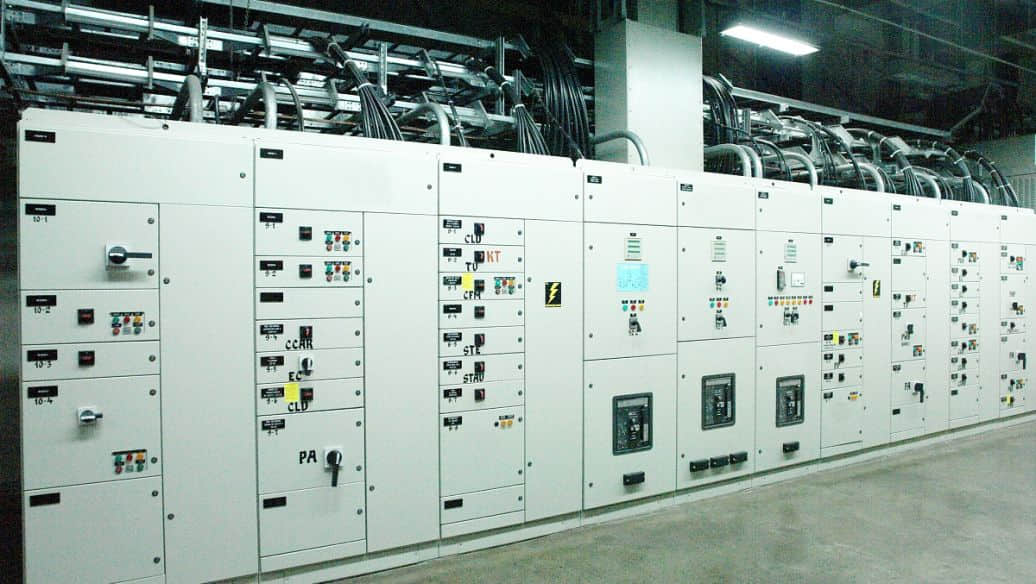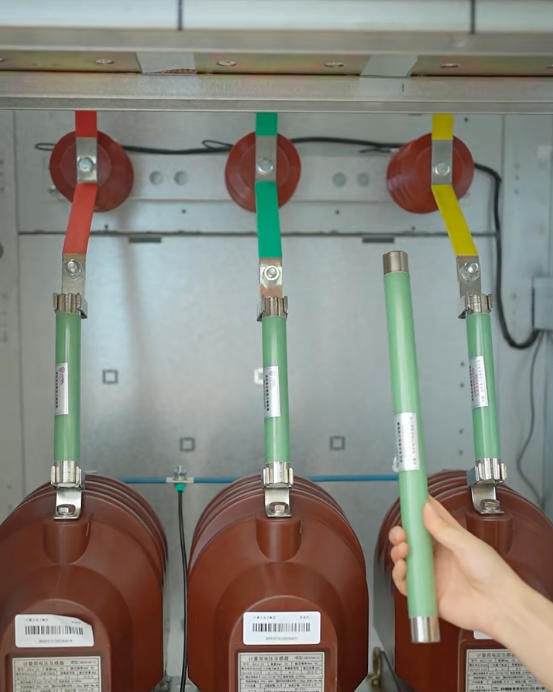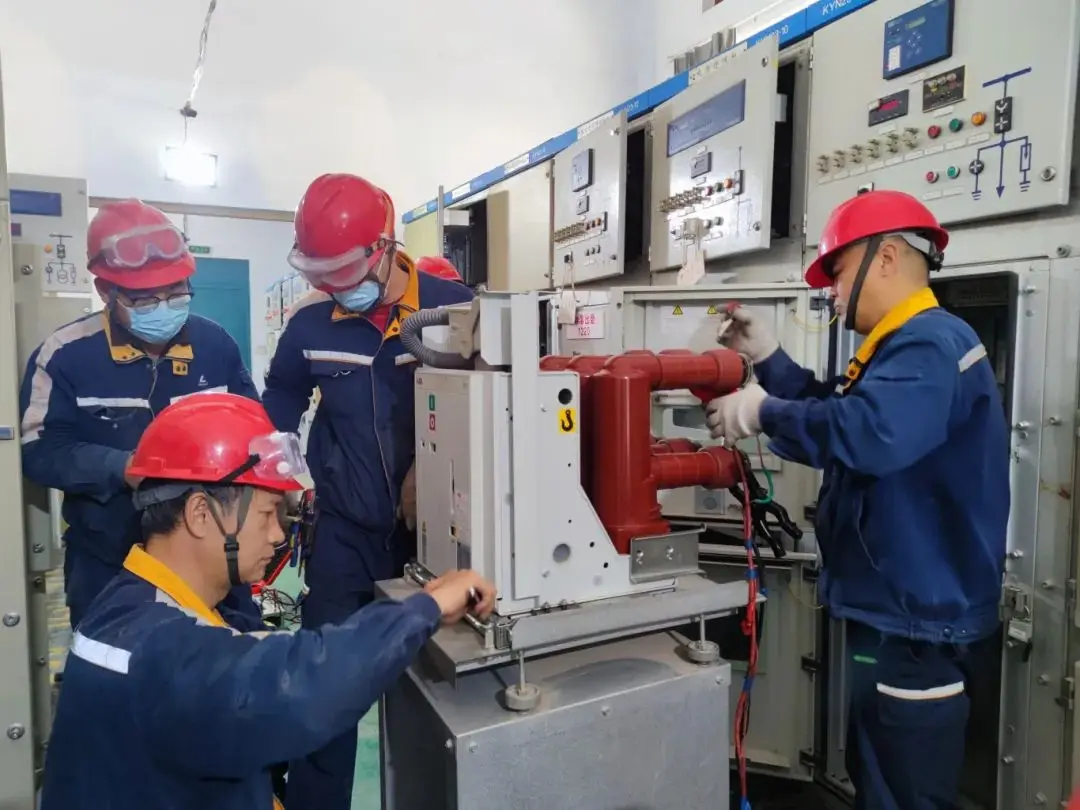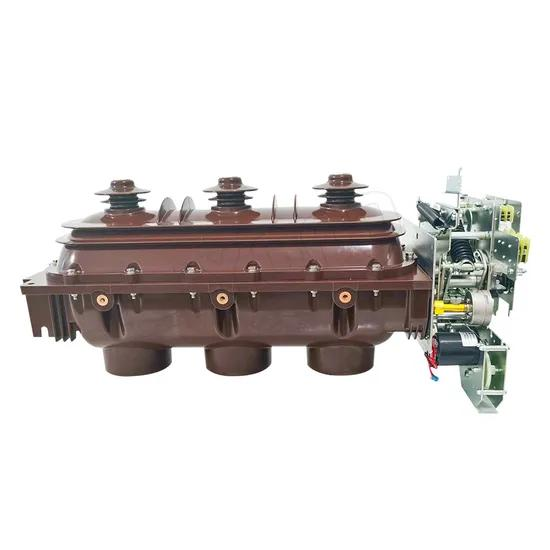
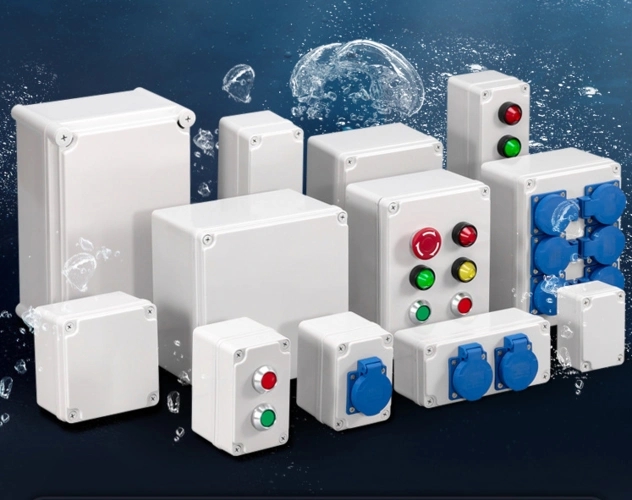
You may want to consider replacing your own electrical breaker box, but this task raises several safety concerns. Many individuals worry about the risk of electric shock or accidentally breaking the law. To work on an electrical breaker box, you need a permit, and sometimes the power company will assist. Always exercise caution before handling an electrical breaker box. Mistakes can be dangerous, so it’s essential to understand the regulations.
Key Takeaways
Always check your local laws before you start. Get any permits you need before you work on an electrical breaker box. Turn off the main power supply first. Use a voltage tester to make sure all circuits are off before you begin. Wear the right safety gear, like safety glasses and insulated gloves. Use an arc flash suit if you need one. Label every wire before you disconnect them. This helps you not get confused when you put in the new breaker box. Watch for warning signs that show you need a new breaker box. These signs include breakers tripping a lot, burning smells, or warm panels. Gather all the tools and materials you need before you start. This helps the replacement go smoothly and quickly. Connect wires in the right order. Connect the ground wire first, the neutral wire second, and the hot wire last. This keeps you safe. If you are not sure about any step or if you have a hard problem, call a licensed electrician for help.
Electrical Breaker Box Safety
Legal and Permit Requirements
Check the laws in your area before you start. Most places want you to get a permit first. Sometimes, you need to call your power company for help. If you skip this, you could break the law or get fined. Here are some things you should know:
Local rules may say you need a permit for any electrical panel work.
Inspection offices often have special rules, like needing AFCI devices.
You might need a licensed electrical contractor to get the right permits.
Not getting a permit is a common code violation.
Tip: Always call your local building department before you begin. They will tell you what you need.
You must follow safety codes. People sometimes use old materials or put the panel in a tight spot. Look at this table to see some common code mistakes:
Code Violation | Description |
|---|---|
Inadequate clearance | You need at least 36 inches in front, 30 inches wide, and 6.5 feet high. |
Improper placement | The panel must be easy to reach, not hidden or cramped. |
Use of non-approved materials | Only use materials that meet current NEC standards. |
Inadequate grounding | Proper grounding keeps you safe. |
Don’t overcrowd the panel with too many circuits. |
Power Shutoff Procedures
Safety is always the most important thing. You must turn off all power before you touch the electrical breaker box. If you skip this, you could get shocked or hurt. Here’s how you do it:
1. Turn off the main power supply to the panel.
2. Use a voltage tester or multimeter to check that the circuits are off.
3 Test each circuit one by one to make sure there is no electricity.
Note: Never trust that the power is off until you test it yourself.
Personal Protective Equipment
Wear the right gear to stay safe. Even if the power is off, accidents can happen. Always wear:
Safety glasses to protect your eyes.
A face shield for extra protection.
Insulated gloves to keep your hands safe.
Arc flash suits if you’re working on high-voltage panels.
Safety Reminder: Don’t wear jewelry or loose clothes. These can catch on wires or conduct electricity.
If you follow these steps, you lower your risk and make the job much safer. Always put safety first when working with electricity.
Signs You Need a New Breaker Box
You might wonder how to tell if your electrical breaker box needs replacing. It’s not always obvious, but there are clear signs you can spot if you know what to look for.
Warning Signs
Some warning signs stand out right away. If you notice any of these, you should pay attention:
Breakers trip often. If you keep flipping breakers back on, something’s wrong.
A burning smell near the panel. This could mean melted wires or a serious problem.
The panel feels warm or hot when you touch it. That’s not normal.
Buzzing or crackling sounds. These noises might mean loose connections or arcing.
Flickering or dimming lights. Your home’s electric system could be struggling.
You still have a fuse box. Fuse boxes don’t meet modern safety codes.
Your home is over 30 years old and has never had an upgrade. Old panels can’t keep up with today’s needs.
Tip: If you notice a burning smell or hear buzzing, turn off the power and call a professional right away. These signs can mean danger.
Age and Outdated Panels
Age matters when it comes to safety and performance. Most electrical panels last about 30 to 40 years. If yours is older, it may not have the safety features you need. Older panels can’t handle the power demands of modern appliances. You might see loose, corroded, or burnt connections. These problems can lead to electric arcing and even fires. Outdated panels often don’t meet current building codes. This can make it hard to sell your home or get insurance. If your panel is too small, circuits can get overloaded. Appliances work harder, and your energy bills go up.
Note: If your home’s panel is more than 30 years old, it’s time to think about an upgrade.
Safety Hazards
Outdated or malfunctioning breaker boxes can cause serious safety hazards. Here’s a quick look at some risks:
Hazard Type | Description |
|---|---|
Electrical Fires | Overloaded circuits can make wires overheat and catch fire. |
Electrocution Risks | Old panels may still supply power even when breakers are off, making repairs dangerous. |
Financial Liability | Insurance companies may deny coverage if your panel is outdated, leaving you with big expenses. |
You want to keep your family safe. If you spot any of these hazards, don’t wait. Take action to protect your home.
Tools and Materials
Getting ready to replace your electrical breaker box starts with gathering the right tools and supplies. If you have everything you need before you begin, you can work faster and safer. Let’s break down what you should have on hand.
Essential Tools
You need a few key tools to do the job right. Here’s a list to help you get started:
1. A new circuit breaker that matches your panel’s brand and size.
2. Plywood or a rubber mat to stand on. This keeps you safe from shocks.
3. Safety goggles to protect your eyes from flying debris.
4. An insulated flashlight for extra lighting in dark spaces.
5. Insulated tools like screwdrivers, hammers, and wire strippers. These help prevent electric shock.
6. Cable connectors to link the new circuit breaker to the main panel.
7. A voltage tester to check if the power is off and to test circuits after installation.
Tip: Always use insulated tools. They help protect you from accidental shocks.
Electrical Supplies
You also need the right electrical supplies for the job. Here are some common items you’ll use:
Single-pole circuit breakers (120 volts): These work for most lights and outlets rated at 15-20 amps.
Double-pole circuit breakers (240 volts): You need these for big appliances like water heaters and HVAC units.
Wire nuts for connecting wires safely.
Electrical tape to cover exposed wire ends.
Labels for marking each circuit.
Mounting screws for securing the new panel.
Note: Check your panel’s manual to make sure you buy the correct type and size of breakers.
Preparation Checklist
Before you start, make sure you have everything ready. Use this checklist to stay organized:
Item | Ready? |
|---|---|
New electrical breaker box | [ ] |
[ ] | |
[ ] | |
Safety gear | [ ] |
Voltage tester | [ ] |
Wire nuts and tape | [ ] |
Labels and markers | [ ] |
Mounting hardware | [ ] |
Rubber mat or plywood | [ ] |
Flashlight | [ ] |
Go through your checklist before you begin. If you miss something, you might have to stop in the middle of the job. That can be frustrating and unsafe.
🛠️ Pro Tip: Lay out all your tools and supplies in your work area. This helps you stay focused and avoid searching for things while you work.
When you have the right tools and materials, you make the job smoother and safer. Take your time to prepare, and you’ll feel more confident as you move forward.
Electrical Breaker Box Replacement Steps
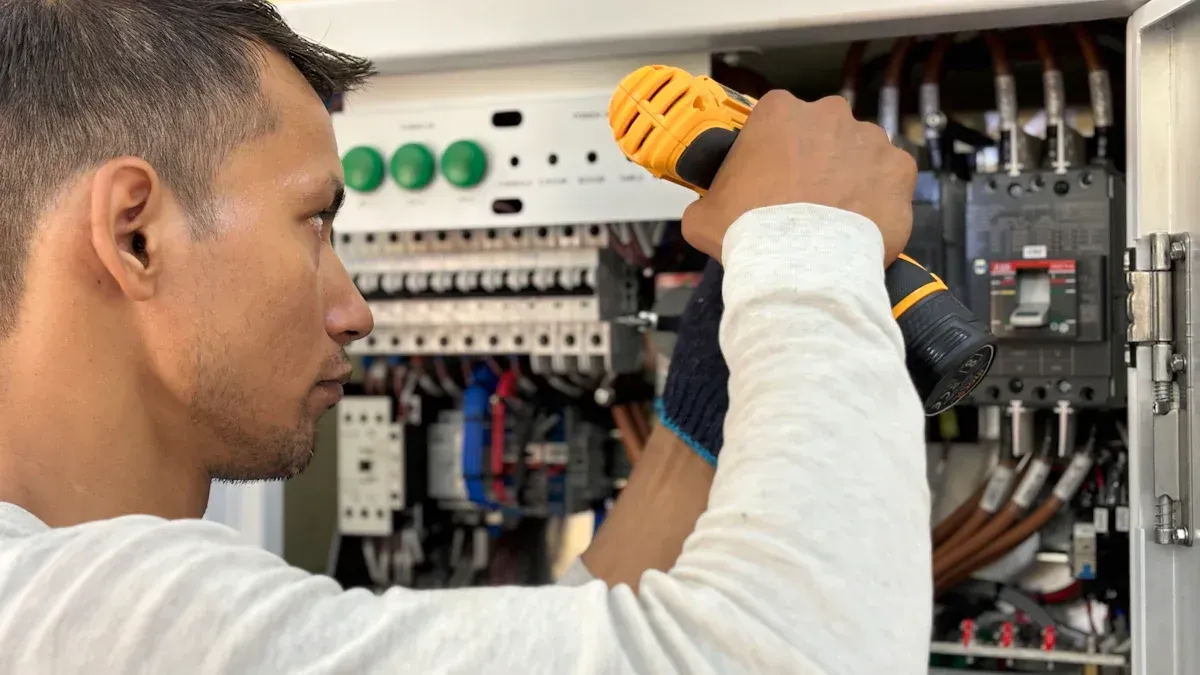
Prepare the Area
Getting your workspace ready is the first step. You want everything to be safe and organized before you touch the electrical breaker box. Here’s what you should do:
Gather all your tools, including a screwdriver, wire stripper, and voltage tester.
Put on rubber-soled shoes and gloves. These help protect you from electrical hazards.
Wear safety goggles and keep your protective gear close.
Lay down a rubber mat or plywood to stand on. This adds another layer of safety.
Make sure the area around the panel is clear. Move furniture and other items out of the way.
Always disconnect power before you open the electrical breaker box or work inside it.
Double-check that the wires inside the box are not live. Use your voltage tester to confirm.
⚡ Tip: Safety comes first when working with electrical devices. Take your time and check everything twice.
Remove Old Box
Now you’re ready to take out the old panel. You need to be careful and follow each step closely.
Disconnect Wires
Start by disconnecting the wires inside the old electrical breaker box. You want to avoid any shocks or damage. Follow this order:
1. Disconnect the hot wire first.
2. Disconnect the neutral wire next.
3. Disconnect the ground wire last.
This sequence keeps you safe and helps prevent accidents. Make sure you use insulated tools and keep your hands dry.
Label Circuits
Before you remove any wires, label each one. Use stickers or a marker to write down which circuit each wire belongs to. This makes it much easier when you install the new box. Accurate labeling helps you avoid confusion later.
🏷️ Note: If you skip labeling, you might mix up circuits and cause problems with your new panel.
When you remove the old breaker, you have two safe options. You can leave the breaker in place if no wires are connected, or you can use filler plates to cover the empty space. Here’s a quick look:
Method | Description |
|---|---|
Leave the breaker in place | Make sure no wires are connected to the breaker. This keeps things safe. |
Use filler plates | Install plates designed for your panel to cover the space left behind. |
Install New Box
You’ve removed the old panel and labeled your wires. Now it’s time to put in the new electrical breaker box.
Mount Panel
Start by mounting the new panel securely on the wall. Use the right screws and make sure the box is level. Remove the cover and insert a cardboard safety shield if needed. Take out a knockout from the panel for the new cable.
Run the cable through a plastic clamp.
Push the cable until at least 1/4-inch of the jacket enters the box.
Route the cable neatly inside the panel.
Connect Wires
Now you can connect the wires to the new panel. Follow this order for safety:
1. Connect the ground wire first.
2. Connect the neutral wire next.
3. Connect the hot wire last.
Snap the new breaker into place. Attach the wires to the breaker and secure them tightly. Connect the ground wire and neutral pigtail to the neutral bus. Make sure the wire insulation is not damaged by sharp edges. Match the wire gauge to the breaker’s capacity to prevent overheating. Avoid putting more than one wire into a single bus bar hole.
📝 Tip: Label each breaker as you go. This helps you keep track and makes future repairs easier.
If you follow these steps, you’ll have a safer and more reliable electrical breaker box. Take your time and check your work as you go.
Test and Restore Power
You’ve installed your new electrical breaker box. Now it’s time to make sure everything works safely. Testing and restoring power is a critical step. You want to catch any problems before you use your home’s electricity again.
Use Multimeter
Grab your multimeter before you flip any switches. This tool helps you check for live wires and confirm that your connections are solid. Here’s how you can test your new panel:
1. Set your multimeter to the correct voltage range for your home.
2. Touch one probe to the ground bar and the other to each breaker terminal.
3. Look for the expected voltage reading. For most homes, you should see around 120 volts for single-pole breakers and 240 volts for double-pole breakers.
4. Check each circuit one by one. If you see a reading that’s too high or too low, stop and inspect your wiring.
5. Make sure there are no loose wires or exposed metal. A visual inspection helps you spot problems that a multimeter might miss.
Tip: If you notice any strange readings, don’t ignore them. Double-check your connections or call a licensed electrician for help.
Industry standards recommend several tests to confirm your panel is safe. Here’s a quick look at the main types:
Test Parameter | Molded Case | Insulated Case | Power Air |
|---|---|---|---|
Insulation Resistance | >50 MΩ | >100 MΩ | >100 MΩ |
Contact Resistance | <50 μΩ | <25 μΩ | <10 μΩ |
Temperature Rise | <40°C | <40°C | <50°C |
Trip Time Accuracy | ±20% | ±10% | ±10% |
Thermal imaging can also help. Some electricians use it to check for hot spots. If you see a temperature much higher than normal, you might have a loose connection. Fixing this early can save you thousands of dollars and prevent dangerous arc flashes.
Reset Breakers
Once you’ve finished testing, you’re ready to restore power. Follow these steps to reset your breakers safely:
Turn off all light switches and unplug appliances in rooms that lost power.
1. Open your electrical panel cover.
2. Find any circuit breakers that are in the “off” position or stuck in the middle.
3. Move each breaker to the full “off” position first.
4. Flip the breaker back to “on.” This restores power to that circuit.
5. If a breaker trips again, you might have an overloaded circuit or faulty wiring. Don’t force it. Call a professional if you’re unsure.
⚡ Safety Alert: Never ignore a breaker that keeps tripping. This could mean a serious electrical problem.
After you reset all breakers, walk through your home. Check that lights and outlets work as expected. Plug in appliances one at a time. If everything runs smoothly, you’ve done a great job. If you spot any issues, stop and investigate before using more power.
Testing and restoring power is your final safety check. Take your time and make sure every step is complete. You want your home to be safe and reliable for years to come.
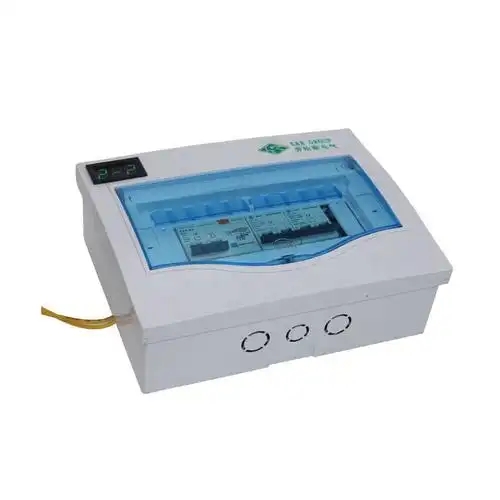
When to Call a Professional
Replacing an electrical breaker box can feel overwhelming. Sometimes, you need to step back and let a licensed electrician handle the job. You want to keep your home safe and avoid costly mistakes. Here’s how you know it’s time to call in a pro.
Complex Electrical Issues
You might run into problems that go beyond swapping out breakers. Some issues need expert eyes and hands. Electricians have the training to spot trouble that you might miss. Here are a few things they look for:
Overloaded circuits can cause fires or damage appliances.
Faulty wiring is hidden behind walls or inside the panel.
Degraded insulation that puts you at risk for shocks.
Corrosion or loose connections can lead to power loss.
Outdated components that don’t meet today’s safety standards.
Electricians also check for wiring problems that aren’t easy to see. They make sure your new panel works with your home’s electrical system. If you notice flickering lights, burning smells, or breakers that trip often, don’t try to fix it alone. Call a professional right away.
⚠️ Safety Tip: If you feel unsure about any part of the job, trust your gut and get help. It’s better to be safe than sorry.
Permit and Inspection Needs
You need more than just tools and supplies for this project. Most towns and cities require permits before you replace an electrical breaker box. After you finish, an inspector will check your work. They want to see that you followed the rules and kept everything safe.
Inspectors look for proper grounding and safe wire installation.
They check cable sizes to make sure your system can handle the load.
Inspections help catch hazards before they become real problems.
If you skip permits or inspections, you could face fines or trouble selling your home later. Electricians know the local codes and can handle the paperwork for you. They make sure your project passes inspection the first time.
📝 Note: Always ask your local building department about permits before you start. Rules can change from one place to another.
Comfort and Experience
Working with electricity isn’t like fixing a leaky faucet. You deal with high voltage, and one mistake can cause serious harm. If you don’t feel confident, it’s smart to call a professional. Here’s why experience matters:
Electric panels can be dangerous if you don’t know what you’re doing.
You might not spot risks or know how to fix problems if something goes wrong.
Mistakes can lead to shocks, fires, or expensive repairs.
You want peace of mind. If you feel nervous or unsure, let an electrician take over. They have the skills and tools to keep your home safe.
😊 Pro Tip: There’s no shame in asking for help. Your safety comes first, always.
Common Mistakes to Avoid
When you replace an electrical breaker box, you want to avoid common mistakes that can put your home and family at risk. Let’s look at the biggest errors people make and how you can steer clear of them.
Skipping Safety Steps
You might feel tempted to rush through the job, but skipping safety steps is never worth it. Always turn off the main power before you start. Double-check with a voltage tester to make sure no wires are live. Wear your safety gear, like gloves and goggles, every time. If you skip these steps, you could get shocked or even start a fire.
⚠️ Safety Tip: Never trust that the power is off until you test it yourself. Take your time and stay safe.
Incorrect Wiring
Wiring mistakes can cause big problems. If you connect wires the wrong way or use the wrong size, you risk short circuits, sparks, or even fires. Loose or exposed wires can lead to dangerous shocks. Using a wire that is too thin for a high-current breaker can make the wire overheat. Sometimes, people use breakers that don’t match the panel. This can cause the breaker to fail during an overload, which puts your home in danger.
Here are some wiring mistakes you should avoid:
Leaving wires loose or uncapped
Using uninsulated conductors
Choosing a wire that is too thin for the breaker
Installing mismatched or foreign breakers
Ignoring old or damaged wiring
If you see old wiring, you should be extra careful. Faulty wiring can increase the risk of shocks, especially in places where water is nearby.
📝 Note: Always label your wires and double-check your connections before you close the panel.
Overloading Circuits
It’s easy to overload a circuit without realizing it. Plugging in too many high-wattage appliances on the same line can trip your breakers again and again. Overloaded circuits make the wires hot, which can start a fire. You might also notice your lights flicker or your appliances stop working. If you keep overloading your circuits, you could damage your electrical system and face expensive repairs.
Here’s what can happen when you overload circuits:
Breakers trip often and disrupt your power
Wires overheat and increase fire risk
Appliances wear out faster or break
Your home may have regular outages
💡 Pro Tip: Spread out your appliances and avoid plugging too many things into one outlet. If you’re not sure how much your circuit can handle, ask a professional.
Avoiding these mistakes will help you keep your electrical breaker box safe and reliable. Take your time, follow each step, and don’t be afraid to ask for help if you need it.
You want to stay safe when working with your electrical breaker box. Always follow each step and use the right tools. Check your local codes and get permits before you start. If you feel unsure, call a professional. Here’s a quick look at key safety measures:
Safety Measure | Description |
|---|---|
Shut off the main power | Turn off the power before you begin any work. |
Wear protective gear | Use gloves and goggles to protect yourself. |
Regular inspections | Have an expert inspect your panel for potential hidden issues. |
Before you begin, remember these steps:
1. Gather your tools and safety gear.
2. Review local rules and get permits.
3. Ask for help if you need it.
FAQ
Can I replace my breaker box without a permit?
No, you need a permit in most places. Local rules require you to get approval before starting. Always check with your city or county office first. Skipping this step can lead to fines or trouble selling your home.
How do I know if my breaker box is dangerous?
Look for signs like burning smells, hot surfaces, buzzing sounds, or frequent breaker trips. If you see sparks or melted wires, turn off the power and call a professional right away.
What tools do I need for this job?
You need insulated screwdrivers, wire strippers, a voltage tester, safety goggles, gloves, wire nuts, and labels. A rubber mat or plywood helps keep you safe. Gather everything before you start.
Is it safe to work on the breaker box myself?
You can do simple tasks if you follow safety steps and local codes. If you feel unsure or see complex wiring, call a licensed electrician. Your safety matters most.
How long does it take to replace a breaker box?
Most jobs take four to eight hours. The time depends on your experience and the size of your panel. If you run into problems, it might take longer.
What should I do if a breaker keeps tripping?
Unplug appliances on that circuit and reset the breaker. If it trips again, you might have an overloaded circuit or faulty wiring. Don’t force it. Call a professional for help.
Do I need to upgrade my breaker box if I add new appliances?
Yes, new appliances may need more power. Your old panel might not handle the extra load. Upgrading keeps your home safe and helps prevent overloads.
Can I use any brand of breaker in my panel?
No, you must use breakers that match your panel’s brand and model. Mixing brands can cause safety problems and may not meet code requirements.