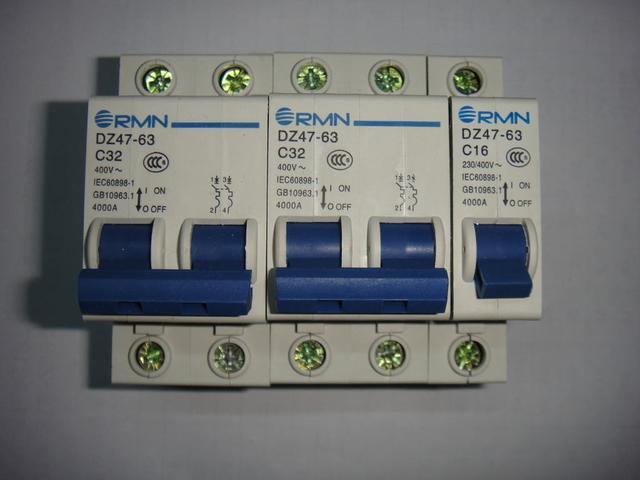
Have you ever wondered why your circuit breaker keeps tripping? It's a critical warning from your home's electrical system.
Many people simply reset the breaker. But ignoring the underlying issue is like driving with a warning light on your car's dashboard.
This guide will explain what a tripping breaker means. We will provide expert advice on how to troubleshoot and fix it.
Our goal is to empower you with the knowledge to not only solve the problem but also prevent future frustrations. We'll be keeping the National Electrical Code (NEC) in mind.
The Main Culprits: Understanding Why Your Breaker Trips
1. Overloaded Circuits: The Most Common Problem
An overloaded circuit is the leading cause of a constantly tripping breaker. This happens when all devices on a single 120-volt circuit exceed its safe limit.
For example, using a high-power microwave and a coffee maker at the same time on the same kitchen circuit is a common cause. This overuse can easily lead to a trip.
Inside your breaker, a built-in heat sensor monitors the current flow. When the current continuously exceeds the limit, the heat causes an internal metal strip to bend.
This bending then triggers the mechanism that cuts the power. This safety feature is designed to stop your wires from overheating and potentially starting a fire.
2. Short Circuits: An Immediate Danger
A short circuit is a much more serious electrical issue. It typically happens when a hot wire touches a neutral wire.
This creates a direct path for the current to bypass its intended route. It causes a massive and sudden surge of electricity that instantly trips the breaker.
The energy released can cause dangerous sparks, intense heat, and a burning smell. Without the breaker's immediate response, the surge could easily destroy appliances.
This makes it a serious risk that requires immediate professional attention. Never try to handle this yourself.
3. Ground Faults: The Hidden Shock Hazard
A ground fault is similar to a short circuit, but it involves a hot wire touching a ground wire. This redirects the current to the earth instead of through the circuit.
Ground faults are a common cause for breakers with a GFCI or RCD. These faults are especially dangerous because they can make an appliance's metal casing live with electricity.
If a person touches it, they could suffer a severe electric shock. This is why the NEC requires these specific breakers in areas like kitchens and bathrooms.
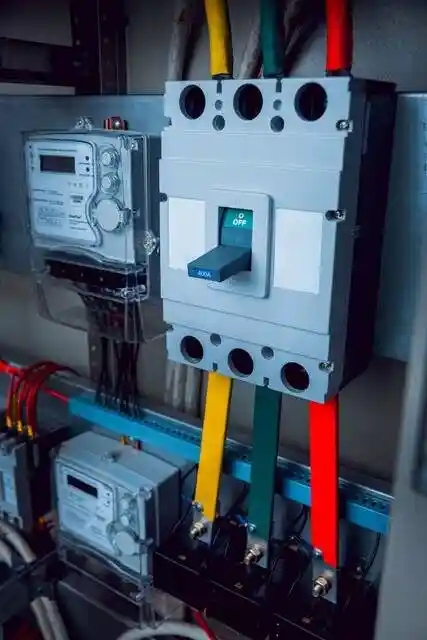
From an Engineer's View: How to Diagnose the Issue
1. Identify the Tripping Pattern
Before you call a professional, you can perform a few simple diagnostic steps. This is the very first thing you should do.
Constant Tripping: If your breaker trips even when nothing is plugged in, this points to a fault in the wiring. The problem isn't with your appliances, but within the walls.
Listen and Smell: Pay attention to any crackling, humming, or buzzing sounds. A distinct smell of burning plastic is a critical sign of a serious fault.
2. How to Troubleshoot Safely
The first step to fixing a tripping breaker is to identify the source. You can start by unplugging everything on the circuit.
Reset the breaker to the ON position and then plug in each device one by one. This will help you find the faulty appliance.
3. When the Breaker is the Problem
Circuit breakers aren't meant to last forever. Over time, their internal parts can wear down.
This can cause them to trip randomly, even when there's no fault on the circuit. This is a very common issue with older breakers.
In a professional setting, we analyze tripping characteristics and time-current curves. These technical metrics are the key to deciding whether a breaker needs to be replaced.
Real-World Experience and Expert Advice
1. A Real-Life Case Study
A factory's main electrical panel was tripping constantly. It brought the entire production line to a halt.
Internal technicians couldn't find the cause because there were no signs of a short circuit.
Upon our inspection, we used a thermal imager. We found an unusually hot terminal on the main switch.
The cause was a loose connection that had been vibrating and degrading. We fixed it easily.
This is a perfect example of how to fix a tripped circuit breaker. It is not always as simple as a reset.
2. Prevention is Key
Preventing a trip is always better than repairing it. We recommend getting a professional to inspect your electrical system once a year.
This check can help catch potential causes of tripping, like loose connections. It can prevent problems before they start.
Consider upgrading your system if you live in an older home. Replacing an old fuse box with a modern panel can enhance safety.
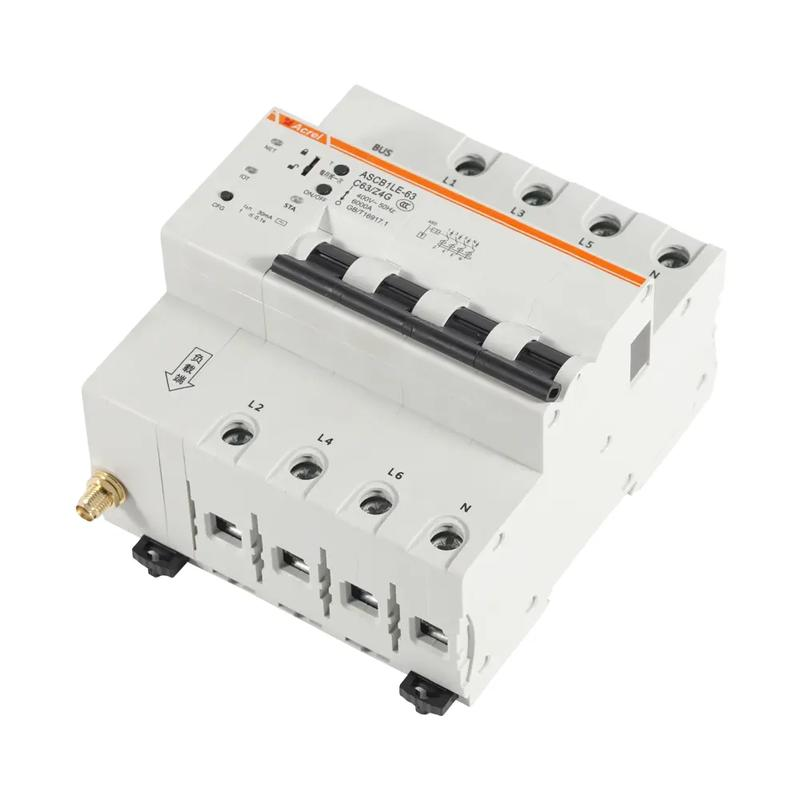
Looking for Reliable Electrical Solutions for Your U.S. Operations?
As a manufacturer of medium-to-high voltage electrical equipment, we deeply understand that a stable electrical system is critical for any operation. We integrate our in-depth knowledge of electrical faults into the design of every product we create.
We believe our expertise allows us to provide truly reliable products for our clients.
If you are looking for high-performance breakers or custom electrical solutions for your next project, our team is ready to help. Please contact us to discuss your specific needs. We are here to help you.
Frequently Asked Questions (FAQ)
Why is my breaker handle stuck in the middle?
This position indicates that the breaker has tripped. It's a safety feature to prevent a simple reset. You must first push it to OFF, then to ON to restore power.
Why does my breaker trip when nothing is plugged in?
This suggests a problem with the circuit itself. Potential causes include loose wiring or a defective breaker. This is a very dangerous situation.
Is it safe to replace a breaker myself?
No, it is not. Replacing a breaker is a high-risk task. Only a certified and licensed electrician should perform this work.
What do I do if my AC unit breaker keeps tripping?
An AC unit is a high-power appliance. Its breaker may be tripping due to a faulty compressor or an old motor. If a dirty air filter isn't the cause, you need to call a professional.
Why does my water heater breaker trip?
A water heater is a major power consumer. Its breaker might trip due to a faulty heating element or a shorted thermostat. Since water and electricity are involved, this could lead to a serious ground fault.
Author: Thor, Electrical Engineer,
Weisho Electric Co., Ltd.
📞 Phone: +86-0577-62788197
📱 WhatsApp: +86 159 5777 0984
✉ Email: [email protected]
🌐 Website: weishoelec.com