



High-Performance isolator Switch for Reliable Disconnector
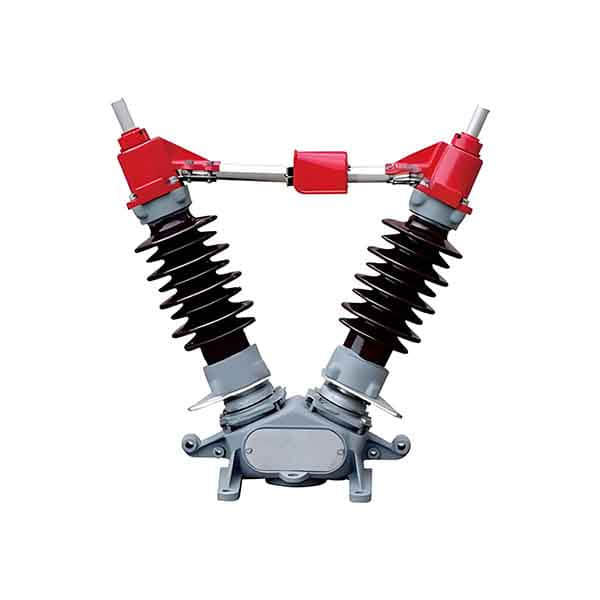
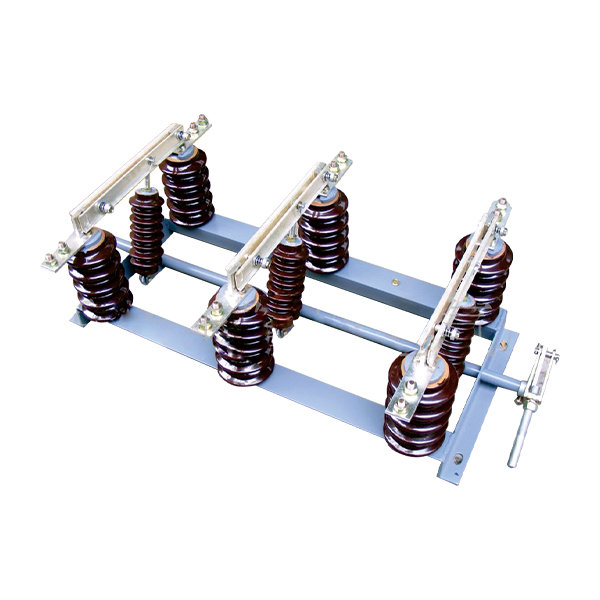
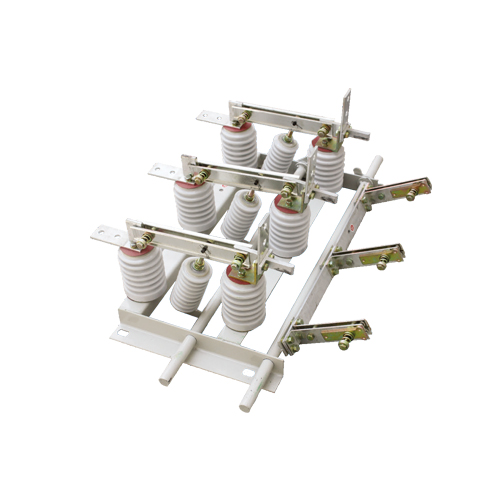
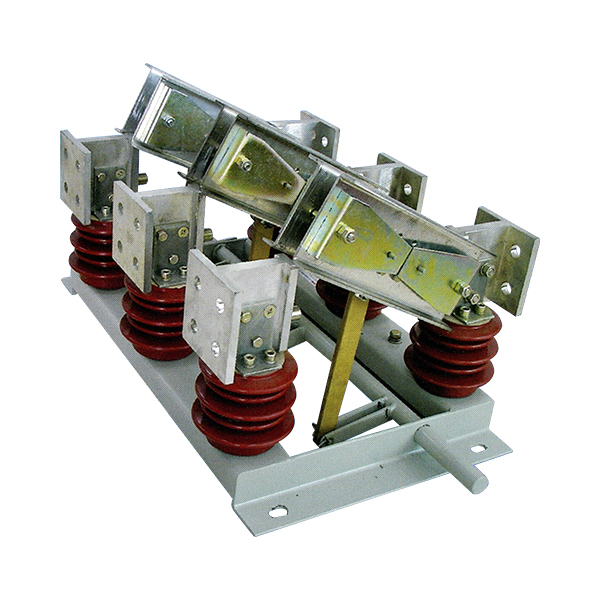
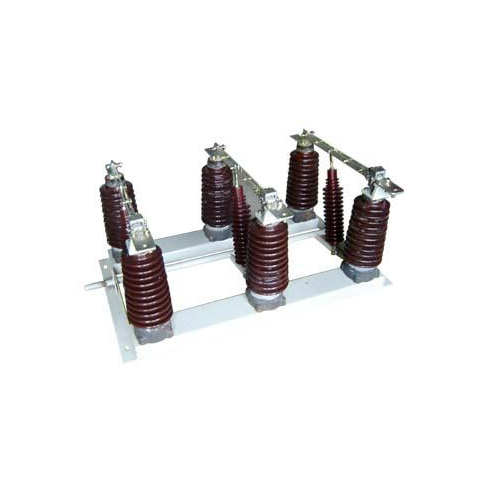
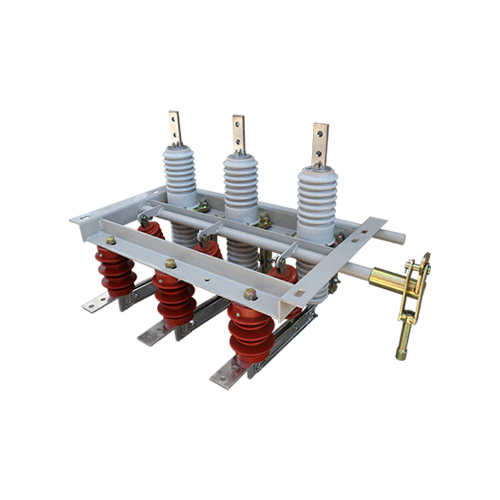
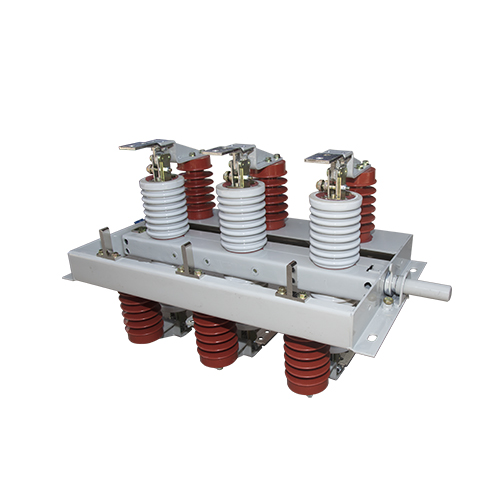
Our isolator Switch (also known as a disconnector) provides safe and visible isolation of high-voltage circuits, ensuring maximum protection during maintenance and emergency shutdowns.
Engineered with superior arc-resistance, high mechanical strength, and long-lasting components, this high-voltage isolating solution is ideal for substations, transformer yards, and distribution networks. Available in single or three-phase configurations with voltage ratings up to 126kV.
isolator FAQ
❓ What is an isolator switch used for?
It is used to ensure complete electrical isolation of equipment during maintenance or in case of emergencies. It provides a visible break to confirm safe disconnection.
⚡ What is the maximum voltage rating supported?
Our isolator support voltage ratings up to 36kV in standard models, with higher voltage options available upon request.
🌧️ Can this switch be used in outdoor environments?
Yes, the isolator switch is designed with weather-resistant materials and can operate reliably in outdoor substations and distribution systems.
🔧 isolator is motorized operation available?
Yes, both manual and motorized operation options are available depending on your application and automation requirements.
⚙️ Can you customize the switch to our specifications?
Absolutely. We offer a range of customizable features, including insulator type, mounting configuration, control mechanisms, and voltage levels.
📃 What certifications do your switches comply with?
Our disconnector switches comply with IEC and GB standards and can be tailored to meet specific regional certifications as needed.
🛠️ How often does the switch require maintenance?
Routine inspections are recommended annually, with more frequent checks in harsh or high-load environments. The design minimizes long-term maintenance.
📞 Do you offer technical support and installation guidance?
Yes, we provide full technical documentation, remote support, and on-site assistance for installation and commissioning upon request.