



What Makes Our Lightning Arresters Different?
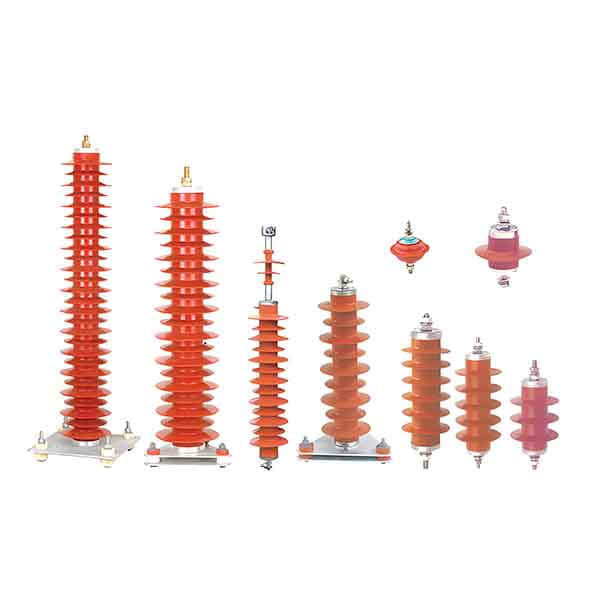
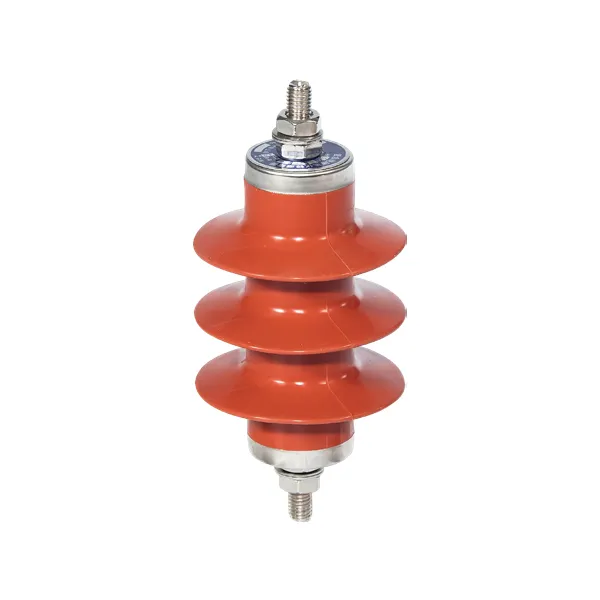
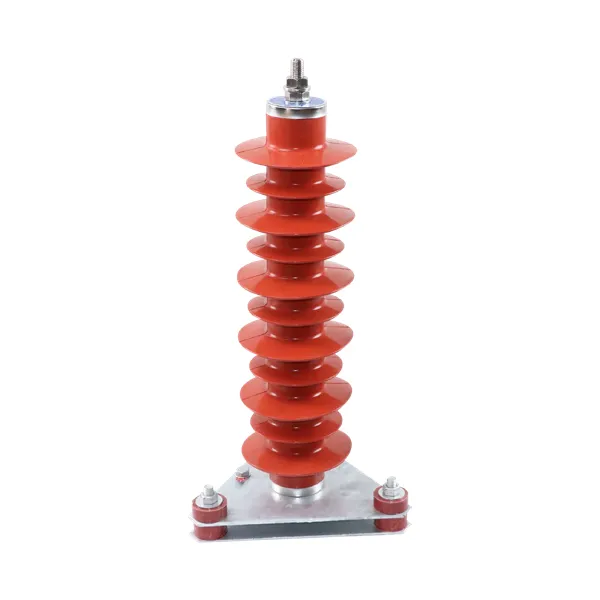
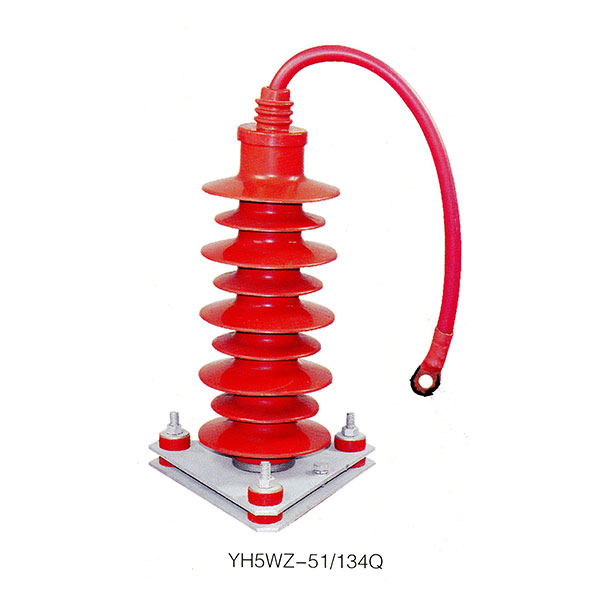
Our Lightning Arresters are specially engineered to provide reliable protection against both direct lightning strikes and various forms of electrical surges. While many people refer to surge arresters and lightning arresters interchangeably, there are important differences:
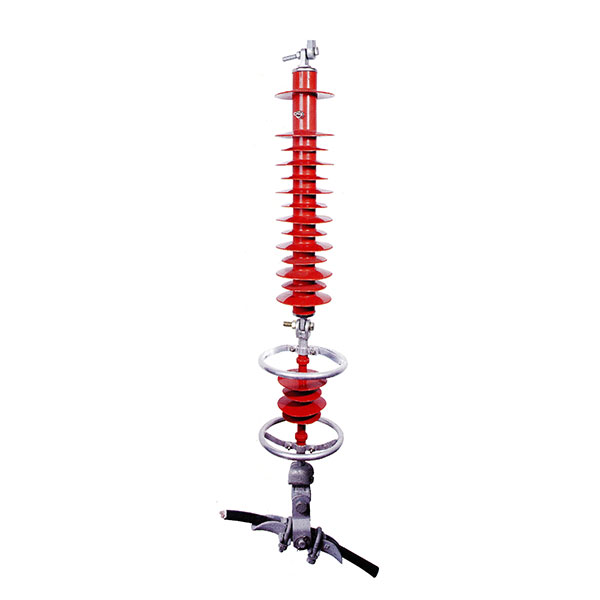
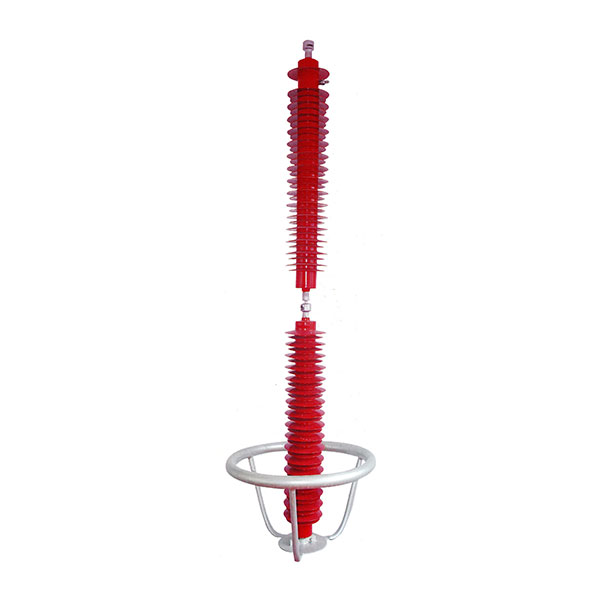
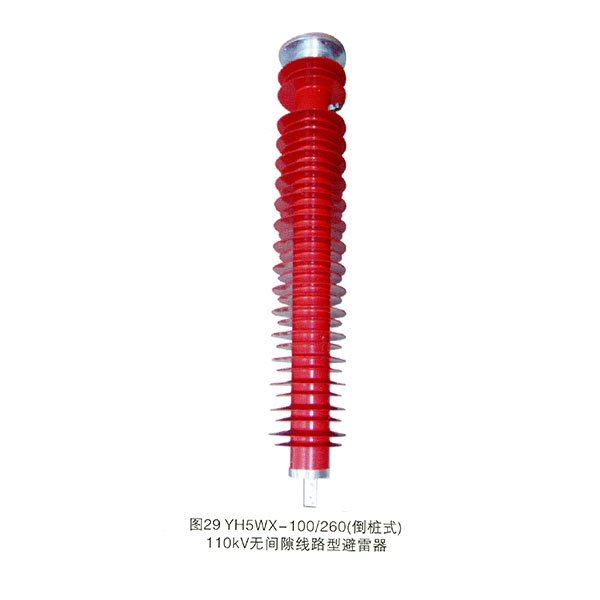
Lightning Arresters are primarily designed to safely divert high-energy lightning currents directly into the ground, protecting your buildings, substations, or transmission towers from catastrophic damage.
In addition, our arresters integrate advanced surge protection capabilities that limit overvoltages caused by indirect lightning strikes, switching operations, or grid disturbances — functions typically associated with surge arresters.
By combining lightning and surge protection functions in one device, our products ensure comprehensive overvoltage protection for your power systems, equipment, and infrastructure.
Whether installed in substations, distribution lines, industrial plants, or communication facilities, our lightning arresters deliver stable, long-term protection, fully compliant with international standards such as IEC 60099-4.
-
All
Ring Main Unit
Auto Recloser
Combined Instrument Transformer
Gas insulated switchgear
Metal Clad Switchgear
SF6 Circuit Breaker
Low Voltage Transformer
Vacuum Circuit Breaker
Fuse Cutout
Compact Substation
High Voltage Transformer
Load Break Switch
Cable Distribution Box
High Voltage Insulator
Isolator Switch
Lightning Arrester
Current Transformer
Potential Transformer
Vacuum contactor
Grounding Switch
Frequently Asked Questions
Is a Lightning Arrester the same as a Surge Arrester?
No. A lightning arrester mainly protects against direct lightning strikes by safely grounding the high-energy lightning current. A surge arrester focuses on limiting overvoltage surges caused by switching operations, indirect lightning strikes, or transient events in the power grid.
Do I need both Lightning and Surge Arresters for my system?
In many power systems, using both provides the highest level of protection. Lightning arresters handle direct strikes, while surge arresters manage indirect and operational surges that could damage sensitive equipment.
Where are Lightning Arresters typically installed?
They are commonly installed on transmission towers, substations, distribution lines, industrial plants, and communication towers where lightning exposure is high.
Are your Lightning Arresters compliant with international standards?
Yes. Our products meet IEC 60099-4 and other relevant international standards, ensuring reliable protection and long-term performance.
How long do Lightning Arresters last?
With proper installation and routine maintenance, our lightning arresters typically last 10-20 years, depending on environmental conditions and lightning exposure frequency.