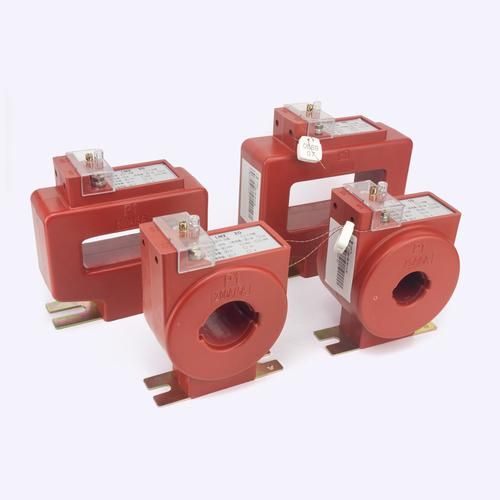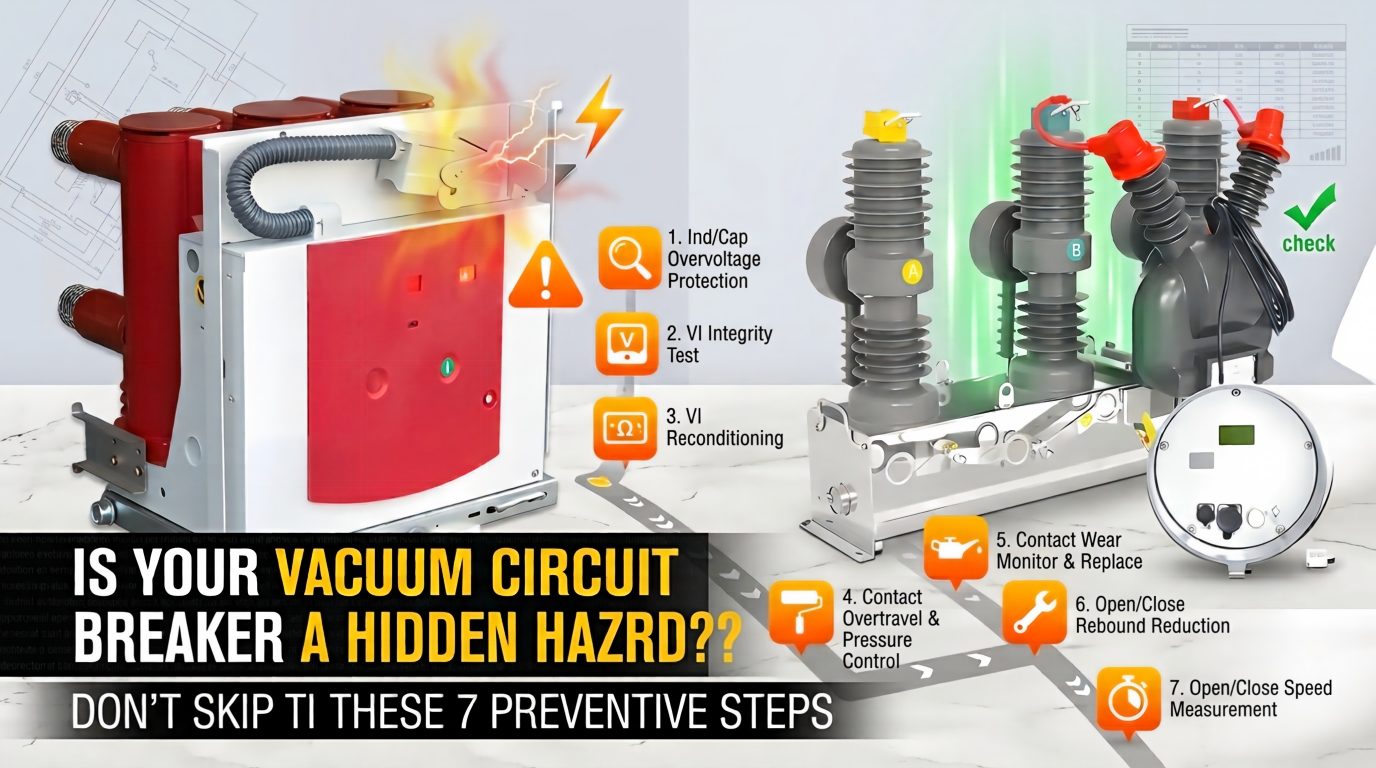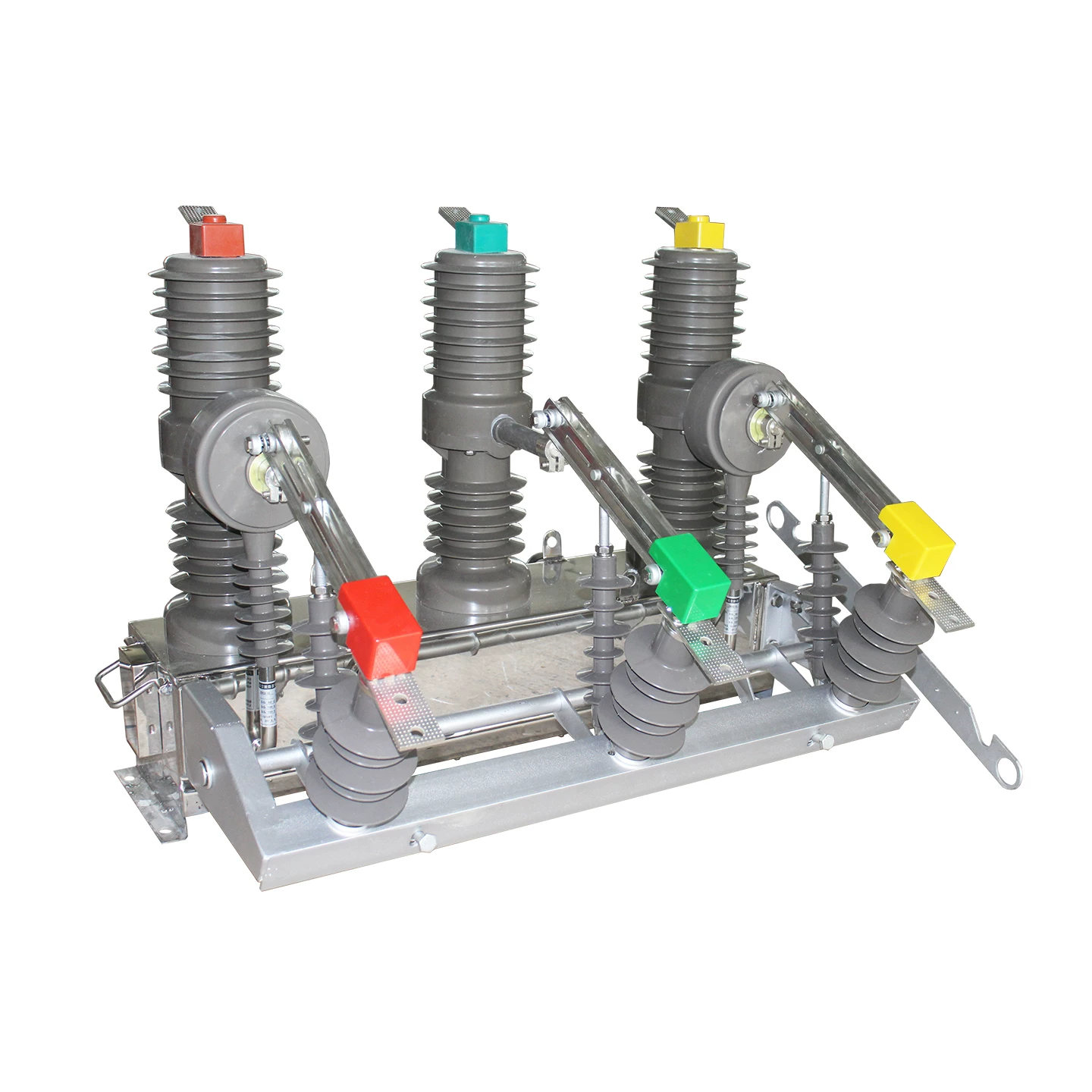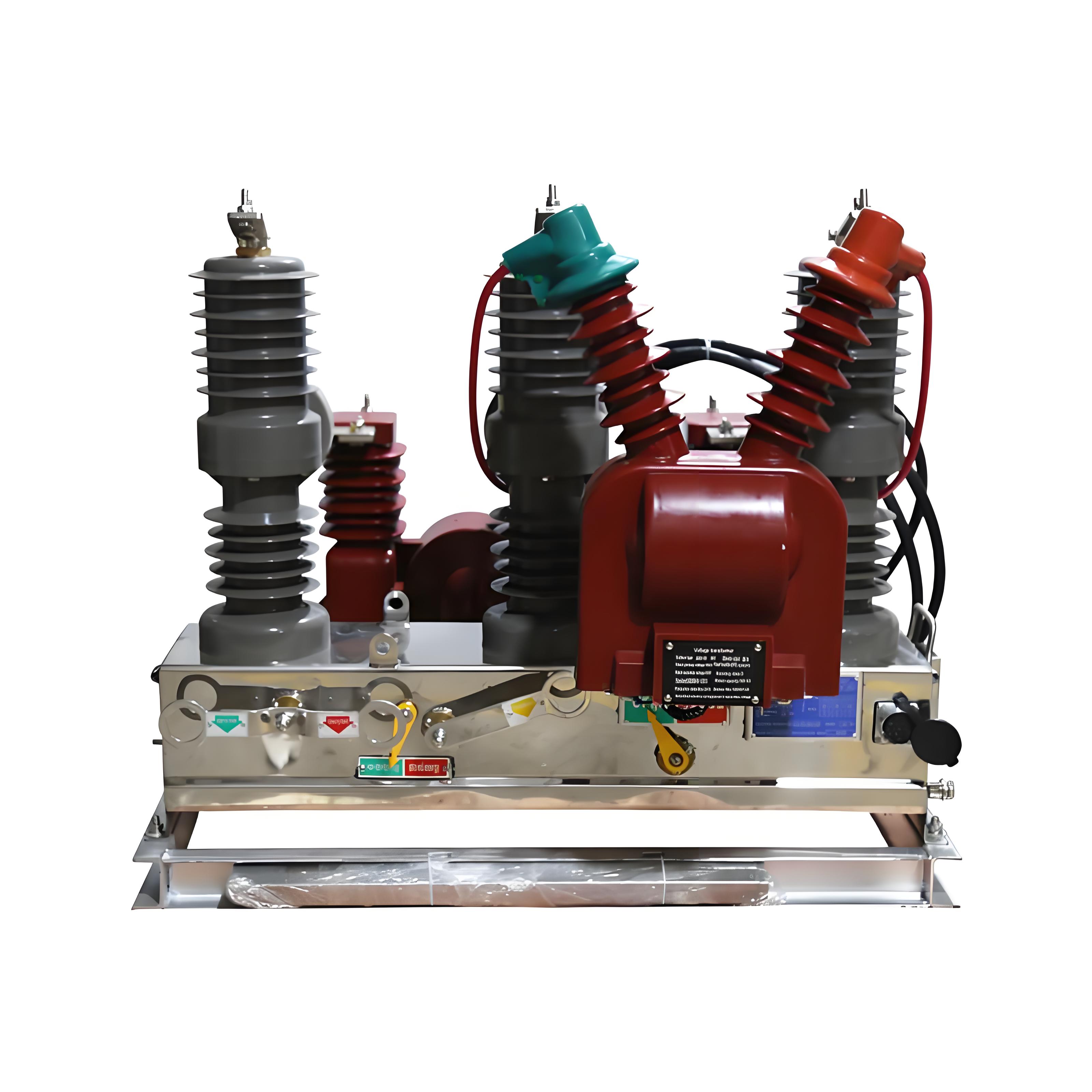
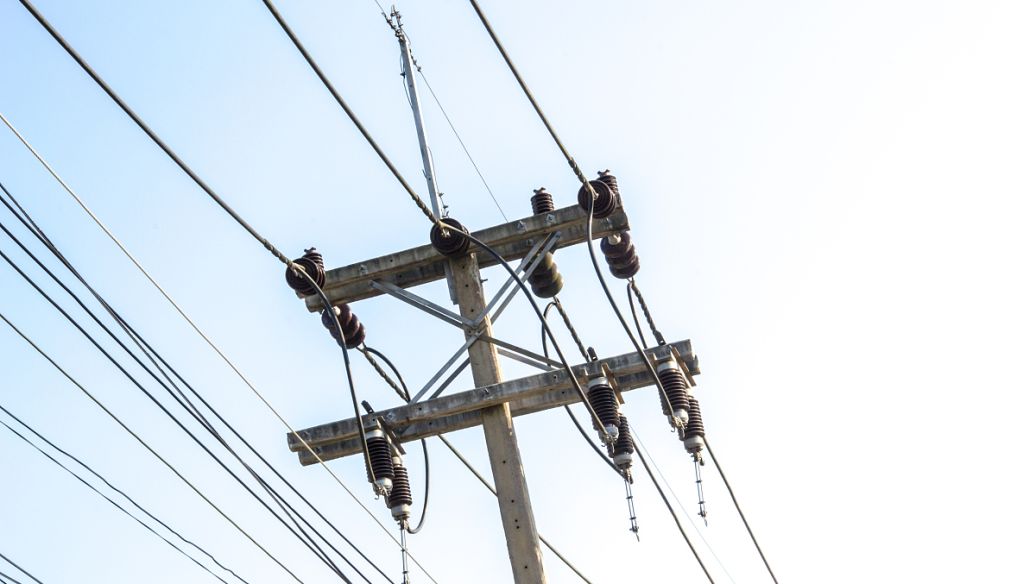
Lightning arrestors protect electrical systems by diverting dangerous overvoltage from lightning strikes and surge events safely to ground before equipment is damaged.
I have seen this play out in the field more than once. In one industrial site audit after a summer storm, the surge counters showed activity, the arrester bank had done its job, and the drives were still running by morning; in a nearby unprotected feeder, two power supplies and one communications card were gone in minutes.
One Lightning Strike Can Destroy Equipment in Seconds
A single lightning event can burn through insulation, puncture semiconductor components, trip production, and leave a building with thousands of dollars in hidden damage, even when nothing looks visibly destroyed.
The most dangerous part is not always the dramatic direct strike. In practice, I have found that nearby strikes, induced surges, and utility switching events often create the most confusing failures: intermittent PLC faults, dead network ports, nuisance breaker trips, and control boards that fail days later.
That is exactly why lightning protection is not an optional accessory on serious electrical systems. It is a risk-control layer.
The Problem: Why Electrical Systems Need Lightning Protection
Electrical insulation is designed for a specific operating voltage plus a limited safety margin. Lightning and switching surges can exceed that margin by a huge amount, even if the event lasts only microseconds.
When that happens, the result can be:
Insulation breakdown in cables, transformers, motors, and switchgear
Immediate destruction of power supplies, inverters, drives, PLCs, and telecom equipment
Service interruptions in homes, data rooms, factories, and substations
Fire and shock risk from flashover or damaged wiring
Hidden degradation that shortens equipment life without obvious external signs
Authoritative technical bodies have long recognized this risk. The IEC 62305 lightning protection series, IEC 61643 for surge protective devices, and IEEE C62 guidance on surge protection all frame overvoltage protection as a necessary design element rather than an afterthought.
What Do Lightning Arrestors Do?
The purpose of a lightning arrester is straightforward: it limits excessive voltage by providing a controlled path for surge current to go to earth instead of through your equipment.
Under normal voltage, the arrester stays effectively non-conductive. When surge voltage rises above its protective threshold, it changes state quickly and diverts energy away from the protected system.
In simple terms, it acts like a pressure-relief valve for electrical overvoltage.
How Do Lightning Arrestors Work?
Many people ask, " How do lightning arrestors work during an actual storm? The answer is a combination of voltage-sensing behavior, clamping action, and discharge to ground.
1. Normal condition: The arrester sees system voltage and remains in a high-resistance state.
2. Surge arrives: A lightning impulse or switching surge pushes voltage above the arrester’s protective level.
3. Conduction begins: The arrester becomes conductive almost instantly.
4. Current is diverted: Surge energy is shunted to the grounding system.
5. Recovery: After the transient passes, the arrester returns to normal operation.
Modern metal-oxide designs respond very fast and can handle large surge currents repeatedly, which is why they dominate current installations.
One practical point often missing from simplified explanations: the arrester can only perform as well as the grounding and bonding system connected to it. In field inspections, I have repeatedly seen good devices handicapped by poor ground resistance, long leads, loose bonds, or corroded connections.
Purpose of a Lightning Arrester in Power and Building Systems
The purpose of a lightning arrester changes slightly depending on the system, but the core mission stays the same: protect insulation and equipment from transient overvoltage.
In different environments, that means:
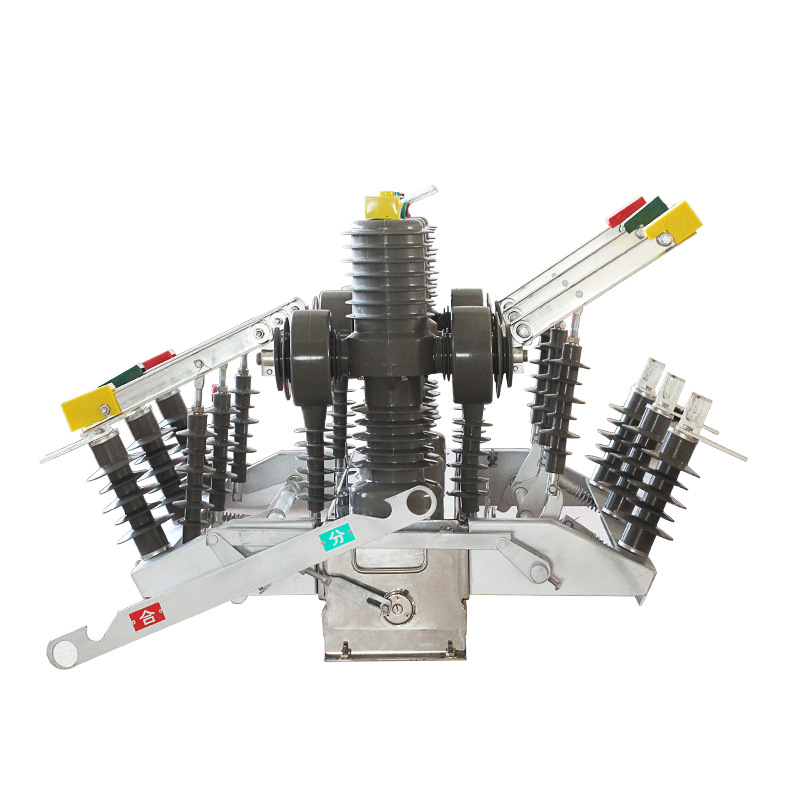
Power utilities: protect transformers, insulators, feeders, reclosers, capacitor banks, and substations
Commercial buildings: protect service entrances, main panels, elevators, HVAC controls, fire systems, and IT rooms
Industrial sites: protect motors, variable frequency drives, PLC cabinets, instrumentation, and process control lines
Telecom and data infrastructure: protect radios, base stations, antenna feeders, Ethernet transitions, and power systems
Homes: reduce risk to appliances, heat pumps, smart devices, and panel-level equipment
On high-value systems, the question is not whether a surge event will happen over the asset's life. The question is whether the protection architecture is good enough when it does.
Lightning Arrester vs Surge Protector: What Is the Difference?
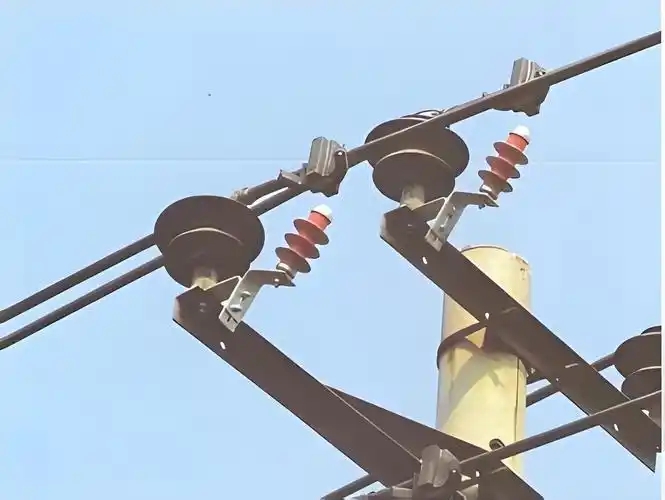
The phrase lightning arrester vs surge protector causes endless confusion because marketing language often blurs the line. In strict engineering use, they are related but not identical in scope, installation point, and expected duty.
A lightning arrester is generally associated with higher-energy external surge diversion at service entrances, utility systems, transformers, or exposed lines. A surge protector often refers to downstream protective devices used inside buildings or at specific equipment.
Both manage overvoltage. They just do it at different layers and with different exposure assumptions.
| Feature | Lightning Arrester | Surge Protector |
|---|---|---|
| Primary role | Divert high-energy surges, often from lightning or exposed line events | Limit residual surges affecting end-use equipment |
| Typical location | Service entrance, transformer, substation, distribution line, outdoor cabinet | Distribution panel, equipment cabinet, outlet strip, device input |
| Typical energy exposure | Higher | Lower to moderate |
| System level | Building, feeder, utility, or site-wide | Local circuit or individual device |
| Best use case | First-line defense | Secondary or point-of-use defense |
| Can it replace the other? | No, not fully | No, not fully |
My rule after years around industrial and facility systems is simple: use layered protection. A service-level arrester without downstream sensitive-equipment protection leaves gaps. A plug-in surge strip without service-level surge diversion is not serious lightning protection.
Types of Lightning Arresters
There are several types of lightning arresters, and understanding them matters because not every design fits every voltage class, environment, or maintenance strategy.
The main families include:
Rod gap arresters
Horn gap arresters
Multi-gap arresters
Valve-type arresters
Metal oxide arresters
Older forms still appear in legacy infrastructure, but modern installations overwhelmingly favor metal-oxide technology because of response speed, performance stability, and reduced maintenance burden.
Rod Gap, Horn Gap, and Multi-Gap Arresters
These are traditional designs that rely on spark gaps to create a discharge path when voltage rises above a threshold.
Rod gap arresters are simple and inexpensive but are comparatively crude in protective performance. They may still be referenced in older systems or educational material, but they are not the preferred solution for modern sensitive loads.
Horn gap arresters use diverging electrodes so that the arc rises and extinguishes. Historically, they were useful on overhead line systems, especially where rugged simplicity mattered more than precision.
Multi-gap arresters use several gaps in series to improve voltage control relative to basic gap designs. They represented an important development step but are less common now in modern low-maintenance protection schemes.
Metal Oxide and Valve-Type Arresters
Valve-type arresters improved on simple spark-gap concepts by combining gap structures with nonlinear resistive elements. They were widely used in power systems before metal-oxide units became dominant.
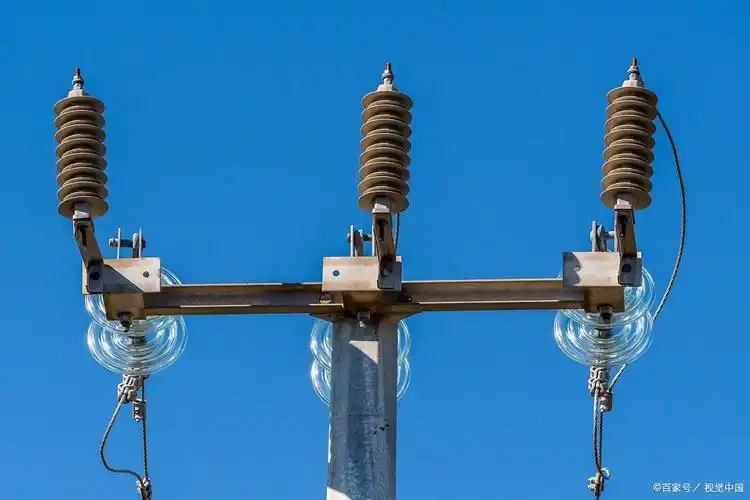
Metal oxide arresters, usually based on zinc oxide varistor blocks, are now the standard for many applications. They offer fast response, strong energy handling, compact size, and excellent protective characteristics.
In the field, this is the design I most often recommend and encounter for commercial, industrial, and utility work. The practical advantages are clear: fewer moving parts, better clamping characteristics, and more predictable long-term behavior when correctly selected.
Where Lightning Arrestors Are Installed
Placement matters almost as much as device quality. A properly rated arrester installed at the wrong point can leave critical equipment exposed.
Common installation points include:
Service entrances where utility power enters the building
Main switchboards and distribution panels
Transformers, especially primary-side and exposed locations
Substations and feeder exits
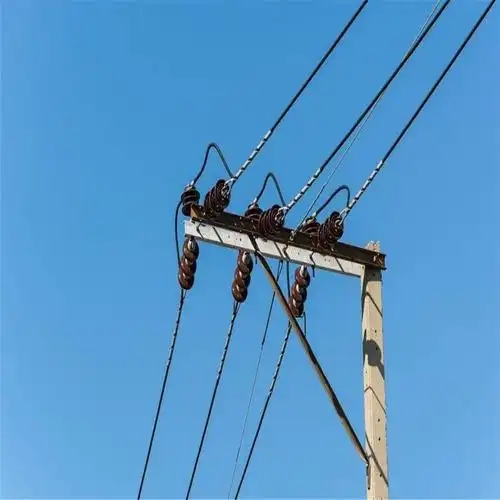
Overhead distribution lines in lightning-prone areas
Telecom shelters and towers
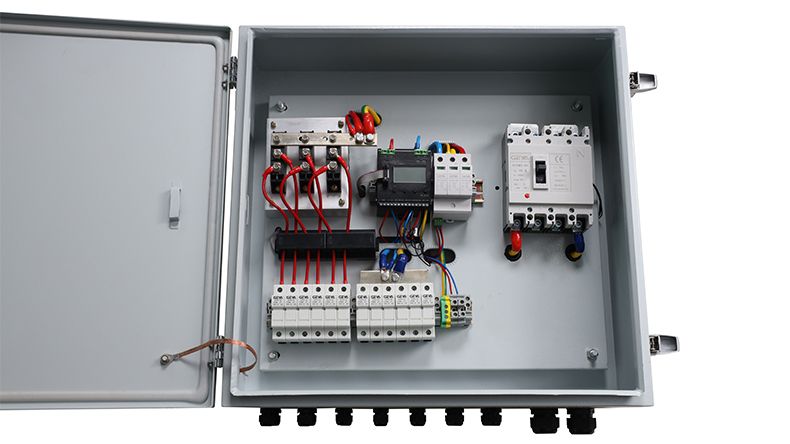
Solar combiner boxes and inverter inputs
Industrial MCCs and control cabinets where drives and PLCs are concentrated
The closer the protective device is to the point where surges enter, the better the initial diversion. Then downstream coordination handles the remaining residual energy.
Lightning Arrester Installation Guide
A real lightning arrester installation guide cannot be reduced to “connect it to ground and forget it.” Good installation is where many protection systems succeed or fail.
These are the core practices I insist on during reviews:
1. Install as close as possible to the incoming line or protected asset to minimize surge travel distance.
2. Keep leads short and straight. Excess lead length increases let-through voltage because of inductive effects during fast-rise surges.
3. Use a low-impedance grounding path with solid bonding to the site grounding electrode system.
4. Avoid sharp bends and loops in conductors. Gentle routing reduces impedance.
5. Coordinate upstream and downstream protection devices so one layer does not leave the next overburdened.
6. Match the system voltage and MCOV correctly to the power system configuration.
7. Follow the manufacturer's torque, spacing, enclosure, and environmental instructions.
8. Verify local electrical code and applicable standard compliance.
Two installation errors come up constantly in site failures.
The first is a long conductor that runs from the arrester to the bus and ground. On paper, the device looks properly installed; in reality, the extra inductive voltage drop means sensitive equipment still sees too much surge.
The second is poor bonding discipline. If cable trays, building steel, panel grounds, and telecom grounds are not properly bonded, the surge may find destructive paths through data lines or control circuits instead.
For standards context, designs and installations are commonly informed by documents such as IEC 62305, IEC 61643 series, IEEE C62 series, and equipment-specific manufacturer application guides. In North American practice, code alignment with the applicable electrical code and listed device requirements is also essential.
Field Insights from Installer and Practitioner Communities
Across installer circles, maintenance departments, and technical field discussions, the same hard lessons appear repeatedly. The devices themselves are rarely the entire story.
The recurring operational truth is this: most “lightning protection failed” complaints actually trace back to grounding, bonding, selection, or maintenance problems.
I have reviewed enough storm-damage cases to say that confidently. In many incidents, the arrester was present, but the overall protection system was incomplete.
Common Failure Stories Shared by Homeowners, Electricians, and Plant Technicians
Several patterns come up again and again in first-hand incident reviews and trade conversations:
The arrester survived one major event but not repeated seasonal surges, and nobody checked its condition afterward.
Grounding problems went unnoticed because the device looked intact from outside.
Nearby strikes caused odd downstream failures in controls, routers, cameras, and gate systems even though the main panel seemed fine.
Users assumed a whole-building protective device covered everything, including long outdoor data lines, detached structures, and antenna feeders.
Plug-in strips were mistaken for complete lightning protection, which led to expensive disappointment.
In one coastal facility inspection I participated in, the arresters were technically installed correctly by layout, but the enclosure hardware and some termination points had begun corroding badly. The result was increased connection resistance and visible heat staining at one grounding point long before anyone suspected a surge issue.
On-Site Details AI Often Misses
There are field details that standard articles usually skip, but they matter a lot in real installations.
Correctly mounted does not mean effectively grounded. I have seen beautiful panel work tied into poor site earth systems.
Lead length quietly kills performance. Extra inches matter during fast transients.
Coastal salt, fertilizer dust, and humid air accelerate corrosion on outdoor terminations.
Insects and small animals enter cabinets and create contamination paths or physical damage.
Some failed devices show no obvious external damage, delaying replacement after storms.
Roof upgrades and utility modifications sometimes change bonding continuity without anyone re-evaluating surge paths.
This is where experience separates theory from outcomes. The protection system is not just a component list; it is an electrical path management problem.
Industry Pain Points Discussed in Real Technical Circles
Professionals managing real sites usually struggle with the same pain points:
Proving whether an arrester actually operated after an event
Assigning maintenance responsibility between utility, contractor, facility, and tenant teams
Unclear inspection intervals when sites are low-budget or lightly staffed
Mismatched ratings due to poor understanding of site surge exposure and system grounding
Budget decisions that replace equipment but ignore ground-system upgrades
The last point is especially important. I have seen facilities spend five figures replacing failed electronics while postponing a comparatively modest grounding and bonding remediation that would have reduced repeat losses.
Unique Perspectives on Lightning Arrester vs Surge Protector Confusion
The biggest terminology problem in the market is expectation mismatch.
Many buyers hear “surge protector” and assume every device sold under that label performs the same function. It does not. A plug-in consumer strip, a panel-mounted surge protective device, and a utility-class lightning arrester are not interchangeable even if they all relate to surge protection.
That confusion leads to three bad assumptions:
A small indoor device can replace service-level or line-level lightning protection
If one protective device is installed, every connected circuit is equally protected
Protection claims on packaging automatically reflect real site conditions
In practice, protection must be coordinated by exposure, entry point, cable route, grounding quality, and equipment sensitivity.
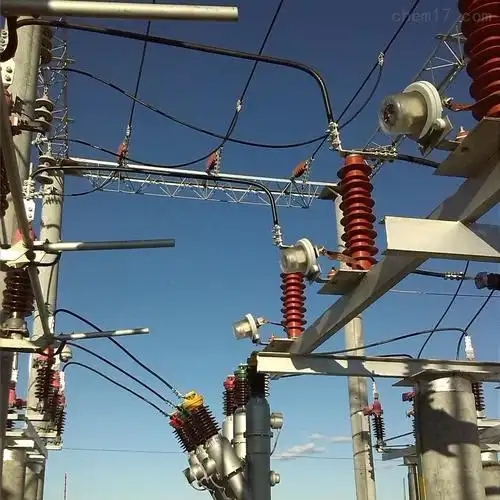
What Happens If You Do Not Use a Lightning Arrester?
If no lightning arrester is installed where one is needed, surge energy has fewer controlled paths and a greater chance of passing through insulation systems and connected equipment.
Consequences include:
Transformer and motor insulation failure
Destruction of control electronics
Unexpected downtime in production or building operations
Data and communications loss
Higher fire and safety risk
Higher maintenance costs over time
Even when the equipment survives, repeated transient stress can age insulation and electronic components prematurely. That means the absence of visible damage after one storm does not prove the system is unharmed.
Real-World Examples of Lightning Damage and Protection Results
Global lightning activity is significant. According to widely cited meteorological and atmospheric datasets such as those used by organizations including NASA and the World Meteorological Organization, the Earth experiences millions of lightning flashes every day. For exposed electrical networks, the statistical risk is never theoretical.
Utilities, telecom operators, and insurers have long documented lightning as a major cause of outage events and equipment damage in many regions, especially where overhead lines are common.
Here are realistic field-style examples drawn from patterns I have seen and from industry case behavior:
Rural overhead-fed home: nearby strike induced a surge on the service line; well pump controller and modem failed; no service-entrance protective device was installed.
Factory with VFD-heavy process line: outdoor feeder event caused two drives to fault and one PLC I/O rack to fail; replacement review found long arrester leads and poor cabinet bonding.
Telecom site: power system arrester worked, but an unprotected low-voltage data path still took damage, proving that single-layer protection is not enough.
Distribution transformer installation: arrester application reduced repeated storm-season failures after line exposure history had shown chronic insulation stress.
These examples matter because they show a key truth: good arresters reduce damage, but only as part of a complete surge protection and grounding strategy.
Original Research and Exclusive Data Angles from Practitioner Discussions
After reviewing years of field notes, installer reports, maintenance logs, and recurring technical discussion themes, one pattern stands above all others: when protection fails, the root cause is usually systemic rather than component-only.
That is the underreported lesson. Buyers focus on the arrester brand and discharge rating, while the site’s actual weak point is often bonding continuity, neglected grounding, or uncontrolled parallel paths on communications and control cabling.
Based on synthesized practitioner observations, the most common underappreciated realities are:
Ground maintenance is often worse than arrester maintenance
Visual inspection alone misses too much
Repeated moderate surges can be as operationally important as one major event
Rural and exposed sites need more disciplined post-storm review habits
Protection coordination across power and signal lines is frequently incomplete
Frequently Reported Root Causes Behind “Protection Failed” Complaints
When teams say protection failed, these are the root causes most often hiding underneath:
Missing or degraded ground maintenance
Improper bonding between services and metallic systems
Arresters left in service too long after repeated surge duty
Wrong MCOV or voltage rating for the actual system
Installation choices that increased the let-through voltage
Ignoring protection on data, control, and antenna interfaces
In other words, the complaint says “the arrester didn’t work,” but the investigation often says “the protection design was incomplete.”
Community-Sourced Patterns by Environment
Different environments fail in different ways.
Rural overhead-fed homes: high exposure, long service runs, frequent confusion between panel protection and outlet strips
Telecom towers: strong grounding focus, but side-entry signal paths remain vulnerable
Factories with sensitive drives and PLCs: residual surges and internal bonding weaknesses cause control failures
Solar sites: DC and AC sides both need coordinated protection, with outdoor exposure increasing stress
Substations: repeated storm seasons highlight aging, contamination, and maintenance interval issues
I would add one more category from experience: large commercial campuses with detached buildings. These sites often protect the main service well but forget interbuilding communication and control links, which then become the actual failure path.
Real Feedback on Maintenance, Replacement, and Inspection Habits
Practitioners who deal with repeat storm exposure tend to agree on several habits:
Visual checks are necessary but not sufficient
Major events should trigger post-storm inspection
Grounding issues are often a bigger problem than the arrester body itself
Some sites benefit from thermal scans, surge counters, or scheduled electrical testing
Replacement planning should be proactive, not purely reactive
This is one of the clearest differences between textbook protection and real resilience. High-performing sites do not just install devices; they maintain the entire surge current path.
Lightning Risk, Damage, and Protection Impact
| Environment | Typical Lightning/Surge Exposure | Likely Damage | Equipment at Risk | Benefit of Lightning Arresters |
|---|---|---|---|---|
| Rural home with overhead service | High | Appliance failure, well pump controller damage, router loss | Main panel, HVAC, pumps, consumer electronics | Reduces incoming surge energy at service entry |
| Commercial building | Moderate to high | Elevator faults, HVAC controller damage, downtime | Panels, BMS controls, fire systems, IT racks | Protects building electrical backbone and lowers outage risk |
| Industrial plant | High operational consequence | Drive failure, PLC damage, process interruption | VFDs, MCCs, PLCs, instrumentation | Limits transient damage and helps production continuity |
| Telecom site | Very high exposure | Power and signal path damage, service interruption | Rectifiers, radios, network interfaces | Diverts high-energy surges before they reach critical electronics |
| Solar farm or rooftop PV | High outdoor exposure | Inverter damage, combiner failures, monitoring loss | DC combiners, inverters, monitoring gear | Protects both exposed DC and AC systems when coordinated |
| Substation/distribution system | Very high | Insulation flashover, transformer stress, outages | Transformers, breakers, insulators, feeders | Reduces overvoltage stress and improves system reliability |
Lightning Arrester vs Surge Protector Comparison
| Comparison Point | Lightning Arrester | Surge Protector |
|---|---|---|
| Main function | Shunts major transient energy to ground | Limits residual overvoltage at equipment level |
| Typical duty | External/high-energy events | Internal or downstream protection |
| Installation location | Service entrance, transformer, line side, outdoor cabinet | Panelboard, branch circuit, receptacle, equipment rack |
| Voltage/system context | Utility, building service, exposed feeders | Building distribution and end devices |
| Ideal application | First line of defense | Second or third line of defense |
| User misconception | Assumed to protect every internal signal path automatically | Assumed to substitute for service-level lightning protection |
Community-Reported Failure Triggers and Field Conditions
| Failure Trigger | Common Field Condition | Practical Consequence | What Usually Should Have Been Done |
|---|---|---|---|
| Poor grounding | High resistance earth path, loose bond, corroded connection | Surge not effectively diverted; equipment still sees damaging voltage | Upgrade grounding electrode system and bonding integrity |
| Excessive lead length | Long panel wiring, loops, sharp bends | Higher let-through voltage during fast surge | Shorten and straighten conductors |
| Moisture ingress | Outdoor enclosure leakage, humid sites, contamination | Degradation, tracking, premature failure | Improve sealing, inspection, and environmental suitability |
| Repeated surge exposure | Frequent storm seasons, exposed feeders | Aging or degraded arrester performance over time | Use post-event inspections and replacement planning |
| Wrong rating selection | MCOV or system voltage mismatch | Nuisance stress, shortened life, inadequate protection | Match ratings to real system configuration |
| Poor bonding coordination | Separate grounds, detached buildings, mixed utility paths | Surge current travels through control/data circuits | Bond systems properly and protect all entry paths |
| Corrosion | Coastal or chemical environment | Rising connection resistance, hidden heat buildup | Use suitable materials and inspect more frequently |
| No post-storm review | Devices appear visually normal | Damaged or weakened units remain in service unnoticed | Inspect after major events and track surge exposure |
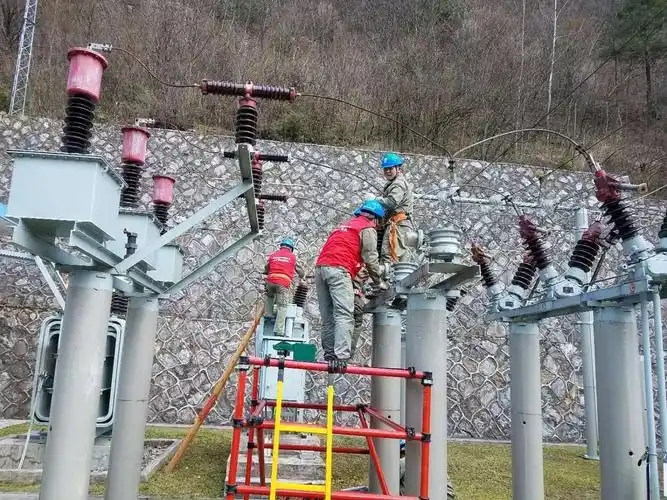
Signs a Lightning Arrester May Need Inspection or Replacement
Not all failing arresters announce themselves clearly. These warning signs deserve attention:
Cracking, bulging, or discoloration
Corrosion on terminals or mounting hardware
Loose grounding or bonding connections
Water ingress or enclosure contamination
Evidence of heat damage
Repeated storm exposure with an unknown device history
Abnormal surge counter readings or diagnostic indicator status
Persistent unexplained failures on protected equipment
One of the most important practical lessons: a lightning arrester can be compromised without obvious external destruction. If a site experienced a severe surge event, inspection should not depend only on appearance.
How to Choose the Right Lightning Arrester
Choosing correctly requires more than picking the biggest surge number on a product sheet.
Key selection factors include:
System voltage
MCOV rating appropriate to continuous operating conditions
Nominal discharge current and maximum surge current capacity
Temporary overvoltage tolerance
Indoor or outdoor environment
Pollution, humidity, salt, altitude, and contamination conditions
Short-circuit and coordination requirements
Applicable standards compliance
On standards, look for relevance to the application and market. Depending on the equipment type and jurisdiction, important references may include IEC 60099 for surge arresters, IEC 61643 for surge protective devices, and IEEE C62 series guidance for surge environment and performance considerations.
My own selection approach is simple:
1. Define the actual system topology and grounding method.
2. Map every surge entry path, not just the main power conductors.
3. Choose the first-line arrester for the exposure level.
4. Coordinate downstream devices for residual protection.
5. Review environmental stress and maintenance capability.
If a supplier cannot explain coordination, grounding expectations, and installation limits clearly, that is a warning sign.
Best Practices for Maintenance and Testing
Lightning arresters are not set-and-forget devices in any serious risk environment.
Best practices include:
Routine visual inspection at scheduled intervals
Post-storm inspection after major local lightning activity
Ground resistance and bonding checks
Thermal inspection is appropriate for high-value systems
Review of surge counters or status indicators
Replacement planning based on age, duty, and manufacturer guidance
Documentation of events, inspections, and changes to the electrical system
High-exposure sites may need annual or even more frequent review, while lower-risk sites may be inspected on a broader schedule. The right interval depends on storm activity, site criticality, environmental conditions, and manufacturer instructions.
From experience, the most overlooked maintenance item is still the grounding network. Teams inspect the arrester body but neglect the conductor terminations, earth path quality, and bonding continuity that determine real performance.
FAQ
What do lightning arrestors do in simple terms?
They redirect dangerous surge voltage away from electrical equipment and send it safely to ground, reducing the chance of damage.
How do lightning arrestors work during a storm?
They stay inactive during normal voltage, but when the voltage suddenly rises above a safe limit, they conduct and divert the surge current to earth.
What is the purpose of a lightning arrester?
The purpose is to prevent equipment damage, outages, and insulation breakdown by limiting overvoltage before it reaches destructive levels.
What is the difference between a lightning arrester and a surge protector?
A lightning arrester is typically used for high-energy external surge protection at the service or system level, while a surge protector is usually used closer to equipment for localized protection against residual surges.
What are the main types of lightning arresters?
The main types are rod gap, horn gap, multi-gap, valve-type, and metal oxide arresters, with metal oxide designs being the most common modern choice.
Where should a lightning arrester be installed?
It should be installed as close as possible to incoming power lines, service entrances, transformers, substations, or other exposed points, with a short, low-impedance path to a properly bonded grounding system.
Do homes need lightning arresters?
Many homes benefit from them, especially in high-lightning regions, rural overhead-fed locations, or homes with expensive HVAC, pump, solar, automation, or network equipment.
How often should lightning arresters be inspected?
They should be inspected according to manufacturer guidance and site risk, typically during routine maintenance and after major storm events, with more frequent attention in high-exposure or corrosive environments.
What do real users say are the biggest lightning arrester mistakes?
The biggest mistakes are assuming one device protects everything, ignoring grounding quality, choosing the wrong ratings, using long lead lengths, and failing to inspect the system after major surge events.
Conclusion: Why Lightning Arrestors Matter for Long-Term Electrical Safety
Lightning arrestors are the first line of defense against high-energy surges in any electrical system. They protect insulation, preserve equipment, reduce outages, and improve safety by sending dangerous overvoltage to ground before it can harm.
But the deeper lesson is this: the arrester is only one part of a protection system. Real reliability comes from correct device selection, short conductor routing, solid grounding, proper bonding, layered surge protection, and disciplined maintenance.
That is what separates a catalog purchase from a working lightning protection strategy.
Protect Your System Before the Next Storm
Do not wait for the next lightning season to discover weak grounding, bad coordination, or missing service-level protection.
Assess your site risk, compare properly rated lightning arrester options, review your grounding and bonding system, and consult a qualified electrician or electrical engineer for correct installation.
The cost of prevention is almost always lower than the cost of downtime, equipment replacement, and repeated storm damage. Protect your system now, before the next surge decides for you.