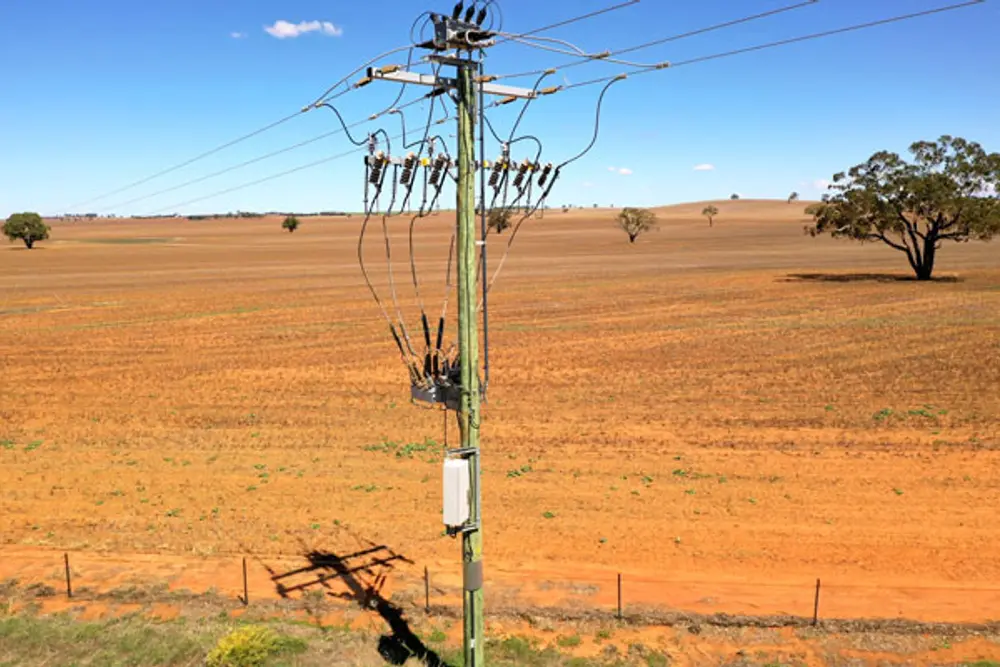
A brief power blink is often not a grid failure but proof that protection worked exactly as designed. In distribution networks, an auto-recloser uses automatic reclosing to interrupt a fault, wait briefly, and then restore power if the fault is temporary. After years of working with medium-voltage feeder protection and reviewing field event records after storms, I have seen the same pattern repeatedly: many overhead line faults disappear within seconds. That is why utilities rely on auto reclosing—to reduce outage time, improve feeder reliability, and avoid unnecessary crew dispatch, while still locking out quickly when a fault is permanent. In some coordinated schemes, utilities also apply automatic power reduction strategies upstream or at connected equipment to limit stress during abnormal conditions.
Why Does Power Often Come Back Seconds After an Outage?
You are at home, the lights go out, and before you reach your phone, the power returns.
That short interruption is often caused by automatic reclosing. The feeder saw a fault, opened fast, let the arc die out, and then tested the line again.
In practice, this is one of the most effective tools in overhead distribution. It is simple in concept, but highly strategic in protection design.
The Core Problem: Why Power Lines Trip So Often
Overhead distribution lines live in the real world. They are exposed to lightning, wind, dust, branches, birds, animals, and airborne debris.
Many of these events create temporary faults, not permanent equipment damage. A branch may brush the conductor for one second. A lightning flashover may vanish immediately after the fault current is interrupted.
From field fault reviews I have participated in, storm days consistently show a large share of transient events on overhead feeders. This is exactly why temporary fault clearing on overhead lines matters so much.
What Is an Auto Recloser in Power Distribution?
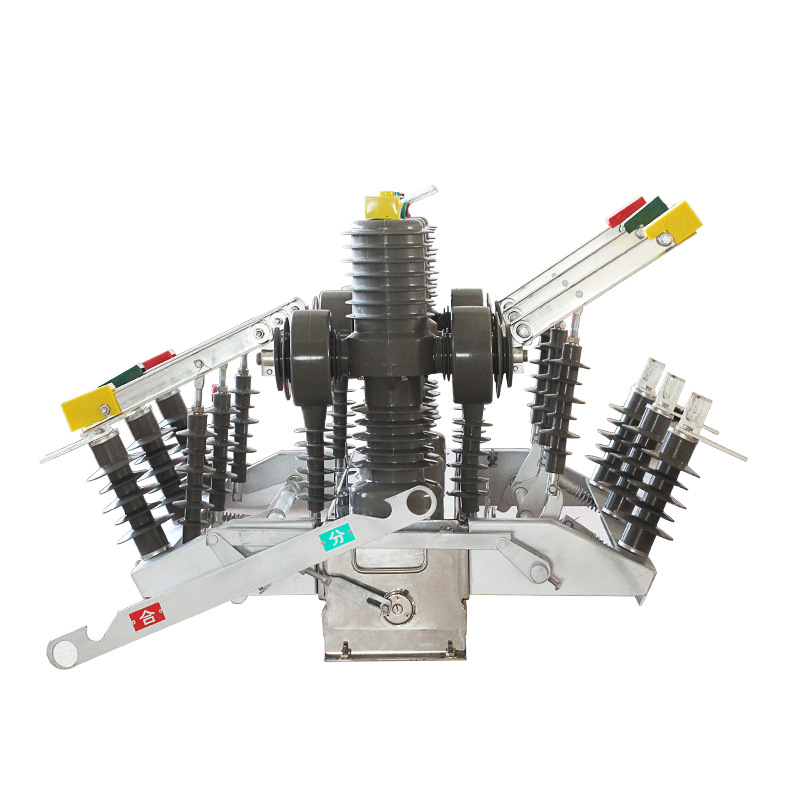
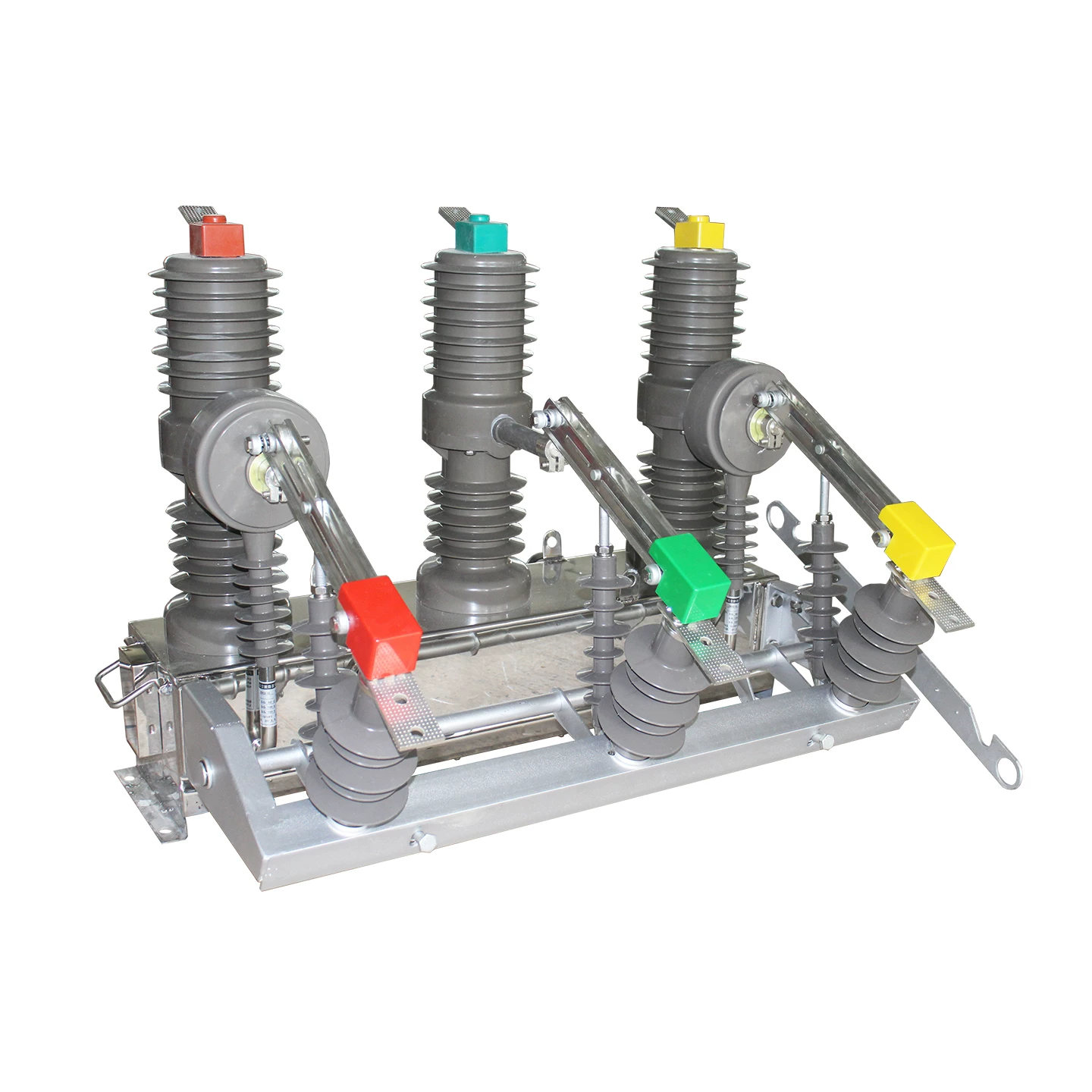
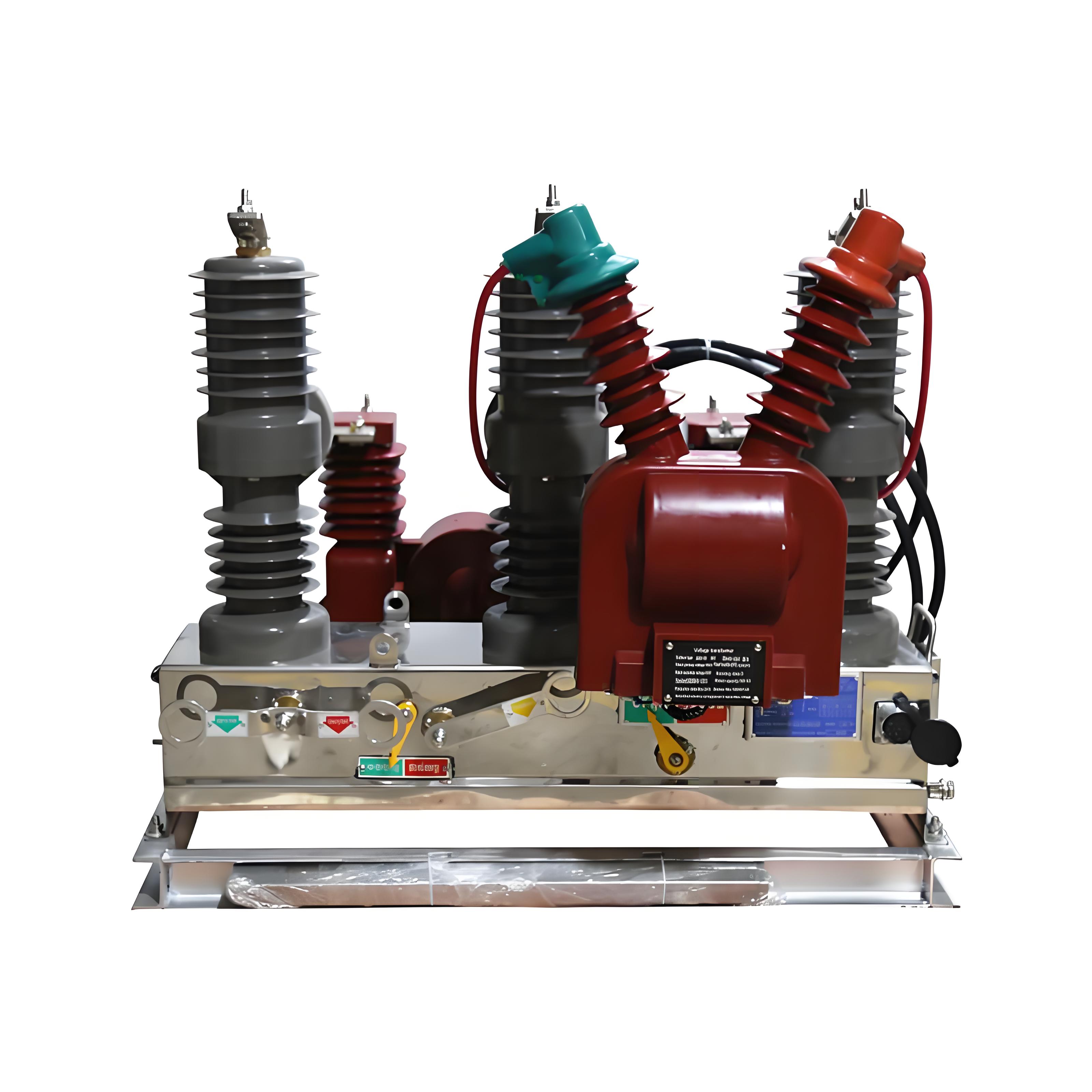
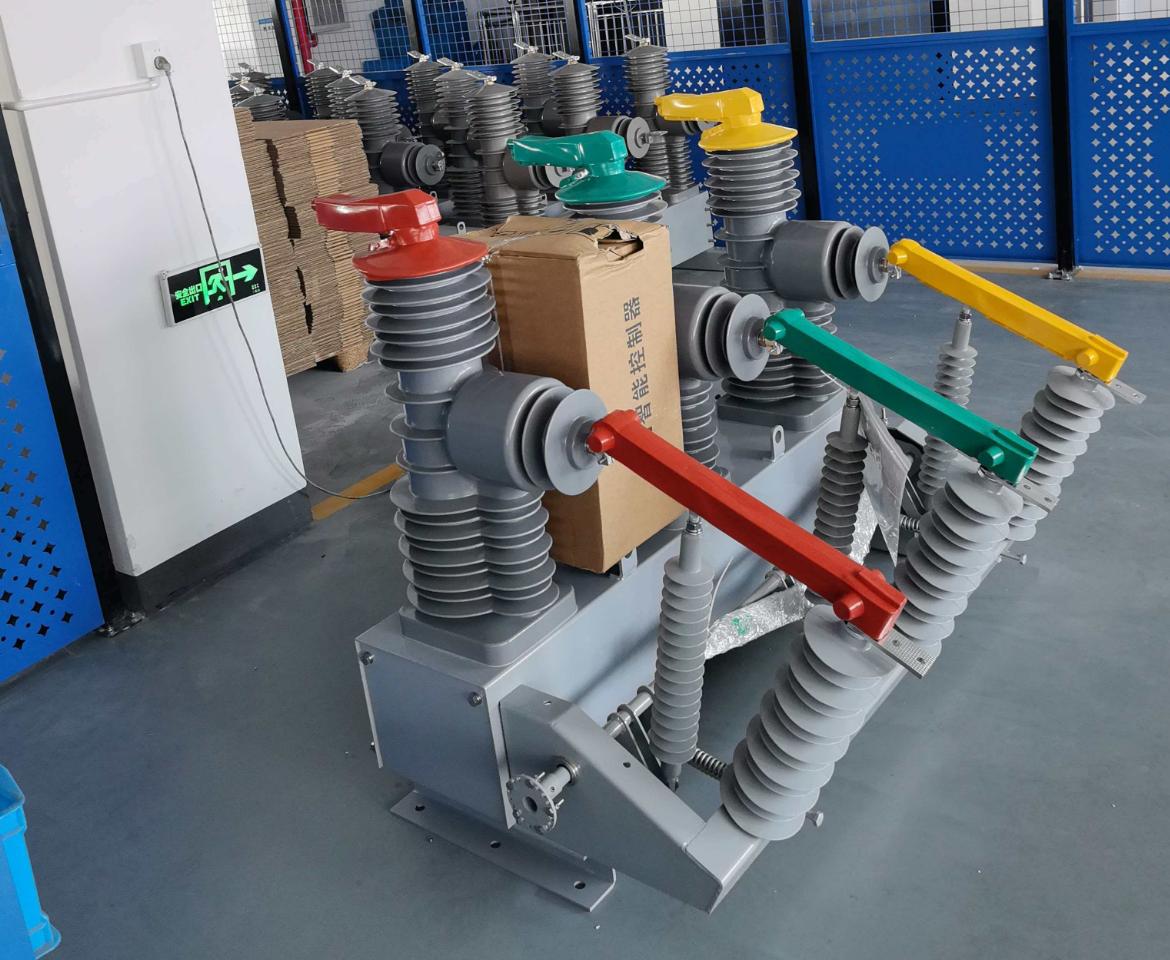
An auto recloser is a medium-voltage switching and protection device installed on distribution feeders or lateral lines. It detects overcurrent or fault conditions, trips open, and then automatically recloses according to preset logic.
The auto recloser's purpose in power distribution is straightforward: restore service quickly after temporary faults, and isolate the line if the fault remains.
Modern reclosers combine interrupters, sensors, protection relays, and digital controls. Many also connect to SCADA and feeder automation systems.
Why Does an Auto Recloser Have Auto Reclosing?
An auto recloser has auto reclosing because most faults on overhead distribution lines are temporary. If the device can reopen and reclose automatically, power is restored without waiting for a crew.
This is the direct answer. Utilities use auto reclosing because it cuts outage duration dramatically for transient faults while preserving protection against permanent faults.
In my own commissioning and post-event review work, the value is obvious after lightning events. A feeder may trip once, reclose successfully, and thousands of customers avoid a prolonged outage.
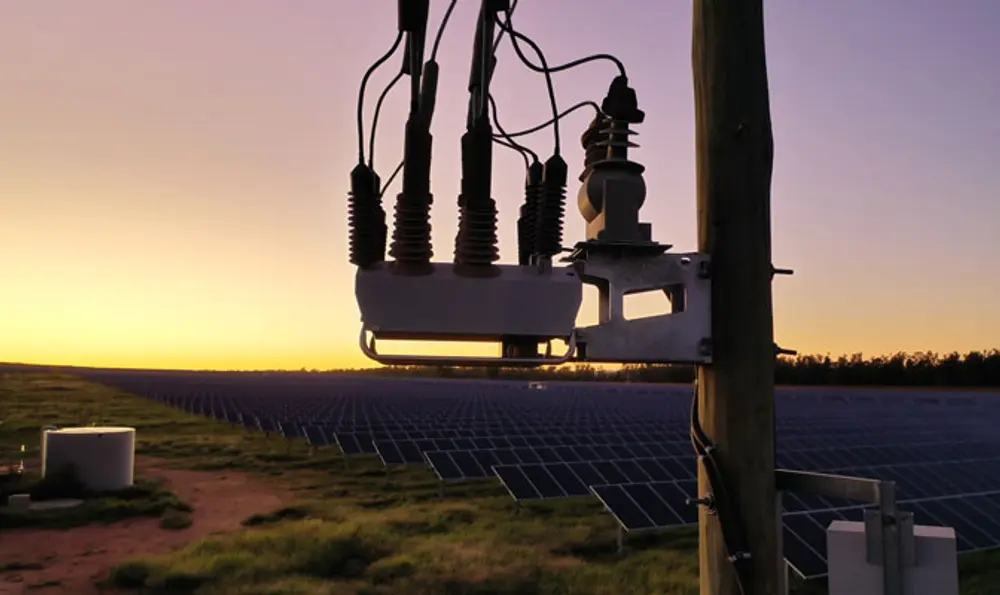
How Automatic Reclosing Works in Electrical Systems
To understand how automatic reclosing works, think of it as a controlled test after a fault.
The device trips open when the abnormal current exceeds its protection settings. It then waits for a preset interval, often called dead time, before reclosing.
If current returns to normal, service continues. If the fault remains, the recloser trips again and may try additional shots before lockout.
This sequence is part of a broader circuit breaker reclosing protection scheme, although a distribution recloser is typically more autonomous and field-oriented than a conventional substation breaker.
Step-by-Step Auto Reclosing Sequence
Fault Detection and Trip
The recloser continuously monitors line current and sometimes voltage. When fault values exceed pickup and timing thresholds, it trips open.
This opening action removes fault current quickly. That protects equipment and limits system stress.
Dead Time Before Reclosing
After opening, the device waits for a short dead time. This delay allows ionized air paths to de-energize and lets the temporary condition clear.
For overhead feeders, even a short interruption can be enough for arc extinction. This is the basis of temporary fault clearing on overhead lines.
Reclose Attempt and Line Check
The recloser closes again and checks whether normal current conditions have returned. If yes, the interruption ends there.
If the fault current is still present, the control trips open again. The logic then moves to the next programmed attempt.
Lockout After Repeated Faults
If multiple reclosure attempts fail, the device locks out. That means the fault is likely permanent and needs inspection or repair.
This lockout behavior is essential in any sound circuit breaker reclosing protection scheme. Reclosing should restore service, not repeatedly apply fault current to damaged equipment.
Why Temporary Fault Clearing Matters on Overhead Lines
Outdoor line faults are often self-clearing. Lightning flashover is the classic example.
When the line opens, the fault path disappears. Once the air insulation recovers, the line can often be energized safely again.
I have reviewed feeder event logs where the first trip occurred during a storm front, and the first reclose succeeded within seconds. No hardware replacement was required. The outage was real, but the fault was not permanent.
Main Benefits of Auto Reclosing in Electrical Systems
The benefits of auto reclosing in electrical systems are operational, economic, and customer-facing.
Shorter outage duration: service can return in seconds.
Higher feeder reliability: fewer temporary faults become long-sustained outages.
Reduced truck rolls: crews are dispatched only when the fault persists.
Better continuity for customers: many interruptions remain momentary.
Lower stress on utility operations, especially during storms and peak fault periods.
Improved network automation: digital reclosers support remote control and diagnostics.
Support for system stability measures: In some network designs, automatic power reduction can complement protection and restoration strategies during abnormal loading or fault-adjacent events.
From a utility operations perspective, the biggest win is that thousands of transient events can be cleared automatically every year without manual switching.
Real-World Examples of Temporary Faults That Auto Reclosing Solves
Some temporary faults are so common that experienced line engineers can predict them by weather patterns and season.
Lightning flashover: an insulation path forms briefly during a strike or surge event.
Branch contact: wind pushes vegetation into the conductor, then it swings away.
Animal contact: Birds or squirrels create a brief phase-to-phase or phase-to-ground path.
Conductor slap: high wind causes adjacent conductors to clash.
Debris contact: plastic film, wire, or storm debris touches the line and then falls clear.
In practical feeder studies, these events are exactly where automatic reclosing delivers the strongest value. A permanently broken insulator or snapped conductor is different. That fault usually ends in a lockout.
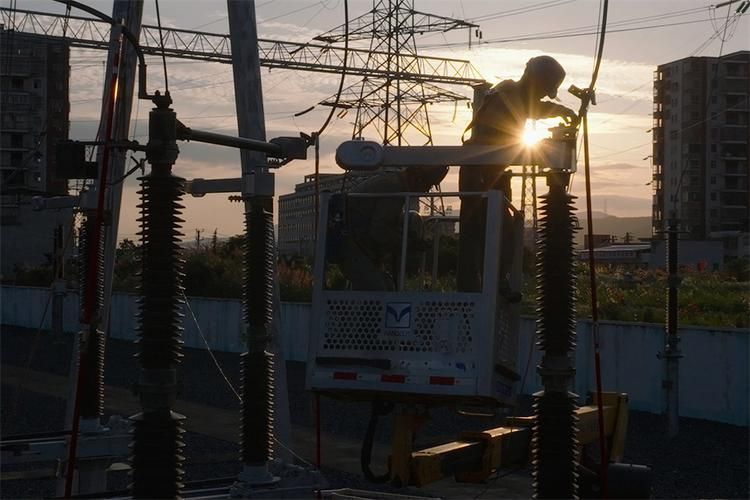
Common Fault Types and Reclosing Outcomes
| Fault Type | Typical Cause | Temporary or Permanent | Does Reclosing Usually Succeed? | Operational Note |
|---|---|---|---|---|
| Lightning flashover | Surge across the insulator string | Usually temporary | Yes, often on the first shot | A very common reason for auto-reclosing on overhead feeders |
| Vegetation brush contact | Wind-driven branch touch | Often temporary | Often yes | Success depends on clearance and branch movement |
| Animal contact | Bird or squirrel bridging conductors | Often temporary | Frequently yes | May become permanent if the equipment is damaged |
| Conductor slap | Wind-induced conductor clash | Temporary | Usually yes | Typical on exposed spans during storms |
| Broken conductor | Mechanical failure | Permanent | No | Should lock out for repair and safety |
| Cable insulation failure | Aging, water treeing, and damage | Usually permanent | Rarely | Auto reclosing is often unsuitable on underground cable sections |
| Failed transformer bushing | Equipment breakdown | Permanent | No | Reclosing can worsen damage |
Reliability and Operational Benefits of Auto Reclosing
| Metric | Without Effective Reclosing | With Proper Auto Reclosing | Typical Impact |
|---|---|---|---|
| Restoration speed after a transient fault | Minutes to hours if a manual response is needed | Seconds | Major improvement in customer continuity |
| Temporary faults are becoming sustained outages | Higher | Much lower | Better feeder performance |
| Crew dispatch frequency | Higher after every trip | Lower, focused on persistent faults | Reduced O&M cost |
| Storm response workload | Heavier dispatch burden | More selective dispatch | Faster recovery across the network |
| Customer interruption experience | Longer outages | More momentary interruptions instead of sustained outages | Improves perceived reliability |
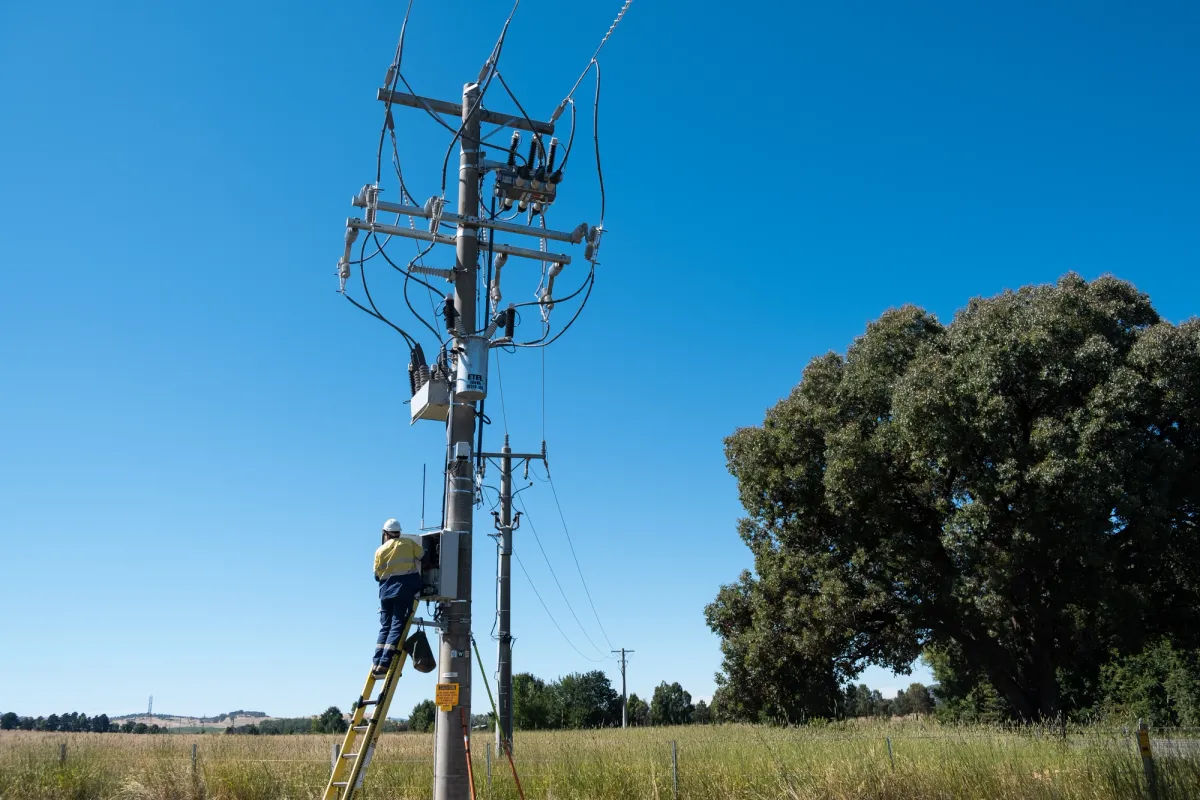
Auto Recloser vs Circuit Breaker: What Is the Difference?
An auto recloser and a circuit breaker both interrupt fault current, but they are not the same in application.
A distribution auto recloser is usually pole-mounted or pad-mounted on feeder circuits, with built-in automatic reclosing logic and field distribution coordination. A standard circuit breaker is often installed in substations or industrial switchgear and may depend on external relay logic for reclosing.
In simple terms, a recloser is a specialized distribution device optimized for repeated automatic restoration attempts. A breaker may be part of a wider circuit breaker reclosing protection scheme, but it is not automatically a recloser.
When Auto Reclosing Should Not Be Used
Automatic reclosing is powerful, but not universal.
Underground cable faults: these are often permanent, and reclosing may increase damage.
Known permanent faults: broken equipment, visible line damage, or confirmed insulation failure.
Sensitive industrial processes: some loads cannot tolerate re-energization sequences.
Unsafe downstream conditions: where human safety or fire risk makes automatic restoration unacceptable.
Certain distributed energy configurations: settings must be coordinated carefully to avoid out-of-sync or unsafe operation.
Good engineering means knowing when not to reclose. In protection reviews, this decision is just as important as the trip setting itself.
Protection Coordination: How Reclosers Work With Fuses and Relays
Reclosers are not standalone devices in a vacuum. They are part of a coordinated protection system.
The goal is selectivity. Only the faulted section should be isolated while the healthy upstream and downstream sections stay energized whenever possible.
This often involves coordination with feeder relays, sectionalizers, and fuse-saving or fuse-blowing philosophies. Settings must be studied carefully so the recloser sequence supports network goals rather than disrupting them.
In field settings work, poor coordination is where problems begin. Good auto reclosing is not just about timing. It is about system-level protection discipline.
Smart Grid Role of Modern Auto Reclosers
Modern auto reclosers are digital, communicative, and far more capable than older hydraulic designs.
Many units provide event records, waveform capture, fault indicators, remote setting changes, and SCADA visibility. That improves fault location, restoration decisions, and post-event analysis.
In automated feeder schemes, reclosers help create self-healing behavior. Faulted sections can be isolated and healthy loads restored faster through remote switching logic.
Real-World Data and Utility Use Cases
Utilities worldwide continue to use automatic reclosing because overhead feeders see a high percentage of transient faults. That operating reality has not changed.
In storm-season feeder records I have reviewed, successful first-shot reclose events were common after lightning-related trips. In those cases, power restoration happened so quickly that customers experienced only a short blink instead of a long outage.
Utilities also use digital controls to analyze trip cause, shot count, and lockout history. That turns reclosers into both protection devices and data sources for reliability improvement.
From a standards perspective, device design and system application should align with recognized frameworks such as IEC 62271 series for high-voltage switchgear and controlgear, and relevant IEEE guidance for protection, coordination, and distribution system practices. For insulation behavior and system performance, utilities also reference broader IEC and IEEE methodologies during design, testing, and acceptance. Mentioning standards is not marketing language. It is part of proving that settings and equipment choices are grounded in accepted engineering practice.
Featured Snippet Answer: Why Does an Auto Recloser Have Auto Reclosing?
An auto recloser has auto reclosing because many overhead line faults are temporary. It trips open to stop fault current, waits briefly for the fault to clear, and then recloses automatically to restore service. If the fault remains, it trips again and eventually locks out for repair.
FAQ
Why is automatic reclosing used on overhead power lines?
Overhead lines are exposed to lightning, wind, branches, animals, and debris, so they experience many temporary faults. Automatic reclosing restores service quickly when those faults clear after a brief interruption.
How many times can an auto recloser reclose before lockout?
The number varies by utility practice, device settings, and protection philosophy. Many systems use one to four shots, but the correct number depends on feeder design, fault levels, coordination, and safety requirements.
What is the difference between an auto recloser and a circuit breaker?
An auto recloser is a distribution protection device designed to trip and automatically reclose on feeder circuits. A circuit breaker is a broader category of interrupting device and may need separate relay logic as part of a circuit breaker reclosing protection scheme.
Can auto reclosing clear permanent faults?
It can attempt restoration, but permanent faults usually remain after the reclose attempt. In that case, the device trips again and locks out so the damaged section can be inspected and repaired.
Is automatic reclosing safe for all electrical systems?
No. Safety depends on fault type, equipment condition, downstream loads, grounding, distributed generation, and protection coordination. Some systems, especially cable networks or hazardous downstream environments, should use restricted or no reclosing.
How does auto-reclosing improve reliability indices?
It reduces the duration of interruptions caused by temporary faults. Restoring power in seconds instead of waiting for manual intervention, it helps prevent many transient events from becoming longer sustained outages.
Conclusion: The Real Purpose of Auto Reclosing
The real purpose of auto reclosing is not just to close a switch again. It is to distinguish temporary faults from permanent ones as fast as possible.
That is why the auto recloser's purpose in power distribution remains so important. It improves reliability, reduces outage time, lowers field response burden, and supports modern automated feeder operation.
When properly engineered to IEEE and IEC-aligned practices, automatic reclosing is one of the highest-value functions in overhead distribution protection. In broader resilience planning, it may also work alongside automatic power reduction measures where utilities need to manage abnormal system conditions without sacrificing protection integrity.
Optimize Your Power Distribution Reliability Strategy
If you are evaluating recloser selection, feeder protection coordination, or automatic reclosing settings, now is the time to review whether your current scheme truly matches your network conditions.
Send us an inquiry if you want help comparing solutions, checking application suitability, or improving your power distribution reliability strategy. For faster communication, you can also contact us directly on WhatsApp.