Introduction: The Fastest Way to Determine CT Ratio
If you need to quickly determine the current transformer ratio for a 10kV transformer feeder, use this field formula: rated current ≈ capacity (kVA) ÷ 10 ÷ 1.732. Then multiply that result by 1.5 as an overload margin, and finally choose the nearest standard CT ratio.
For example, for a 1600kVA transformer: 1600 ÷ 10 ÷ 1.732 ≈ 92.4A. Then apply overload reserve: 92.4 × 1.5 ≈ 138.5A. The nearest standard ratio is 150/5A, so the practical answer is 150/5A.
That is the core method. Read this article once, and you will know how to calculate the CT ratio, choose the nearest standard size, and avoid the costly mistakes that occur in high-voltage cabinets, switchgear, transformer feeders, industrial distribution systems, and outdoor power installations.
I am not going to waste your time with textbook filler. We will go directly into the engineering logic, the field shortcuts, the international standards behind them, and the practical details that usually only show up during commissioning, factory testing, and replacement work.
Why Getting the Current Transformer Ratio Wrong Causes Expensive Problems
A wrong CT ratio is not a small paperwork issue. It can directly affect metering accuracy, relay protection reliability, commissioning speed, and even whether a transformer feeder operates safely under overload or fault conditions.
If the ratio is too high, the CT may look acceptable on paper, but the actual low-load measurement becomes dull and inaccurate. Operators then complain that meters barely move, energy monitoring looks unrealistic, and relay inputs become less sensitive than expected.
If the ratio is too low, the problem is usually more serious. The CT may saturate earlier, secondary current can distort under load or fault, and protection behavior becomes unreliable exactly when the system needs it most.
In outdoor projects, the cost of a wrong selection is even higher. Load variation, rain exposure, humidity, thermal cycling, sunlight, pollution, and long cable routes can turn a merely imperfect ratio choice into a service problem that keeps coming back.
In one retrofit job I reviewed for a 10kV industrial feeder, the ratio itself was close enough, but the wrong protection class delayed energization by two full shifts. The purchasing team thought the cabinet was complete because the nameplate matched the current range; the relay engineer rejected it because the CT knee-point and burden behavior did not support the protection settings.
That is why selecting the correct CT ratio is never only about current. It is about the total application.
What Is a Current Transformer Ratio
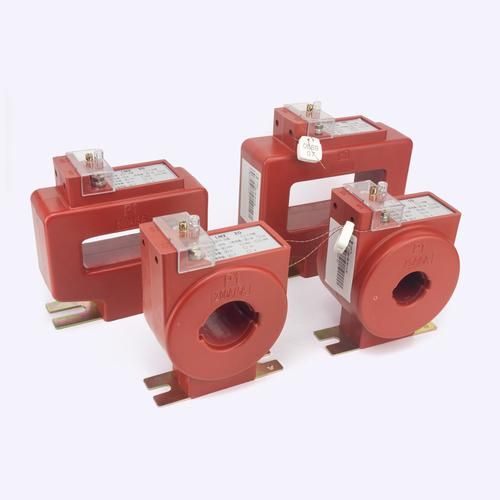
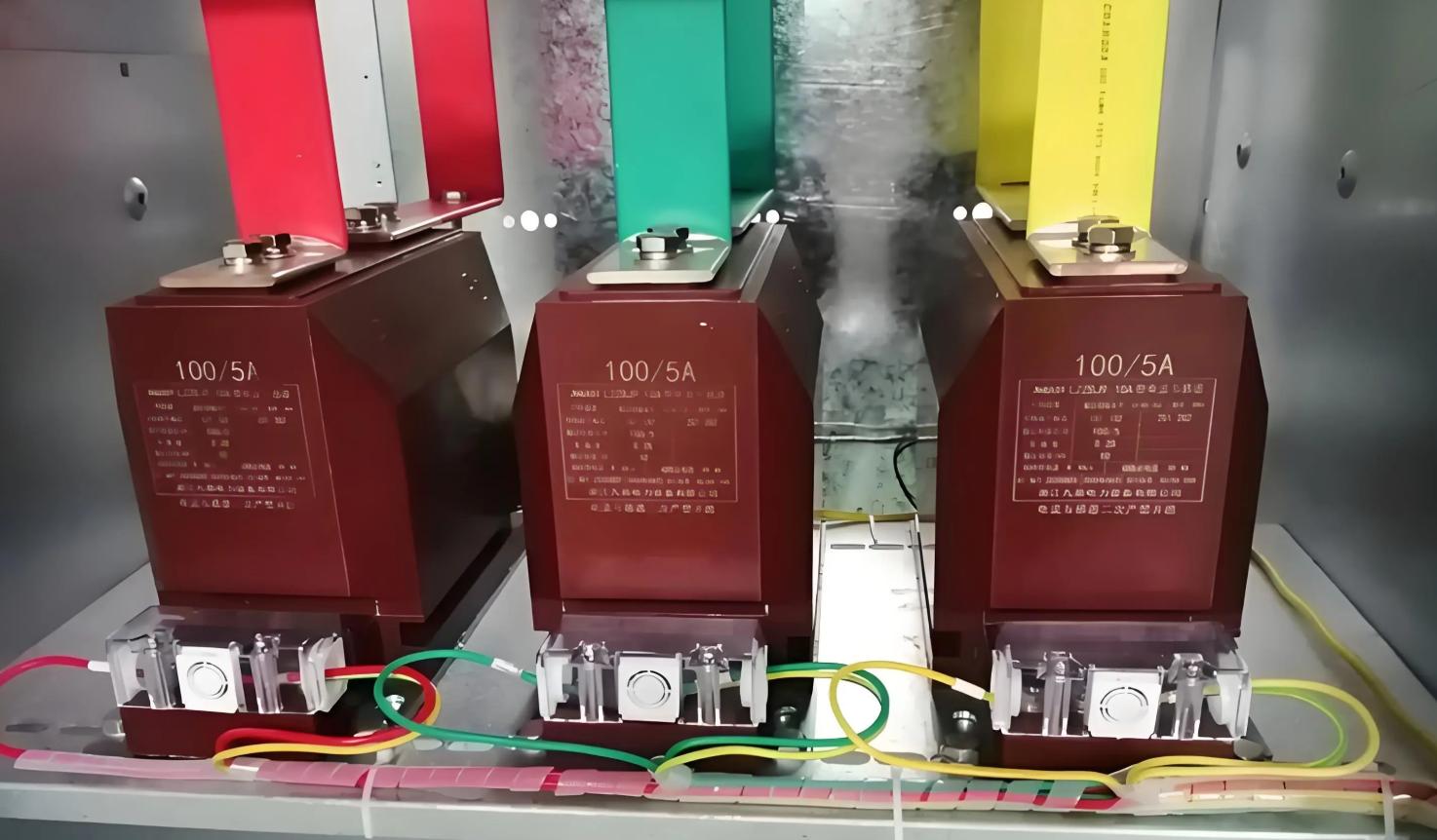
The current transformer ratio is the relationship between the primary current and the secondary current. A CT marked 150/5A means that when 150A flows on the primary side, the secondary output is 5A under rated conditions.
In practical panel design, this is how current from a high-current conductor is converted into a usable standardized current for a meter, energy analyzer, relay, PLC input, or monitoring instrument.
The most common secondary values are 5A and 1A. In many retrofit and conventional switchgear projects, 5A still dominates because older meters and protection devices were designed around it.
In newer digital systems, 1A can reduce secondary cable losses on longer runs. But whether 1A or 5A is better depends on distance, burden, relay compatibility, and what the installed equipment expects.
When engineers discuss the CT ratio from primary and secondary current, they simply mean the nameplate relationship between the measured conductor current and the standardized output current. That sounds basic, but on real projects, people still confuse transformer capacity, actual operating current, and CT ratio as if they were the same thing. They are not.
Current Transformer Ratio Calculation Formula
The engineering basis is straightforward. For a three-phase system, current is determined by power and voltage, and that current then guides the CT ratio selection.
There are two formulas you should know: the exact three-phase current formula and the simplified fast field method used constantly in 10kV transformer cabinet work.
Standard Three-Phase Rated Current Formula
The exact formula is: I = S ÷ (√3 × U).
Where I is line current in amperes, S is apparent power in kVA or VA, and U is line voltage. This is the correct engineering basis behind the current transformer ratio calculation in transformer feeder applications.
For a 10kV three-phase transformer, if the capacity is 1600kVA, then:
I = 1600 ÷ (1.732 × 10) ≈ 92.4A
This tells you the rated current on the high-voltage side of the transformer.
Simplified Fast Formula for 10kV Distribution Transformers
Because the voltage is fixed at 10kV, many field engineers use this mental shortcut:
Rated current ≈ capacity (kVA) ÷ 10 ÷ 1.732
This is not a rough guess. It is the exact three-phase formula simplified for a common 10kV application. It is one of the fastest methods for calculating the CT ratio during cabinet design, bidding, quick quotation, or pre-commissioning checks.
For common distribution transformer projects, this shortcut is fast enough to do in your head or on a phone calculator while standing in front of the panel schedule.
Overload Margin Rule for CT Selection
After you get the rated current, do not stop there. For practical CT selection on transformer feeders, many engineers multiply the result by 1.5 to provide overload margin.
Why 1.5? Because transformers do not always sit at an ideal textbook load. You may have startup inrush, short-duration overload, future expansion, uneven process loading, or conservative design practices required by the owner.
So the field rule is:
CT selection current = rated current × 1.5
Then choose the nearest standard ratio above or closest to that value.
This is the difference between mathematically calculating current and actually selecting the correct CT ratio that works in service.
Step-by-Step Example: 1600kVA Transformer CT Ratio Selection
Let us go through the full case exactly as it appears in many high-voltage cabinet projects: a 1600kVA transformer, 10kV system, and a final CT selection of 150/5A.
Step 1: Calculate Rated Current
Use the 10kV field formula:
1600 ÷ 10 ÷ 1.732 ≈ 92.4A
This means the transformer's high-voltage side rated current is about 92.4A. That is the normal full-load current under rated conditions.
Step 2: Apply 1.5 Times Overload Factor
Now apply the overload reserve:
92.4 × 1.5 ≈ 138.5A
This reserve matters because in real projects, the CT must remain suitable not only for ideal full load, but also for overload tolerance, future headroom, and stable operation through real field conditions.
On industrial sites, I have seen plants that ran at 65% load for nine months and then jumped above 110% during seasonal production bursts. If you select a CT only on the base rated current and ignore the margin, you create a problem for the future maintenance team.
Step 3: Select the Nearest Standard CT Ratio
The calculated design value is 138.5A. You normally do not custom-order a CT with that exact primary current.
Instead, you choose the nearest standard ratio: 150/5A.
This is why 150/5A is the correct and practical field choice. It is standard, available, easy to replace, easy to test, and compatible with normal metering and protection practice.
Trying to chase exact math instead of standardization often creates longer lead times, spare parts confusion, and avoidable procurement friction.
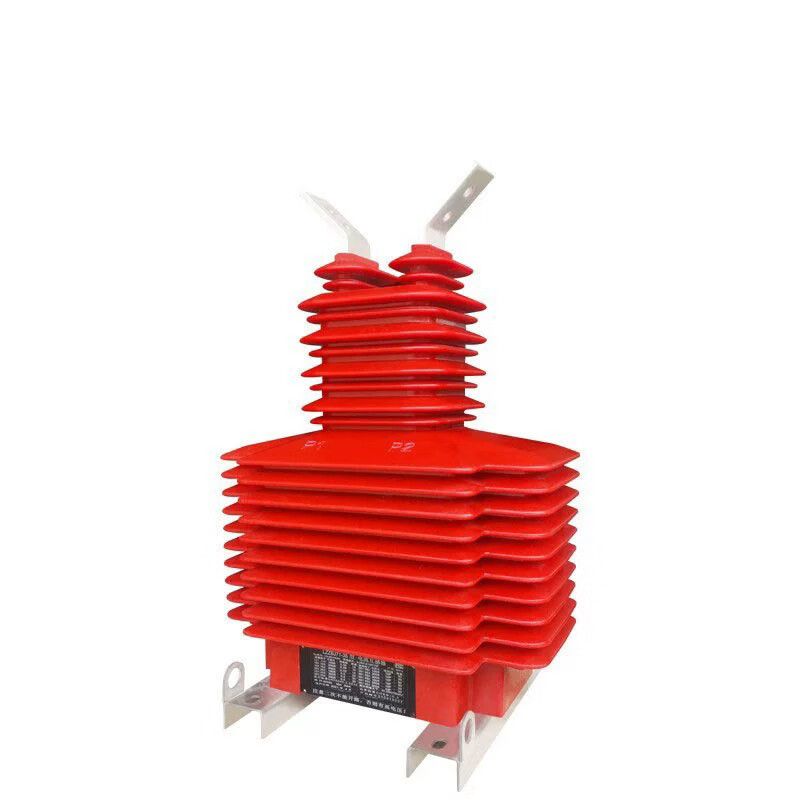
Quick Reference Table: Common 10kV Transformer Capacities and Recommended CT Ratios
The following table gives a fast selection reference for common 10kV transformer sizes. It uses the formula kVA ÷ 10 ÷ 1.732, then applies a 1.5× margin and selects the nearest standard CT ratio.
| Transformer Capacity (kVA) | Rated Current (A) | Current with 1.5 Margin (A) | Recommended CT Ratio | Typical Use Case |
|---|---|---|---|---|
| 500 | 28.9 | 43.3 | 50/5A | Small distribution transformer feeder |
| 630 | 36.4 | 54.6 | 75/5A | Compact industrial substation |
| 800 | 46.2 | 69.3 | 75/5A | General plant distribution |
| 1000 | 57.7 | 86.6 | 100/5A | Medium transformer incomer |
| 1250 | 72.2 | 108.3 | 150/5A | High-voltage cabinet feeder |
| 1600 | 92.4 | 138.5 | 150/5A | Common 10kV transformer feeder |
| 2000 | 115.5 | 173.3 | 200/5A | Larger industrial distribution |
| 2500 | 144.3 | 216.5 | 250/5A or 300/5A | Heavy-duty feeder or expansion-ready design |
CT Ratio Selection Table for Standard Applications
Below is a practical table for common standard ratios and where they are usually selected. This is useful when reviewing high-voltage cabinets, transformer feeders, outdoor pole-mounted systems, ring main units, and general distribution panels.
| Standard CT Ratio | Typical Primary Current Range | Common Application | Why It Is Chosen |
|---|---|---|---|
| 50/5A | Up to about 43A design current | Small transformer feeders, control power branches | Good low-current resolution and easy meter matching |
| 75/5A | About 45A to 70A | Compact switchgear, smaller 10kV transformer circuits | Common standard step above 50/5A |
| 100/5A | About 70A to 90A | General distribution, ring main unit feeders | Balances standardization and metering performance |
| 150/5A | About 100A to 140A | 1600kVA-class transformer HV cabinet, feeder panels | Widely available and highly practical for retrofit stock |
| 200/5A | About 140A to 180A | Larger transformer incomers, outdoor feeder installations | Provides healthy design margin without excessive oversizing |
| 300/5A | About 200A to 270A | Heavy industrial circuits, open-yard substations | Useful when future load growth is expected |
How to Calculate the CT Ratio from Primary and Secondary Current
The simple method is:
CT ratio = primary current ÷ secondary current
Examples:
100/5A means 100 ÷ 5 = 20:1
150/5A means 150 ÷ 5 = 30:1
200/5A means 200 ÷ 5 = 40:1
This is the clearest way to understand the CT ratio from primary and secondary currents. The nameplate may show 150/5A, while the equivalent ratio representation is 30:1.
Be careful, though. In procurement discussions, people sometimes say “ratio” and mean one of three different things: the nameplate current ratio, the internal turns ratio, or the protection relay scaling ratio. Always clarify which one is being discussed.
Current Transformer Turns Ratio Formula vs Practical CT Ratio Selection
The current transformer turns ratio formula comes from the ideal transformer relationship: the current ratio is inversely proportional to the turns ratio. In simplified theory, if the primary current is 30 times the secondary current, the winding relationship reflects that transformation.
But field selection is not driven by theory alone. A theoretically correct CT can still be operationally wrong if burden, accuracy class, relay requirements, thermal current, insulation level, or installation environment are ignored.
This is one of the most common disconnects between design-office calculations and site reality. Textbook math tells you the transformation principle. Practical engineering tells you whether the installed CT will behave correctly in the actual cabinet, with actual cable lengths, actual meters, and actual fault duties.
So yes, turns ratio theory matters. But when selecting the correct CT ratio, what matters more is whether the CT meets the complete application.
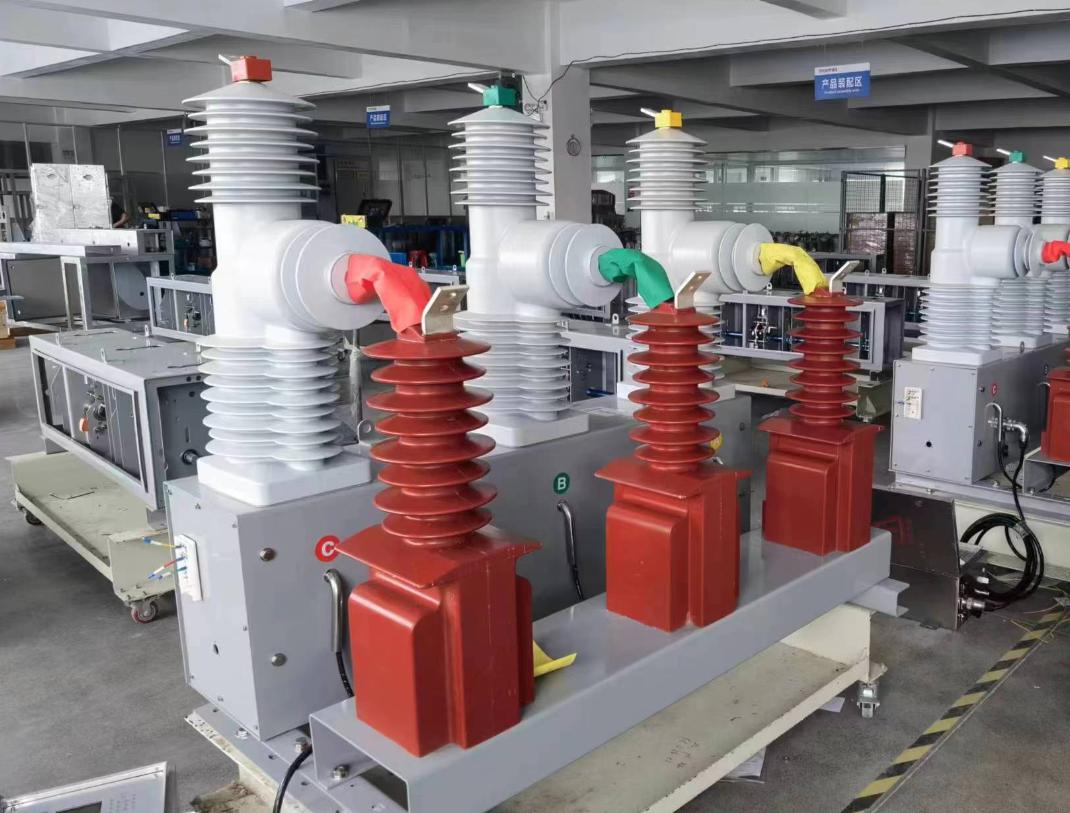
How to Select the Correct CT Ratio
Good CT selection is not limited to a single high-voltage cabinet formula. It must be adjusted according to whether the CT is used for metering, protection, indoor switchgear, outdoor installation, feeder circuits, transformer incomers, or pole-mounted equipment.
Metering CT Ratio Selection
For metering, the CT should operate accurately near the normal working current range of the system. If the ratio is much too high, low-load accuracy suffers, and energy data becomes less trustworthy.
That matters in billing, energy management, and performance benchmarking. A plant manager may not care about one ampere on paper, but they care when monthly consumption analysis stops matching production output.
Protection CT Ratio Selection
For protection, the ratio is only part of the decision. Fault current, saturation behavior, knee point, relay burden, and protection class are often more important than the ratio itself.
A CT can have the right ratio and still fail the application because it saturates too early under fault. That is why relay engineers look beyond the nameplate current range.
CT Ratio Selection for Indoor Switchgear and Cabinet Applications
In enclosed equipment, physical limitations matter more than many buyers expect. You must verify busbar size, window size, mounting dimensions, clearance, and whether the replacement CT fits legacy panel space.
I have seen projects delayed because the ordered CT ratio was correct, but the epoxy body fouled the bus support by 8 mm. The purchasing team called it a supplier issue; the real cause was incomplete mechanical confirmation during ordering.
Indoor retrofits also require checking terminal orientation and wiring convenience. A technically correct CT that forces awkward secondary routing can create avoidable commissioning errors.
CT Ratio Selection for Outdoor Installations
Outdoor CT selection must go beyond ratio and accuracy. You must verify insulation level, creepage distance, resin or enclosure performance, ambient temperature range, UV resistance, humidity resistance, rain exposure, altitude, and long-term sealing stability.
This is where many non-specialists get caught. They buy a CT with the right ratio, install it in an open-yard or pole-mounted environment, and then face carbon tracking, cracked sealing, terminal corrosion, or insulation decline long before expected service life.
In coastal and high-humidity regions, especially, outdoor CT selection should be treated as an environmental durability decision, not just an electrical ratio decision.
International Standards That Matter in CT Ratio Selection
If you want authority and reliability in CT procurement, do not stop at ratio calculation. Check compliance with relevant IEC and IEEE guidance. These standards give buyers a structured way to verify ratio performance, insulation coordination, burden capability, thermal performance, and test methods.
IEC Standards for Current Transformers
For many global projects, the key reference is IEC 61869, especially the instrument transformer sections that cover current transformers. These documents define essential requirements for ratio accuracy, accuracy class, insulation level, routine tests, type tests, and marking.
In many export and utility-linked projects, IEC-based verification is not optional. Buyers should check whether the CT’s declared class, burden, thermal ratings, and dielectric performance are documented in line with the applicable IEC requirements.
IEEE Standards for Current Transformers
For projects aligned with North American practice or mixed international specifications, IEEE guidance is also important. Relevant standards cover areas such as accuracy, thermal limits, burden performance, and protection behavior.
While specification details vary by project, the practical point is simple: if your switchgear, relay package, or owner specification references IEEE expectations, the CT must be reviewed against those criteria before ordering.
Nameplate Data, You Must Check Against Standards
Before approving any CT, compare the following data against the project specification and standard requirements:
Ratio
Secondary current, such as 1A or 5A
Accuracy class
Rated burden
Insulation level
Short-time thermal current
Dynamic current
Frequency
Core designation for metering or protection
Installation environment, such as indoor or outdoor
If even one of these is wrong, the CT can still be unusable even if the ratio itself looks perfect.
Real Project Lessons from Field Commissioning and Factory Testing
The issues that delay energization are often not the obvious ones. In factory witness tests and site commissioning, I have repeatedly seen the same avoidable problems: incorrect polarity marks, mismatched burden assumptions, loose secondary terminals, and CTs chosen only by transformer capacity without coordination with relay settings.
One of the most common failures in commissioning discipline is forgetting that metering and protection may use different cores in the same CT assembly. A panel may physically look complete, yet the wrong core gets wired to the wrong circuit, and all test values become confusing until someone checks the actual core labels.
Another recurring issue is secondary wiring workmanship. On paper, the ratio and class are correct. On site, the secondary loop has one loose screw, one swapped polarity lead, or one extra terminal block resistance that pushes the real burden above expectation.
For outdoor installations, moisture ingress is a more common problem than many catalog pages admit. If the sealing system, terminal cover, or enclosure arrangement is not matched to the site, the CT may pass initial inspection and still degrade in months rather than years.
These are not academic concerns. They are the exact reasons many projects miss energization windows.
What Experienced Buyers and Technicians Commonly Miss
Even experienced people miss a few CT basics when projects get rushed.
The CT secondary must never be open-circuited while energized. This is a serious safety rule, not a suggestion.
Metering and protection cores are not interchangeable by assumption. Check the core designation and class.
Cable routing can affect burden and heat exposure. Long or poorly planned secondary runs change real operating conditions.
Retrofit projects often inherit undocumented ratios. Never trust faded panel labels without verification testing.
Outdoor CT selection must consider aging. UV, pollution, condensation, and thermal cycling damage improperly matched products even if the ratio is correct.
One subtle issue I have seen in older facilities is that a cabinet drawing says 150/5A, the meter scaling says 150/5A, but the installed CT body is actually 200/5A from an old maintenance substitution. The system “works,” but all data is wrong until someone notices the mismatch during audit or shutdown.
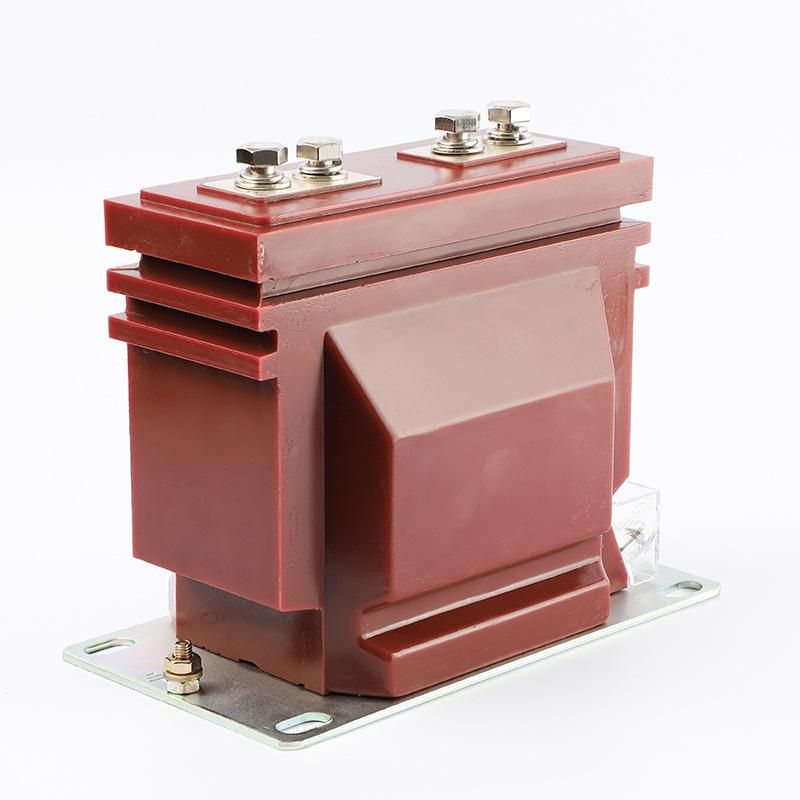
Unique On-Site Insights from User Discussions and Practical Feedback
Across real technician discussions, contractor feedback, maintenance callouts, and buyer complaints, several themes show up again and again. These are not the polished points you see in standard brochures. They are the details people complain about after the equipment arrives.
The first is that many selection mistakes start upstream, in the quotation stage, when someone treats transformer capacity as if it equals permanent operating current. The second is that replacement speed matters more in the real world than perfect mathematical elegance. The third is that ratio mistakes are often less damaging than class or environmental mismatch mistakes.
Why Many Users Confuse Transformer Capacity with Actual Operating Current
A transformer nameplate does not mean the site always operates at that exact load. Some sites run permanently below 60%. Others plan future capacity and want CTs that support later expansion.
This creates confusion. One person wants a ratio close to today’s load for better metering. Another wants future-proofing. A third uses only transformer kVA without considering the actual operating profile. This is why the 1.5 margin rule remains so practical.
Why “Nearest Standard Ratio” Works Better Than Chasing Exact Math
In real procurement, standard ratios win because they are easier to source, replace, test, and keep as spares. Maintenance teams strongly prefer stockable, familiar ratings over mathematically perfect but uncommon versions.
This is especially true in factories that cannot wait six weeks for a special replacement. The nearest standard ratio often reduces lifetime downtime risk more than a custom exact ratio ever could.
Why Secondary 5A Still Dominates in Many Retrofit Markets
Although 1A secondary current is increasingly common in modern digital systems, 5A still dominates many retrofit projects. The reason is simple: older analog meters, protection relays, transducers, and panel conventions still expect 5A inputs.
That installed base is massive. In retrofit work, changing from 5A to 1A may require more than a CT change; it may trigger meter replacement, relay reconfiguration, wiring review, and documentation updates.
Hidden Failure Point: Correct Ratio but Wrong Accuracy Class
This is one of the biggest real-world problems. Buyers correctly calculate 150/5A, but they buy the wrong class for the application.
A metering core may not satisfy the protection duty. A protection core may not provide the billing accuracy expected at normal load. The ratio is right, but the application is still wrong.
Hidden Outdoor Failure Point: Correct Ratio but Wrong Environmental Specification
Outdoor CTs fail early when sealing, anti-tracking performance, terminal protection, creepage distance, or temperature tolerance are inadequate for the site. Again, the ratio may be right, but the product is still wrong for the environment.
Sites with salt fog, cement dust, fertilizer vapor, monsoon rain, or strong UV should never be bought on ratio alone. Environmental matching is part of CT selection.
Common CT Ratio Selection Mistakes
Ignoring overload reserve and selecting only on rated current
Selecting by transformer size only, without considering the actual application
Forgetting the burden from meters, relays, leads, and terminal blocks
Mixing metering and protection requirements
Ordering non-standard ratios that delay replacement and increase spare complexity
Using indoor-type CTs in outdoor projects
Ignoring the insulation level and environmental aging
Failing to verify the busbar window size and mounting dimensions
Assuming all 150/5A CTs are functionally equivalent when class and burden differ
Not coordinating with relay settings before purchase
How to Verify a CT Ratio Before Installation
A practical pre-installation verification routine should include the following:
1. Nameplate check: verify ratio, class, burden, frequency, and insulation.
2. Mechanical fit check: confirm window, busbar, mounting, and clearance.
4. Wiring review: ensure the correct core goes to the correct meter or relay.
5. Polarity confirmation: check P1/P2 and S1/S2 marking direction.
6. Ratio test: confirm actual transformation performance.
7. Insulation test: especially important before energizing stored or transported equipment.
8. Secondary loop inspection: confirm no open circuit, no loose terminals, and an acceptable burden.
This process is far cheaper than troubleshooting after energization fails.
CT Ratio Testing Methods Used in Practice
In practical field work, the most common tests are:
Ratio testing: confirms the CT transforms current according to the nameplate.
Excitation testing: helps assess saturation-related behavior and core condition.
Polarity testing: ensures correct directional connection for metering and protection.
Burden validation: checks whether connected devices and leads remain within CT capability.
For outdoor installations, add checks for insulation condition, sealing integrity, and visible weathering before commissioning. A CT that sat in poor storage conditions can already be compromised before it ever sees service.
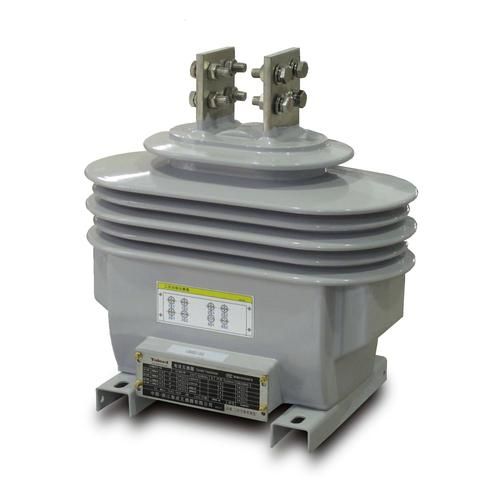
CT Ratio Calculation Examples for Different Transformer Sizes
The next table gives worked examples using the exact quick-selection method discussed in this article.
| kVA | Formula Result | 1.5× Result | Nearest Standard Ratio | Secondary Current | Selection Notes |
|---|---|---|---|---|---|
| 500 | 500 ÷ 10 ÷ 1.732 = 28.9A | 43.3A | 50/5A | 5A | Suitable for a small 10kV transformer feeder |
| 800 | 800 ÷ 10 ÷ 1.732 = 46.2A | 69.3A | 75/5A | 5A | Common standard step for compact distribution |
| 1000 | 1000 ÷ 10 ÷ 1.732 = 57.7A | 86.6A | 100/5A | 5A | Good standard choice for a medium transformer circuit |
| 1250 | 1250 ÷ 10 ÷ 1.732 = 72.2A | 108.3A | 150/5A | 5A | Often selected to preserve overload and expansion margin |
| 1600 | 1600 ÷ 10 ÷ 1.732 = 92.4A | 138.5A | 150/5A | 5A | Classic high-voltage cabinet example |
| 2000 | 2000 ÷ 10 ÷ 1.732 = 115.5A | 173.3A | 200/5A | 5A | Preferred for larger industrial feeder loads |
| 2500 | 2500 ÷ 10 ÷ 1.732 = 144.3A | 216.5A | 250/5A or 300/5A | 5A | Choose based on standard stock, burden, and expansion plan |
Buying Checklist: What to Send a CT Manufacturer Before Ordering
If you want a fast and correct recommendation from a CT manufacturer, send complete data. At minimum, provide:
System voltage
Transformer capacity
Frequency
Installation location
Indoor or outdoor use
Busbar or cable size
Window size or mounting dimensions
Metering or protection purpose
Required ratio
Secondary current, such as 1A or 5A
Accuracy class
Burden
Applicable standards, such as IEC or IEEE-related requirements
Special environmental conditions like humidity, altitude, UV, salt fog, or pollution
The more complete your input, the more accurate and faster the technical recommendation will be.
Why Weisho Electric Current Transformers Stand Out
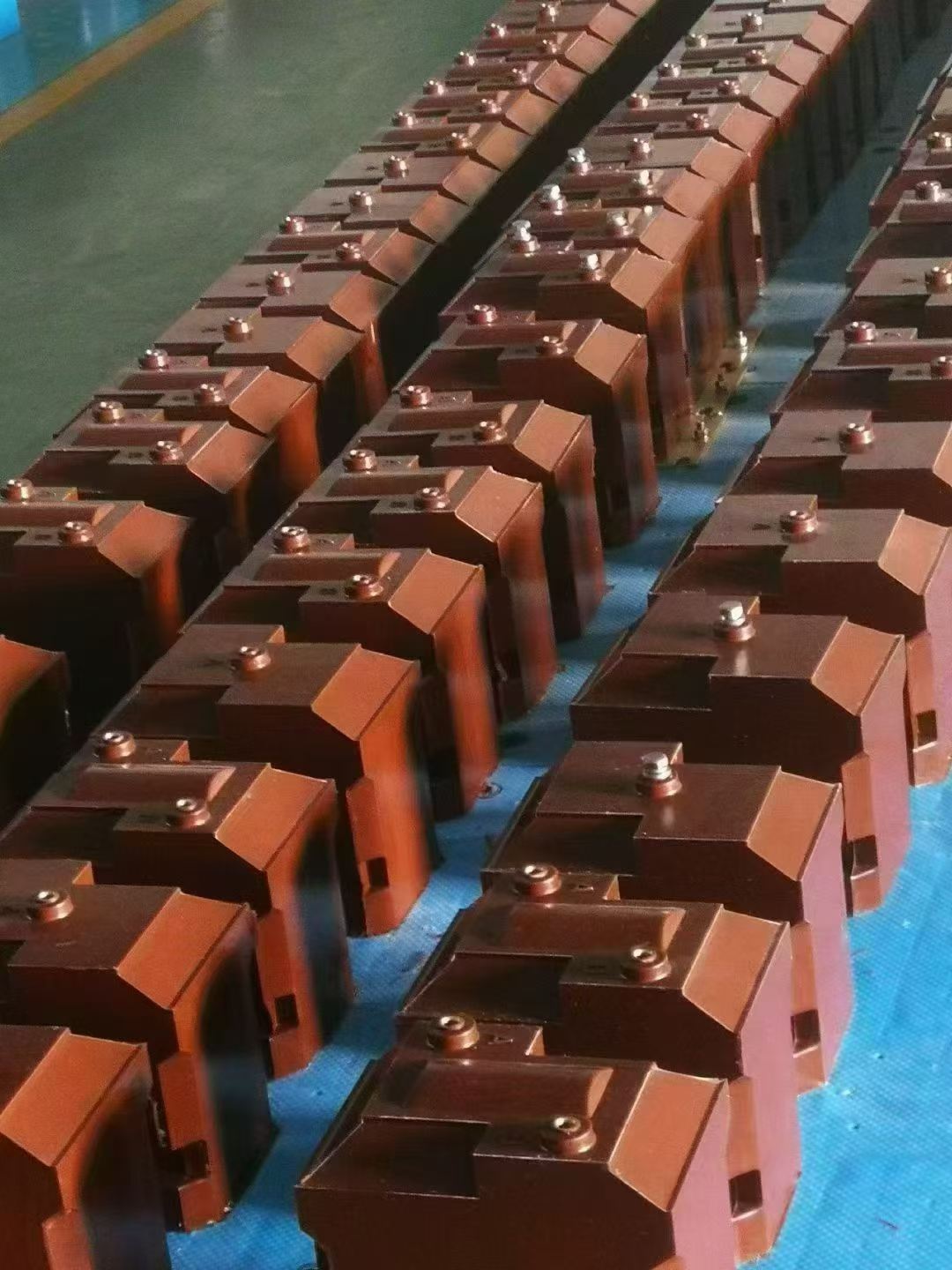
When buyers compare CT suppliers, the real difference is not who can print a ratio on a label. The real difference is who can deliver stable ratio accuracy, reliable insulation performance, consistent production quality, and practical support for actual cabinet projects.
Weisho Electric stands out because the focus is not only on manufacturing a CT, but on helping customers avoid the exact field problems discussed in this article.
Stable ratio accuracy for metering and protection applications
IEC/IEEE-oriented quality control for export and specification-driven projects
Reliable insulation performance for demanding high-voltage cabinet and outdoor applications
Consistent production quality that reduces site mismatch risk
Customized dimensions for retrofit switchgear and non-standard panel layouts
Support for project documentation, drawings, and export requirements
Easier technical matching for high-voltage cabinets, transformer feeders, switchgear systems, and outdoor installations
What buyers often appreciate most is speed and clarity. When a manufacturer can quickly confirm ratio, class, window size, insulation level, and application match in one conversation, procurement becomes easier, and commissioning becomes safer.
That is where Weisho Electric brings practical value. Not just product supply, but project-fit support.
FAQ
How do you calculate the current transformer ratio quickly for a 10kV transformer?
Use the fast formula capacity ÷ 10 ÷ 1.732 to get rated current, then multiply by 1.5 for overload margin, and choose the nearest standard CT ratio. For example, 1600kVA gives 92.4A, then 138.5A after margin, so choose 150/5A.
How to calculate the CT ratio from the primary and secondary currents?
Use CT ratio = primary current ÷ secondary current. For example, 100/5A equals 20:1, 150/5A equals 30:1, and 200/5A equals 40:1.
Why is 150/5A selected for a 1600kVA transformer?
Because the rated current is 1600 ÷ 10 ÷ 1.732 ≈ 92.4A. After applying the 1.5 overload margin, the design current becomes 92.4 × 1.5 ≈ 138.5A. The nearest standard CT ratio is 150/5A.
What is the difference between the CT ratio and the current transformer turns ratio?
The CT ratio on the nameplate is the practical current relationship, such as 150/5A. The turns ratio refers to the internal winding relationship that creates the current transformation. In field work, the nameplate ratio is what users select, but practical performance also depends on burden, accuracy class, and application.
Should I choose 1A or 5A secondary current?
Choose based on cable distance, retrofit compatibility, relay or meter input requirements, and secondary circuit losses. In many retrofit projects, 5A remains the easiest choice because existing devices already expect it. For long runs and modern digital systems, 1A can reduce losses.
Can I choose the exact calculated CT ratio instead of the nearest standard ratio?
Usually, the nearest standard ratio is better. Standard ratios improve availability, replacement speed, spare management, testing convenience, and compatibility with common devices.
What happens if the CT ratio is too high?
If the CT ratio is too high, low-load accuracy becomes poorer, metering resolution drops, and protection sensitivity may be reduced. The system may still run, but measurements and relay performance can become less reliable.
What happens if the CT ratio is too low?
If the CT ratio is too low, the CT may overload or saturate under higher current conditions. This can distort measurements, reduce protection reliability, and create serious performance issues during overload or fault events.
Which standards should I check before buying a current transformer?
Check the applicable IEC and IEEE requirements related to ratio, burden, insulation level, accuracy class, thermal performance, and testing. At a minimum, verify that the product data matches your project specification and installation environment.
How do I know if my CT is for metering or protection?
Check the accuracy class, core designation, and application marking on the nameplate or datasheet. Metering CTs prioritize measurement accuracy in the normal load range, while protection CTs are selected for relay performance and fault behavior.
Can current transformers be used outdoors?
Yes. CTs are widely used outdoors in substations, pole-mounted systems, and open installations. But buyers must verify insulation level, weather resistance, sealing, creepage distance, UV stability, humidity tolerance, and environmental suitability instead of checking ratio alone.
Conclusion: Use the Formula, Choose the Nearest Standard Ratio, and Match the CT to the Real Installation Environment
The fastest practical method is simple: for a 10kV distribution transformer, calculate current with capacity ÷ 10 ÷ 1.732, multiply by 1.5, and choose the nearest standard ratio.
For the classic example in this article, a 1600kVA transformer gives 92.4A, then 138.5A after margin, so the right field choice is 150/5A.
But good engineering does not stop at the ratio. You must also verify accuracy class, burden, metering or protection duty, mechanical fit, and indoor or outdoor environmental suitability.
That is how professionals avoid expensive rework and choose a CT that actually works in the real installation.
Contact Weisho Electric for Fast CT Ratio Selection Support
If you are selecting a CT for a high-voltage cabinet, transformer feeder, switchgear panel, ring main unit, or outdoor installation, send your transformer capacity, system voltage, required application, indoor/outdoor condition, and dimensional data to Weisho Electric.
We can help you quickly confirm the suitable ratio, secondary current, accuracy class, insulation level, and configuration for your project.
Request a quote now and get a fast technical recommendation from Weisho Electric. If you need immediate support, contact us on WhatsApp today and send your project parameters for rapid CT selection assistance.