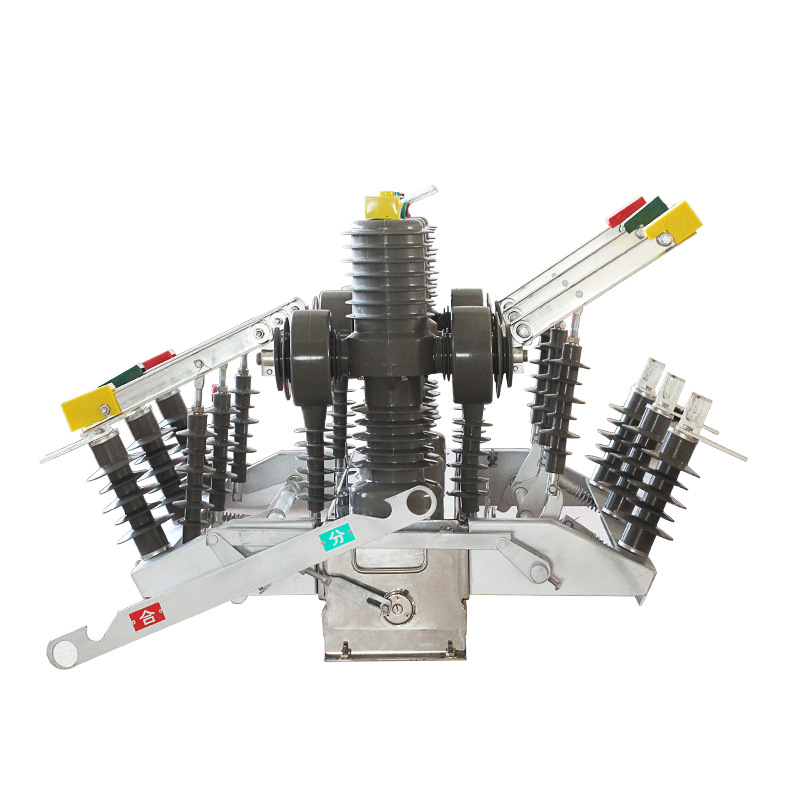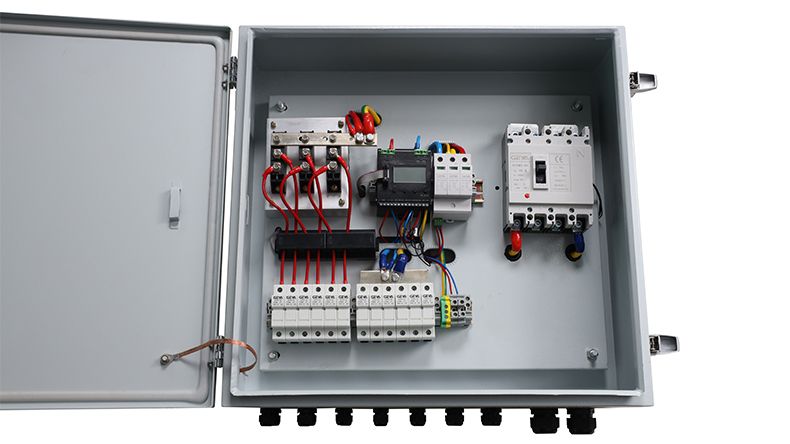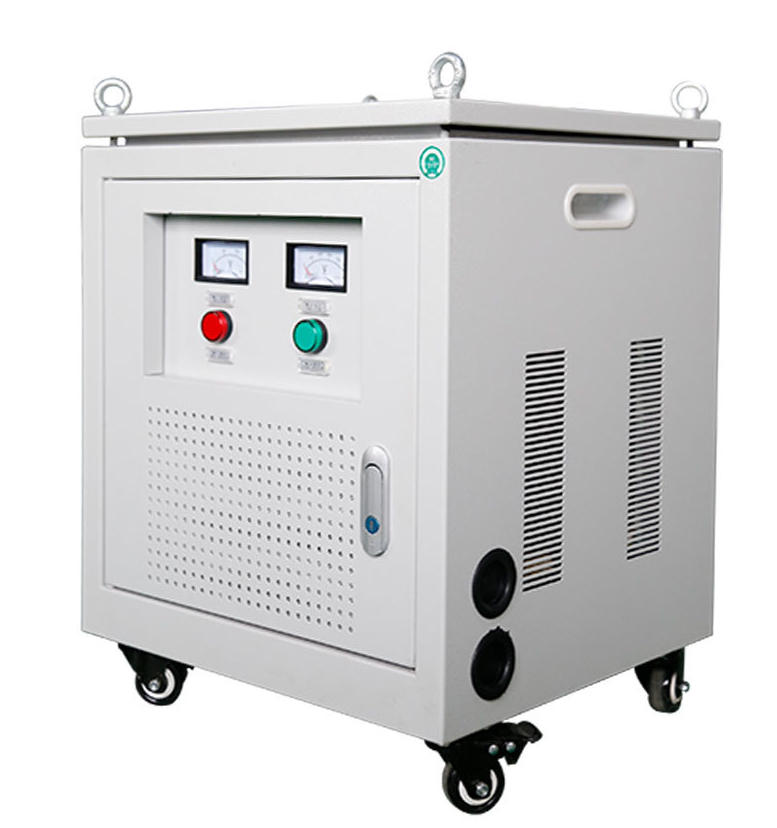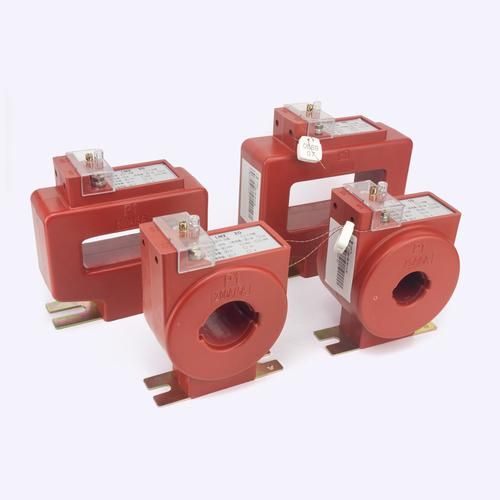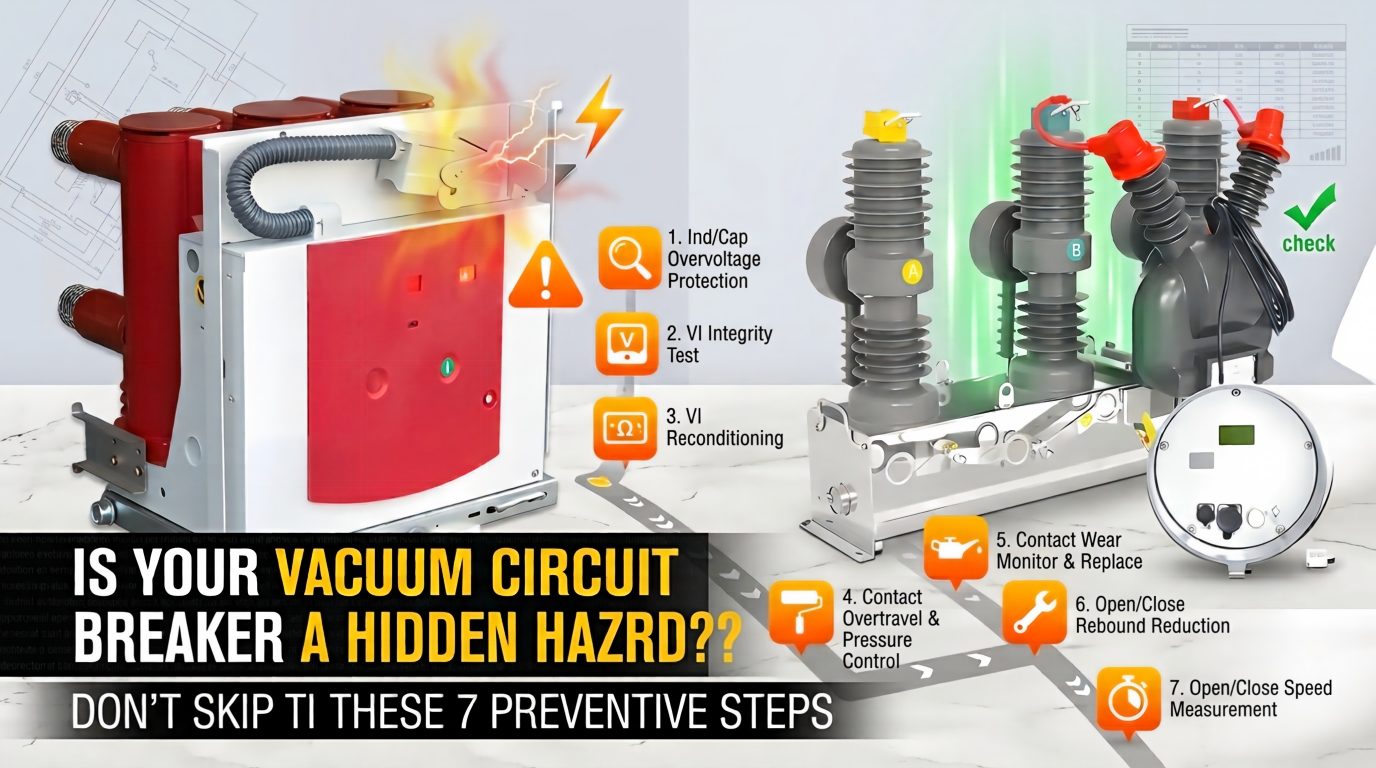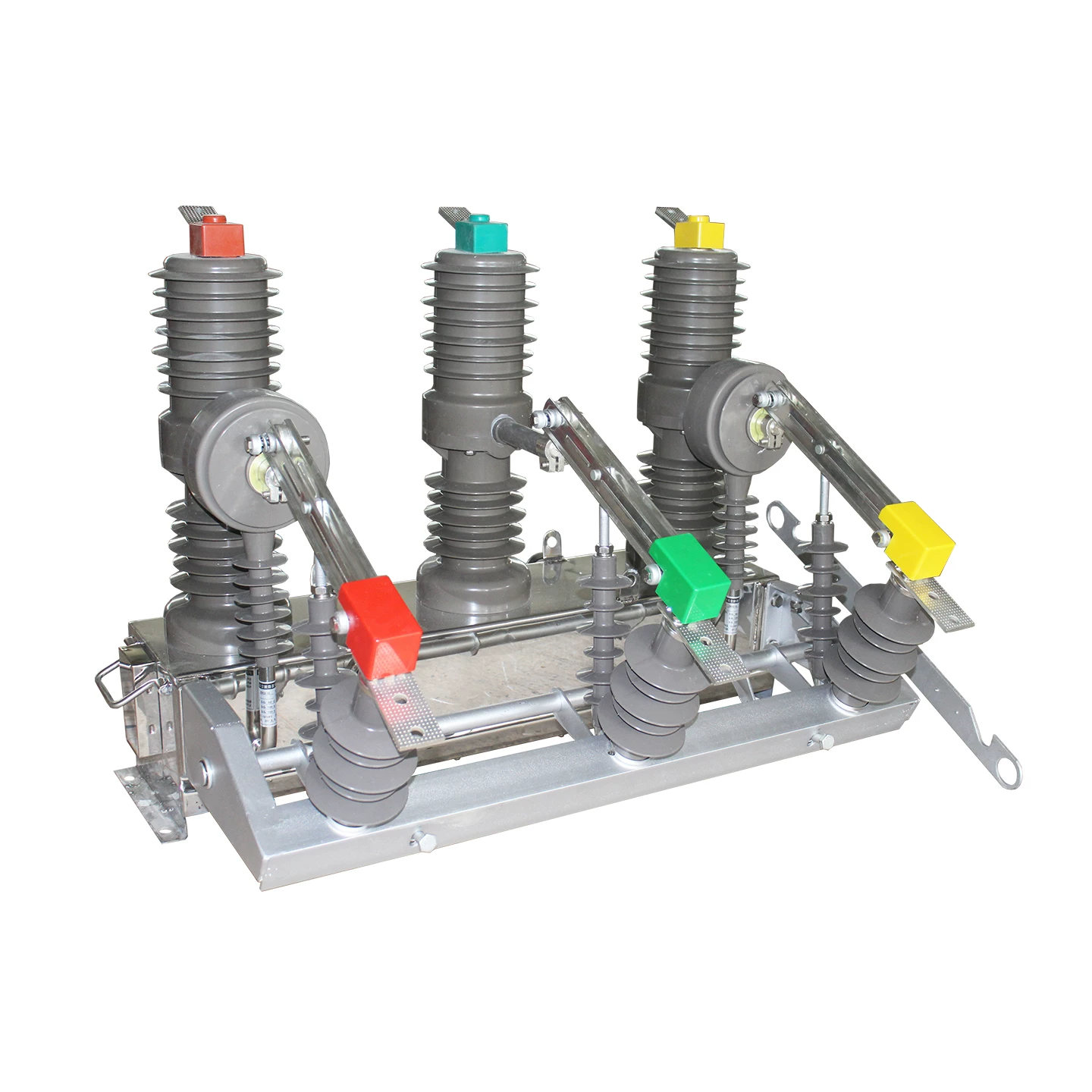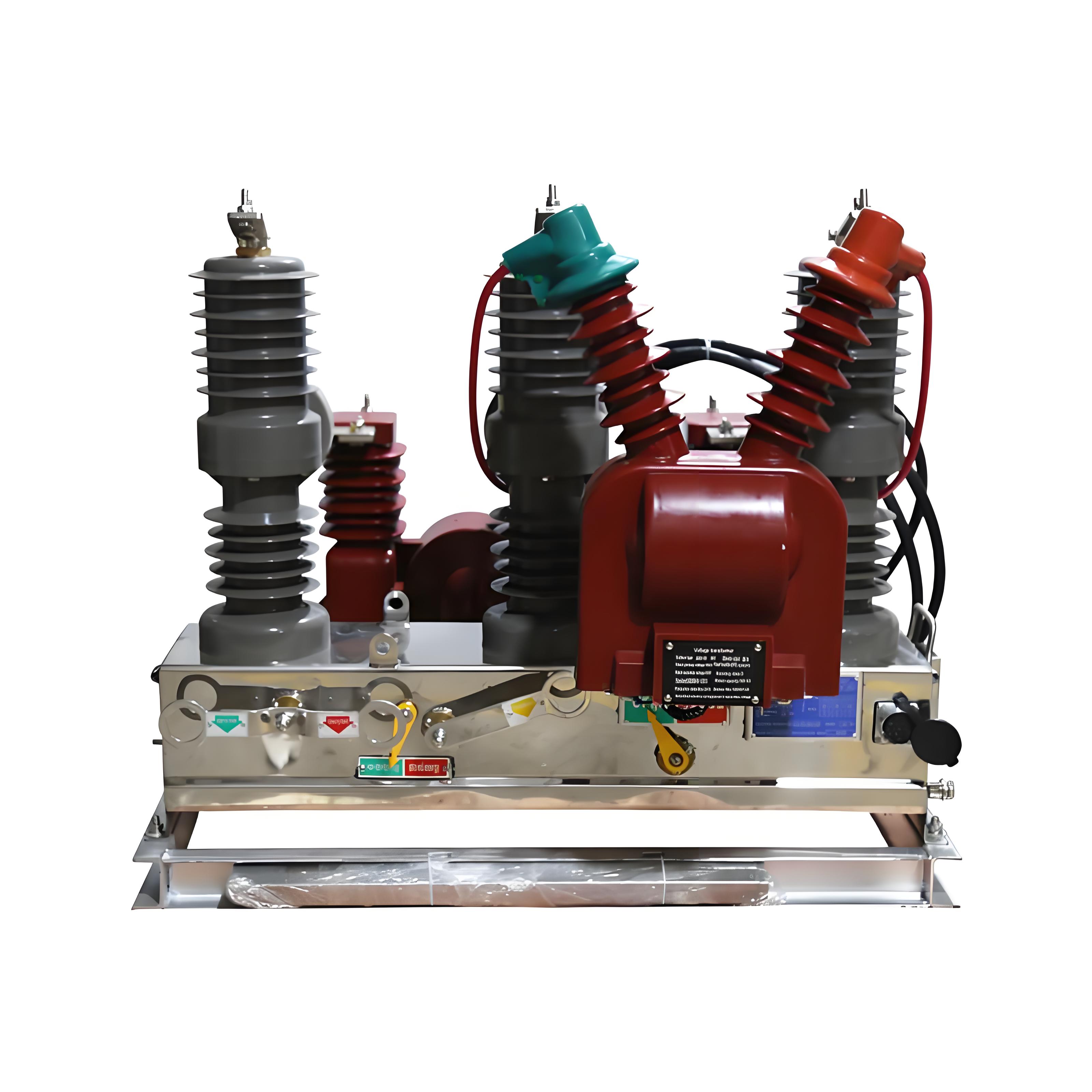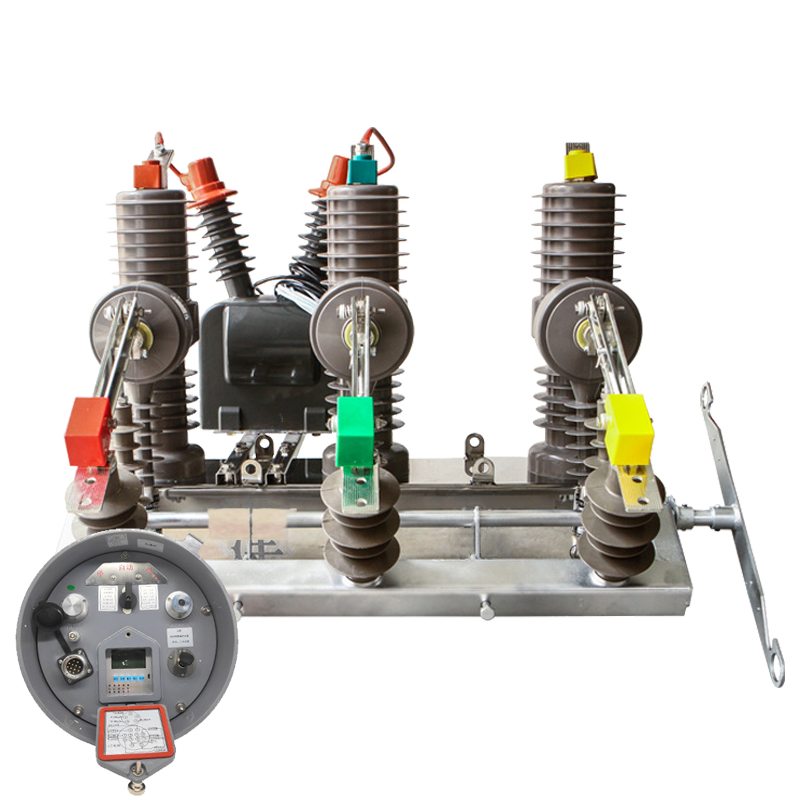
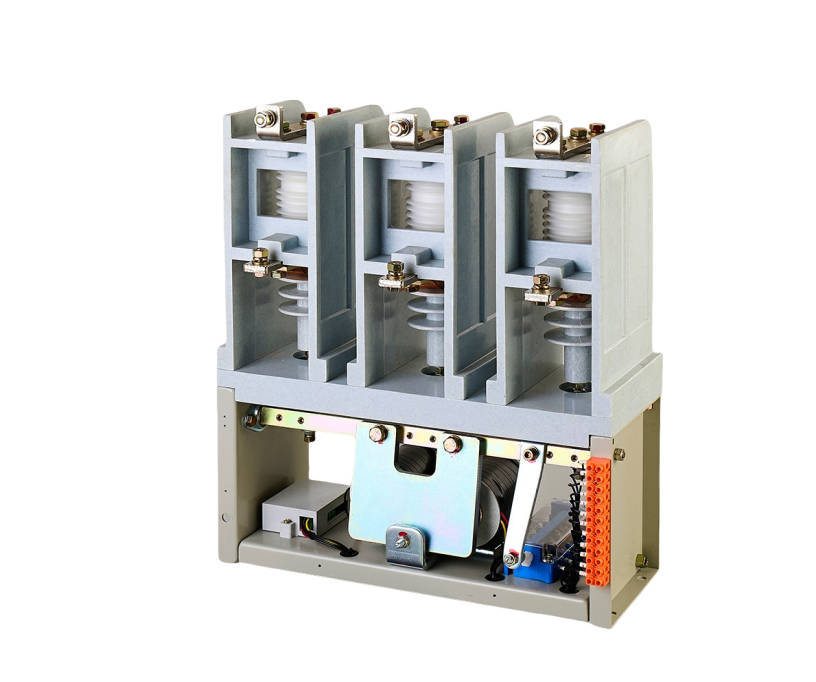
Why use vacuum contactors in high-voltage applications and medium-voltage switchgear? Because the real problem in MV/HV switching is not “turning on and off.” It is controlling the arc safely, repeatedly, and without destroying the device. The part that makes this possible is not the enclosure or the coil. It is the vacuum interrupter.
If you finish this article, you will know how to judge whether a switchgear panel truly needs a vacuum contactor, how to compare it with an air contactor, and what technical points actually decide service life, safety, and lifecycle cost.
In real projects, I have seen buyers focus on cabinet paint, brand labels, coil voltage, and accessories, while the actual success or failure of the equipment was determined by one hidden component: the sealed vacuum bottle. In medium-voltage duty, that is the difference between stable operation and recurring shutdowns.
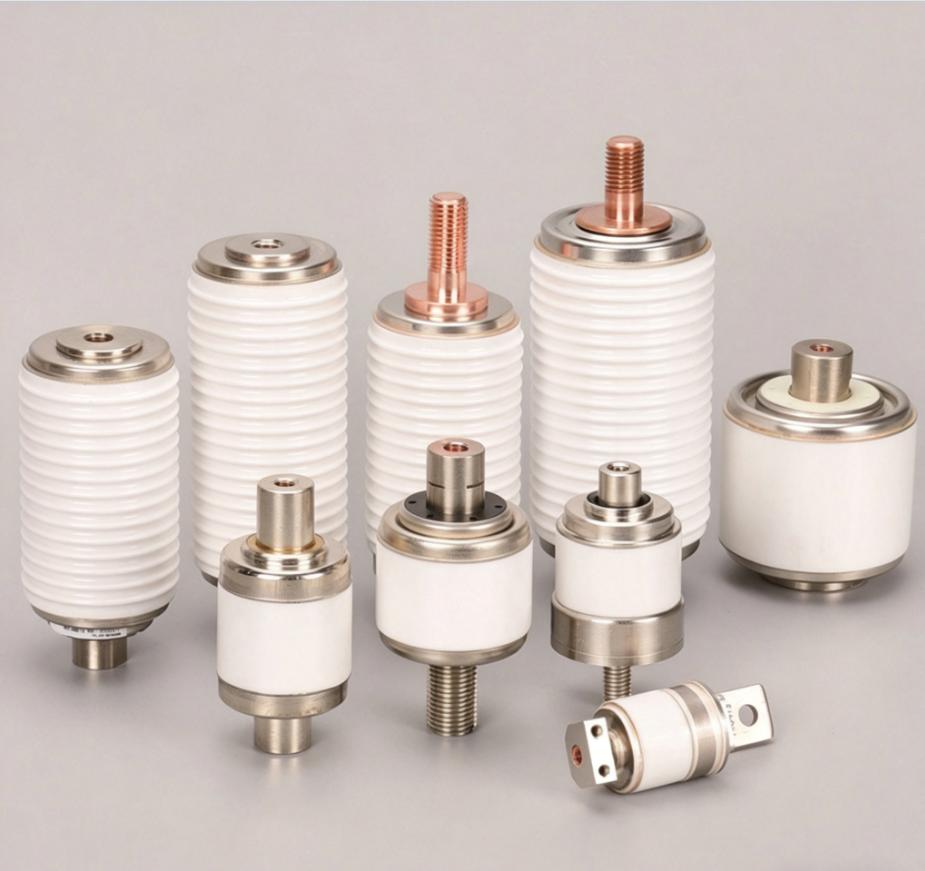
The Core Logic: The Vacuum Interrupter Is the Deciding Component
A vacuum contactor’s commercial value and technical credibility come from the vacuum interrupter. That is the core component that performs arc extinction, withstands dielectric stress, limits contact erosion, and contains the interruption event inside a sealed chamber.
Everything else matters, but not equally. The operating mechanism, coil, frame, and auxiliary contacts support the function. The vacuum bottle determines survivability.
This is the bottom-line logic many buyers miss. Two contactors can look similar from the outside. They can even have a similarly rated current on a datasheet. Yet their field life can be radically different because of vacuum level stability, contact material, ceramic-to-metal sealing quality, bellows integrity, and manufacturing consistency.
That is why experienced engineers in motor control centers, mining switch rooms, and compact substations often ask one question first: Who made the interrupter, and how consistent is the bottle process?
According to widely used international frameworks such as IEC 62271 for high-voltage switchgear and controlgear, and relevant IEEE practices for switchgear application and testing, interruption duty, insulation capability, endurance, and application category are not cosmetic attributes. They are performance obligations that must be proven under defined conditions.
The Real Problem in Switchgear: Why Ordinary Contactors Fail in MV/HV Applications
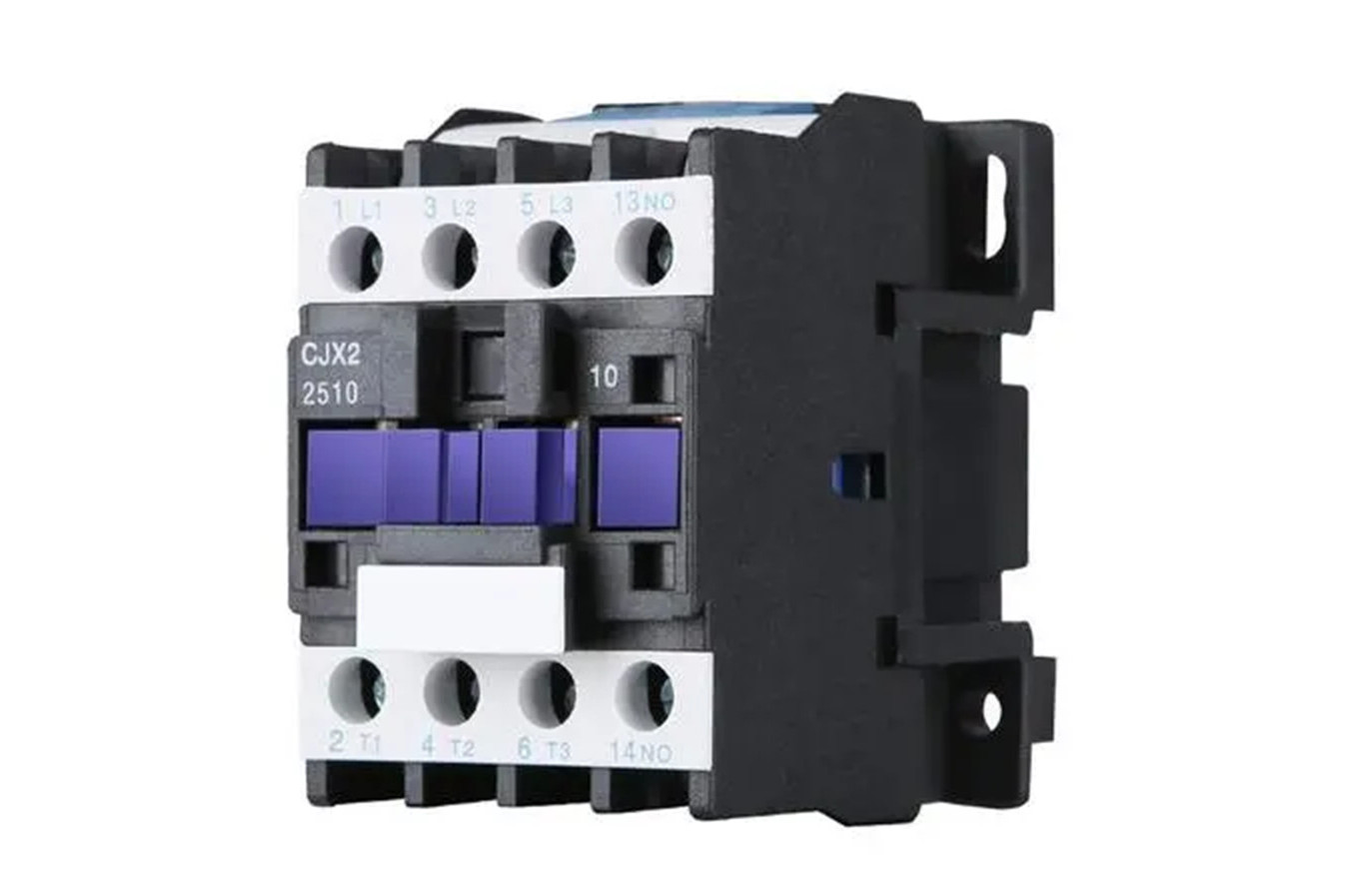
Ordinary air contactors are fundamentally low-voltage devices. They were never intended to handle the insulation demands and arc behavior of 3.3kV, 6.6kV, 10kV, 11kV, or 12kV switchgear.
When contacts open under load, the current does not stop instantly. An arc forms. In low-voltage devices, that arc is managed in air with arc runners, blowout structures, and geometric stretching. This works within low-voltage design limits. It does not make the device suitable for medium-voltage duty.
At MV levels, the dielectric recovery requirement rises sharply. Clearance, creepage, phase spacing, and interruption behavior become far less forgiving. If someone tries to substitute a normal low-voltage air contactor into a 10kV panel, the likely outcomes are straightforward:
Insulation breakdown
Violent arcing
External flashover
Contact destruction
Operator hazard
Panel damage
I have personally inspected failed switching compartments where the initial purchasing logic was “the cheaper unit should be enough because the current is not that high.” That logic ignores the fact that voltage stress and interruption physics dominate the application.
Current rating alone does not qualify a contactor for MV service. The arc medium and insulation system do.
Vacuum Contactor vs Air Contactor in Switchgear
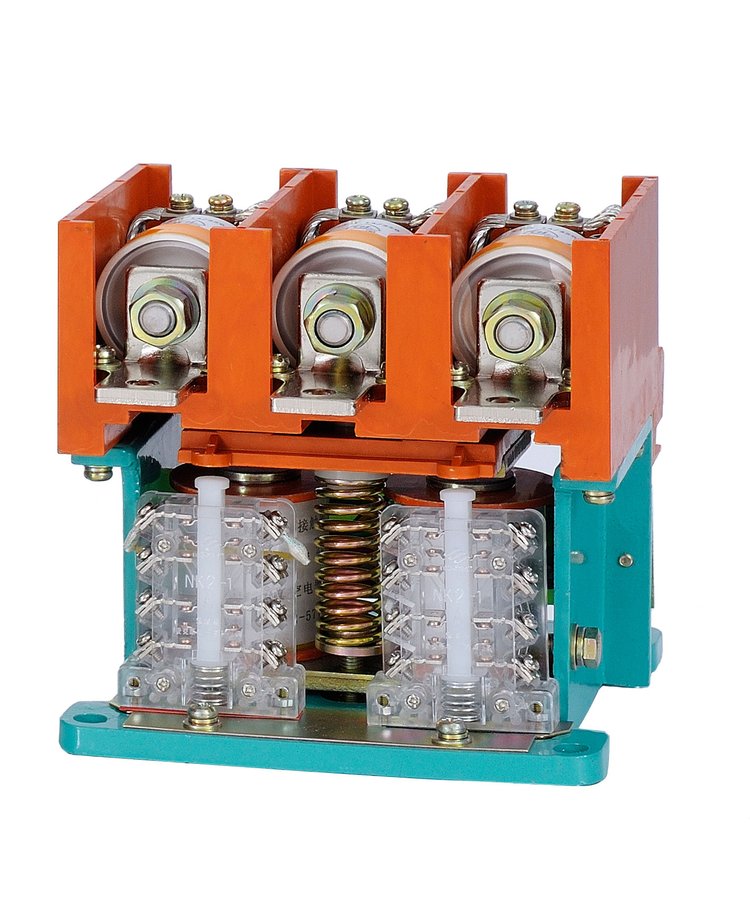
For buyer intent and practical selection, the right comparison is not abstract theory. It is this: which device can switch the actual load, at the actual voltage, at the actual operation frequency, in the actual site environment, without generating unacceptable failure risk?
Arc Extinction Principle: Vacuum vs Air
In an air contactor, the arc burns in air. During interruption, the arc is stretched and cooled, but it remains an exposed event. You often see visible arc spray, light, and more pronounced contact damage when the duty is severe.
In a vacuum contactor, the arc is formed and extinguished inside a sealed vacuum interrupter. Because there is no air to sustain combustion, the arc extinguishes rapidly around current zero, and the event is contained inside the bottle.
This is the practical reason behind many of the benefits of vacuum interrupters in electrical switchgear. Faster quenching means less external arc hazard, less contact erosion, and lower risk of phase-to-phase incidents inside compact metal-enclosed switchgear.
Insulation Strength and Voltage Capability
Air contactors are essentially low-voltage products. In typical industrial use, they are designed for 380V, 400V, 415V, 440V, 690V, and similar ranges depending on product class.
Vacuum interrupters, by contrast, offer inherently strong dielectric performance in compact form. That makes them suitable for 12kV and 24kV class switchgear, and especially common in medium-voltage motor control with vacuum contactors.
The engineering reason is simple: a vacuum gap can recover dielectric strength much faster and more effectively than an open-air low-voltage contact structure. That is why vacuum contactor vs air contactor in switchgear is not a close contest when the panel is MV.
Contact Wear Under Frequent Switching
Frequent switching is where bad selection shows up fastest. Motor starting, transformer primary switching, and capacitor bank energization create repetitive electrical stress. Air devices suffer visible contact burn, oxidation, pitting, and higher maintenance demand.
Vacuum contactors operate with sealed contacts in a low-oxidation environment. In field practice, this leads to much lower wear rates, far longer electrical endurance, and more stable operation over time.
In one cement-site review I participated in, a feeder with repeated conveyor and fan starts had been consuming contact sets and maintenance hours at an unsustainable rate with a conventional arrangement. After migration to a vacuum contactor-based MV starter, the maintenance interval extended dramatically, and unplanned outages dropped. The lesson was not theoretical: frequent operations punish weak arc control.
Safety in Real Switchgear Environments
Safety is not just about whether the device trips. It is about how it fails, what it exposes to the operator, and whether the switching event remains contained.
Ordinary contactors can produce external arc effects, fire risk, and severe contact chamber contamination over time. In compact enclosures, that contamination can become a secondary reliability issue.
Vacuum contactors offer a sealed interruption process. In practical site conditions such as dust, humidity, salt-laden air, kiosk substations, RMUs, and package substations, this containment matters. It reduces arc spray, lowers flame risk, and usually gives more predictable aging behavior.
Vacuum Contactor Advantages in Medium Voltage Switchgear
The vacuum contactor advantages in medium voltage switchgear are easiest to understand when tied to business outcomes, not just engineering language.
Better Arc Control for Motor, Transformer, and Capacitor Switching
Medium-voltage motor feeders, transformer primaries, and capacitor banks all create switching stress. Better arc control means fewer failed operations, less contact damage, and lower risk of restrike or insulation stress inside the panel.
This is one of the clearest vacuum contactor advantages in medium voltage switchgear: the device is built for the actual interruption problem, not merely for carrying current.
Longer Electrical and Mechanical Life
Because the contacts operate in a vacuum, oxidation is minimal. Erosion is lower. Mechanical systems still require sound design, but the electrical wear mechanism is much more controlled than in open-air switching.
That translates into lower spare parts use, fewer shutdowns, and more credible maintenance planning. In budget terms, that often matters more than initial unit price.
Lower Fire and Interphase Fault Risk
External arc spray is one of those field details that procurement teams often underestimate. When an arc event escapes into the switching compartment, contamination and phase interaction risk rise.
Sealed interruption reduces this exposure. It does not eliminate all switchgear risk, but it materially reduces one of the most destructive failure paths.
More Reliable Operation in Harsh Sites
Mining, utilities, cement plants, petrochemical facilities, and renewable energy substations all present hostile conditions: dust, vibration, moisture, temperature cycling, and difficult maintenance access.
Vacuum contactors handle these environments better because the critical interruption zone is sealed off from the atmosphere. For many field engineers, this is not just a technical advantage. It is the difference between routine service and repeated emergency callouts.
Why Use Vacuum Contactors in High Voltage Applications with Frequent Operations
Strictly speaking, vacuum contactors are most common in medium-voltage systems, not transmission-level high voltage. But in industrial language, many users loosely refer to 6kV, 10kV, or 11kV as “high voltage.” In those applications, the reason to use vacuum contactors is straightforward: frequent operations plus meaningful voltage stress demand a sealed interrupter technology.
If the load switches only rarely, other device categories may be evaluated depending on the protection philosophy. But when the feeder starts and stops many times per day, or when capacitor duty and transformer energization are involved, vacuum contactors become the logical economic choice.
The purchase premium is usually not paid for prettier hardware. It is paying for arc extinction quality, dielectric reliability, and stable sealing technology.
Typical Applications Where Vacuum Contactors Are the Preferred Choice
Medium-Voltage Motor Starters
Pumps, fans, compressors, conveyors, crushers, mills, and large HVAC loads often require repetitive starts and stops. This is exactly where medium voltage motor control with vacuum contactors delivers value.
In repeated starting duty, poor contactor selection quickly appears as contact welding, overheating, chatter, or contact tip loss. Vacuum contactors are preferred because they survive the duty with much lower wear.
Capacitor Bank Switching
Capacitor banks are unforgiving. Inrush, transient behavior, and repetitive energization expose weak arc systems very quickly. Field teams regularly report that capacitor duty is where inferior contact systems reveal themselves fastest.
Vacuum interruption reduces restrike risk and gives better endurance for repetitive switching. That is why many experienced engineers refuse to cut cost on this duty category.
Transformer Primary Switching
Compact substations, distribution transformers, and auxiliary transformers often need dependable switching in restricted spaces. A vacuum contactor offers controlled interruption, compact design compatibility, and lower maintenance frequency.
This is particularly useful where access is limited or where outage windows are expensive.
Mining, Utility, and Industrial Switchgear Panels
Dusty, humid, vibration-heavy environments are where sealed designs earn their keep. In mines, cement plants, ports, coastal sites, and utility kiosks, the practical issue is not just performance on day one. It is whether the device remains dependable after months of contamination and thermal cycling.
Vacuum Contactor vs Air Contactor for Switchgear Selection
| Criteria | Vacuum Contactor | Air Contactor |
|---|---|---|
| Arc medium | Sealed vacuum interrupter | Open air |
| Typical voltage range | Primarily medium voltage, e.g., 3.3kV to 12kV and higher product classes | Mainly low voltage, e.g., 380V to 690V, for typical industrial use |
| Arc extinction behavior | Fast, contained, low external arc spray | More exposed, visible arc effects, greater contact stress |
| Switching frequency suitability | Excellent for frequent operations | Limited to heavy repetitive duty |
| Contact erosion | Low to moderate, much better controlled | High under severe duty |
| Maintenance demand | Low, periodic inspection is still required | Higher, more frequent contact servicing/replacement |
| Safety risk in switchgear | Lower flame and interphase fault exposure | Higher external arc and fire risk |
| Environmental tolerance | Strong in dust, humidity, outdoor kiosks, compact substations | Weaker where contamination affects switching area |
| Total lifecycle cost | Usually lower in frequent-duty MV service | Often appears cheaper initially, but higher over time |
Recommended Contactor Choice by Application Scenario
| Application Scenario | Recommended Device Type | Reason |
|---|---|---|
| Medium-voltage motors | Vacuum contactor | Frequent starts, high endurance, safer arc control |
| Capacitor banks | Vacuum contactor | Better arc performance and repetitive switching capability |
| Transformer primary switching | Vacuum contactor | MV insulation and dependable switching in compact panels |
| Low-voltage MCCs | Air contactor | Appropriate for LV duty when properly rated |
| Outdoor kiosks and compact substations | Vacuum contactor | Sealed interruption performs better in harsh conditions |
| Frequent-duty feeders | Vacuum contactor | Lower wear and lower maintenance burden |
Real-World Data and Field Examples
Theory matters, but buyers trust evidence. Below are practical examples based on common industrial switching patterns and on the type of recurring user feedback seen across engineer discussions and technical communities.
Example: Frequent Motor Starting in a Cement Plant
In a cement facility, fans, kiln auxiliaries, crushers, and conveyors may start repeatedly throughout the shift. That means the contactor is not living a “catalog life.” It is consuming life every day.
On one motor feeder review, maintenance records showed repeated intervention caused less by overcurrent events than by switching wear: contact damage, mechanism deterioration, and heat-related nuisance behavior. After changing to a vacuum-based MV switching arrangement, the site reported longer service intervals and a measurable reduction in unscheduled maintenance labor.
The hidden issue here was not the contactor purchase cost. It was the production disruption cost. A single lost process hour in cement, mining, or petrochemical service often outweighs the price difference of the device.
Example: Capacitor Switching in a Power Factor Correction System
Capacitor switching creates a very different stress pattern from motor duty. Users frequently underestimate inrush effects and restrike sensitivity. In practical discussions, capacitor duty is repeatedly described as the place where weak switchgear components “age in public.”
With vacuum interruption, users often report lower maintenance frequency and more stable long-term behavior. In systems where operators had been replacing contacts too often, the shift to vacuum devices reduced service interventions enough to change spare-part stocking strategy.
Example: Outdoor Ring Main or Compact Substation Duty
Outdoor enclosures deal with condensation, dust ingress, thermal breathing, and seasonal temperature swings. In these applications, a sealed interrupter offers a major reliability advantage because the arc zone is protected from ambient contamination.
I have visited coastal and heavy-dust industrial yards where the external cabinet corrosion looked manageable, but the real long-term threat was internal contamination and moisture cycling. In those sites, devices with sealed switching zones consistently aged better than open switching structures.
That is one of the less obvious vacuum contactor advantages in medium voltage switchgear: not just arc control, but insulation confidence over time in imperfect real-world enclosures.
What Engineers and Users Actually Discuss on Reddit, Quora, and Technical Forums
When practitioners talk candidly, they rarely argue about brochure language. They focus on downtime, maintenance pain, and what fails first in the field. Several recurring themes appear in user-originated discussions, field notes, and technician exchanges.
“The Hidden Cost Is Downtime, Not the Purchase Price”
A common field view is that “cheap” contactors are only cheap at purchase order stage. Once emergency shutdowns, spare contacts, labor hours, and restart losses are counted, the economics reverse.
This perspective is especially strong in continuous-process plants. Operators care less about saving 15% on the component than about preventing a midnight failure that stops a line.
“Don’t Judge by Brand Housing—Judge the Vacuum Bottle”
This is one of the most technically mature points repeated by experienced users. External housing tells you very little about the actual interruption quality.
Practitioners repeatedly emphasize bottle material, ceramic-metal sealing quality, contact alloy, and production consistency. In short: the interrupter is the product. The rest is support architecture.
“Frequent Switching Is Where Bad Choices Get Exposed Fast”
Users often report that poor selections survive light duty and then fail quickly when faced with frequent motor starts or capacitor operations. Symptoms mentioned include contact erosion, coil heating, chatter, inconsistent pickup, and visible arc damage.
This matches field reality. Frequent duty compresses years of wear into months.
“Harsh Environments Change the Economics”
Another recurring observation is that dust, humidity, salt air, and outdoor heat change the economics completely. A device that is acceptable in a clean indoor room may become a maintenance problem in a dirty kiosk or remote substation.
Sealed vacuum designs repeatedly earn trust in these discussions because they isolate the most critical switching function from the atmosphere.
“Maintenance Teams Prefer What Fails Predictably Less”
This is a subtle but important point. Maintenance crews value equipment that does not create random, hard-to-diagnose switching faults. Lower oxidation, fewer arc-related contaminants, and slower contact wear make preventive maintenance more planned and less reactive.
That predictability has a real business value. It simplifies outages, spare planning, and risk management.
Common Selection Mistakes in Medium-Voltage Switchgear
Choosing by Price Instead of Interrupter Quality
The most expensive mistake is to treat the contactor like a commodity shell. In MV switching, the decisive quality question is the interrupter: vacuum stability, sealing process, contact material, and manufacturing control.
If that core is weak, the rest of the package cannot save the application.
Replacing a Vacuum Contactor with an Air Contactor to Save Money
This shortcut appears in low-budget retrofits and usually ends badly. A low-voltage air contactor is not a valid substitute for MV duty. Even if it seems to work briefly, the insulation and arc risks are unacceptable.
What looks like savings often becomes repeated failure, unsafe arcing, and a much higher total ownership cost.
Ignoring Duty Cycle, Inrush, and Switching Category
Not all switching duties are equal. Motor starting, transformer energization, and capacitor switching place different demands on the device. Buyers must verify application class, making and breaking capability, and endurance under the intended duty.
This is where IEEE and IEC-aligned data matter. Ask for tested performance, not just generic ratings.
Overlooking Site Conditions
Altitude reduces dielectric margin. Humidity raises condensation risk. Dust affects insulation surfaces. Enclosure layout changes heat dissipation. Maintenance access affects what is realistic in service.
A technically correct contactor can still be the wrong purchase if the site environment was ignored.
How to Evaluate a Vacuum Contactor Before You Buy
If you want a practical procurement method, use this order of importance.
Check the Vacuum Interrupter Quality First
Start with the bottle. Ask about the interrupter manufacturer, sealing integrity, contact material, bellows design, quality control process, and consistency of production batches.
If the supplier cannot speak clearly about the vacuum interrupter, that is a warning sign.
Match Rated Voltage, Current, and Breaking Duty
Confirm system voltage, insulation level, load current, inrush profile, switching frequency, and control philosophy. A device suitable for one motor feeder may not be suitable for capacitor duty.
Do not buy on nominal current alone.
Review Mechanical and Electrical Life Data
Ask for endurance data under realistic application conditions. A serious supplier should be able to present tested life figures and standards-based validation.
Look for application-specific evidence, especially for motor and capacitor switching.
Confirm Safety and Environmental Suitability
Review insulation level, panel compatibility, anti-condensation strategy, operating temperature range, altitude correction requirements, and contamination resistance.
This is where many field problems are prevented before purchase.
Compare Lifecycle Cost, Not Just Unit Price
Include downtime, maintenance labor, spare parts, contact replacement frequency, fault risk, and outage cost. In most frequent-duty MV cases, the vacuum contactor wins clearly on total cost of ownership.
Featured Snippet Section: What Are the Benefits of Vacuum Interrupters in Electrical Switchgear?
Fast arc extinction that limits damage during switching
Higher dielectric strength suitable for medium-voltage applications
Lower contact wear during frequent operations
Improved safety through sealed interruption and reduced external arc spray
Better suitability for medium-voltage switchgear than ordinary air contactors
Lower maintenance and better lifecycle economics in demanding duty cycles
FAQ
Practical Buyer Questions
Why are vacuum contactors used in medium-voltage switchgear instead of ordinary contactors?
Because medium-voltage switching requires insulation strength and arc control that ordinary air contactors cannot provide. Vacuum interrupter-based designs contain and extinguish the arc inside a sealed chamber, making them suitable for MV duty.
Are vacuum contactors used for high-voltage applications or mainly medium voltage?
They are mainly used in medium-voltage switchgear. At much higher transmission voltages, circuit breakers are generally used instead of contactors. In industrial practice, however, users sometimes loosely call 6kV to 11kV systems “high voltage,” and vacuum contactors are widely used there.
What is the difference between a vacuum contactor and an air contactor in switchgear?
The main difference is the arc-quenching medium. A vacuum contactor interrupts inside a sealed vacuum bottle, while an air contactor interrupts in air. That difference drives voltage capability, safety, maintenance demand, service life, and suitability for frequent-duty MV switching.
Can a normal low-voltage contactor be used in a 10kV switchgear panel?
No. It should not be used. A low-voltage contactor does not have the required insulation design or arc-control capability for 10kV service, and using one creates a serious risk of breakdown, dangerous arcing, and equipment failure.
Why are vacuum contactors better for medium-voltage motor control?
Medium-voltage motor control often involves frequent starts and stops. Vacuum contactors provide fast arc extinction, lower contact wear, longer endurance, and safer switching behavior, which makes them far more reliable under repetitive duty.
Are vacuum contactors maintenance-free?
No. They are better described as low-maintenance, not maintenance-free. Periodic inspection of mechanism condition, insulation cleanliness, auxiliary circuits, and overall panel health is still necessary.
What should buyers focus on first when selecting a vacuum contactor?
The first priority is vacuum interrupter quality. After that, buyers should verify duty rating, voltage and current suitability, endurance data, environmental compatibility, and lifecycle cost.
Conclusion: The Real Buying Rule for MV/HV Contactor Selection
If you remember only one rule, remember this: in medium- and industrial high-voltage switchgear, the vacuum interrupter is the decisive technology. Not the shell. Not the label. Not the accessories.
The reason vacuum contactors are used is simple and non-negotiable. They provide the arc extinction, dielectric strength, safety margin, and service life that ordinary contactors cannot deliver in MV frequent-switching duty.
So when evaluating a vacuum contactor vs an air contactor in switchgear, do not ask which one is cheaper today. Ask which one can survive your voltage level, switching frequency, site environment, and downtime consequences. In serious applications, that answer is usually the vacuum contactor.
Need Help Selecting the Right Vacuum Contactor for Your Switchgear?
Send your system voltage, load type, switching frequency, installation environment, and panel type. If you are comparing options for motor feeders, capacitor banks, transformer switching, RMUs, or compact substations, get a practical shortlist based on duty and lifecycle cost, not guesswork.
The right selection starts with the vacuum bottle. If you want to avoid costly mistakes, start there and choose with evidence.