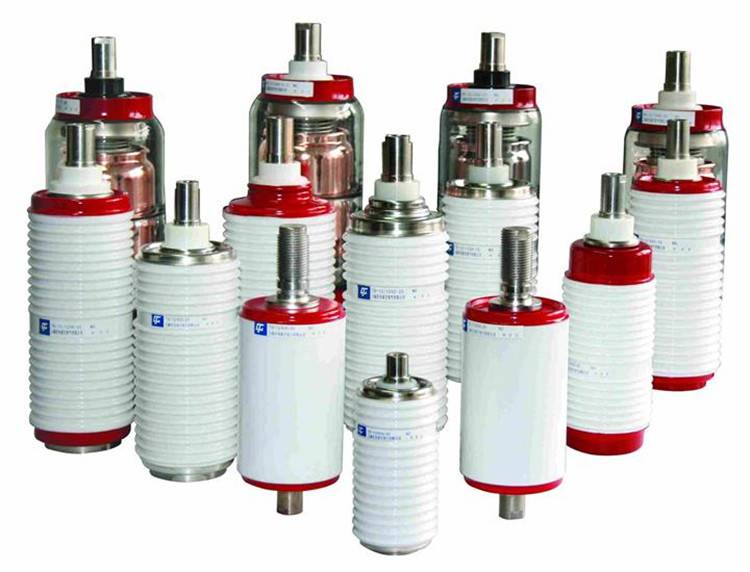
A vacuum interrupter (VI) is a crucial component within high-voltage switchgear. It uses a high-vacuum environment as an insulating and arc-quenching medium to quickly and safely interrupt electrical current when its contacts separate. VI is the common abbreviation for Vacuum Interrupter, and its invention marked a revolutionary turning point in switchgear technology.
The VI’s exceptional performance has made it the preferred choice for modern medium and high-voltage switching equipment. It's not just the heart of the device; it's also a vital safeguard for the reliability and safety of the power grid.
How Does a VI Work? A Deep Dive into Arc Quenching in a Vacuum
To understand the VI’s function, we must first look at what happens when an electrical circuit is opened. As the circuit breaker separates its moving and fixed contacts, the current cannot instantly drop to zero, causing a hot, brilliant stream of charged particles known as an electrical arc. If this arc isn't extinguished quickly, it can burn the contacts, damage the equipment, or even lead to a more severe incident.
A vacuum interrupter is the ultimate solution to this problem.
High-Vacuum Insulation: The Lifeline of a VI
A VI maintains an ultra-high vacuum level inside, typically between 10−4 and 10−6 Pascals (Pa). This extreme vacuum means there are very few air molecules inside, making it a far superior insulator than air, oil, or most gases. When the contacts separate, despite the arc that forms, the VI's insulation recovers rapidly due to the lack of medium required for the arc to sustain itself.
Note: The high vacuum is the VI’s lifeline; any drop in vacuum will severely degrade performance.
The vacuum's integrity is the top priority in the design and manufacturing process. Even a minute leak can drastically reduce the arc-quenching capability, potentially preventing it from safely interrupting fault currents and leading to catastrophic equipment failure.
Rapid Arc Diffusion: The Core Mechanism of Vacuum Interruption
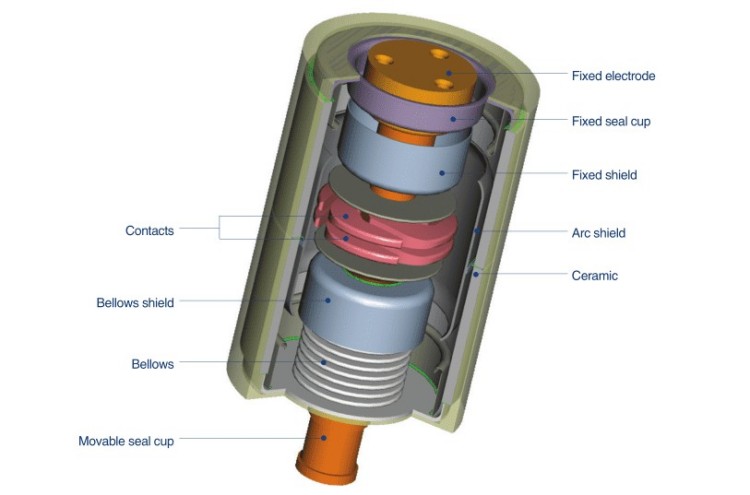
As the contacts separate and the arc forms, the intense heat instantly vaporizes the metal on the contact surfaces, creating a plasma of charged particles and metal vapor. Inside the vacuum, these particles have nothing to attach to, causing them to spread out rapidly and condense onto the contact surfaces and the internal shields. As the current passes through a zero crossing, the particle density in the arc column becomes so low that the arc can no longer be sustained and extinguishes within half a power frequency cycle.
This process is the core of how a vacuum interrupter works. Unlike SF6, which uses highly electronegative gas to capture electrons, or oil breakers that generate hydrogen to extinguish the arc, the vacuum interrupter relies on the physical absence of a medium. This allows for a highly efficient and pollution-free interruption.
Contact Materials and Structure: The Physical Foundation
The VI’s high performance is rooted in its contact material and structure. The contacts must be highly conductive while also withstanding the extreme temperatures of an electrical arc, all while regaining insulation quickly after interruption. Early VIs used pure copper contacts, but they were prone to melting and vaporization under an arc's heat, which would roughen the surfaces and cause them to weld together.
To solve this, engineers developed specialized alloy contacts, with copper-chromium (CuCr) alloy being the most common choice. This material cleverly combines the best of both metals: copper provides excellent conductivity, while chromium's high melting point and low evaporation rate significantly enhance the contacts' resistance to arc erosion and prevent welding.
Engineers have also designed different contact structures to further optimize arc-quenching performance:
Axial Magnetic Field (AMF) contacts: This design creates a magnetic field parallel to the arc. The field forces charged particles to stay in the arc column, reducing arc shrinkage and minimizing contact erosion, especially when interrupting smaller currents.
Transverse Magnetic Field (TMF) contacts: This design generates a magnetic field perpendicular to the arc. This field forces the arc to rotate rapidly, causing it to move evenly across the contact surface and preventing prolonged burning in one spot, making it ideal for interrupting high fault currents.
Tip: Different contact structures like AMF and TMF are engineered to handle various current interruption demands.
The VI’s Key Advantages: Why It's So Popular
The vacuum interrupter (VI) has become the go-to choice for medium and high-voltage switchgear for several compelling reasons:
Exceptional Environmental Performance: The VI uses no harmful or toxic substances. Internally, it is a vacuum; externally, it is typically air or solid insulation, making it environmentally friendly throughout its entire life cycle. This contrasts sharply with SF6 gas, a potent greenhouse gas thousands of times more impactful than CO2.
High Reliability and Safety: The VI’s fast arc-quenching and operation in a sealed vacuum eliminate the risk of fire or explosion. It has almost no re-ignition phenomenon, allowing it to safely and reliably interrupt currents, especially during high-current short-circuit faults.
Long Service Life and Low Maintenance: The contacts experience minimal arc erosion, giving the VI a long electrical life, often rated for tens of thousands of operations. Because it is a completely sealed unit, it requires no internal maintenance, significantly reducing its total cost of ownership.
Compact Design: The VI's small and compact structure allows for smaller switchgear. This is ideal for applications where space is at a premium, such as urban substations and distribution cabinets.
Superior Interruption Capability: The VI is highly capable of interrupting various currents, especially capacitive currents (like an unloaded transmission line) and inductive currents (like a transformer at no-load). It also generates very low overvoltage levels, effectively protecting other electrical equipment.
Note: The VI’s environmental friendliness, reliability, longevity, and compact design make it the ideal choice for modern power systems.
It’s worth noting that as a critical component, the VI must comply with strict international and national standards, such as IEC 62271-100 and China's GB 1984. These standards ensure product quality and performance, which are key to its high reliability.
Applications: Where Does the VI Shine?
The vacuum interrupter (VI) is a versatile workhorse in modern power systems. Its applications are extensive.
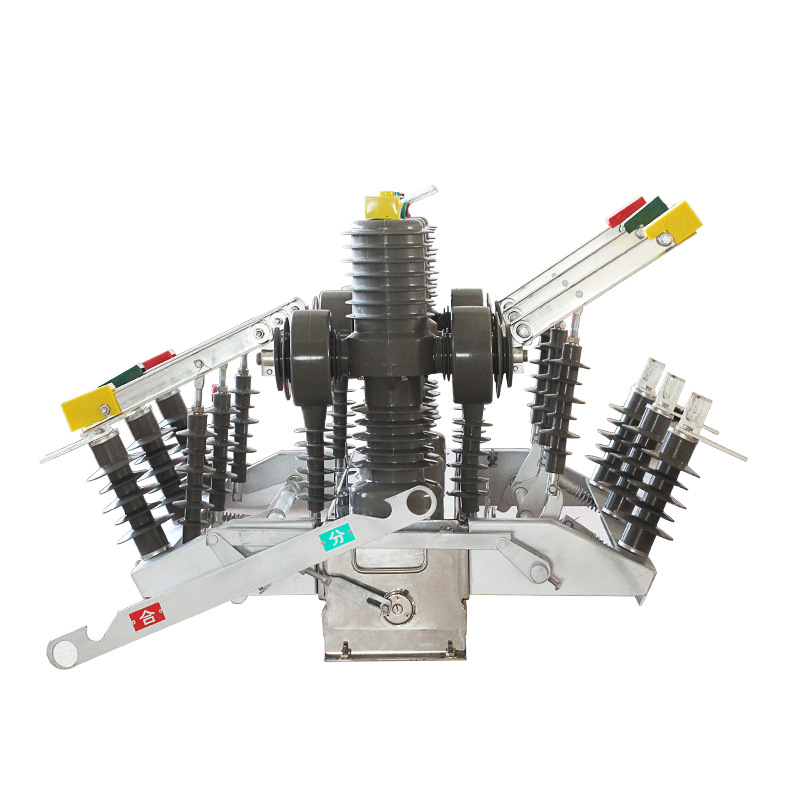
Medium and High-Voltage Switchgear: This is the VI's primary application. It is the heart of vacuum circuit breakers (VCB), vacuum contactors, and vacuum load break switches, where it performs the critical task of current interruption. The use of a vacuum interrupter in a VCB has become the global standard for medium-voltage switchgear.
Power Systems: VIs are integrated into various switchgear systems in power plants, substations, and distribution networks to control and protect power lines and transformers.
Industrial Applications: In industries that demand high power supply reliability, such as metallurgy, mining, petrochemicals, and railway transportation (e.g., electric locomotives), vacuum circuit breakers are the preferred choice due to their high reliability and low maintenance.
Renewable Energy: In wind and solar power generation, VIs play a vital role in protecting and controlling the grid connection switches for wind turbines and PV stations.
Maintenance and Testing: Ensuring VI Performance
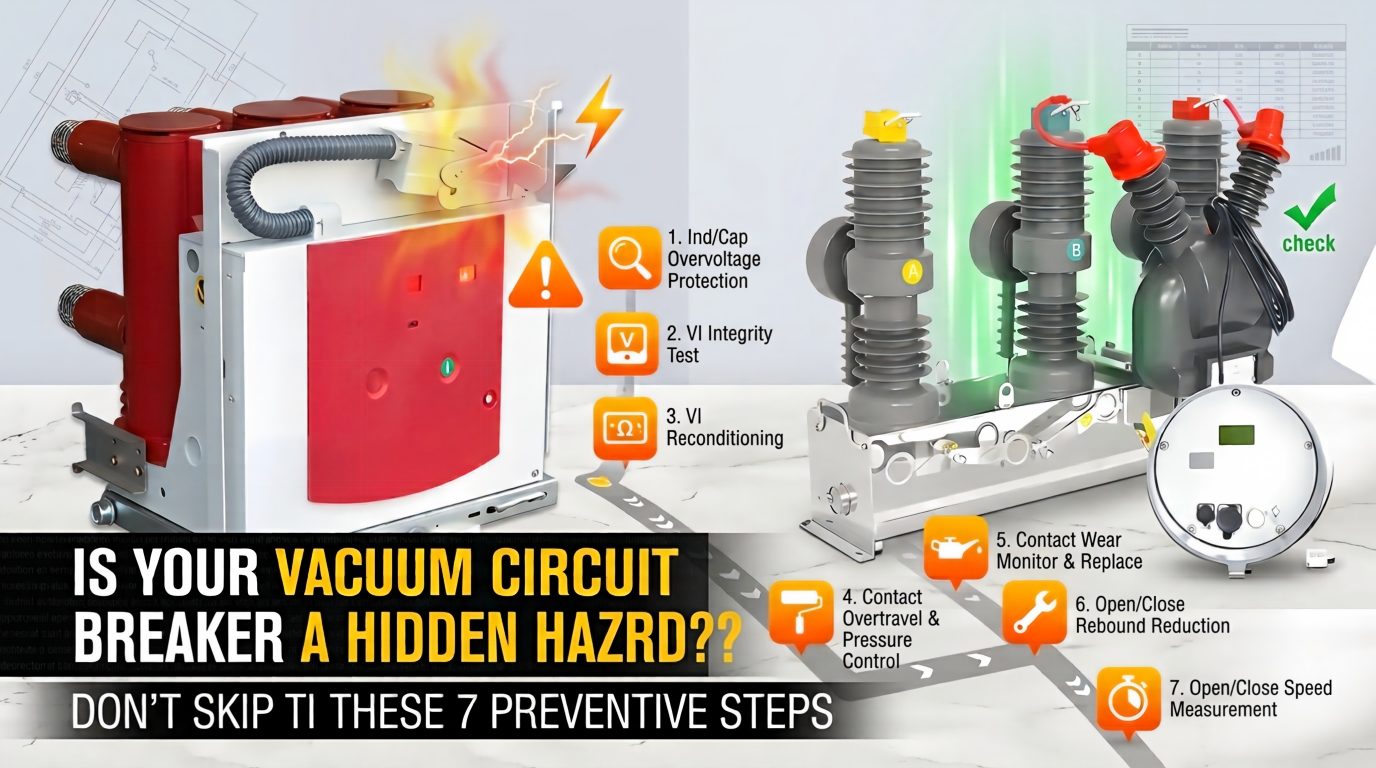
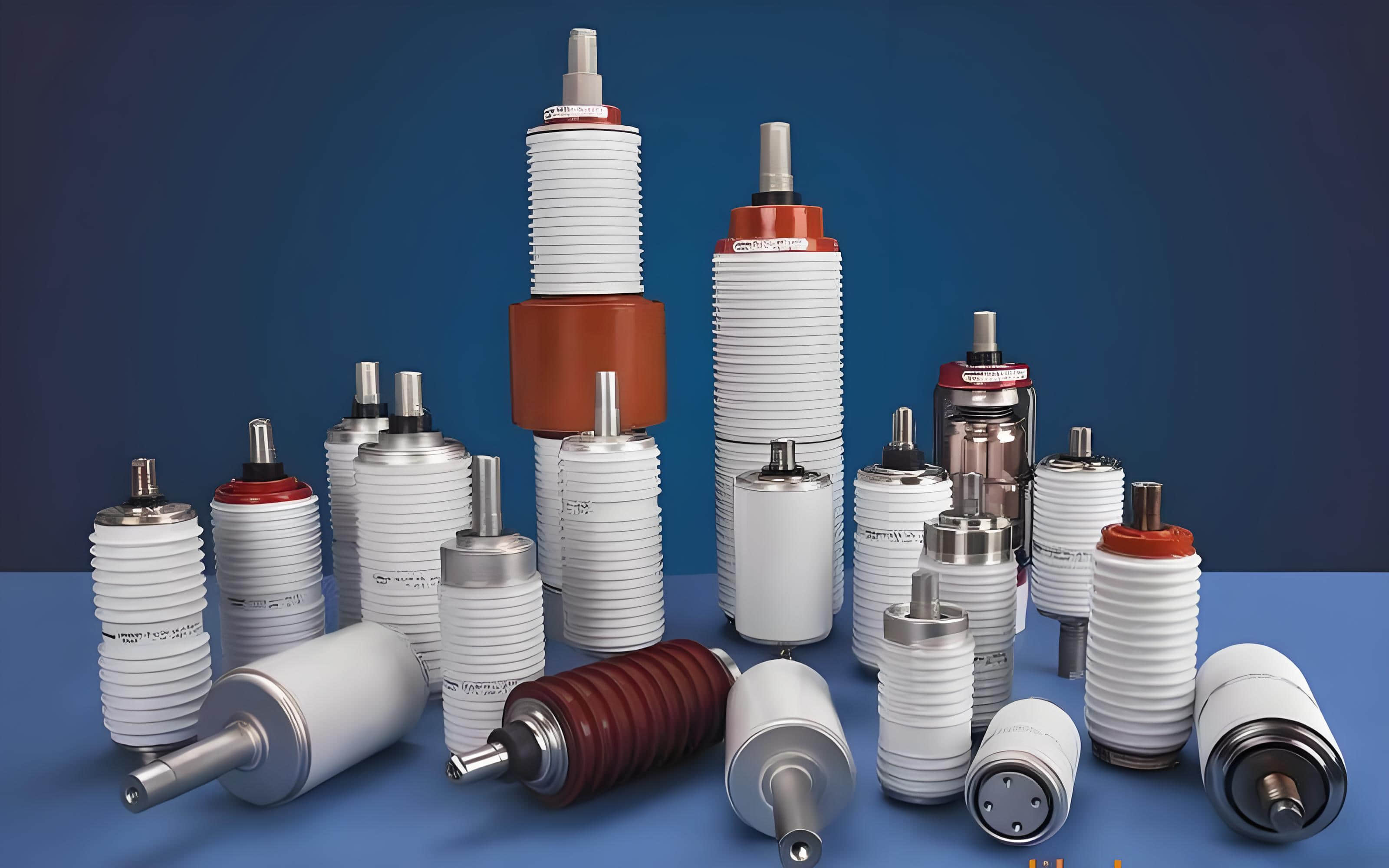
While the VI is often considered "maintenance-free," an electrical engineer knows this is not entirely true. A VI is a sealed component that cannot be repaired once it leaves the factory. Therefore, preventive maintenance and regular testing are crucial for evaluating its health and ensuring grid safety. This is where vacuum interrupter testing becomes vital.
Primary Failure Mode: The most common failure mode for a VI is vacuum degradation. This is typically caused by a micro-leak in the bellows, seal degradation over time, or the generation of a small amount of gas during extreme fault interruptions. When the vacuum level drops below a critical threshold, the VI loses its ability to extinguish an arc effectively. Long-term use also leads to contact erosion, eventually reaching the end of its electrical life.
On-Site Testing Methods: To detect potential issues early, engineers use specialized methods:
Power Frequency Withstand Voltage Test: This is a basic insulation test to check if the VI’s insulation strength still meets standards.
Vacuum Level Test: This is the most critical test. Modern vacuum interrupter testers use methods like magnetron discharge or ionization vacuum gauges. They apply a specific voltage and magnetic field to the VI to measure its internal discharge current, which indirectly indicates the vacuum level. This is the most effective way to predict a VI’s remaining service life.
Contact Travel/Erosion Measurement: By measuring the contact travel or the amount of erosion after multiple operations, engineers can evaluate the electrical and mechanical life of the contacts.
Tip: Vacuum level testing is the most effective method for predicting VI failure and extending equipment service life.
Frequently Asked Questions (FAQ)
Q: How do I choose the right vacuum interrupter?A: When selecting a VI, you need to consider several key technical parameters. As an electrical engineer, you should first verify that the rated voltage and rated current match the system's requirements. The rated breaking current is also a critical parameter; it represents the maximum fault current the VI can safely interrupt. Finally, consider both the mechanical and electrical life, as these parameters determine the VI's long-term reliability and maintenance cycle.
Q: What's the difference between a VI and a VCB?
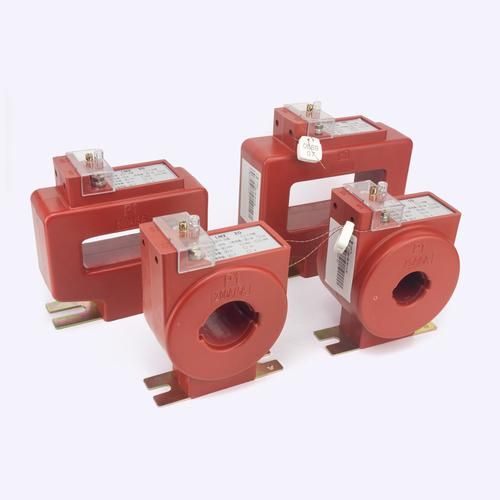
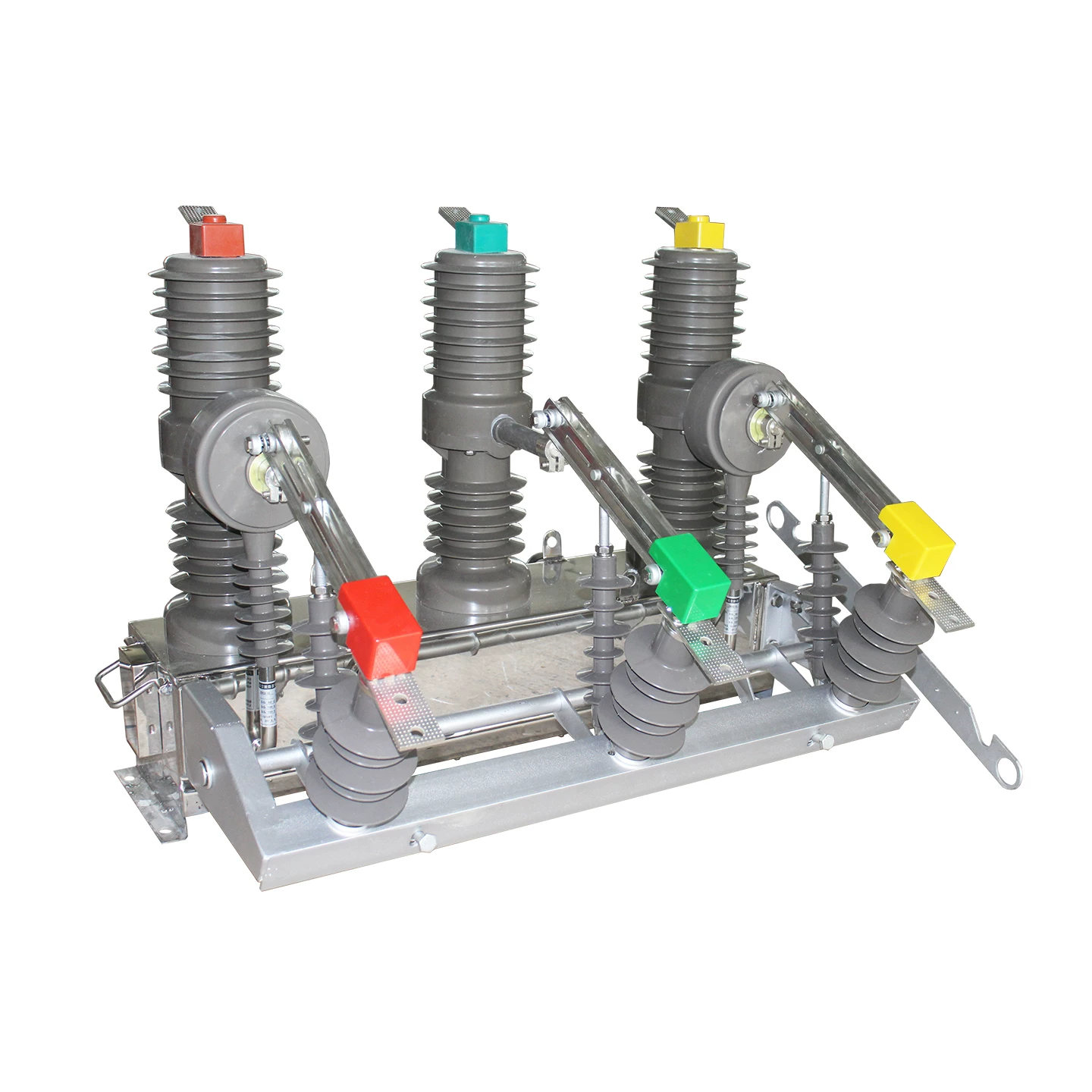
A: A VI is a core component and can be thought of as the "heart" of a vacuum circuit breaker (VCB). A VCB is a complete device that includes the VI, an operating mechanism, insulators, current transformers, and an enclosure. The VI's job is to quench the arc, while the VCB is the complete switchgear unit that controls and protects the circuit.
Note: A VI is a component; a VCB is a complete device. Do not confuse the two.
Q: Can a broken VI be repaired?
A: Generally, a vacuum interrupter (VI) is a completely sealed component. If its internal vacuum degrades or the contacts become severely eroded, it cannot be repaired on-site and must be replaced as a whole unit. This is why preventive maintenance and regular testing are so important; they help you detect problems early and avoid costly unplanned downtime.