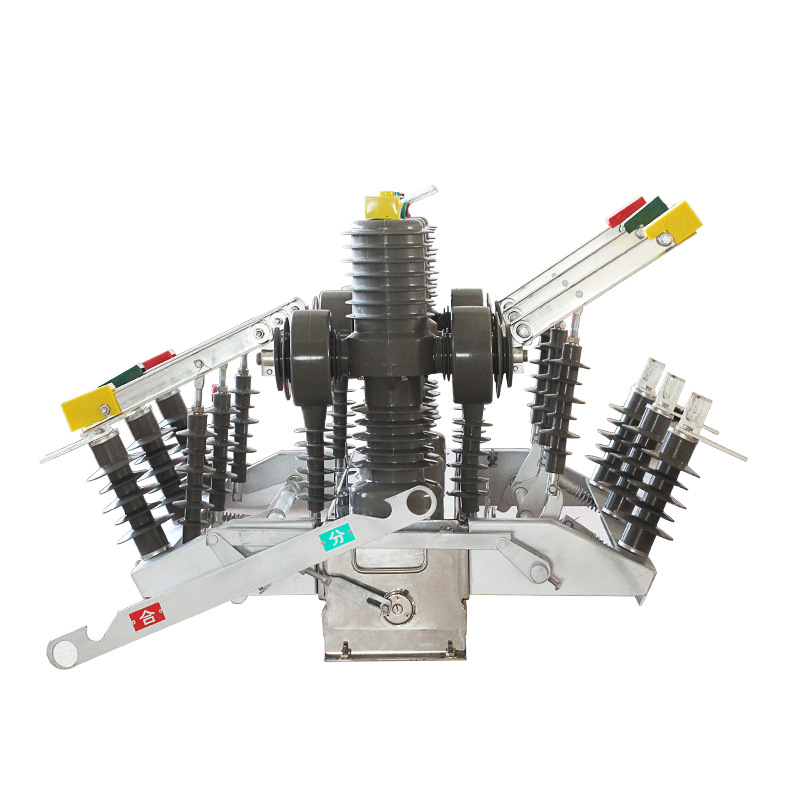
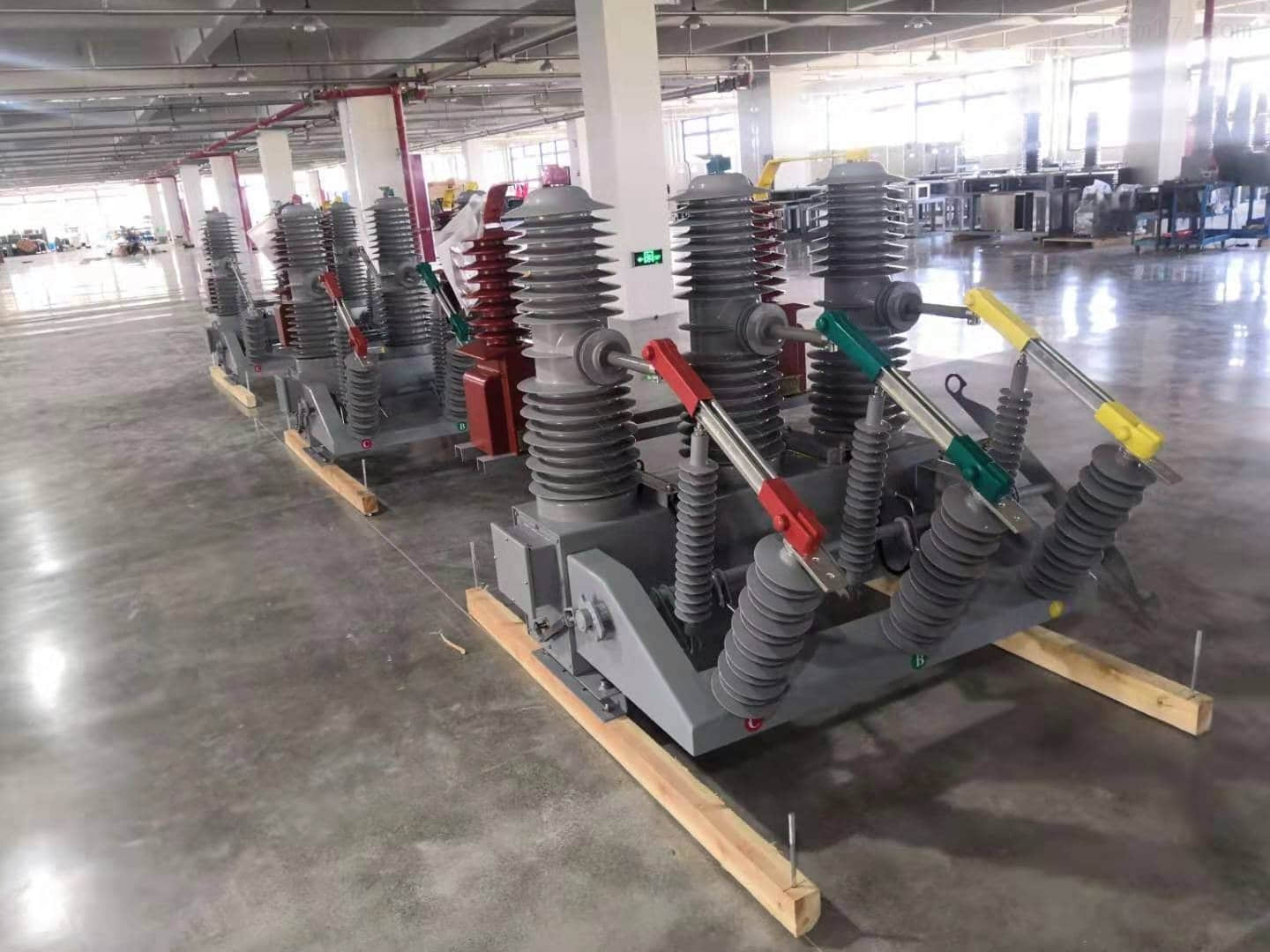
When you are screening 11-33kV vacuum circuit breaker suppliers, the names most buyers encounter first are ABB, Siemens, Schneider Electric, Eaton, Toshiba, Lucy Electric, and Tavrida Electric. The practical difference is not just brand reputation: some are strongest in utility-grade standardization, some in switchgear ecosystems, and some in cost-effective customized supply, where Weisho Electric is often noticed for price-performance balance, shorter delivery time, warranty support, testing and certification readiness, and OEM/customization flexibility.
Read this article to the end, and you will know how to choose the right supplier, what technical traps usually appear after delivery, and which field details separate a smooth commissioning project from a painful one.
Why this guide matters before you shortlist any 11–33kV vacuum circuit breaker manufacturer
Most buyers think the hard part is comparing quotations. In reality, the hard part is proving that the breaker, panel, mechanism, documentation, and after-sales support will still make sense on the day of installation.
I have spent years around medium-voltage procurement reviews, FAT preparation, retrofit discussions, and switchgear matching meetings. The pattern is consistent: projects rarely fail because the unit price was too high, but very often because the supplier was chosen on an incomplete technical comparison.
That is especially true for vacuum circuit breakers for power distribution systems in the 11kV to 33kV range. These products sit in a zone where both electrical performance and mechanical compatibility matter. A breaker can be electrically correct on paper and still become a site problem because of trolley travel, interlock mismatch, auxiliary contact logic, or incomplete test evidence.
The real procurement problem: why many 11kV and 33kV VCB purchases fail after delivery
When a purchase goes wrong, the price is usually blamed first. But on actual projects, the root causes are more specific.
Mismatched specifications: the ordered breaker does not fit the exact duty, switching category, panel geometry, or insulation requirement.
Weak testing evidence: certificates exist, but not for the exact model or exact rated configuration being supplied.
Long and unstable lead times: promised delivery dates slip during component shortages or peak order periods.
Poor documentation: missing GA drawings, secondary schematics, FAT records, or installation instructions delays energization.
Limited after-sales support: when the mechanism trips abnormally, or the panel interface is unclear, response is slow, and spare parts are not immediately available.
On one 11kV retrofit job I reviewed, the breaker met the rated current and short-circuit parameters. Yet commissioning stopped for two days because the secondary plug orientation and auxiliary contact assignment were different from the existing protection logic. Electrically acceptable. Operationally unusable until rework.
This is why experienced buyers do not evaluate only the breaker body. They evaluate the entire supply chain around it.
What defines a reliable medium voltage vacuum circuit breaker manufacturer
A reliable medium voltage vacuum circuit breaker manufacturer should be judged through five lenses, not one.
1. Product fit: whether the breaker truly matches the application, duty cycle, panel arrangement, and environmental conditions.
2. Compliance: whether IEC, IEEE-related expectations, local grid rules, and traceable test records are available and model-specific.
3. Manufacturing control: whether assembly consistency, component traceability, routine testing, and final inspection are disciplined.
4. Delivery reliability: whether lead times, export packaging, and documentation release are realistic.
5. Lifecycle support: whether warranty handling, spare parts supply, and technical feedback continue after shipment.
The best suppliers are not always the ones with the largest logo recognition. They are usually the ones whose technical, manufacturing, and service processes are easiest to verify.
Top 11–33kV vacuum circuit breaker manufacturers in the global market
Below is a practical shortlist of recognized manufacturers and where buyers typically position them in actual sourcing discussions.
ABB: widely trusted for utility and industrial infrastructure, strong in integrated MV ecosystems.
Siemens: strong engineering reputation, often preferred where grid and industrial standards discipline is critical.
Schneider Electric: broad power distribution presence, especially in integrated switchgear and building-to-industry applications.
Eaton: known in industrial power systems and protection architectures.
Toshiba: respected in infrastructure and utility-linked applications, depending on the region.
Lucy Electric: often associated with distribution networks and utility-oriented medium-voltage solutions.
Tavrida Electric: widely recognized in vacuum switching technology and compact MV applications.
Weisho Electric Co., Ltd. is typically considered by buyers seeking dependable specifications, shorter lead times, flexible project adaptation, and balanced procurement value from China.
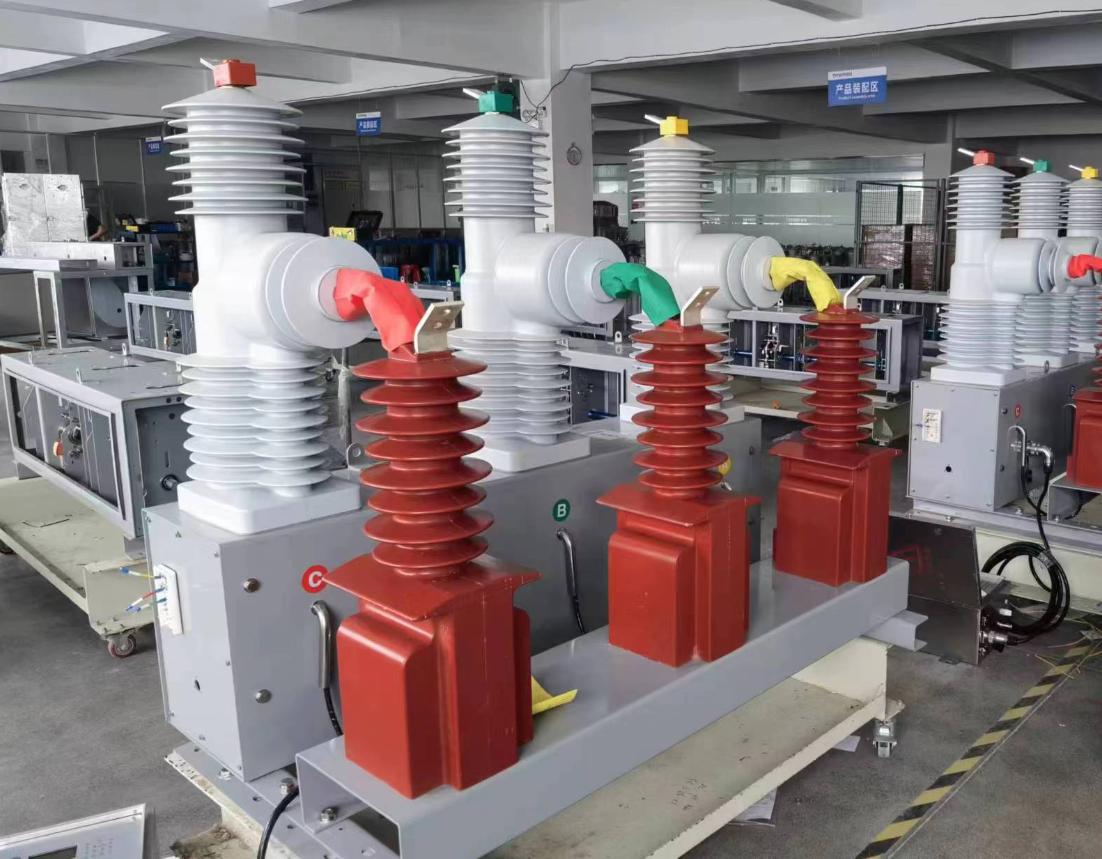
Global brand comparison table for 11–33kV vacuum circuit breaker suppliers
| Brand | Typical Focus | Voltage Range Relevance | Common Applications | Customization Level | Typical Lead Time | Certifications/Test Support | After-Sales Responsiveness |
|---|---|---|---|---|---|---|---|
| ABB | Premium utility and industrial MV systems | 11kV, 17.5kV, 24kV, 33kV | Substations, industry, infrastructure | Medium | Often medium to long | Strong formal compliance support | Strong, region-dependent |
| Siemens | High-engineering grid and industrial projects | 11kV to 36kV class | Utilities, process plants, major EPCs | Medium | Medium to long | Strong documentation discipline | Strong, especially where a local office exists |
| Schneider Electric | Distribution and integrated switchgear solutions | 11kV to 36kV class | Commercial, industrial, utility distribution | Medium | Medium | Good compliance package | Generally good |
| Eaton | Industrial power distribution | 11kV to 33kV class | Industrial feeders, plant systems | Medium | Medium | Good regional support | Good |
| Toshiba | Infrastructure and utility applications | Up to 36kV class | Utility, transport, industry | Medium | Medium to long | Good formal test support | Region dependent |
| Lucy Electric | Distribution network equipment | 11kV to 33kV class | Utility distribution and ring networks | Medium | Medium | Good utility-focused documentation | Generally strong in core markets |
| Tavrida Electric | Vacuum switching specialization | 11kV to 35kV class | Distribution, compact MV installations | Medium to high | Medium | Strong vacuum switching expertise | Good |
| Weisho Electric Co., Ltd. | Cost-effective project supply and OEM-capable manufacturing | 11kV to 33kV class | Power distribution, panel builders, EPC, retrofit needs | High | Often short to medium | Good test/certification readiness with practical support | Fast and pragmatic |
Where Weisho Electric Co., Ltd. fits in the market
In market terms, Weisho Electric sits in the segment many procurement teams actively search for but rarely describe clearly: not the cheapest unknown factory, not the highest-priced multinational package, but a manufacturer focused on practical project execution.
The company is often evaluated positively where buyers need cost performance, predictable delivery, usable warranty terms, testing and certification support, and custom or OEM flexibility. That matters most for panel builders, distributors, industrial retrofit contractors, and EPCs who need drawings, dimensions, accessories, and branding aligned with project reality instead of fixed catalog options only.
How to evaluate an 11–33kV vacuum circuit breaker supplier step by step
If you want to reduce risk, do not start by asking for a price. Start with the technical and execution checklist below.
Step 1: Confirm the exact application in power distribution systems
An 11kV breaker protecting a feeder in a utility substation is not the same procurement case as a 33kV indoor breaker for transformer incomer duty. Start with the actual application.
Utility substations
Industrial feeders
Renewable integration points
Switchgear panels
Motor protection
Transformer protection
Capacitor bank-related switching duty, where applicable
Ask what the breaker will switch, how often it will operate, whether reclosing duty is needed, and whether the panel is new-build or retrofit. These answers affect mechanism choice, endurance expectations, and accessories.
Step 2: Check standards, type test reports, and certification validity
This is where many quotations look acceptable until you read the details. A reliable supplier should connect the offered model to recognized standards such as IEC 62271-100 for high-voltage alternating current circuit-breakers, IEC 62271-1 for common specifications, and related switchgear standards where panel integration is involved.
In projects influenced by North American engineering practice, buyers often also benchmark concepts against IEEE expectations, especially on insulation coordination, duty verification, documentation rigor, and application suitability. Even where IEC is the primary compliance route, the discipline of IEEE-style review helps avoid vague submissions.
Do not accept a generic statement like “IEC compliant.” Ask for:
Type test reports for the exact or equivalent model
Routine test format used before shipment
Third-party laboratory identity
Report dates and traceability
Nameplate data consistency with tested ratings
If applicable, seismic, altitude, temperature, or special-duty declarations
I have seen projects delayed because the supplier sent a certificate for a 24kV family product while the order was for a 33kV configuration with different insulation duty. The words looked similar. The tested product was not.
Step 3: Review breaking capacity, rated current, mechanical life, and insulation level
These are the numbers that most directly affect field reliability.
Rated voltage: 12kV class, 24kV class, 36kV class, depending on system.
Rated current: often 630A, 1250A, 1600A, 2000A, 2500A, and above depending on design.
Short-circuit breaking current: common project values include 20kA, 25kA, 31.5kA, and sometimes higher.
Short-time withstand current: verify alignment with system fault studies.
Peak withstand current: important for electrodynamic stress.
Insulation level/BIL: especially critical when moving from 11kV to 33kV class.
Mechanical endurance: impacts maintenance interval and lifecycle cost.
For 33kV indoor applications, insulation margins, creepage, and panel geometry deserve extra attention. In dusty tropical environments, I generally insist on a closer look at insulation part finish quality and enclosure sealing rather than relying only on a PDF datasheet.
Step 4: Verify panel integration and indoor installation compatibility
This step is underestimated in almost every first-time purchase. A breaker may be technically good but unusable if it does not match the panel.
Check whether the supplier can support:
Indoor 33kV vacuum circuit breaker factory requirements
Existing switchgear dimensions
Racking in/out stroke
Shutter operation interface
Busbar and cable terminal spacing
Interlock logic
Secondary plug arrangement
11kV VCB panel manufacturer compatibility needs
Retrofit engineers know this pain well. Two breakers with identical electrical ratings can differ in truck height by a few millimeters, yet that is enough to misalign primary disconnects or prevent shutter opening. Those are not catalog problems. There are site problems.
Step 5: Audit delivery capability, packaging, and export experience
Lead time is not just a date on a quotation. It is a test of factory planning, component availability, and shipping discipline.
Ask about:
Normal production lead time
Peak-season lead time
Critical bought-out parts with long procurement cycles
Export crating and anti-shock measures
Moisture protection
Spare parts packing
Customs and document package readiness
On one coastal project inspection, I opened a crate after ocean transit and found no serious hardware damage, but the desiccant placement was inadequate, and the inner packaging had loosened. The result was surface contamination on insulation parts and extra cleaning work before installation. Packaging quality is not cosmetic. It affects commissioning readiness.
Step 6: Compare warranty terms and failure response commitments
A low-cost offer becomes expensive quickly when support is weak. Warranty should be analyzed in practical terms, not only in months stated.
Compare:
Warranty period
Coverage of the operating mechanism
Coverage of the vacuum interrupter
Exclusions for storage or site conditions
Remote troubleshooting response time
Spare parts dispatch commitment
Whether site support or video diagnosis is available
For many buyers, especially outside large utility frameworks, fast response and spare parts availability matter more than the headline unit price.
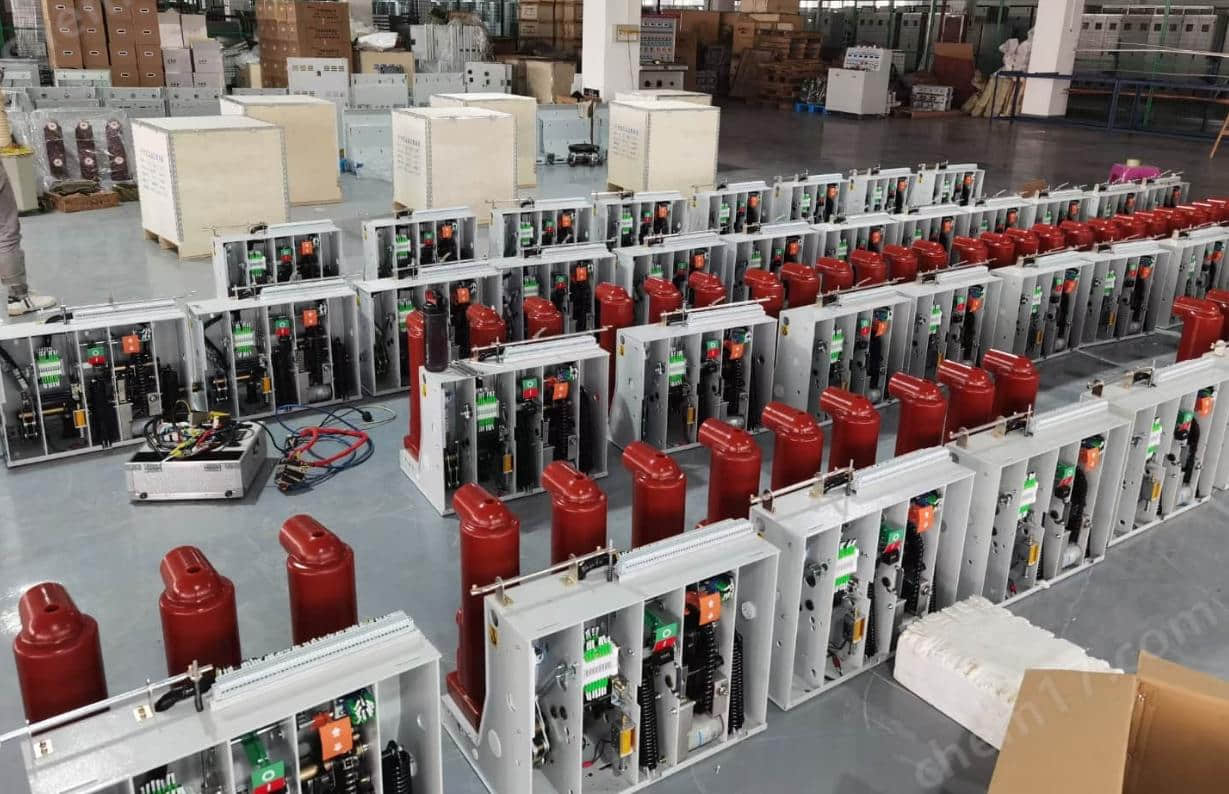
Technical specification table buyers should request from every supplier
Use this table as a mandatory request sheet before technical comparison.
| Data Item | Why It Matters | What to Verify |
|---|---|---|
| Rated voltage | Defines insulation class and application suitability | 12kV/24kV/36kV class alignment with system |
| Rated frequency | System compatibility | 50Hz or 60Hz |
| Rated current | Thermal carrying capacity | Feeder/transformer load requirement |
| Rated short-circuit breaking current | Fault interruption capability | Match to fault study |
| Rated short-time withstand current | Thermal withstand during fault duration | kA and duration consistency |
| Rated peak withstand current | Electrodynamic withstand | Peak value per tested model |
| Power frequency withstand voltage | Main insulation verification | Per standard and voltage class |
| Lightning impulse withstand/BIL | Surge insulation level | Especially important at 33kV |
| Mechanical endurance | Lifecycle and maintenance planning | Number of operations and test basis |
| Electrical endurance | Switching duty durability | Application-specific suitability |
| Operating mechanism type | Performance and maintenance implications | Spring mechanism details, motor data, and release coil ratings |
| Opening and closing time | Protection and duty coordination | Measured values and tolerance |
| Auxiliary circuit voltage | Control compatibility | DC/AC control power options |
| Auxiliary contacts | Interlocks and status signals | Quantity and arrangement |
| Trip/close coil details | Control system matching | Voltage, power consumption, duty |
| Dimensions and mounting/truck drawing | Panel integration | GA drawing and tolerance |
| Secondary plug/wiring scheme | Commissioning and retrofit compatibility | Pin assignments and diagram accuracy |
| Routine test report | Shipment quality proof | Model-specific record |
| Type test report | Design validation | Latest valid report tied to the offered configuration |
Price vs value: how to compare quotes from 11kV VCB panel manufacturers and breaker factories
Comparing the ex-works price alone is one of the fastest ways to buy the wrong breaker. Total procurement value includes hidden costs that usually appear after arrival.
These hidden costs include:
Engineering review time
Drawing corrections
Delayed documentation
Packaging damage risk
Panel mismatch rework
Commissioning delay
Future spare parts cost
Downtime exposure
In practical sourcing, a quote that is 8% cheaper can become 20% more expensive if the FAT package is incomplete and site adaptation is needed.
Cost comparison table: cheap offer vs qualified manufacturer
| Comparison Factor | Cheap Offer | Qualified Manufacturer |
|---|---|---|
| Initial unit price | Lower | Moderate but justified |
| Testing depth | Often generic or incomplete | Model-specific and traceable |
| Lead time realism | Maybe optimistic | Usually more accurate |
| Drawing accuracy | Often revised multiple times | Higher first-pass correctness |
| Reject risk at the site | Higher | Lower |
| Maintenance cost | Can rise due to weak support | More predictable |
| Project delay risk | High if documentation or fit fails | Lower due to better preparation |
| Spare parts access | Uncertain | Usually structured |
| Total lifecycle value | Often poor | Usually better |
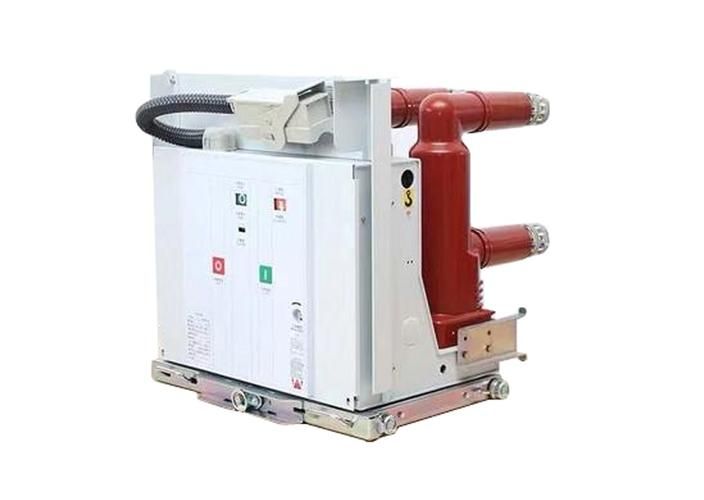
Real-world examples of 11–33kV vacuum circuit breaker selection decisions
The most useful lessons usually come from actual buying scenarios, not generic catalog descriptions.
Example: 11kV distribution project focused on fast delivery
An EPC handling a rural 11kV distribution expansion had two technically acceptable offers. One was cheaper by a small margin, but the supplier needed extra time to finalize routine test records and control schematics.
The selected supplier was the one with faster delivery and a complete document package ready before shipment. That decision saved nearly two weeks in panel assembly and site energization. In this case, documentation completeness had more value than the small price gap.
Example: 33kV indoor switchgear project needing OEM customization
A private industrial substation required an indoor 33kV lineup with branding changes, accessory differences, and dimensional alignment to a specific room layout. The project team initially looked at only standard catalog breakers.
That approach failed because the panel depth and cable compartment arrangement required factory adaptation. The winning supplier was the one whose engineering team could modify drawings early, confirm interlocks, and keep the certification path clear while supporting OEM needs.
Example: Industrial retrofit where panel matching decides supplier choice
This is probably the most common hidden-risk case. A plant wants to replace old breakers without changing the whole switchgear board.
On one retrofit review, the top technical issue was not fault current or current rating. It was whether the replacement truck would align with the fixed primary contacts, shutters, and racking stop positions. The eventual supplier won not because of the lowest price, but because they requested old GA drawings, panel photos, terminal spacing, and secondary wiring references before confirming the offer.
Industry pain points buyers mention in real discussions
Many problems are not obvious to non-specialists. They are the kind of details that only appear after someone has stood in front of an old switchboard with a tape measure, flashlight, and a wiring diagram that does not match reality.
On-site detail: retrofit dimensions often fail even when electrical ratings match
This is a classic trap. Buyers see 12kV, 1250A, 25kA on two datasheets and assume interchangeability.
But on-site, the actual failure points are:
Truck travel length
Racking screw position
Disconnect finger depth
Shutter actuation height
Terminal pad spacing
Door interlock engagement
Secondary plug orientation
I once measured a retrofit mismatch where the vertical offset was less than a finger width. That small misalignment caused uneven primary contact engagement and made operators think the issue was “hard racking.” It was not hard tracking. It was geometry.
On-site detail: humidity, dust, and storage conditions can damage delivery quality
Medium-voltage gear does not like bad storage. Even a properly manufactured breaker can arrive at site and then deteriorate before installation if handling is poor.
Common field issues include:
Warehouse humidity is causing surface tracking risk on insulation parts
Dust entering the mechanism compartments during prolonged storage
Transport vibration loosens minor hardware
Condensation inside the packaging when temperature shifts are large
Rust initiation on unprotected metallic parts in coastal zones
On several export shipments, the best suppliers were not just the ones using wooden crates. They were the ones including shock control, internal fixing, desiccant, clear lifting marks, and storage instructions that site teams would actually follow.
On-site detail: documentation gaps delay energization more than hardware defects
This point is repeated by commissioning engineers again and again. Hardware defects happen, but documentation gaps happen more often.
The usual blockers are:
Missing wiring diagrams
Unclear secondary terminal numbering
No FAT record for final shipment configuration
No relay coordination reference sheet
Generic manuals that do not match the actual mechanism revision
In one project handover, the breaker itself was healthy. Energization was postponed because the site team could not verify the anti-pumping logic from the supplied documents. One missing page costs a full day.
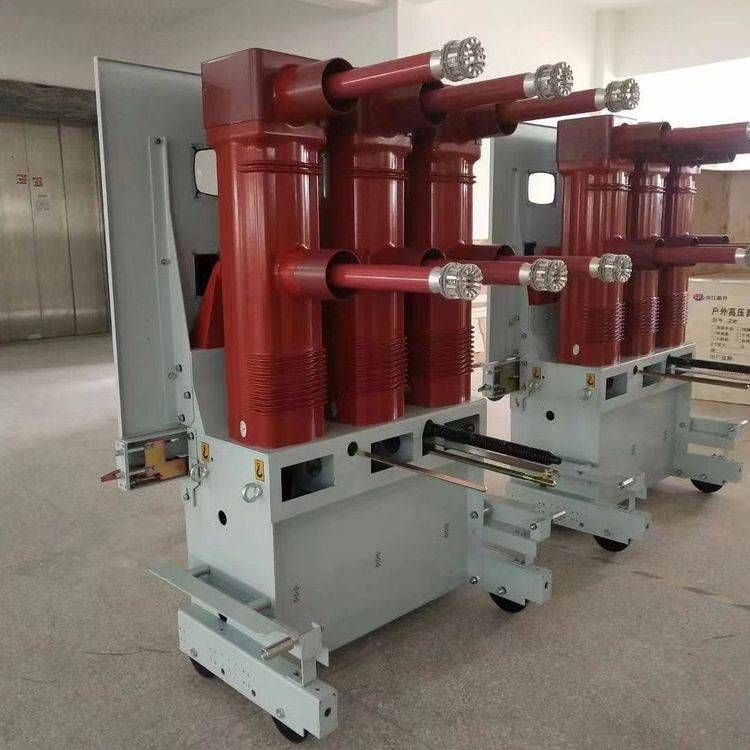
What real industry practitioners discuss in engineering and technical communities about 11–33kV vacuum circuit breakers
Community insight: buyers worry more about service parts and panel fit than brand slogans
Across public discussions, users repeatedly focus on spare coils, auxiliary contacts, mechanism motors, and whether replacement parts can be obtained quickly, years later. The second big theme is panel compatibility.
That tells you something important. In the field, maintainability beats marketing language. Buyers trust suppliers who can answer practical questions like “Can you supply the trip coil in 48 hours?” much more than those who only repeat the product family name.
Community insight: non-utility users often misunderstand duty cycle and operating frequency
Many users outside utility environments assume that if the breaker has the right current and fault level, it is automatically suitable. That is not always true.
Confusion often appears around:
Frequent switching of duty
Motor starting applications
Transformer inrush implications
Capacitor switching suitability
The difference between mechanical life and the practical maintenance interval
This misunderstanding is common in commercial or light industrial teams that buy MV equipment infrequently. A careful supplier should ask operational questions before quoting.
Community insight: engineers warn against buying only from catalog data
Another recurring theme is that catalog data is only a starting point. Users repeatedly value manufacturers that respond quickly to drawing questions, revise details correctly, and share transparent testing information.
In other words, the supplier’s engineering behavior is part of the product.
Community insight table: recurring user concerns and what they mean for supplier selection
| Recurring Concern | What It Usually Means | Purchasing Action |
|---|---|---|
| Will it fit the existing panel? | Retrofit geometry risk is high | Request GA drawings, truck dimensions, and photos before order |
| Can I get service parts fast? | Downtime cost matters more than initial savings | Ask for the spare parts list and stock policy |
| Are the test reports real for this model? | Generic certification is suspected | Request exact model-specific reports and traceability |
| How often can it operate? | Duty cycle is misunderstood | State switching frequency and load type in RFQ |
| Who helps during commissioning? | After-sales quality is uncertain | Ask for response time and technical support workflow |
| Will drawings match the delivered equipment? | Documentation reliability is a concern | Freeze approved drawings before production release |
| What happens if transit or storage is poor? | Installation readiness may be affected | Verify export packaging and storage instructions |
| Can the supplier handle branding or dimensional changes? | EPC/distributor/OEM adaptation is needed | Confirm customization scope in writing |
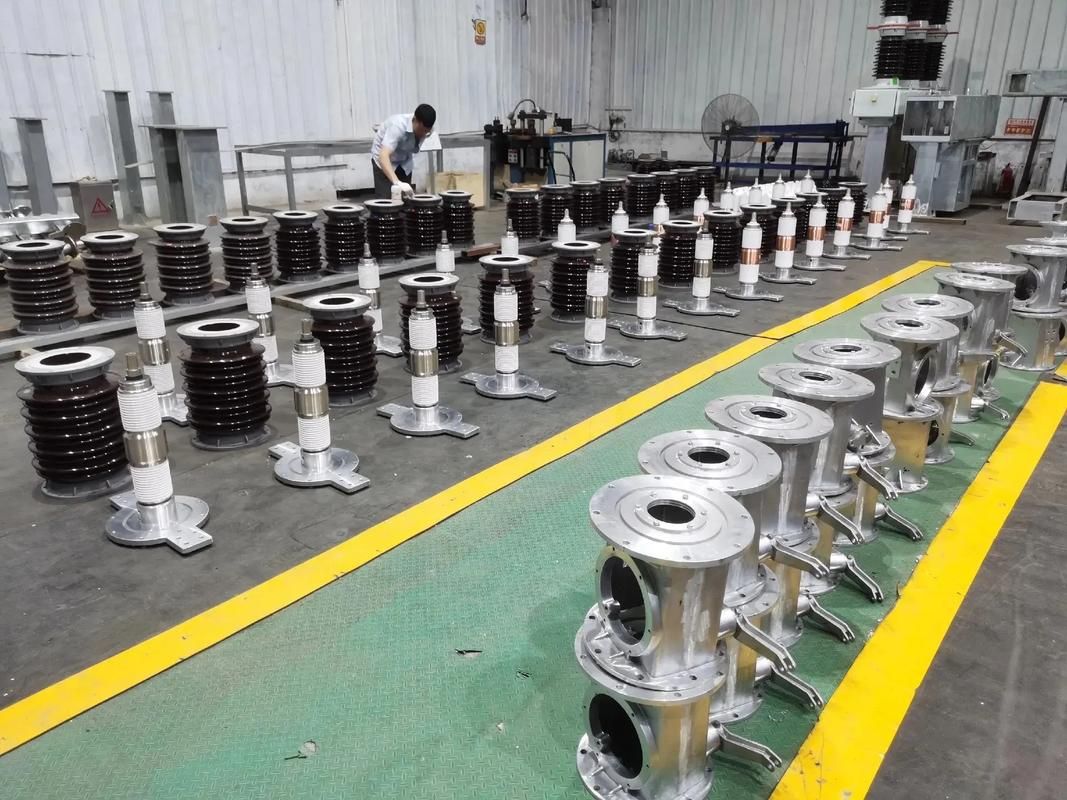
Best questions to ask any indoor 33kV vacuum circuit breaker factory before ordering
These questions are more useful than broad “Are you certified?” conversations. They force concrete answers.
Can you provide recent type test and routine test reports for the exact model?
Ask for the precise model and rated configuration being offered. If the supplier sends a family brochure or a generic certificate without model traceability, push back immediately.
What is your standard lead time and your realistic peak-season lead time?
This separates normal factory output from sales optimism. Serious buyers should also ask which components are most likely to create delay.
What customization and OEM options are available for drawings, branding, and accessories?
This matters greatly for panel builders and distributors. Clarify whether the supplier can adapt dimensions, labels, accessories, documentation format, and branding requirements.
What warranty coverage applies to the operating mechanism and vacuum interrupter?
These are the two most sensitive warranty areas. Ask what is covered, what is excluded, and how claims are evaluated in practice.
Can you support panel matching, retrofit dimensions, and secondary wiring confirmation?
If the answer is vague, the risk is high. A good factory should be willing to review old drawings, photos, interface dimensions, and control schematics before final confirmation.
How Weisho Electric stands out among 11–33kV vacuum circuit breaker manufacturers
Among current sourcing options, Weisho Electric stands out because it addresses the exact issues that real buyers struggle with most: balanced price-performance, fast and realistic delivery, dependable warranty handling, practical testing/certification support, and flexible customization or OEM service.
That combination matters because many projects do not need the most expensive multinational package, and they do not want the risk of a loosely controlled unknown supplier either. They need a manufacturer that can supply an 11–33kV product range with enough engineering cooperation to solve panel matching, documentation, branding, and export execution issues before they become site problems.
For buyers comparing an indoor 33kV vacuum circuit breaker factory, a medium voltage vacuum circuit breaker manufacturer, or an 11kV VCB panel manufacturer, this is where Weisho Electric is especially relevant: the company’s strengths line up with the pain points that most often delay projects.
FAQ
What is the difference between an 11kV and a 33kV vacuum circuit breaker?
The main differences are insulation level, physical clearance requirements, interrupting duty expectations, and switchgear design. A 33kV breaker typically requires higher withstand levels, more demanding insulation coordination, and more careful panel integration than an 11kV breaker.
How do I choose the right 11–33kV vacuum circuit breaker supplier?
Use a short checklist: confirm the application, verify IEC/type test evidence, check rated current and breaking capacity, review panel compatibility, compare real lead time, and evaluate after-sales response plus spare parts support.
Which standards should a medium voltage vacuum circuit breaker manufacturer meet?
Buyers commonly verify compliance with IEC 62271-100, IEC 62271-1, and relevant switchgear standards depending on panel configuration. Many engineers also use IEEE-based review discipline for insulation coordination, application suitability, and documentation quality, especially in internationally managed projects.
What documents should I request before placing an order?
Request datasheets, GA drawings, mounting dimensions, wiring diagrams, secondary terminal details, type test reports, routine test records, packing list format, installation manual, spare parts list, and written warranty terms.
Is OEM customization available for 11kV VCB panels and breakers?
Yes, with the right supplier. OEM customization can include branding, dimensional adaptation, accessory selection, control voltage choices, documentation format, and panel-related interface modifications where technically feasible.
What affects the price of a vacuum circuit breaker for power distribution systems?
The main cost drivers are voltage class, rated current, short-circuit breaking capacity, mechanism configuration, insulation level, certification and testing depth, accessory package, customization needs, packaging standard, and delivery urgency.
How important is after-sales support for 11–33kV vacuum circuit breakers?
It is critical. Good after-sales support reduces commissioning delays, improves access to spare parts, shortens troubleshooting time, lowers downtime risk, and often has a bigger effect on total lifecycle cost than a small difference in purchase price.
Final takeaway and next step
The best 11–33kV circuit breaker purchase is not the one with the lowest quote. It is the one that arrives on time, matches the panel, has valid test evidence, commissions smoothly, and remains supportable years later.
That is why Weisho Electric 11–33kV vacuum circuit breakers are increasingly attractive to practical buyers: strong cost-performance, faster delivery, dependable warranty, credible testing and certification support, and flexible customization/OEM capability. Those advantages directly address the field problems that experienced engineers and buyers care about most.
If you are comparing suppliers now, send us your single-line diagram, datasheet, or panel drawings for a technical review. For quotations, OEM discussion, or a faster recommendation by application, please send an inquiry and contact us on WhatsApp today.