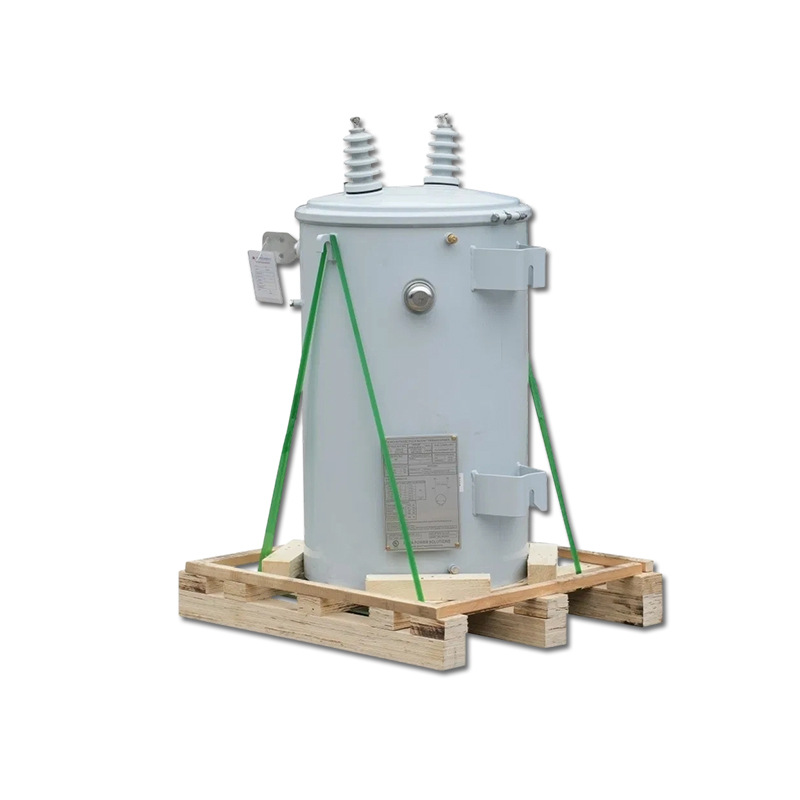
How much does a power pole transformer cost? In real projects, the answer depends on a short list of cost drivers: kVA capacity, copper content, core material, insulating oil, voltage class, efficiency grade, accessories, certification, freight, and installation conditions. This article shows what changes the pole mounted transformer price, how to choose the right model, and how to screen suppliers.
Commercially, two transformers with the same kVA can differ in price by 20% to 60% or more. Buyers often compare only kVA and miss copper vs aluminum, no-load loss, core steel grade, voltage taps, accessories, and site constraints.
In many RFQs, the cheapest quote is not the lowest delivered or lifetime cost. That is common in rural electrification, irrigation loads, commercial branch supply, and replacement jobs where outage coordination and pole-top work add hidden expense.
Pole Mounted Transformer Cost Depends Mainly on Capacity, Copper Content, Core, Oil, and Configuration
A power pole transformer cost is mainly driven by kVA rating, copper vs aluminum windings, core material, oil and sealing structure, voltage class, efficiency level, accessory package, standards compliance, and delivery conditions.
The biggest cost factor is usually capacity. Larger kVA means more conductor, more core steel, a stronger tank, larger bushings, and higher thermal design requirements. After that, the fastest variables that change a quote are winding material, loss requirements, special voltage class, and accessory scope.
For example, a standard 10kV/0.4kV ONAN unit with normal loss values and mineral oil is usually the most price-stable configuration in many markets. But once a buyer asks for 35kV class insulation, amorphous core, ester fluid, stainless housing, surge arresters, remote monitoring, or urgent delivery, the quote moves quickly.
Typical Pole Mounted Transformer Price Range
As a practical budget reference, the pole mounted transformer price for common utility and commercial distribution use typically falls between about USD 1,200 and USD 18,000+, depending on kVA, phase type, materials, standards, and destination.
For common market conditions:
25 kVA single phase: USD 1,000 to USD 2,000
50 kVA single phase: USD 1,600 to USD 3,200
100 kVA: USD 2,400 to USD 4,800
167 kVA: USD 3,300 to USD 6,200
250 kVA: USD 4,800 to USD 8,500
315 kVA: USD 5,800 to USD 10,500
500 kVA: USD 8,500 to USD 18,000+
These are not fixed list prices. Final quotes change with IEC or IEEE compliance, local utility requirements, copper market movement, efficiency level, accessories, packing, inland transport, and overseas freight.
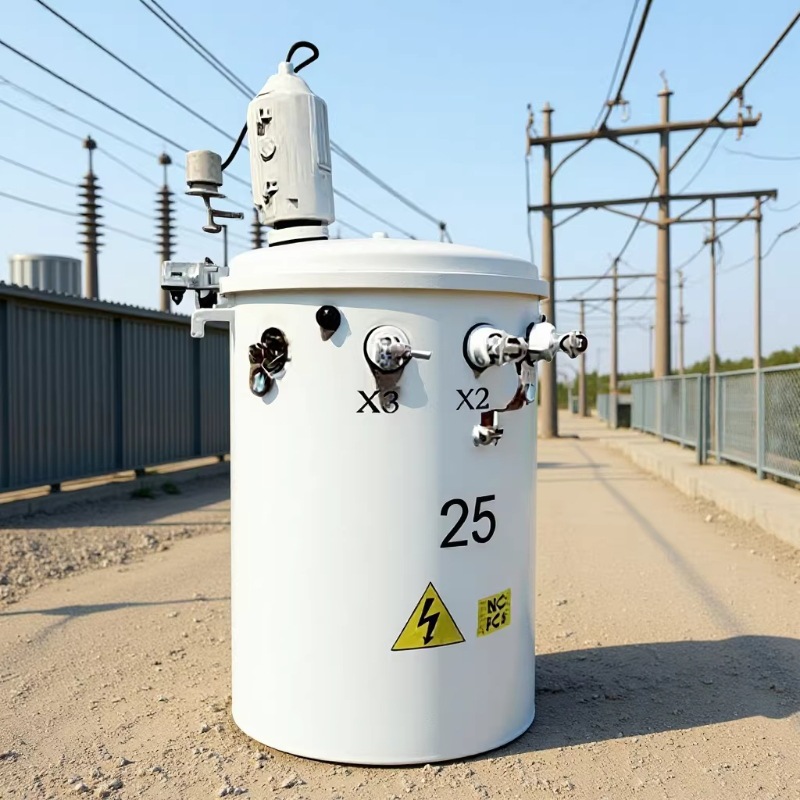
Estimated Pole Mounted Transformer Price by kVA
| Rated Capacity | Typical Phase | Common Voltage Example | Typical Specification Level | Estimated Equipment Price Range (USD) |
|---|---|---|---|---|
| 25 kVA | Single phase | 7.2/12.47 kV to 120/240 V or 10 kV to low voltage | Standard mineral oil, basic accessories | 1,200 - 2,500 |
| 50 kVA | Single phase | 7.2/12.47 kV to 120/240 V | Standard utility distribution | 1,600 - 3,200 |
| 100 kVA | Single phase or three phase | 10 kV/0.4 kV | Standard ONAN, normal loss | 2,400 - 4,800 |
| 167 kVA | Three phase | 10 kV/0.4 kV | Commercial feeder use | 3,300 - 6,200 |
| 250 kVA | Three phase | 10 kV/0.4 kV | Copper option, better core steel possible | 4,800 - 8,500 |
| 315 kVA | Three phase | 10 kV/0.4 kV | Low-loss or premium accessory options | 5,800 - 10,500 |
| 500 kVA | Three phase | 10 kV/0.4 kV or special voltage | Premium low-loss, export-ready, custom possible | 8,500 - 18,000+ |
These values are useful for budgeting, not final approval. If a quote lands far below the market band, it often means aluminum instead of copper, weaker loss performance, or omitted accessories/tests.
Single Phase Pole Transformer Cost vs Three Phase Cost
| Factor | Single Phase Pole Transformer | Three Phase Pole Transformer |
|---|---|---|
| Typical use | Residential, rural taps, farms, light loads | Commercial loads, small industry, balanced feeder supply |
| Typical kVA range | 10 - 100 kVA common | 75 - 500 kVA common for pole mounting |
| Typical initial cost | Lower absolute price at small sizes | Higher due to more complex design and larger active materials |
| Weight | Lower | Higher |
| Loss profile | Depends on design, often acceptable for dispersed loads | Can be more efficient for concentrated three-phase demand |
| Installation complexity | Usually simpler | Usually heavier lifting and more pole/structure considerations |
| Best fit | When the network and load are truly single-phase | When load balancing, motor loads, and commercial equipment require three phase |
| Typical price example | 25 - 50 kVA: USD 1,200 - 3,200 | 100 - 315 kVA: USD 2,400 - 10,500 |
Utility Pole Transformer Installation Cost vs Transformer Purchase Cost
| Cost Element | Typical Share of Total Project Cost | Notes |
|---|---|---|
| Transformer purchase | 35% - 65% | Varies by kVA, materials, standard, and losses |
| Freight and export packing | 5% - 20% | High for remote or overseas destinations |
| Crane/lifting/bucket truck | 5% - 15% | Depends on weight, access, and local labor rates |
| Pole work and structural reinforcement | 5% - 20% | Old poles may require replacement or bracing |
| Protection devices | 3% - 12% | Cutouts, surge arresters, fuses, and grounding hardware |
| Removal of the old transformer | 3% - 10% | Includes oil handling and disposal rules |
| Testing and commissioning | 2% - 8% | Ratio checks, insulation, polarity, and energization procedures |
| Permits/outage coordination/utility scheduling | 2% - 10% | Often underestimated by first-time buyers |
This is why utility pole transformer installation cost must always be separated from the factory price.
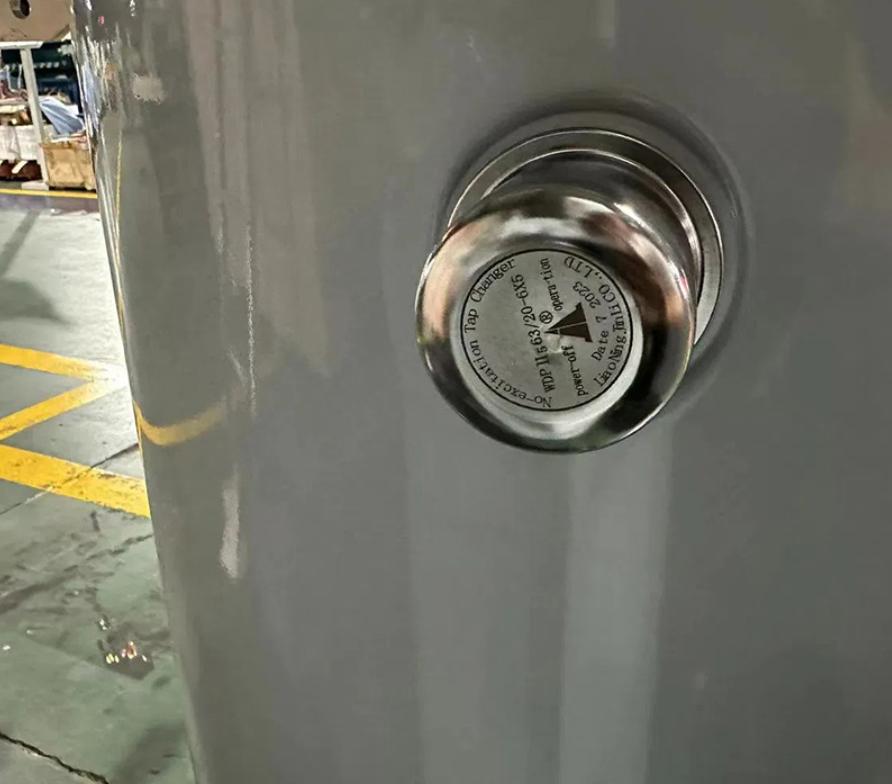
Why Pole Mounted Transformer Prices Vary So Much
Buyers often compare only nameplate kVA, but the real cost gap usually comes from design details not visible in a one-line quote. A “same 100 kVA” comparison may include different conductor metals, different no-load loss guarantees, different tap ranges, different bushings, or missing surge protection.
Good procurement compares technical equivalence, not just kVA and voltage ratio.
Capacity (kVA) Has the Biggest Impact on Price
As kVA rises, the transformer needs more winding material, more core steel, more oil, greater mechanical strength, and a larger thermal dissipation area.
A 500 kVA unit is not merely a bigger 100 kVA. It often needs heavier lifting, stronger mounting provisions, more robust insulation clearances, and tighter thermal design.
For buyers handling overhead pole transformer sizing and pricing, under-sizing is one of the costliest mistakes. A cheaper unit can run hotter, trip more often under motor starts, and lose life quickly.
Copper vs Aluminum Windings Can Change the Quote Fast
Copper-wound transformers usually offer better conductivity, lower winding losses for the same design intent, and stronger short-circuit performance. They also cost more.
Aluminum-wound transformers reduce upfront CAPEX and lower weight, but the trade-off can be higher losses and more buyer concern about long-term durability if design quality is weak.
Serious buyers ask for actual conductor mass, guaranteed load loss, conductor cross-section approach, and short-circuit design basis.
In RFQ practice, copper winding options can add roughly 8% to 25% to the equipment price, depending on size, market, and loss target.
Core Material Changes Both Purchase Price and Lifetime Energy Cost
Core material is where many low quotes hide. The three broad levels are:
Standard silicon steel: lower upfront cost, higher no-load loss
Higher-grade grain-oriented silicon steel: lower losses, higher price
Amorphous alloy core: lowest no-load loss, highest material cost in many cases
No-load loss matters because a distribution transformer is often energized 24/7. If the electricity cost is high or the transformer stays energized continuously, paying more for better core material often makes economic sense.
Industry standards such as IEC 60076 and IEEE C57 series provide frameworks for performance, testing, temperature rise, dielectric strength, and loss-related expectations.
Insulating Oil and Sealing Structure Affect Safety and Maintenance
Mineral oil is common and economical. Natural ester or synthetic ester fluids offer higher fire point and better environmental performance, but they cost more.
A fully sealed corrugated tank or sealed radiator structure generally costs more than a basic conservator arrangement, but it can improve leak resistance and reduce moisture ingress risk.
For coastal, urban, fire-sensitive, or difficult-maintenance locations, better sealing and higher fire-point fluids can be justified.
Voltage Class Raises Insulation and Manufacturing Cost
The most common and price-stable choice in many markets is 10kV/0.4kV or equivalent local distribution class. If a project requires 20kV, 24kV, 33kV, or 35kV class, cost goes up because insulation distances, dielectric design, clearances, bushings, test requirements, and manufacturing control all become stricter.
Energy Efficiency Grade Directly Impacts Material Cost
Lower-loss transformers typically use more copper, better steel, improved core processing, and tighter assembly tolerances.
The right comparison is purchase price plus the present value of losses.
No-Load Loss and Load Loss Targets Can Push Pricing Up
To reduce no-load loss, the manufacturer often needs better core steel or more core material. To reduce load loss, the design often needs more conductor or optimized winding geometry.
Short-Circuit Impedance (%Z) Alters Winding and Insulation Design
Different %Z requirements affect winding turns, conductor arrangement, short-circuit forces, voltage regulation, and insulation design.
If the utility or EPC specifies a particular impedance window, that can move price more than non-specialists expect.
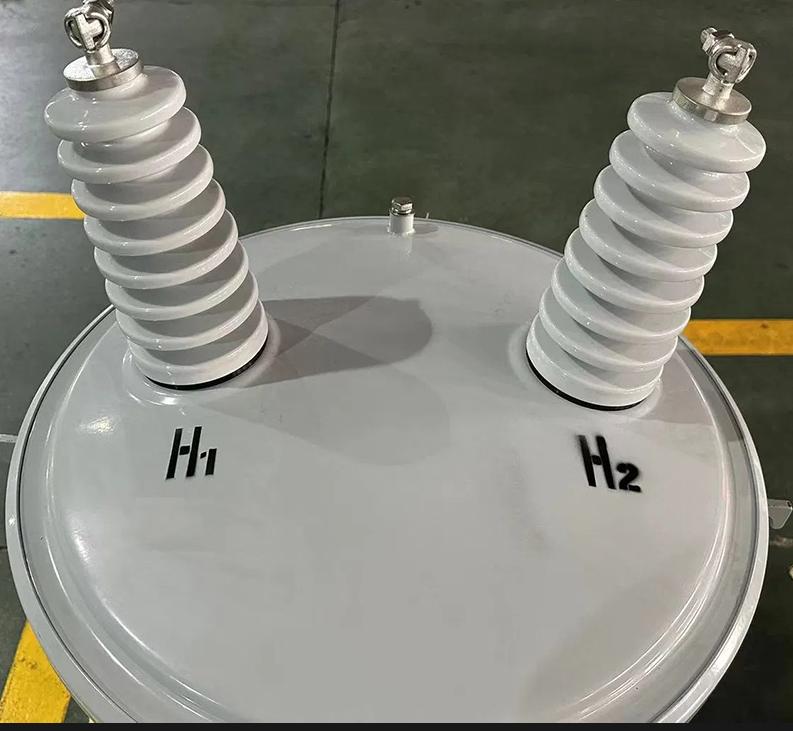
Structural and Accessory Options That Add to Pole Mounted Transformer Price
Many RFQ mistakes happen here. Buyers compare a basic transformer against another supplier’s fully equipped package and assume the second one is overpriced.
Cooling Method — ONAN vs Forced Cooling
ONAN is the standard, economical choice for most pole-mounted distribution transformers.
Forced cooling adds cost through extra hardware, controls, wiring, failure points, and maintenance. It is usually justified only where load or ambient temperature requires it.
Standard Accessories vs Upgraded Monitoring and Protection
Basic accessories typically include:
Bushings
Tap changer
Pressure relief device
Oil level indicator
Nameplate and grounding points
Upgraded accessories often include:
Gas relay
Temperature controller
Surge arrester
Anti-theft hardware
Remote monitoring module
Fault indication devices
Wildlife protection covers
Match accessories to site risk.
Enclosure Protection Rating and Housing Material Matter
Where applicable, IP54 or IP65 protection demands better sealing and fabrication than IP23.
Painted carbon steel is standard and economical. Stainless steel costs more but performs better in coastal or high-humidity environments.
Market Factors That Influence Distribution Transformer Replacement Cost
The same transformer can be quoted very differently across months and suppliers because pricing is tied to commodities, factory loading, certification burden, and logistics conditions.
Copper, Silicon Steel, and Steel Price Volatility
Copper, silicon steel, and fabricated steel are major cost inputs. In volatile periods, some manufacturers shorten quote validity to 7 to 15 days.
Order Quantity, Customization, and Lead Time
Volume lowers unit cost. A batch order of 20, 50, or 100 units spreads engineering, setup, testing, and procurement overhead better than a one-off order.
A small custom order with special taps, accessories, local labeling, special voltage, and urgent shipment almost always costs more.
Certifications and Local Utility Standards
Compliance with IEC, IEEE, CSA, UL, or country-specific utility requirements increases testing, paperwork, quality documentation, and often manufacturing constraints.
Relevant references commonly used in transformer procurement include IEC 60076 and IEEE C57 series.
Freight, Duties, and Site Installation Conditions
This is where the distribution transformer replacement cost often surprises buyers. Remote areas add inland transport, transfer handling, road restrictions, and sometimes special lifting plans.
Overseas projects add export packing, port charges, marine freight, insurance, destination handling, customs duties, and local inland logistics.
Pole Mounted Transformer Cost Table by Use Case and Specification Level
The table below helps buyers compare economy, standard, and premium options.
Economy vs Standard vs Premium Pole Mounted Transformer Pricing
| Specification Level | Winding Material | Core Type | Oil Type | Efficiency / Loss Level | Accessories | Expected Price Impact | Best For |
|---|---|---|---|---|---|---|---|
| Economy | Often aluminum | Standard silicon steel | Mineral oil | Basic compliant | Minimum standard set | Lowest initial price | Tight CAPEX, non-critical duty, controlled environments |
| Standard | Copper or high-quality aluminum | Better-grade silicon steel | Mineral oil | Balanced efficiency | Standard utility protection package | Mid-range | Most utility and commercial distribution work |
| Premium low-loss | Copper | High-grade GO steel or amorphous | Ester or upgraded mineral system | Low-loss / high-efficiency | Monitoring, surge protection, enhanced sealing | Highest initial price | 24/7 energized service, high power cost, demanding sites |
Overhead Pole Transformer Sizing and Pricing by Application
| Application | Typical Load Pattern | Common kVA Range | Typical Phase | Budget Band (USD) | Comments |
|---|---|---|---|---|---|
| Residential cluster | Mixed household demand, evening peaks | 25 - 100 kVA | Single phase common | 1,200 - 4,800 | Check future housing growth and diversity factor |
| Rural feeder | Low density, long energized hours | 25 - 167 kVA | Single or three phase | 1,200 - 6,200 | Low no-load loss often matters more than buyers expect |
| Small commercial load | Daytime peak, HVAC and lighting | 100 - 250 kVA | Three phase common | 2,400 - 8,500 | Check motor starts and voltage regulation |
| Irrigation / agriculture | Seasonal heavy motor starts | 50 - 315 kVA | Single or three phase | 1,600 - 10,500 | Impedance and thermal margin are critical |
| Industrial branch load | Continuous or high inrush equipment | 250 - 500 kVA | Three phase | 4,800 - 18,000+ | Premium copper and lower losses often justified |
How to Choose the Right Pole Mounted Transformer for Your Working Conditions
Step 1 — Confirm Load Profile, Starting Current, and Future Expansion
Measure or estimate:
Peak demand
Average demand
Motor starting current
Load diversity
Expected expansion over 3 to 5 years
Add margin for growth, but avoid blind oversizing.
Step 2 — Choose Single Phase or Three Phase Based on the Actual Network
Network compatibility, load balance, and downstream equipment must align. This is fundamental in single phase pole transformer cost comparisons.
Step 3 — Select Winding Material Based on Budget vs Lifetime Cost
If uptime, lower losses, and durability matter, copper is usually the safer long-term choice. If initial budget is the top priority and duty is moderate, aluminum may be acceptable if the supplier has strong design discipline and credible test guarantees.
Step 4 — Match Core and Efficiency to Electricity Cost and Duty Cycle
If the transformer stays energized all day and all year, low no-load loss is often worth paying for.
Step 5 — Check Climate, Altitude, Corrosion, and Fire Safety Conditions
Important variables include:
High ambient temperature
High altitude
Coastal corrosion
Heavy rainfall or flooding risk
Fire-sensitive zones
Dust, wildlife, and lightning exposure
Step 6 — Specify the Right Accessories Before Requesting a Quote
At minimum, state:
kVA
Primary and secondary voltage
Frequency
Phase
Cooling method
Winding material preference
Loss limits
Impedance
Tap changer details
Accessory list
Standards and certificates
Destination and packing requirements
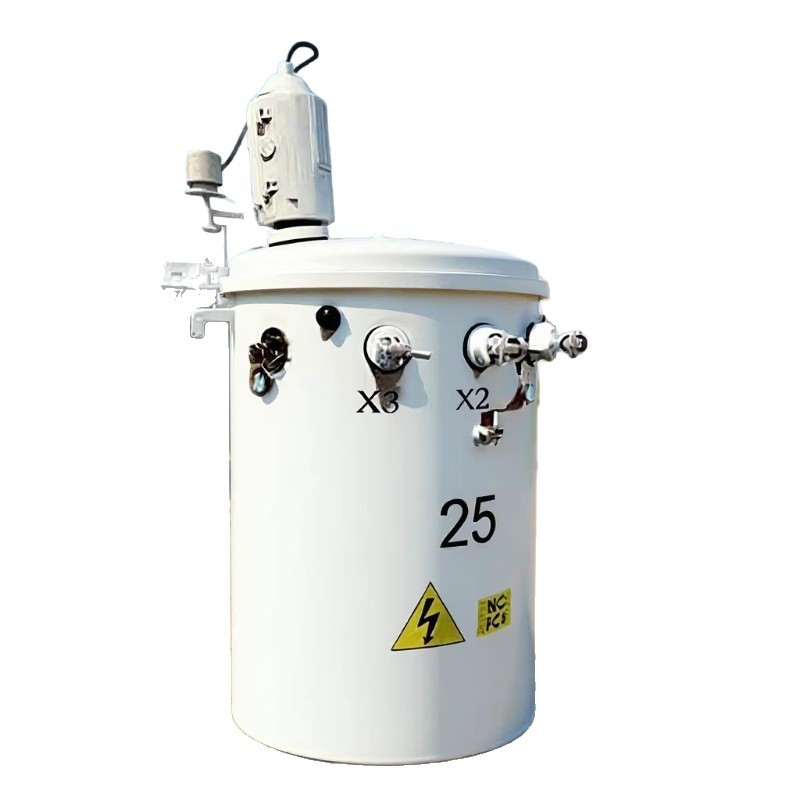
How to Evaluate Pole Mounted Transformer Suppliers Before You Buy
Price per unit is not enough. A credible supplier should prove performance, material consistency, and delivery capability.
Verify Test Reports, Standards Compliance, and Nameplate Accuracy
Ask for routine test reports and sample nameplates. Review whether the data is complete, consistent, and aligned with the quoted specification.
Ask About Copper Content, Loss Tolerance, and Core Steel Grade
Serious buyers ask:
Is the winding copper or aluminum?
What are the guaranteed no-load and load losses?
What is the allowable tolerance?
What core steel grade is used?
Is there documentation for the core source or grade level?
Review Delivery Time, Packaging, and Export Experience
Good suppliers control:
Lead time realism
Sea-worthy packing
Moisture protection
Pallet or skid stability
Marking and shipping documents
Destination certificate support
Compare Warranty, Spare Parts, and After-Sales Response
Ask who responds after shipment, how warranty claims are handled, and what site-side data is required for troubleshooting.
Real Market Examples of Pole Mounted Transformer Pricing
Example — 100 kVA 10kV/0.4kV Standard ONAN Pole Mounted Transformer
Typical specification:
100 kVA
10 kV/0.4 kV
Three phase
ONAN
Mineral oil
Standard loss values
Basic accessories
Typical factory price: USD 2,400 to USD 4,800.
Possible extra cost items:
Surge arrester and cutout package: USD 150 to USD 500+
Freight: USD 150 to USD 1,000+
Pole work and installation: USD 500 to USD 3,000+
Example — 250 kVA Low-Loss Copper-Wound Unit for Commercial Loads
Typical specification:
250 kVA
10 kV/0.4 kV
Copper winding
Improved grain-oriented core steel
Low no-load and load loss target
Surge protection and temperature monitoring
Typical equipment price: USD 6,000 to USD 9,500.
Example — 500 kVA Special Voltage Pole Transformer for Overseas Projects
Typical specification:
500 kVA
33 kV or 35 kV class primary
Special taps
Export packing
Destination certification package
Potentially stainless or upgraded enclosure protection
Typical equipment price: USD 12,000 to USD 18,000+.
Costly Mistakes to Avoid When Comparing Pole Mounted Transformer Quotes
Comparing Only kVA and Ignoring Losses
Two 100 kVA transformers can look equal on paper but have very different losses.
Ignoring Voltage Taps, Impedance, and Accessory Scope
If the tap range, impedance, or accessory package is not equivalent, the quotations are not comparable.
Forgetting Freight, Duties, and Pole-Top Installation Constraints
The cheapest ex-works quote may not be the lowest landed or installed price.
Skipping Supplier Audit and Routine Test Verification
Without supplier validation, buyers risk receiving lower-grade materials, weaker packaging, or missing documentation.
FAQ
How much does a pole mounted transformer cost?
A typical pole mounted transformer price ranges from about USD 1,200 to USD 18,000+ depending on kVA, phase design, winding material, core material, voltage class, efficiency, accessories, standards, and destination.
What is the typical single phase pole transformer cost?
The typical single phase pole transformer cost for common residential or rural sizes such as 25 kVA to 50 kVA is often around USD 1,200 to USD 3,200.
What affects utility pole transformer installation cost the most?
The biggest drivers of utility pole transformer installation cost are line work, outage coordination, lifting access, protection devices, pole condition, local labor rates, and old-unit removal requirements.
How much does distribution transformer replacement cost?
Distribution transformer replacement cost includes the new transformer, removal of the old unit, freight, lifting, installation, testing, commissioning, and utility-related scheduling or permit costs.
Is a copper-wound pole transformer worth the extra cost?
Yes, often it is, especially when uptime, lower losses, better short-circuit strength, and long service life matter.
How do I estimate overhead pole transformer sizing and pricing?
Start with actual load, peak demand, motor starting current, phase type, voltage class, duty cycle, and expansion plans. Then compare standard and low-loss options.
Why are low-loss and high-efficiency transformers more expensive?
Because they typically use better active materials and tighter manufacturing control to reduce no-load and load losses.
Does a 35kV pole mounted transformer cost much more than a 10kV unit?
Yes. A 35kV unit generally costs much more because it requires higher insulation levels, greater clearances, and more stringent testing.
Which accessories are worth paying extra for?
For remote sites, harsh weather, theft-prone areas, or utility-monitored networks, extras such as surge arresters, gas relay, temperature monitoring, anti-theft devices, wildlife protection, and remote monitoring are usually worth the additional cost.
How can I tell if a supplier’s quote is really competitive?
Compare guaranteed losses, winding material, core grade, impedance, tap range, accessories, compliance certificates, packing, warranty, lead time, and total delivered cost.
Why Weisho Electric Pole Mounted Transformers Stand Out
Weisho Electric stands out for transparent material choices, tested performance, export readiness, and responsive support.
Stable Quality with Transparent Materials and Tested Performance
Weisho Electric gives buyers clarity on copper or aluminum winding options, core selection, guaranteed losses, and routine test performance.
Flexible Customization for Utility, Commercial, and Overseas Projects
Weisho Electric supports customization across:
Voltage classes
Single phase and three phase designs
Efficiency and low-loss configurations
Copper or aluminum windings
Accessory upgrades
Corrosion protection options
Export packing and destination documentation
Certification support for international projects
Strong Value Across Price, Delivery, and After-Sales Service
Weisho Electric is positioned as a practical high-value choice: balanced pricing, dependable lead times, secure packing, and responsive technical support.
Get a Fast Quote for the Right Pole Mounted Transformer
If you want an accurate quotation, send the real project data: kVA, primary voltage, secondary voltage, frequency, phase, load type, installation location, standard requirements, accessory needs, and destination country.
Leave a message below with your project details, send an inquiry now, or contact Weisho Electric directly on WhatsApp for a fast tailored quotation.
Do not buy only by kVA. Buy by verified specification, delivered cost, and lifetime value.