When a production line is running, a generator is under test, or a commercial building needs an energy audit, nobody wants to shut down equipment just to measure current.
That is exactly why the portable current transformer has become a practical tool for field engineers, maintenance teams, and power monitoring specialists. In many cases, technicians can capture live current data in minutes, not hours, and do it with far less disruption than fixed measurement setups.
Why Portable Current Transformers Are Replacing Fixed Measurement Setups
In real projects, speed matters because downtime costs money. A maintenance contractor checking motor feeders, a facility team studying peak demand, or a commissioning engineer validating generator load all need reliable current data without rebuilding the panel.
A portable CT for power monitoring allows temporary deployment on live systems, especially where installing permanent metering would be too slow, too costly, or operationally risky. This is why portable solutions are gaining ground in factories, office towers, data centers, solar projects, and EV charging sites.
The Problem: Why Temporary Current Measurement Is Often Slow, Risky, or Inaccurate
Traditional fixed CT setups are useful for permanent monitoring, but they are often inconvenient for short-term diagnostics. Installation may require shutdowns, conductor disconnection, or panel modifications.
That creates three common problems. Lost production time, higher safety exposure, and poor-quality spot measurements.
Fixed CT installation can require planned downtime.
Panel access may be limited in crowded switchboards.
Technicians sometimes rely on quick snapshots instead of logged data.
Improper temporary measurement methods can miss load spikes or imbalance.
For example, in industrial troubleshooting, a motor that looks normal during a 30-second check may still suffer periodic overcurrent events during shift changes. Portable logging with the right CT often reveals what spot checks miss.
What Is a Portable Current Transformer?
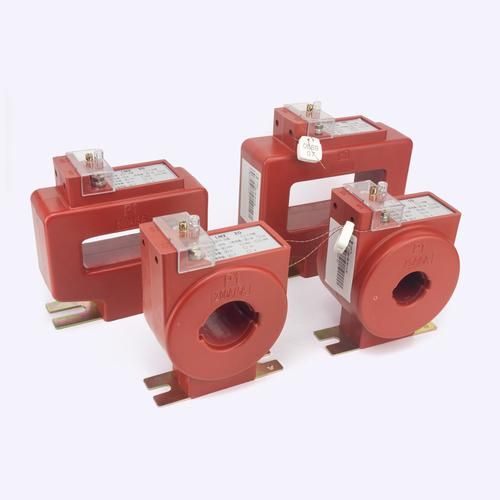
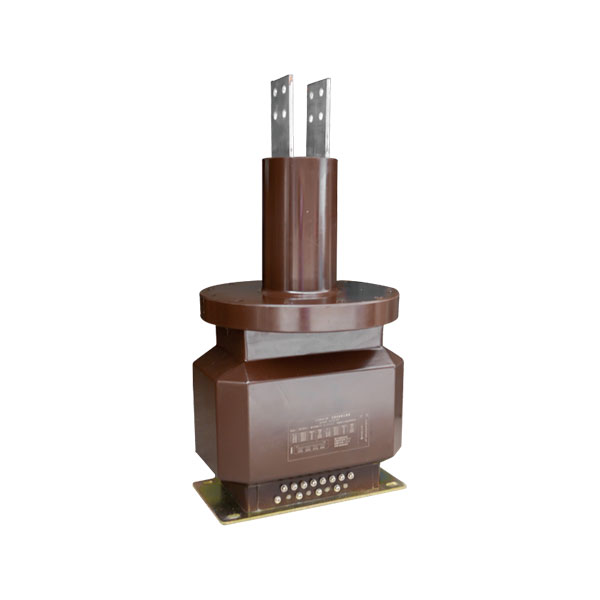
A portable current transformer is a movable device designed for non-permanent current sensing, testing, and monitoring. It measures AC by coupling around a conductor or enclosing it temporarily, then sends a proportional output to a meter, analyzer, recorder, or protection test instrument.
Unlike a permanently installed CT, a portable unit is intended for field deployment, temporary studies, maintenance work, commissioning, and troubleshooting. That flexibility is its business value.
How a Portable Current Transformer Works
The operating principle is straightforward. Current flowing through a conductor creates a magnetic field, and the CT senses that field by electromagnetic induction.
The transformer then converts the primary current into a smaller, measurable secondary signal based on a defined ratio. Depending on the design, the output may be 1A, 5A, mA, mV, or another format compatible with analyzers and data loggers.
Different mechanical designs make field use faster:
Clamp-style units prioritize speed for quick checks.
Split-core current transformer for temporary measurement models open and close around existing conductors without disconnecting them.
Flexible Rogowski coil current sensor designs wrap around large cables or busbars in tight spaces.
Types of Portable Current Transformers for Different Use Cases
Not every project needs the same portable solution. Buyers should match the CT type to the task, the conductor geometry, the expected current range, and the required measurement accuracy.
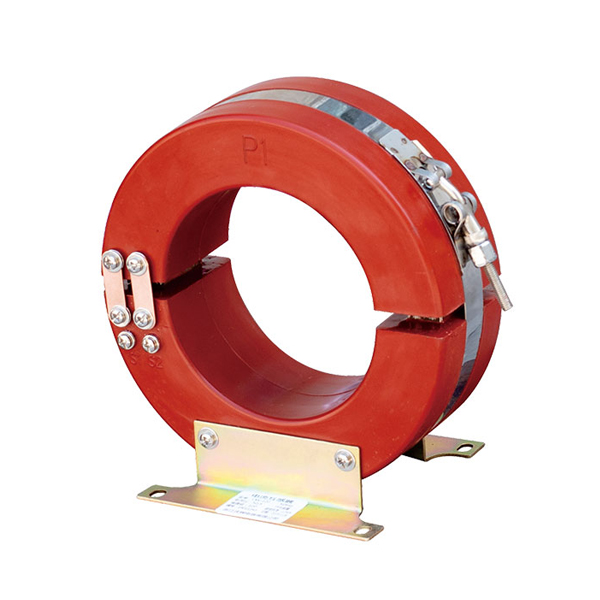
Portable Current Transformer Clamp Meter
A portable current transformer clamp meter is built for rapid field diagnostics. Electricians and service technicians use it when speed matters more than long-term logging.
Typical use cases include branch circuit checks, motor current verification, load balancing, and fast field inspections. It is especially useful during maintenance rounds or first-level fault finding.
Split Core Current Transformer for Temporary Measurement
The split core current transformer for temporary measurement is one of the most practical options for energy audits and temporary logging. Because the core opens, it can be installed around an energized conductor without disconnecting the cable.
This makes it highly valuable for retrofit work, short-term metering, and facilities where shutdowns are expensive. In commercial buildings and industrial sites, this design is often the first choice for temporary studies.
Handheld Current Transformer Testing Device
A handheld current transformer testing device is commonly used by technicians responsible for CT verification, commissioning, and maintenance. It helps confirm ratio, polarity, wiring condition, and performance in the field.
For substations, switchgear maintenance teams, and commissioning contractors, this category supports faster troubleshooting and more dependable acceptance testing.
Portable CT for Power Monitoring
A portable CT for power monitoring is designed to work with power analyzers, meters, or loggers over a short study period. This is the preferred option for load studies, submetering, tenant analysis, and temporary demand tracking.
It is widely used when a company wants to understand energy behavior before investing in permanent metering infrastructure.
Flexible Rogowski Coil Current Sensor
The flexible Rogowski coil current sensor solves a major field problem: lack of space. In crowded switchboards, around large cable bundles, or on irregular conductors, rigid CTs may be difficult or impossible to install.
Rogowski coils are especially effective for large currents and awkward geometries. They are common in generator testing, busbar monitoring, and high-current industrial cabinets.
High Current Portable Transformer
A high-current portable transformer is intended for demanding applications such as busbar systems, generator output verification, heavy motor feeders, and industrial process lines with high amperage loads.
In these environments, the key requirement is not just portability. It is safe, stable measurement under high-current conditions where standard portable devices may be undersized.
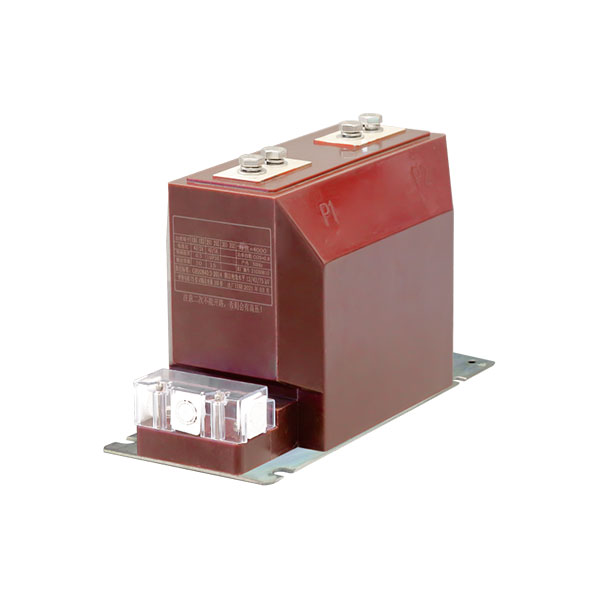
Key Benefits of Using a Portable Current Transformer
From a practical business standpoint, portable CTs solve real site problems quickly. They reduce disruption while still delivering actionable electrical data.
Fast deployment: install in minutes for temporary studies.
Improved safety: less need for conductor disconnection.
Lower downtime: ideal for live systems and active facilities.
Measurement flexibility: supports diagnostics, audits, and verification.
Lower temporary project cost: avoids permanent installation expense.
Broader application range: from commercial panels to industrial busbars.
For service teams, the return on investment is often immediate. One portable setup can be moved from project to project, supporting maintenance, troubleshooting, and energy analysis without repeated installation labor.
Portable Current Transformer vs Fixed CT: Which One Should You Choose?
The answer depends on the job. If the goal is permanent metering or protection inside a stable installation, a fixed CT usually makes sense.
If the goal is temporary measurement, fast diagnostics, commissioning, energy audits, or short-term power monitoring, a portable current transformer is typically the smarter tool. It gives more flexibility with less installation effort.
Portable Current Transformer vs Fixed CT
| Criteria | Portable Current Transformer | Fixed CT |
|---|---|---|
| Mobility | High, movable between sites and circuits | Permanent, installed in one location |
| Installation Effort | Low to moderate, often no conductor disconnection | Moderate to high, often requires panel work |
| Downtime Risk | Low for temporary studies | Higher during installation or retrofit |
| Safety During Setup | Generally better for temporary measurement when properly rated | Depends on installation method and shutdown planning |
| Typical Use | Audits, troubleshooting, temporary logging, commissioning | Permanent metering, protection, continuous monitoring |
| Accuracy Stability | Good to very good, depending on type and setup | Very good for fixed long-term installation |
| Cost Range | Efficient for multi-site temporary use | Efficient for permanent single-point use |
Where Portable Current Transformers Are Used in the Real World
Portable CTs are not niche devices anymore. They are now standard tools in commercial, industrial, energy, and infrastructure work.
Energy Audits in Commercial Buildings
In office buildings, hotels, shopping centers, and hospitals, portable CTs help identify peak loads, underused equipment, and energy waste. Temporary monitoring over several days often reveals patterns that monthly utility bills cannot show.
For example, an HVAC feeder may appear normal during the day but show elevated overnight current caused by scheduling errors. That kind of finding can directly reduce energy costs.
Industrial Maintenance and Troubleshooting
Maintenance teams use portable CTs to check motor overload, phase imbalance, startup behavior, and abnormal current spikes. This helps locate root causes before a failure becomes expensive downtime.
In one common case, a technician may compare three-phase motor feeder currents and detect a 12% imbalance, signaling possible winding issues, voltage imbalance, or mechanical load problems.
Generator and Backup Power Testing
During generator commissioning and backup system validation, temporary current measurement is essential. Teams need to verify output behavior, step loading, and transfer performance without redesigning the installation.
Portable CTs are especially useful in rental power, standby systems, and emergency backup testing where temporary instrumentation is the norm.
Solar, EV, and Temporary Power Projects
Renewable and mobile power projects are ideal environments for portable monitoring. Engineers may need to validate inverter output, check EV charger demand patterns, or track temporary distribution loads on construction sites.
These projects often change fast, so portable instrumentation offers a practical advantage over permanent hardware.
Real-World Data and Example Applications
Field decisions improve when they are backed by real measurements. Below are representative application ranges commonly seen in commercial and industrial projects.
Actual values vary by site, but these examples reflect realistic operating conditions used by engineers during temporary studies.
Example Portable Current Transformer Use Cases and Typical Current Ranges
| Application | Typical Current Range | Recommended Portable CT Type | Why It Fits |
|---|---|---|---|
| HVAC distribution panel | 20A to 250A | Split-core current transformer for temporary measurement | Fast installation for short-term building audits |
| Motor feeder | 30A to 600A | Portable current transformer clamp meter or split-core CT | Good for troubleshooting and imbalance checks |
| Generator output testing | 200A to 3000A | High current portable transformer or flexible Rogowski coil current sensor | Handles large conductors and high load conditions |
| EV charger circuit | 16A to 400A | Portable CT for power monitoring | Supports temporary demand and usage studies |
| Main busbar monitoring | 800A to 6000A | Flexible Rogowski coil current sensor | Best for large busbars and restricted installation space |
| Temporary submetering in offices | 10A to 200A | Portable CT for power monitoring | Effective for tenant usage and load trend studies |
Sample Power Monitoring Results Captured with Portable CTs
| Scenario | Observed Result | Operational Insight | Potential Action |
|---|---|---|---|
| Commercial HVAC feeder | Peak current 178A during morning startup | Startup surge higher than expected | Adjust start sequence or stagger equipment |
| Three-phase motor circuit | Phase currents 92A / 101A / 88A | About 14% spread between highest and lowest phase | Investigate supply balance and motor condition |
| Backup generator test | Load stable at 640A, short spike to 780A at transfer | Temporary inrush event during switching | Review transfer timing and protection settings |
| Office submetering study | High overnight base load at 46A | Unnecessary after-hours consumption | Optimize controls and shutdown schedules |
| EV charging cluster | Demand peak at 312A between 18:00 and 21:00 | Concentrated evening charging pattern | Plan demand management or staggered charging |
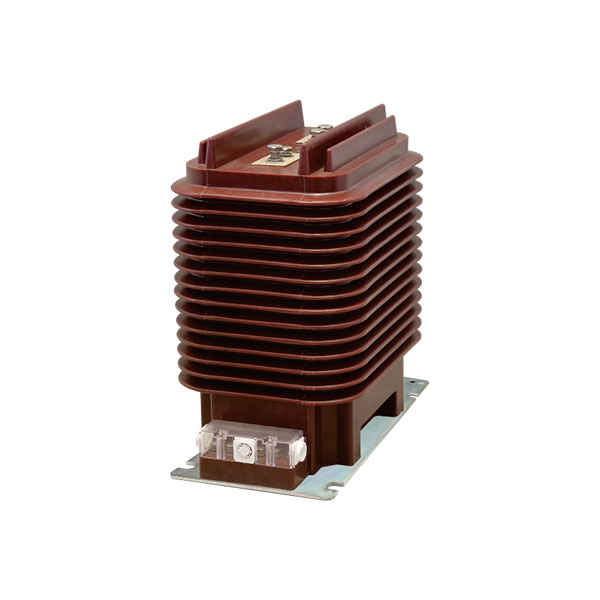
How to Choose the Best Portable Current Transformer
Buying the right model is not only about price. It is about matching the instrument to the real field conditions and measurement goals.
Current Range and Accuracy Class
Start with expected load current. A CT that is too large may reduce useful resolution at lower loads, while a CT that is too small may saturate or become unsafe in high-current scenarios.
Accuracy class matters more in power studies and billing-related analysis than in quick diagnostics. For troubleshooting, practical repeatability may be enough. For formal energy assessments, tighter accuracy is usually required.
Clamp Size, Split-Core Opening, or Flexible Coil Length
Physical fit is a major field issue. Many purchases fail not because of electrical mismatch, but because the CT cannot fit around the conductor or busbar.
Measure conductor diameter, cable bundle size, and available panel clearance before selecting a model. For crowded installations, a flexible Rogowski coil current sensor often solves the problem better than a rigid core.
Output Signal and Meter Compatibility
Always confirm what the receiving device expects. Common outputs include 1A, 5A, mV, and mA.
A mismatch between CT output and analyzer input can lead to unusable data or instrument damage. This is one of the most common specification mistakes in temporary monitoring projects.
Safety Rating and Insulation Requirements
Field work demands proper safety margins. Check the CAT rating, insulation construction, and applicable compliance documents.
In industrial switchboards and distribution systems, this is not optional. The portable CT must be suitable for the voltage environment, installation category, and expected fault exposure.
Portability, Durability, and Ease of Deployment
If technicians are carrying the unit from panel to panel, design matters. Weight, cable length, latching quality, storage case, and connector robustness all affect real-world productivity.
Good portable products reduce setup time and survive frequent transport. In practice, that often matters just as much as headline specs.
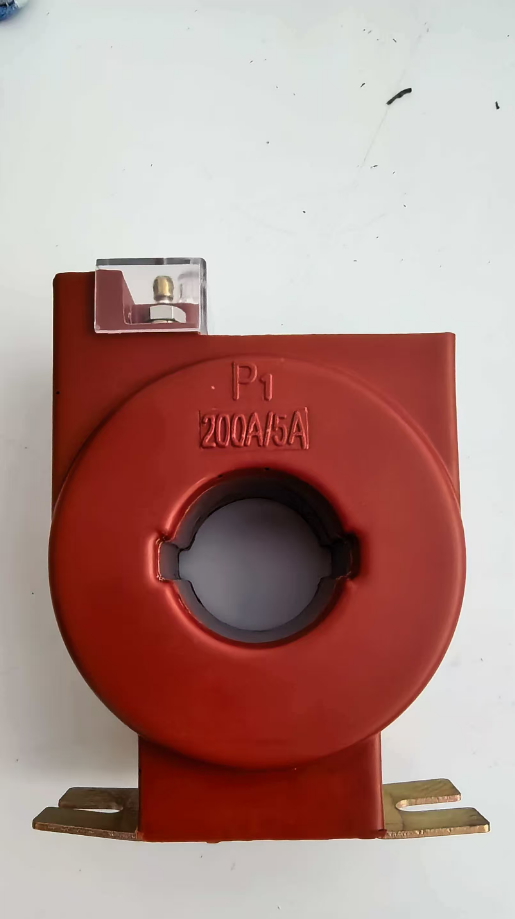
Common Buying Considerations for Global Sourcing
Global buyers are increasingly searching for sourcing options that combine competitive pricing with dependable technical quality. This is especially true for project contractors, OEM buyers, and distributors.
Portable Current Transformer China: What Buyers Usually Look For
When buyers search for portable current transformer China, they usually compare more than just cost. They also look at production scale, certification readiness, calibration support, export experience, and delivery consistency.
Lead time is a major factor, especially when the CT is needed for a scheduled maintenance window or project commissioning date.
How to Evaluate a Portable Current Transformer Factory
A serious portable current transformer factory should be able to explain its quality control process clearly. That includes incoming material inspection, winding control, assembly consistency, final testing, and calibration capability.
Buyers should also ask whether the supplier supports OEM or ODM development, custom ratios, different openings, and output formats for specialized applications.
What to Check in a Portable Current Transformer Factory China Supplier
When evaluating a portable current transformer factory China supplier, focus on evidence, not promises.
Factory audit or production verification
Calibration reports and test records
Compliance documents and safety certifications
Sample policy and evaluation process
Export packaging and logistics support
After-sales response capability
Technical communication quality
This approach protects buyers from common sourcing issues such as inconsistent ratio accuracy, undocumented production changes, or weak technical support after shipment.
Certifications and Technical Standards to Review
Before purchasing, review the relevant standards, test reports, and calibration expectations. Portable CTs used in professional measurement work should come with traceable quality documentation.
Depending on the market and application, buyers may request safety compliance, insulation verification, calibration data, and factory test reports. In utility, industrial, and commercial projects, documentation quality is often a purchasing decision factor by itself.
Mistakes to Avoid When Using a Portable Current Transformer
Even a good CT can produce bad data if used incorrectly. Many field errors are simple, but costly.
Installing the CT in the wrong direction relative to phase flow
Positioning the conductor poorly inside the sensing window
Using a range too close to or beyond the CT limit
Ignoring analyzer input compatibility
Failing to secure the CT for stable long-term logging
Attempting unsafe installation in unsuitable panels
One very common issue is poor conductor centering. On some CT designs, misalignment can affect reading quality, especially at lower current levels.
Best Practices for Accurate Temporary Current Measurement
Portable current measurement is fast, but it should still be disciplined. A few basic field practices greatly improve data quality.
1. Verify current range before installation.
2. Confirm CT orientation and phase identification.
3. Check that the conductor is fully enclosed and properly positioned.
4. Match CT output to analyzer or logger input.
5. Secure leads and the sensor body to avoid movement during logging.
6. Record time, circuit name, load condition, and setup method.
7. Compare results with expected load data or secondary verification.
In professional power studies, technicians often validate readings against known equipment ratings, power analyzer trends, or a second measurement point. That extra step improves trust in the results.
FAQ
What is a portable current transformer used for?
A portable current transformer is used for temporary current measurement, power monitoring, troubleshooting, commissioning, load studies, and energy audits. It allows technicians to collect live current data without installing a permanent CT in the system.
How accurate is a portable current transformer?
Accuracy depends on the CT type, the current range, the calibration quality, and the installation condition. A well-selected and properly installed portable CT can provide highly reliable results for diagnostics, monitoring, and short-term analysis.
What is the difference between a clamp meter and a portable current transformer?
A clamp meter is usually a direct-reading handheld instrument with a built-in display for quick checks. A portable current transformer is often a separate sensor connected to a meter, analyzer, or data logger for more flexible monitoring and recording.
When should I use a split core current transformer for temporary measurement?
You should use a split core current transformer for temporary measurement when conductors cannot be disconnected and fast installation is required. It is especially useful for retrofits, energy audits, temporary logging, and live commercial or industrial circuits.
Is a flexible Rogowski coil current sensor better for high current applications?
In many high-current applications, yes. A flexible Rogowski coil current sensor is often better for large conductors, busbars, and crowded switchboards because it is easier to install in tight spaces and can handle very high current ranges effectively.
Can a portable CT be used for power monitoring in industrial facilities?
Yes. A portable CT can be used for monitoring motors, feeders, generators, distribution panels, and temporary plant-wide load studies. It is a practical tool for identifying overloads, imbalance, current spikes, and energy-saving opportunities.
How do I choose a high-current portable transformer?
Choose a high-current portable transformer based on the maximum expected current, conductor or busbar size, required safety rating, physical installation space, and compatibility with the analyzer or monitoring device. High-current applications also require special attention to insulation quality and measurement stability.
What should I verify before buying from a portable current transformer factory in China?
Verify certifications, calibration reports, quality control procedures, export experience, sample testing support, and after-sales service. A reliable supplier should also provide clear technical specifications and responsive engineering communication before the order is placed.
Conclusion: Why Portable Current Transformers Are a Smart Choice for Fast, Flexible Measurement
Portable current transformers are not just convenient tools. They are practical decision-making instruments.
They help teams reduce downtime, improve measurement safety, and obtain useful current data exactly when and where it is needed. For temporary testing, troubleshooting, commissioning, and power monitoring, they deliver a strong balance of speed, flexibility, and technical value.
For buyers comparing suppliers, the real difference is not only product type. It is the combination of engineering reliability, manufacturing consistency, documentation quality, and support after delivery.
That is where Weisho Electric stands out. With a practical understanding of field applications, a focus on quality-controlled manufacturing, and the ability to support global customers looking for portable current transformer China, portable current transformer factory, and portable current transformer factory China sourcing solutions, Weisho Electric offers the kind of dependable partnership serious buyers actually need.
Compare Portable Current Transformer Options for Your Next Measurement Project
If you are planning a temporary measurement job, an energy audit, a generator test, or an industrial troubleshooting project, now is the right time to compare the right portable CT options.
Contact Weisho Electric to request specifications, compare models, evaluate custom requirements, and get expert guidance on the best portable current transformer for your application. The right device can save hours in the field and deliver better data from day one.