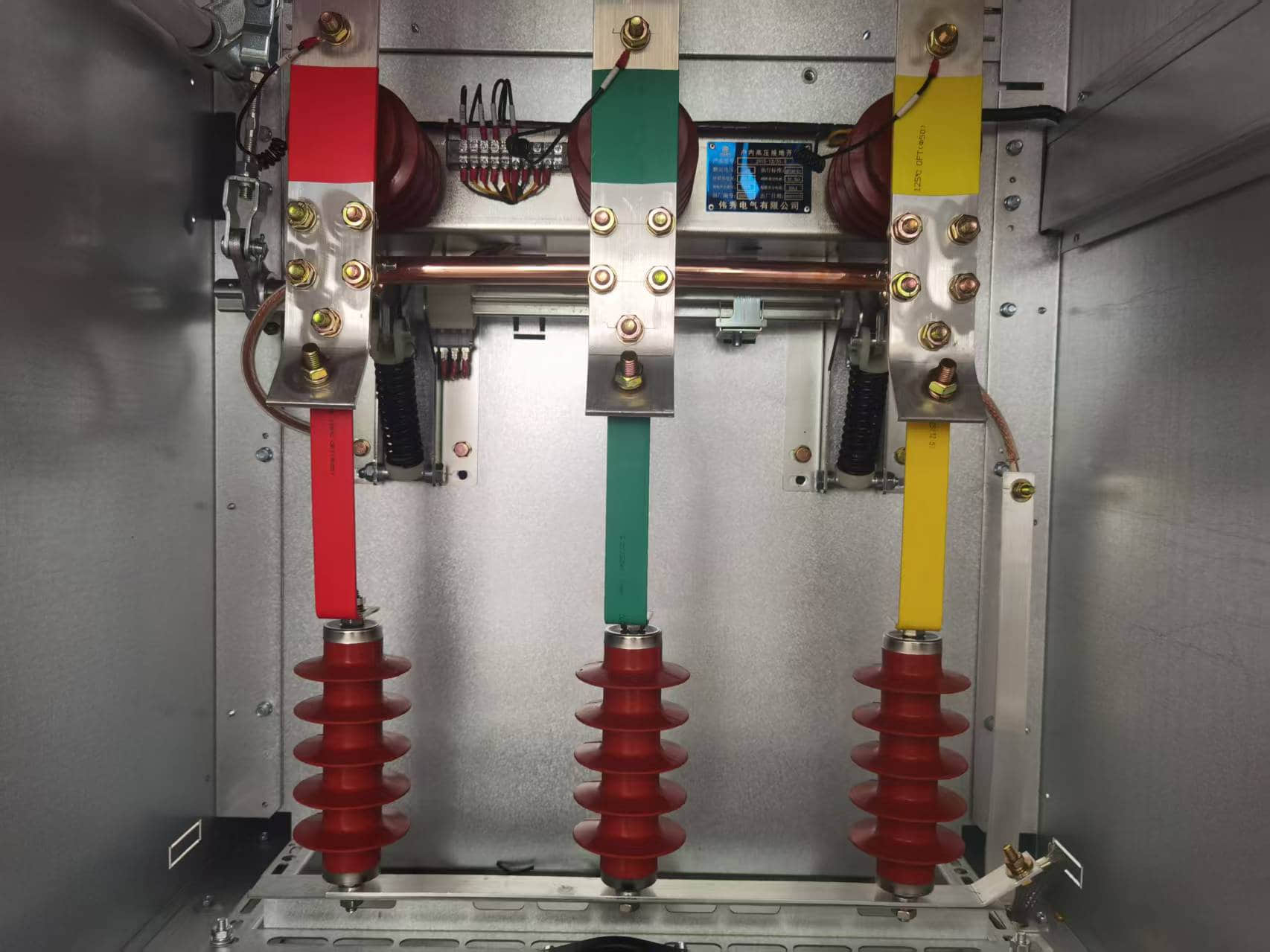
Why This Guide Matters: The Fast Answer to Medium Voltage Switchgear Copper Busbar Selection
How do you choose a copper busbar for medium voltage switchgear? Start with six factors: rated current, short-circuit withstand, temperature rise, insulation clearance, installation method, and supplier manufacturing consistency.
If you only look at current, you can easily buy the wrong busbar. Read this article, and you will know how to handle medium voltage switchgear busbar sizing, how to verify copper busbar current-carrying capacity, how to review switchgear busbar thermal withstand calculation, how to confirm the short circuit rating of copper busbars, and how to check IEC standards for medium voltage busbar design.
The practical goal is simple: select the first time correctly, avoid overheating and rework, and find a supplier that can actually prove performance.
The Real Problem: Why Many Medium Voltage Busbar Choices Fail in Actual Projects
In real projects, many failures come from one bad habit: selecting the busbar by ampere rating alone. That shortcut ignores fault duty, enclosure heat, phase spacing, and joint quality.
The result is familiar in the field: hot joints, mismatched drilled patterns, unsupported spans, copied test reports, and retrofit costs that exceed the original busbar savings.
Typical failure patterns seen by engineers and maintenance teams include:
Overheating inside compact panels even though open-air calculations looked acceptable.
Short-circuit weakness where the bar survives normal load but deforms under fault force.
Type-test mismatch because the supplied arrangement is not the same as the tested arrangement.
Poor fit-up from hole misalignment, twist, burrs, or uneven plating thickness.
Frequent retorque after commissioning due to joint settlement and weak surface prep.
How to Select Medium Voltage Switchgear Copper Busbars Step by Step
The right approach is not complicated, but it must be disciplined. Move from electrical duty to thermal duty, then to mechanical layout, then to supplier proof.
Start With Rated Current and Load Profile
Define the true operating current first, not just the nameplate. Ask for continuous current, overload pattern, daily load shape, ambient temperature, enclosure ventilation, altitude, and duty cycle.
A feeder carrying 1600A continuously in a hot indoor room is not the same as a feeder seeing 1600A occasionally in a well-ventilated substation. The copper size may differ even though the nominal current is identical.
Continuous rated current
Peak operating hours per day
Expected overload duration
Maximum ambient temperature
Altitude correction need
Panel compactness and airflow restriction
Check Short-Circuit Rating of Copper Busbars First, Not Last
In many medium voltage lineups, the short circuit rating of copper busbars is the real sizing filter. A busbar that carries current comfortably may still fail fault duty.
Buyers often discover this too late, after the layout is frozen. The fault level determines cross-section, support spacing, bracing, joint design, and phase-to-phase forces.
As a rule of practice, peak withstand and short-time withstand should be checked before finalizing dimensions. That prevents undersized bars from passing early quotation review.
Match Busbar Dimensions to Thermal Withstand Calculation
Busbar dimensions must survive both normal heat rise and short-circuit heating. This is where many designs become misleading, especially when suppliers quote current ratings without stating enclosure assumptions.
A busbar in free air behaves very differently from one inside a compact metal-clad compartment. Ventilation path, emissivity, bar orientation, grouping, and contact resistance all affect thermal performance.
Confirm IEC Standards for Medium Voltage Busbar Design
If the project is for utility, industrial plant, data center infrastructure, mining, oil and gas, or export EPC work, compliance is not optional. The design must align with IEC standards for medium voltage busbar design, especially the IEC 62271 framework.
Approval teams increasingly ask not just for certificates, but for proof that the offered busbar arrangement corresponds to the tested configuration. That means same geometry, same support concept, same enclosure conditions, or a justified engineering correlation.
Decide Copper Grade, Conductivity, and Surface Treatment
Not all copper busbars are equal. Buyers should verify copper grade, conductivity, surface finish, and whether the joint area treatment matches the site environment.
ETP copper: common, high conductivity, widely used.
OFHC copper: higher purity, selected in special applications.
Bare copper: lower initial cost, but more oxidation risk in certain environments.
Tin-plated copper: common for improved corrosion resistance and connection stability.
Silver-plated copper: used where contact performance is critical, and budget allows.
In coastal, humid, sulfur-bearing, or chemically aggressive sites, plating often pays back through lower maintenance and more stable joint temperatures.
Verify Busbar Layout, Phase Spacing, and Insulation Clearance
A theoretically correct busbar can still be unsafe if spacing and support geometry are wrong. The actual arrangement inside the panel matters as much as the copper area.
Check phase spacing, creepage, clearance, support rigidity, bolt access, thermal expansion allowance, and whether assembly stress is being forced into joints during installation.
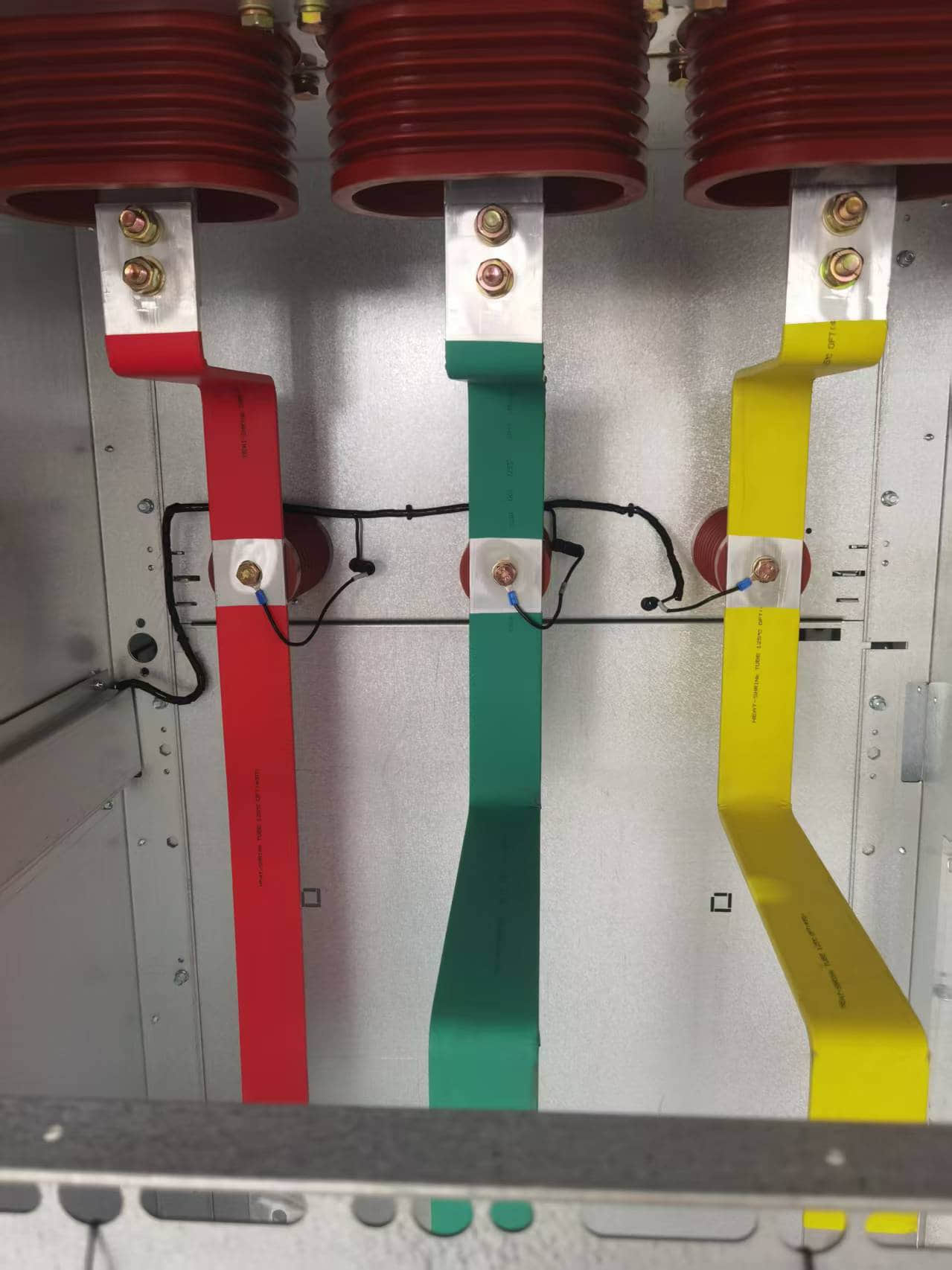
Medium Voltage Switchgear Busbar Sizing: Core Calculations Buyers Should Understand
Procurement teams do not need to perform every detailed design calculation themselves. But they should know exactly which checks to request and how to detect vague answers.
Copper Busbar Current Carrying Capacity
Copper busbar current carrying capacity is not a fixed number printed in a catalog forever. It changes with cross-section, thickness-to-width ratio, orientation, enclosure condition, ambient temperature, emissivity, grouping effect, and termination quality.
For example, a flat copper bar mounted vertically may cool better than one mounted horizontally in a crowded compartment. Two bars per phase may not provide double current capacity if spacing is tight and heat accumulates.
Switchgear Busbar Thermal Withstand Calculation
Switchgear busbar thermal withstand calculation typically follows the short-time adiabatic heating logic. The idea is to confirm the conductor can survive the fault current for the specified duration without exceeding the allowable final temperature.
The key variables are conductor area, material constant, initial temperature, final permissible temperature, and fault duration. This is where an apparently economical busbar often fails technical review.
Mechanical Strength Under Fault Forces
Short-circuit current creates electrodynamic force between phases. This force can bend bars, crack supports, loosen bolts, or distort alignment, especially near unsupported spans and at turns.
Many field problems come not from melting copper, but from mechanical movement during fault events. A busbar may pass thermal checks and still be mechanically weak.
Copper Busbar Selection Table for Medium Voltage Switchgear
The table below gives indicative ranges only. Final sizing must always be verified against actual enclosure, temperature rise, fault level, and tested arrangement.
| Rated Current Range | Indicative Copper Size per Phase | Typical Application | Main Validation Checks Required |
|---|---|---|---|
| 630A to 1250A | 1 x 60x10 mm to 1 x 80x10 mm | Compact feeder panels, RMU-style assemblies, light industrial distribution | Ampacity in enclosure, joint temperature, clearance in compact compartments |
| 1250A to 2000A | 1 x 100x10 mm to 2 x 80x10 mm | Main incoming feeders, process plant distribution, commercial substations | Short-time withstand, support spacing, grouping heat effect |
| 2000A to 3150A | 2 x 100x10 mm to 2 x 120x10 mm | Main bus sections, transformer incomers, industrial MCC upstream MV switchgear | Temperature rise, electrodynamic force, connection pad design |
| 3150A to 4000A | 3 x 100x10 mm or engineered equivalent | Large process plants, utility substations, heavy-duty main bus systems | Full thermal model, fault force verification, type-test matching |
These dimensions are examples seen in common market practice, not universal rules. The same current can require a larger busbar in a hotter or tighter enclosure.
Short-Circuit Rating Table for Copper Busbars in Medium Voltage Switchgear
The next table shows sample thermal withstand tendencies for copper under common short-time assumptions. These are not approval values and must be validated for actual conductor arrangement and allowable temperatures.
| Sample Copper Cross-Section | Indicative 1s Short-Time Withstand Range | Typical Fault Duration Assumption | Caution Notes |
|---|---|---|---|
| 60 x 10 mm = 600 mm² | Approx. 40 to 50 kA for 1s | 1 second | May fail mechanical support checks before thermal limit in high peak-fault systems |
| 80 x 10 mm = 800 mm² | Approx. 50 to 65 kA for 1s | 1 second | Check support spacing and drilled joint reduction |
| 100 x 10 mm = 1000 mm² | Approx. 60 to 75 kA for 1s | 1 second | Enclosure heat and phase spacing still matter for service rating |
| 2 x (80 x 10 mm) = 1600 mm² | Approx. 80 to 100 kA for 1s | 1 second | Grouping and fault-force interaction between parallel bars require careful review |
| 2 x (100 x 10 mm) = 2000 mm² | Approx. 95 to 120 kA for 1s | 1 second | Support bracing often becomes the dominant design issue |
What matters in practice is not just cross-section. Drilled holes, joints, bends, support pitch, and peak asymmetrical fault current can change what is acceptable.
IEC Standards and Compliance Checklist for Medium Voltage Switchgear Busbars
Below is a practical buyer-oriented view of the standards discussion.
| IEC Standard / Topic | What It Controls | What Buyers Should Ask Suppliers to Provide |
|---|---|---|
| IEC 62271 series | General framework for high-voltage and medium voltage switchgear performance and testing | Applicable compliance statement and test references tied to offered panel type |
| IEC 62271-200 | AC metal-enclosed switchgear and controlgear above 1 kV up to and including 52 kV | Type-test reports for temperature rise, short-time withstand, internal arc if relevant |
| IEC 62271-1 | Common specifications for switchgear and controlgear | Design assumptions, dielectric clearances, rated values, service conditions |
| Temperature rise verification | Busbar and connection heating under rated current | Temperature rise test evidence or validated design calculation |
| Short-time current withstand verification | Thermal and dynamic performance under fault current | Short-circuit test report or engineering substantiation for equivalent arrangement |
| Routine test documentation | Factory checks on delivered equipment | Routine test records, inspection reports, dimensional records |
The key procurement lesson is simple: generic compliance claims are not enough. Ask whether the offered busbar arrangement is the same as the tested one.

Real-World Project Examples: What Correct and Wrong Busbar Selection Looks Like
Two switchgear projects may have the same voltage class and current rating yet require different busbar solutions. The difference usually comes from fault duty, enclosure compactness, thermal environment, or corrosion exposure.
Example: 12kV Switchgear for Industrial Plant Expansion
A plant expansion required 12kV switchgear with continuous current around 1600A. Early purchasing wanted a smaller copper section because the operating current looked moderate.
But the upstream system study showed a fault level that forced a much stronger design. The final solution used a thicker cross-section and shorter support spans, because the limiting factor was not ampacity but fault duty and electrodynamic force.
Project lesson: when fault level is high, current-based selection alone is misleading.
Example: Compact RMU-Style Panel With Heat Buildup Issues
In a compact ring-main-style arrangement, the supplier first proposed a busbar based on open-air ampacity assumptions. On paper, the current rating looked sufficient.
During review, enclosure ventilation and cable termination heat were found to be much worse than assumed. The panel had to be redesigned with larger busbars and better thermal management because effective ampacity dropped in the tight enclosure.
Project lesson: compact panel geometry can reduce real current capacity far below catalog expectations.
Example: Coastal Installation Where Surface Treatment Mattered
A coastal substation project used copper busbars in humid, salt-laden air. Earlier installations in the same area had recurring oxidation, unstable contact resistance, and more maintenance hours.
This time, the project specified tin-plated contact surfaces, controlled surface prep, protected joints, and stricter assembly inspection. Maintenance intervals improved, and thermal scan trends remained more stable over time.
Project lesson: plating and joint protection are not cosmetic choices in corrosive sites.
Hard-to-Notice Site Details Most Articles Miss
This is where real projects are won or lost. Many online articles stay too general and miss the details that field teams actually fight with.
Bolt torque drift: initial torque can relax after thermal cycling, especially if joint surfaces settle or washers are wrong.
Joint paste misuse: too much compound can contaminate surrounding insulation surfaces; the wrong compound can create long-term problems.
Plating damage after rework: repeated assembly and filing can break the plated layer and accelerate oxidation at the joint.
Support cracking: brittle supports or poor mounting geometry may survive routine inspection but fail during fault shock.
False confidence from thermal cameras: a cool-looking accessible area does not prove hidden joints or shielded sections are healthy.
Discoloration near drilled holes: often a sign of local current crowding, burrs, stress, or poor contact flatness.
Assembly stress: installers sometimes force slightly misaligned bars into place, storing mechanical stress that later appears as loosened joints or cracked insulators.
What Real Users Discuss Online About Medium Voltage Copper Busbar Selection
Across engineer forums, maintenance communities, buyer groups, installer discussions, and technical Q&A threads, the same concerns appear again and again. The language varies, but the field reality is consistent.
Users do not just ask, “What size busbar do I need?” They ask why joints run hot after only months, why test reports do not match delivered geometry, and why a “same-current” replacement behaves differently from the original.
Based on recurring community-style discussion themes, the most valuable real-user insights include:
Hot spots are often joint-related, not bulk copper-related.
Quoted current ratings are frequently given without enclosure assumptions.
Suppliers sometimes submit unrelated or partially relevant test certificates.
Manufacturing tolerances matter more than buyers expect.
Retorque frequency after commissioning is a practical quality signal.
Maintenance Feedback From Field Technicians
Technicians repeatedly mention joints heating more than straight busbar sections. They also report discoloration near holes, uneven contact marks after dismantling, and busbar stacks that need repeated retorque after energization cycles.
Another recurring field observation is that some hot joints were not caused by under-sized copper at all. They were caused by poor flatness, damaged plating, inconsistent bolt hardware, or contamination trapped in the contact area.
Buyer Experience With Supplier Quotations
Buyers often complain that quotations state “suitable for 2000A” but provide no temperature rise basis, no fault-duty explanation, and no layout-specific validation. Some say the submitted test reports look impressive until they check that the tested arrangement is physically different.
A common procurement frustration is receiving a certificate for a switchgear family, while the offered busbar stack, support pitch, or panel compactness has changed significantly. That is a warning sign.
Installer Feedback on Manufacturing Tolerance Problems
Installers frequently flag practical issues that office teams miss: hole misalignment, edge burrs, twist in long bars, plating inconsistency, and busbars that require forcing into place. These are not minor workshop defects.
Once installers force alignment, the stored stress can move into support insulators, joint faces, and enclosure mounting points. The panel may close, but the reliability margin is already reduced.
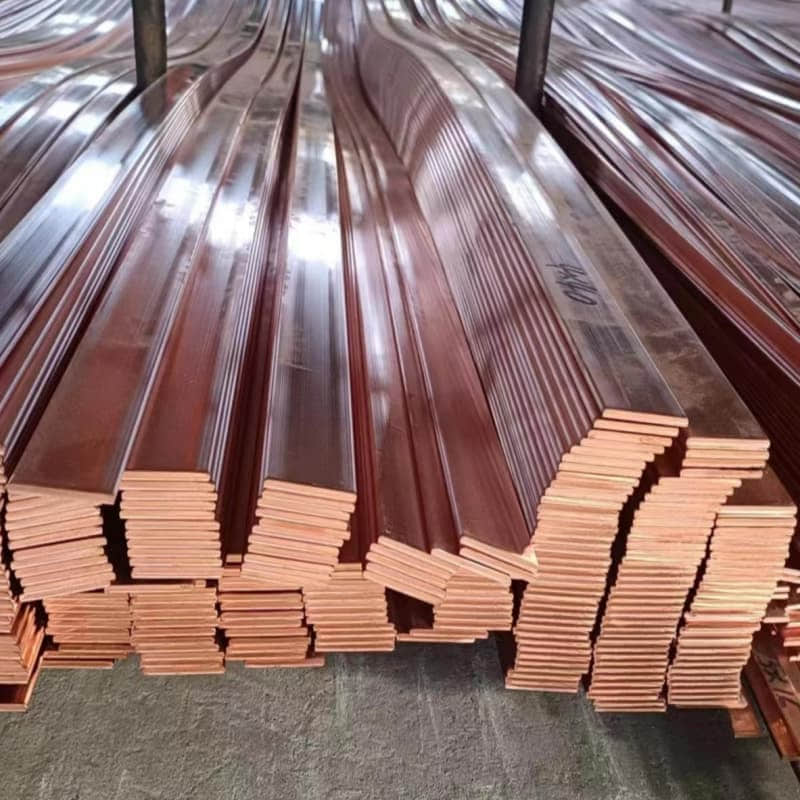
How to Evaluate a Reliable Medium Voltage Switchgear Copper Busbar Supplier
The right supplier does more than cut copper. A reliable supplier should be able to support engineering validation, dimensional control, testing evidence, traceability, and after-sales response.
Ask for Type Test and Routine Test Evidence
Ask for reports that relate to a busbar arrangement genuinely similar to yours. Do not accept broad claims based only on generic platform certification.
At minimum, request temperature rise evidence, short-time current withstand evidence, and routine inspection records for the delivered configuration or a justified equivalent.
Check Material Traceability and Copper Source
Traceability reduces hidden risk. Request copper grade certificate, conductivity data where available, plating specification, plating thickness control records, and batch-level traceability.
This is especially important for export projects, regulated sectors, or applications with corrosive ambient conditions.
Review Fabrication Quality Control
Fabrication quality is where many “good on paper” busbars fail. Ask how the supplier controls flatness, edge rounding, burr removal, hole tolerance, bend consistency, contact face preparation, and surface cleanliness before packing.
If possible, review photos or sample inspection records from actual production, not just brochure images.
Confirm Design Support, Not Just Price
The best suppliers help validate current rating, thermal withstand, and fault performance for your actual switchgear layout. The weakest suppliers only repeat nominal current values and compete on price.
If a supplier cannot explain thermal assumptions, support spacing logic, or certificate relevance, that is a strong reason to pause.
Common Mistakes When Choosing Copper Busbars for Medium Voltage Switchgear
Choosing cross-section from current alone.
Ignoring short-circuit peak and short-time withstand.
Using open-air ampacity in a compact enclosed panel.
Overlooking altitude and high ambient correction.
Failing to verify phase spacing and insulation clearance.
Assuming all copper grades and plating conditions are equivalent.
Accepting generic certificates unrelated to the offered geometry.
Ignoring bolt hardware, joint pressure, and contact preparation.
Not checking support spacing and mechanical strength.
Selecting the cheapest supplier without traceability or QC evidence.
FAQ
How do I calculate medium voltage switchgear busbar sizing?
Start with rated current, then apply ambient temperature and altitude corrections, then evaluate enclosure heat and grouping effect. After that, perform short-circuit thermal verification, mechanical force verification, and finally confirm phase spacing, insulation clearance, and joint design.
What affects copper busbar current carrying capacity in switchgear?
The main factors are cross-section, width-to-thickness ratio, mounting orientation, enclosure heat buildup, phase spacing, grouping, ambient temperature, surface condition, and connection quality. In many panels, poor joints or tight enclosure geometry reduce effective performance more than buyers expect.
How do I perform a switchgear busbar thermal withstand calculation?
Use the short-time adiabatic approach with the conductor cross-section, copper material constant, initial temperature, final allowable temperature, and fault duration. Then verify that the calculated withstand matches or exceeds the specified short-time fault duty for the project.
How do I determine the short circuit rating of copper busbars?
Link the conductor area to thermal short-time withstand, then check support spacing, peak current, and electrodynamic force for mechanical survival. A complete answer must include both thermal capability and mechanical robustness under fault conditions.
Which IEC standards apply to medium voltage busbar design?
The main framework is the IEC 62271 series, especially IEC 62271-200 for metal-enclosed medium voltage switchgear and IEC 62271-1 for common specifications. The exact applicable documents depend on switchgear type, project requirements, and the required tests such as temperature rise and short-circuit withstand.
Is tin-plated or bare copper better for medium voltage switchgear busbars?
Tin-plated copper is often better in humid, corrosive, or maintenance-sensitive environments because it improves oxidation resistance and joint stability. Bare copper can be acceptable in controlled conditions, but lifecycle cost may be higher if oxidation and contact maintenance become recurring issues.
What supplier documents should I ask for before buying?
Ask for drawings, type-test references, routine test reports, copper material certificates, plating records, dimensional inspection reports, QC records, and relevant project references. Also request evidence that the offered arrangement matches the tested or validated configuration.
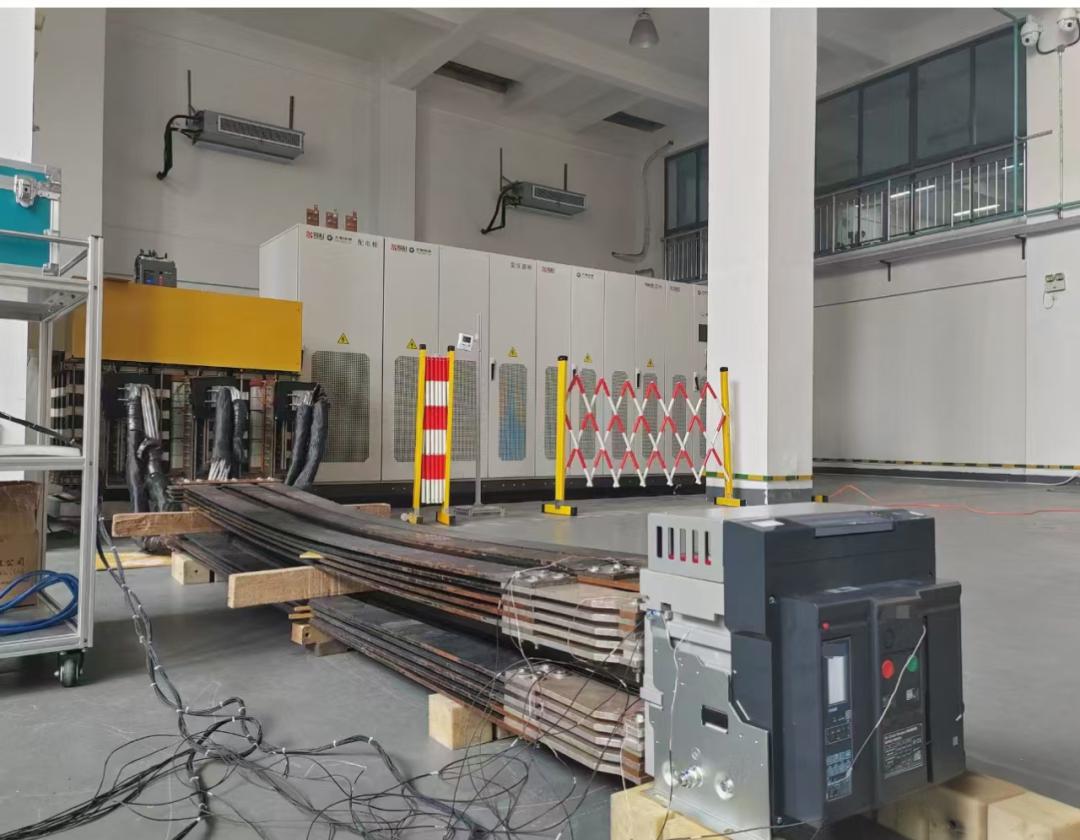
Final Checklist Before You Approve a Copper Busbar Design
Use this one-glance checklist before releasing a purchase order or approving workshop drawings.
Rated current confirmed with realistic load profile, not only nameplate.
Ambient temperature and altitude accounted for.
Enclosure effect included in ampacity evaluation.
Short-time withstand verified for project fault current and duration.
Peak fault mechanical force checked with support spacing and bracing.
Phase spacing, clearance, and creepage confirmed.
Copper grade and conductivity identified.
Surface treatment selected for actual site environment.
Joint design and hardware specified clearly.
Drilling, flatness, edge finishing, and tolerance controlled.
IEC compliance evidence reviewed for relevant arrangement.
Material traceability and QC documents available.
Supplier engineering support proven, not just promised.
Get Expert Help Choosing the Right Medium Voltage Switchgear Copper Busbar
If you are comparing suppliers, reviewing switchgear drawings, or trying to avoid an expensive busbar mistake, now is the time to get the design checked before production starts.
Send your single-line diagram, rated current, fault level, panel dimensions, ambient conditions, and site environment. A fast engineering review can confirm the right busbar size, identify weak points in the design, and help you evaluate whether the supplier’s data is real, relevant, and trustworthy.
Do not buy medium voltage switchgear copper busbars based on current rating alone. Get the technical review, verify the evidence, and choose a supplier that can prove performance in your actual application.