Size a 35kV outdoor breaker for the worst week of the year, not the average day. The nameplate rarely tells you which week that will be. Salt fog, condensation, cold snaps and fault levels that rise after a grid upgrade are what take breakers out in the field, and none of them appear on a quote sheet. The standards put numbers on that worst week. A coastal site in IEC 60815's very heavy pollution class needs about 31 mm/kV of creepage, or roughly 1,256 mm at 40.5 kV. A unit rated to IEC 62271-1's standard −25°C outdoor class has no margin left in a −40°C cold snap. A breaker bought at 25 kA is undersized the day a network upgrade pushes the fault level to 31.5 kA. This guide checks the ZW7-40.5 vacuum circuit breaker against each of those numbers.
What Is the ZW7-40.5 Vacuum Circuit Breaker and What Does It Do on a 35kV Line?
The ZW7-40.5 is a 35kV-class outdoor high-voltage vacuum breaker, rated at 40.5kV, that switches load current on and off and clears overloads and short-circuit faults. It interrupts current inside a sealed vacuum interrupter held in porcelain pillars, so choosing the right unit comes down to matching its current, breaking and insulation ratings to your network and site.
Put bluntly: if you need a fixed, base-mounted outdoor breaker for a 35kV bay, this is a standard, well-understood choice. That answer changes if the unit has to go indoors, inside a cabinet, or at a site whose ambient temperature leaves the -30°C to +40°C range.
A vacuum circuit breaker is a switching device whose contacts separate inside a high-vacuum chamber, where the arc is extinguished at the first current zero because there is almost no gas to sustain it. The "40.5" in the model name is the rated maximum voltage of the equipment; 35kV is the nominal system voltage it serves. Everything below assumes that pairing: a 35kV network, an outdoor bay, and a breaker doing protection duty under a relay or controller.
Grid Upgrades and Renewable Tie-ins Keep the 35kV Outdoor Vacuum Circuit Breaker in Demand
Three kinds of work keep pulling 35kV outdoor breakers into projects. New power-system construction adds substations and bays. Urban and rural grid upgrades replace aging oil breakers and add sectioning points on long overhead lines. And solar and wind farms connect through 35kV collector and step-up stations, each of which needs switching and protection on the incoming and outgoing circuits.
For anyone holding stock or quoting repeat orders, that mix matters more than any single tender. Grid retrofit work tends to arrive in programmes spread over several years, while renewable tie-ins come in project lumps tied to plant commissioning dates. The practical effect: demand for the 35kV outdoor vacuum circuit breaker is steady at the base and spiky at the top, and the spikes usually call for the higher current and breaking ratings because new generation raises fault levels at the connection point.
Ratings at a Glance: ZW7-40.5 Circuit Breaker Technical Parameters
The figures below come from the supplied product information. They describe the family, not a single unit: current and breaking ratings are ordered as a combination, and that combination is what appears on the nameplate and the drawing.
| PARAMETER | VALUE |
|---|---|
| Nominal system voltage (kV) | 35 |
| Rated voltage (kV) | 40.5 |
| Rated normal current (A) | 1250 / 1600 / 2000 |
| Rated short-circuit breaking current (kA) | 25 / 31.5 |
| Arc-quenching medium | Vacuum interrupter |
| Operating mechanism | Spring-operated |
| Mechanical life (operations) | 10,000 |
| Degree of protection | IP30 or above |
| Ambient temperature (°C) | -30 to +40 |
| Installation | Outdoor, fixed on base |
The takeaway: most distribution retrofits sit comfortably at 1250A / 25kA, and the higher combinations earn their cost only where the fault study says so.
Two ratings are missing from the table on purpose. Short-time withstand current (the fault current the breaker can carry while closed for a set time) and peak withstand current (the first, highest loop of that fault current) are tied to the breaking rating, but their duration varies by design and by the standard the unit is tested to. Under IEC 62271-1, the peak value is normally 2.5 times the short-time current for 50 Hz systems (2.6 times for 60 Hz). Duration is where quotes differ: IEC's preferred value is 1 second with 3 seconds as an alternative, and many China-origin 35kV units are quoted at 4 seconds. Confirm both the current and the duration on the datasheet for the exact rating combination you are ordering, and check that they match the protection clearing time your network actually uses.
IP30 applies to the enclosed mechanism, not the live parts, which are insulated by porcelain and air. If your specification calls for a higher IP rating on the mechanism box, state it in the RFQ rather than assuming "or above" covers it.
How Does It Compare With Oil and Gas-Insulated Breakers?
Compared with oil breakers and conventional gas-insulated switches, a vacuum breaker such as the ZW7-40.5 offers strong breaking capacity, long electrical life, no fire or explosion hazard from an insulating medium, and very little routine servicing. The trade-off is that the interrupter is a sealed component: when it reaches end of life, it is replaced, not refurbished.
The comparison below is qualitative. Exact figures depend on the specific design, so treat it as a guide to where costs and risks sit over a bay's service life.
| CRITERION | VACUUM | OIL (MINIMUM-OIL) | CONVENTIONAL GAS (SF6) |
|---|---|---|---|
| Breaking capacity | Strong, stable over life | Falls as oil degrades | Strong at correct gas pressure |
| Electrical life | Long; low contact erosion | Shorter; frequent contact servicing | Long; depends on gas condition |
| Fire or explosion risk | No flammable medium | Flammable oil present | Non-flammable; pressurised enclosure |
| Routine maintenance load | Low; periodic inspection | High; oil testing and replacement | Moderate; gas pressure monitoring |
| Medium handling | None | Oil storage and disposal | Greenhouse-gas handling rules apply |
| Best for | Most 35kV outdoor bays | Legacy sites awaiting replacement | Higher voltages, compact GIS |
For a 35kV outdoor bay, vacuum is the lower-cost route over the full service period in most cases, because the savings come in labour and site visits rather than in the purchase price.
What that means in money terms is mostly about what you do not have to do. An oil breaker carries recurring costs for oil sampling, filtering, top-ups and disposal, and a fault inside the tank can damage neighbouring equipment. SF6 equipment avoids the fire risk but brings gas monitoring, leak checks and, in many jurisdictions, reporting and recovery obligations for a potent greenhouse gas. A vacuum breaker shifts most of that cost into the purchase and leaves an inspection routine and an eventual interrupter replacement. For a remote rural bay, where every maintenance visit means a crew and a vehicle, that shift is often the deciding factor.
Porcelain Pillar Construction and Spring Operating Mechanism
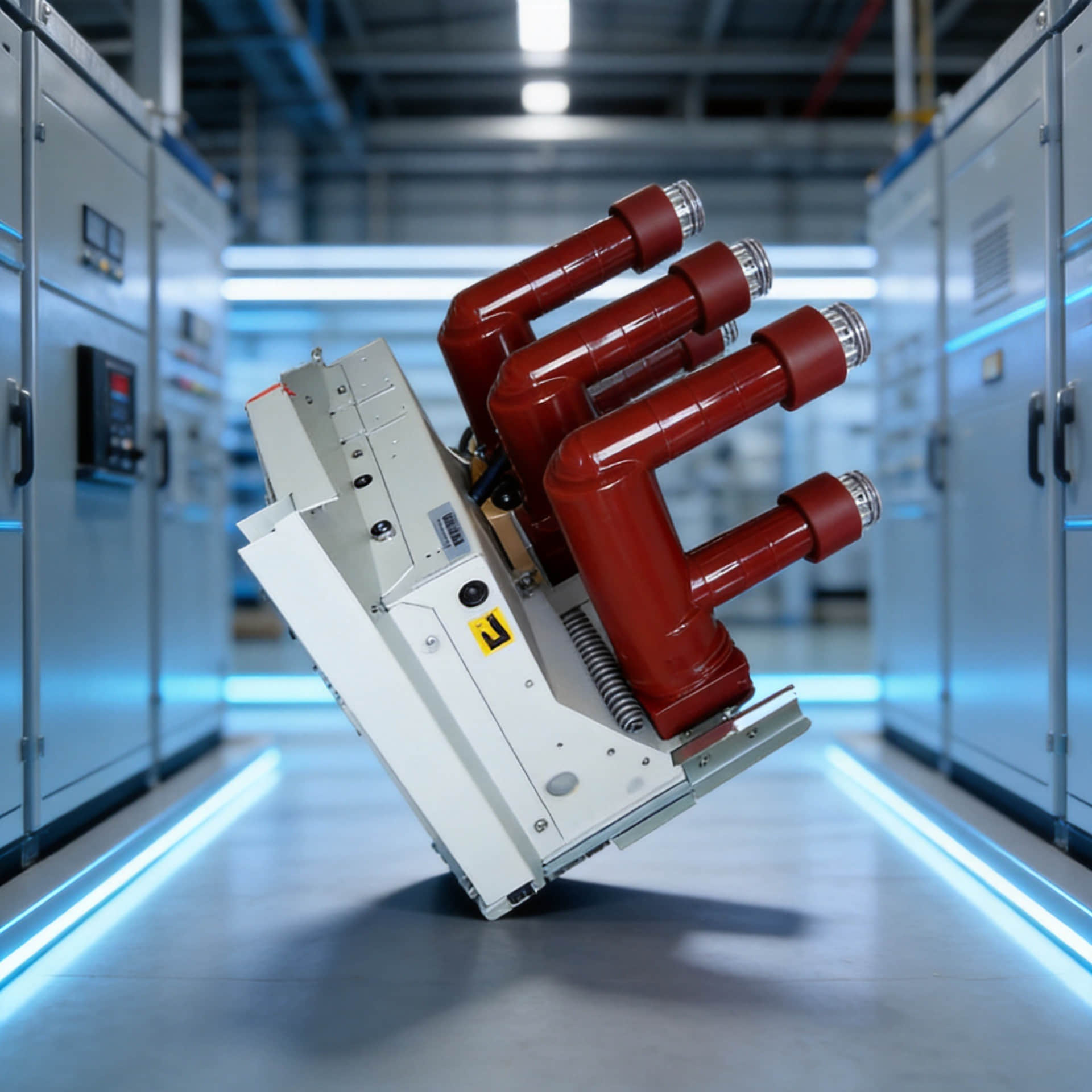
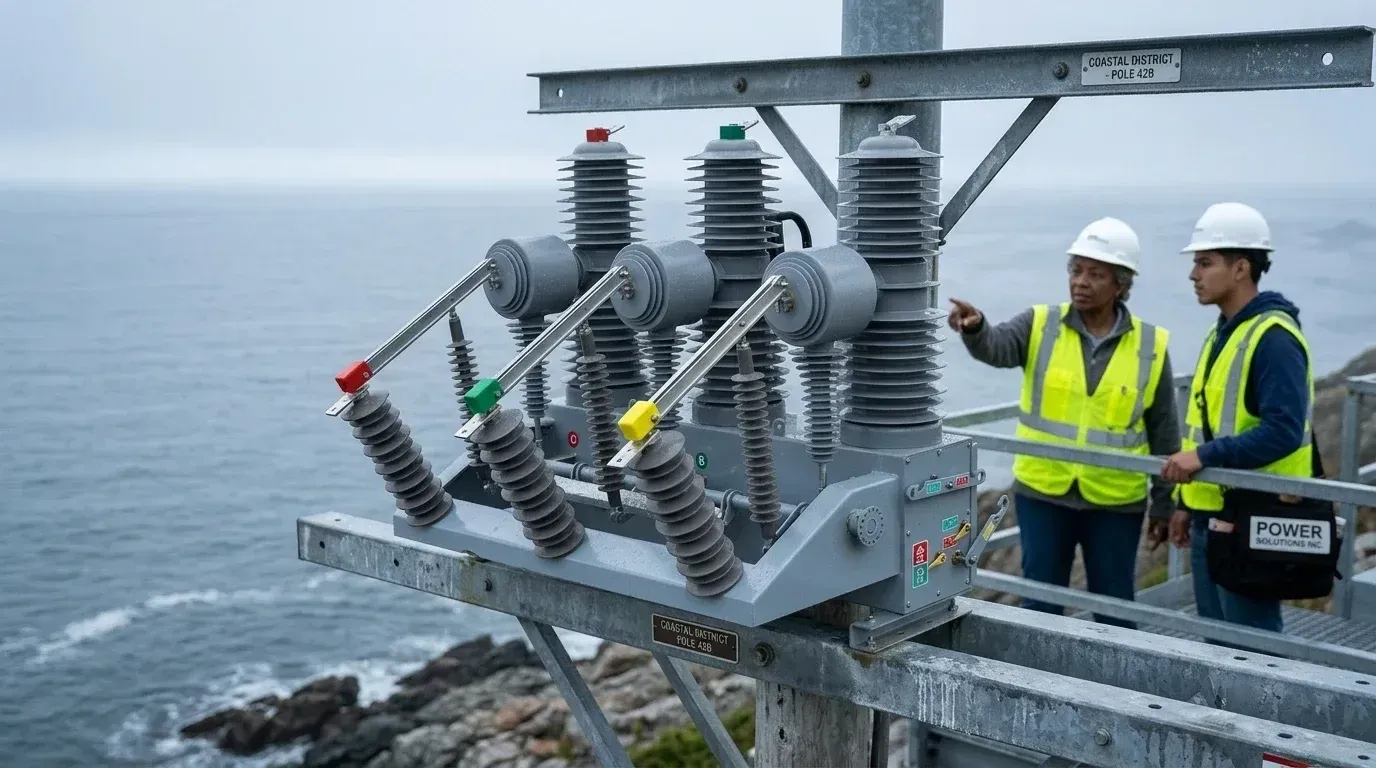
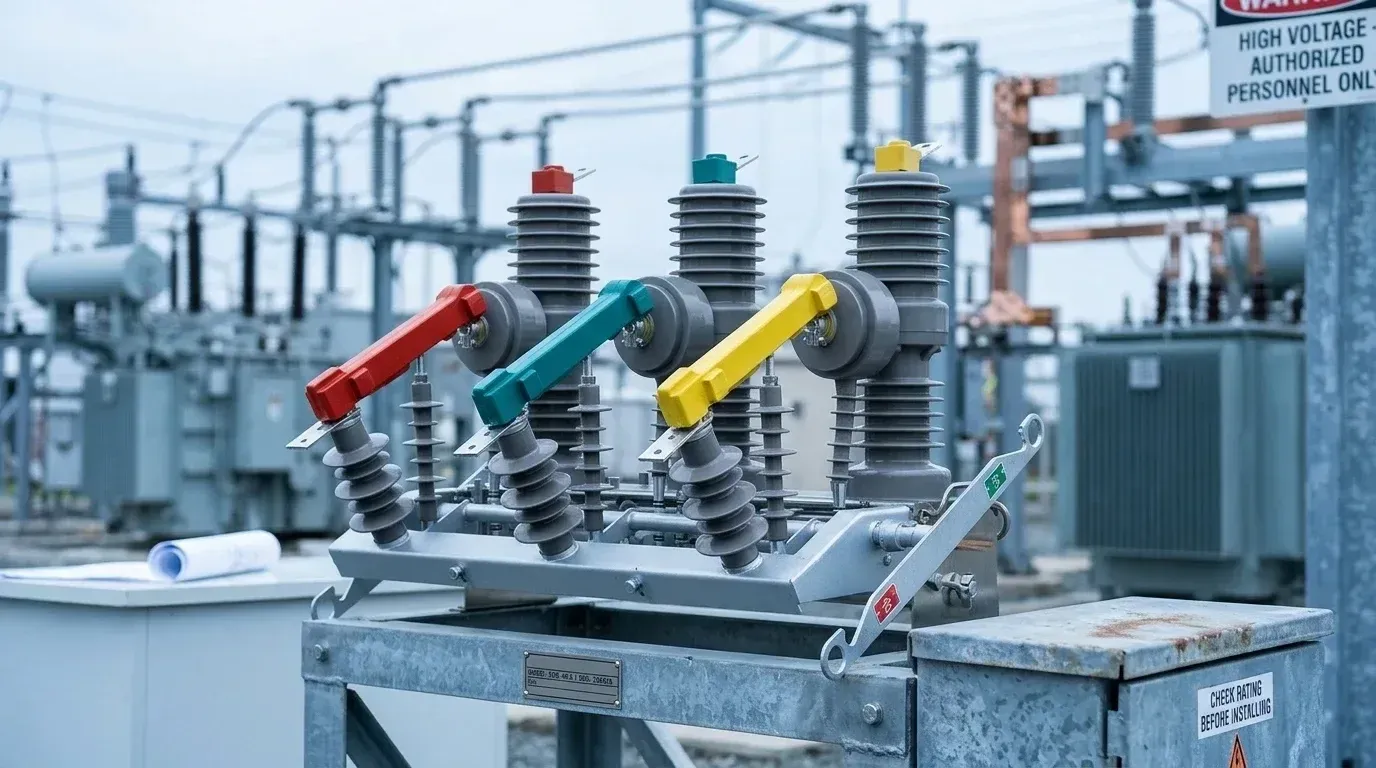
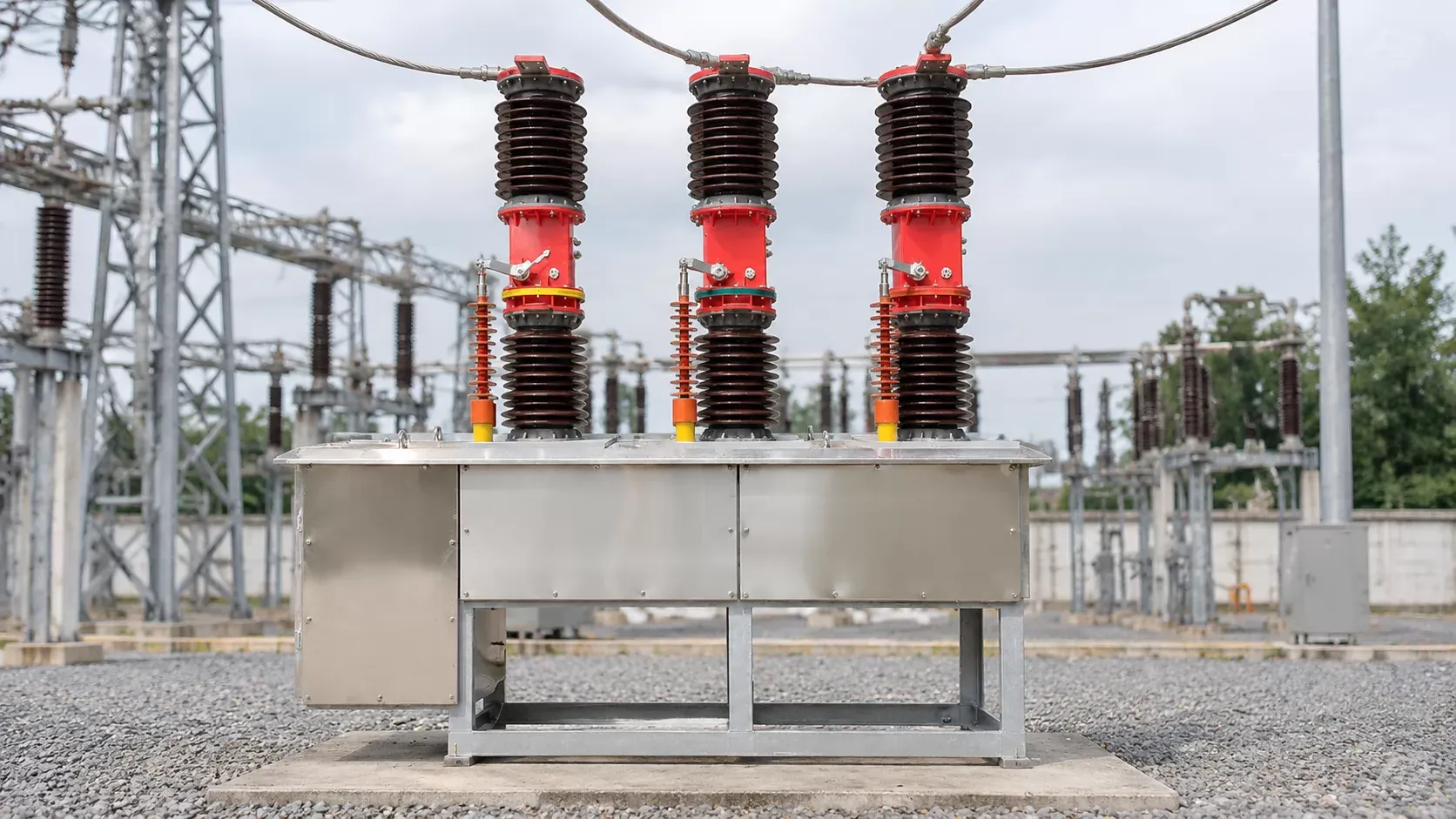
The ZW7-40.5 uses a porcelain pillar layout: each phase has a vertical porcelain column housing the vacuum interrupter, mounted on a common base frame that holds the operating mechanism. The breaker is installed outdoors, fixed on a base, with the live parts high enough to keep safe clearances to ground. That arrangement keeps each phase physically separate in open air, which is the simplest way to get phase-to-phase and phase-to-earth insulation outdoors without an enclosure that can trap moisture.
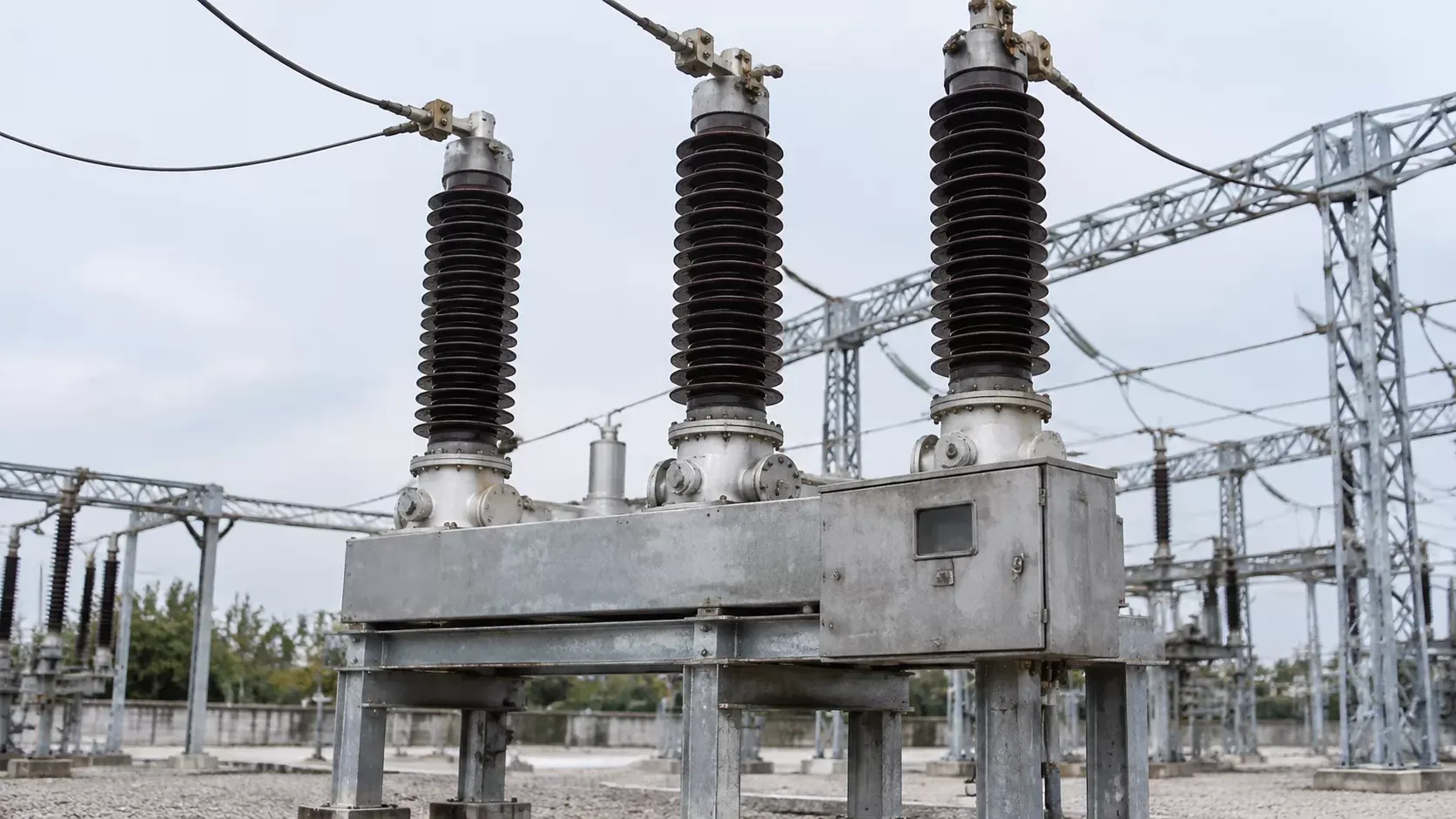
Vacuum Interrupter Inside Porcelain Pillars
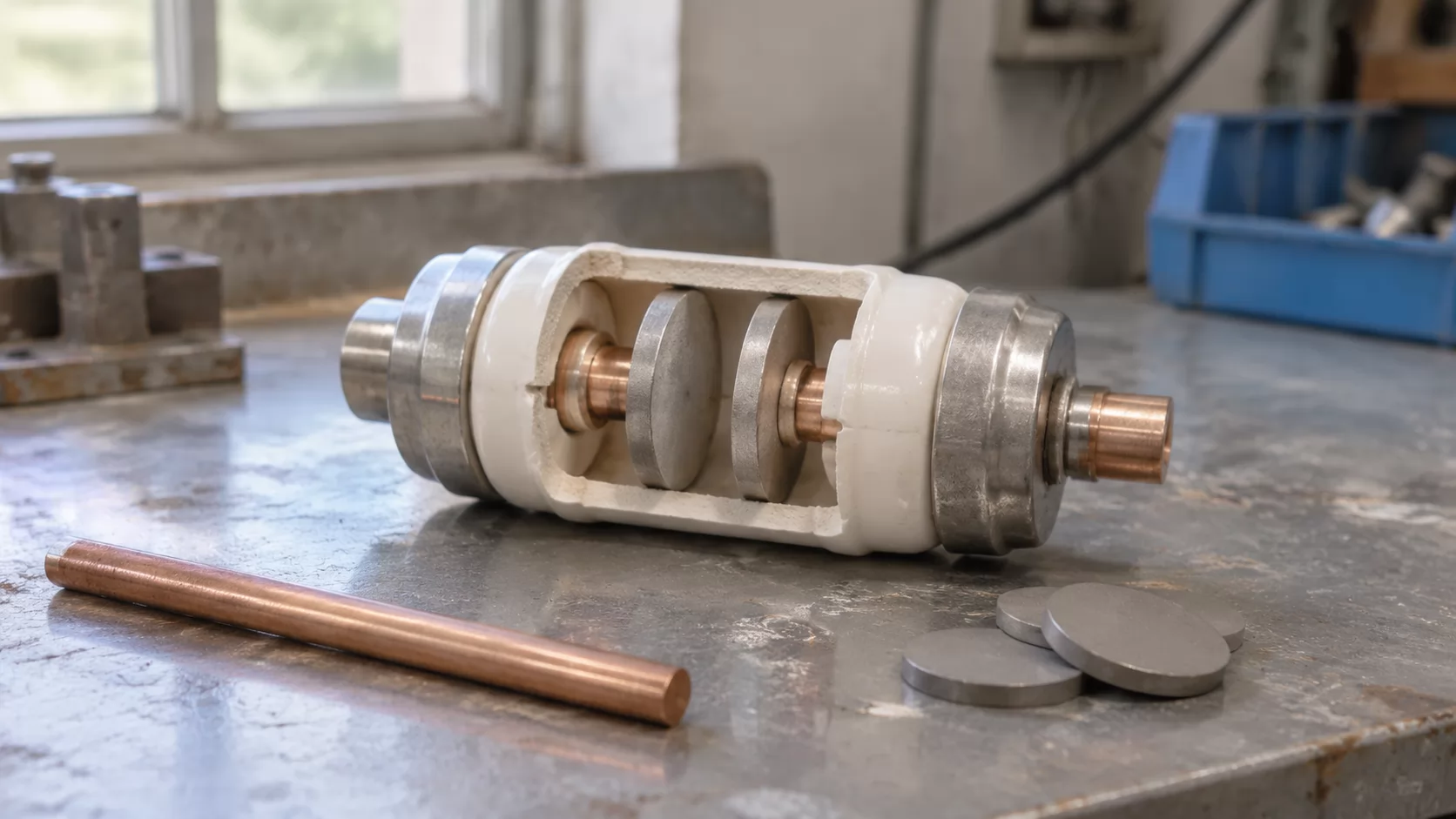
The vacuum interrupter is a sealed ceramic or glass envelope holding a fixed and a moving contact under high vacuum, with a metal bellows that lets the moving contact travel without breaking the seal. Because the arc burns and dies inside that sealed chamber, there is no arc-quenching oil or gas to fill, test or dispose of. The porcelain around it does the outdoor work. Glazed porcelain sheds rain, resists UV degradation over decades, and with an adequately sheddy profile keeps leakage current low on polluted sites; it also does not track or erode the way some polymer surfaces can under heavy contamination. The design depends on good sealing between the porcelain, the interrupter and the end fittings, since moisture ingress inside the pillar is the failure mode to guard against.
Spring Mechanism and 10,000-Operation Mechanical Life
A spring operating mechanism stores energy in a charged spring and releases it to close the breaker, while a separate opening spring trips it. Its 10,000-operation mechanical life corresponds to the M2 endurance class in IEC 62271-100, which is the class to ask for on feeders that switch frequently, such as capacitor banks, reclosing schemes or renewable plant that disconnects daily. The anti-condensation and maintenance-free claims rest largely on this box. A sealed, heated mechanism housing keeps latches and auxiliary contacts dry through temperature swings; if it is poorly sealed or the heater is left unconnected, condensation reaches the linkages first, and "maintenance-free" stops applying.
Coastal Salt, Mine Dust and High Altitude Each Test a Different Weak Point
"Harsh conditions" is not one specification. Each environment attacks a different part of the breaker, and a unit specified well for one can be marginal in another.
Coastal and industrially polluted sites attack the insulation surface. Salt fog and conductive deposits build a wet film on the porcelain, and in morning dew or light drizzle that film carries leakage current across the shed surface until it flashes over. The defence is creepage distance, the path length along the insulator surface, matched to the site pollution severity class defined in IEC TS 60815. Chinese tenders for heavily polluted coastal sites often specify a specific creepage distance roughly in the 25 to 31 mm/kV range; confirm the actual creepage of the porcelain offered rather than accepting a general "anti-pollution" description. Salt also corrodes exposed steel, so ask about the base frame finish and fastener material.
Mining sites add dust, vibration and, near processing plants, chemically active deposits. Dust builds up on the porcelain much as salt does, but the mechanism suffers too: fine particles work into linkages and auxiliary switches. Frequent switching of mine loads also uses up mechanical life faster, which is where the 10,000-operation rating starts to matter.
High-altitude plateau sites weaken the air itself. Thinner air has lower dielectric strength, so external clearances and creepage that pass at sea level may not hold their withstand voltage at height. Standard ratings generally apply up to 1,000 m; above that, an altitude correction under IEC 62271-1 usually calls for longer porcelain or increased insulation levels. Confirm the correction with the supplier and get the corrected insulation levels written into the drawing.
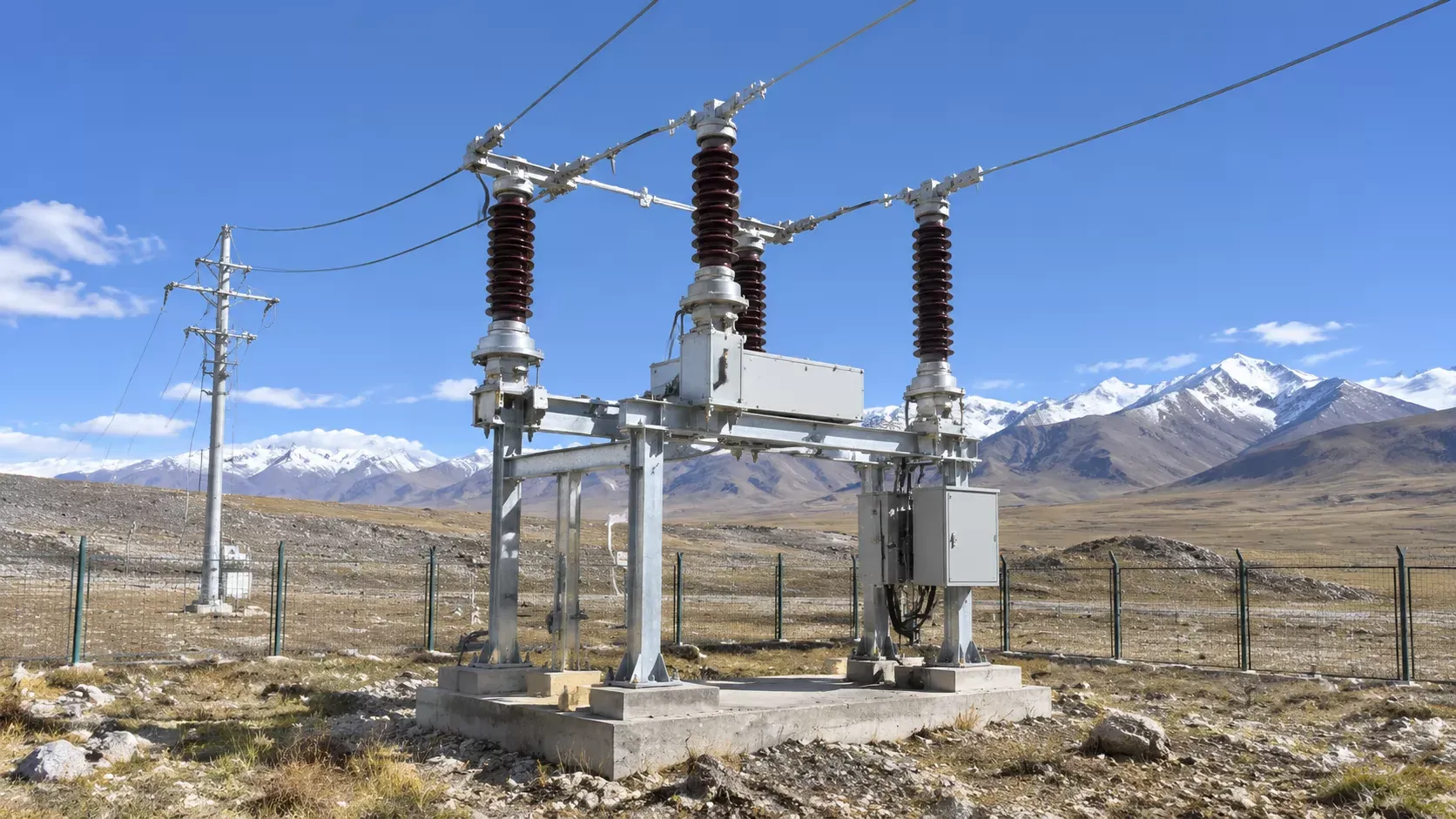
Cold winters test the mechanism and the seals. At low temperature, lubricants thicken, spring energy margins narrow, and rubber gaskets stiffen. The rated ambient range of -30°C to +40°C is a hard limit, not a target: a site that regularly drops below -30°C or sits above +40°C in summer is outside the design envelope and needs a different product or a supplier-confirmed derating. The same applies to installation. This breaker is for outdoor base mounting only; indoor or enclosed use is outside its scope.
Where Does the Breaker Fit: Substations, Step-up Stations or Industrial Feeders?
The ZW7-40.5 fits most fixed outdoor 35kV positions: substation bays, overhead line sectioning points, renewable step-up stations, industrial supply intakes and the outdoor side of box substations and switching stations. The core unit stays the same in each case; what changes is which rating, accessory or interface decides the order.
Outdoor High Voltage Vacuum Breakers for Substations and Overhead Lines
A distribution utility retrofitting a rural 35kV substation needs to replace aging oil breakers bay by bay without changing foundations or protection panels. The selection point is interface fit: base dimensions, terminal positions and control wiring that line up with the existing bay, plus current transformer ratios that suit the relays already installed. For overhead line sectioning on long feeders, the same utility looks at reclosing duty and mechanical life, because a sectioning breaker on a line through trees or storm-prone terrain may operate far more often than a substation incomer.
Solar and Wind Step-up Stations, Mines, Railways and Petrochemical Sites
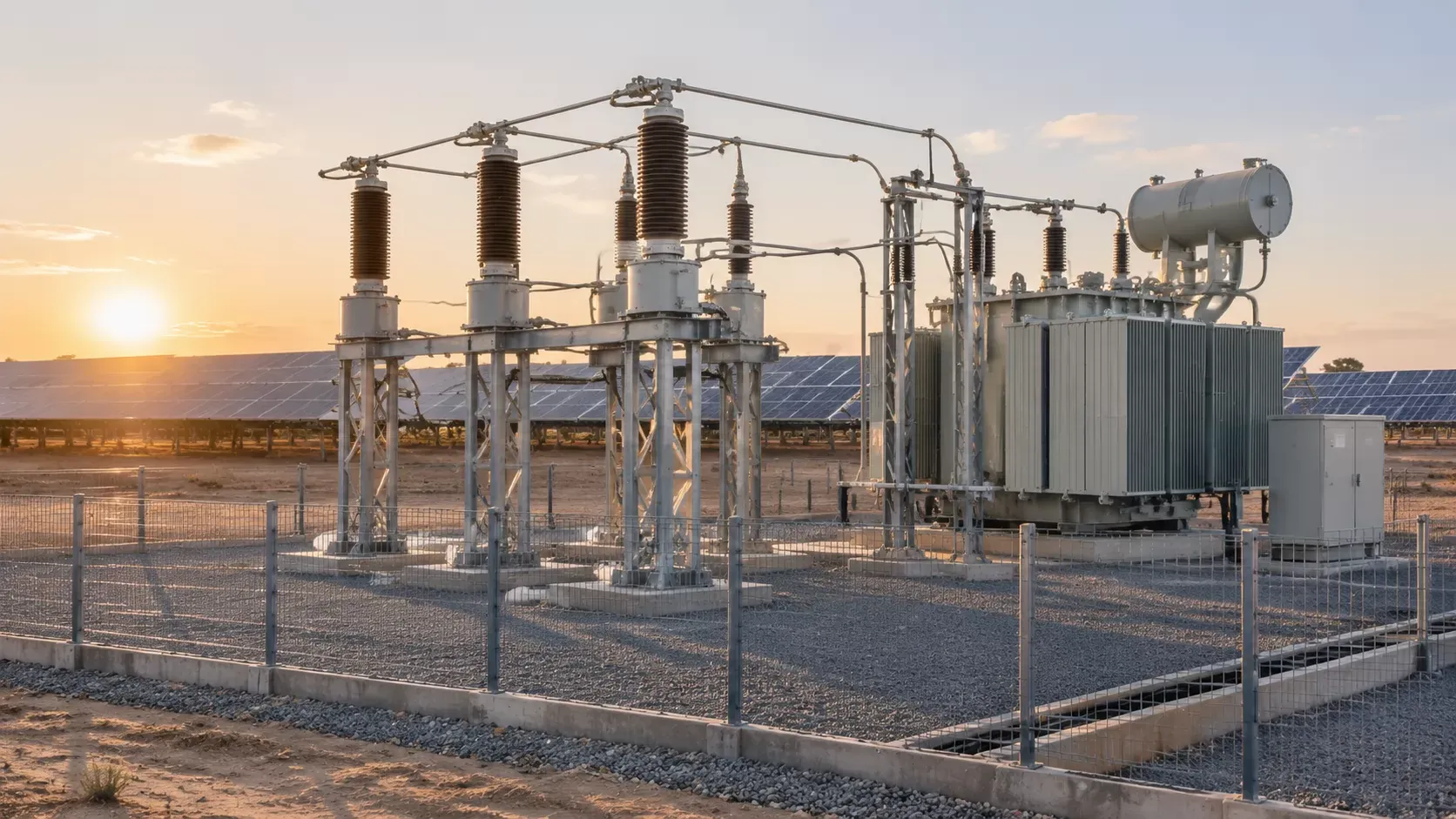
An EPC contractor building a solar plant's 35kV step-up station needs breakers that tolerate frequent switching and a fault level raised by the plant's own contribution. Here the 31.5kA breaking rating and the electric operating mechanism usually move to the top of the list, together with a controller that reports to the plant SCADA. On mine, railway traction or petrochemical supplies, the special supply arrangement drives the specification: dust and corrosive atmospheres push the porcelain creepage and frame finish up, and operators of hazardous-area plants often need documented interlocking and remote tripping for safety procedures.
Box Substations and Outdoor Switching Stations
For a developer installing compact 35kV box substations or outdoor switching stations, footprint and interface with the companion equipment come first. The breaker remains a base-mounted outdoor unit, so check that its overall dimensions and clearances fit the layout, and that the disconnector, voltage transformer and controller are specified together so the cable and wiring routes close on the first visit.
Accessories, Control Units and Automation Interfaces
A breaker on its own rarely completes a bay. The quote should list the companion items explicitly, because each one has an interface that can go wrong if it is sourced separately and assumed to fit. The usual list for a ZW7-40.5 bay is short:
Isolating disconnector for visible isolation during maintenance.
Protection and control unit (controller) with its power supply.
External voltage transformer for measurement and controller supply.
Electric operating mechanism, if remote or automatic operation is planned.
Smart control unit for remote opening and closing.
Each of those items connects to the breaker through wiring and settings that have to agree. A disconnector needs to interlock with the breaker so it cannot be operated under load. The controller needs current inputs that match the breaker's current transformer ratios and accuracy classes, a trip circuit that matches the mechanism's coil voltage, and a voltage reference, which in this design comes from an external voltage transformer rather than an internal one.
The electric operating mechanism and smart control unit are what turn a manually charged breaker into a remotely controlled one. With a motor charging the spring and a controller receiving commands, the breaker can be opened and closed from a control room or dispatch centre, and its status and fault records reported upstream. That is the link to substation automation: the controller exchanges data with the station system over a communication protocol, commonly IEC 60870-5-101/104, Modbus, or IEC 61850 in newer substations, and that protocol has to be agreed before the order, not discovered at commissioning. It is also why these breakers fit the grid digitalisation programmes now running in many networks: each remotely controlled sectioning point shortens fault location and restoration time.
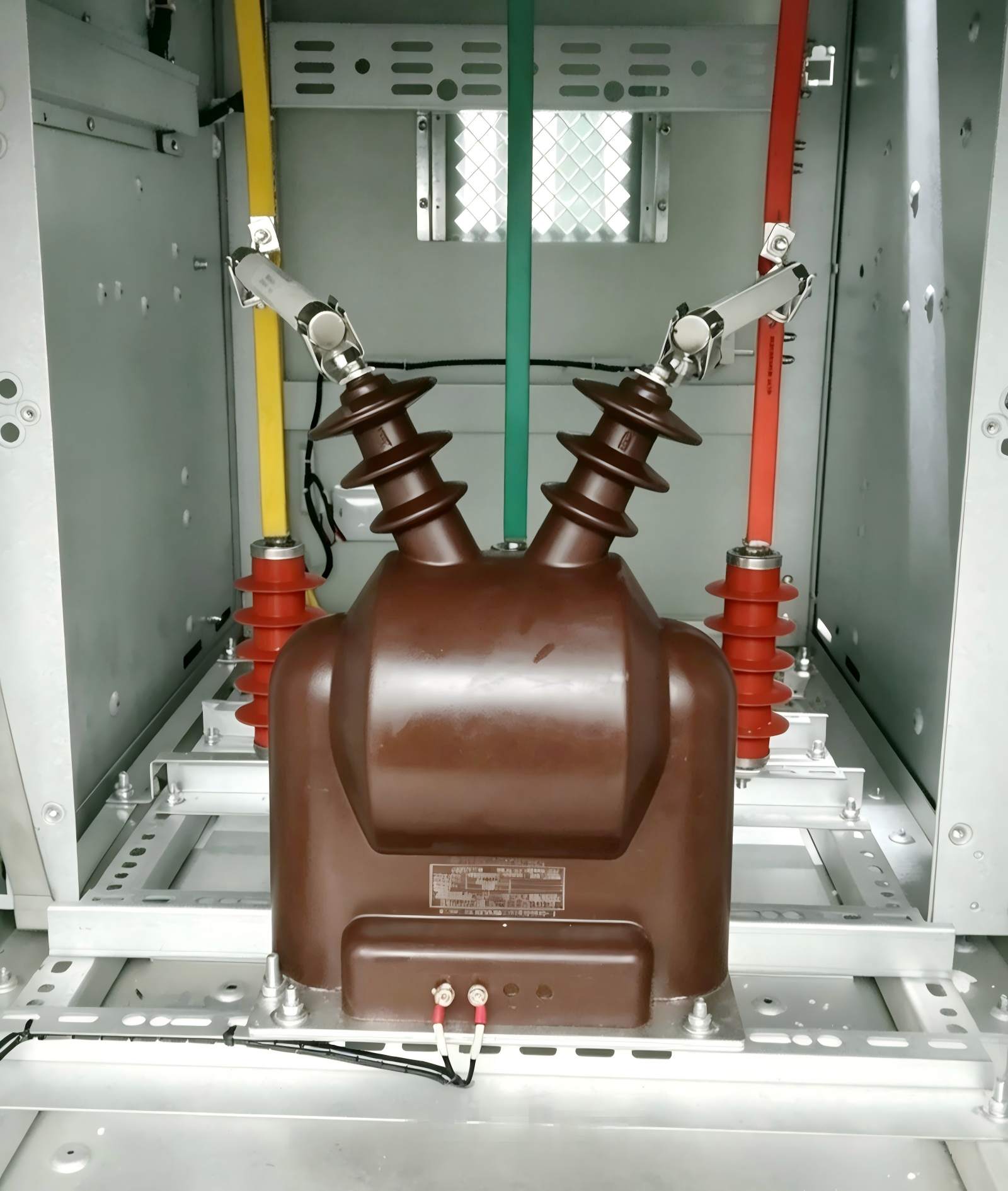
Sourcing the breaker, instrument transformers and controller from one supplier reduces interface mismatches on site, since one party owns the wiring diagram and the factory test of the assembled set. Weisho Electric Co., Ltd., which manufactures the ZW7-40.5, also makes indoor and outdoor instrument transformers, indoor and outdoor vacuum breakers, distribution transformers and ring main units, so a bay's main equipment can be quoted and tested as one package.
How to Choose a 35kV Outdoor Vacuum Circuit Breaker for Harsh Environments?
Choosing a 35kV outdoor vacuum circuit breaker for harsh environments means working from network data to site data to control requirements, in that order. Fault level and load fix the electrical ratings; pollution, altitude and temperature fix the insulation and sealing; the owner's control system fixes the mechanism and controller. Each step narrows the order line before price comes in.
Match Current and Breaking Ratings to the Fault Level
Start with the rated current. Take the maximum continuous load the bay will carry, including planned growth over the breaker's service life, and choose the next rating above it among 1250A, 1600A and 2000A. Most distribution feeders sit well inside 1250A; incomers and bus couplers at larger substations are where 1600A and 2000A appear. Undersizing current saves little and shortens contact life through heating.
Then check the breaking current against the fault study, not against the existing breaker's nameplate. Prospective short-circuit current at a 35kV bus rises when transformers are added, lines are reinforced or renewable plant connects nearby. If the study shows a present fault level close to 25kA, or any planned connection that would push it higher, 31.5kA is the sensible choice: replacing a breaker mid-life because the fault level outgrew it costs far more than the rating step.
Confirm the withstand duration in the same step. The short-time withstand current and its duration must cover the slowest backup protection clearing time on that circuit; a breaker rated for a shorter duration than the network's backup protection needs is underspecified, whatever its breaking rating.
Match Insulation, Sealing and Temperature to the Site
Classify the site pollution severity per IEC TS 60815 and set a minimum creepage distance for the porcelain. Coastal, chemical and mining sites usually need the heavier classes. Add the altitude: above 1,000 m, require an altitude-corrected insulation level and see it on the drawing.
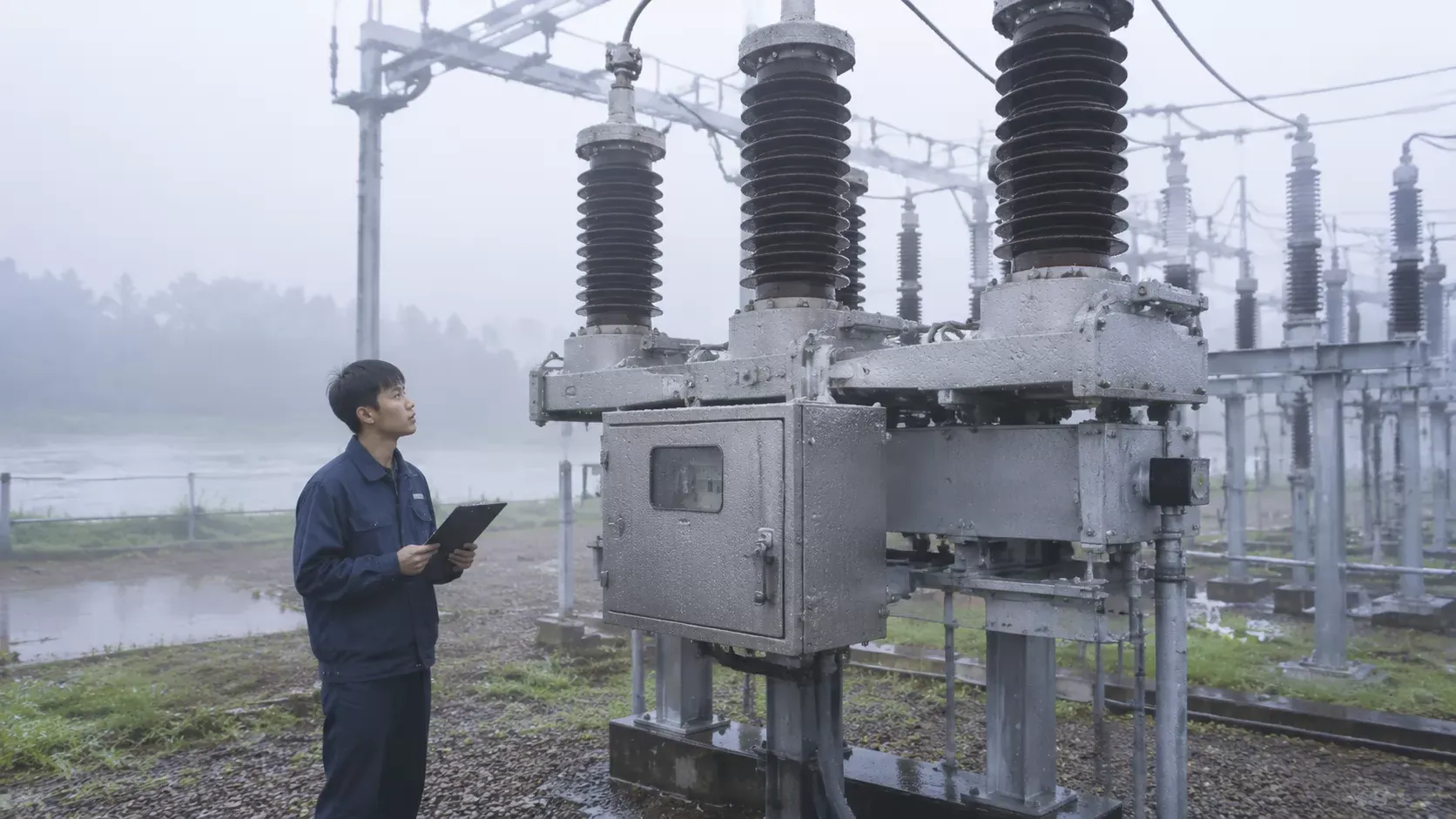
Check condensation risk next. Sites with large day-night temperature swings, high humidity or frequent fog need a sealed mechanism housing with an anti-condensation heater and a confirmed power supply for it. Finally, compare the site's recorded temperature extremes with the rated -30°C to +40°C. If the record goes outside that range, stop and ask for a product rated for it; do not rely on the margin.
Match Operation and Control to the Owner's System
Manual spring charging suits sites that are attended and switched rarely. Electric operation suits anything with reclosing, automatic transfer, remote dispatch or frequent switching, and adding it at order stage is simpler than retrofitting. Agree the controller's protection functions, auxiliary supply voltage and communication protocol with the network owner before the quote is finalised, and ask for the controller to be factory-tested with the breaker.
Rule of thumb: specify for the fault level and site conditions expected in ten years, and the control interface the owner uses today.
Standards, Type Tests and Documents to Request
Several public standards apply to a breaker of this type, and the quote should state which ones the unit was tested to. IEC 62271-1, High-voltage switchgear and controlgear – Part 1: Common specifications for alternating current switchgear and controlgear, sets the common ratings, insulation levels, temperature-rise limits and altitude rules. IEC 62271-100, Alternating-current circuit-breakers, covers the breaker itself: making and breaking tests, mechanical endurance classes M1 and M2, and electrical endurance classes E1 and E2. For China-origin units, GB/T 1984 is the national standard for high-voltage AC circuit breakers, broadly aligned with IEC 62271-100, and GB/T 11022 covers the common specifications. IEC 60529 defines the IP code used for the mechanism enclosure rating. IEC TS 60815 guides the selection and dimensioning of insulators for polluted conditions.
Type tests and routine tests answer different questions. A type test report shows that one representative unit of the design passed the full set of standard tests, including dielectric, temperature rise, short-time withstand, short-circuit making and breaking, and mechanical endurance. When reading it, check that the tested ratings match or exceed the combination you are ordering, that the report names the model and the interrupter type, and that it comes from an independent, accredited laboratory. A report for a 1250A / 25kA unit does not cover a 2000A / 31.5kA order. Routine test records, by contrast, belong to each individual breaker shipped: power-frequency withstand, main circuit resistance, mechanical operation and timing. They prove that the unit in the crate matches the design that was type tested.
Ask for the following with the quote, so the comparison between suppliers is on documented terms rather than claims:
Type test reports covering the exact rating combination ordered.
General arrangement drawing with dimensions, creepage and terminal details.
Datasheet stating short-time withstand current, peak value and duration.
Control and secondary wiring diagram, including mechanism and controller.
Sample routine test record and the planned factory test procedure.
Quality management system certificate, such as ISO 9001.
If the project is in a market that requires local certification or utility approval, ask early whether the type tests were witnessed or accepted by that authority. Re-testing for a single tender is slow and expensive, and suppliers who already hold the right reports can usually say so in one reply.
Most Field Problems Start at the Order, Not in Service
A breaker that fails during commissioning or its first winter has usually been ordered with a gap in the specification. Four gaps come up repeatedly.
The first is an unconfirmed rating combination. "ZW7-40.5" on a purchase order identifies a family, not a unit. The order and the approved drawing should state rated current, breaking current, withstand current and duration, insulation level (altitude-corrected if needed), creepage, mechanism type, coil and motor voltages, and current transformer ratios. Anything left implicit will be filled with the supplier's default.
The second is the skipped withstand-duration check. Two quotes at the same breaking current can differ in short-time withstand duration, and the cheaper unit may carry the fault for a shorter time than your backup protection takes to clear it. The mismatch only shows up during a real fault.
The third is reading "maintenance-free" as "no inspection". The vacuum interrupter needs no servicing of an arc-quenching medium, but porcelain still collects contamination, the mechanism still needs operation checks and occasional lubrication per the manual, and contact wear still needs tracking against the interrupter's limits. Build an inspection interval into the operator's plan from day one.
The fourth is a missing interface: a controller with the wrong communication protocol, an auxiliary voltage that does not match the site supply, or no voltage transformer to power and reference the controller. Each one is cheap to fix on paper and costly on a remote site.
Shipping deserves the same care. Porcelain pillars are strong in compression and fragile under impact and bending, so export packing should hold each pole firmly in a fumigated or heat-treated wooden crate with the porcelain cushioned and restrained, the crate marked for orientation and lifting points, and the mechanism protected from moisture with desiccant. Ask for packing photos before dispatch.
For pre-shipment inspection, an AQL-style visual check is not enough on switchgear. Witness or review the routine tests, check the nameplate against the drawing, inspect porcelain for chips and glaze defects, operate the mechanism manually and electrically, and confirm the accessories and spares against the packing list.
On site, commissioning checks usually include insulation resistance, main circuit resistance, opening and closing times and synchronism, operation at minimum and maximum control voltage, interlock function with the disconnector, controller protection settings, and a trip test from the remote control point. Record the results: they become the baseline for every later inspection.
FAQ
Can the ZW7-40.5 be installed indoors or in a cabinet?
No. It is designed for outdoor installation fixed on a base only. Indoor switchrooms and enclosed cabinets call for an indoor 40.5kV vacuum breaker built for that layout and its clearances.
Does "maintenance-free" mean no periodic inspection at all?
No. It means the interrupter needs no oil or gas servicing. Porcelain cleanliness, mechanism operation, contact wear and the anti-condensation heater still need checking at the intervals in the operating manual.
When does 2000A / 31.5kA make sense instead of 1250A / 25kA?
When the load or the fault study demands it. Substation incomers, bus couplers and buses with renewable plant or new transformers nearby often need the higher ratings; most rural distribution feeders do not.
Can electric operation and remote control be added after installation?
Sometimes, but it is better ordered at the start. Retrofitting a motor mechanism and smart control unit needs supplier-approved parts, rewiring and recommissioning, and some units are not designed for field conversion.
Does the breaker need an external voltage transformer?
Usually, yes. In this design the voltage transformer is external, and the controller relies on it for voltage measurement and, in many arrangements, its operating supply. Specify it with the breaker so ratios and wiring match.
What happens if the site regularly goes above +40°C?
The site is outside the rated range, and the ratings in this guide no longer apply. Current-carrying capacity and seal life are affected; ask the manufacturer for a written derating or a unit rated for higher ambient temperatures before ordering.