Why a Tiny Measurement Error Can Cost a Power System Thousands
One small voltage measurement error can ripple through an entire electrical network. In real utility and industrial environments, a modest ratio error in a metering chain can affect billing accuracy, mislead protective relays, and reduce confidence in grid data.
Imagine a substation serving a large factory at 33 kV. If the voltage fed to the revenue meter is inaccurately scaled, the result can be disputed invoices, delayed fault response, and costly troubleshooting time.
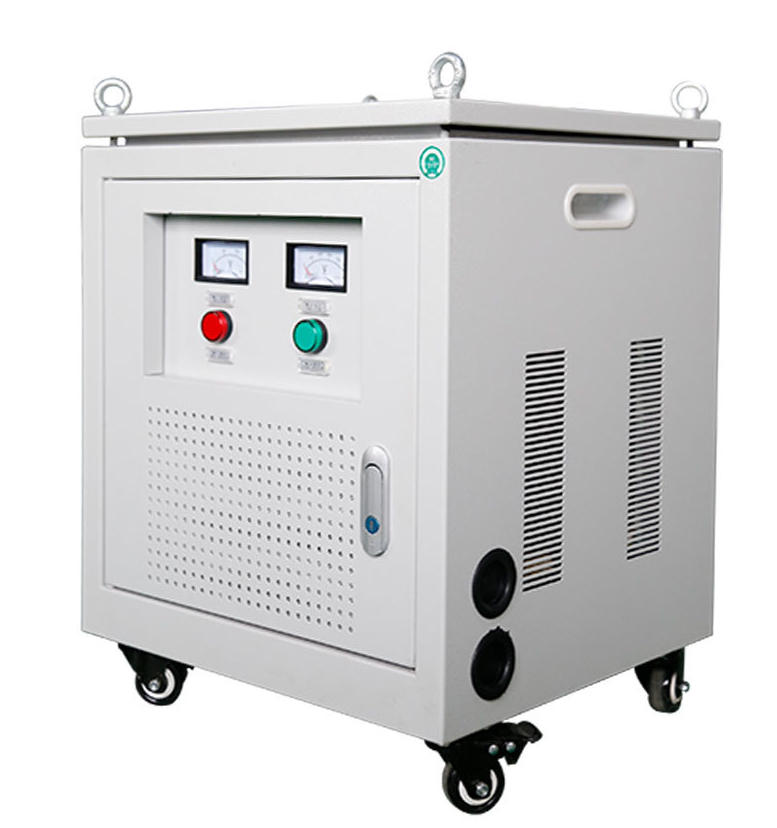
That is exactly why the potential transformer, an instrument transformer, is so important. It is not a bulk-power device, but a precision measurement component that quietly supports safe, stable, and accountable power system operation.
What Type of Transformer Is a Potential Transformer?
A potential transformer is an instrument transformer. Its job is to step down high system voltage to a lower, standardized, and safer value for metering, monitoring, and protection.
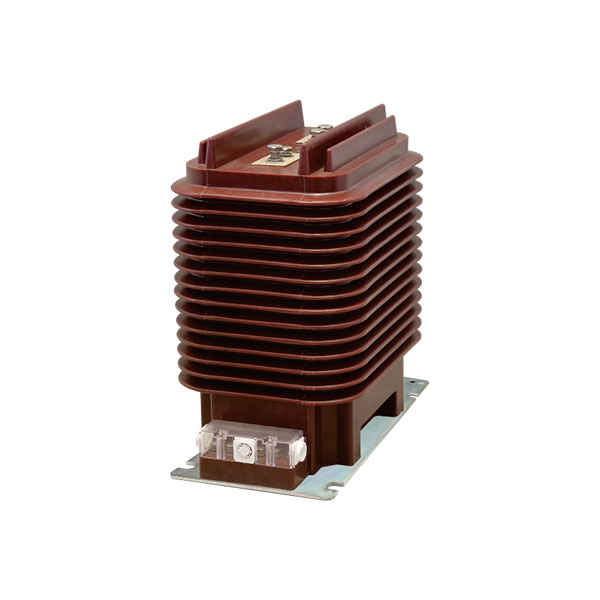
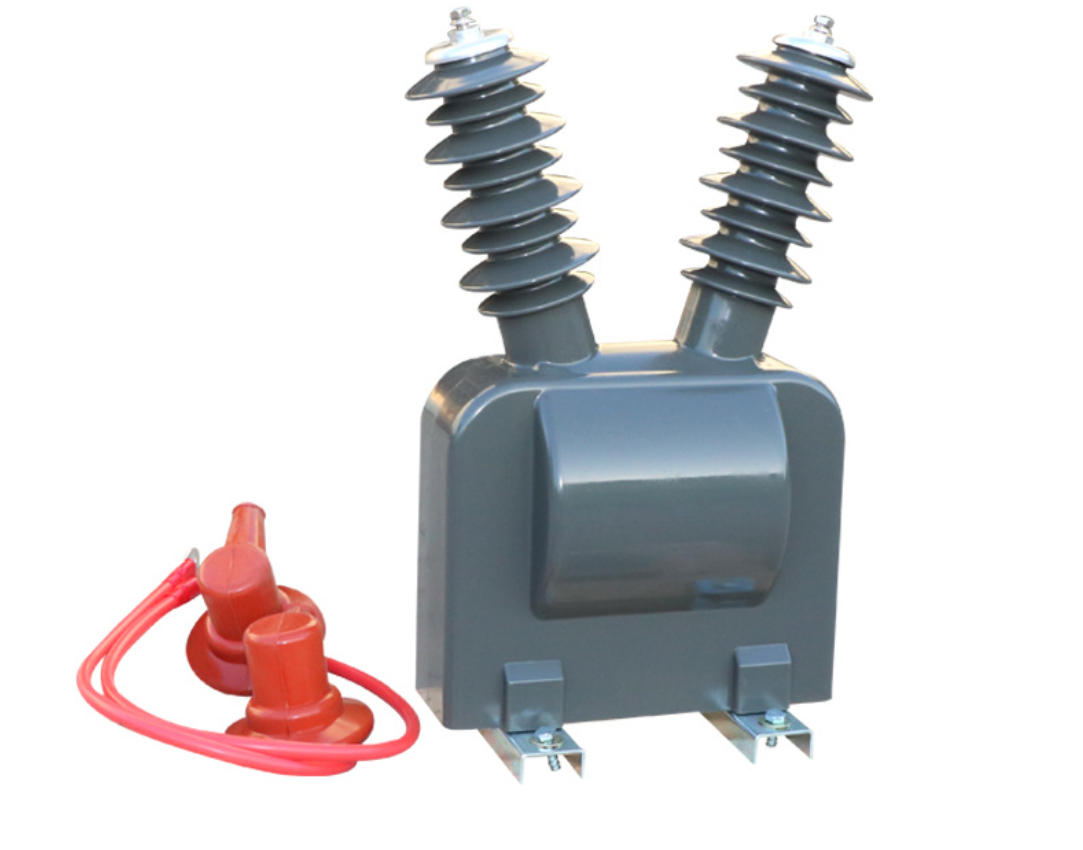
Electromagnetic Potential Transformer
In simple terms, it converts dangerous primary voltage into a proportional low-voltage signal that instruments and relays can use reliably. That is why it is often described as a voltage transformer for metering and protection.
Why Potential Transformers Matter in Power Systems
High voltage cannot be connected directly to ordinary meters, relays, analyzers, or control equipment. Doing so would be unsafe, impractical, and destructive to low-voltage instruments.
A PT transformer in power systems solves this by providing isolation and scaling. It allows engineers to accurately observe system voltage without exposing personnel or devices to the full primary voltage.
This matters in distribution networks, substations, industrial plants, and transmission systems. Without PTs, modern power measurement and protection would be far more complex and dangerous.
Potential Transformer vs Voltage Transformer: Are They the Same?
Yes, in most engineering and utility contexts, potential transformer and voltage transformer mean the same thing. Both terms refer to a transformer used to step down voltage for measurement and protective functions.
The term voltage transformer for metering is especially common in standards, procurement documents, and utility practice. The term potential transformer remains widely used in education, field work, and substation design.
Is a Potential Transformer an Instrument Transformer?
Absolutely. A potential transformer instrument transformer belongs to the instrument transformer family.
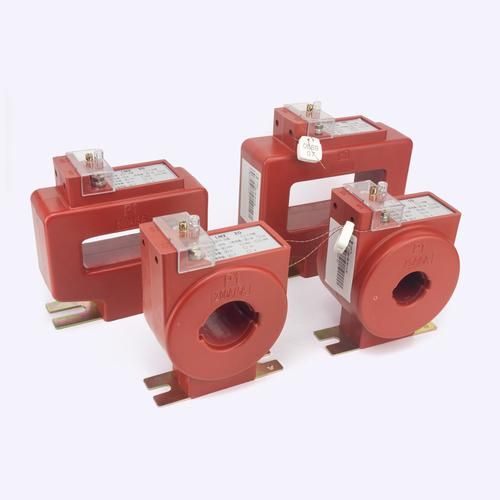
The same family also includes the current transformer, or CT. The PT handles voltage measurement, while the CT handles current measurement.
Together, they provide the scaled electrical quantities needed by meters, relays, recorders, and automation systems.
How a PT Transformer in Power Systems Works
A PT transformer in power systems works on the principle of electromagnetic induction. The primary winding is connected to the high-voltage system, and the secondary winding produces a lower voltage that is proportional to the primary value.
For example, a PT may reduce 11 kV or 33 kV to a standard secondary such as 110 V or 63.5 V. This lets connected devices read voltage safely and consistently.
In an electromagnetic potential transformer, the ratio depends on the transformer winding design. In a capacitor voltage transformer CVT, a capacitor divider is used along with an electromagnetic unit for further transformation and measurement.
Main Types of Potential Transformers
Potential transformers are classified by construction and installation environment. The most common categories used in electrical networks are listed below.
Electromagnetic Potential Transformer
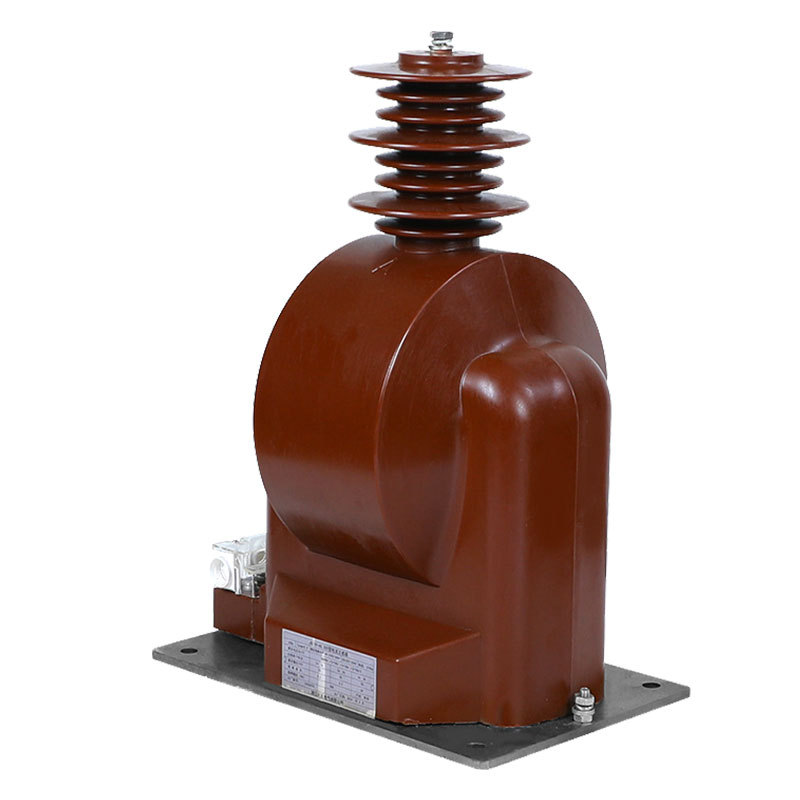
An electromagnetic potential transformer is the conventional wound transformer type. It is widely used in medium-voltage and many high-voltage applications where high accuracy and reliable isolation are required.
It is common in switchgear, industrial systems, and distribution substations. This design is often preferred where precise metering and straightforward relay inputs are needed.
Capacitor Voltage Transformer (CVT)
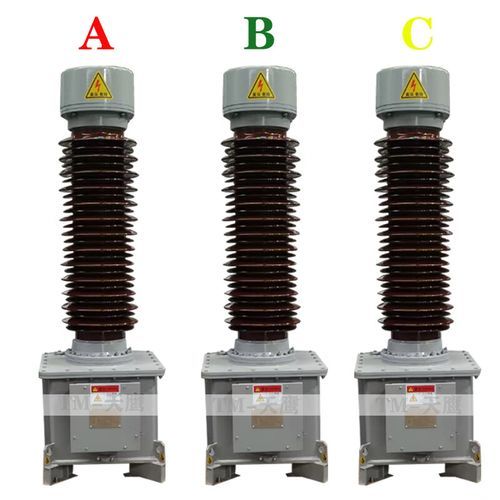
A capacitor voltage transformer CVT is used mainly in high-voltage and extra-high-voltage transmission systems. It uses a capacitor divider and an electromagnetic intermediate stage to produce a measurable low-voltage output.
CVTs are often selected because they can be more economical at very high voltages. They may also support carrier communication functions in transmission networks.
Indoor Potential Transformer
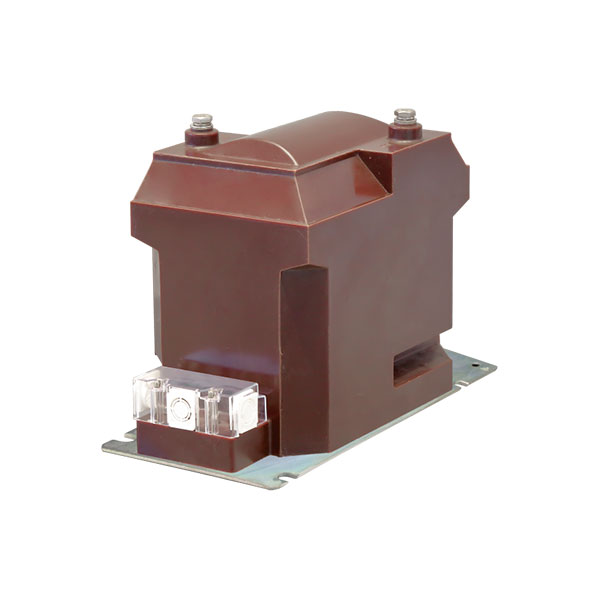
An indoor PT is designed for controlled environments such as switchgear rooms, panels, and indoor substations. These units are common in industrial plants, commercial facilities, and metal-enclosed switchgear.
Indoor designs usually prioritize compact size, clean installation, and compatibility with enclosed equipment.
Outdoor Potential Transformer
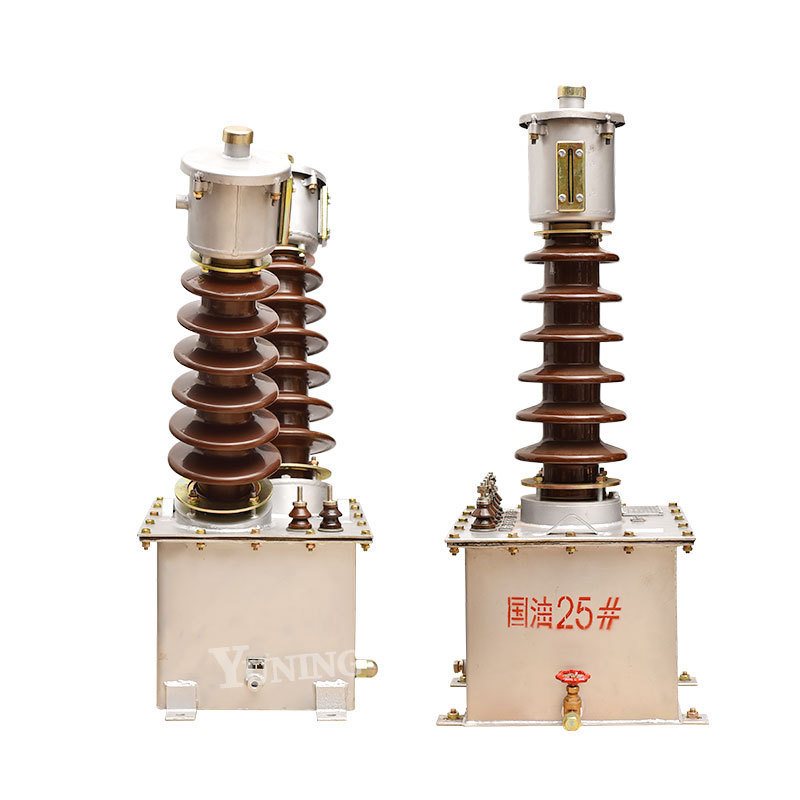
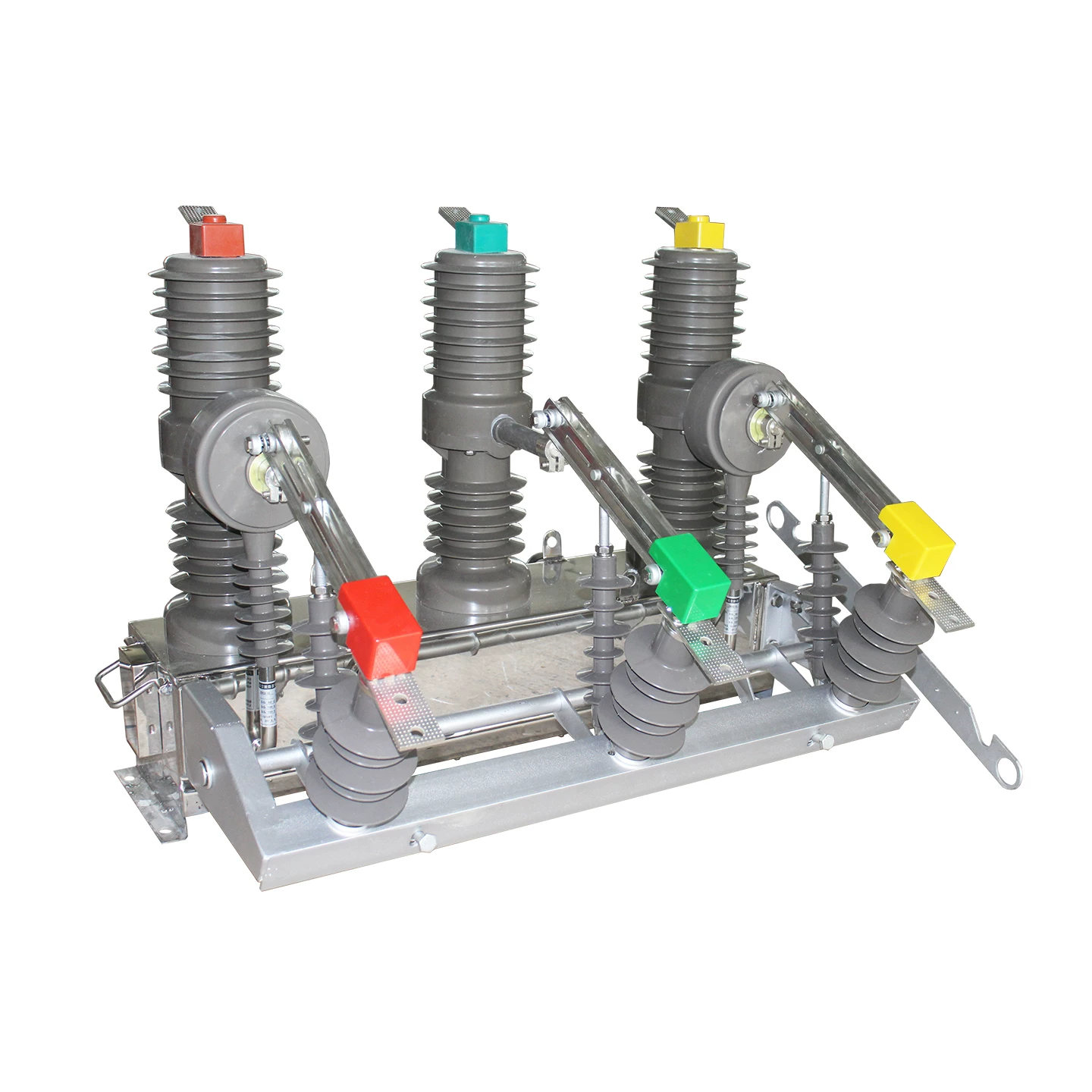
An outdoor PT is built for utility substations and exposed installations. It is designed to withstand weather, contamination, UV exposure, and wider temperature variation.
These units typically have stronger external insulation and enclosure systems. They are standard in transmission and distribution yards.
Potential Transformer Applications in Metering and Protection
Potential transformers are used anywhere system voltage must be measured safely and accurately. Their role is central in both metering and protective relaying.
Revenue Metering
Utilities use PTs so revenue meters can read a safe, standardized voltage rather than the full network voltage. This is critical for accurate billing on feeders, substations, and large industrial customer connections.
In many installations, PTs and CTs operate together as the measurement interface between the power system and the utility meter.
Protective Relays
Protective relays depend on PT outputs to detect under-voltage, over-voltage, frequency-related events, directional faults, and synchronization issues. If relay voltage inputs are wrong, the protection decision can also be wrong.
That makes PT accuracy and reliability essential to fault response and power system stability.
Synchronizing and Monitoring
PTs are also used for synchronizing generators and feeders, comparing phase relationships, and monitoring system health. They support SCADA data acquisition, disturbance recording, and power quality analysis.
Without PTs, operators would lack a safe and standardized voltage reference.
Key Characteristics of a Potential Transformer
Engineers usually evaluate PTs by a small group of critical characteristics. These values determine whether the transformer is suitable for metering, protection, or both.
Accuracy Class
Accuracy class defines how closely the PT output matches the true scaled voltage under specified conditions. Metering applications require high precision, while protection applications focus on dependable behavior during system disturbances.
Common classes vary by standard and application. Selection must always match the actual use case.
Rated Primary and Secondary Voltage
The primary voltage is the system voltage the PT is designed to measure. The secondary voltage is the standardized lower output supplied to the instrument circuit.
Common secondary values include 110 V and 63.5 V. The exact choice depends on system configuration and standard practice.
Burden
Burden is the load connected to the PT secondary, usually expressed in volt-amperes. It includes meters, relays, transducers, wiring, and other connected devices.
If burden exceeds the rated limit, the PT may no longer maintain its specified accuracy.
Insulation Level
The insulation level determines the PT's ability to withstand system voltage and transient overvoltages safely. This is especially important in medium-voltage and high-voltage environments.
Proper insulation design protects both equipment and people.
Potential Transformer vs Current Transformer
A potential transformer measures voltage. A current transformer measures current.
The PT is connected across the line to provide a proportional low-voltage output. The CT is connected in series to provide a proportional low-current output, commonly 1 A or 5 A.
Both are instrument transformers, but they do different jobs. Confusing them is one of the most common beginner mistakes in power engineering.
Potential Transformer Types and Typical Use Cases
| PT Type | Typical Voltage Range | Typical Accuracy Strength | Typical Use Case | Notes |
|---|---|---|---|---|
| Electromagnetic Potential Transformer | Low to high voltage, commonly distribution and subtransmission levels | High accuracy for metering and protection | Switchgear, substations, industrial systems | Conventional wound design with galvanic isolation |
| Capacitor Voltage Transformer CVT | High voltage and extra-high voltage, often 132 kV and above | Good for transmission metering and protection | Transmission substations and line bays | Economical at higher voltages and may support carrier communication |
| Indoor Potential Transformer | Commonly low to medium voltage installations | Depends on class and burden | Panels, indoor switchgear, factory substations | Designed for controlled environments |
| Outdoor Potential Transformer | Medium to high voltage utility yards | Depends on class and service conditions | Outdoor substations, utility feeders | Weather-resistant construction for exposed service |
Common Secondary Voltages, Accuracy Classes, and Applications
| Common Secondary Voltage | Typical Use | Metering Accuracy Class | Protection Accuracy Class | Common Application |
|---|---|---|---|---|
| 110 V | General metering and relay circuits | 0.1, 0.2, 0.5 | 3P, 6P | Substations, switchgear, industrial monitoring |
| 63.5 V | Phase-to-neutral derived applications | 0.2, 0.5 | 3P, 6P | Three-phase PT arrangements and protective relays |
| 100 V | Regional standard in some systems | 0.2, 0.5 | 3P | Utility and industrial metering circuits |
| 115 V | System-specific control and measurement schemes | 0.3, 0.5 | 3P, 6P | Legacy and region-specific installations |
Real-World Examples of Potential Transformers in Use
Potential transformers are not theoretical devices. They are built into the everyday infrastructure of power delivery, industrial operations, and utility revenue systems.
Substation Metering Example
In a distribution substation, a PT may step down 11 kV or 33 kV to 110 V for a metering panel. That scaled voltage is then combined with CT inputs so a revenue meter can calculate energy usage accurately.
This arrangement is common in utility substations and large commercial or industrial incoming supplies.
Transmission Grid CVT Example
On a 132 kV transmission system, a capacitor voltage transformer CVT is often chosen for economic and technical reasons. It provides voltage signals for relays, disturbance recorders, and meters while also supporting communication coupling where required.
This is one reason CVTs are common in transmission line bays and extra-high-voltage substations.
Industrial Power Distribution Example
In a factory with its own medium-voltage distribution network, PTs feed protection relays, digital meters, and power quality analyzers. Engineers use this information to monitor voltage stability, detect abnormal events, and manage energy performance.
Industries such as mining, petrochemicals, steel, water treatment, and data centers rely on this measurement chain daily.
Proof and Practical Data on Why PTs Are Essential
The value of potential transformers is easy to prove. They improve safety, create standardized measurement interfaces, and support precision in both billing and protection.
Typical Secondary Voltage Standards
Common secondary values such as 110 V and 63.5 V are used because instruments and relays need standardized inputs. Standardization simplifies design, testing, replacement, and interoperability.
This is one reason PTs are foundational in utility engineering practice across the world.
Accuracy Impact on Billing and Relay Performance
Even a small voltage ratio error can have real consequences. In revenue metering, a minor percentage error applied continuously over large energy volumes can translate into significant billing differences over time.
In protection, inaccurate voltage inputs can affect directional logic, synchronism checks, under-voltage functions, and event interpretation. That is why the correct accuracy class is never a minor detail.
Why High-Voltage Systems Need Isolation
An electromagnetic potential transformer provides galvanic isolation between the high-voltage primary system and the low-voltage secondary circuit. This reduces danger to personnel and protects connected instruments from direct exposure to system voltage.
Isolation also improves maintainability and allows standard low-voltage equipment to be used in high-voltage environments.
How to Choose the Right Potential Transformer
Selecting the right PT requires matching the transformer to the actual electrical duty. The best choice depends on voltage level, application, installation environment, and accuracy requirements.
Choose by System Voltage
Start with the system voltage and insulation requirement. Distribution and industrial systems often use conventional electromagnetic PTs, while transmission systems may favor CVTs at higher voltage levels.
Voltage rating must always align with the real operating and insulation conditions of the network.
Choose by Metering or Protection Need
For revenue metering, prioritize high metering accuracy and stable burden performance. For protective relays, use a PT class intended for protection behavior and fault-related operating conditions.
Some installations require separate metering and protection windings to satisfy both needs properly.
Choose by Indoor vs Outdoor Installation
Indoor installations usually favor compact designs compatible with switchgear or panel mounting. Outdoor installations require weather resistance, stronger external insulation, and material durability.
Environmental exposure should never be treated as an afterthought.
Choose Between an Electromagnetic PT and a CVT
Choose an electromagnetic potential transformer where conventional wound construction, strong isolation, and high measurement confidence are preferred. Choose a capacitor voltage transformer CVT where voltage level, economics, and communication integration make it the better fit.
At very high transmission voltages, CVTs often become the practical choice.
Common Mistakes When Using Potential Transformers
Many PT problems come from selection errors, not manufacturing defects. Avoiding a few common mistakes can greatly improve performance and reliability.
Confusing PTs with Power Transformers
A PT is not used for bulk power transfer. It is a precision measurement device designed to feed instruments and relays with a proportional low-voltage signal.
Using the wrong transformer concept leads to wrong expectations and wrong specifications.
Ignoring Burden Limits
If too many devices are connected to the PT secondary, the burden may exceed the rated value. That can reduce accuracy and compromise metering or relay performance.
Always calculate the total connected load, including cable losses where relevant.
Using the Wrong Accuracy Class
A metering-grade application should not be assigned a protection-focused class by default, and vice versa. The wrong class can undermine billing confidence or relay performance.
Selection should follow the actual function, not just availability or price.
Featured Snippet Summary: Potential Transformers Are What Type of Transformer?
A potential transformer is an instrument transformer that steps down high voltage to a safe, proportional, standardized low voltage for metering, monitoring, and protection. It is also commonly called a voltage transformer.
FAQ
What type of transformer is a potential transformer?
A potential transformer is an instrument transformer designed to reduce high voltage to a proportional low voltage for measurement, metering, and relay use.
Is a potential transformer the same as a voltage transformer?
Yes. In most practical electrical engineering contexts, the terms potential transformer and voltage transformer are used interchangeably.
What is the difference between a potential transformer and a current transformer?
A PT measures voltage, while a CT measures current. Both are instrument transformers, but they scale different electrical quantities for instruments and protective devices.
Where are potential transformers used?
Potential transformers are used in substations, transmission lines, switchgear, industrial plants, utility metering systems, and power monitoring installations.
What is an electromagnetic potential transformer?
An electromagnetic potential transformer is a conventional wound transformer that uses electromagnetic induction to step down voltage for accurate measurement and protection applications.
What is a capacitor voltage transformer CVT?
A capacitor voltage transformer CVT is a PT type used mainly on high-voltage systems. It is commonly applied for metering, protection, and sometimes communication coupling on transmission networks.
Why is a potential transformer called an instrument transformer?
It is called an instrument transformer because it feeds instruments and relays with scaled, isolated electrical quantities that are safe and standardized for measurement and control.
What secondary voltage does a potential transformer provide?
Common PT secondary outputs include 110 V, 63.5 V, 100 V, and other system-specific standardized values depending on the application and regional practice.
Need Help Choosing the Right Potential Transformer?
If you are specifying a PT for a substation, industrial plant, or transmission project, do not rely on assumptions. Compare electromagnetic potential transformer and capacitor voltage transformer CVT options, verify the system voltage, confirm the burden, and match the accuracy class to the real metering or protection duty.
Review your voltage requirements carefully and consult a qualified electrical specialist before final selection. The right potential transformer protects revenue, improves relay performance, and strengthens overall power system reliability.