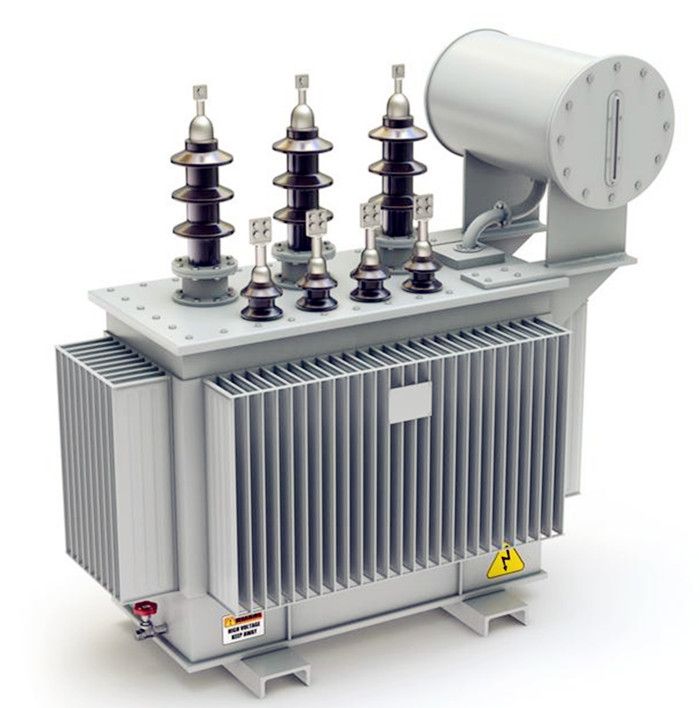
A transformer conservator tank, also called an oil conservator or oil-immersed transformer expansion tank, is mounted above an oil-immersed transformer to absorb oil volume changes caused by temperature, isolate oil from air, and prevent moisture contamination and oxidation. In practical terms, it is one of the most important accessories in an oil-filled transformer because it directly affects insulation life, maintenance frequency, and failure risk.
If you finish this article, you will know how to choose a transformer with a conservator tank, how to screen reliable suppliers, and how to avoid the most common purchasing and maintenance mistakes that cost buyers money later.
What Is a Transformer Conservator?
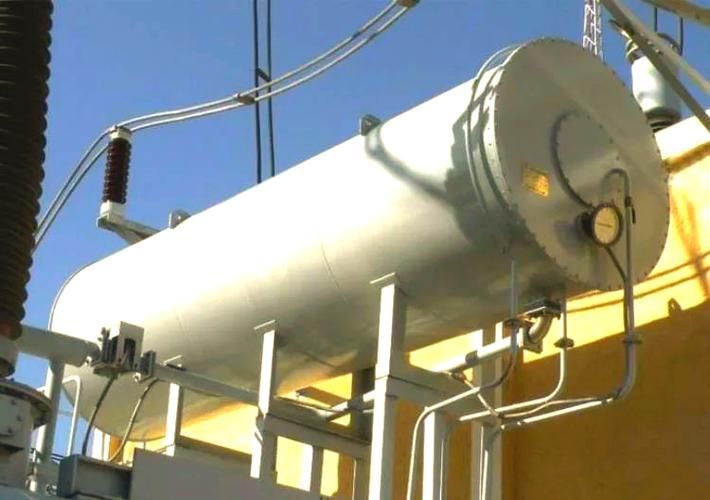
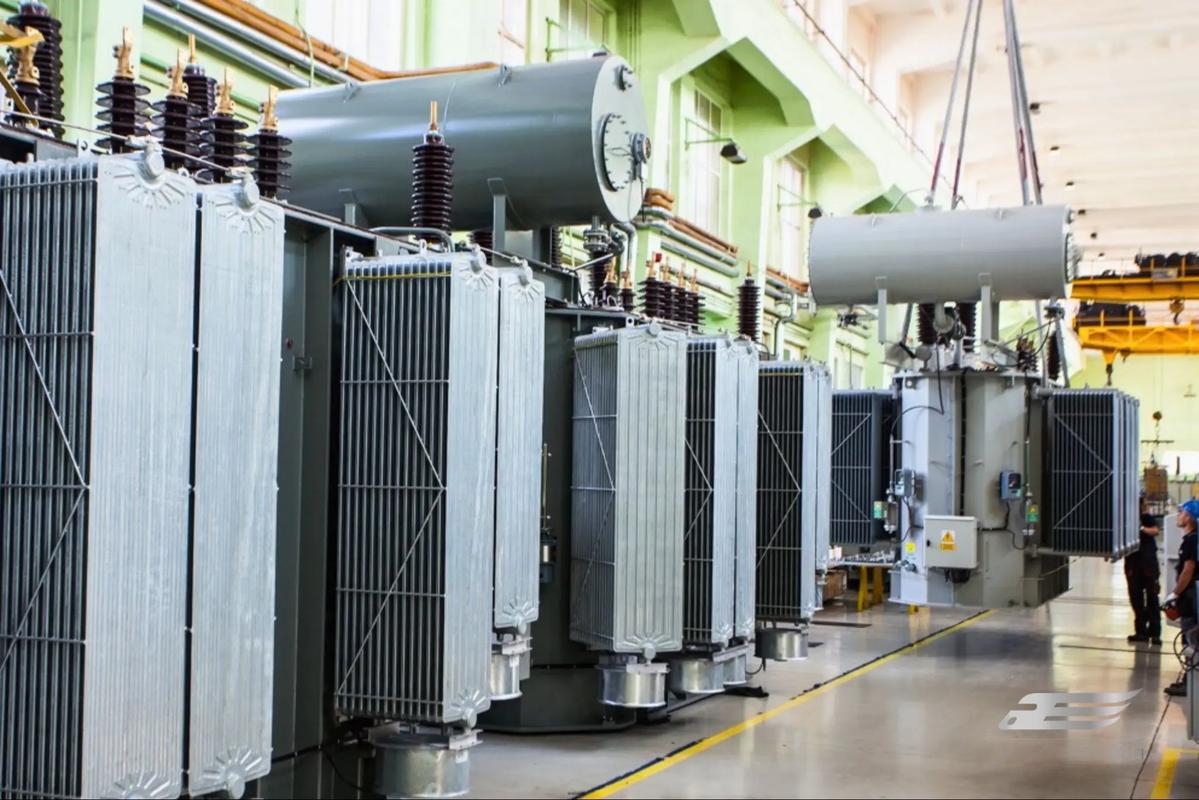
A transformer conservator tank is an external oil reservoir installed above the main tank of an oil-immersed transformer. Its primary job is to accommodate oil expansion and contraction as operating temperature changes.
It is also a key part of the power transformer oil preservation system. By reducing direct contact between insulating oil and humid ambient air, it helps maintain dielectric strength and slows oxidation.
Why This Matters in Real Projects
In real projects, the conservator is not a minor accessory. It affects oil condition, maintenance workload, alarm frequency, and transformer service life.
Buyers often focus on kVA, voltage, and price, but many field failures begin with ignored details in the conservator system: poor bladder quality, undersized breather, inaccurate oil level indication, or transport damage.
For utilities, factories, solar plants, and mines, these issues can lead to unplanned outages, emergency oil treatment, or early insulation aging.
The Core Problem a Conservator Solves
Transformer oil expands when hot and contracts when cool. Without a proper transformer oil level maintenance system, this breathing action pulls moist air into the transformer.
That moisture does not just affect oil. It also attacks paper insulation, and paper aging is the real life-limiting factor in many transformers.
In short, the conservator solves three business-critical problems:
Volume compensation during thermal cycling
Reduced oxygen exposure for insulating oil
Lower moisture ingress into the insulation system
How a Transformer Conservator Works
As transformer load and ambient temperature rise, the oil expands and moves upward into the conservator. As the transformer cools, oil contracts and returns to the main tank.
In a free-breathing design, the air space above the oil exchanges with the atmosphere through the transformer breather and silica gel. In bladder or diaphragm designs, the oil is separated from the incoming air by a flexible barrier, which improves preservation.
The result is a more stable oil-immersed transformer expansion tank system during daily and seasonal thermal cycling.
Main Components of a Transformer Conservator System
Conservator tank: provides expansion volume for oil
Oil level gauge: indicates oil level relative to temperature
Connecting pipe: links conservator to main transformer tank
Buchholz relay: detects gas accumulation and oil surge in fault conditions
Bladder or diaphragm: separates oil from atmospheric air in protected designs
Breather assembly: dries incoming air using silica gel
In procurement, these are not just component names. Each one should be checked for material quality, accessibility, and serviceability.
Transformer Conservator vs Sealed Transformer
Conservator-type and hermetically sealed transformers solve the same thermal expansion problem differently. The best choice depends on transformer size, service model, climate, and maintenance capability.
Conservator-type units are common in medium and large power ratings because they are easier to inspect and maintain over long life cycles. Sealed transformers can reduce routine breathing-related maintenance, especially in compact distribution applications.
Key Benefits of a Transformer Conservator Tank
Better transformer oil level maintenance
Reduced oxidation of insulating oil
Lower moisture ingress risk
Longer insulation service life
Easier visual inspection and troubleshooting
Strong suitability for medium and large power transformers
For asset owners, these benefits mean lower total cost of ownership, not just better technical performance.
Common Conservator Types Used in Oil-Immersed Transformers
Free-Breathing Type
The simplest structure. Oil surface contacts air indirectly through the breather path.
It is lower cost, but oil preservation is weaker in humid or highly variable climates.
Bladder Type
A rubber bladder separates oil from air. This is one of the most widely preferred options for modern installations.
It generally provides better moisture protection, but bladder material quality is critical. Cheap rubber ages fast, cracks early, and creates hidden failure risk.
Diaphragm Type
Uses a flexible diaphragm instead of a full bladder. It can be effective, but replacement and inspection practices vary by manufacturer.
Metal Bellows Type
Uses a metallic expansion element. This design reduces direct air-oil interaction and can offer excellent preservation, but it is usually more specialized and higher cost.
Where Conservators Are Used
Utility substations
Solar and wind plant step-up transformers
Industrial distribution systems
Mining projects
Data center power infrastructure
Rural electrification and grid extension projects
In these environments, the conservator design affects maintenance planning differently. A desert solar site worries about heat cycling and dust. A coastal substation worries about humidity and corrosion. A mine worries about vibration and difficult service access.
Real-World Failure Risks If the Conservator Is Poorly Designed
Wet silica gel due to undersized or poorly sealed breather
Cracked bladder causing hidden moisture ingress
False oil level readings from a stuck gauge or bad calibration
Oil leaks at flanges, gaskets, and gauge fittings
Sludge formation from oxidation and contamination
Accelerated paper insulation degradation from moisture exposure
One field reality many buyers miss: the conservator can look fine from the ground while the internal bladder has already failed. By the time oil tests confirm the problem, moisture damage may already be underway.
Real-World Data Table: Conservator Function, Risk, and Site Impact
| Conservator Function | Common Failure Mode | Maintenance Symptom | Operational Consequence |
|---|---|---|---|
| Absorb oil expansion | Undersized conservator volume | Abnormal oil level movement at peak temperature | Pressure stress, leakage, unstable operation |
| Preserve oil from moisture | Bladder crack or diaphragm failure | Rising oil moisture, faster silica gel color change | Reduced dielectric strength, insulation aging |
| Vent through dry air path | Breather blockage or wrong sizing | Wet silica gel, pressure irregularities | Moisture ingress and breathing inefficiency |
| Show oil level | Gauge sticking or wrong temperature calibration | Mismatch between sight reading and actual oil condition | Wrong refill decisions, missed low-oil alarm risk |
| Connect to fault detection | Buchholz relay piping issue | Nuisance alarm or no alarm | Faults not detected early |
| Maintain oil tightness | Gasket aging or flange distortion | Oil stains, drip marks, dust accumulation on leak points | Oil loss, contamination, fire and housekeeping risk |
Example Table: Conservator-Type Transformer vs Sealed Transformer
| Criteria | Conservator-Type Transformer | Sealed Transformer |
|---|---|---|
| Oil preservation method | Expansion tank with breather, bladder, or diaphragm | Hermetically sealed tank |
| Maintenance frequency | Moderate, with visible checks on breather and oil level | Lower routine breathing maintenance |
| Moisture protection | Good to very good depending on design | Very good if sealing remains intact |
| CAPEX | Often competitive in medium and large ratings | Can be lower in smaller distribution sizes |
| OPEX | May require periodic breather and accessory service | Lower routine attention, but sealing defects can be harder to detect |
| Best environment | Substations, industry, utility-scale applications | Compact sites, smaller distribution networks |
| Inspection convenience | High visual observability | Less direct indication of breathing-related issues |
How to Choose a Transformer With a Conservator Tank
Start with the operating environment, not just the nameplate. A transformer that works well inland may perform poorly in a humid coast, hot desert, or high-altitude site if the conservator system is not adapted.
Temperature range: confirm conservator volume and gauge calibration for site extremes
Transformer rating: larger units need more robust preservation design
Oil preservation design: choose free-breathing, bladder, diaphragm, or bellows based on risk tolerance
Altitude: verify breather and pressure-related design suitability
Humidity: prefer stronger moisture isolation in wet climates
Maintenance access: make sure gauge, breather, and inspection points are easy to reach
Supplier documentation quality: insist on drawings, test reports, and material declarations
For many commercial buyers, a bladder-type conservator is the most balanced option for lifecycle reliability. But only if the bladder material, flange sealing, and assembly quality are proven.
Buyer Checklist for Selecting a Reliable Conservator-Type Transformer
1. Check the conservator tank material and corrosion protection system.
2. Ask for the bladder or diaphragm material specification and service life expectation.
3. Verify breather sizing for transformer oil expansion volume and local humidity.
4. Confirm the oil level gauge is clear, durable, and readable from normal inspection position.
5. Review routine test reports, leak test records, and oil tightness checks.
6. Confirm whether the design includes Buchholz relay compatibility and correct piping layout.
7. Ask about spare-parts availability for gaskets, breathers, gauges, and bladders.
8. Check transport method and anti-vibration protection for the conservator assembly.
9. Ask for site reference projects in similar temperature and humidity conditions.
10. Evaluate after-sales response time in writing, not just verbally.
Supplier Evaluation Table: How to Find a Reliable Manufacturer
| Evaluation Factor | What Good Looks Like | Warning Sign |
|---|---|---|
| Factory testing capability | Routine tests, leak tests, pressure checks, documented records | Only generic certificates, no unit-specific evidence |
| Standards compliance | Clear IEC/IEEE or project-standard alignment | Vague claims without document traceability |
| After-sales support | Named service contact, spare list, technical response process | No clear post-sale responsibility |
| Lead time control | Realistic production schedule and milestone updates | Overpromised delivery without engineering confirmation |
| Project references | References in similar climate and application | Only unrelated or unverifiable projects |
| Response speed | Fast answers with drawings and technical detail | Slow replies, copied sales language, no engineering depth |
Standards and Tests You Should Ask For
For the power transformer oil preservation system, buyers should ask for evidence, not assumptions.
Routine electrical tests for the complete transformer
Leak tests for the conservator and connected piping
Pressure or vacuum-related integrity checks where applicable
Oil tightness verification on welds, flanges, and accessory joints
Material verification for bladder, diaphragm, seals, and coatings
Calibration or inspection records for oil level indication devices
Ask suppliers to identify which tests are standard, which are optional, and which are performed on every shipped unit.
On-Site Details Most Articles Miss
These are the details experienced technicians notice immediately, but many online articles ignore:
Uneven conservator mounting can distort oil level readings and stress pipe connections.
Clogged breather paths can happen from dust, insect nests, paint overspray, or poor maintenance covers.
Faded level indicators become unreadable after years of UV exposure, especially on outdoor units.
Silica gel color lag can mislead crews; the top layer may still look active while the lower path is already saturated.
Transport vibration damage may loosen fittings or create hairline cracks not visible at commissioning.
Incorrect oil level reading at different ambient temperatures is one of the most common causes of unnecessary top-up or false alarm concern.
A particularly easy-to-miss field issue is this: operators sometimes judge oil level without checking whether the transformer is cold, loaded, or recently shut down. That can create a false diagnosis.
Maintenance Best Practices for Transformer Oil Level Maintenance
Inspect oil level regularly and compare it with ambient temperature conditions.
Check silica gel condition and replace or regenerate it before full saturation.
Look for gasket leakage around flanges, gauge windows, and breather joints.
Verify bladder integrity during major maintenance or when oil moisture trends worsen.
Monitor seasonal oil level fluctuation so normal thermal movement is not mistaken for a fault.
On higher-value units, trend data matters more than one isolated inspection. A slowly worsening pattern usually tells more than a single visual reading.
Community Insights and Real User Discussions About Conservator-Type Transformers
Across technical forums, operator groups, maintenance communities, and engineer discussion threads, several recurring themes appear repeatedly in real-world conversations.
Oil leakage after transport: users often report that units passed factory checks but developed seepage at conservator flanges or gauge fittings after road vibration.
Confusion over “normal” oil level movement: many operators ask whether a rising or falling level is a fault, when in reality load and ambient temperature explain most daily changes.
Silica gel replacement intervals: field crews debate calendar-based replacement versus condition-based replacement, with many preferring visual condition plus humidity context.
Bladder life uncertainty: users commonly say the stated service life from suppliers is optimistic unless installation quality and climate are controlled.
Supplier after-sales responsiveness: buyers frequently complain less about the transformer itself and more about slow support when a minor conservator issue appears.
A notable user-side judgment from field discussions is that small accessory quality often predicts overall supplier discipline. When the breather, gauge, or gasket hardware feels cheap, larger hidden quality concerns often follow.
Another hard-to-guess detail from practical maintenance discussions: technicians sometimes find silica gel apparently “good” in color but the breather oil seal or lower pathway contaminated, meaning the drying path is no longer working as intended.
Field Examples and Practical Lessons
Utility Substation Example
A medium power transformer in a humid region showed rising oil moisture within the first year. Root cause was a damaged bladder seam, not a major tank defect.
The lesson: a good-looking main tank does not guarantee a healthy preservation system.
Factory Distribution Example
An industrial plant repeatedly topped up oil because the gauge appeared low every morning. Later review showed the reading was being taken at cold start, before oil temperature stabilized.
The lesson: incorrect reading practice can create unnecessary intervention and contamination risk.
Solar Plant Example
At a high-temperature solar site, breathers saturated faster than expected because daily thermal cycling was more aggressive than estimated.
The lesson: breather sizing and maintenance interval must match real operating cycles, not just nameplate assumptions.

Featured Snippet Answer: What Does a Transformer Conservator Do?
A transformer conservator stores expanding insulating oil, helps keep the transformer oil level stable, and reduces oil exposure to moisture and oxygen. This protects oil quality and supports longer insulation life in oil-immersed transformers.
Featured Snippet Answer: Why Is a Conservator Tank Installed Above a Transformer?
A conservator tank is installed above a transformer so oil can move naturally by gravity as it expands and contracts with temperature. This elevated position also makes oil level indication easier and supports stable operation of the oil preservation system.
Featured Snippet Answer: What Is the Difference Between a Conservator and a Breather?
The conservator handles oil expansion volume, while the transformer breather and silica gel manage the air entering the system. In simple terms, the conservator stores moving oil volume and the breather dries incoming air to reduce moisture contamination.
FAQ
What is a transformer conservator tank?
A transformer conservator tank is an oil reservoir mounted above an oil-immersed transformer. It absorbs oil volume changes caused by temperature, helps preserve insulating oil, and reduces exposure to air and moisture.
Why is a conservator used in an oil-immersed transformer?
A conservator is used to manage thermal expansion and contraction of oil, preserve oil quality, and protect the insulation system from moisture and oxidation. This lowers aging risk and supports longer transformer life.
What is the difference between a conservator tank and an oil-immersed transformer expansion tank?
In many practical contexts, they refer to the same functional concept. Both describe the tank used to accommodate oil expansion in an oil-filled transformer.
How do a transformer breather and silica gel work with the conservator?
When oil contracts, air needs to enter the system. The breather routes that air through silica gel, which removes moisture before the air reaches the conservator side of the system.
How do you read transformer oil level correctly?
Read the oil level with attention to ambient temperature and operating condition. A level that looks low when the transformer is cold may be normal, so operators should use the gauge correctly and follow the manufacturer’s reference markings and site procedure.
What are signs of conservator problems?
Common signs include oil leaks, abnormal oil level swings, wet or quickly saturating silica gel, sludge formation, gauge inconsistency, and Buchholz or related alarms. These symptoms should be investigated early.
Which is better: conservator type or sealed transformer?
The better choice depends on transformer size, application, maintenance model, and environment. Conservator-type units are often preferred for medium and large transformers, while sealed designs can be attractive for smaller or lower-maintenance distribution applications.
How often should a conservator system be inspected?
Monthly visual checks are a practical baseline for many sites. More detailed maintenance should be scheduled periodically based on duty cycle, climate, transformer criticality, and the manufacturer’s recommendations.
What should buyers ask suppliers before ordering?
Buyers should ask about conservator design type, standards compliance, routine and leak test reports, bladder material, spare-parts support, and written after-sales service commitment. These points reveal whether the supplier is technically reliable.
Can a poor-quality conservator shorten transformer life?
Yes. A poor-quality conservator can allow moisture ingress, accelerate oil oxidation, and increase insulation aging. Over time, that can directly shorten transformer service life and increase failure risk.
Conclusion: How to Avoid Buying the Wrong Conservator-Type Transformer
The right transformer conservator tank design improves oil preservation, reduces avoidable failures, and makes long-term maintenance more predictable. The wrong one may look acceptable at delivery but create hidden moisture, leakage, and insulation-aging problems later.
Buyers should not evaluate only transformer price and rating. They should also verify preservation design, accessory quality, test evidence, climate suitability, and supplier service capability.
If a supplier can clearly explain the conservator type, provide real test documents, show similar project references, and support the unit after commissioning, your risk drops sharply.
CTA
Need help selecting the right conservator-type transformer? Request a practical checklist, compare supplier quotations side by side, or contact our team for model selection and sourcing support. A few technical checks before ordering can save years of maintenance trouble and prevent expensive mistakes.