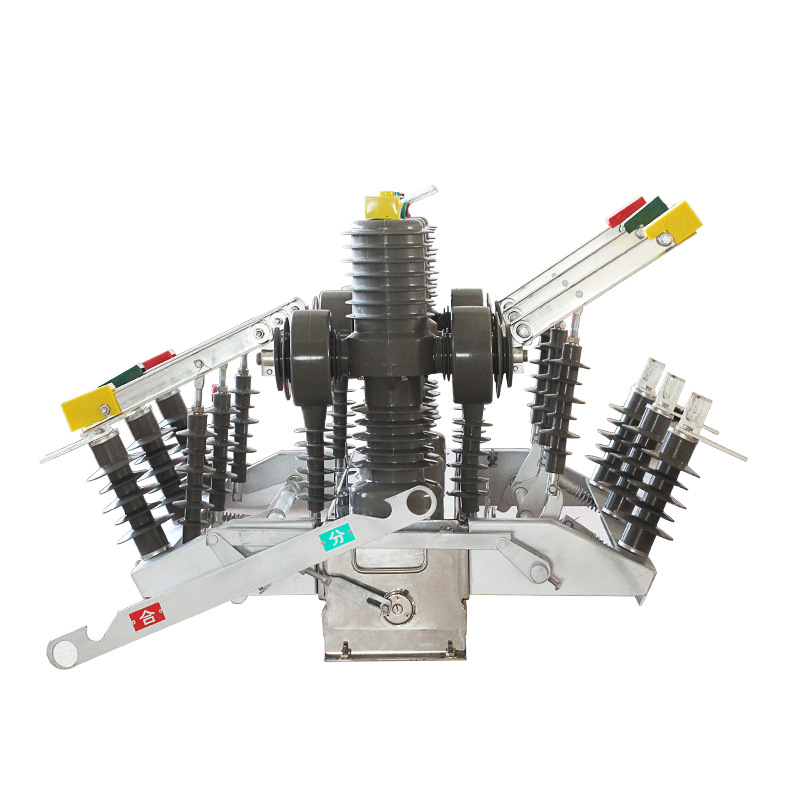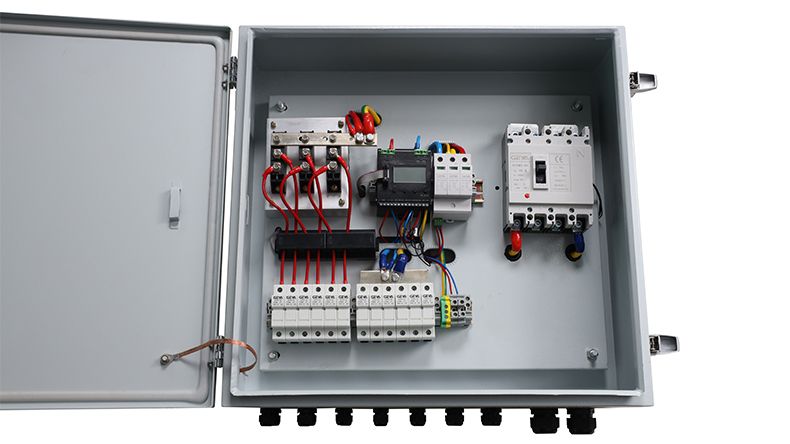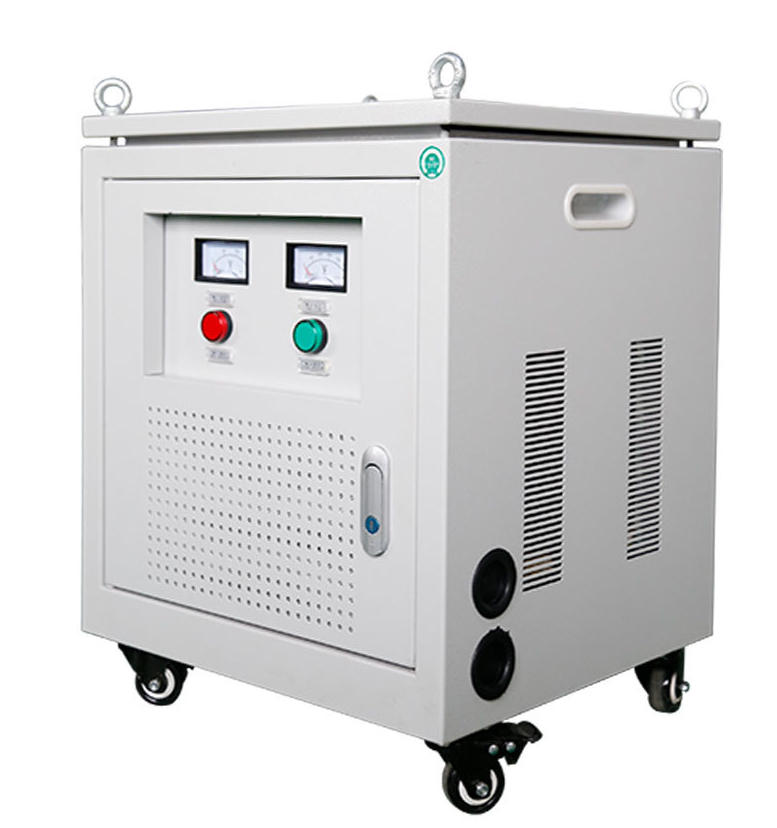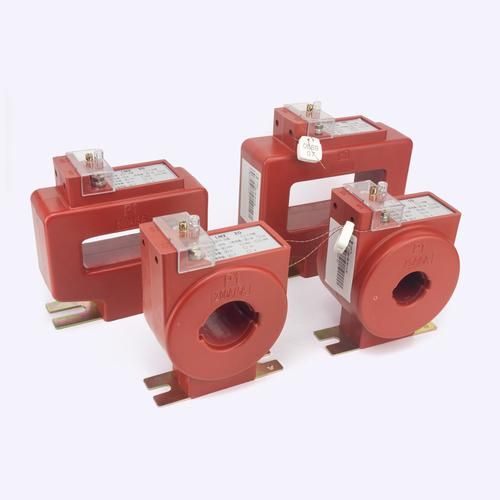
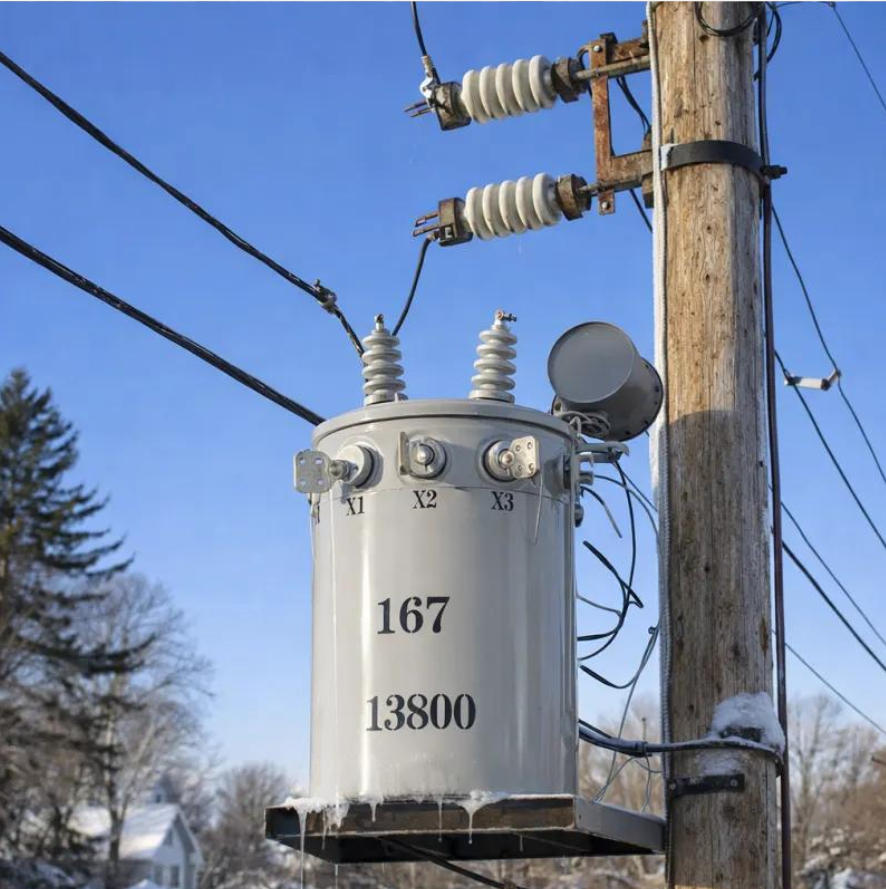
If you have ever looked up at the gray canister on a utility pole and wondered, are electric pole transformers all the same, you are asking the right question.
People also ask whether transformers on an electric pole are dangerous, whether transformers on electric poles give off heat, how electric pole transformers are fused, and how electric pole transformers work. These are not abstract questions. They matter for public safety, power reliability, equipment selection, and utility planning.
This article answers those questions in practical, field-based terms. It is written for property owners, engineers, contractors, utility buyers, and anyone who wants reliable pole transformer safety information without vague generalities.
What Is a Pole Transformer and Why Do People Ask About It?
A pole transformer, also called a pole-mounted transformer, is a distribution transformer installed on a utility pole to reduce medium distribution voltage to usable service voltage.
In simple terms, it takes power from the utility line and steps it down to the voltage used by homes, farms, shops, and small commercial loads.
People ask about pole transformers because they are visible, close to public roads, and often become a point of concern after storms, outages, buzzing sounds, smoke events, or falling branches.
They also ask because not all units are built the same. A 10 kVA residential unit serving one house is very different from a 100 kVA three-phase unit serving a small commercial cluster.
Are Electric Pole Transformers All the Same?
No. Electric pole transformers are not all the same, either electrically or mechanically.
Different utility pole transformer types are selected based on system voltage, load demand, phase requirement, insulation design, protection level, and service environment.
In North America alone, utilities commonly use distribution-class transformers on 4.16 kV, 7.2 kV, 12.47 kV, 13.2 kV, 13.8 kV, 24.9 kV, or 34.5 kV systems. Secondary outputs also vary, including 120/240 V single-phase and 208Y/120 V and 480Y/277 V three-phase configurations.
That means the answer to whether electric pole transformers are all the same is decisively no. Even units that look similar from the ground can have very different ratings, internal fuse arrangements, insulation systems, and protection features.
Common Utility Pole Transformer Types
The most common categories include the following:
Single-phase transformers: Often used for homes, farms, rural feeders, and small standalone loads.
Three-phase transformers: Used where three-phase service is required for commercial buildings, pumps, workshops, or industrial loads.
Conventional transformers: Standard units that rely on external protective devices such as cutout fuses and surge arresters.
Self-protected transformers: Units that include internal protective components, often used where coordinated protection is needed at the transformer itself.
CSP transformers (Completely Self-Protected): Typically designed with internal overload and short-circuit protection plus surge protection, depending on utility specification.
Utilities do not choose these types randomly. A densely built neighborhood, a long rural line with lightning exposure, and a coastal industrial zone all create different design requirements.
Pole Transformer Specifications That Matter
When comparing pole transformer specifications, the most important items are these:
Primary voltage: The incoming distribution voltage from the utility feeder.
Secondary voltage: The usable output voltage for customer service.
kVA rating: The amount of apparent power the transformer can supply continuously within design limits.
Phase: Single-phase or three-phase.
Impedance: Affects voltage regulation and fault current behavior.
Insulation class: Determines thermal endurance and dielectric capability.
Cooling method: Most pole units are oil-filled and rely on natural cooling.
BIL (Basic Insulation Level): Reflects impulse withstand capability against lightning and switching surges.
Tap configuration: Allows voltage adjustment to match line conditions.
Protection arrangement: External cutout, internal fuse, breaker, arrester coordination, or CSP design.
For a utility engineer, these are not just catalog details. They directly affect system reliability, customer voltage quality, fault isolation, and expected equipment life.
How Do Electric Pole Transformers Work?
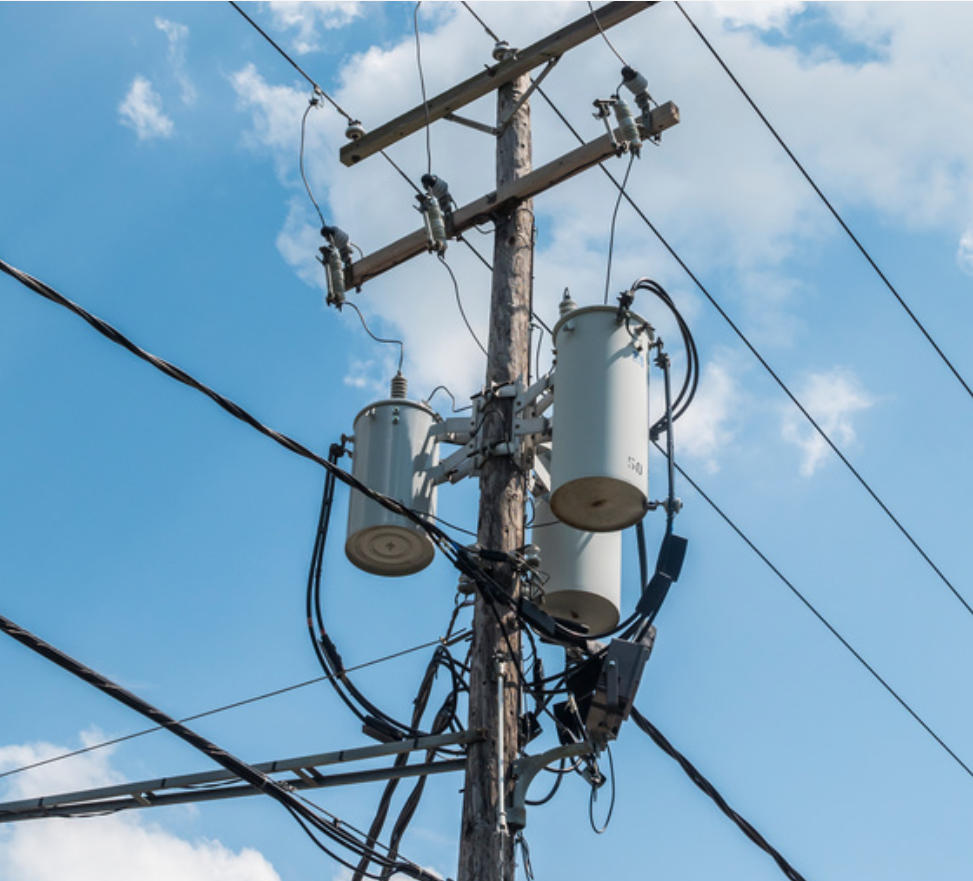
At their core, pole transformers use electromagnetic induction to convert power from one voltage level to another.
The transformer does not “create” electricity. It transfers electrical energy magnetically from the primary winding to the secondary winding through a laminated steel core.
This is how utilities can distribute power efficiently at higher voltage, where current is lower and line losses are reduced, then provide safe service voltages at the point of use.
Basic Working Principle
When alternating current flows through the primary winding, it creates a changing magnetic field in the core.
That changing magnetic field induces a voltage in the secondary winding. The ratio between the number of turns in the primary and secondary windings determines whether voltage is stepped down or stepped up.
For pole-mounted distribution service, the transformer is usually stepping voltage down.
If the primary winding has many more turns than the secondary, the output voltage becomes much lower while the current capability increases accordingly for the load side.
Typical Voltage Conversion Example
A common real-world example is a single-phase transformer connected to a 7.2 kV or 13.2 kV distribution line and delivering 120/240 V service to a residence.
In many U.S. residential areas, one transformer can serve one large home, several smaller homes, or a group of rural structures depending on load diversity and feeder design.
For example:
Primary side: 7,200 V or 13,200 V distribution voltage
Secondary side: 120/240 V split-phase service
Typical customers: Single-family homes, barns, water pumps, detached garages
This step-down arrangement is one of the most common answers to the question how do electric pole transformers work.
Are Transformers on an Electric Pole Dangerous?
Yes, they can be dangerous, but context matters.
Under normal operation, an intact pole transformer mounted correctly and maintained by the utility is generally safe for the public to be near at normal ground-level distance.
The danger rises sharply when there is equipment damage, a downed line, failed insulation, wildlife contact, storm impact, internal fault, oil leak, or visible arcing.
So if you ask are transformers on an electric pole dangerous, the accurate answer is this: normal operation is usually safe, fault conditions are potentially deadly.
Main Safety Risks Near Pole Transformers
The main hazards include:
Electrical shock: Especially from downed conductors, broken bushings, or energized hardware.
Arc flash: A fault can release intense heat, pressure, and light in a fraction of a second.
Fire risk: Oil-filled units can burn if a severe internal fault occurs.
Explosion or rupture: Rare, but possible during major internal failure or overpressure events.
Storm damage: Broken poles, tree limbs, windborne debris, and conductor clash can all create transformer-related hazards.
Utilities design systems to minimize these risks through fuses, arresters, grounding, clearances, insulation coordination, and maintenance programs.
Pole Transformer Safety Information for the Public
Good pole transformer safety information is practical, not theoretical.
Stay well away from any fallen wire, even if it looks dead.
Never touch the transformer, pole hardware, guy wire, or service drop if damage is suspected.
Report loud buzzing, popping, smoke, sparks, or oil leakage to the utility immediately.
Keep ladders, cranes, irrigation pipes, antennas, and long tools clear of overhead equipment.
After storms, assume everything is energized until the utility confirms otherwise.
If fire is present, call emergency services first and then the utility.
A useful real-world reference comes from utility public safety guidance across North America: the consistent rule is to stay back and let line crews handle it. Public injuries around pole equipment usually happen when someone approaches damaged lines or tries to “check” the problem themselves.
Do Transformers on Electric Poles Give Off Heat?
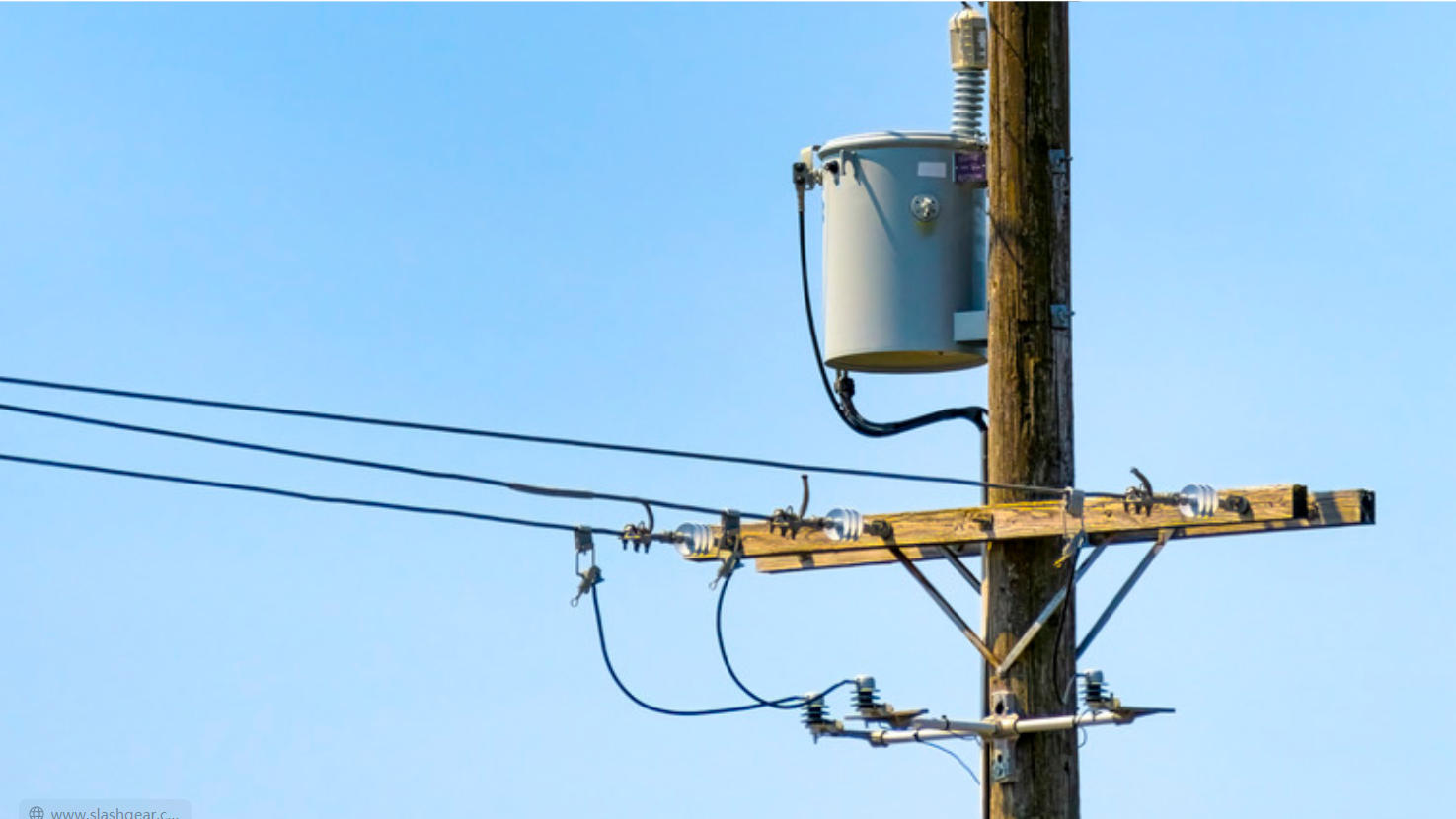
Yes. Transformers on electric poles do give off heat, and that is normal.
If there were no losses, a transformer would be perfectly cool. In real equipment, some input energy is always lost as heat in the core and windings.
So when people ask do transformers on electric poles give off heat, the technical answer is yes, because every working transformer has losses.
Why Pole Transformers Get Warm
The two main sources of heat are:
No-load losses: Also called core losses. These occur whenever the transformer is energized, even with little or no customer load.
Load losses: Mostly winding losses caused by current flow through the conductors. These rise as load increases.
On a hot summer afternoon, a residential transformer serving several air-conditioned homes may run much warmer than it does on a mild spring day. That is ordinary system behavior.
Transformer oil and tank surfaces help transfer this heat to the surrounding air. That is why an operating pole transformer may feel warm or appear to radiate heat under load.
When Heat Becomes a Warning Sign
Warm is normal. Overheating is not.
Warning signs include:
Smoke
Strong burnt smell
Rapid paint discoloration
Oil leakage
Repeated power interruptions
Visible bulging, venting, or sparking
Field crews often use infrared inspection to compare transformer surface temperatures and identify abnormal heating. A unit carrying high but normal load may be hot, yet still healthy. A unit with localized hot spots, bushing heating, or overpressure signs needs immediate evaluation.
How Are Electric Pole Transformers Fused?
Utilities use several layers of protection to isolate faults, protect the transformer, and limit wider feeder damage.
That means the answer to how are electric pole transformers fused is broader than “there is one fuse.” In practice, protection may include external fuse cutouts, internal fuses, surge arresters, and self-protected designs.
Common Fuse and Protection Methods
The most common protective devices are these:
Cutout fuses: Mounted externally on the pole. They disconnect the transformer from the line when fault current exceeds the fuse rating.
Bayonet fuses: Installed inside the transformer tank, typically accessible during service procedures.
Current-limiting fuses: Used to reduce the energy let-through during high fault events.
Surge arresters: Protect against lightning and switching surges by diverting overvoltage to ground.
Self-protected or CSP designs: Incorporate coordinated internal protective features, sometimes including secondary breakers and internal overload protection.
Utilities choose protection based on feeder characteristics, expected load, fault study results, lightning exposure, and maintenance philosophy.
For example, a rural line in a lightning-prone region may place strong emphasis on arrester coordination. A residential subdivision may focus on fuse coordination to limit the outage area during a transformer fault.
What Happens When a Pole Transformer Fuse Blows
When a fuse operates, customers downstream usually lose power immediately.
From the ground, you may notice a darkened area, a hanging cutout tube, or a loud pop just before the outage. In some cases, the transformer itself is still intact and the fuse saved it from further damage. In other cases, the fuse opened because the transformer had an internal fault.
The utility will then inspect the line, determine whether the event was caused by lightning, overload, wildlife contact, conductor fault, or transformer failure, and replace or isolate components as needed.
The public should never approach a blown fuse, open cutout, or damaged pole assembly. The system may still be partially energized, backfed, or unsafe to touch.
Pole-Mounted Transformer Installation Basics
Pole-mounted transformer installation is not simply a matter of hanging a tank on a pole.
Installation design affects clearances, safety, cooling, voltage quality, fault performance, crew access, and long-term reliability.
What Utilities Check Before Installation
Before installation, utilities typically evaluate:
Expected load: Present demand and future growth
Conductor spacing: Clearance from adjacent phases and grounded parts
Pole strength: Ability to carry transformer weight plus wind and line loads
Grounding path: Safe fault current dissipation
Lightning exposure: Need for arrester coordination and insulation margins
Accessibility: Safe lineworker access for replacement and maintenance
Secondary routing: Customer service drop arrangement and voltage drop considerations
These decisions are often based on utility construction standards, National Electrical Safety Code requirements where applicable, and local environmental conditions.
Why Installation Design Affects Safety and Service Life
Good installation helps the transformer run cooler, fault less often, and last longer.
Poor installation can create avoidable stress. Examples include undersized transformer selection, bad arrester placement, insufficient clearances, weak grounding, or pole loading beyond design assumptions.
In the field, many premature failures are not caused by the transformer core itself. They are caused by overload, surge exposure, poor coordination, loose connections, contamination, or age-related insulation decline accelerated by heat.
This is where an experienced manufacturer and application support team matter. Companies such as Weisho Electric are often evaluated not only on product build quality, but also on how clearly they support utility buyers with technical matching, protection options, and service recommendations.
Pole Transformer Maintenance Requirements
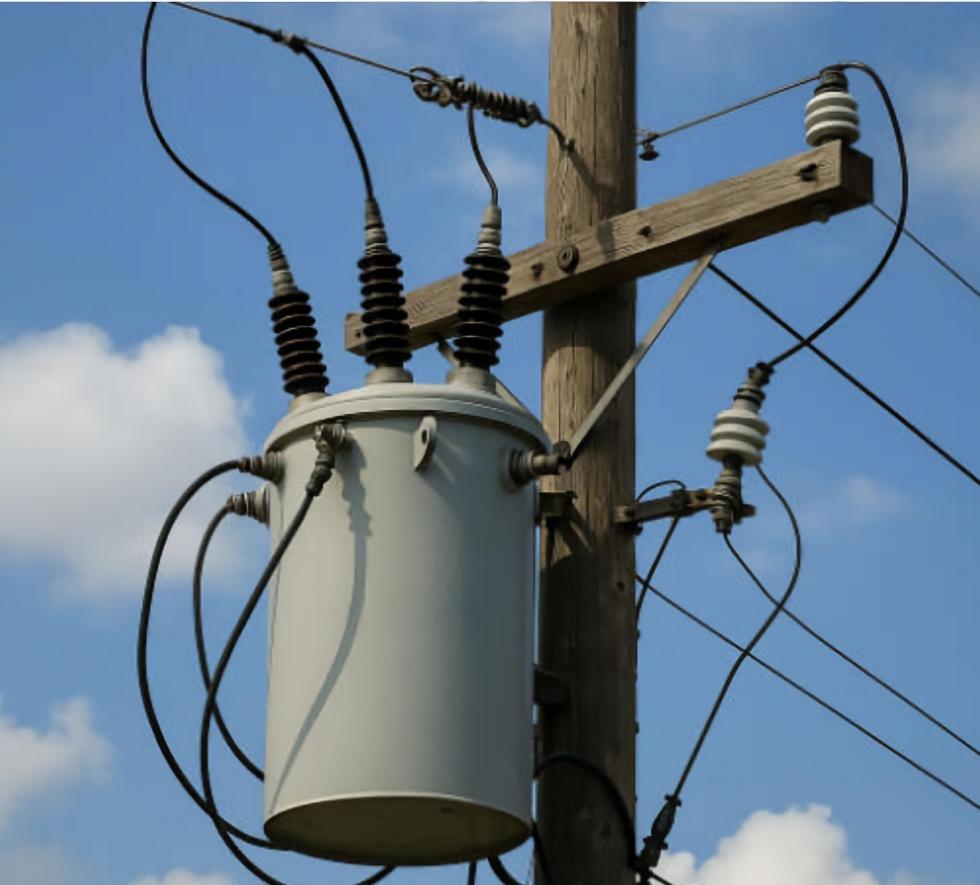
Solid pole transformer maintenance requirements are essential for reliability.
Utilities do not wait for every transformer to fail before taking action. Most use a mix of periodic inspection and condition-based maintenance.
Routine Utility Maintenance Tasks
Typical maintenance activities include:
Visual inspection: Checking tank condition, bushings, cutouts, arresters, brackets, and connections
Thermal scanning: Identifying abnormal heating patterns with infrared tools
Oil checks: Looking for leaks, contamination, or condition problems where applicable
Bushing checks: Inspecting for cracks, tracking, contamination, or flashover evidence
Vegetation clearance: Preventing branch contact and storm-related faults
Fuse and arrester inspection: Confirming device condition and coordination
Corrosion review: Especially in coastal or industrial environments
Modern utilities increasingly combine patrol inspection with outage history, thermal data, and asset management software to prioritize replacements.
Signs a Pole Transformer May Need Service
The following signs often indicate need for service or closer inspection:
Changed humming pattern
Oil seepage or visible leak
Rust or severe corrosion
Repeated fuse operation
Abnormal heat signatures
Cracked bushing or damaged arrester
Voltage complaints from customers
A deeper hum during peak load may be harmless, but a sudden change combined with flickering lights or heating at connections may signal trouble. Utilities treat patterns, not just single symptoms.
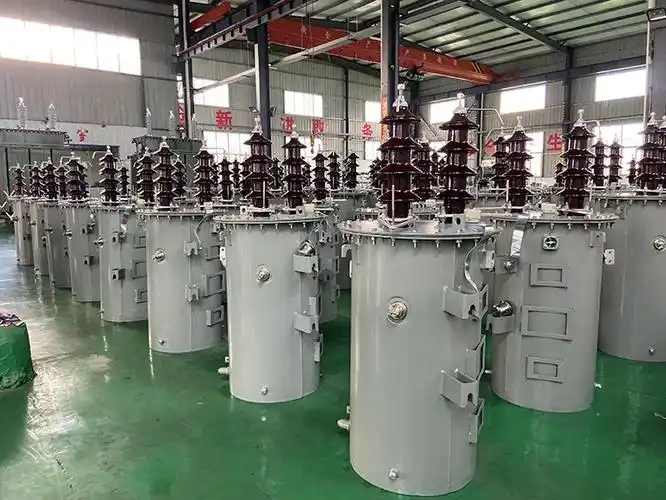
Real-World Pole Transformer Data and Examples
Abstract explanations only go so far. Real reference values make these concepts easier to understand.
The examples below are representative utility-style ranges, not a substitute for a manufacturer’s certified nameplate or utility construction standard.
Table: Common Pole Transformer Specifications
| kVA Rating | Typical Primary Voltage | Typical Secondary Voltage | Phase | Common Use Case |
|---|---|---|---|---|
| 10 kVA | 7.2 kV / 13.2 kV | 120/240 V | Single-phase | Small rural home, lighting load, detached service |
| 25 kVA | 7.2 kV / 13.2 kV | 120/240 V | Single-phase | Typical single home or light farm service |
| 50 kVA | 13.2 kV / 13.8 kV | 120/240 V or 240/480 V | Single-phase | Larger home, farm load, pump, small workshop |
| 100 kVA | 13.2 kV / 24.9 kV | 208Y/120 V or 480Y/277 V | Three-phase | Small commercial building, multi-load service point |
These values align with common distribution practice in many utility systems, though exact pole transformer specifications vary by region and standard.
Table: Typical Warning Signs and What They May Mean
| Warning Sign | Possible Meaning | Recommended Public Action |
|---|---|---|
| Louder than normal humming | High load, loose component, or developing fault | Keep distance and report if unusual or worsening |
| Excessive external heat | Heavy load or cooling problem | Do not approach; notify utility if accompanied by smell or outage |
| Oil leak | Seal failure, tank damage, or pressure event | Stay clear and report immediately |
| Sparks or arcing | Fault, insulation breakdown, conductor contact | Call utility and emergency services if fire risk exists |
| Sudden outage with popping sound | Fuse operation or transformer fault | Stay away from pole equipment and wait for utility crews |
Table: Pole Transformer Protection Devices and Their Functions
| Protection Device | Main Function | Typical Installation Position | Notes |
|---|---|---|---|
| Fuse cutout | Disconnects transformer during overcurrent or fault | Externally mounted on pole | Often visible from the ground after operation |
| Surge arrester | Clamps lightning and switching surges | Near transformer primary connection | Critical in high-lightning areas |
| Bayonet fuse | Internal fault and overload protection | Inside transformer tank assembly | Common in coordinated protection schemes |
| Current-limiting fuse | Reduces let-through energy during severe faults | Internal or coordinated assembly | Helps limit equipment damage |
| Breaker / self-protected design | Integrated overload and fault protection | Built into transformer design | Used where utility standards call for CSP or similar concepts |
Proof and Practical Examples From the Field
To make this article more than theory, here are practical scenarios utilities deal with every year.
Storm-related fuse operation: During lightning season, distribution feeders commonly see temporary overvoltage and tree-contact faults. In many cases, the external cutout fuse opens before the transformer tank itself is damaged. Customers see an outage, but the protection has done its job.
Summer overload conditions: In hot-weather regions, residential evening peaks rise sharply due to air conditioning. A transformer sized years ago for lighter load may run hotter today because homes have larger HVAC units, EV charging, pool equipment, and added appliances. Utilities often identify these overload risks through load studies and thermal patrols.
Rural step-down service example: A single-phase 25 kVA transformer on a 7.2 kV line may serve a farmhouse, a well pump, and outdoor lighting. If the customer later adds irrigation motors or workshop machinery, the original unit can become undersized, resulting in voltage complaints or repeated fuse events.
Wildlife fault example: Squirrels, birds, and snakes are a surprisingly common cause of distribution faults in some regions. Animal contact across energized points can trigger a flash and operate upstream protection. This is one reason utilities care so much about spacing, covers, and protective coordination.
Coastal corrosion example: Near saltwater, metal fittings, connectors, and external hardware can degrade faster. Maintenance intervals and material choices matter more in these environments. An ordinary inland design may not age the same way on a marine feeder.
These examples show why there is no one-size-fits-all answer to transformer selection or condition assessment. Good engineering depends on environment, load profile, and utility standards.
It is also why serious buyers often look beyond price alone. A supplier such as Weisho Electric becomes more valuable when it can match design options to real operating conditions, rather than pushing a generic specification that ignores the field reality.
FAQ
Are electric pole transformers all the same?
No. They differ in kVA size, primary and secondary voltage, single-phase or three-phase design, insulation class, cooling method, and protection arrangement. Two transformers may look similar from the street but have completely different internal construction and service roles.
Are transformers on an electric pole dangerous?
Under normal operation, intact pole transformers are generally safe for the public to be near at ground level. They become dangerous during damage, arcing, oil leakage, downed wires, storm impact, or internal faults, so the public should always keep clear of suspicious equipment.
Do transformers on electric poles give off heat?
Yes. Pole transformers naturally produce heat from core losses and winding losses. Some warmth is normal, especially under load, but smoke, strong odor, sparking, or repeated outages may indicate overheating or failure.
How are electric pole transformers fused?
Utilities typically protect them with external fuse cutouts, internal bayonet or current-limiting fuses, and surge arresters. Some units also use self-protected or CSP-style designs with built-in protective functions.
How do electric pole transformers work?
They use electromagnetic induction to step medium distribution voltage down to usable service voltage. A common example is reducing 7.2 kV or 13.2 kV on the primary side to 120/240 V for a home.
What are the most important specifications for a pole transformer?
The key specifications are primary voltage, secondary voltage, kVA rating, phase, impedance, insulation level, cooling method, BIL, tap arrangement, and the protection scheme. These factors determine whether the transformer is appropriate for the load and system conditions.
How often do pole transformers need maintenance?
There is no universal interval for every utility. Many utilities use scheduled visual patrols, periodic thermal scans, and condition-based maintenance triggered by age, load history, outage data, or visible signs such as leaks, corrosion, and abnormal noise.
What should you do if a pole transformer is sparking or leaking?
Stay far away, keep others back, and contact the utility immediately. If there is fire, smoke spreading, or immediate public danger, call emergency services first. Never try to inspect, touch, or clean up around the pole yourself.
Conclusion and Next Step
Pole transformers are not all the same. Their type, size, voltage class, phase arrangement, fuse protection, and installation design all depend on the job they must do.
They do produce heat in normal service. They can also be dangerous under fault conditions, especially after storms or equipment damage. That is why correct pole-mounted transformer installation, coordinated protection, and disciplined pole transformer maintenance requirements matter so much.
If you are comparing utility pole transformer types, evaluating pole transformer specifications, or looking for dependable technical support on distribution applications, now is the time to speak with a qualified utility engineer or a trusted transformer supplier.
Do not guess on safety, ratings, or protection coordination. Get expert guidance, request application-matched specifications, and choose equipment built for real operating conditions.
Contact a professional transformer specialist today to discuss your project, reduce risk, and select the right pole-mounted solution with confidence.