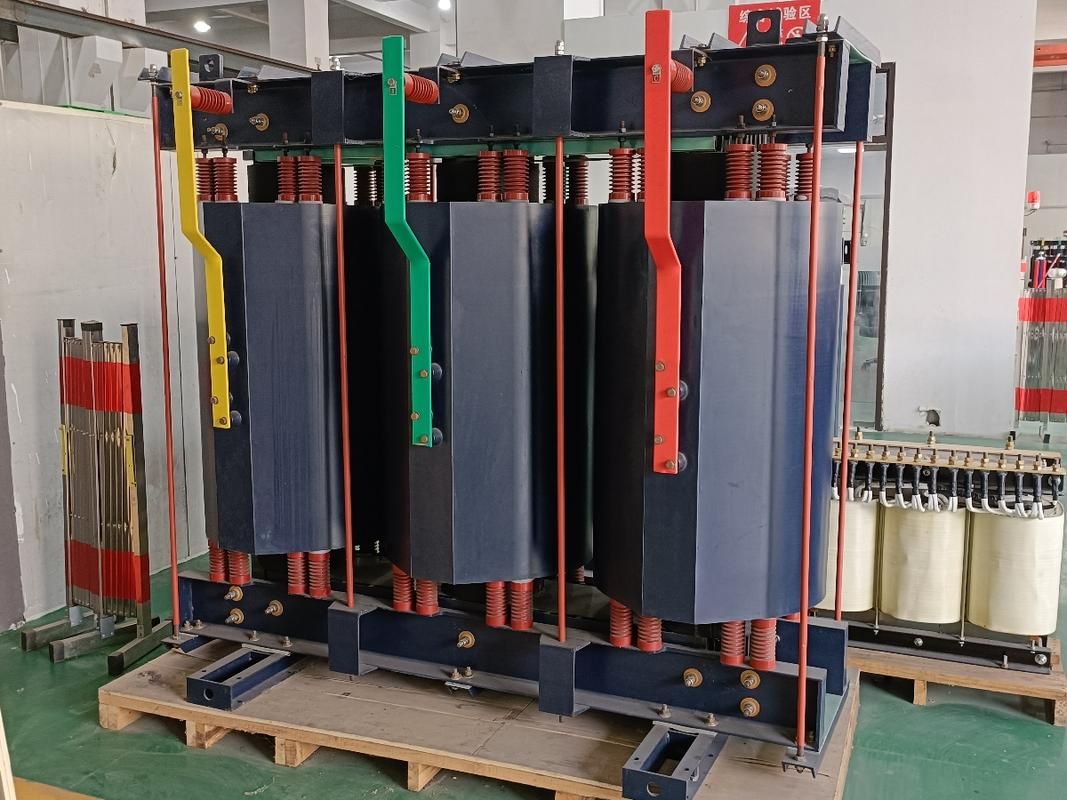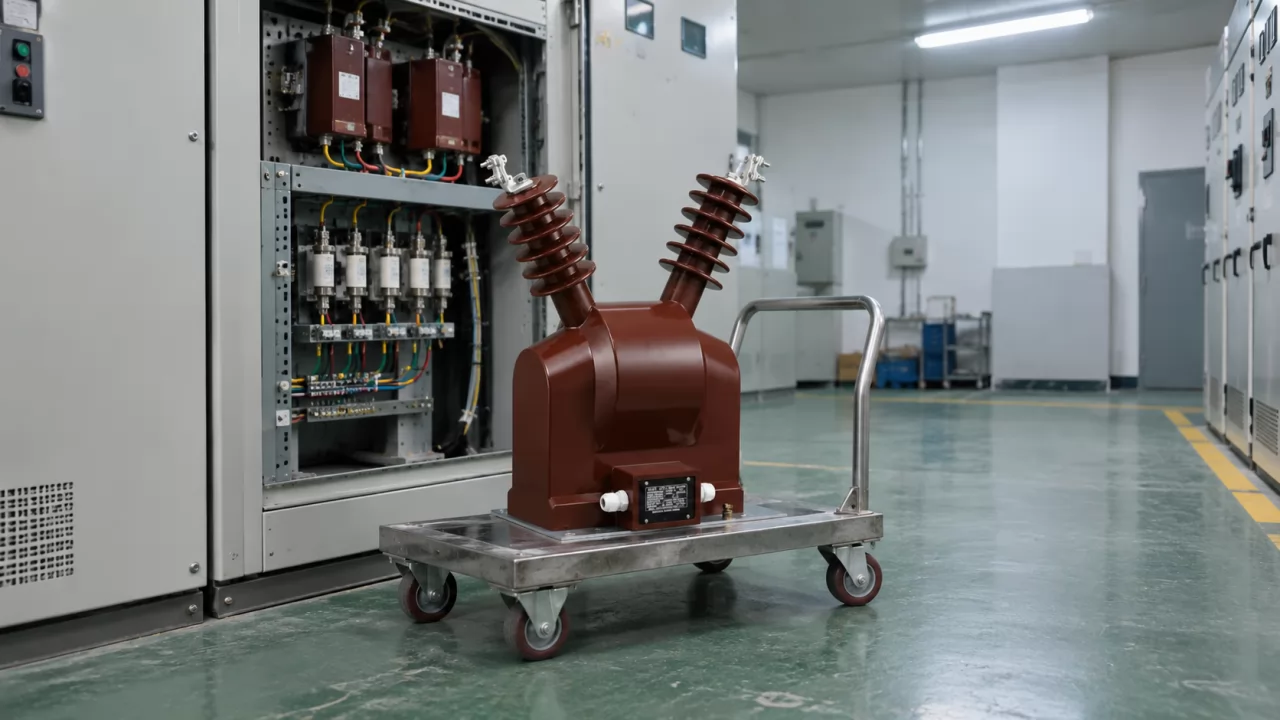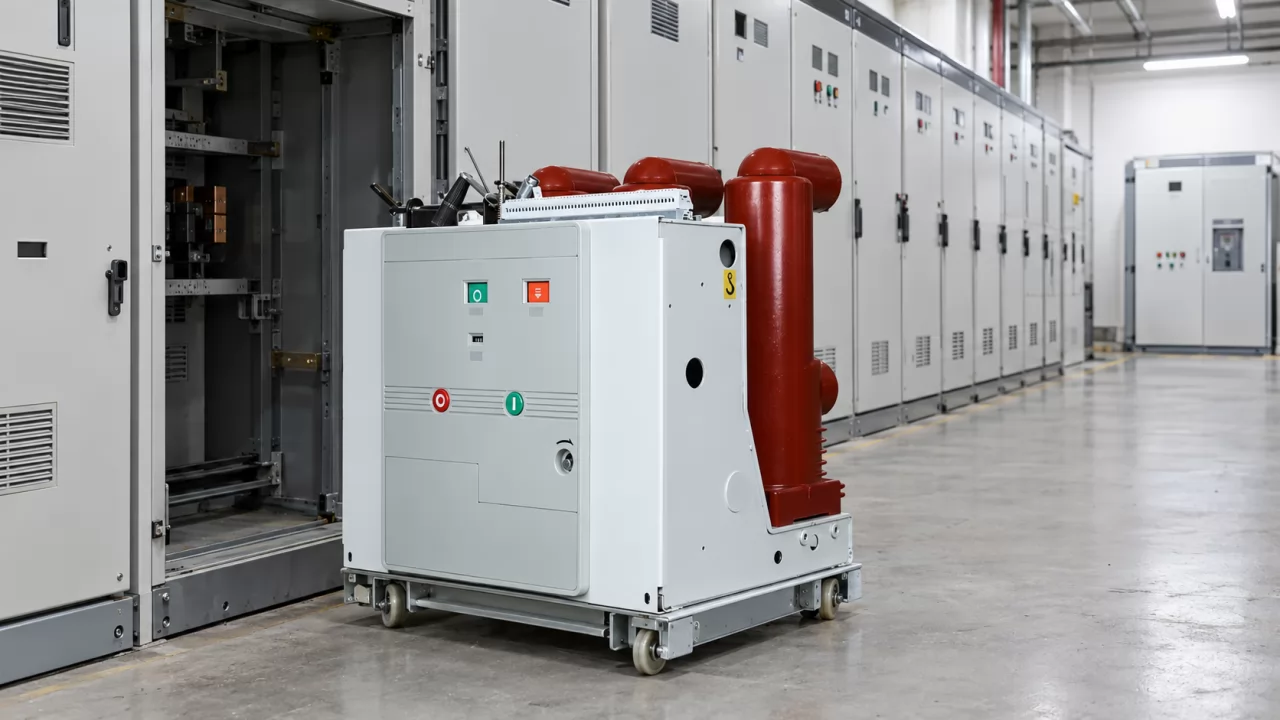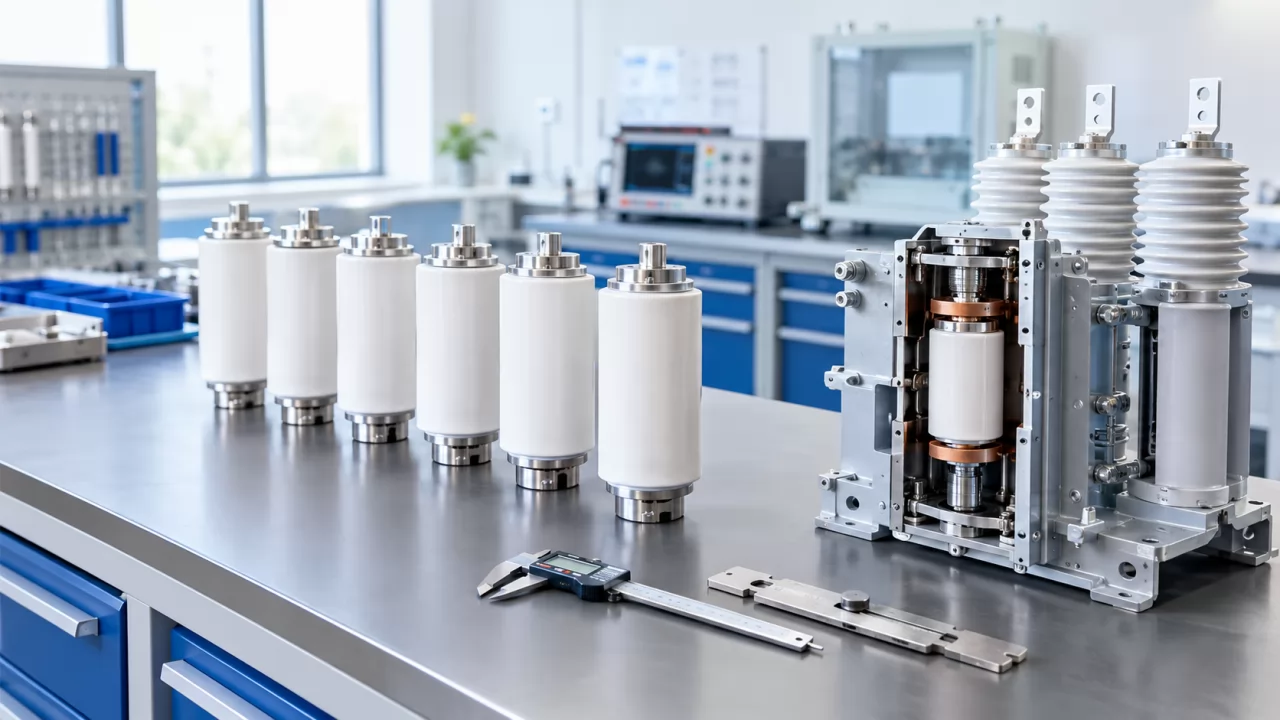

Stop reading the nameplate year as an expiry date. If you do, you will either scrap a unit that still has years of healthy insulation or keep a worn-out one energized until it fails. Oil-immersed transformer service life is set by what happens inside the tank. The steel and the core are rarely the problem. The paper is.
Under normal operating conditions, an oil-immersed transformer is designed for about 25 years of service. Distribution units typically fall in the 20–30 year range and large power transformers in the 30–40 year range. Well-maintained units often run 40–50 years, while overloaded or wet ones can be finished in 10–15. Replacement should follow test data, not age.
How Long Does an Oil-Filled Transformer Last?
An oil-filled transformer lasts about 25 years under normal duty. That is the usual design basis, within a 20–30 year range for standard distribution units and 30–40 years for large power transformers. The real figure moves with load, temperature, moisture and maintenance. Good care can stretch it toward 40–50 years. Poor conditions can cut it to 10–15.
Those ranges are a planning number. They tell you roughly when to start budgeting and testing more closely. They do not tell you when the unit will fail.
What the 25-Year Figure Assumes
IEC 60076 is the international standard series that sets ratings, temperature-rise limits and test requirements for power transformers. GB 1094 is the Chinese national series built on the same framework. Neither standard stamps a fixed expiry date on a unit. The design life you see in a datasheet comes from engineering practice: the paper insulation is expected to age at a "normal" rate when the transformer works inside the conditions the standards describe.
Those conditions are specific. The unit carries its rated load, not more, for most of its life. Ambient temperature stays within normal service limits (IEC 60076 uses a maximum of around 40 °C, with lower monthly and yearly averages). The oil system stays dry and clean. Somebody samples the oil, reads the temperature gauges and replaces the breather silica gel on schedule.
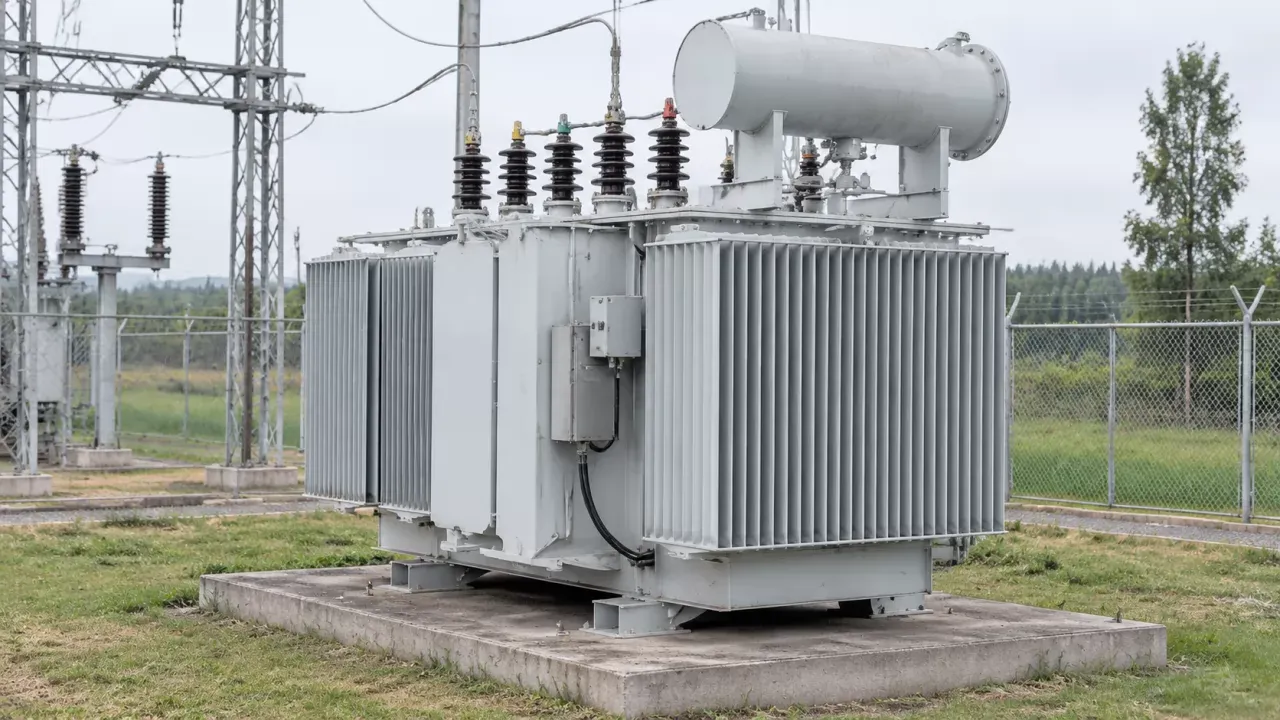
Change any of those assumptions and the 25-year figure changes with it. So when a supplier quotes design life, ask what loading and ambient profile sits behind it.
Distribution vs. Power Units
The two main classes of oil-immersed transformer differ in design life, duty and how they are usually monitored, which shapes how you plan replacement.
| PARAMETER | DISTRIBUTION TRANSFORMER | LARGE POWER TRANSFORMER |
|---|---|---|
| Design life (years) | 20–30 | 30–40 |
| Typical life with good care (years) | About 40 | Up to 50 |
| Typical voltage class | Up to about 35 kV | Typically 110 kV and above |
| Common oil preservation | Hermetically sealed or conservator | Conservator, often with rubber bag |
| Usual condition monitoring | Periodic oil sampling | Periodic tests plus online monitoring |
| Replacement impact | Moderate cost, shorter lead time | High cost, long lead time |
The practical conclusion: large units justify condition monitoring early because replacement is slow and expensive, while distribution fleets are usually managed by sampling and ranking units by test results.
Where 10–15 Years Comes From
The short end of the range is not a design figure. It is what happens when the design assumptions break.
Sustained overload pushes winding temperature up. High ambient heat removes cooling margin. Moisture gets in through a failed seal, a saturated breather or a poorly dried repair. And oil tests get skipped, so nobody sees the drift until a protection relay trips or a gas alarm sounds. Stack two or three of these together and insulation can age severely in 10–15 years. At that point the failure risk is real, regardless of what the nameplate says.
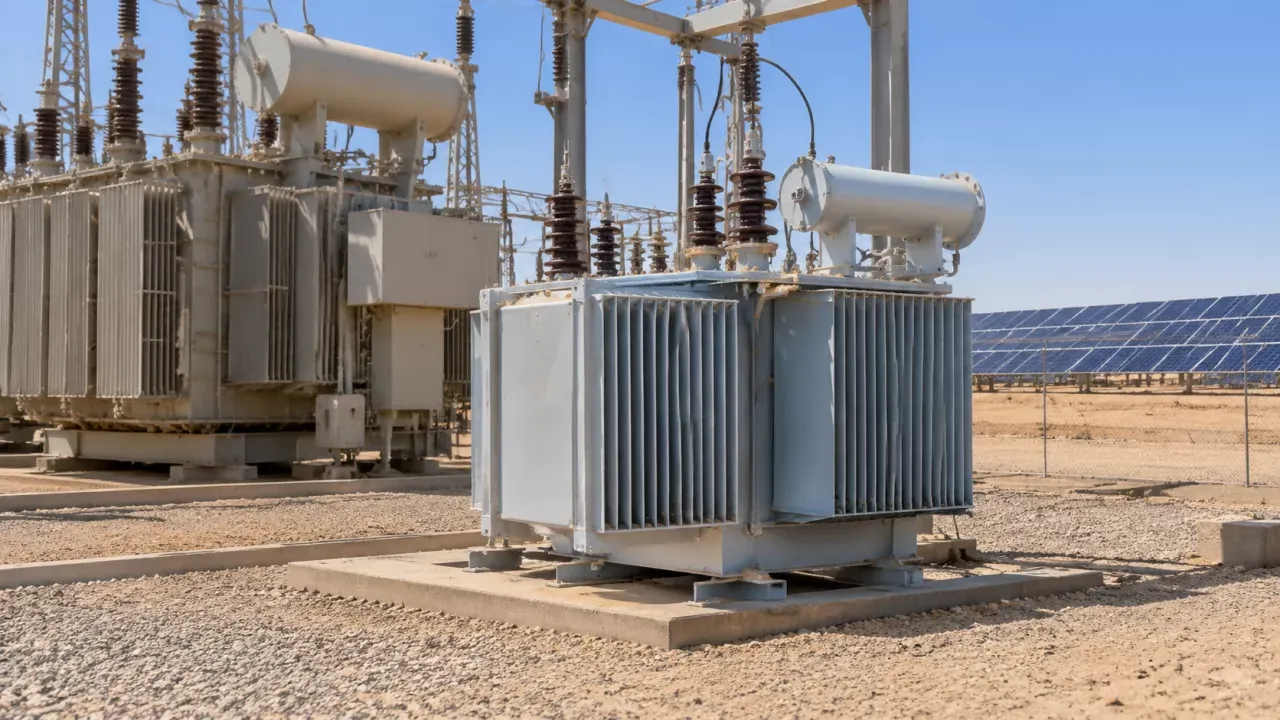
What Really Ends Oil Immersed Transformer Service Life?
The end of oil immersed transformer service life is almost always set by the cellulose paper insulation, not the calendar. The core, tank and structural steel can outlast the paper by decades. Once the paper loses its mechanical strength, the unit can no longer survive a short circuit or heavy fault safely, even if it still runs normally day to day.
Paper Sets the Limit
Cellulose insulation is the kraft paper and pressboard wrapped around the windings and used as spacers inside the tank. It is made of long chains of glucose molecules. Aging breaks those chains.
Three mechanisms do the work. Heat drives thermal breakdown. Water drives hydrolysis. Oxygen drives oxidation. Each one shortens the chains, and the by-products (more water, acids, furanic compounds and carbon oxides) feed the next round of damage. Wet, acidic oil therefore accelerates paper aging far beyond what temperature alone would cause.
Here is the asymmetry that matters for budgets. Oil can be filtered, dried, regenerated or replaced. Paper cannot be renewed in place. Once its strength is gone, the only fix is a rewind or a new transformer.
Age-Based vs. Condition-Based Decisions
Two approaches dominate replacement planning, and they lead to very different spending patterns over a fleet's life.
| CRITERION | AGE-BASED REPLACEMENT | CONDITION-BASED ASSESSMENT |
|---|---|---|
| Trigger | Years in service | Test results and trend |
| Evidence needed | Commissioning date | DGA, furfural, moisture, electrical tests |
| Risk of early scrapping | High for well-kept units | Low |
| Risk of in-service failure | High for abused young units | Lower, if tests are regular |
| Budget predictability | Simple to forecast | Needs ongoing test spend |
| Best for | Small, low-impact units | Critical and high-value units |
For anything whose failure stops a production line or a substation, condition-based assessment is the safer and usually cheaper route over the full life of the asset.
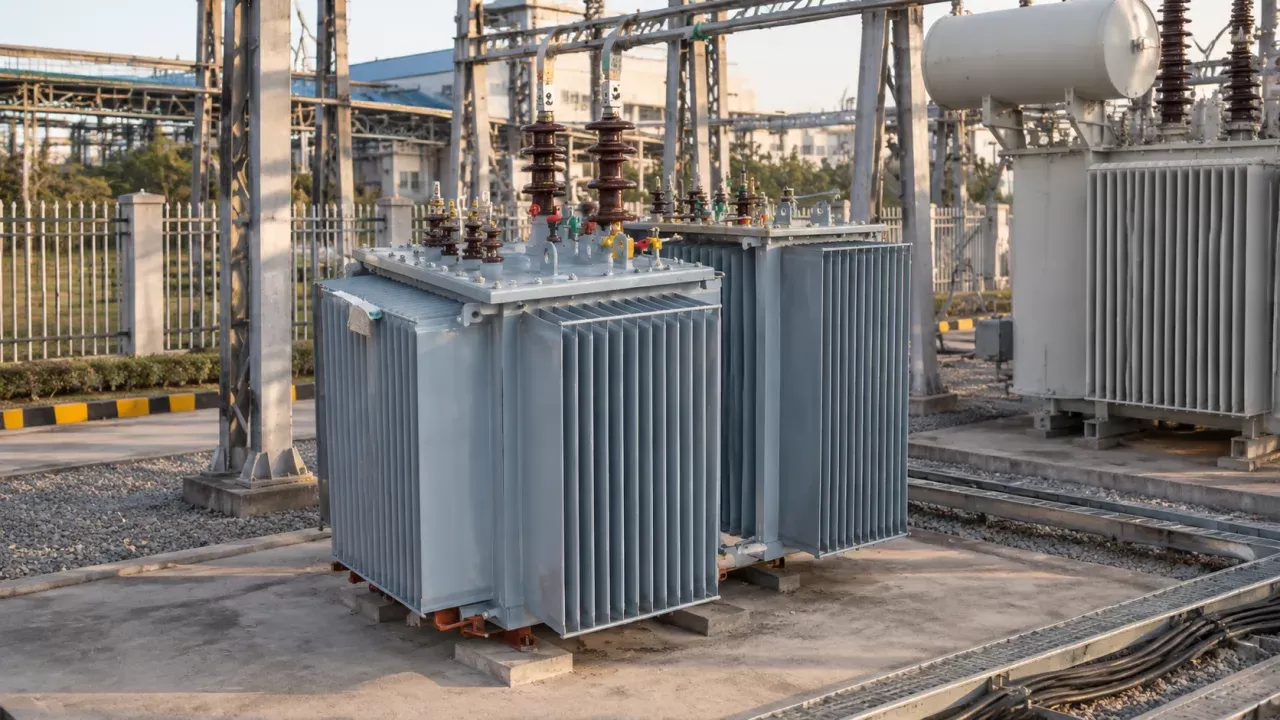
Under-Age but Due for Replacement
A unit can be well inside its design life and still need to come out. This is the case that surprises people most.
Overheating history is the usual cause. A transformer sized too tight for a growing load may have spent years running hot, and that damage is cumulative. Wet insulation is the second. A leaking gasket or a breather left saturated for a season can push moisture into the paper, and dry-out treatment only partly recovers it. The third is plain test evidence: rising furfural, carbon monoxide and carbon dioxide trends in the dissolved gas results, or a degree-of-polymerization result that shows deep aging.
Any one of these can justify replacement at 12 or 15 years. None of them shows on the nameplate.
Factors Affecting Transformer Lifespan
Not every factor carries the same weight. Temperature dominates. The rest mostly act by raising temperature or by adding water, oxygen and contamination that make heat more damaging.
Winding Hot-Spot Temperature
The hot spot is the hottest point inside the winding, usually near the top, where oil is warmest. It runs well above the top-oil reading on the gauge.
The widely used rule of thumb, reflected in the loading guide IEC 60076-7, is that every 6 °C rise in hot-spot temperature roughly doubles the insulation aging rate for standard paper. The reverse also holds. A unit run a few degrees cooler for its whole life ages noticeably slower.
So a few degrees of sustained overtemperature can take years off a unit. Short excursions are tolerated; years of running hot are not.
Load, Oil and Site Conditions
Load acts in two ways. Frequent overloads raise the hot spot. Inrush currents and through-faults (short circuits downstream) apply mechanical forces that loosen windings and crack aged paper.
The oil matters next. Moisture, oxidation and particles reduce dielectric strength and speed up paper aging. Oxidized oil also forms sludge, which coats windings and blocks cooling ducts, raising temperature again.
Site conditions round it out. High-heat climates eat cooling margin. Humid sites load the breather faster. Polluted industrial air and coastal salt spray attack bushings, radiators and seals, and corroded seals let water in.
Maintenance Discipline
This is the factor you control most directly, and it often separates a 40-year unit from a 15-year one.
Dissolved gas analysis (DGA) is an oil test that measures gases such as hydrogen, methane, acetylene and carbon oxides to detect overheating, arcing and paper degradation early. Dielectric dissipation factor (tan delta) testing shows insulation contamination and moisture. Insulation resistance testing gives a quick electrical check. When results drift, oil filtration removes water and particles, and regeneration removes acids and oxidation products. Done on schedule, these steps keep the oil from attacking the paper.
Measuring Remaining Insulation Life
Transformer insulation aging is measured directly through the paper's degree of polymerization and indirectly through oil chemistry. In practice, the indirect methods do most of the work, because taking a paper sample means opening or untanking the unit.
Degree of Polymerization Thresholds
Degree of polymerization (DP) is the average number of glucose units in each cellulose chain, measured by the viscometric method in IEC 60450. Higher means stronger paper. DL/T 984-2018 is the Chinese power industry guide for judging insulation aging in oil-immersed transformers, and its DP bands give a clear action path.
| AGING STAGE | DP RANGE | RECOMMENDED ACTION |
|---|---|---|
| New paper | About 1000–1200 | Record as baseline |
| Good condition | Above 500 | Continue normal operation |
| Normal aging | 250–500 | Continue, increase test frequency |
| Deep aging | 150–250 | Close monitoring, replacement review |
| End of life | Below 150 | Remove from service |
The band that deserves the most attention is 150–250: the unit still runs, but its paper may not survive a major through-fault, so that is where the replacement budget should start moving.
Furfural, DGA and Related Standards
Furfural is a furanic compound released into the oil only when cellulose breaks down. Because oil has no other source of it, its concentration gives an indirect estimate of paper DP. Measurement is commonly done to IEC 61198. Trend matters more than a single reading, and oil replacement resets the furfural level without restoring the paper, so keep the history.
DGA results are interpreted using IEC 60599 (the guide to interpreting dissolved and free gas analysis in mineral-oil-filled equipment) or IEEE C57.104 (the IEEE guide for the same purpose). A rising CO₂/CO pattern points toward paper involvement in a thermal fault. Oil quality limits and the actions that follow them, such as reconditioning or replacement, are covered by IEC 60422, the supervision and maintenance guide for mineral insulating oils.
Combined, these give you a condition picture without lifting the core.
Extending Oil-Immersed Transformer Life
Knowing how to extend the life of an oil-immersed transformer comes down to two moments: what happens on site every week, and what you write into the specification before the unit is built.
Site Routine Checklist
Before signing off any inspection round, run through these questions.
Did someone record top-oil and winding temperatures against the load today?
Is the load profile creeping toward or past the nameplate rating?
Has the breather silica gel changed colour, and are seals and gaskets dry?
Is the next oil sample (DGA, moisture, acidity, breakdown voltage) booked?
Did the last results drift enough to call for filtration or regeneration?
Are oil level, bushing condition and cooling fans checked and logged?
If any answer is "no" or "not sure", that is the gap to close first. On frequency, oil is usually tested at least once a year, and more often for critical, heavily loaded or older units, in line with IEC 60422-type guidance.
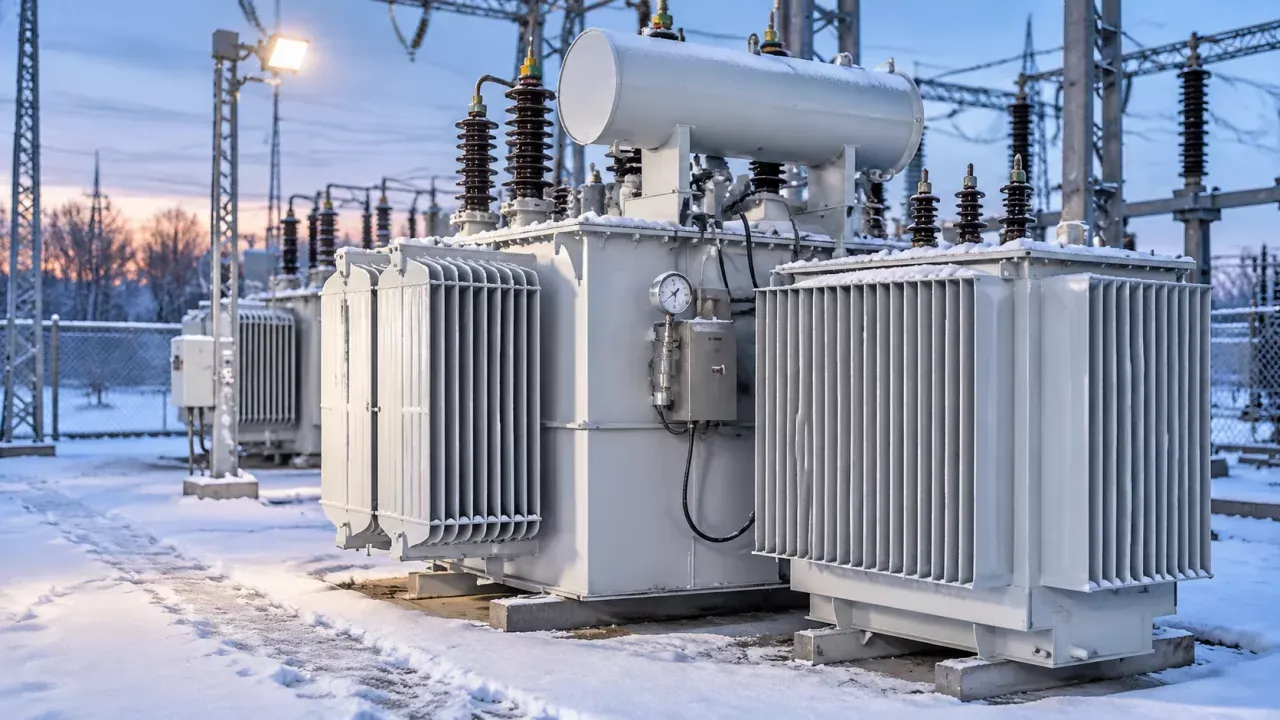
Specs to Fix at Quotation Stage
Much of a transformer's lifespan is decided before it ships. When you send an RFQ, whether to Weisho Electric Co., Ltd. or any other manufacturer, put the real load profile in writing, including peaks, harmonics and expected growth. Then ask for a sizing margin that keeps the hot spot comfortably below its limit.
Request thermally upgraded paper, which is chemically treated to resist aging and tolerates a higher reference temperature than standard kraft. Specify the oil preservation system: hermetically sealed for smaller units, or a conservator with a rubber bag to keep air and moisture out. For units that matter, ask for winding temperature indication and, on larger ratings, online DGA monitoring as a priced option. These items add cost up front, but they directly target the heat and moisture that end service life.
Age and Replacement Myths
A common mistake is treating 25 years as a scrap date. Teams retire units on schedule, often with DP well above 250 and clean gas results, and spend capital that could have gone elsewhere. The design life is a planning marker. A unit with good test data can keep running while you increase monitoring.
Another mistake is assuming fresh oil resets the clock. Replacing or regenerating oil removes acids, sludge and water, which slows further paper aging. It does not rebuild cellulose chains already broken. It also wipes out the furfural history, so log the pre-treatment results before the work starts.
Many sites also read "no alarms" as "healthy insulation." Protection relays and gas alarms catch active faults. Slow paper aging can progress for years without tripping anything, and the first visible symptom may be a failure during a through-fault. Only trended oil analysis shows that decline.
The last mistake sits in the budget office: using age alone to justify replacement. A request backed only by commissioning year is easy to challenge and easy to defer. A request backed by rising furfural, a DP estimate in the 150–250 band and a DGA trend is much harder to refuse, and it points the money at the units that need it.
FAQ
What is the typical oil immersed transformer life expectancy?
About 25 years under normal duty, within a 20–30 year design range for standard units. Well-maintained units often reach 40–50 years.
Must a transformer be replaced at 25 or 30 years?
No. Base the decision on test data such as DP, furfural and DGA trends, not on age alone.
Can oil treatment restore aged insulation?
Only partly. Filtration and regeneration clean and dry the oil, which slows further paper aging and can recover some dielectric strength. They do not restore the paper's mechanical strength once its DP has dropped.
My unit is only 12 years old. Can I really justify replacing it?
Yes, if the data supports it. Overheating history, wet insulation or a DP estimate in the deep-aging band can make a young unit a higher risk than an older, cooler one. Present the trended test results, not the age, and the case usually stands on its own.