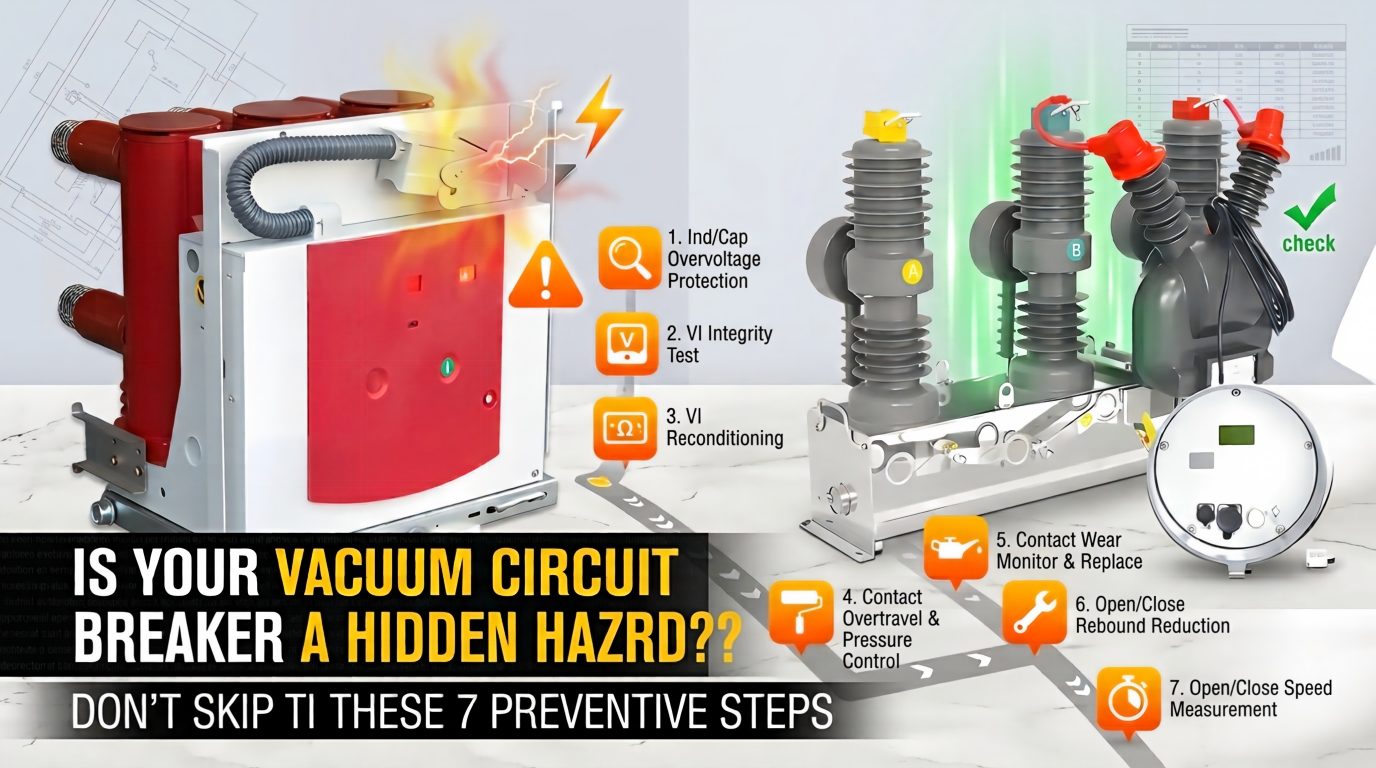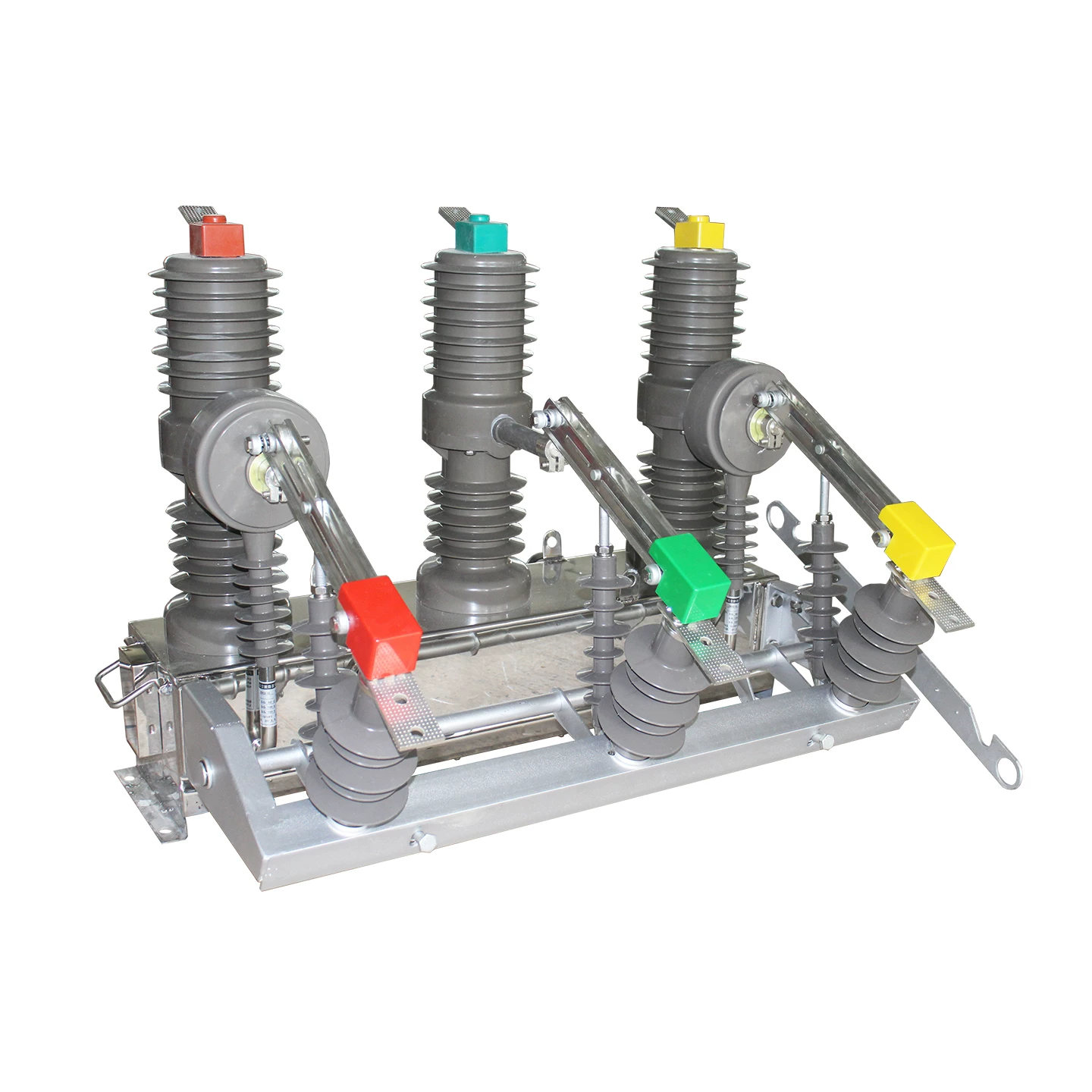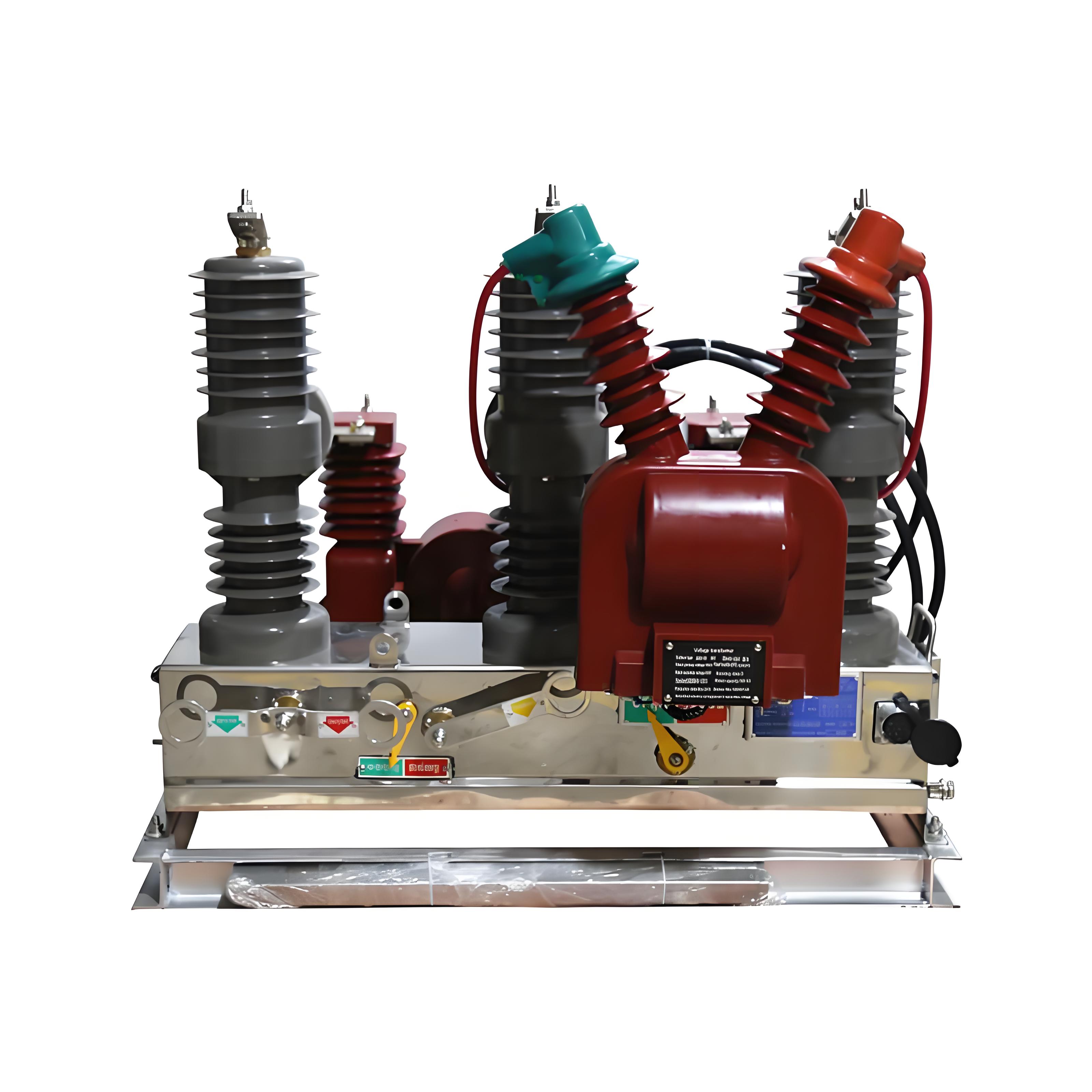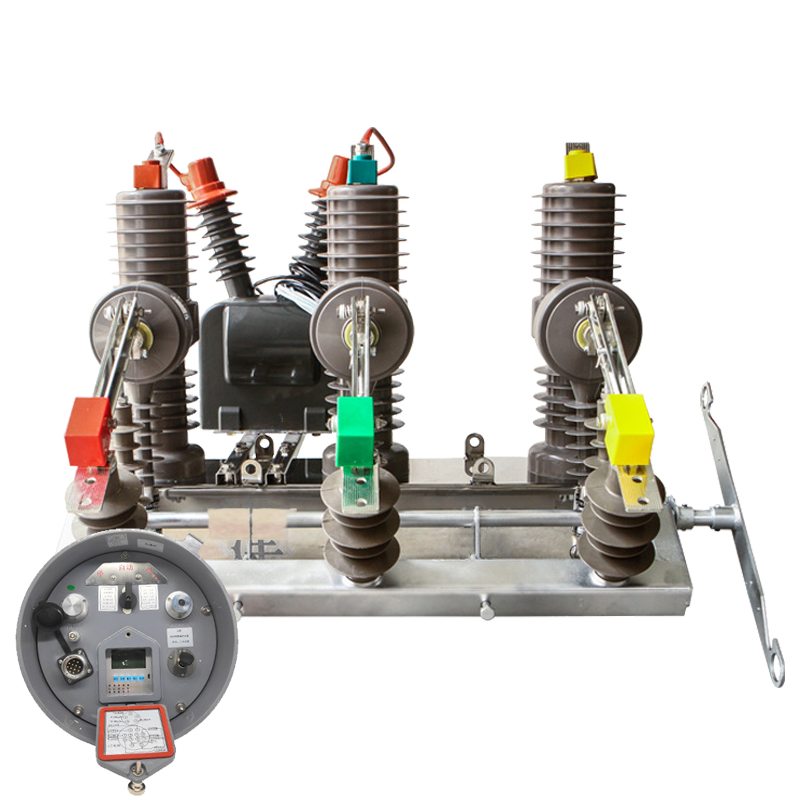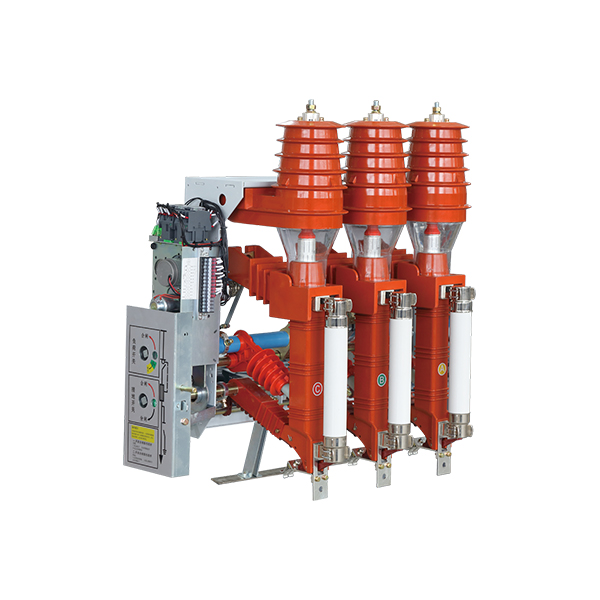
China has become one of the most important sourcing bases for medium-voltage equipment, and that includes the 33 kV load break switch. For utilities, EPC contractors, renewable-energy developers, and industrial buyers, the Chinese supply market offers a mix of pricing flexibility, export-ready production, and increasingly strong compliance with international standards.
But there is a clear difference between a low-cost catalog seller and a professional 33kV switchgear supplier. In real procurement work, the issue is not simply buying a switch. It is buying a switch that will survive field conditions, pass acceptance, arrive on time, and perform safely for years.
This guide is written for serious buyers evaluating a 33kV load break switch manufacturer options in China, including outdoor, SF6, vacuum, and air-insulated designs. It also explains the technical, commercial, and quality-control details that actually determine whether a project succeeds or becomes a costly lesson.
Why China Is a Leading Source for Professional 33 kV Load Break Switches
China’s strength in power equipment manufacturing is not an accident. It is built on a mature component ecosystem, large-scale metal fabrication, insulation-material supply chains, machining capability, and export logistics that can support both standard and customized medium-voltage products.
In the past decade, Chinese manufacturers have supplied switching equipment into Southeast Asia, the Middle East, Africa, Latin America, and parts of Eastern Europe. Buyers often choose China because it can balance cost, customization, and production speed better than many alternative sourcing markets.
For example, in utility and EPC purchasing cycles, Chinese factories commonly quote lead times in the range of 4 to 10 weeks for standard 33 kV configurations, while custom-engineered packages may take longer. In comparison, some European suppliers can deliver outstanding engineering quality but often at significantly higher pricing and with longer scheduling constraints.
That said, the best results come from working with a real high-voltage load break switch factory in China rather than a trading company that has limited technical control. A factory-backed supplier can usually provide deeper engineering support, more reliable traceability, and stronger after-sales responsiveness.
What Is a 33 kV Load Break Switch and Where Is It Used?
A 33 kV load break switch is a medium-voltage switching device designed to make, carry, and interrupt normal load currents under specified operating conditions. It is not a full fault-current interrupting circuit breaker, but it plays a critical role in isolation, sectionalizing, feeder control, and operational flexibility.
In simple field terms, this switch allows operators to safely open or close energized medium-voltage circuits when normal load current is present. That makes it essential wherever controlled switching and maintenance isolation are required.
Typical application areas include:
Utility distribution networks for feeder sectionalizing and outage management
Substations for incoming or outgoing circuit switching
Solar and wind projects for collector-system and interconnection switching
Industrial plants for medium-voltage distribution expansion and maintenance isolation
Rural overhead lines where pole-mounted outdoor switching improves service continuity
On modern networks, a 33 kV load break switch may be manual, motorized, or integrated into remote-control distribution automation schemes. In many utility grids, sectionalizing switches have become a practical way to reduce outage duration by isolating only the affected section instead of de-energizing an entire feeder.
The Main Buyer Problems When Sourcing a 33 kV Load Break Switch in China
Experienced buyers usually do not struggle with finding suppliers. They struggle with filtering them. The Chinese market has excellent manufacturers, but it also includes catalog brokers, assemblers with limited testing capability, and exporters who promise more than they can prove.
The most common sourcing concerns include:
Quality consistency between sample, first batch, and repeat orders
Standards compliance that looks acceptable on paper but lacks valid test evidence
Delivery risk caused by poor planning, subcontracting, or component shortages
Incomplete documentation for customs, utility approval, or site acceptance
Weak after-sales support if field adjustments or warranty issues arise
Specification mismatch between tender requirement and actual supplied product
One of the most expensive mistakes in medium-voltage procurement is assuming all 33 kV switches are interchangeable. They are not. A switch selected only on voltage and current rating may still fail the project because of insulation level, pollution class, altitude derating, mechanism type, or local utility preference.
Another recurring problem is overreliance on generic brochures. A serious buyer should expect model-specific data sheets, GA drawings, routine test plans, and clear bill-of-materials details. If a supplier cannot explain the difference between rated normal current, short-time withstand current, and making capacity, that is an immediate warning sign.
How a Professional 33 kV Switchgear Supplier Solves These Challenges
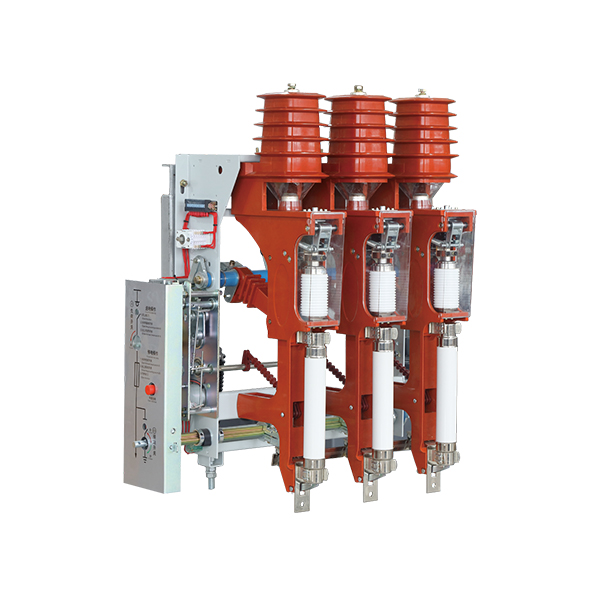
A professional 33kV switchgear supplier reduces procurement risk by controlling more of the process. That means not only manufacturing, but also engineering review, incoming material control, assembly discipline, routine testing, export packaging, and technical support.
In practice, qualified suppliers solve buyer concerns through a combination of process and proof:
Certified management systems such as ISO 9001, and often ISO 14001 and ISO 45001
Type test reports aligned with relevant IEC standards
Routine factory testing before shipment
Engineering confirmation of site conditions, SLD, mounting, and accessories
Export documentation capability for packing lists, certificates, inspection records, and manuals
After-sales technical response for installation, commissioning, and spare parts
The strongest suppliers also ask good questions before quoting. They will want to know whether the installation is indoor or outdoor, whether the project needs remote operation, whether lightning-prone overhead lines are involved, and what utility or consultant approval process must be met.
This is where companies like Weisho Electric can stand out when buyers are looking for structured technical communication rather than just aggressive price competition. In medium-voltage projects, supplier responsiveness and documentation discipline often matter as much as the hardware itself.
Types of 33 kV Load Break Switches Available in China
Chinese manufacturers supply several categories of 33 kV load break switches. The right type depends on installation environment, maintenance strategy, network design, safety policy, and budget.
The main categories are:
Outdoor load break switches for overhead lines and substations
SF6-insulated load break switches for compactness and strong dielectric performance
Vacuum load break switches for low maintenance and strong environmental appeal
Air-insulated designs for simpler structures and specific project preferences
33 kV Outdoor Load Break Switch China Options
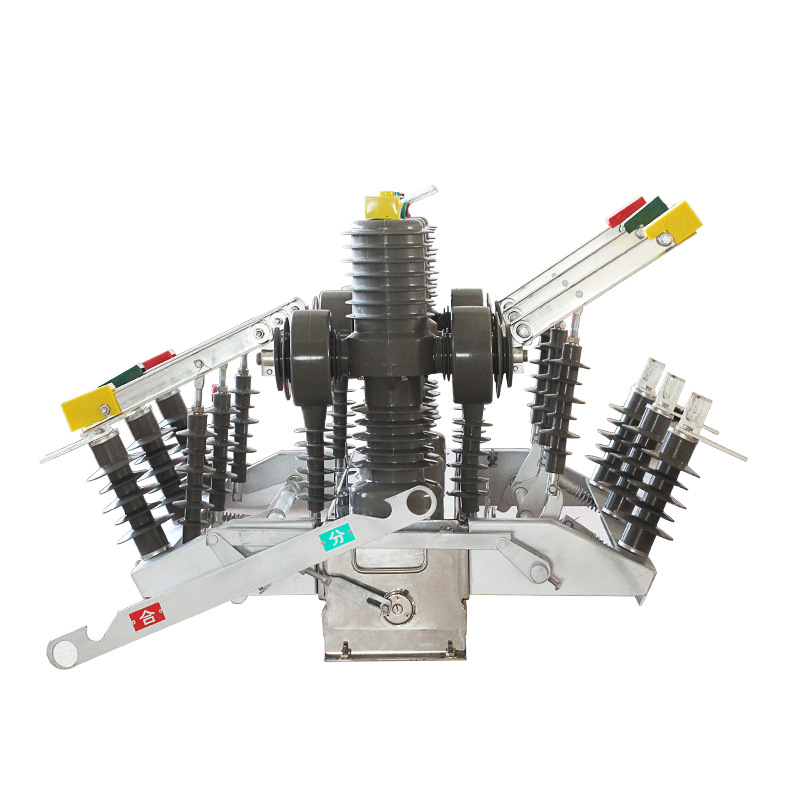
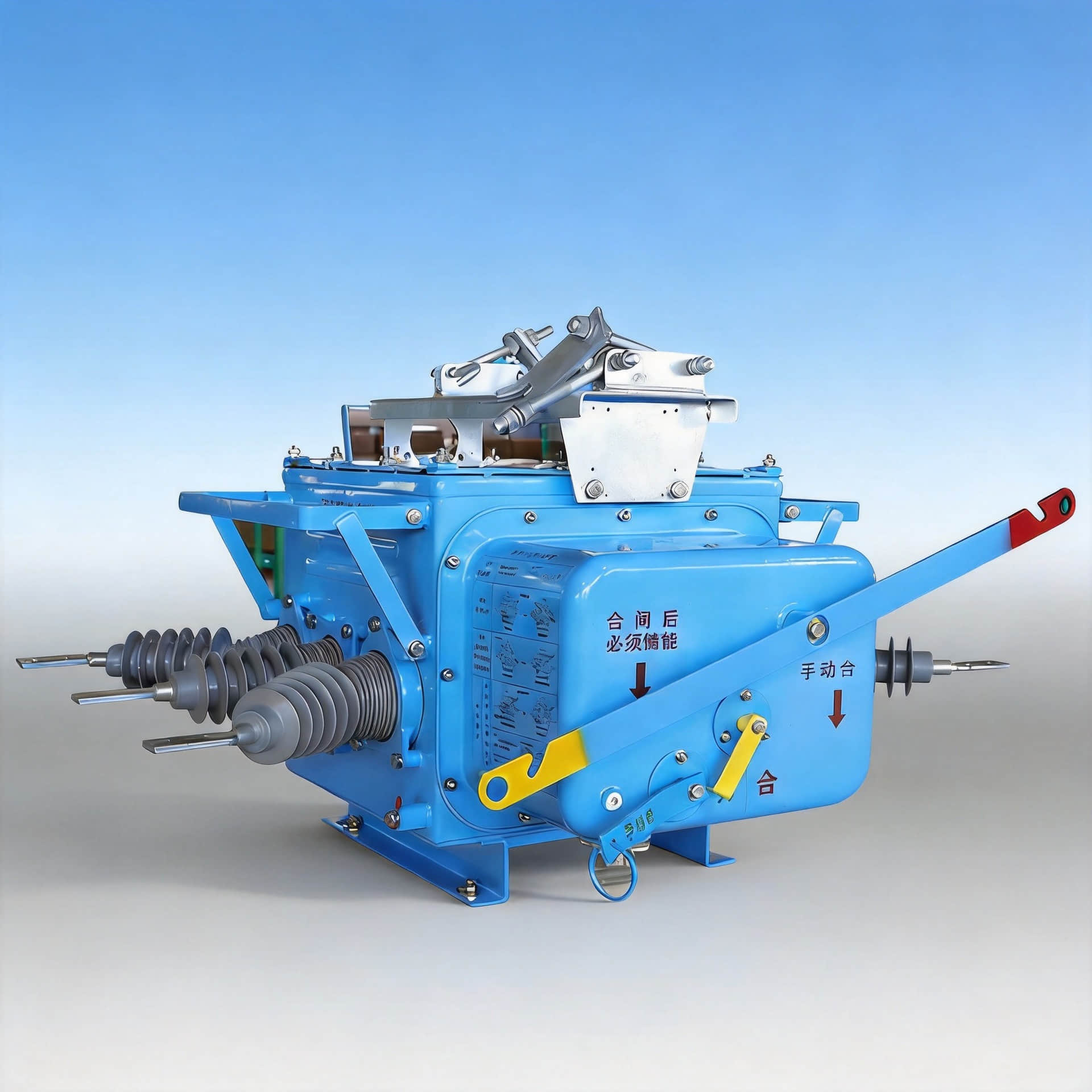
The 33kV outdoor load break switch China market is particularly active because many developing and expanding grids still depend on overhead distribution infrastructure. Outdoor models are commonly used in pole-mounted installations, ring-main transition points, and substation yard applications.
Pole-mounted outdoor designs are often selected for feeder sectionalizing. They can be installed at strategic line points to isolate a faulted section and restore supply to healthy branches more quickly.
Substation-grade outdoor switches, by contrast, may be more robust in terms of structure, insulator profile, terminal layout, and mechanism enclosure. They are often specified for utility yards or industrial substations where maintenance access and switching frequency are higher.
Common outdoor design considerations include:
Pollution level and creepage distance
UV resistance and corrosion protection
Wind load and seismic suitability
Motorized operating mechanism options
Interlocks and visible isolation requirements
33 kV SF6 Load Break Switch Manufacturer Options
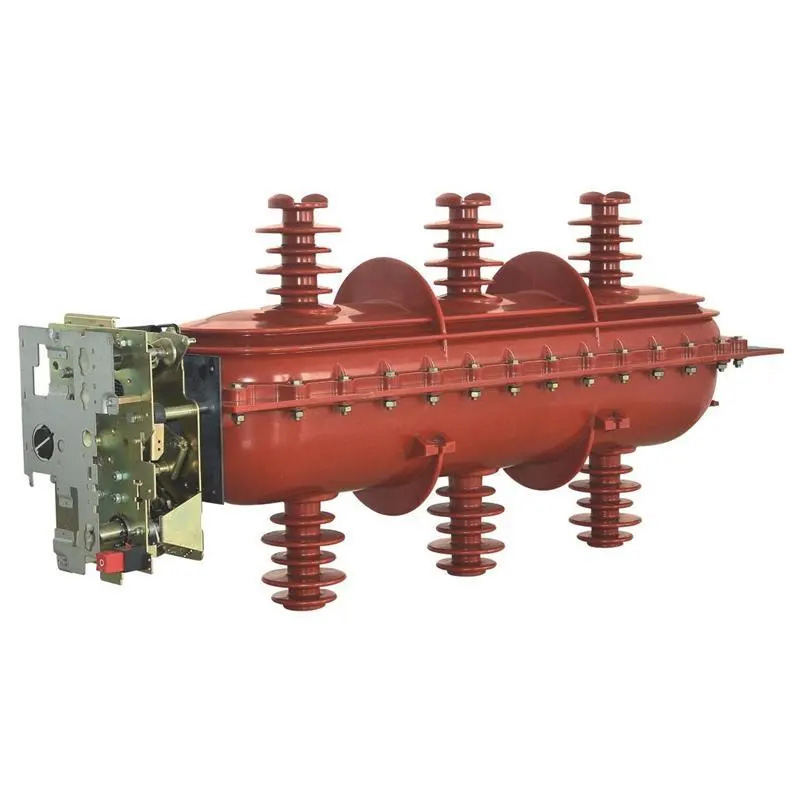
A 33kV SF6 load break switch manufacturer typically offers compact, sealed designs with strong insulation performance and reliable switching characteristics. SF6-insulated switches have been widely used where footprint is limited or where environmental conditions demand strong dielectric stability.
In practical field use, SF6 designs can be attractive for compact substations and enclosed switchgear applications. They often provide very stable electrical performance, especially in confined installations.
However, buyers now need to consider environmental regulations more carefully. SF6 is a potent greenhouse gas, so many utilities and industrial owners are reviewing long-term environmental policies before selecting this option.
Vacuum and Air-Insulated Alternatives
Vacuum load break switches are increasingly attractive because they combine low maintenance with reduced environmental concerns compared with gas-insulated alternatives. In many markets, vacuum technology is becoming the preferred choice for buyers who want long service life and simpler environmental compliance.
Air-insulated designs still have a place, especially where simplicity, familiarity, and straightforward maintenance are prioritized. They may require more installation space and careful environmental consideration, but they remain relevant for specific operating philosophies and budgets.
When comparing technologies, buyers should not default to what was used on the previous project. The better approach is to match technology to duty cycle, maintenance capacity, footprint limits, and regulatory expectations.
Key Technical Specifications Buyers Should Compare
Technical comparison should go far beyond the product title. A serious evaluation looks at electrical ratings, dielectric performance, mechanical life, operating mechanism, and suitability for the actual field environment.
Key parameters to compare include:
Rated voltage
Rated frequency
Rated normal current
Short-time withstand current
Peak withstand current
Load breaking capacity
Power-frequency withstand voltage
Lightning impulse withstand voltage
Mechanical endurance
Operating mechanism type
Ingress protection for enclosures
Temperature-rise limits
Altitude suitability
Creepage distance and pollution class
Rated Voltage, Current, and Breaking Capacity
These are the first numbers most buyers check, and they are essential. But they must be interpreted correctly.
Rated voltage confirms system suitability. Rated normal current shows the current the switch can carry continuously under specified conditions. Breaking capacity indicates the switch’s ability to interrupt load current, not full short-circuit fault current in the way a circuit breaker does.
Typical rated normal current values in 33 kV applications commonly include 630 A, 1250 A, and sometimes higher depending on design. For short-time withstand current, buyers may see values such as 16 kA, 20 kA, or 25 kA for 1 to 3 seconds, depending on the equipment category.
If a tender document is vague, buyers should verify whether the application requires only load switching, or whether fault-making capability and coordination with upstream protection are also essential.
Insulation Level, Temperature Rise, and Altitude
These factors often separate a paper-compliant offer from a field-reliable one. A switch may meet nominal voltage requirements yet still perform poorly if insulation margins are inadequate for the site.
For 33 kV class equipment, buyers commonly review power-frequency withstand voltage and lightning impulse withstand voltage. These values matter greatly in storm-prone regions, high-pollution environments, and exposed outdoor installations.
Temperature rise is another practical issue. Poor conductor design, weak contact pressure, or inconsistent plating can create localized heating, which shortens service life and increases failure risk.
Altitude matters because air insulation performance changes at higher elevations. Projects above 1000 meters often require derating or design correction. In western China, Central Asia, Andean regions, and parts of East Africa, this is not a minor detail. It must be confirmed before production.
Mechanical Endurance and Operation Method
A load break switch may look simple, but the operating mechanism defines a large part of its field reliability. Weak mechanisms cause incomplete closing, contact wear, and operational inconsistency over time.
Buyers should compare:
Mechanical endurance in operation cycles
Manual operation for basic isolated sites
Motorized operation for faster utility response
Remote-control compatibility for SCADA or distribution automation
Interlocks for operational safety
In actual utility practice, a motorized outdoor switch with RTU integration can dramatically reduce outage restoration time. On heavily loaded feeders, that benefit often justifies the higher initial price.
Standards and Certifications for 33 kV Load Break Switch Manufacturer China Evaluation
When screening a 33kV load break switch manufacturer in China, standards compliance should be based on documents, not sales language. The most relevant references often include IEC product standards and ISO management systems.
Commonly requested standards and certifications include:
IEC 62271 series for high-voltage switchgear and controlgear
IEC 62271-103 for switches for rated voltages above 1 kV up to and including 52 kV
IEC 62271-1 for common specifications
ISO 9001 for quality management
ISO 14001 for environmental management
ISO 45001 for occupational health and safety management
Utility-specific approvals where local grid companies impose extra requirements
Some projects also require third-party witness testing, local utility registration, or consultant approval of test reports. Buyers should confirm whether test evidence is from accredited laboratories and whether the tested model is genuinely equivalent to the offered product.
How to Evaluate a High Voltage Load Break Switch Factory in China
Evaluating a high-voltage load break switch factory in China should involve more than checking whether the supplier has a website and a PDF catalog. The right assessment combines technical, operational, and commercial review.
A structured evaluation framework includes:
Factory ownership and manufacturing scope
In-house versus outsourced component production
Engineering capability for customized projects
Routine test facilities and calibration practices
Incoming material inspection methods
Traceability system for key parts
Export history and target markets
Packing quality and shipping control
Warranty handling process
If possible, ask for a live video factory walk-through or an on-site audit. A real factory can usually show metalworking, assembly lines, mechanism adjustment, testing stations, finished-goods staging, and records linked to serial numbers.
Factory Audit Checklist
During a factory audit, buyers should verify not only appearance but process discipline. A clean workshop is good, but traceability and test control are better indicators of long-term reliability.
Raw materials: source control for copper, insulation parts, castings, and hardware
Machining and fabrication: consistency of dimensions and surface treatment
Assembly stations: documented work instructions and torque control
Testing laboratory: routine dielectric, mechanical, and functional checks
Calibration: validity of test equipment calibration certificates
Traceability: serial number linkage to components and test reports
Packaging: export-worthy moisture and shock protection
Document control: revision management for drawings and inspection records
Type Test and Routine Test Requirements
Type tests prove the design. Routine tests prove the manufactured unit. Buyers need both perspectives before approving supply.
Typical type test evidence may include dielectric tests, temperature-rise tests, short-time withstand tests, making and breaking tests, and mechanical endurance tests. These should come from recognized test laboratories and align with the offered design.
Typical routine tests before shipment may include visual inspection, dimensional verification, operation checks, contact resistance measurement, insulation tests, and power-frequency withstand tests as required by the applicable standard and product design.
If a supplier cannot provide a clear routine test plan, there is a good chance factory control is weaker than claimed.
Real-World Application Examples for 33 kV Outdoor Load Break Switch China Projects
Specifications are easier to understand when tied to field conditions. The best switch is not the one with the most impressive brochure. It is the one that fits the network, climate, operating style, and maintenance resources.
Utility Distribution Line Upgrade Example
Consider a utility feeder modernization project in a fast-growing secondary city. The utility had repeated outages because a single fault on an overhead 33 kV line forced a long feeder section offline.
By adding motorized outdoor load break switches at sectionalizing points, operators could isolate only the damaged span and restore the remaining healthy branches remotely. In many utilities, this kind of network segmentation can cut restoration time from several hours to under one hour for non-faulted sections, depending on communications and crew response.
In this scenario, the preferred product is often a 33kV outdoor load break switch China model with remote operation, weather-resistant enclosure, surge-arrestor coordination, and robust insulator creepage performance.
Solar or Wind Farm Interconnection Example
Renewable-energy projects commonly use 33 kV collection systems between inverter or transformer blocks and the main substation. Here, load break switches are used for feeder isolation, maintenance switching, and operational flexibility.
For a solar plant in a high-temperature, dusty environment, buyers often focus on enclosure protection, UV durability, and low-maintenance operation. If the site is remote, motorized control and SCADA integration become especially valuable because every avoided field visit saves time and operating cost.
Wind projects may add additional demands such as salt fog, humidity, and frequent weather exposure in coastal zones. In such cases, material coatings, stainless hardware, and validated outdoor insulation design are not optional extras.
Industrial Substation Expansion Example
In manufacturing plants, 33 kV switching is often used when expanding internal distribution while keeping existing operations running. A load break switch provides a practical means of isolating sections for maintenance or phased construction.
For example, a cement plant or mining facility may add a new transformer bay or process line without shutting down the entire substation. The selected switch must handle harsh dust conditions, repeated operational cycles, and strict safety procedures for maintenance teams.
This is where a supplier’s application engineering matters. A switch that is fine for a mild-climate utility yard may not be the best fit for abrasive industrial dust or heavy vibration environments.
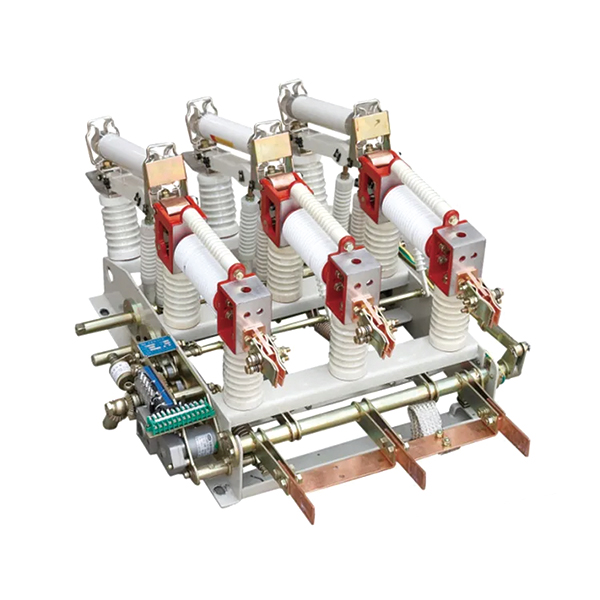
Typical Technical Comparison of 33 kV Load Break Switch Types in China
| Switch Type | Typical Rated Current | Interrupting Performance | Insulation Medium | Maintenance Level | Typical Installation | Main Advantage | Main Consideration |
|---|---|---|---|---|---|---|---|
| Outdoor Load Break Switch | 630 A to 1250 A | Normal load switching, sectionalizing duty | Air / external insulation with interrupter design | Moderate | Overhead lines, outdoor substations | Versatile for utility distribution | Exposure to weather and pollution must be managed |
| SF6 Load Break Switch | 630 A to 1250 A | Stable switching in compact designs | SF6 gas | Low to moderate | Compact substations, enclosed switchgear | Compact footprint and strong dielectric performance | Environmental regulation on SF6 handling |
| Vacuum Load Break Switch | 630 A to 1250 A | Reliable interruption with low maintenance | Vacuum interrupter | Low | Utilities, industrial substations, renewables | Long life and reduced environmental concern | Model availability varies by supplier |
| Air-Insulated Load Break Switch | 400 A to 1250 A | Normal switching in simpler configurations | Air | Moderate to high | Projects prioritizing simple structures | Straightforward construction | May require more space and maintenance attention |
Sample Supplier Evaluation Criteria for Professional 33 kV Switchgear Supplier Selection
Many procurement teams use weighted scorecards to reduce subjective decisions. The following is a practical example.
| Evaluation Criterion | Weight | What to Verify | Strong Supplier Signal |
|---|---|---|---|
| IEC Compliance and Type Tests | 20% | Valid model-related reports from recognized labs | Complete and current test file provided quickly |
| ISO Management Systems | 10% | ISO 9001, ISO 14001, ISO 45001 | Valid certificates with matching manufacturing scope |
| Routine Testing Capability | 15% | In-house inspection and test equipment | Clear test procedures and traceable records |
| Engineering Support | 10% | Drawing confirmation, accessory selection, customization | Fast technical clarification and document control |
| Lead Time Reliability | 10% | Historical delivery performance | Consistent production scheduling and updates |
| MOQ Flexibility | 5% | Sample and project-based batch acceptance | Can support pilot and full-scale orders |
| Customization Capability | 10% | Mounting, motorization, control cabinet, branding | Previous custom export projects documented |
| Export Market Experience | 10% | Shipment history by region | Experience with utility and EPC export requirements |
| Warranty and After-Sales Support | 10% | Warranty terms, spare parts, response time | Documented service process and named contacts |
Example Price Range and Lead Time Benchmarks in China
Pricing varies widely by structure, mechanism, accessories, and testing requirements. The figures below are indicative ex-works benchmarks only and should not replace formal quotations.
| Switch Type | Typical Order Volume | Indicative EXW Price Range | Customization Impact | Typical Lead Time |
|---|---|---|---|---|
| Basic 33 kV Outdoor Load Break Switch | 1 to 10 units | USD 1,800 to USD 4,500 | Motor drive, control box, CT/PT integration increases cost | 4 to 8 weeks |
| Motorized Outdoor Utility Type | 10 to 50 units | USD 3,500 to USD 7,500 | SCADA interface and stainless enclosure raise pricing | 6 to 10 weeks |
| 33 kV SF6 Load Break Switch | 1 to 20 units | USD 3,000 to USD 8,500 | Gas monitoring and compact panel integration affect cost | 5 to 9 weeks |
| Vacuum Load Break Switch | 1 to 20 units | USD 3,200 to USD 8,000 | Advanced mechanisms and remote control add cost | 5 to 9 weeks |
| Highly Customized Project Package | Project-based | USD 6,000 and above | Site-specific mounting and control integration are major factors | 8 to 14 weeks |
Proof Points: Real-World Data Buyers Should Request Before Ordering
Good suppliers do not just describe their quality. They can show it. Buyers should always ask for hard evidence that reflects actual manufacturing and delivery performance.
The most useful proof points include:
Type test reports linked to the proposed product family
Routine test records from recent shipments
Project reference lists by country, utility, or industry
On-time delivery data over the last 12 months
Warranty claim statistics for the same product line
Factory photos or audit reports showing real production capacity
Export packaging examples proving logistics readiness
For instance, a supplier claiming strong export experience should be able to show shipment destinations, packaging methods for sea freight, and documentation templates used for customs and inspection.
Example Metrics to Compare Across Suppliers
When comparing suppliers, ask them to quantify performance. Serious manufacturers usually can.
| Metric | Why It Matters | Example Benchmark to Discuss |
|---|---|---|
| Routine Test Pass Rate | Shows production consistency | Above 98% first-pass rate |
| Annual Output | Indicates capacity and production maturity | Hundreds to thousands of MV units annually depending on product mix |
| Export Ratio | Reflects global market experience | 20% to 60% export share for active international suppliers |
| On-Time Delivery Rate | Helps predict project reliability | Above 90% on confirmed schedule |
| Warranty Claim Rate | Reveals field-performance quality | Below 1% to 2% depending on product category |
| Response Time for Technical Queries | Affects project speed and coordination | 24 to 72 hours for documented replies |
China vs Other Sourcing Markets for 33 kV Load Break Switches
China is not the only source for 33 kV load break switches, but it is often the most commercially flexible. Buyers generally compare China with Europe, India, Turkey, and regional local-assembly markets.
China: strong price competitiveness, broad customization, large production capacity, improving compliance depth
Europe: premium engineering, high compliance confidence, usually higher prices and sometimes longer lead times
India: competitive in some utility segments, strong domestic market base, model availability depends on supplier focus
Turkey: useful regional option for Europe, the Middle East, and nearby markets, with varying pricing and customization depth
For many EPC buyers, China becomes the preferred choice when project economics are tight but the specification still demands credible IEC compliance and tailored configurations. The key is selecting the right manufacturer, not simply the lowest quote.
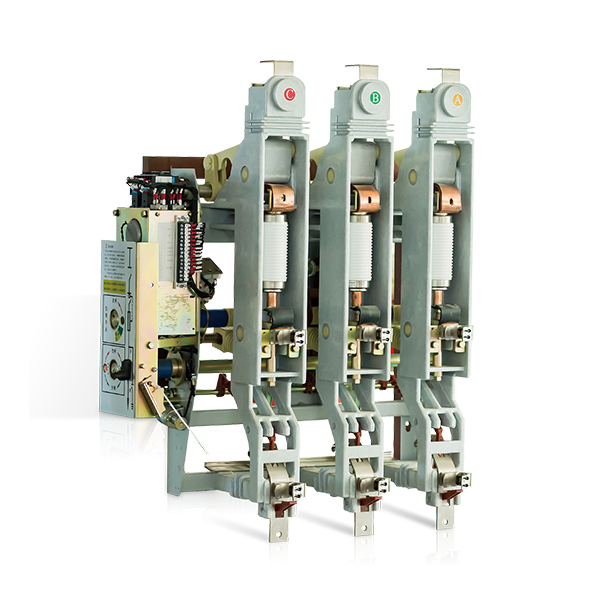
How to Choose the Right 33 kV SF6 Load Break Switch Manufacturer or Alternative
The decision between SF6, vacuum, air-insulated, or standard outdoor designs should be made case by case. There is no universal best option.
Choose based on the following:
Application: utility feeder, renewable plant, substation, or industrial distribution
Environmental policy: whether SF6 use is restricted or discouraged
Budget: initial purchase cost versus lifecycle cost
Grid duty: switching frequency, automation, and service continuity requirements
Maintenance capability: local staff skill and spare-parts planning
Footprint limits: whether compactness is critical
If the project needs compact indoor integration and has an established gas-handling policy, a 33kV SF6 load break switch manufacturer may be the right path. If environmental compliance and low maintenance are bigger priorities, vacuum designs deserve serious attention.
If the project is an overhead feeder upgrade in a rural utility zone, a robust 33kV outdoor load break switch China solution with motor operation may offer the best operational value. If the operating context is straightforward and budget sensitivity is high, air-insulated alternatives can still make sense.
In real procurement, the smartest choice is usually the one that aligns with actual operating conditions rather than internal habit. This is also why a supplier with application-specific guidance is more valuable than one that simply sends a price sheet. Buyers who speak with Weisho Electric or similar factory-oriented manufacturers often look first for this kind of practical technical support.
Procurement Checklist Before Placing an Order
Before PO confirmation, buyers should perform one final technical and commercial check. This step prevents most downstream disputes.
Confirm exact model and rated parameters
Verify applicable IEC standard references
Review type test reports for relevance
Approve GA drawing and mounting details
Confirm operating mechanism: manual, motorized, or remote
Check auxiliary voltage and control interface details
Confirm creepage distance and environmental suitability
Review routine test plan and inspection requirements
Confirm accessories, spare parts, and manuals
Lock packaging standard and shipping marks
Agree warranty period and claim procedure
Confirm lead time, INCOTERMS, and payment milestones
It is also wise to confirm whether the shipment requires third-party pre-shipment inspection. For utility and funded infrastructure projects, this is often part of the approval chain.
FAQ
What is the difference between a 33 kV load break switch and a circuit breaker?
A 33 kV load break switch is designed to switch normal load current and provide isolation or sectionalizing under specified operating conditions. A circuit breaker, by contrast, is designed to interrupt fault currents as part of the protection system. In practical terms, the load break switch is used for operational switching and feeder management, while the circuit breaker handles fault interruption and system protection.
How do I verify a 33 kV load break switch manufacturer in China?
Start with valid certifications, then request model-specific IEC type test reports, recent routine test records, and export references. After that, conduct a factory audit or live video inspection, confirm manufacturing scope, review warranty history, and check whether the supplier has real export documentation experience rather than only sales brochures.
Which is better for my project: SF6, vacuum, or air-insulated 33 kV load break switch?
SF6 is often selected for compactness and strong dielectric performance, especially in enclosed or space-constrained applications. Vacuum is attractive for low maintenance and reduced environmental concern, while air-insulated designs can suit projects that value structural simplicity and easier familiarity. The best choice depends on footprint, maintenance resources, environmental policy, and switching duty.
What standards should a professional 33 kV switchgear supplier follow?
A professional supplier should normally follow the IEC 62271 series, especially IEC 62271-103 for switches above 1 kV up to and including 52 kV, along with IEC 62271-1 for common specifications. On the management side, ISO 9001 is a basic expectation, while ISO 14001 and ISO 45001 are strong additional indicators. Utility-specific or project-specific approval requirements may also apply.
What is the typical price of a 33 kV outdoor load break switch in China?
A realistic ex-works price range for a standard 33 kV outdoor load break switch in China is often around USD 1,800 to USD 4,500 for simpler configurations. Motorized, utility-grade, remotely operated, or highly customized units can range from roughly USD 3,500 to USD 7,500 or more, depending on current rating, accessories, control systems, and order volume.
What routine and type tests should be provided before shipment?
Type tests should include design-level verification such as dielectric tests, temperature-rise tests, short-time withstand tests, making and breaking tests, and mechanical endurance tests where applicable. Before shipment, routine tests should typically include visual inspection, dimensional checks, operation tests, insulation verification, contact resistance checks, and any standard-required dielectric or functional tests for the supplied units.
Can Chinese factories customize 33 kV load break switches for utility projects?
Yes, many Chinese factories can customize 33 kV load break switches for utility and EPC applications. Common options include pole-mounting arrangements, motorized mechanisms, auxiliary contacts, CT/PT integration, control cabinets, communication interfaces, cable or busbar terminations, anti-corrosion upgrades, and even customer branding or project-specific nameplates.
What is the normal lead time for a high voltage load break switch factory in China?
For standard configurations, normal production lead time is often around 4 to 8 weeks. Motorized or project-specific models may take 6 to 10 weeks, while heavily customized packages can require 8 to 14 weeks or longer depending on engineering approval, material availability, and testing requirements.
How long does a 33 kV load break switch typically last?
A properly selected and maintained 33 kV load break switch can often remain in service for 15 to 25 years, and sometimes longer in stable environments with disciplined maintenance. Actual service life depends on operation count, contact wear, climate exposure, pollution, installation quality, and whether the switch is used within its intended duty.
Are 33 kV load break switches from China suitable for export markets?
Yes, many are suitable for export markets when they are sourced from qualified manufacturers with proper IEC compliance, valid test evidence, climate-appropriate design, and strong export packaging. Buyers should also verify grid compatibility, auxiliary voltage requirements, anti-corrosion measures, documentation quality, and shipping protection for the destination country.
Get a Quote from a Professional 33 kV Load Break Switch Manufacturer in China
If you are sourcing a 33kV load break switch manufacturer China, do not settle for a generic offer that leaves technical and delivery risks unresolved. Ask for detailed specifications, test reports, drawings, lead times, warranty terms, and clear confirmation of the exact operating conditions for your project.
Whether you need a 33kV outdoor load break switch China solution for a utility feeder, a compact SF6 model for substation integration, or a vacuum alternative for lower maintenance and environmental alignment, the right supplier should be able to support you from specification review to shipment documentation.
Request a formal quotation now with datasheets, technical drawings, factory-test documentation, accessory options, and project-specific pricing. A reliable manufacturer will help you reduce procurement risk, improve field performance, and keep your power project on schedule.