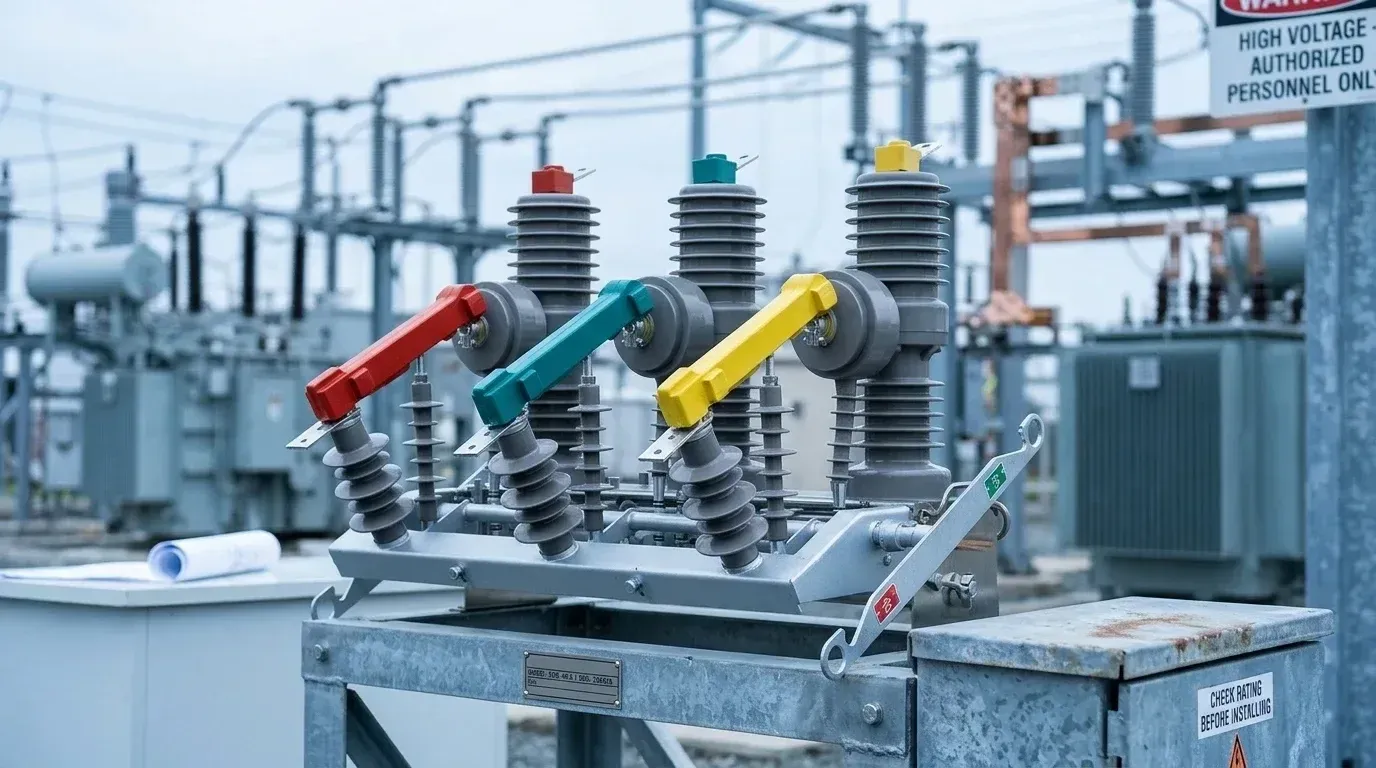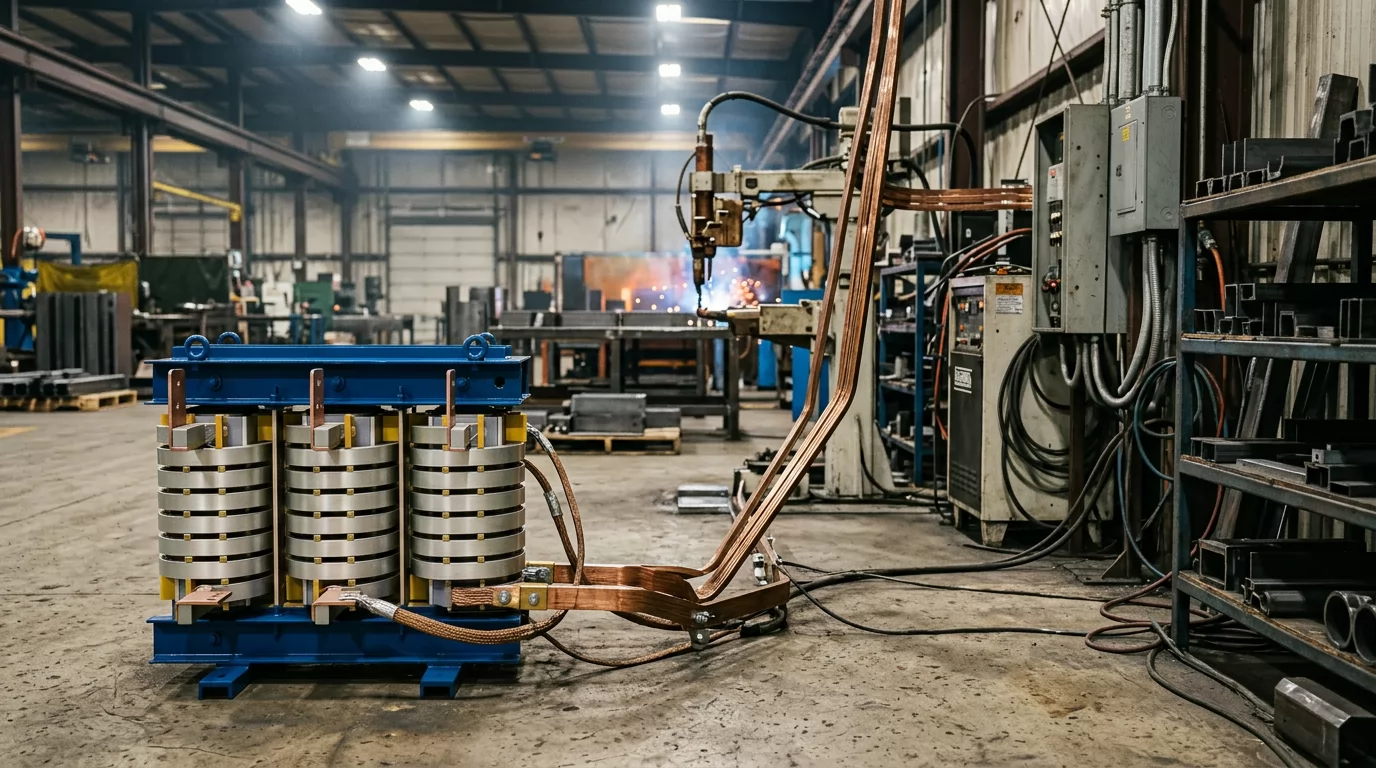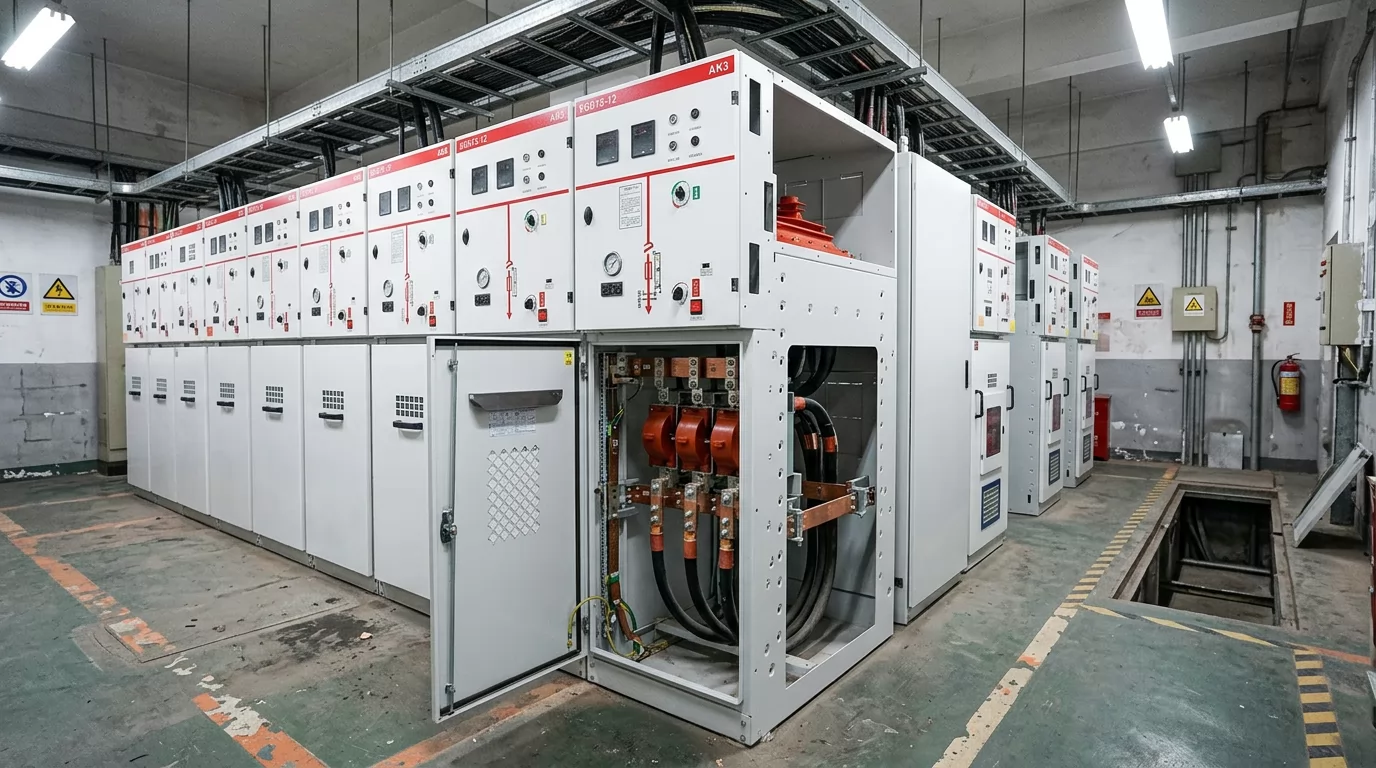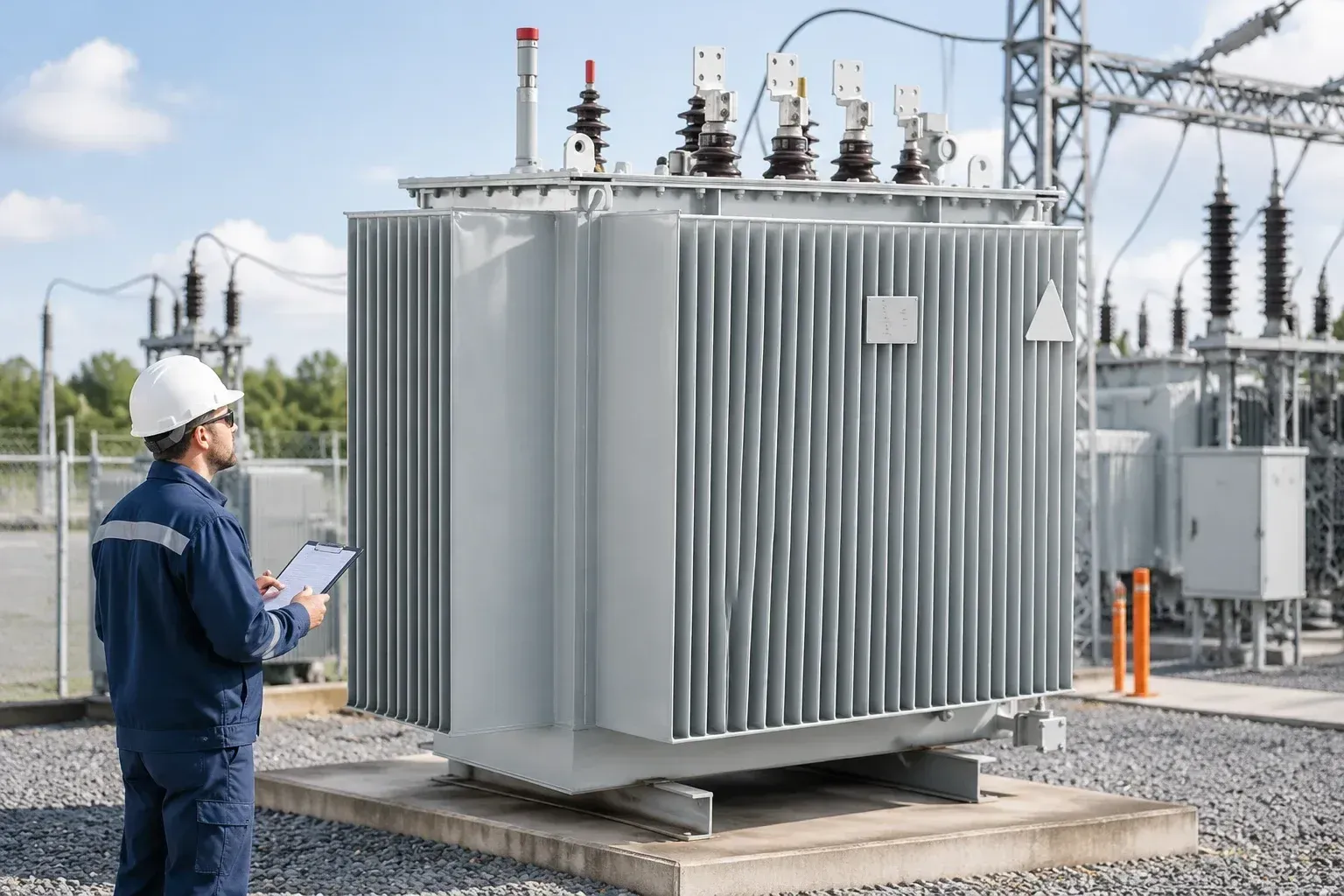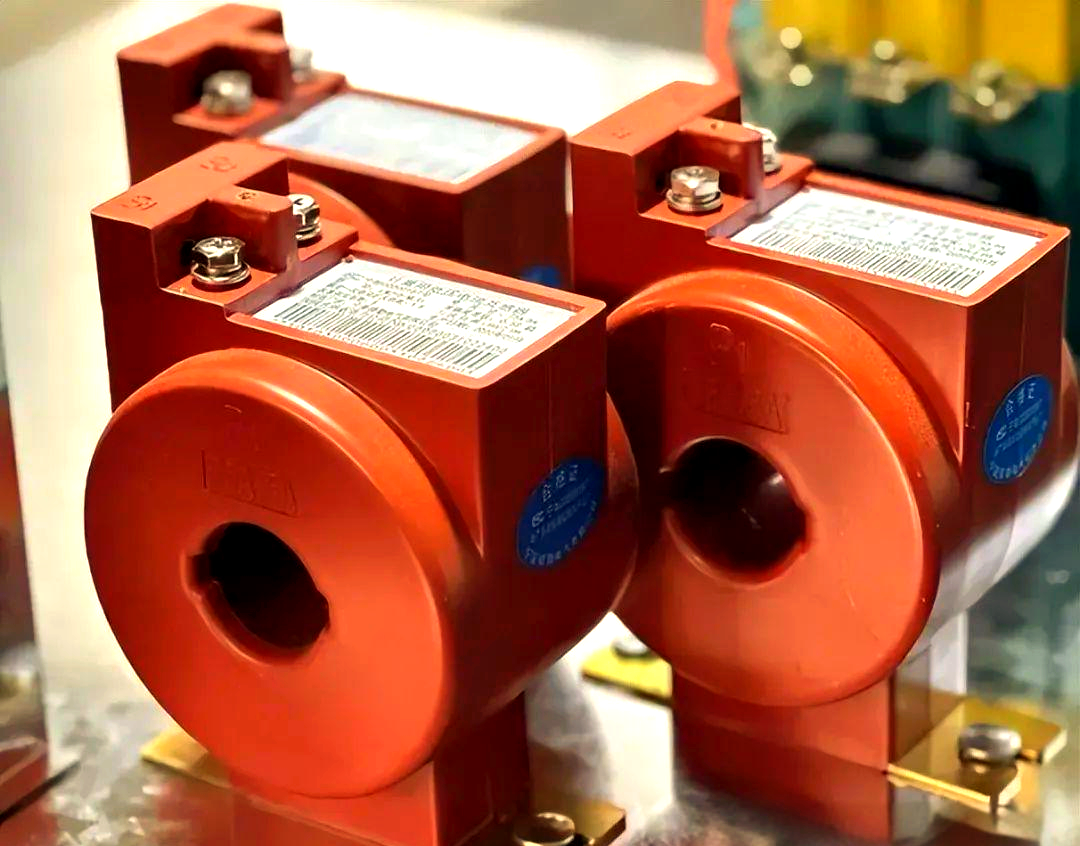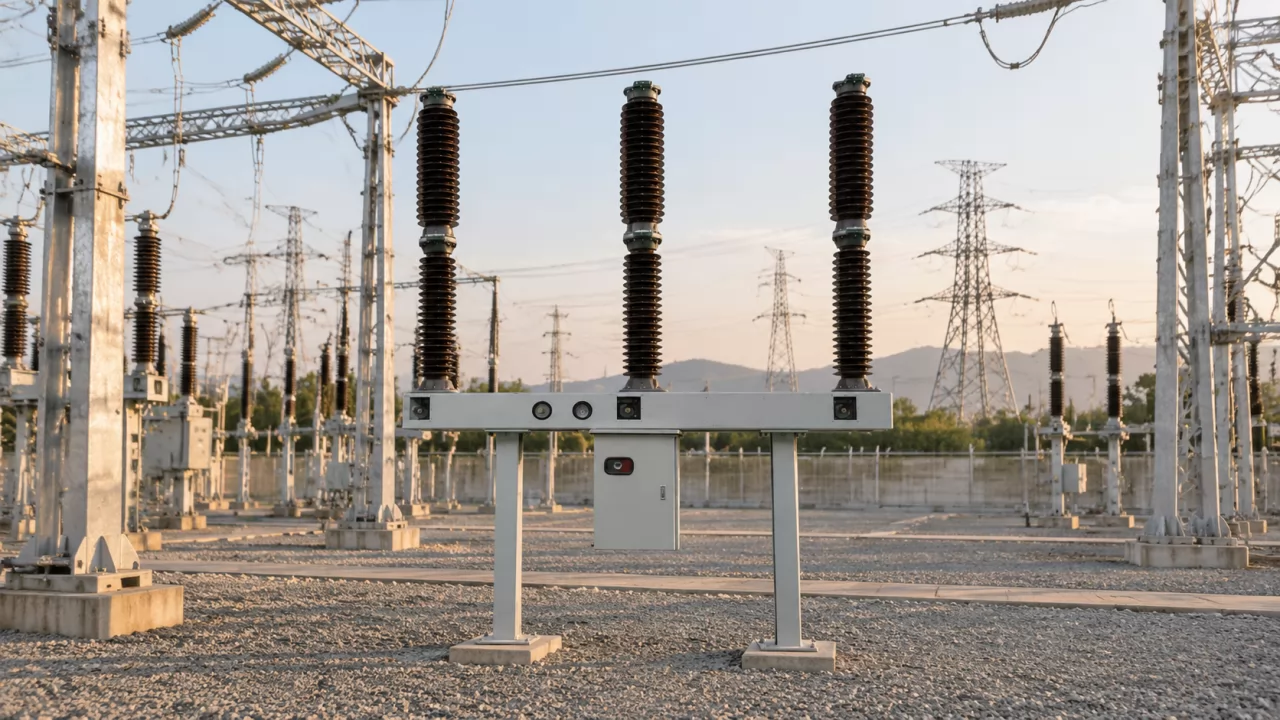
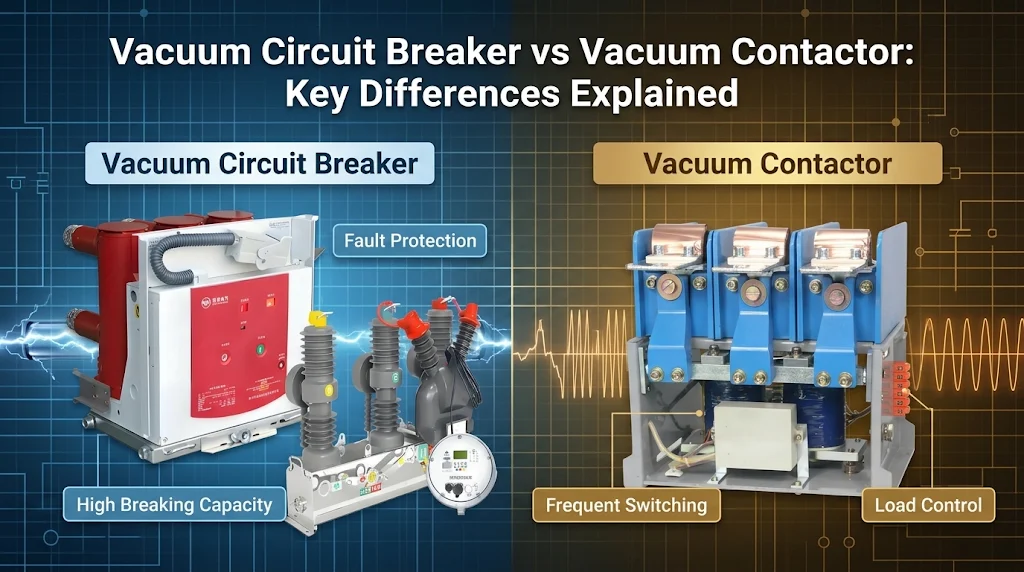
A panel builder's quote lists contactors where the end customer's spec sheet asked for breakers, and you need to decide by tomorrow whether that is a saving or a protection gap. In the vacuum circuit breaker vs vacuum contactor decision, the circuit decides. What does it have to survive: faults, or constant switching? Price comes second.
Vacuum Circuit Breaker vs Vacuum Contactor: One Protects, One Switches
A vacuum circuit breaker is a protective switching device. It opens automatically on a fault and clears short-circuit and overload current. A vacuum contactor is an operating switch. It makes and breaks normal load current many times a day but cannot clear a short circuit. If the circuit can see a fault, something on it must be able to break that fault current.
That is the whole verdict. The rest of this article covers where each device belongs and what to check on paper before you sign off a substitution.
Both devices sit in the same panels and often look alike in a catalogue. They are built for different jobs:
| CRITERION | VACUUM CIRCUIT BREAKER | VACUUM CONTACTOR |
|---|---|---|
| Main purpose | Protect the circuit, isolate faults | Switch loads on and off |
| Current it can interrupt | Hundreds to thousands of amps, incl. faults | Normal load current only |
| Automatic trip | Yes, via protection relay or trip unit | No, opens only on control signal |
| Operating frequency | Low, occasional switching | High, frequent starts and stops |
| Size and noise | Larger mechanism | Compact body, low noise |
| Cost position | Higher per unit | Lower per unit |
The table points one way. A contactor is cheaper and handles far more operations, but only because it leaves the hardest job, breaking fault current, to another device.
What Does Each Device Actually Do Inside Medium Voltage Switchgear?
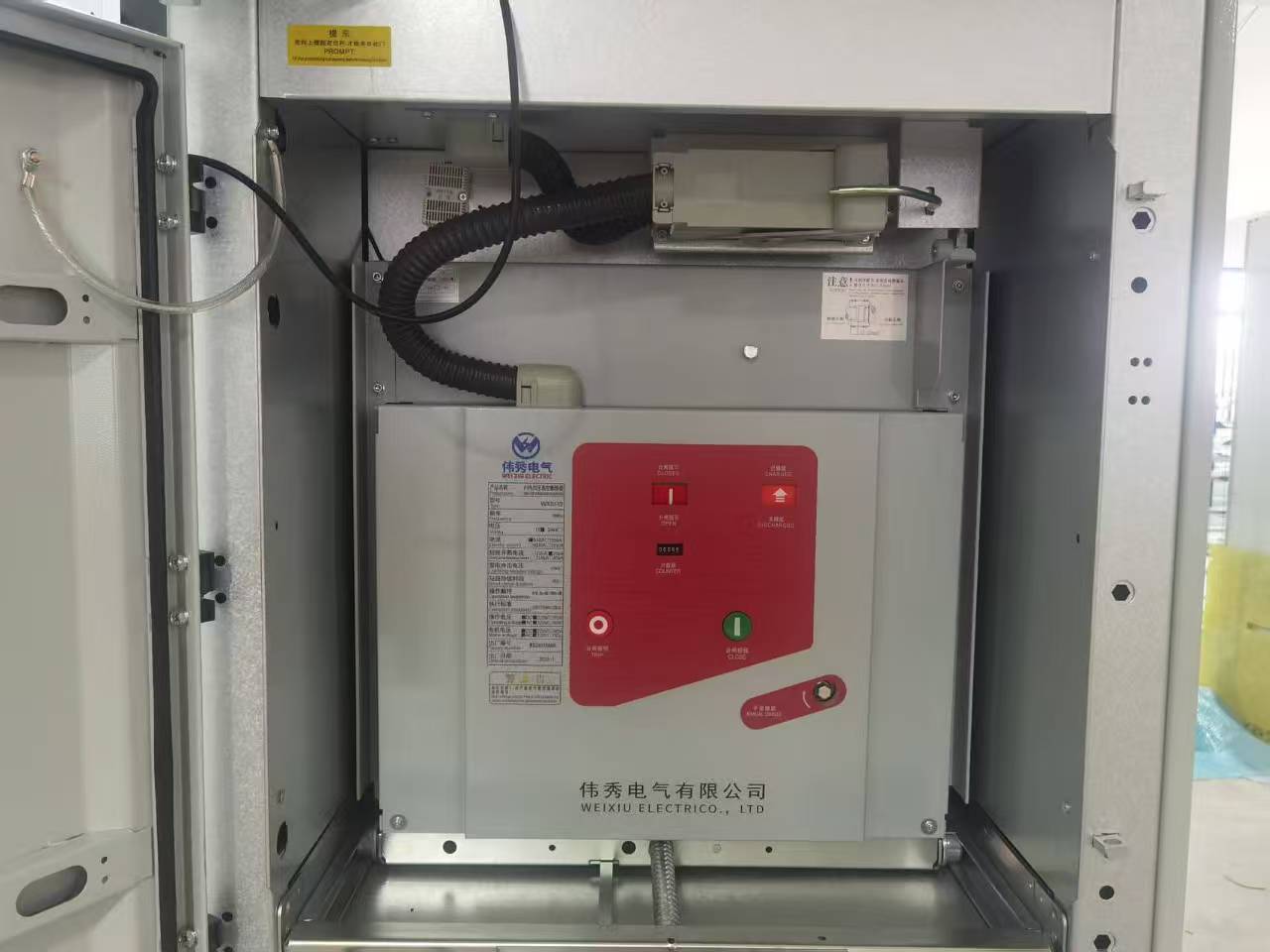
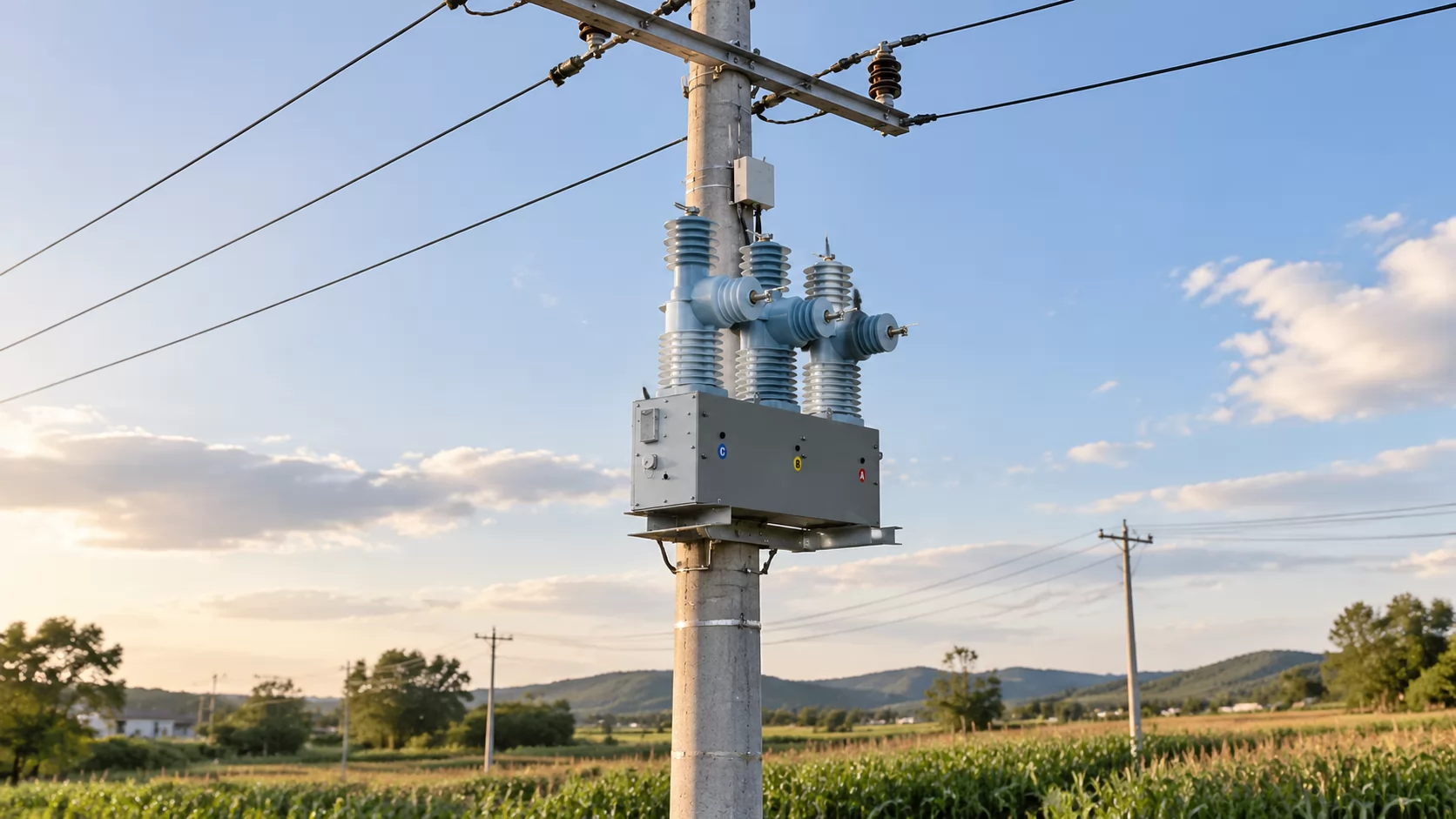
Inside medium voltage switchgear, the breaker detects and clears abnormal current, while the contactor opens and closes a load whenever the control system tells it to. Both use the same vacuum interrupter technology. The difference lies in the operating mechanism, the ratings and the protection they are built to carry.
The breaker's job: detect, trip, isolate
A high-voltage circuit breaker is a switching device rated at 3 kV and above. It can close, carry and break normal operating current, and it can break abnormal current, such as short-circuit or overload current, within a specified time. In IEC terms, these devices fall under IEC 62271-100.
Protection functions vary by brand and model. The scheme most suppliers list is three-stage: overload protection plus two short-circuit stages with different time delays. Undervoltage and overvoltage protection are common options. Opening and closing can be manual or motorized. Mounting is usually fixed or withdrawable (drawout). Ratings are split by operating voltage class and rated current.
Withdrawable mounting matters more than it looks on a quote. You can rack out a breaker for maintenance without de-energizing the whole board, but the panel costs more and takes more depth.
The contactor's job: switch on command, again and again
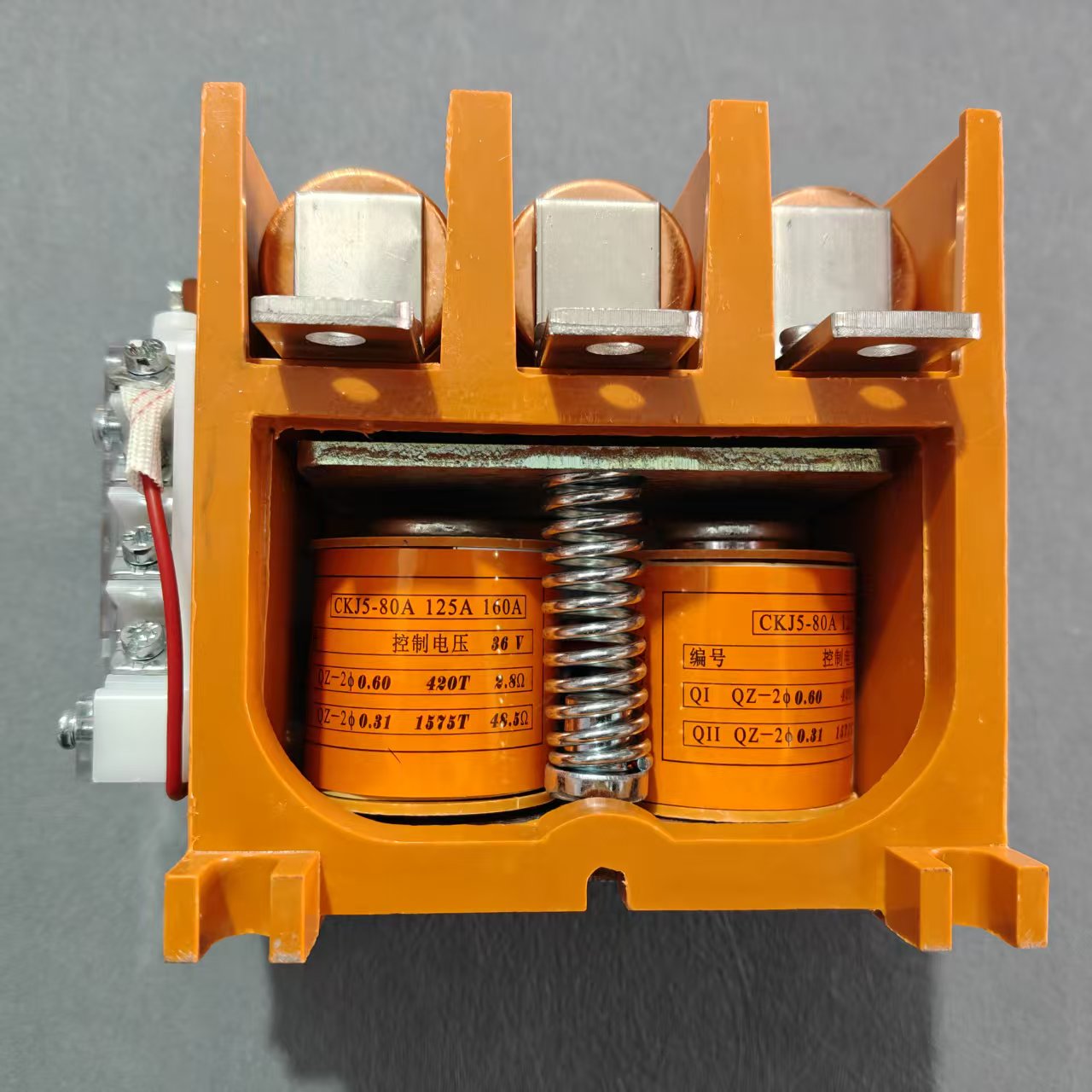
A high-voltage vacuum contactor is a switch for routine operation. It opens and closes a circuit only when it receives a control signal. It can break load current but not short-circuit current, and it has no short-circuit protection of its own. Most units carry normally open and normally closed auxiliary contacts for interlocking and status signals. They run quietly and fit in a small footprint.
One detail affects your control design. Is the contactor electrically held or mechanically latched? An electrically held unit drops out when the control voltage fails, which works as a crude undervoltage release. A latched unit stays closed, which some process loads need.
Why "vacuum" matters for both
A vacuum breaker and a vacuum contactor do the same job as their air-break counterparts. The difference is that the arc-quenching chamber sits in a vacuum. Vacuum insulates well and puts out the arc quickly, and the sealed chamber is less affected by dust, humidity and altitude than an open air gap. That is why vacuum devices have largely replaced air-break designs at medium voltage.
Incomers, Feeders and Transformer Circuits
Any point where a fault must be cleared at its source needs a breaker. Three positions come up on almost every single-line diagram.
Incoming supply. The incomer has to isolate the whole board from the utility or generator and clear a fault on the busbar. Prospective fault current is highest here, and the device switches rarely. Verdict: breaker, no exceptions.
Outgoing feeders. A feeder to a downstream substation or distribution board needs selective protection. Its relay is graded against the devices further down, so only the faulted section trips. A contactor has no trip function to grade. Verdict: breaker.
Transformer circuits. Transformer primaries see inrush on energization and need protection against internal faults and secondary-side faults. A relay-driven breaker handles both. For small transformers, a fused switch or fused contactor sometimes appears in compact ring-main or package substations. The buyer should treat that as a deliberate engineering choice, not a cost trim. Verdict: breaker as default, fused arrangements only where the protection study supports them.
What do you give up? A bigger mechanism and a wider cubicle, especially in withdrawable form. Fewer rated operations, so a breaker cycled hourly wears out early. And a higher unit price, which reflects the breaking capacity and protection functions inside. On an incomer that price is the cost of being allowed to energize the board.
When Should You Use a Vacuum Contactor Instead of a Circuit Breaker?
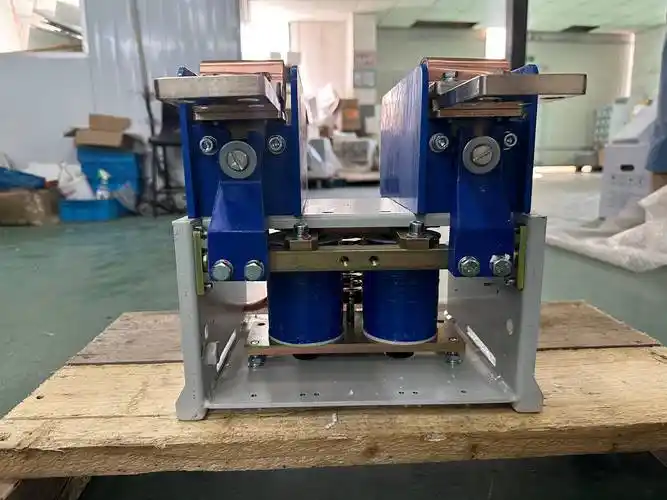
Use a vacuum contactor instead of a circuit breaker when the load starts and stops often and something else in the circuit clears faults. Typical cases are medium voltage motors on pumps, fans, compressors and conveyors. The contactor takes the switching duty. A fuse or upstream breaker carries short-circuit protection. Without that backup, the substitution is a protection gap.
Vacuum contactor for medium voltage motor switching
Motors are the contactor's home ground. A cooling-water pump cycling on tank level, a fan stepping with process demand, a compressor loading and unloading, a conveyor stopped at every shift change and jam: each can switch dozens of times a day.
A breaker's operating mechanism stores a lot of energy to open fast against fault current. Cycling it all day spends that mechanical life on routine work it was never sized for. Contactors carry a much lighter mechanism and are usually rated for many more operations. Most IEC-market MV contactors and motor starters are covered by IEC 62271-106. Verdict for high-cycle motors: contactor, with coordinated fuses or a feeder breaker behind it.
For a large motor started once a week, the case is weaker. A breaker with a motor protection relay is often simpler, and the cycling argument disappears.
Can a vacuum contactor interrupt short circuit current?
No. A vacuum contactor cannot break short-circuit current and has no fault protection of its own. It is normally combined with current-limiting fuses, usually HRC types rated for motor circuits, in a fused-contactor arrangement, or placed downstream of a breaker. The fuse or breaker clears the fault and the contactor handles everyday switching.
The protection is only as good as the coordination drawing, so check these points before you accept the panel:
The fuse curve clears the motor's starting current and run-up time without nuisance blowing.
The fuse's let-through energy stays within the contactor's short-time withstand rating.
The crossover point shows the fuse handles currents above the contactor's breaking capacity.
Fuse striker pins trip the contactor on a single blown fuse to prevent single-phasing.
Overload protection comes from a motor protection relay commanding the contactor.
If the supplier cannot show the crossover point between fuse and contactor curves, ask for it before the purchase order. A missing curve is the gap the end customer's breaker spec was written to prevent.
Trade-offs at a glance
Put plainly, here is what each device brings and what it costs you.
Vacuum circuit breaker:
Breaks fault current itself, with relay-based tripping
Supports selective grading across the network
Fewer rated operations, so it wears out under frequent switching
Larger, louder mechanism and a higher unit price
Vacuum contactor:
Handles high switching frequency over a long electrical life
Compact, quiet and cheaper per unit and per replacement
Cannot clear a short circuit and needs fuses or a breaker
Fuse replacement after a fault adds spares and downtime
For an engineer protecting a network, the breaker's protection functions decide the choice. For someone running motors that start all day, the contactor's endurance and price matter more.
Switching Frequency and Electrical Endurance Drive Lifetime Cost
The unit price on the quote is the smallest number in this decision. A mismatch gets expensive either way.
Put a breaker on a motor that starts thirty times a shift and the mechanism eats through its rated operations in a few years. Springs, latches, charging motors and the interrupters then need early overhaul. Breakers are typically rated in the thousands to roughly ten thousand mechanical operations. MV contactors usually run to hundreds of thousands. The exact figures depend on the model and the datasheet, so compare those, not the brochure.
Reverse the mistake and the bill is worse. A contactor alone on a feeder works fine until the first short circuit. Then it either fails to clear the fault or welds and is destroyed. The upstream protection trips a larger part of the plant, and you lose a section of production instead of one motor.
The table sets out how each device typically wears and what failure costs you.
| FACTOR | VACUUM CIRCUIT BREAKER | VACUUM CONTACTOR |
|---|---|---|
| Typical duty | Occasional switching, fault clearing | Frequent load switching |
| Main wear points | Spring mechanism, latches, interrupter contacts | Interrupter contacts, coil, auxiliary contacts |
| Maintenance focus | Mechanism timing, lubrication, trip tests | Contact wear indicator, coil, fuses |
| Wrong-application consequence | Premature mechanism overhaul | Fault not cleared, wider outage |
The pattern holds across makers. The breaker's lifetime cost sits in its mechanism, and the contactor's risk sits in whatever is meant to clear faults for it.
Ask for the electrical endurance class, not only the mechanical one. Electrical endurance counts operations at rated load current, which is what a motor circuit actually sees.
Specification Checklist for Your Quote Request
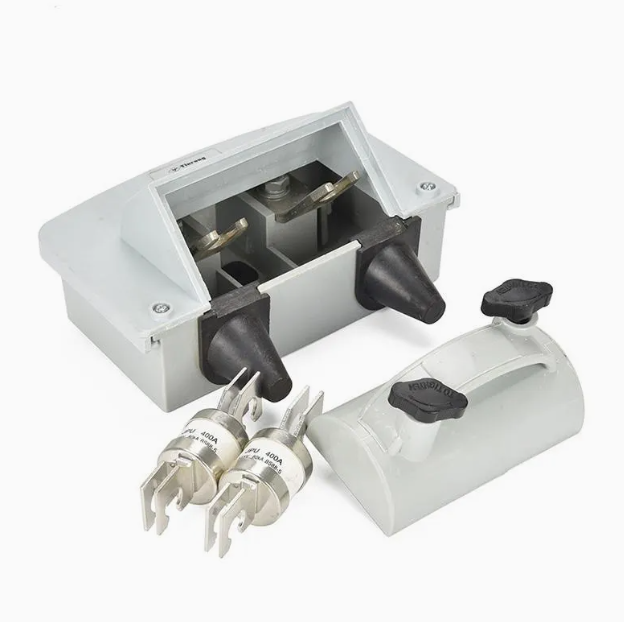
Most quote mix-ups start with an incomplete enquiry. When you send specs to Weisho Electric or any other switchgear maker, give the supplier enough to rate the device properly:
Rated voltage and current. State system voltage and the load's full-load current. The voltage class sets the insulation, and the current sets the frame size.
Required breaking capacity. Give the prospective short-circuit current at that point. It decides whether a breaker is mandatory or a fused contactor will do.
Operations per day. A realistic start/stop count decides between the two devices more than anything else on the list.
Control voltage and holding type. AC or DC, the value, and whether you need electrically held or latched contactors.
Auxiliary contacts and mounting. Count the NO/NC contacts for interlocks and SCADA. Specify fixed or withdrawable, because changing it later means a new cubicle.
Protection coordination. Ask for fuse type and rating or the upstream breaker, with a coordination drawing attached to the offer.
Rule of thumb: if you cannot state the fault level and the operations per day, you are not ready to choose between the two.
FAQ
Is the difference between vacuum circuit breaker and vacuum contactor mainly about price?
No. The difference is function: the breaker clears faults and the contactor switches loads. The price gap follows from the breaking capacity, trip unit and heavier mechanism a breaker has to carry.
Can a breaker replace a contactor for frequent motor starts?
Yes, technically, but it is a poor fit. The breaker will switch the motor. Its mechanism is not rated for that many operations, so wear, overhaul frequency and downtime usually rise well above what a contactor would cost.
Do I still need fuses with a vacuum contactor?
Yes, or an upstream breaker. Some device in the circuit must clear short-circuit current, because the contactor cannot. Fused contactors are common for motor starters, and breaker backup suits larger motors.
Are vacuum devices better than air-break versions?
For most medium-voltage work, yes. The switching role is the same. The vacuum chamber insulates better, puts out arcs faster and is less affected by dust, moisture and site conditions.
Bottom Line by Application
Incomers, feeders and transformer circuits take breakers. High-cycle motors take contactors, always with fuses or a breaker behind them, and a quote from Weisho Electric or anyone else should show both on the single-line. On every line of every quote, ask one question: what clears the fault on this circuit?