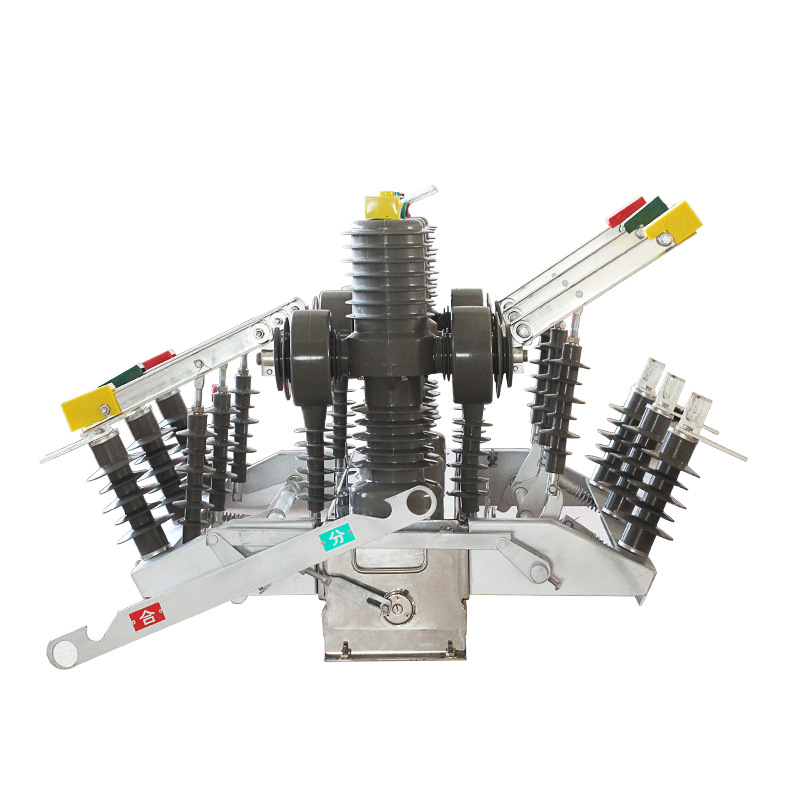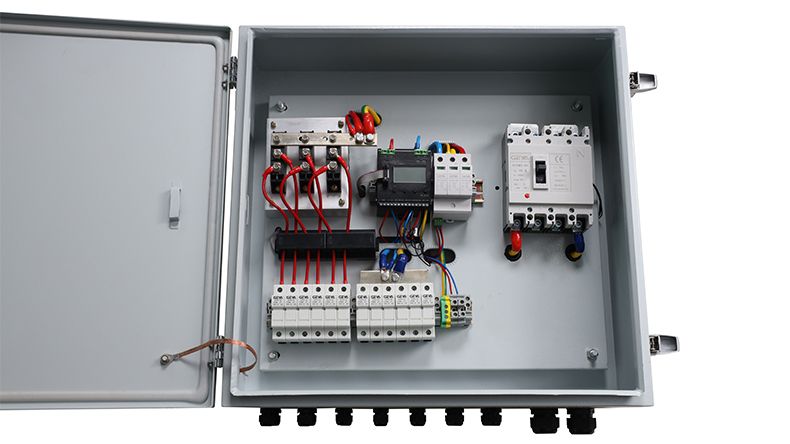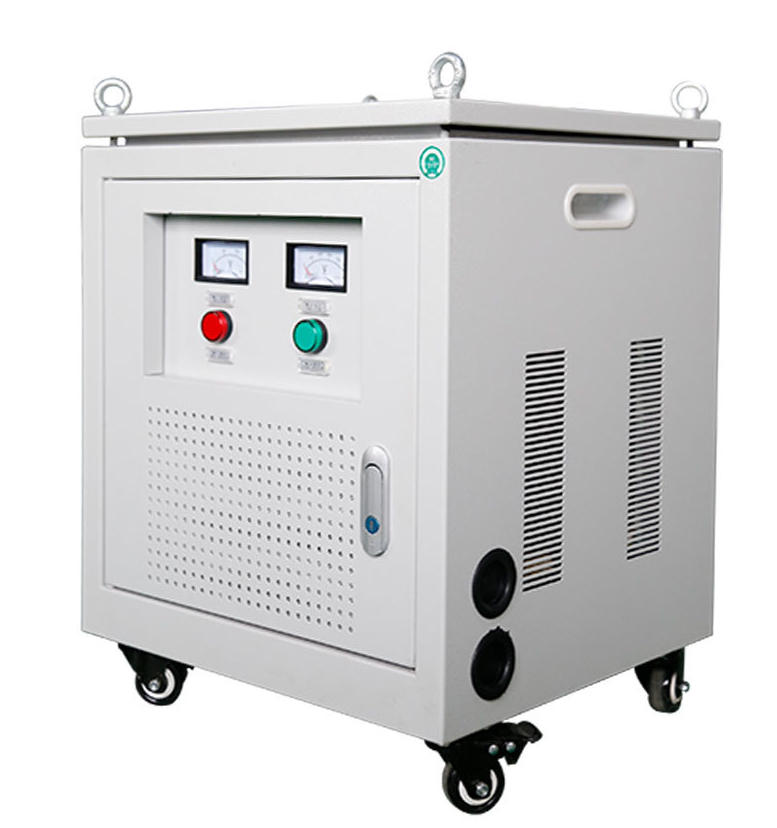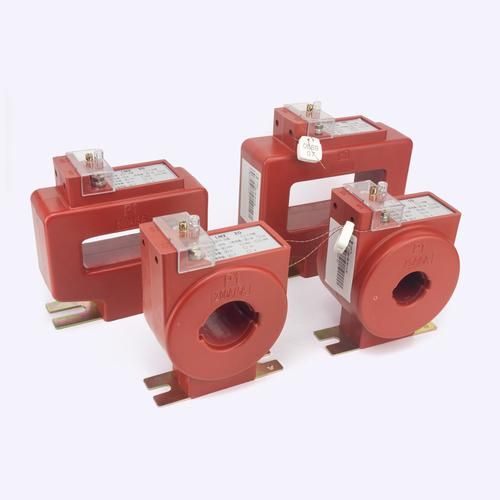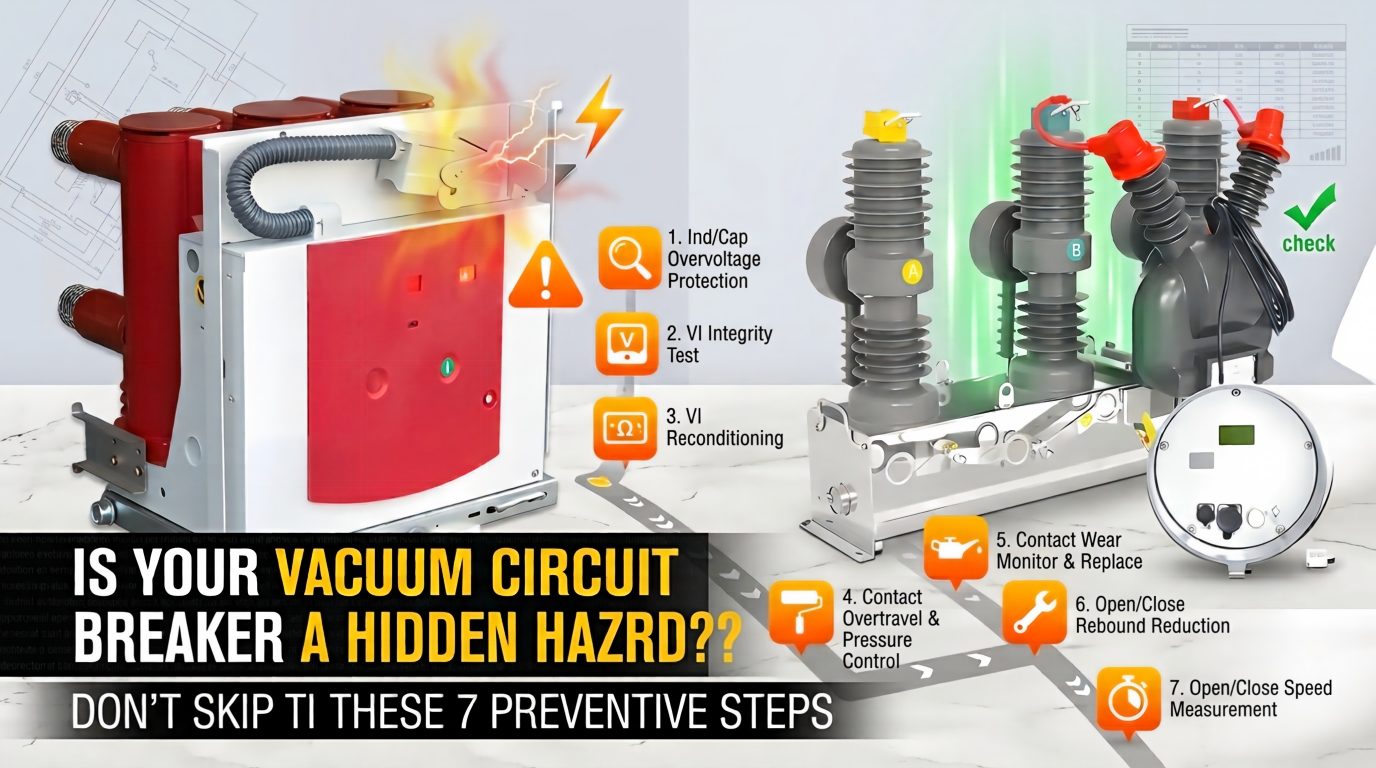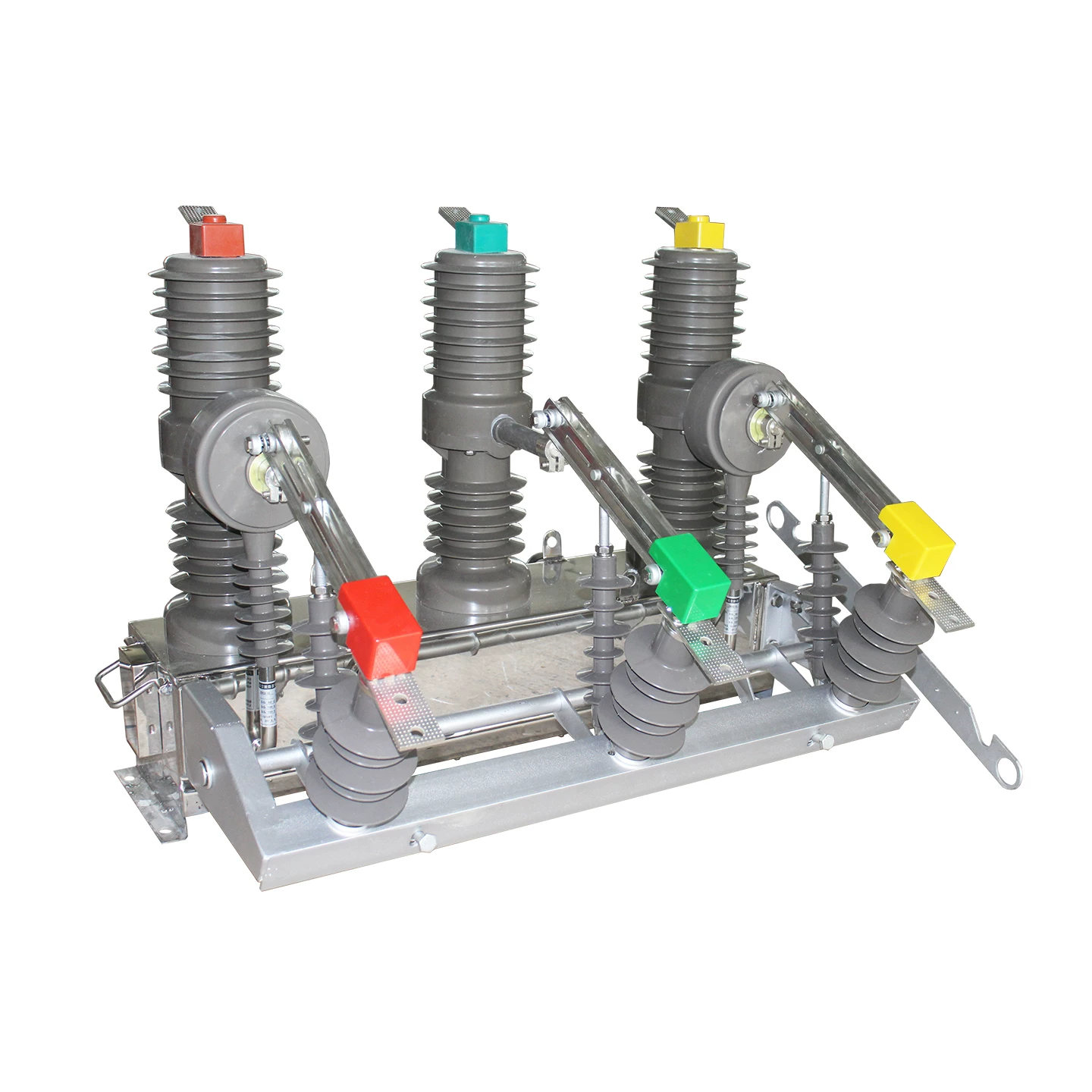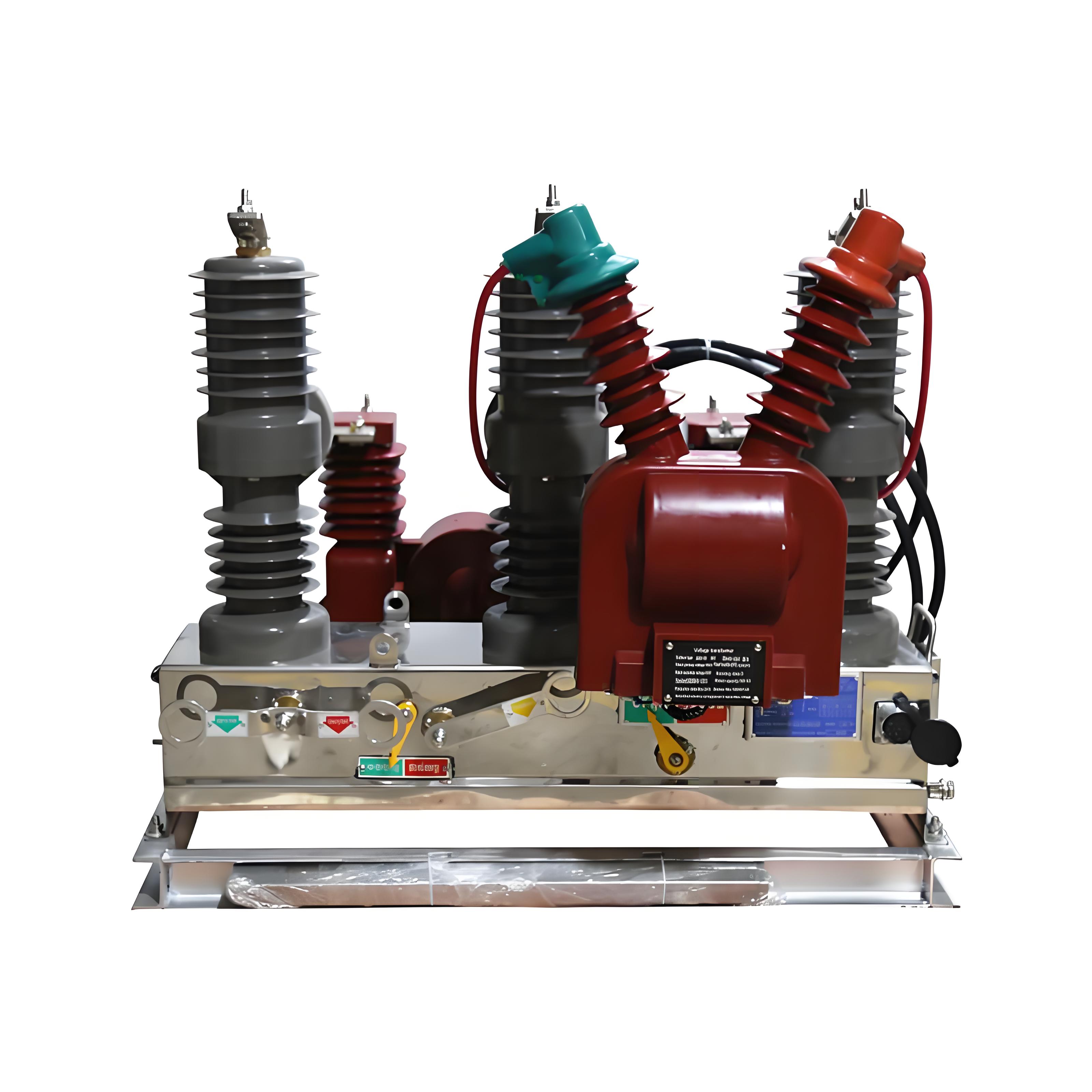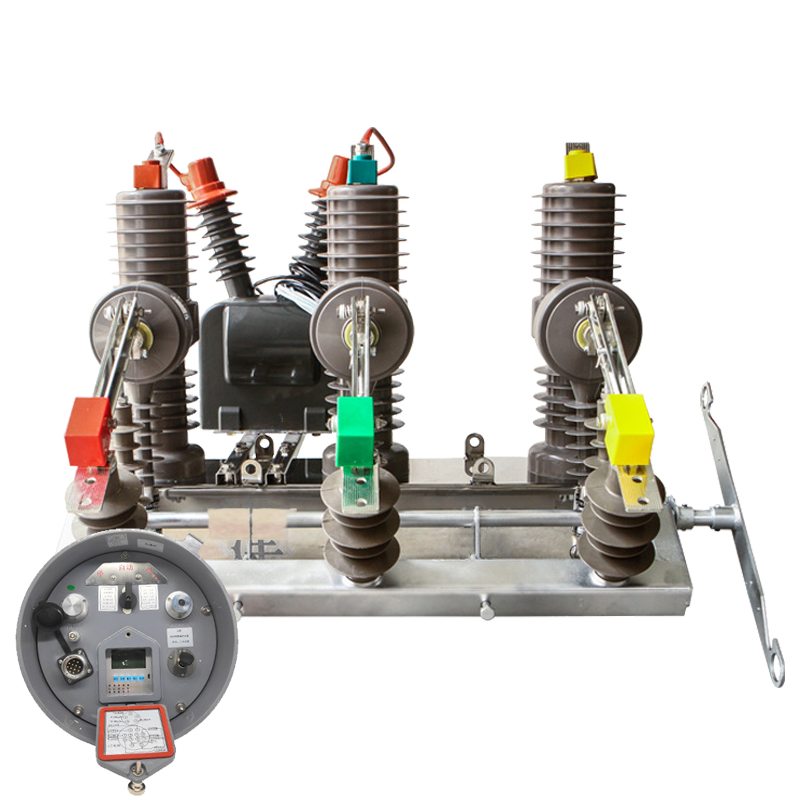
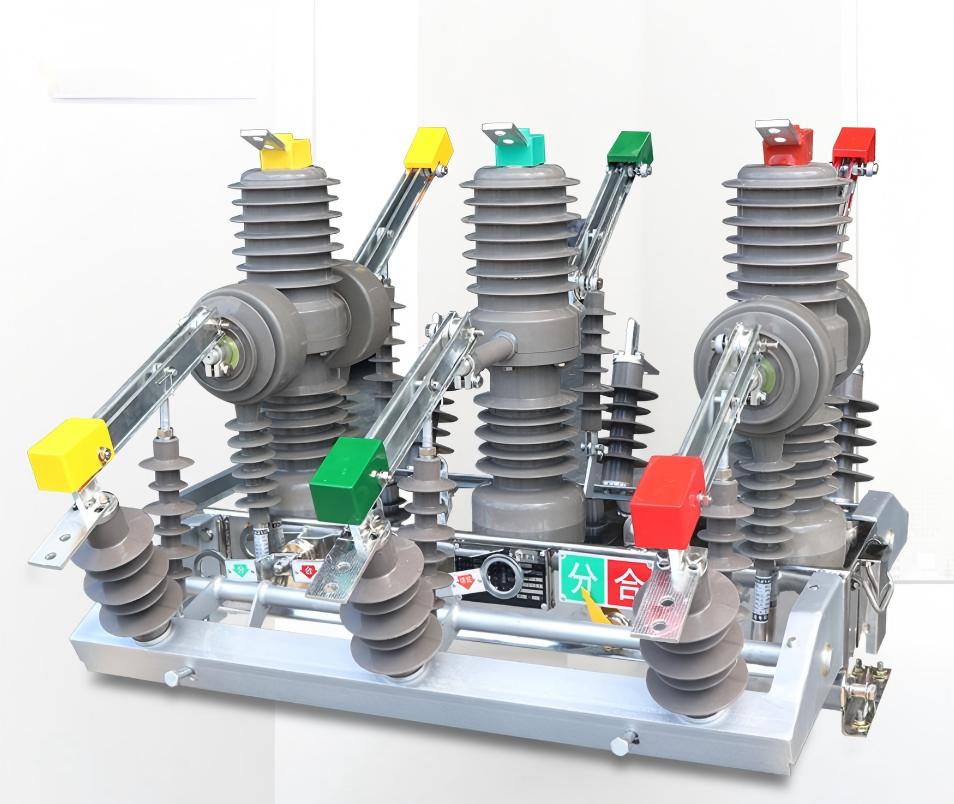
In medium-voltage power systems, the vacuum circuit breaker is not just another line item in a bill of materials.
It is a frontline protection device that directly affects uptime, fault-isolation speed, operator safety, maintenance costs, and the credibility of the entire electrical system.
That is why choosing among industrial vacuum circuit breaker suppliers deserves the same rigor that buyers normally apply to transformers, relays, or complete switchgear packages.
In practice, many procurement teams still buy breakers based on unit price, catalog claims, or legacy supplier habit.
That approach often becomes expensive later.
A breaker that arrives late can delay energization.
A breaker without proven type-test data can trigger consultant objections.
A supplier without spare parts or field support can turn a minor equipment issue into a costly shutdown.
For utilities, factories, mines, data centers, oil and gas facilities, and renewable plants, the supplier decision is a reliability decision.
This article is designed for commercial buyers, electrical engineers, EPC teams, and plant operators who need a practical framework to compare medium-voltage vacuum circuit breaker manufacturers, distributors, interrupter sources, and integrated switchgear partners.
The goal is simple: help you reduce sourcing risk, shorten lead time, and make decisions that hold up under technical review and real operating conditions.
Why Industrial Vacuum Circuit Breakers Suppliers Matter in Medium-Voltage Power Systems
In a medium-voltage network, the breaker must perform under stress, not just in a catalog.
When a fault occurs, interruption speed and reliability determine whether the event stays local or cascades into a wider outage.
Supplier quality therefore affects far more than procurement convenience.
It influences system availability, asset protection, and maintenance planning.
For example, in heavy industries such as steel, cement, and petrochemical processing, a single unplanned electrical outage can cost tens of thousands of dollars per hour in lost production.
In a data center or water utility, the consequences may include service interruption, compliance exposure, or reputational damage.
A stronger supplier can reduce those risks through tested products, stable lead times, available spares, and responsive technical support.
A weaker supplier usually reveals itself later: delayed shipments, incomplete documents, unclear warranty terms, and slow fault response.
From a lifecycle cost standpoint, the lowest purchase price is rarely the lowest total cost.
Buyers who focus on mechanical life, short-circuit rating, maintenance intervals, and service access often achieve better commercial results over five to fifteen years.
The Core Buying Problem: Too Many Suppliers, Too Little Verified Data
The market is crowded.
Search results are full of companies claiming high quality, global exports, OEM capability, and fast delivery.
But when buyers ask for evidence, many suppliers provide little more than PDFs, generic test summaries, or marketing statements.
This creates a familiar problem.
Technical teams want verified compliance.
Procurement wants competitive pricing and predictable delivery.
Operations wants dependable support after installation.
Too often, no supplier clearly proves all three.
Buyers comparing vacuum circuit breaker industrial suppliers' quick-ship offers usually run into the same issues:
Lead times are quoted broadly, not contractually.
Type-test reports are referenced but not fully shared.
Installed base claims are not tied to real projects.
Warranty coverage is vague on labor, replacement, and response time.
Local spare parts availability is uncertain.
Export documentation and certification acceptance vary by country.
The result is confusion, especially for fast-track projects and emergency replacement needs.
In the real world, the winning supplier is rarely the one with the nicest brochure.
It is the one that can prove performance, logistics discipline, and post-sale accountability.
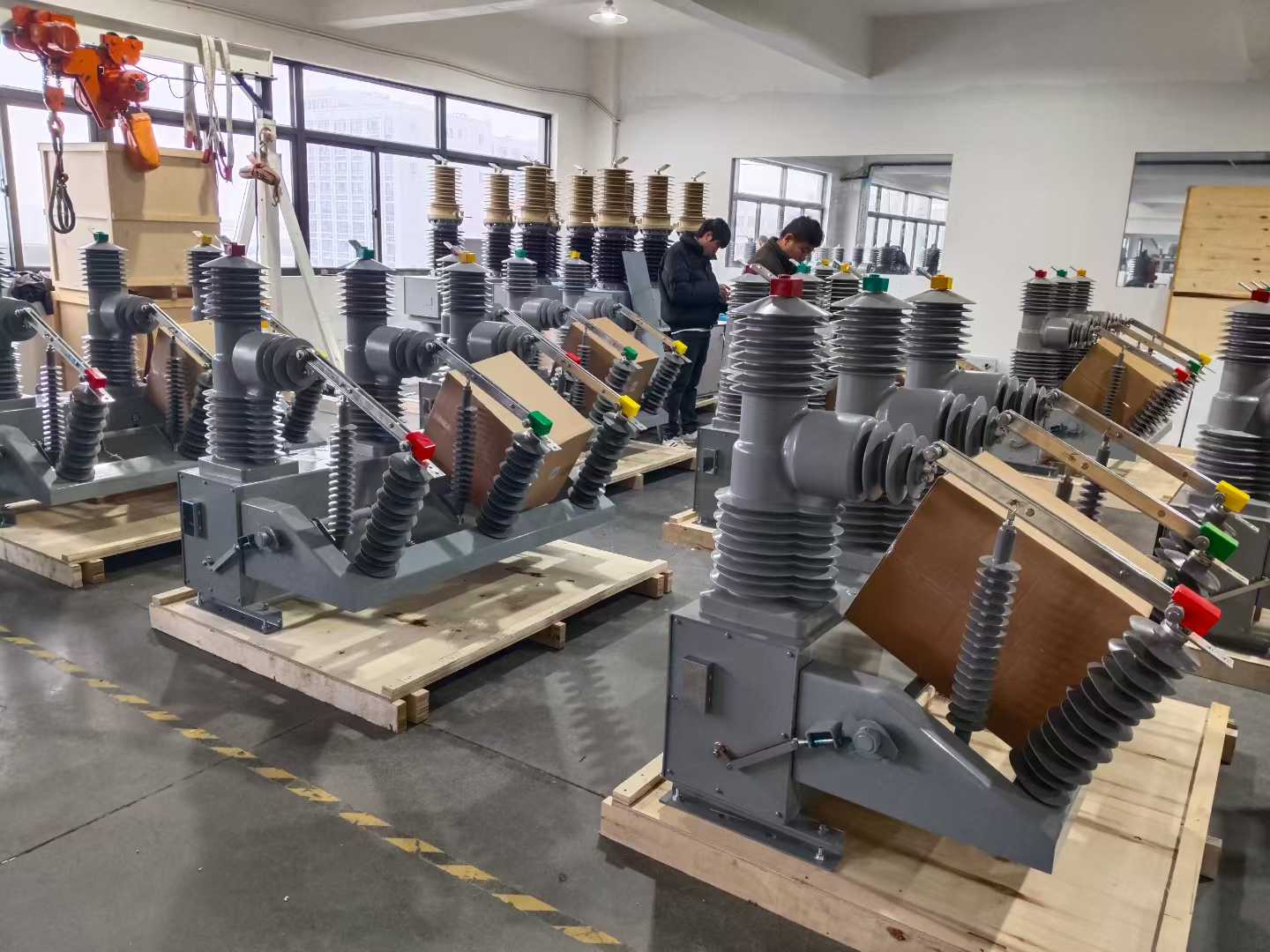
What Industrial Buyers Should Evaluate Before Selecting a Supplier
Industrial buying decisions work best when procurement, engineering, and operations evaluate suppliers together.
That prevents a common mistake: selecting a vendor that looks commercial-friendly but creates technical or maintenance problems later.
The most reliable evaluation model covers six areas: application fit, compliance, duty performance, delivery capability, commercial model, and service support.
Product Range Across Medium-Voltage Vacuum Circuit Breaker Applications
Not every supplier is equally strong across every market segment.
Some are strong in utility feeders.
Some are better in indoor withdrawable switchgear for industrial plants.
Others specialize in retrofits, mining substations, compact ring main units, or renewable collector systems.
Ask whether the supplier has proven references in the exact environments you operate in:
Utility substations with repetitive switching duty
Industrial plants requiring high availability and panel compatibility
Mining operations with dust, vibration, and remote service needs
Oil and gas facilities where reliability and maintenance planning are strict
Wind and solar plants where remote locations and replacement speed matter
Water and wastewater systems where continuity is mission-critical
If a supplier cannot show application-specific references, that is a sign to slow down.
Experience in your sector usually translates into better configuration advice and fewer commissioning surprises.
Compliance, Certifications, and Type Test Reports
This is one of the clearest separators between serious suppliers and risky ones.
For vacuum circuit breakers, you should expect support for recognized standards and documented testing.
Typical requirements include:
IEC product compliance, especially IEC 62271 series where applicable
ANSI/IEEE compliance for projects using North American specifications
ISO 9001 quality management certification
ISO 14001 or environmental management where required
Third-party reports from organizations such as KEMA or ASTA
Routine test records for shipped units
Factory acceptance test documentation when specified by EPCs or end users
Do not accept broad claims such as “tested to IEC standards” without report traceability.
Ask for document numbers, dates, test scope, product family match, and rated values.
A mismatch between test report and offered model is more common than many buyers expect.
Interrupting Capacity, Rated Voltage, and Mechanical Life
Technical fit starts with rated voltage and current, but that is only the beginning.
The breaker must match the actual fault duty and operating profile of the system.
At minimum, buyers should verify:
Rated voltage range, such as 7.2 kV, 12 kV, 17.5 kV, 24 kV, 36 kV, or 40.5 kV
Rated normal current
Short-circuit breaking capacity, such as 25 kA, 31.5 kA, or 40 kA
Making capacity
Short-time withstand current
Mechanical life, often 10,000 to 30,000 operations depending on design
Electrical endurance
Operating mechanism type
Panel or truck compatibility for retrofit applications
Mechanical life is especially important in plants with frequent switching.
A breaker used in capacitor banks, motor feeder duty, or process-intensive operations may see far more operations than a lightly used feeder breaker.
In those cases, the cheapest device can become the most expensive one over time.
Delivery Speed, Quick-Ship Availability, and Spare Parts Stock
Lead time is not a secondary issue.
It is often the deciding factor during outages, expansions, and delayed projects.
Buyers searching for vacuum circuit breakers industrial suppliers quick ship options are usually dealing with one of three scenarios: emergency replacement, project acceleration, or inventory gap.
Ask suppliers very direct questions:
What is the current standard lead time by voltage class?
What products are stocked for quick ship?
What components are locally warehoused?
Can they ship interrupters, auxiliary contacts, coils, and mechanisms separately?
What is the historical on-time delivery rate?
What is the expedited-order success rate?
A supplier that offers true quick-ship support should be able to define stock quantities, replenishment frequency, and shipping cutoffs.
If those answers are vague, the quick-ship claim may be more marketing than reality.
OEM, Private Label, and Export Capability
For EPC contractors, switchboard builders, and regional brands, sourcing is not always about buying a finished standard product.
Many projects require branding, adaptation, or integration support.
That is where OEM vacuum circuit breaker exporter capability matters.
Questions to ask include:
Can the supplier provide OEM labeling or private label packaging?
Can drawings and manuals be customized?
Can the breaker be adapted for your panel design?
Do they support multilingual documentation?
Do they have export experience to your target market?
Can they meet destination-country certification and customs requirements?
A supplier with strong export discipline reduces risk on paperwork, packaging, shipping marks, and technical dossier completeness.
This matters more than many teams realize until the first customs or consultant rejection appears.
Service Network, Commissioning Support, and Warranty Terms
Even a very good breaker can create headaches if field support is weak.
Commissioning mistakes, control wiring issues, storage damage, and retrofit alignment problems happen in real projects.
The difference is whether the supplier can solve them fast.
Look for:
Local or regional service engineers
Remote troubleshooting capability
Startup and commissioning support
Spare parts availability
Training for maintenance staff
Clear warranty response terms
Defined claim closure process
This is one area where buyers often appreciate suppliers like Weisho Electric when they need practical coordination between supply, delivery, and after-sales execution rather than just a shipment confirmation.
A strong warranty is not just a longer warranty period.
It is a warranty with clear ownership, response timing, and replacement logic.
Types of Suppliers in the Market: Manufacturer, Distributor, or Exporter
Not every sourcing path fits every project.
The best choice depends on whether your priority is customization, speed, local support, component replacement, or package integration.
Medium Voltage Vacuum Circuit Breaker Manufacturers
Buying direct from medium voltage vacuum circuit breaker manufacturers can be the best route when you need technical customization, stronger pricing visibility, or direct engineering access.
This model often works well for:
Large-volume industrial projects
EPC contracts with repeat specifications
Panel builders needing mechanical adaptation
Owners establishing annual supply agreements
Buyers requiring OEM or private label support
The main advantage is control.
You usually get closer access to drawings, test documentation, manufacturing scheduling, and design clarification.
The challenge is that some manufacturers may have less local inventory or slower field response in overseas markets unless they have a mature support network.
Industrial Vacuum Interrupter Suppliers
Industrial vacuum interrupter suppliers are relevant when the need is at component level rather than complete assembly level.
This can apply to:
Breaker refurbishment programs
Retrofit projects
OEM assembly lines
Maintenance teams replacing critical internal components
Engineering groups building custom breaker systems
Interrupter sourcing requires more technical discipline because fit, insulation coordination, mechanical linkage, and certification implications must be reviewed carefully.
It is not a simple substitute purchase in most critical applications.
If your team lacks breaker design expertise, buying the complete breaker from a qualified supplier is usually safer.
Vacuum Circuit Breaker Distributors for Power Systems
A vacuum circuit breaker distributor for power systems is often the right answer when speed and local service outweigh customization.
Distributors can be especially valuable for maintenance-driven procurement.
Their strengths usually include:
Local stock
Shorter response time
Regional application support
Simpler replacement logistics
Smaller order flexibility
Faster emergency handling
The tradeoff is that distributors may have less design flexibility than direct manufacturers.
Still, for urgent outages or recurring replacement needs, a good distributor can outperform a distant factory on practical value.
High Voltage Switchgear and Vacuum Breaker Suppliers
High voltage switchgear and vacuum breaker suppliers are a strong fit for turnkey scopes.
When the project includes complete lineups, retrofits, RMUs, metal-clad assemblies, or substation packages, integrated suppliers often reduce interface risk.
They can coordinate busbar layout, protection integration, interlocks, compartment dimensions, and site commissioning under one commercial umbrella.
This model is often better for:
EPC substation packages
Plant electrical upgrades
Retrofit of aging switchgear lineups
Renewable collection substations
Industrial expansion projects requiring full panels
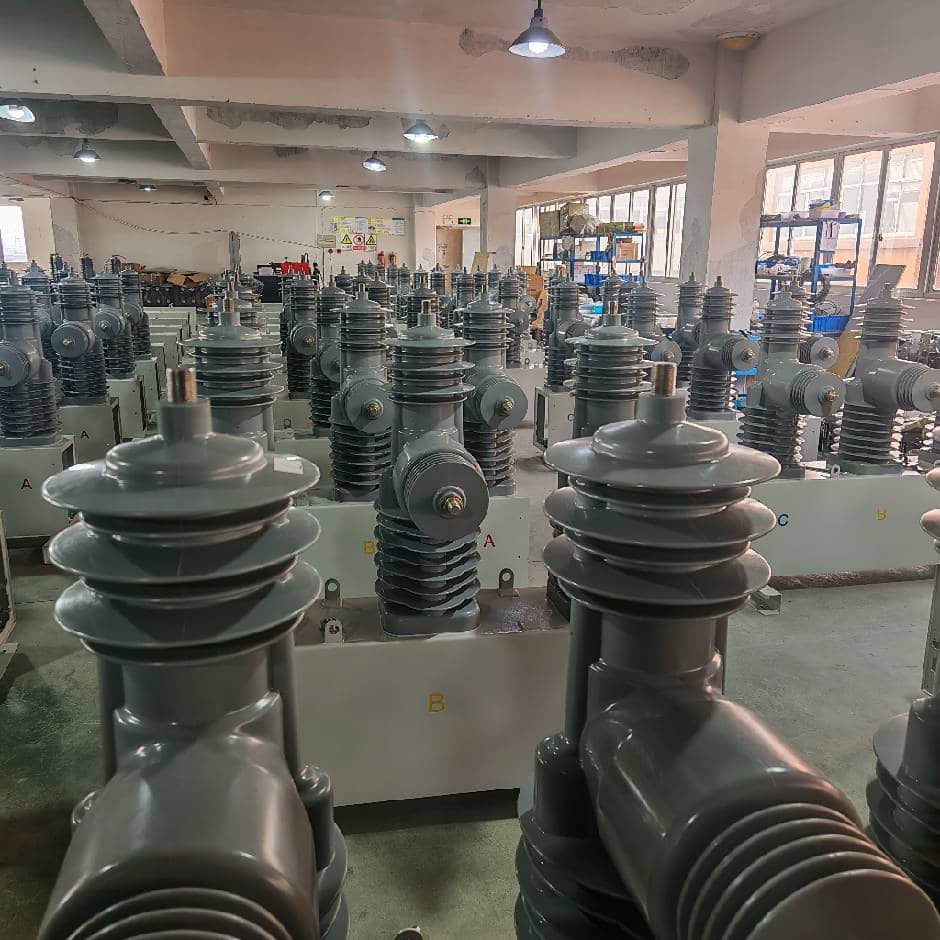
Supplier Comparison Table for Industrial Vacuum Circuit Breakers
Shortlisting suppliers becomes much easier when evaluation criteria are organized in one place.
The table below provides a practical structure that procurement and engineering teams can use during technical-commercial review.
Example Supplier Evaluation Table
| Evaluation Factor | Supplier A | Supplier B | Supplier C | Why It Matters |
|---|---|---|---|---|
| Rated Voltage Range | 7.2–24 kV | 12–36 kV | 7.2–40.5 kV | Confirms application fit |
| Short-Circuit Breaking Capacity | 25 kA | 31.5 kA | 40 kA | Impacts fault-clearing performance |
| Mechanical Life | 10,000 ops | 20,000 ops | 30,000 ops | Indicates maintenance cycle expectations |
| Certifications | IEC, ISO | IEC, ANSI, ISO | IEC, ANSI, KEMA | Validates compliance credibility |
| Lead Time | 8–10 weeks | 4–6 weeks | 12 weeks | Affects outage and project schedules |
| Quick-Ship Stock | Limited | Yes | No | Supports emergency replacement demand |
| OEM/Private Label | Yes | No | Yes | Important for panel builders and brand owners |
| Export Experience | 20 countries | 8 countries | 35 countries | Reduces cross-border execution risk |
| Warranty | 12 months | 18 months | 24 months | Impacts lifecycle risk |
| Local Service Support | Regional | National | Global | Improves troubleshooting speed |
This kind of side-by-side comparison is far more useful than comparing unit price alone.
Many buyers discover that a slightly higher-priced supplier becomes the lowest-risk option once lead time, service, and downtime exposure are quantified.
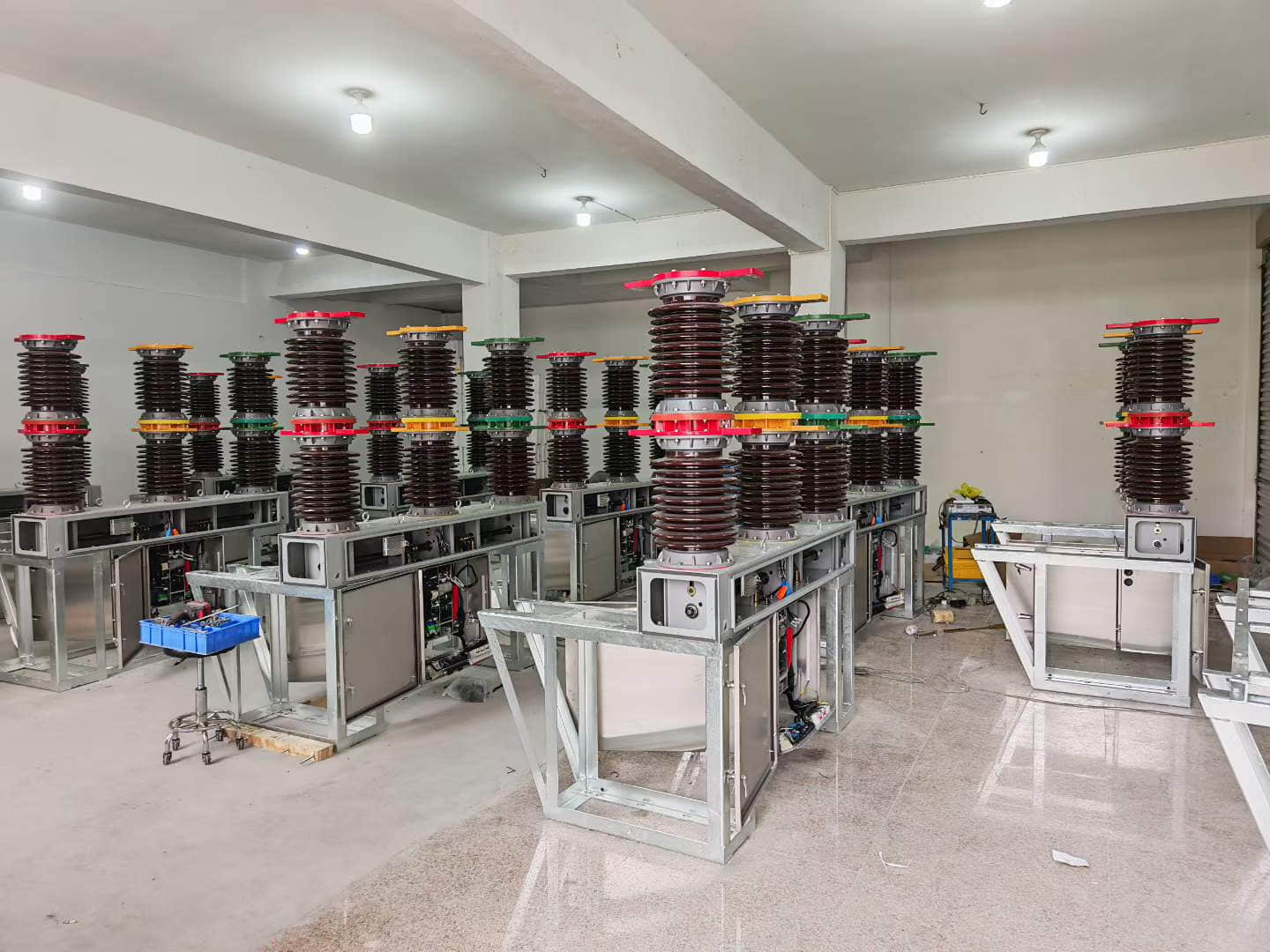
Real-World Procurement Data Buyers Should Ask Suppliers to Prove
If you want to separate serious suppliers from brochure-only vendors, ask for measurable evidence.
Reliable suppliers may not disclose every internal KPI, but they should be able to share enough verified data to support their claims.
Factory Test Data and Failure Rate Benchmarks
Ask suppliers for manufacturing and quality indicators tied to the exact product family being quoted.
Useful metrics include:
Factory acceptance test pass rate
Routine test first-pass yield
Nonconformance rate
Field return rate
Warranty claim rate
Corrective action closure time
For example, a supplier that reports a routine test first-pass yield above 98% and a field return rate below 0.5% on a mature breaker line presents a very different risk profile from one that cannot share any number at all.
No metric should be accepted without context.
Always ask for period covered, product family covered, and whether the numbers are global or market-specific.
Lead Time Performance and On-Time Delivery Rate
Stated lead time is only one piece of the picture.
Execution consistency matters more.
Ask for the last 12 months of performance on:
Average quoted lead time
Average actual lead time
On-time shipment percentage
Expedited order fulfillment rate
Backorder frequency
In industrial procurement, an on-time delivery rate above 95% is usually a positive sign.
Anything significantly lower should trigger deeper discussion on supply chain resilience and production planning.
For critical spare orders, the difference between 10 days and 9 weeks is not just logistics.
It is production risk.
Installed Base by Industry and Voltage Class
Reference lists should be specific, not generic.
Ask how many units or lineups the supplier has installed in sectors similar to yours, and in what voltage classes.
Strong categories to review include:
Steel plants
Cement plants
Mining sites
Utilities
Water treatment plants
Data centers
Petrochemical sites
Renewable generation projects
A credible supplier should be able to share examples such as “12 kV indoor withdrawable breakers installed in three cement plants” or “24 kV breaker panels delivered for a regional water utility expansion.”
That level of detail builds confidence.
Broad statements like “widely used worldwide” do not.
Real-World Example: How a Plant Cut Downtime by Switching Suppliers
Consider a mid-sized manufacturing plant operating a 13.8 kV distribution system with multiple motor control and feeder applications.
The plant had been buying breakers through a low-cost source selected primarily on price.
On paper, the specification match looked acceptable.
In operation, the results were poor.
Replacement lead times were long.
Auxiliary parts were rarely in stock.
Technical queries took days to answer.
During one outage, a failed breaker mechanism extended a shutdown because the replacement unit was not locally available.
After that event, the plant reviewed other industrial vacuum circuit breakers suppliers and moved to a partner with regional stock, faster technical response, and better documentation support.
The unit price was about 8% higher.
But the operational impact was clearly positive within the first year.
Example Scenario Table
| Metric | Before Supplier Change | After Supplier Change | Business Impact |
|---|---|---|---|
| Average Replacement Lead Time | 9 weeks | 10 days | Faster outage recovery |
| Emergency Spare Availability | Low | Local stock available | Lower production stoppage risk |
| Annual Breaker-Related Downtime | 14 hours | 5 hours | Higher line availability |
| Technical Response Time | 72 hours | 8 hours | Faster fault resolution |
| Warranty Claim Closure | 30 days | 12 days | Lower maintenance friction |
Let us make the commercial side concrete.
If the plant’s lost production cost was even $6,000 per hour, the reduction from 14 hours to 5 hours of breaker-related downtime would represent $54,000 in annual avoided loss.
That saving would dwarf the modest increase in equipment price.
This is the kind of business case that experienced buyers understand well.
The right supplier does not just sell equipment.
It compresses outage time and lowers operating friction.
How to Shortlist the Best Industrial Vacuum Circuit Breakers Suppliers
A disciplined shortlist process helps teams avoid subjective decisions.
It also makes internal approval easier because the selection logic is documented.
Build a Technical Checklist First
Start with non-negotiable technical criteria.
This prevents procurement from comparing offers that are not truly equivalent.
Your checklist should include:
System voltage class
Rated current
Short-circuit breaking capacity
Applicable IEC or ANSI standard
Indoor or outdoor application
Withdrawable or fixed type
Panel compatibility
Control voltage
Altitude, temperature, and pollution conditions
Interlock and protection interface requirements
Only suppliers meeting the full technical baseline should move to commercial review.
Verify Commercial Strength and Delivery Risk
Next, review whether the supplier can actually support your project commercially and logistically.
Focus on:
Payment terms
Production capacity
Export history
Raw material stability
Inventory model
Incoterm capability
Packaging quality
Documentation responsiveness
If the project is international, ask who owns export paperwork, certificate legalization, and destination marking requirements.
This is where experienced exporters stand out from occasional exporters.
Run a Total Cost of Ownership Comparison
Total cost of ownership is where mature buying teams gain advantage.
Do not compare purchase price only.
Compare:
Purchase price
Expected maintenance interval
Mechanical life
Spare parts pricing
Lead time for replacement units
Field failure risk
Service support cost
Downtime exposure
A supplier with a 5% lower price but a 6-week longer replacement lead time may be the most expensive option in any plant where downtime is costly.
Request a Pilot Order or Reference Project
Before awarding a larger frame agreement, reduce risk through a controlled first step.
Options include:
A pilot order for a limited number of breakers
A trial stock agreement for emergency spares
A reference visit to an operating site
A technical review call with an existing end user
A monitored first installation with supplier support
This practical validation often reveals more than a polished quotation package.
It is also how many buyers build confidence with emerging suppliers, including companies such as Weisho Electric, when they want to verify real responsiveness before scaling the relationship.
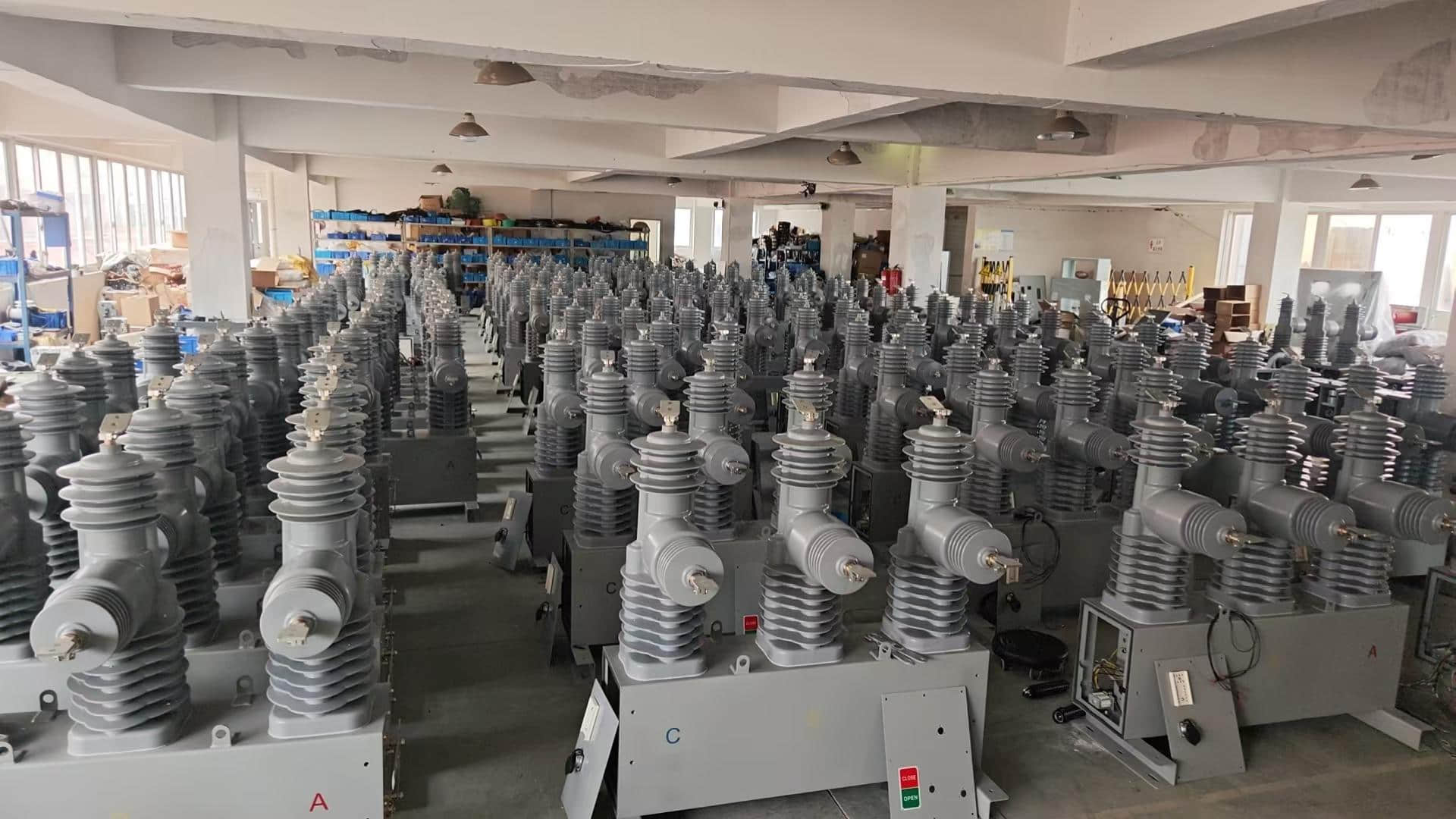
Featured Snippet Section: What Is the Best Way to Choose an Industrial Vacuum Circuit Breaker Supplier?
The best way to choose an industrial vacuum circuit breaker supplier is to use a five-point checklist: verify compliance and type-test reports, confirm rated voltage and fault-duty fit, check quick-ship stock and average lead time, review local service and spare parts support, and compare total cost of ownership rather than unit price alone.
Featured Snippet Section: Manufacturer vs Distributor for Vacuum Circuit Breakers
Manufacturers are usually the better choice when you need customization, OEM support, engineering access, or volume pricing. Distributors are usually the better choice when you need local inventory, faster delivery, regional application support, and simpler emergency replacement.
Featured Snippet Section: What Certifications Should a Vacuum Circuit Breaker Supplier Have?
A vacuum circuit breaker supplier should have relevant IEC or ANSI product compliance, ISO quality system certification, and recognized third-party test reports such as KEMA or ASTA where required. Buyers should also request routine test records and traceable factory documentation for the exact offered model.
Red Flags to Avoid When Buying Vacuum Circuit Breakers for Industrial Use
Most bad sourcing outcomes show warning signs early.
The problem is that teams under price pressure or schedule pressure sometimes ignore them.
Missing Type Test Reports or Incomplete Documentation
If a supplier cannot provide traceable type-test reports, routine test formats, GA drawings, or clear datasheets, treat that as a major risk.
Undocumented performance claims should not survive technical review.
In consultant-driven projects, this issue alone can delay approval and shipment.
Prices Far Below Market Without Lifecycle Justification
An unusually low quote can be attractive, especially in competitive tenders.
But if the price gap is large and the supplier cannot clearly explain how it is achieved, be cautious.
Common hidden risks include lower-grade materials, weaker quality control, limited service support, and poor spare parts planning.
Low capex with high failure exposure is not a savings strategy.
No Local Service or Spare Parts Plan
For mission-critical medium-voltage systems, after-sales support is not optional.
If the supplier has no local or regional service path, no stock program, and no documented spare parts plan, the ownership risk is too high for most industrial users.
This is especially true for continuous-process plants where outage hours have immediate financial impact.
FAQ
How do I evaluate medium voltage vacuum circuit breaker manufacturers for industrial projects?
Start by checking standards compliance, type-test reports, rated voltage, rated current, short-circuit capacity, and mechanical life against your system requirements. Then review installed base in similar industries, average lead time, export experience, spare parts availability, and local service capability. The best manufacturers prove both technical fitness and dependable execution.
What is the difference between industrial vacuum interrupter suppliers and complete breaker suppliers?
Industrial vacuum interrupter suppliers provide the core interrupting component used inside a breaker, which is relevant for maintenance, retrofit, or OEM assembly projects. Complete breaker suppliers deliver the full protection assembly, including mechanism, insulation structure, controls, and tested integration. For most end users, the complete breaker supplier is the safer and simpler sourcing option.
When should I use a vacuum circuit breaker distributor for power systems instead of buying direct?
Use a vacuum circuit breaker distributor for power systems when local stock, faster delivery, smaller order quantities, and regional support matter more than customization. This is especially useful for emergency replacement, maintenance stock, and plants that need quick response without waiting on factory production slots.
Are high voltage switchgear and vacuum breaker suppliers better for turnkey projects?
Yes, integrated high voltage switchgear and vacuum breaker suppliers are often better for turnkey projects because they manage interfaces across the full package. That reduces risk on panel fit, busbar coordination, protection wiring, interlocks, and commissioning. They are usually the best choice for EPC packages, retrofits, and substation upgrades.
What should I ask an OEM vacuum circuit breaker exporter before placing an order?
Ask for product certifications, type-test reports, production capacity, OEM labeling options, drawing customization support, export references, packaging standards, shipping terms, destination compliance experience, warranty terms, and spare parts strategy. Also confirm who handles documentation such as manuals, nameplate details, packing lists, and country-specific import requirements.
Where can I buy vacuum circuit breakers from industrial suppliers with quick ship options?
The best quick-ship sources are usually distributors with local inventory or manufacturers with defined stock programs and emergency fulfillment terms. Prioritize suppliers that can clearly state stocked models, available quantities, cutoff times, and historical expedited-order performance rather than simply advertising fast delivery.
CTA
If you are comparing industrial vacuum circuit breakers suppliers, do not make the decision from a catalog alone.
Build the shortlist with evidence.
Check compliance.
Measure lead time risk.
Quantify downtime exposure.
And challenge every supplier to prove service capability, not just quote it.
Request a supplier comparison checklist, a sample technical RFQ template, or a fast quote for your next medium-voltage breaker project today.
If your team needs faster evaluation, send your voltage class, current rating, fault-duty requirement, and delivery target now, and move from generic supplier claims to a decision you can defend technically and commercially.