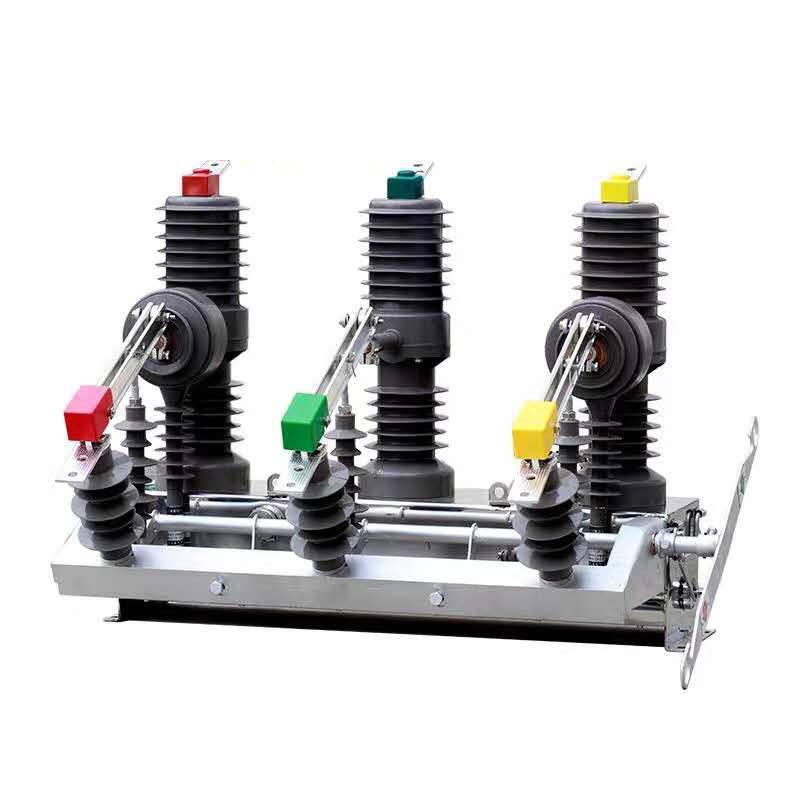
In medium-voltage power distribution, equipment decisions are rarely just technical. They affect shutdown risk, maintenance cost, operator safety, regulatory exposure, and long-term asset value.
That is exactly why the vacuum circuit breaker has moved from being a preferred option to becoming the default choice in many 3.3kV to 36kV projects.
For utilities, industrial plants, data centers, mining operations, and EPC contractors, choosing the right vacuum ckt breaker is no longer a matter of comparing catalog pages. It requires understanding fault duty, switchgear compatibility, mechanical life, service access, and the economics of maintenance over 10 to 20 years.
This guide is built for buyers and technical decision-makers who need practical answers, not generic theory. It covers the medium voltage vacuum circuit breaker working principle, real specification points, maintenance discipline, application fit, and the commercial mistakes that quietly inflate project cost.
Why Medium Voltage Vacuum Circuit Breakers Are Replacing Older Breaker Technologies
The shift away from oil breakers started for obvious reasons: fire risk, contamination, and heavy maintenance. The move away from SF6 in many medium voltage applications is now being accelerated by environmental pressure, leak management costs, and lifecycle compliance concerns.
In practical terms, buyers are choosing vacuum because it solves several operational headaches at once. It offers fast arc extinction, long mechanical endurance, reduced routine service, and clean installation inside modern metal-clad switchgear.
Across Asia, the Middle East, Europe, and parts of Africa, 11kV and 12kV retrofit programs increasingly specify vacuum technology as standard for indoor distribution systems. In factory switch rooms and utility secondary substations, it is now common to see vacuum breakers replacing legacy oil units during modernization cycles.
Procurement teams also like something simple: predictable ownership cost. A well-selected vacuum breaker usually requires less intervention than oil technology and avoids the gas handling infrastructure associated with SF6-based equipment.
The Real Operational Problems in Medium Voltage Networks
Medium voltage networks live in a harsh reality. Faults happen fast, but consequences last long.
In the 3.3kV to 36kV range, the most expensive problems are not always dramatic failures. More often, they are hidden in repeated trips, slow fault clearing, poor breaker-condition visibility, spare-part delays, and maintenance routines that depend too much on shutdown windows.
Downtime cost: In process industries, one breaker-related outage can stop production lines, chillers, compressors, conveyors, or pumps.
Safety exposure: Arc-related incidents, insulation degradation, and mechanism failures increase operator risk.
Maintenance burden: Older breakers demand more cleaning, lubrication, inspection, and overhaul.
Fault interruption risk: If the breaker cannot reliably interrupt prospective fault current, damage spreads to busbars, transformers, motors, and cables.
Asset mismatch: Many plants still operate breakers that no longer match current fault levels after system expansion.
One common issue in mature facilities is network evolution. A plant that originally operated at modest short-circuit levels may add generators, larger transformers, or utility tie upgrades. Suddenly, the existing breaker fleet is under-rated for the actual fault duty.
That problem is not theoretical. It is one of the most frequent triggers for switchgear retrofit projects.
What Is a Medium Voltage Vacuum Circuit Breaker?
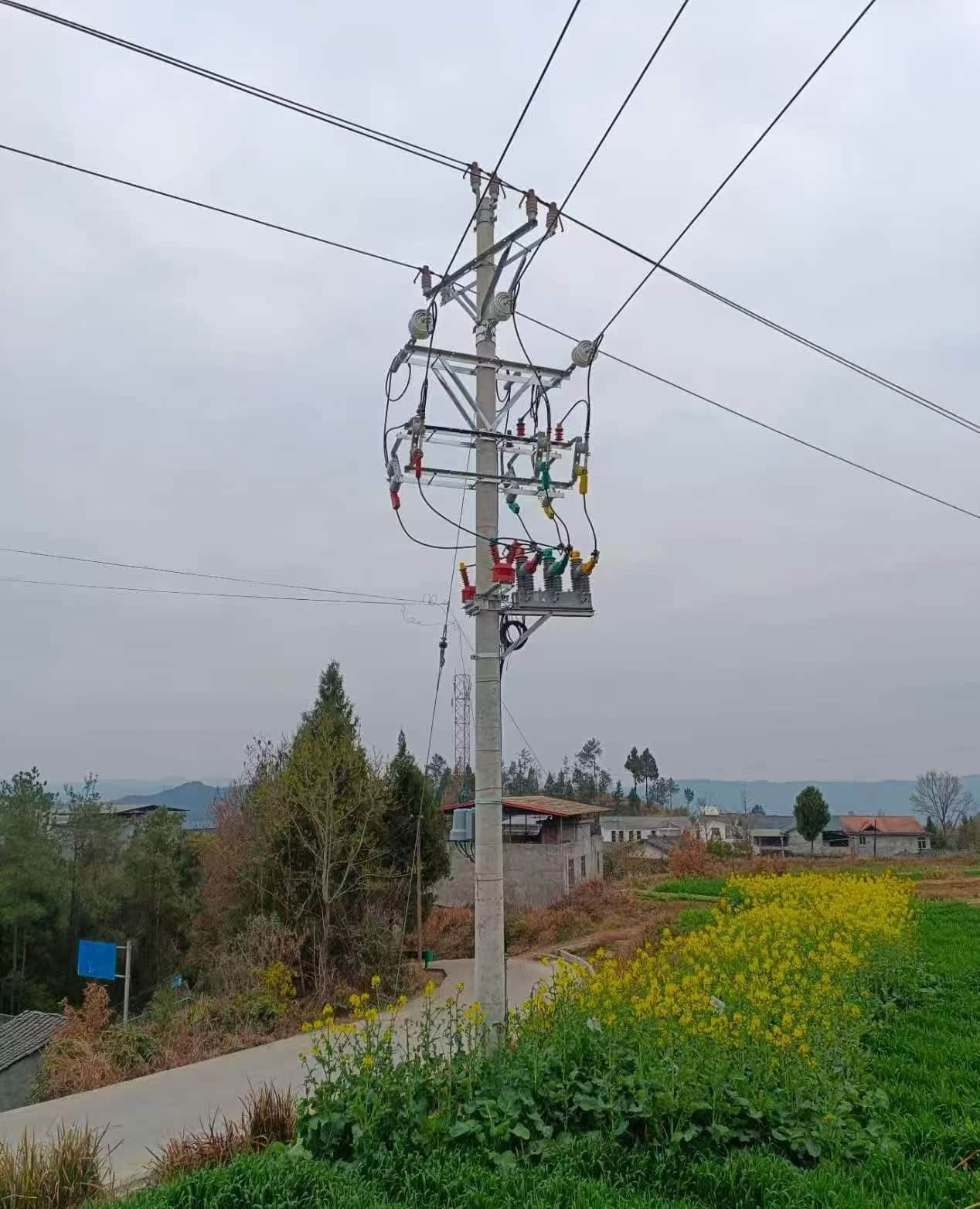
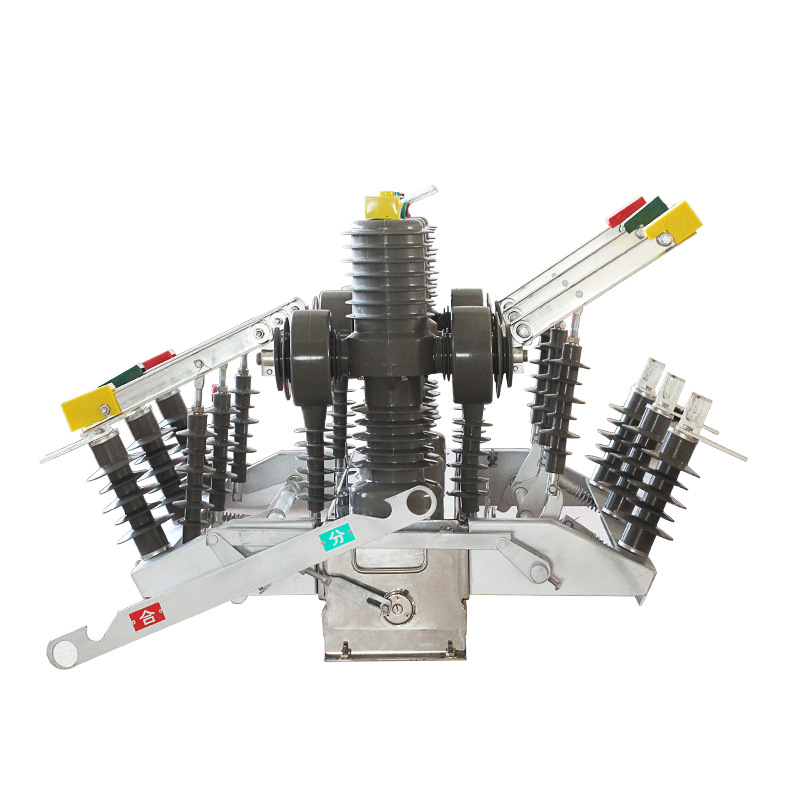
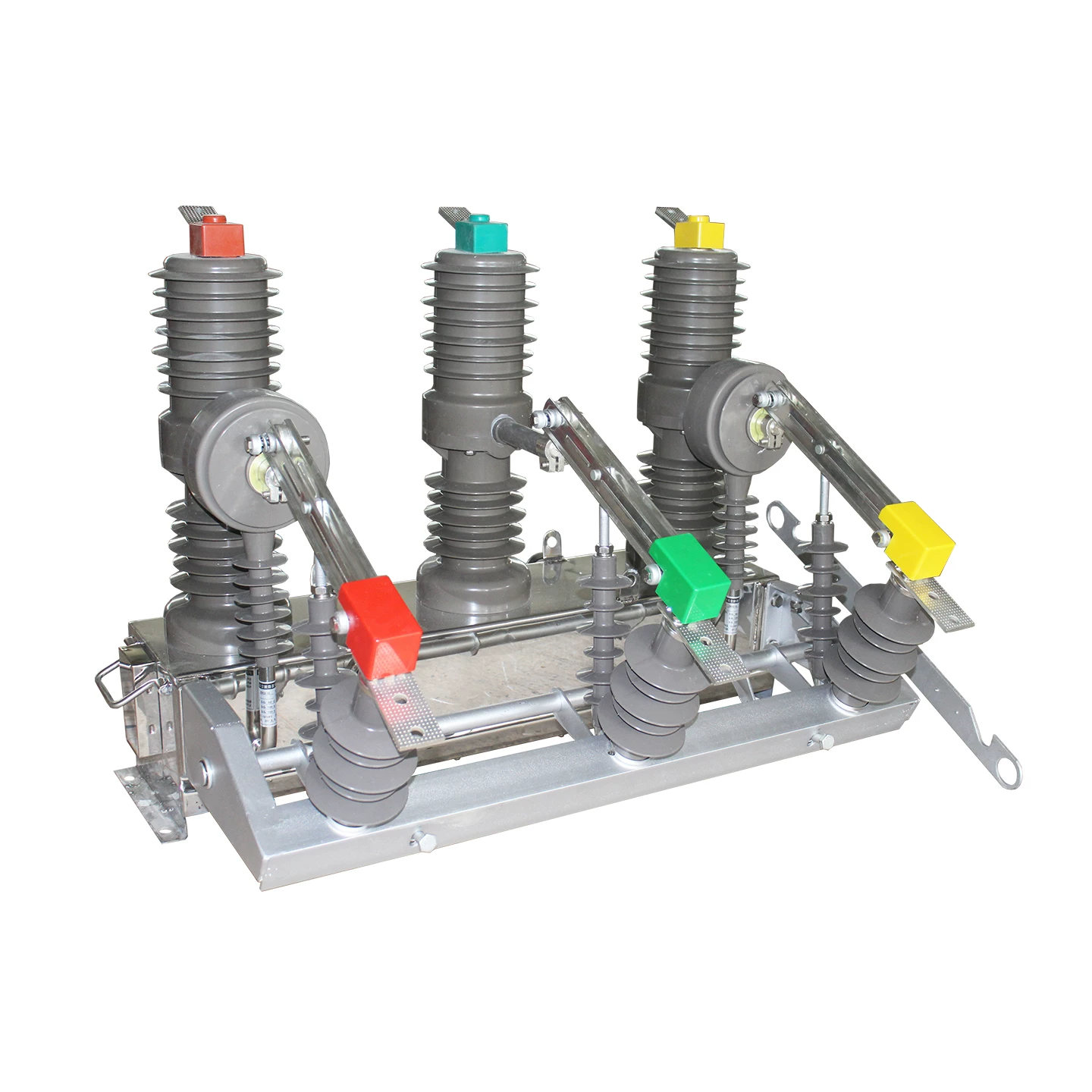
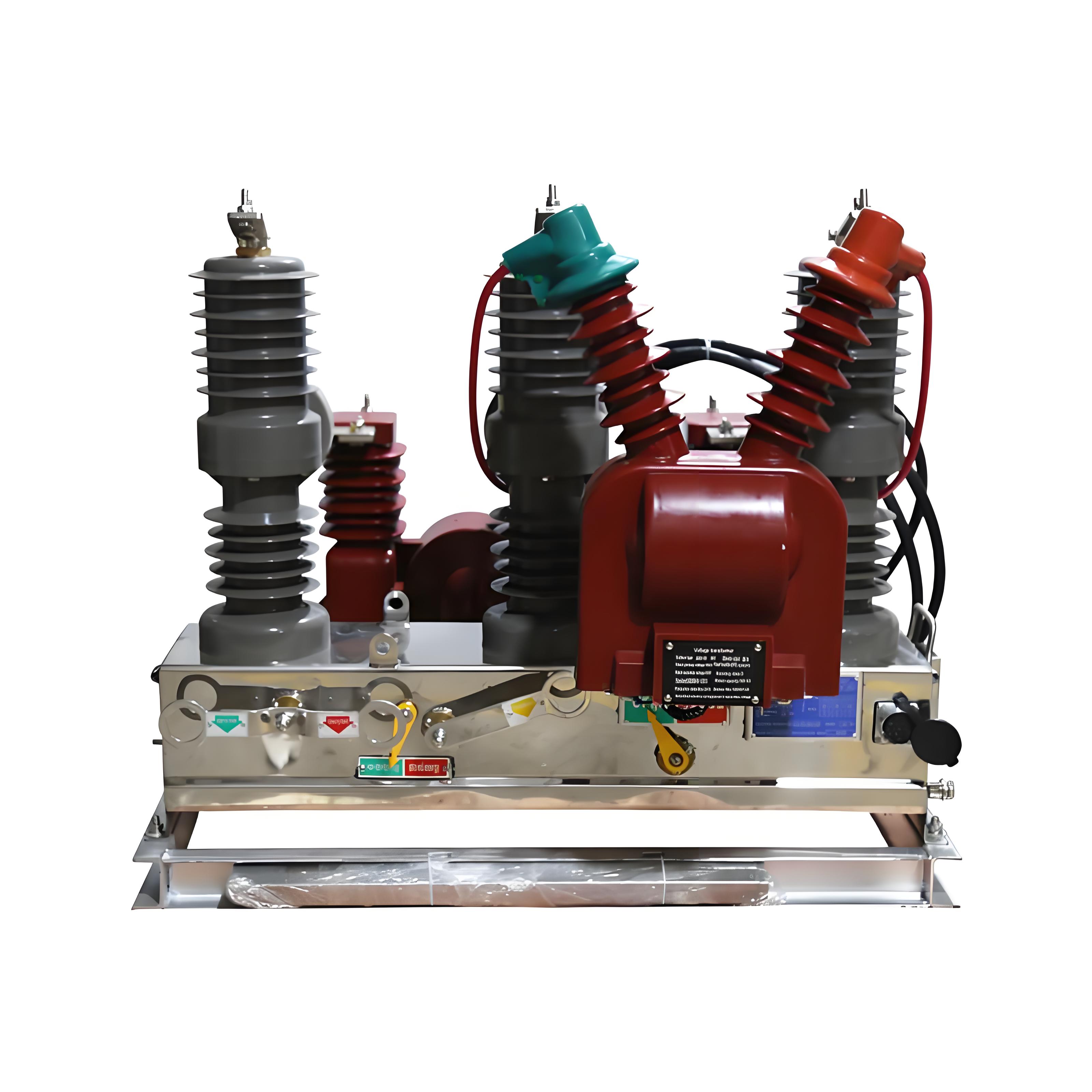
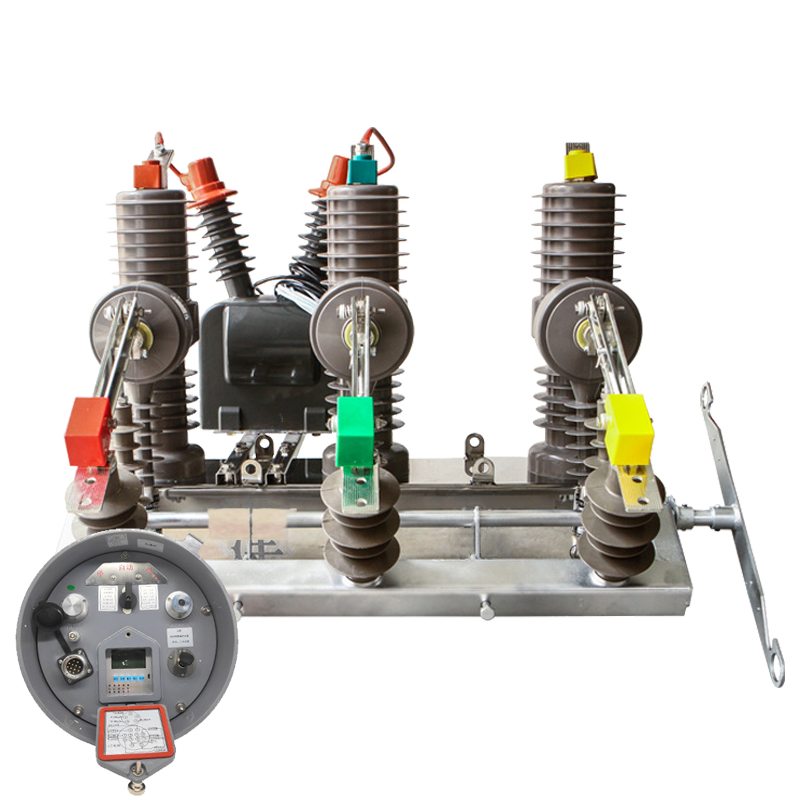
A medium voltage vacuum circuit breaker is a switching and protection device used to make, carry, and interrupt current under normal and fault conditions in medium voltage systems, typically from 3.3kV up to 36kV.
The core switching action takes place inside a sealed vacuum interrupter. Because the contacts open in a vacuum, the arc is controlled and extinguished very efficiently.
These breakers are used in:
Industrial distribution systems
Utility substations
Commercial building main distribution
Data centers
Mining power systems
Renewable integration substations
Motor control and feeder protection circuits
In business terms, the vacuum breaker is the protective gatekeeper of the medium voltage network. When a fault occurs, it must separate the faulted section quickly enough to protect upstream and downstream assets without creating added danger inside the switchgear.
Medium Voltage Vacuum Circuit Breaker Working Principle
The medium voltage vacuum circuit breaker working principle is based on interrupting current by separating electrical contacts inside a high-vacuum chamber called the vacuum interrupter.
When the breaker is closed, current flows through the fixed and moving contacts. When a protection relay detects a fault, it sends a trip command to the operating mechanism.
The mechanism opens the contacts rapidly. As the contacts separate, an arc forms due to metal vapor released from the contact surfaces. Because the interruption occurs in vacuum, the arc remains highly localized and extinguishes at the natural current zero.
After current zero, the dielectric strength between the contacts recovers very quickly. That rapid dielectric recovery prevents restrike and allows secure interruption.
This is one reason vacuum technology performs so well in medium voltage systems with demanding switching duty.
Key Components Inside a Vacuum Circuit Breaker
The performance of a vacuum circuit breaker depends on several tightly coordinated components.
Vacuum interrupter: The sealed bottle where current interruption happens.
Moving contact: Travels during open-close operation.
Fixed contact: Remains stationary and mates with the moving contact.
Operating mechanism: Usually spring-operated, responsible for opening and closing speed.
Insulation system: Supports dielectric strength between phases and to earth.
Control unit: Works with trip coils, close coils, auxiliary contacts, and relay signals.
In commercial evaluations, buyers often focus only on interrupting rating. That is a mistake. Mechanism quality, control reliability, contact material design, and service access matter just as much in long-term performance.
How Arc Extinction Happens in a Vacuum Interrupter
Arc extinction in a vacuum interrupter is elegant but highly engineered. When contacts part, a metal vapor arc appears between them.
Unlike oil or air, vacuum contains no bulk gas medium to sustain a long arc path. The arc is supported by metal vapor from the contacts, and its behavior is influenced by contact geometry and magnetic field design.
At the AC current zero crossing, the arc naturally loses energy. The metal vapor rapidly condenses, and the gap between contacts regains dielectric strength almost immediately.
This fast dielectric recovery is a core advantage of the medium voltage switchgear vacuum interrupter. It allows compact equipment design and dependable interruption under standard medium voltage duties.
Indoor Medium Voltage Vacuum Breaker Applications
The indoor medium voltage vacuum breaker dominates today’s switchgear market because most distribution infrastructure is housed indoors or inside protected enclosures. This includes substations in plants, utility switching rooms, hospitals, airports, and commercial complexes.
Indoor configurations are preferred because they simplify insulation coordination, reduce contamination exposure, and support compact metal-clad assemblies. They are also easier to inspect and integrate with digital protection schemes.
From a project delivery perspective, indoor breaker systems often reduce civil complexity. You need less weather shielding than outdoor open-type alternatives, and service access is more controlled.
Common Installation Environments
In the field, indoor medium voltage vacuum breakers are commonly deployed in the following locations:
Power distribution rooms: Main incomers, bus couplers, and outgoing feeders
Data centers: Utility incomers, generator tie breakers, transformer feeders
Factories: Motor feeders, process line supply, compressor and chiller circuits
Mining sites: Substation switchgear for crushers, conveyors, dewatering systems
Renewable integration substations: Collector circuits, transformer feeders, grid connection bays
Hospitals and airports: Critical continuity supply systems
One practical trend is the rise of indoor retrofits in old plant substations. Many operators want to keep the existing room and panel footprint while replacing obsolete withdrawable breakers with modern vacuum units.
Typical Voltage Classes and Ratings
The most common medium voltage classes in the market include:
7.2kV
11kV
12kV
24kV
36kV
At 11kV and 12kV, typical ratings often cover 630A, 1250A, 1600A, 2000A, 2500A, and in some designs 3150A. Short-circuit breaking capacities commonly range from 20kA to 31.5kA, with higher options depending on system design.
Selection should always follow actual system study results, not habit. The number that matters is not what was used in the last project, but what the short-circuit study says for this project.
Medium Voltage Switchgear Vacuum Interrupter: Role Inside the Switchgear System
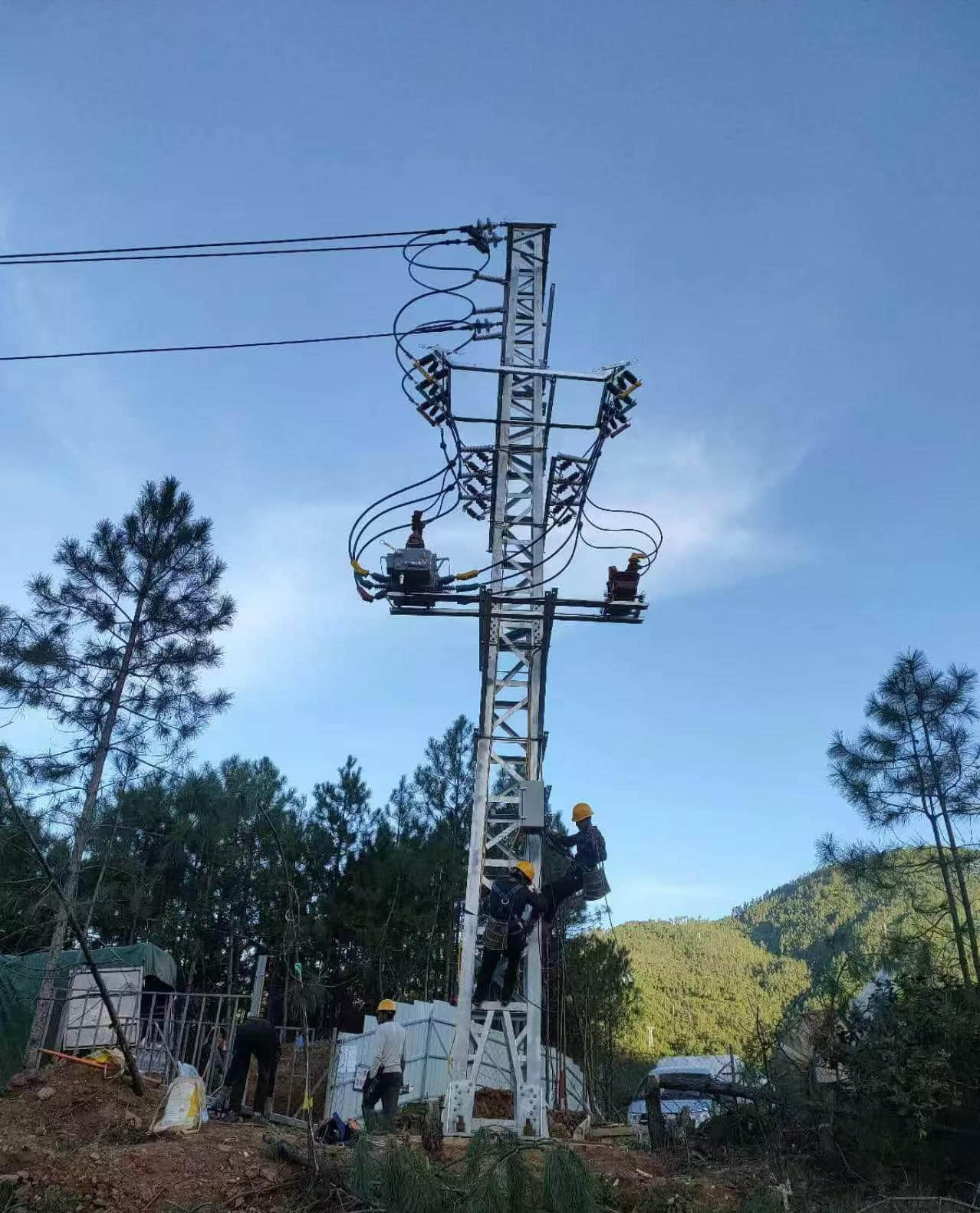
The medium voltage switchgear vacuum interrupter is only one part of the total protection chain, but it is the switching core. Inside a metal-clad switchgear assembly, it works alongside relays, instrument transformers, bus systems, shutters, interlocks, and control circuits.
Here is the operational sequence in simplified form:
1. A fault occurs on a feeder, transformer, motor, or bus section.
2. Current transformers detect abnormal current and send values to the protection relay.
3. The relay determines whether pickup and trip logic are satisfied.
4. The trip command energizes the breaker trip coil.
5. The operating mechanism opens the contacts inside the vacuum interrupter.
6. The interrupter extinguishes the arc and isolates the faulted circuit.
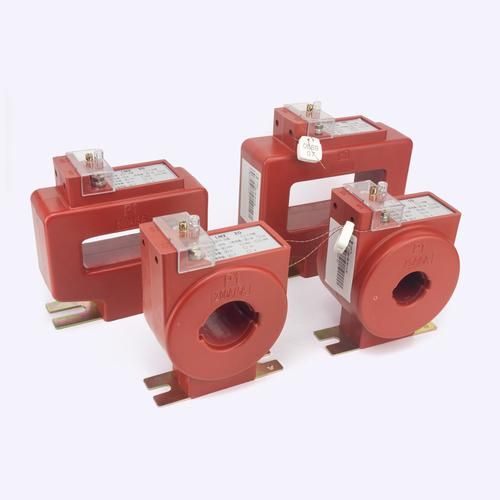
Voltage transformers support metering, synch-check, or protection logic. Busbars distribute power between incoming and outgoing circuits. Mechanical interlocks prevent unsafe operation.
This system view matters commercially. A superior breaker installed in a poorly coordinated relay scheme will still produce poor network performance.
That is why strong suppliers do not just sell hardware. They support compatibility review, interlock verification, protection interface checks, and retrofit dimensional alignment. In many projects, companies such as Weisho Electric are considered when buyers need not only product supply but also practical switchgear-fit support.
11kV Vacuum Circuit Breaker Specifications Buyers Should Compare
The phrase 11kV vacuum circuit breaker specifications is heavily searched because 11kV remains one of the most commercially important distribution voltages worldwide. But too many buyers compare only three values: voltage, current, and kA.
That is not enough.
For procurement, the most relevant specification set should include:
Rated voltage
Rated frequency
Rated normal current
Rated short-circuit breaking current
Rated short-circuit making current
1-minute power frequency withstand voltage
Lightning impulse withstand voltage
Mechanical endurance
Operating sequence
Type of operating mechanism
Withdrawable or fixed pattern
Control voltage
Applicable standards and test reports
The reality in bidding is that two breakers can both be labeled 11kV, 1250A, 25kA and still differ significantly in mechanism life, retrofit compatibility, insulation margins, and serviceability.
Typical 11kV Vacuum Circuit Breaker Specifications
| Parameter | Typical Value | Buyer Relevance |
|---|---|---|
| Rated Voltage | 12kV class for 11kV systems | Must match system insulation coordination |
| Rated Frequency | 50Hz / 60Hz | Required for regional grid compatibility |
| Rated Current | 630A / 1250A / 1600A / 2000A / 2500A | Determines continuous load carrying ability |
| Short-Circuit Breaking Current | 20kA / 25kA / 31.5kA | Must exceed calculated fault current |
| Short-Circuit Making Current | 50kA / 63kA / 80kA peak | Critical for closing onto faults |
| Power Frequency Withstand | 28kV / 42kV | Reflects insulation level |
| Lightning Impulse Withstand | 75kV BIL typical | Important for surge resilience |
| Mechanical Life | 10,000 to 30,000 operations | Strong indicator of lifecycle cost |
| Operating Mechanism | Spring-operated | Affects reliability and maintenance profile |
| Installation Type | Withdrawable or fixed | Impacts retrofit suitability and service access |
Typical Application Matching by Load Type
| Load Type | Typical System Voltage | Suggested Current Rating | Suggested Breaking Capacity | Selection Note |
|---|---|---|---|---|
| Outgoing Feeder | 11kV | 630A to 1250A | 20kA to 25kA | Use actual feeder study, not rule-of-thumb only |
| Transformer Feeder | 11kV | 1250A to 2000A | 25kA to 31.5kA | Check inrush and upstream fault contribution |
| Large Motor Circuit | 6.6kV / 11kV | 630A to 1250A | 25kA typical | Verify switching duty and start frequency |
| Capacitor Bank | 11kV / 12kV | 630A to 1250A | Application-specific | Special duty may apply due to transients |
| Generator Circuit | 11kV | 1250A to 2500A | 25kA to 31.5kA or higher | Confirm generator contribution and protection scheme |
| Bus Coupler | 11kV | 1250A to 2500A | 25kA to 31.5kA | Must align with bus section fault level |
Vacuum Circuit Breaker vs SF6 and Oil Circuit Breakers
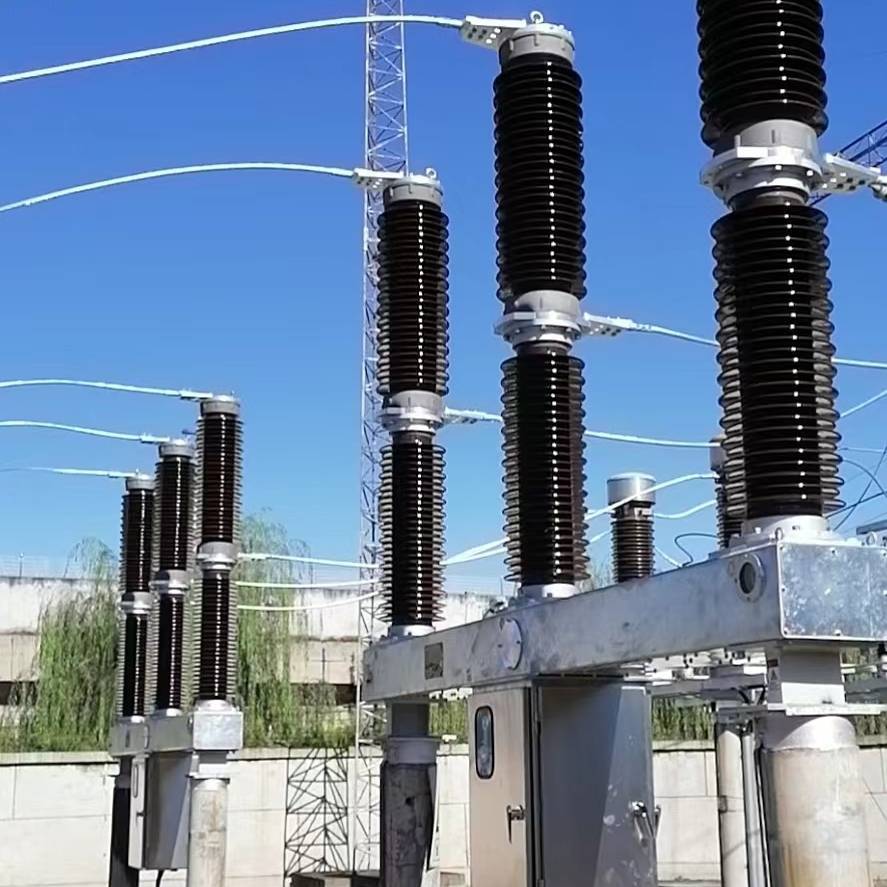
No technology is universally perfect. But in standard medium voltage indoor applications, vacuum has become the benchmark for a reason.
Oil breakers still exist in older installations, yet they carry obvious burdens: fire risk, fluid handling, contamination, and heavier maintenance. SF6 breakers have strong interruption performance, especially in many high-voltage applications, but in medium voltage indoor switchgear, vacuum often provides a more attractive balance of performance, simplicity, and environmental positioning.
From a buyer’s angle, the real comparison should be based on five business criteria:
Environmental risk
Maintenance burden
Arc-quenching performance
Installation suitability
Lifecycle cost
Vacuum vs SF6 vs Oil Breaker Comparison
| Criteria | Vacuum Circuit Breaker | SF6 Circuit Breaker | Oil Circuit Breaker |
|---|---|---|---|
| Arc Quenching Medium | Vacuum interrupter | SF6 gas | Insulating oil |
| Routine Maintenance Demand | Low | Moderate | High |
| Environmental Concern | Low direct emissions concern | High due to greenhouse gas management | Oil leakage and disposal concerns |
| Fire Risk | Low | Low | Higher than vacuum |
| Indoor Switchgear Suitability | Excellent | Good | Limited in modern practice |
| Footprint | Compact | Compact to moderate | Usually larger |
| Maintenance Skill Requirement | Standard trained electrical maintenance team | Gas handling knowledge required | More extensive service procedures |
| Total Ownership Cost | Usually favorable | Moderate to high depending on gas management | Often highest over long life |
| Common Modern MV Use Case | Widespread standard choice | Selected applications | Mainly legacy systems |
For most indoor 11kV and 12kV distribution projects, vacuum is the commercially sensible baseline unless there is a very specific reason to choose otherwise.
Vacuum Circuit Breaker Maintenance and Testing Best Practices
Good equipment does not remove the need for discipline. It only makes discipline more effective.
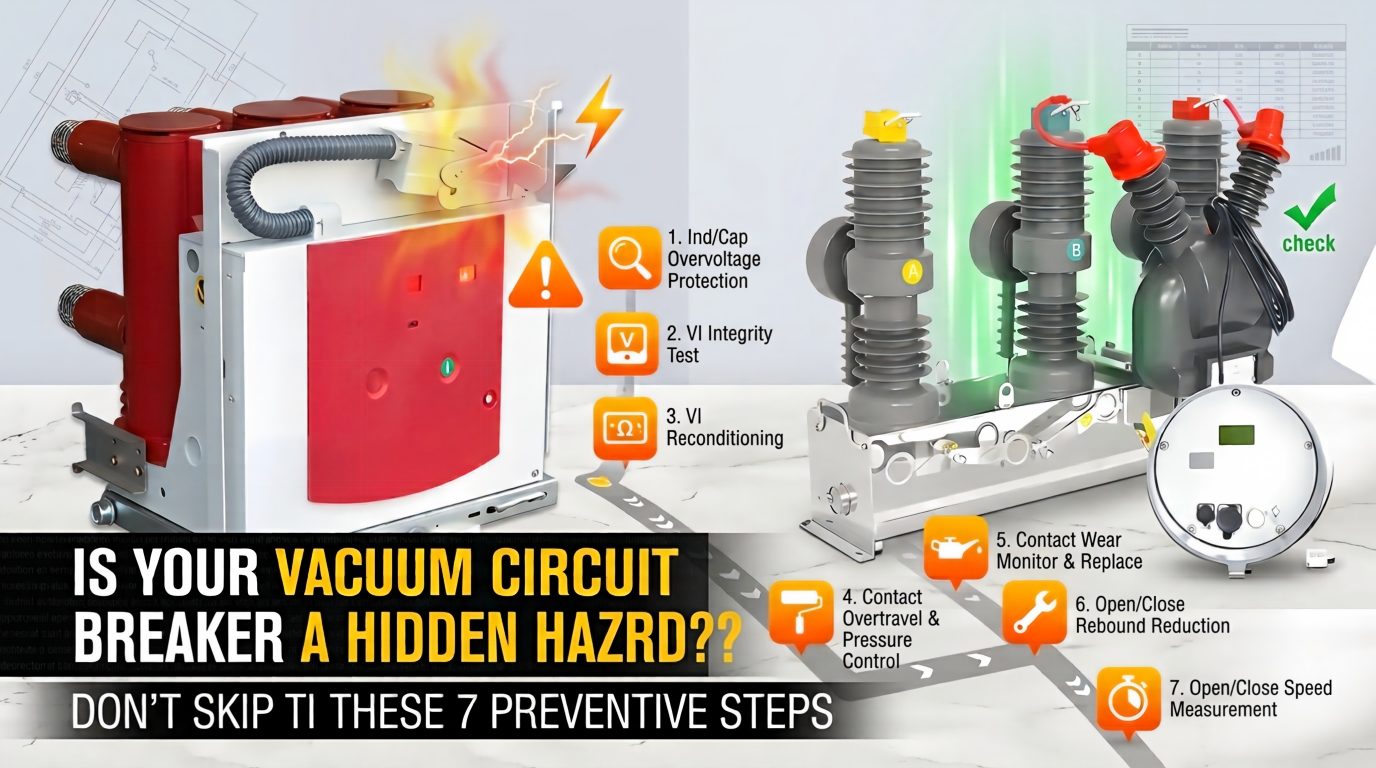
Vacuum circuit breaker maintenance and testing remains essential because most failures are not caused by the vacuum interrupter itself. They come from neglected operating mechanisms, loose secondary connections, insulation contamination, timing drift, auxiliary contact wear, or poor storage and handling.
The most successful operators treat breaker maintenance as part of asset management, not as an emergency response after nuisance tripping starts.
Planned maintenance delivers three direct business results:
Lower probability of breaker failure during fault duty
Reduced unplanned outage hours
Longer useful life before overhaul or replacement
Core Inspection Checklist
A field-ready inspection checklist should include the following points:
Contact wear: Measure wear indicators and compare with OEM limits.
Insulation condition: Check for dust, moisture, tracking, cracks, and contamination.
Mechanism lubrication: Confirm proper lubrication points and condition of moving parts.
Open-close timing: Verify timing consistency against test benchmarks.
Vacuum integrity: Use approved methods to confirm interrupter condition.
Secondary wiring: Inspect trip circuits, close circuits, and terminal tightness.
Auxiliary contacts: Confirm electrical continuity and mechanical alignment.
Interlocks and shutters: Test safe operation and proper engagement.
A common plant error is over-lubrication. Too much grease can attract dust and hinder mechanism movement. Follow the OEM procedure, not workshop folklore.
Recommended Maintenance and Testing Intervals
| Interval | Typical Task | Purpose | Responsible Role |
|---|---|---|---|
| Daily / Shift Check | Visual status review, alarm check, breaker position confirmation | Detect abnormal conditions early | Operator / Shift Electrician |
| Monthly | Panel housekeeping, heater check, control supply verification | Prevent insulation and control issues | Maintenance Technician |
| Quarterly | Functional operation review, auxiliary contact check | Confirm control and indication reliability | Electrical Maintenance Team |
| Annually | Insulation resistance, contact resistance, timing test, mechanism inspection | Validate performance trend | Testing Engineer / Maintenance Team |
| Major Outage | Comprehensive internal inspection, lubrication per OEM, interlock verification, condition-based replacement of worn parts | Restore dependable service life | OEM Service / Specialist Contractor |
| After Fault Interruption | Condition review, contact wear check, operation count review, test as needed | Ensure breaker remains fit for service | Protection + Maintenance Team |
Common Test Methods
Standard vacuum circuit breaker maintenance and testing programs often include the following methods:
Contact resistance test: Identifies excessive resistance caused by wear, contamination, or poor connections.
Insulation resistance test: Assesses insulation health phase-to-phase and phase-to-earth.
Timing test: Measures opening and closing time, pole simultaneity, and bounce behavior.
High-potential test: Verifies dielectric withstand capability, following OEM and site safety rules.
Vacuum bottle integrity test: Confirms the vacuum interrupter remains properly sealed and functional.
One caution from field practice: not every test should be performed blindly at every interval. Excessive or inappropriate testing can create unnecessary stress. The best maintenance plan balances OEM guidance, duty cycle, criticality, and asset history.
Real-World Data: Performance, Downtime, and ROI
Technical buyers trust numbers more than slogans. That is the right instinct.
Below are field-style examples based on common retrofit economics seen in industrial and commercial medium voltage projects. Actual values vary by region, labor cost, and outage impact, but the commercial pattern is consistent: modern vacuum breaker upgrades often pay back faster than expected because downtime reduction is worth more than spare parts alone.
Consider a manufacturing site operating 11kV switchgear with aging oil breakers. The plant suffers repeated maintenance-driven outages, high inspection labor, and uncertainty about short-circuit adequacy after capacity expansion.
After retrofitting to vacuum breakers, the plant typically sees fewer forced interventions, shorter switching windows, and improved confidence in protection performance. The hardware cost matters, but the bigger gain is usually production continuity.
Example ROI Comparison for Industrial Plants
| Scenario | Legacy Breaker Fleet | After Vacuum Breaker Upgrade | Business Impact |
|---|---|---|---|
| Initial Retrofit Cost | Low immediate spend if deferred | USD 60,000 to USD 250,000 depending on bays | Capital cost offset by reliability gains |
| Annual Planned Maintenance Labor | 120 to 220 labor hours | 50 to 110 labor hours | Labor savings of roughly 35% to 60% |
| Unplanned Breaker-Related Outages | 2 to 5 per year | 0 to 1 per year typical | Improved production continuity |
| Average Outage Cost per Event | USD 8,000 to USD 150,000+ | Reduced event frequency | Largest driver of payback |
| Typical Payback Period | Not applicable | 12 to 36 months | Faster in continuous-process industries |
In sectors like cement, steel, chemicals, and mining, one avoided outage can cover a large share of the retrofit budget. In data centers and healthcare, the value is even more tied to continuity, compliance, and risk control than to direct production loss.
Example Failure Reduction Data by Breaker Upgrade
| Performance Metric | Before Upgrade | After Upgrade | Observed Change |
|---|---|---|---|
| Breaker-Related Trip Failures | 4.2 incidents per 100 breaker-years | 1.1 incidents per 100 breaker-years | About 74% reduction |
| Average Fault Clearing Confidence | Moderate due to aging mechanisms | High with tested vacuum units | Improved protection reliability |
| Annual Maintenance Events per 10 Breakers | 18 | 7 | About 61% reduction |
| Mean Time to Return to Service After Breaker Issue | 9.5 hours | 3.2 hours | About 66% faster recovery |
| Emergency Spare Consumption | High and unpredictable | Lower and planned | Better inventory control |
These numbers align with what many asset managers report privately: once legacy breaker fleets pass a certain age, the maintenance cost curve stops being linear. It starts climbing fast.
That is the point where replacement becomes cheaper than preservation.
How to Select the Right Vacuum Circuit Breaker for Your Project
Selection should begin with the network, not the brochure.
A practical buying path looks like this:
1. Confirm system voltage class and insulation coordination.
2. Calculate fault level at the exact installation point.
3. Define continuous current based on real load, ambient conditions, and future growth.
4. Review duty cycle for motors, capacitor banks, feeders, transformers, or generator circuits.
5. Check switchgear compatibility for fixed or withdrawable arrangements.
6. Assess control voltage and protection interface.
7. Evaluate service conditions such as altitude, humidity, dust, and contamination.
8. Verify standards, test reports, and support capability.
Retrofit projects require one more step: physical interface verification. Many failures in procurement happen because the electrical rating is correct but the trolley, shutters, racking travel, plug interface, or interlock geometry does not match the existing panel.
This is where experienced manufacturers and retrofit specialists create real value. For example, when buyers work with a supplier such as Weisho Electric, the useful question is not only “What is your 11kV breaker rating?” but also “Can you verify panel fit, mechanism interface, secondary plug arrangement, and lead time for spare interrupters and coils?”
Buyer Checklist for EPCs, Utilities, and Plant Managers
Before issuing a purchase order, confirm the following:
Certification and standards compliance
Type test and routine test documentation
OEM technical support responsiveness
Local or regional spare parts availability
Realistic lead time
Retrofit fit confirmation
Protection and control compatibility
Mechanical life and service interval clarity
Optional digital monitoring features
Clear warranty terms
If the supplier cannot clearly answer these points, the low price is often misleading.
Procurement Mistakes That Increase Cost and Risk
Most expensive breaker mistakes are made long before commissioning.
Here are the most common buying errors:
Ignoring duty class: A breaker suitable for standard feeder duty may not be ideal for motor starting or capacitor switching.
Using old fault data: System expansion can make previous interrupting ratings inadequate.
Assuming panel compatibility: Retrofit breakers require exact mechanical and electrical interface checks.
Skipping test report review: Buyers accept catalog claims without validating type-test evidence.
Neglecting maintenance access: Compact design is good, but inaccessible design is expensive.
Buying on price only: Low upfront cost often hides long lead times and weak after-sales support.
Underestimating spare strategy: Trip coils, close coils, auxiliary contacts, and mechanism parts should be planned from day one.
A plant manager once summarized it bluntly during a retrofit review: “The cheapest breaker becomes the most expensive one when it trips the line and no one can support it.” That is a very accurate field statement.
FAQ
What is a medium voltage vacuum circuit breaker?
A medium voltage vacuum circuit breaker is a protective switching device used mainly in 3.3kV to 36kV systems. It interrupts load current and fault current by opening contacts inside a sealed vacuum interrupter, making it widely used in industrial plants, substations, and commercial power distribution.
How does a vacuum circuit breaker work?
The breaker opens its contacts inside a vacuum interrupter after receiving a trip signal from the protection system. A metal vapor arc forms briefly as the contacts separate, then extinguishes at current zero, and the dielectric strength recovers rapidly, preventing restrike.
What are the main advantages of a vacuum ckt breaker?
The main advantages of a vacuum ckt breaker are strong interruption performance, low routine maintenance, compact construction, high mechanical life, and good suitability for indoor metal-clad switchgear. It also avoids the oil handling issues of oil breakers and the gas management concerns of SF6 systems.
Where is an indoor medium voltage vacuum breaker commonly used?
An indoor medium voltage vacuum breaker is commonly used in switchgear rooms, factories, substations, hospitals, airports, data centers, and large commercial buildings. It is especially common where compact indoor distribution equipment and dependable protection are required.
What are typical 11kV vacuum circuit breaker specifications?
Typical 11kV vacuum circuit breaker specifications include a 12kV rated class, 50Hz or 60Hz frequency, 630A to 2500A current ratings, and 20kA to 31.5kA short-circuit breaking capacity. Buyers should also compare insulation level, making current, mechanical life, operating mechanism, and withdrawable or fixed mounting style.
How often should vacuum circuit breaker maintenance and testing be performed?
Vacuum circuit breaker maintenance and testing frequency depends on operating duty, environment, criticality, and OEM guidance. As a rule, visual checks should be routine, functional and housekeeping checks should be periodic, and full electrical and mechanical testing is commonly performed annually or during planned shutdowns.
What is the role of a medium voltage switchgear vacuum interrupter?
The medium voltage switchgear vacuum interrupter is the main current interruption component inside the breaker. It works within the switchgear assembly to open the circuit safely under fault or switching conditions while coordinating with relays, CTs, VTs, busbars, and control systems.
Is a vacuum circuit breaker better than an SF6 breaker?
In many indoor medium voltage distribution applications, a vacuum circuit breaker is often the better choice because it combines low maintenance, compact design, and strong lifecycle economics. However, the best selection still depends on application details, environmental goals, utility standards, and project-specific technical requirements.
Get Expert Help Choosing the Right Medium Voltage Vacuum Circuit Breaker
If you are planning a new substation, replacing obsolete switchgear, or comparing retrofit options, do not rely on generic ratings alone. A correct breaker decision should be based on fault data, panel fit, duty profile, service strategy, and supplier support capability.
Whether you need detailed specifications, pricing support, drawing review, retrofit advice, or a technical consultation, now is the right time to get expert input before procurement risk gets locked into the project.
Request a technical review today and get matched with the right vacuum circuit breaker for your voltage class, fault level, and switchgear configuration.
Send your single-line diagram, panel model, or required 11kV breaker specifications now to receive fast selection guidance, commercial support, and a practical recommendation for reliable medium voltage performance.