Buying a current transformer for a panel builder, a factory retrofit, a switchgear job, a utility install, or an OEM run? Here’s the straight answer: the price can be all over the map.
In practical purchasing, a small low-voltage metering CT may cost only a few dollars per unit, while a protection-grade or outdoor high-voltage unit can cost hundreds or even thousands. The gap comes from design, accuracy, insulation, compliance, testing, and order quantity.
This guide is built for buyers who need more than a rough range. It explains current transformer price, current transformer cost per unit, split core current transformer pricing, how to compare industrial current transformer suppliers, and how to use a disciplined current transformer buying guide to avoid expensive sourcing mistakes.
Current Transformer Price at a Glance
For standard low-voltage industrial use, the typical current transformer cost per unit usually falls between USD 3 and USD 40 in normal commercial volumes. Split core models, higher accuracy classes, and protection applications usually push pricing upward.
For large projects, the right question is not only “what is the unit price?” but also “what specification level am I actually paying for?” In real sourcing work, over-specification is one of the fastest ways to inflate cost.
Table: Typical Current Transformer Cost Per Unit
| CT TYPE | TYPICAL RATIO | ACCURACY CLASS | LOW VOLUME PRICE (1-100 PCS) | BULK PRICE (1,000+ PCS) | TYPICAL USE |
|---|---|---|---|---|---|
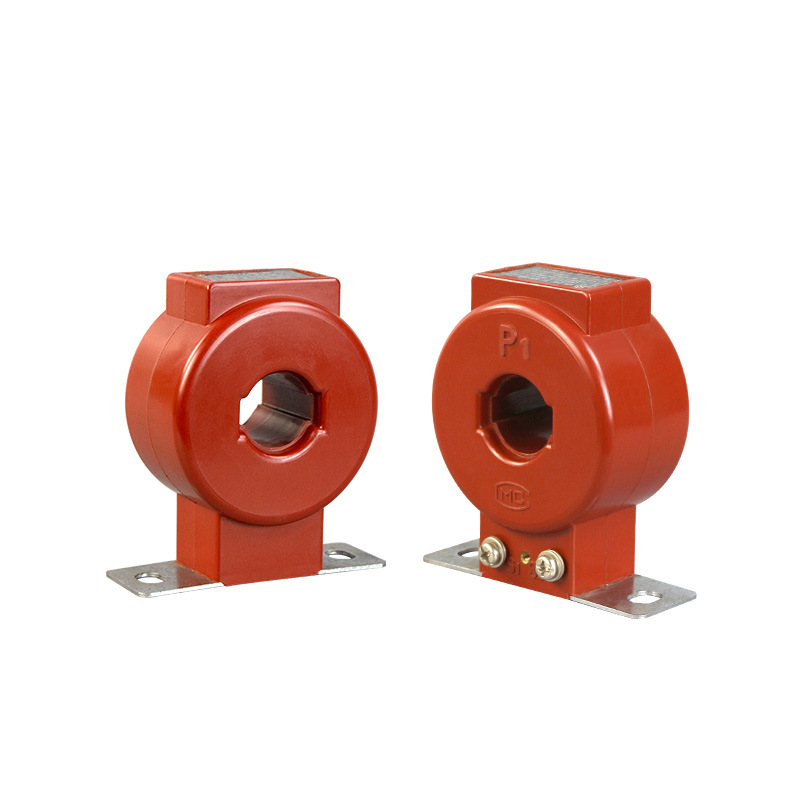
| Ring type solid core CT | 100/5 to 600/5 | Class 1 / 0.5 | USD 4-12 | USD 2.5-8 | Panel metering, standard switchboards |
| Wound primary CT | 50/5 to 200/5 | Class 1 / 0.5 | USD 6-18 | USD 4-11 | Low-current circuits, control systems |
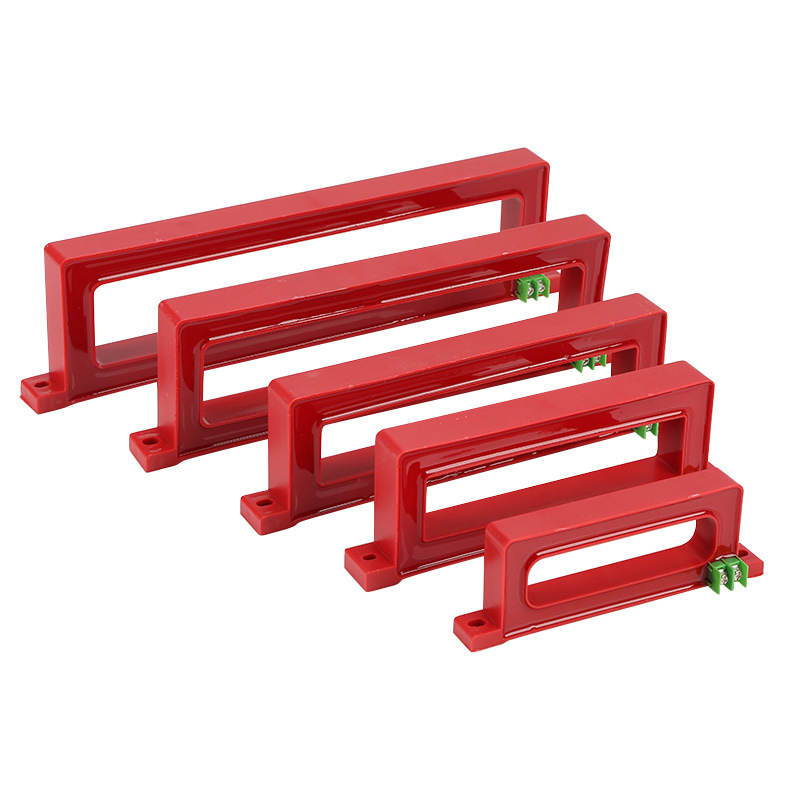
| Split core CT | 100/5 to 1000/5 | Class 1 / 0.5 / 0.2 | USD 12-45 | USD 8-28 | Retrofit energy monitoring |
| Metering CT | 200/5 to 800/5 | 0.5S / 0.2S | USD 10-35 | USD 6-22 | Energy measurement, billing support |
| Protection CT | 200/5 to 2000/5 | 5P10 / 10P10 / PX | USD 20-120 | USD 14-85 | Relay protection, switchgear |
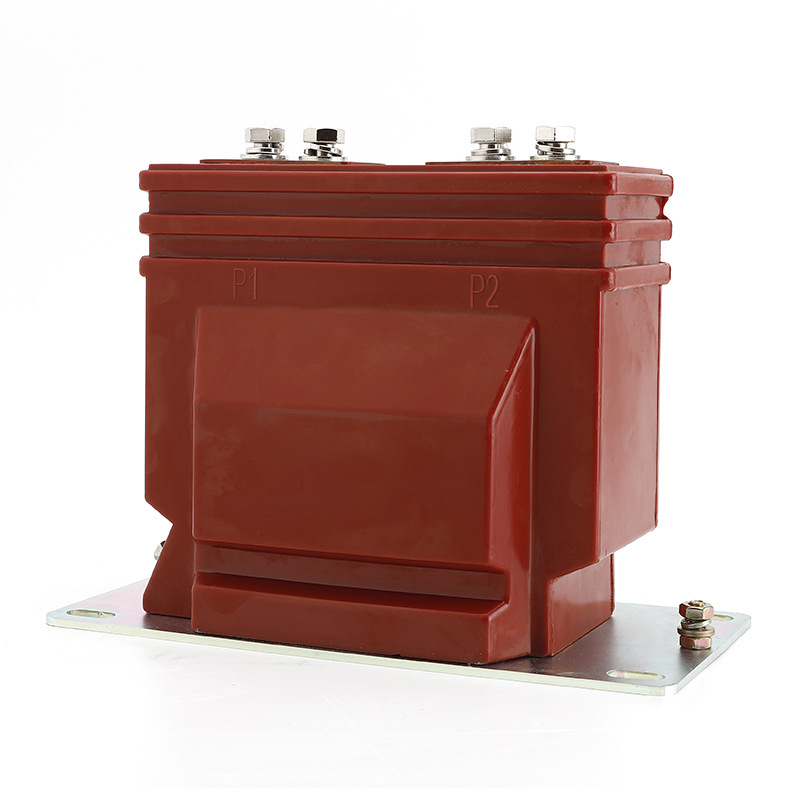
| Outdoor resin-cast CT | 400/5 to 3000/5 | 0.5 / 5P / mixed core | USD 120-600 | USD 90-450 | Substations, outdoor industrial systems |
| High-voltage outdoor CT | Project-specific | Utility-grade | USD 800-5000+ | Project quoted | Transmission and utility applications |
These are realistic market ranges used for budgeting, not universal list prices. Final quotes depend on burden, window size, insulation level, certification, and whether you are buying ex-works, FOB, or landed.
Why Current Transformer Prices Vary So Much
Buyers often assume a CT is a simple passive component. In reality, pricing changes sharply because a CT combines magnetic material, insulation design, mechanical construction, accuracy control, and verification testing.
Two units that look similar on a drawing can have very different internal cost structures. That is why experienced procurement teams do not compare quotes based on appearance alone.
Core Type and Design
The first major cost driver is the basic architecture: wound, bar, ring, or split core. Each design changes material usage, assembly time, and precision requirements.
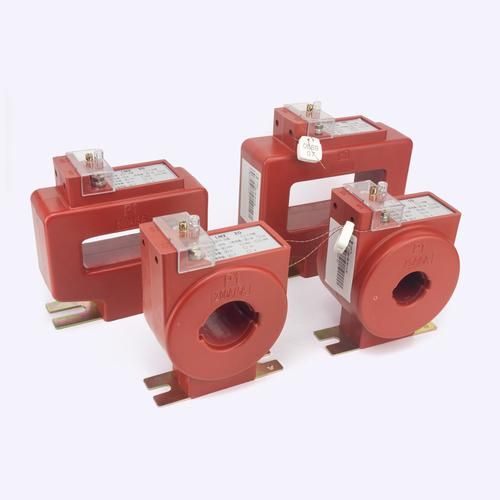
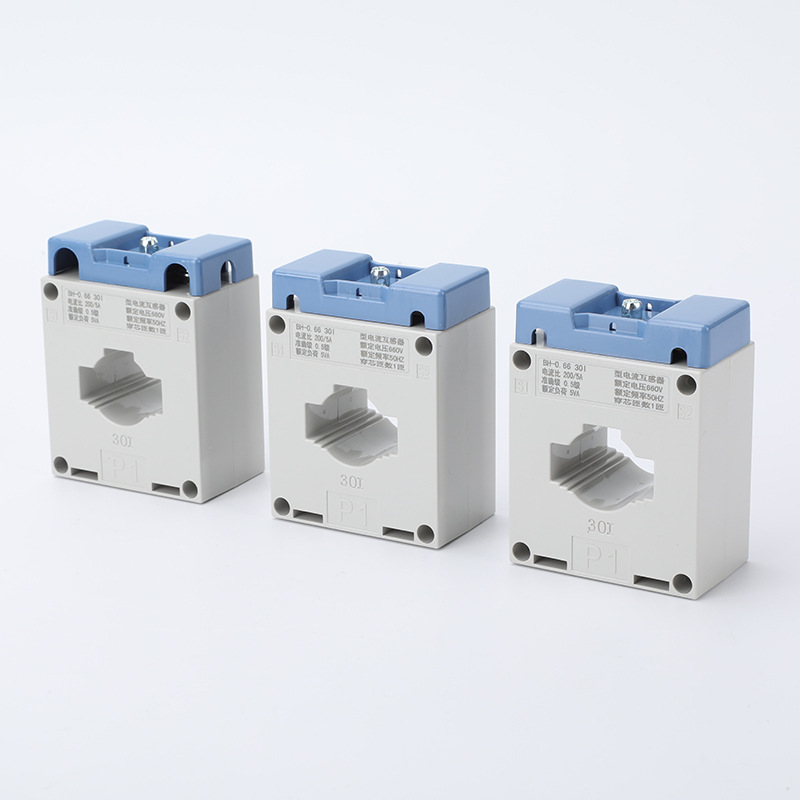
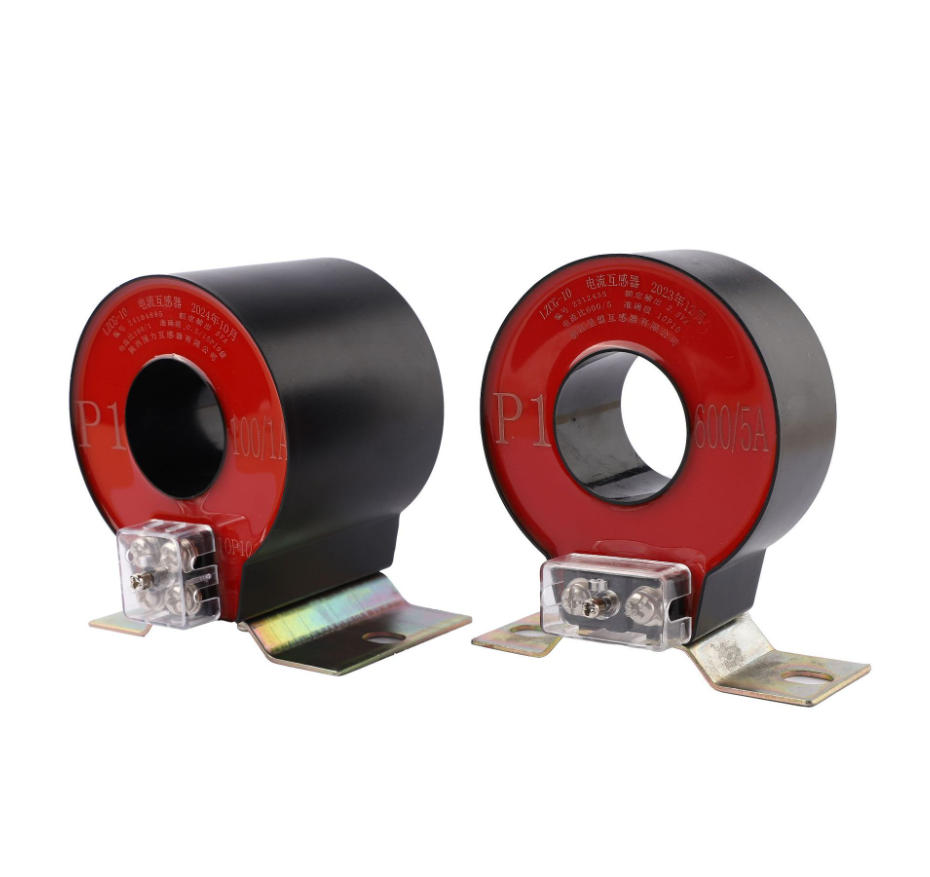
Ring type solid core CTs are usually the most economical for standard low-voltage installations. They are simple, robust, and efficient for factory production.
Wound primary CTs cost more than basic ring types when lower ratios or specialized primary turns are needed. More copper and more assembly labor usually mean a higher quote.
Bar primary CTs are common in switchgear and busbar systems. Their pricing depends heavily on conductor dimensions, thermal demands, and insulation layout.
Split core current transformer pricing is usually higher because the unit must open and close reliably while maintaining acceptable magnetic performance. The hinge, latch, housing precision, and ease of installation all add cost.
Accuracy Class and Application
Accuracy requirements have a direct effect on current transformer price. A basic Class 1 metering CT is not built the same way as a Class 0.2S revenue-grade model.
For metering use, tighter accuracy means better core material, stricter winding control, and more testing. That immediately raises the current transformer manufacturer quote.
For protection use, the concern is different. Instead of just normal-load accuracy, the CT must perform correctly during fault conditions and avoid excessive saturation under defined limits.
This is why a 5P10 or PX class protection CT often costs much more than a standard metering CT, even when the ratio looks similar on paper.
Rated Current, Burden, and Voltage Level
Higher rated current often means a larger core window, more copper, and a larger body. Higher burden requirements may demand stronger performance across operating range, which adds cost.
Voltage level is another major factor. Low-voltage panel CTs are far cheaper than medium-voltage and outdoor units because insulation systems become more complex and test requirements become more demanding.
In commercial terms, a buyer asking for “just in case” performance usually pays for it. If the downstream meter needs 5 VA and the relay design only requires a certain fault response, specifying 15 VA or premium insulation without need can distort the whole budget.
Certification and Compliance Costs
Compliance is not free. IEC, ANSI, CE, UL, and customer-specific utility approvals all increase engineering, testing, documentation, and audit costs.
A factory quote for a domestic industrial project may be acceptable with standard IEC routine tests. A utility or export project may require type test reports, traceability records, flammability data, and detailed inspection documentation.
That is one reason the cost of current transformer factory output differs so much between market segments. Compliance can be a bigger driver than raw material.
Order Quantity and Customization
Quantity matters more than many first-time buyers expect. A standard CT made in batches of 5,000 pieces will have a very different current transformer cost per unit than a custom batch of 50.
Brand labeling, non-standard terminals, unique mounting feet, custom ratios, cable lengths, epoxy color, packaging, and private labeling all affect setup time and production efficiency.
This is where many buyers misunderstand the cost of current transformer manufacturer quotes. The price is not just material plus margin. It also includes production interruption, tooling adjustment, test setup, and quality risk.
Current Transformer Cost by Type and Use Case
The most practical way to budget a CT is to match the price to the actual use case. Technical context matters more than generic catalog labels.
Split Core Current Transformer Pricing
Split core CTs are popular in retrofit projects because installers do not need to disconnect the primary conductor. That labor saving is real, especially in live or difficult access environments.
But the product itself costs more. The opening core structure reduces magnetic efficiency and requires stronger mechanical design to keep performance stable after repeated closing.
In factory energy retrofits, I have seen buyers save several hours of electrician labor per panel by selecting split core units. Even when the unit price was 40% to 80% higher than solid core alternatives, the total installed cost was lower.
Typical budget range: USD 12-45 per piece for standard low-voltage industrial models, with premium Class 0.2 or compact retrofit designs priced higher.
Solid Core Current Transformer Cost
Solid core CTs are usually the best-value choice for new installations. If the conductor or cable can be passed through before final assembly, they offer good stability and low manufacturing cost.
These models dominate standard switchboards, MCC panels, and OEM electrical assemblies. They are simple to source and easy to standardize across product lines.
Typical budget range: USD 3-15 per piece for many common indoor industrial applications, depending on size, class, and volume.
Metering Current Transformer Cost
Metering CT pricing depends heavily on how accurate the reading must be. For ordinary monitoring, Class 1 or 0.5 is often enough.
For sub-metering, energy management, or billing-sensitive applications, buyers often move to 0.5S or 0.2S. That usually increases cost by 20% to 100% over standard utility monitoring grades.
A common mistake is to specify revenue-grade performance for every branch circuit. If the goal is trend monitoring, not billing, that decision rarely pays back.
Protection Current Transformer Cost
Protection CTs are a different purchase category. You are paying for dependable signal behavior during fault conditions, relay coordination, and thermal/mechanical withstand.
Switchgear OEMs know this well: a protection CT failure is not a minor inconvenience. It can compromise relay action, delay projects, and trigger serious rework costs.
Typical protection CT pricing starts around USD 20 for basic low-voltage indoor units and climbs quickly with ratio, knee point requirements, or multi-core designs.
Outdoor and High-Voltage Current Transformer Cost
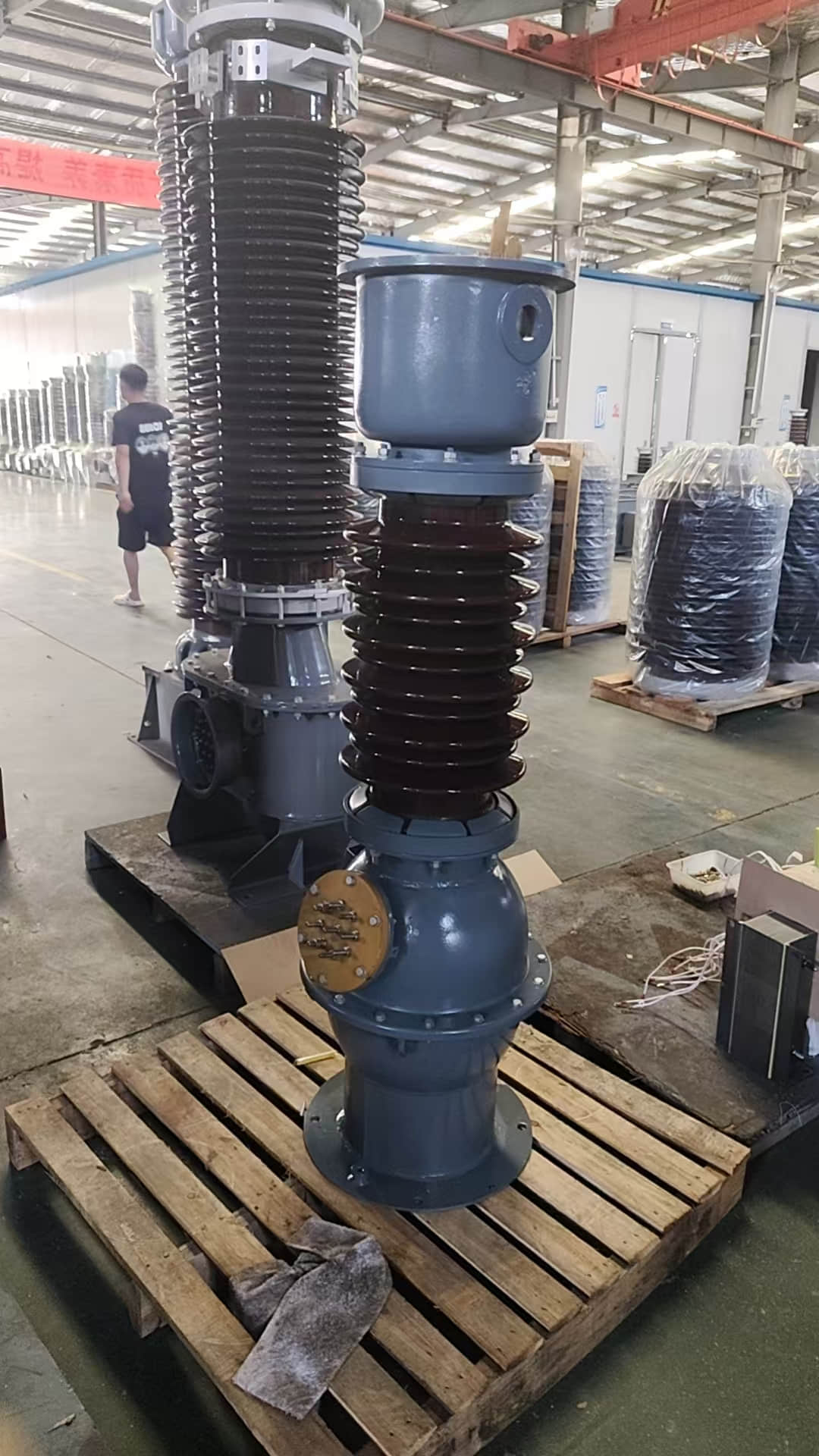
Outdoor CTs cost more because the environment changes everything. UV resistance, resin casting, creepage distance, sealed housings, terminal protection, and weather durability all add cost.
For medium-voltage and high-voltage applications, insulation structure and type testing become central cost drivers. Packaging and freight also become more significant because these units are heavier and more fragile.
Project budgets often underestimate this category by focusing too much on ex-factory price and too little on logistics, acceptance testing, and installation conditions.
Real-World Current Transformer Price Examples
The examples below reflect practical buying scenarios seen in industrial procurement. They are realistic planning numbers, not fixed offers.
Table: Example Budget Scenarios
| PROJECT TYPE | SAMPLE SPECIFICATION | ESTIMATED EX-FACTORY PRICE | ESTIMATED LANDED COST | RECOMMENDED SUPPLIER TYPE |
|---|---|---|---|---|
| Factory energy metering retrofit | Split core, 400/5, Class 0.5, indoor, 100 pcs | USD 16-24/pc | USD 20-31/pc | Specialized retrofit CT factory |
| Switchgear OEM order | Solid core, 600/5, Class 1, 5 VA, 3,000 pcs/year | USD 4.5-7.5/pc | USD 5.5-9/pc | Volume industrial current transformer suppliers |
| Solar combiner monitoring | Compact ring CT, 200/5, Class 0.5, 500 pcs | USD 5-9/pc | USD 6.2-10.5/pc | OEM-friendly factory with compact tooling |
| Commercial building sub-metering | Split core, 250/5, Class 0.5S, 300 pcs | USD 14-22/pc | USD 18-28/pc | Metering-focused manufacturer |
| Industrial motor control center | Ring type, 150/5, Class 1, 1,000 pcs | USD 3.5-6.5/pc | USD 4.5-8/pc | Standard catalog CT factory |
| Relay protection upgrade | Protection CT, 800/5, 5P10, 15 VA, 150 pcs | USD 28-60/pc | USD 34-72/pc | Protection CT manufacturer with test capability |
| Outdoor utility feeder project | Resin cast outdoor CT, 1200/5, multi-core, 40 pcs | USD 180-420/pc | USD 240-520/pc | Utility-approved factory |
Notice the spread between ex-factory and landed cost. In some projects, freight, duty, packaging, and inspection add 15% to 35% on top of nominal factory pricing.
Current Transformer Cost in China vs Other Supply Markets
Global buyers regularly compare Asia, Europe, and North America when evaluating the cost of current transformer China versus regional supply. The right decision depends on volume, lead time, compliance, and your tolerance for sourcing complexity.
Cost of Current Transformer Factory China
The cost of current transformer factory China output is often the most competitive for standard low-voltage industrial CTs. This is driven by scale, dense component supply chains, mature tooling ecosystems, and strong export manufacturing experience.
In practical sourcing terms, Chinese factories often provide the best ex-works pricing for standard ring CTs, split core CTs, and OEM custom programs above moderate volume. For many buyers, this is where the lowest cost of a current transformer factory is found for standardized products.
That said, not all suppliers are equal. The cheapest offer may come from a trading company with weak test control, while a more serious factory may offer better dimensional consistency, documentation, and after-sales support.
For buyers balancing price and manufacturing discipline, suppliers such as Weisho Electric are often considered when looking for practical factory communication, export support, and customizable industrial CT sourcing.
Cost of Current Transformer Manufacturer in Europe and North America
European and North American manufacturers usually quote higher unit prices, especially for standard catalog items that can be sourced from Asia. Labor, energy, facility overhead, and compliance costs are generally higher.
However, there are cases where the premium is justified. Local stock, shorter lead times, faster engineering response, utility approvals, and easier warranty handling can reduce total project risk.
For urgent replacement parts, protected utility programs, or projects with strict domestic qualification rules, local sourcing may still be commercially smarter than the lowest offshore quote.
Table: Factory Price Comparison by Region
| REGION | TYPICAL UNIT PRICE RANGE FOR STANDARD LV CT | COMMON MOQ | TYPICAL LEAD TIME | COMMON TRADE-OFFS |
|---|---|---|---|---|
| China | USD 2.5-10 | 100-1000 pcs | 2-6 weeks | Best scale pricing, requires supplier screening and import management |
| India | USD 3-12 | 100-500 pcs | 3-7 weeks | Competitive regional sourcing, quality consistency varies by factory |
| Europe | USD 8-30 | Low to moderate | 2-8 weeks | Higher compliance confidence, higher labor and overhead costs |
| North America | USD 10-35 | Low to moderate | 1-6 weeks | Fast local support, highest routine pricing for standard items |
In broad market terms, China often wins on ex-factory price. Europe and North America often win on response speed, localization, and project-specific compliance convenience.
How to Evaluate Industrial Current Transformer Suppliers
When comparing industrial current transformer suppliers, the real task is not finding the lowest quote. The real task is controlling technical risk, delivery risk, and lifetime quality cost.
Factory Capability and Test Equipment
Ask what testing is actually done in-house. A serious CT manufacturer should be able to provide routine test records, ratio verification, polarity checks, insulation testing, and accuracy confirmation relevant to the product class.
If the supplier cannot explain test equipment clearly, that is a warning sign. A cheap CT that drifts out of class after installation is never truly cheap.
Experienced buyers often ask for photos or videos of test benches, calibration procedures, and traceability flow. This is not overkill. It is standard commercial protection.
Quotation Transparency
A good quote must clearly state ratio, burden, accuracy class, frequency, window size, insulation level, case material, and standard reference. If these details are missing, you are not comparing equivalent offers.
Some of the worst sourcing mistakes happen when a buyer requests “400/5 CT” and receives three quotes for products with totally different classes and burdens. The cheapest one looks attractive until engineering rejects it.
MOQ, Lead Time, and After-Sales Support
Small differences in unit price matter less than missed deadlines. A supplier that is 5% cheaper but slips delivery by three weeks can cause much larger losses in panel production or site commissioning.
Always confirm production lead time, sample timing, packaging standard, warranty handling, and replacement policy. Real procurement is about continuity, not just price.
Sample Policy and Quality Records
Before approving volume, request samples and test documentation. Good factories can usually provide sample reports, routine test records, dimensional drawings, and customer references from similar industries.
If you are sourcing from Asia for the first time, a controlled pilot order is often the smartest move. Validate fit, finish, and actual field performance before annualizing the business.
Current Transformer Buying Guide for Cost Control
This current transformer buying guide is built around a simple commercial principle: buy the lowest-risk specification that fully meets the application. Anything above that is a waste unless justified.
Define the Exact Electrical Requirement First
Start with the downstream device. What does the meter, relay, or monitoring system actually require?
Confirm ratio, secondary current, burden, accuracy class, insulation level, and installation method. If you skip this step, suppliers will quote based on assumptions, and you will compare apples to oranges.
One OEM I worked with reduced CT spending by roughly 18% in an annual panel program simply by correcting oversized burdens and unnecessary Class 0.2 specifications on non-billing feeders.
Choose Standard Models Where Possible
Standard models are almost always more cost-effective than custom units. They run faster through production, require less engineering review, and often use stocked materials.
If the difference between standard and custom is only cosmetic, avoid custom. Private labeling, special mounting holes, or uncommon case dimensions can quietly increase the current transformer cost per unit across the whole year.
Compare Ex-Factory, FOB, and Landed Cost
Never compare only ex-works pricing. A quote that is 10% cheaper at the factory can become 5% more expensive after export packing, freight, insurance, import duty, local delivery, and inspection cost.
This is especially true when evaluating the cost of current transformer China. The factory number may look excellent, but total procurement economics must include logistics and internal handling.
Negotiate Based on Annual Demand
Factories price more aggressively when they can plan production. If your business uses 12,000 CTs per year, do not buy in disconnected monthly spot orders if a blanket agreement is possible.
Forecast commitments, scheduled releases, and frame contracts often unlock better pricing than last-minute RFQs. They also reduce the risk of material shortages during peak demand periods.
This is where a manufacturer like Weisho Electric can become more valuable than a pure lowest-bid source, because stable planning and clearer technical communication often improve both price and delivery reliability over time.
Avoid the Cheapest Supplier Trap
The cheapest quote can become the most expensive outcome. Calibration failures, cracked housings, inconsistent terminal screws, dimensional mismatch, and inaccurate labeling all create hidden costs.
Field replacement is particularly expensive in retrofit or energized systems. Saving USD 2 on a CT is meaningless if site labor to replace it costs USD 80 to USD 300 per point.
Total cost of ownership should include reject rate, reinspection, warranty responsiveness, engineering clarification time, and installation reliability.
Cost Drivers That Most Impact Current Transformer Price
Table: Price Impact by Specification
| FACTOR | LOW-COST OPTION | HIGH-COST OPTION | ESTIMATED IMPACT ON PRICE | BUYER RECOMMENDATION |
|---|---|---|---|---|
| Core design | Solid ring core | Split core or multi-core protection | +20% to +150% | Use split core only when installation savings justify it |
| Accuracy class | Class 1 | 0.2S or revenue grade | +20% to +100% | Match class to actual metering need |
| Application type | Basic metering | Protection/relay duty | +30% to +200% | Do not substitute metering CTs into protection applications |
| Insulation level | Indoor LV | Outdoor MV/HV | +100% to +1000%+ | Confirm real environmental and voltage demands early |
| Certification | Standard IEC routine tests | UL, ANSI, utility approval package | +10% to +80% | Buy only the required compliance package |
| Order volume | Small batch | Annual blanket order | -10% to -40% | Aggregate demand where possible |
| Customization | Catalog model | Custom ratio/branding/mounting | +10% to +60% | Validate standard alternatives first |
| Documentation | Basic datasheet | Full traceability and project dossier | +5% to +25% | Useful for utility and audited industries only |
Common Mistakes That Increase Current Transformer Cost
Most overspending on CTs does not happen because the market is unfair. It happens because buyers specify poorly or compare quotes incorrectly.
Buying Without Checking Accuracy Class
This is probably the most common technical-commercial mistake. Buyers ask for a premium metering class when the application only needs approximate monitoring.
If a facility manager only wants load visibility, not tenant billing or revenue settlement, Class 0.2S often provides no meaningful return. Yet it can increase project cost materially.
Ignoring Installation Method
Installation method changes everything. In retrofit environments, solid core units may look cheaper on paper, but they can trigger conductor disconnection, outage planning, and labor overruns.
In those cases, higher split core current transformer pricing can actually lower the total project budget. Buyers who ignore field installation reality often make false savings decisions.
Failing to Compare Total Supplier Cost
Freight, duty, inspection, packaging damage, reject rate, and communication delays can erase factory savings. This is especially relevant when comparing the cost of current transformer factory in China with local alternatives.
A disciplined sourcing model assigns value to response speed, drawing accuracy, sample reliability, and claims handling. Those factors affect profit just as much as unit price.
Ordering Custom Units Too Early
Many projects move to custom design too fast. Buyers request custom window dimensions, terminals, or branding before verifying whether a standard model already works.
That creates unnecessary tooling, approval delay, and lower production efficiency. Start with standard options, then customize only if there is a clear commercial benefit.
FAQ
How much does a current transformer cost on average?
For common low-voltage industrial applications, a current transformer usually costs about USD 3 to USD 40 per unit. Standard solid core metering models sit at the lower end, while split core, high-accuracy, protection, and outdoor units cost more.
Why is split core current transformer pricing higher than solid core?
Split core current transformer pricing is higher because the product needs a hinged or opening structure, tighter mechanical tolerances, and better housing design to maintain magnetic performance after installation. Buyers pay a product premium, but often save significant labor in retrofit work.
What is the current transformer cost per unit for bulk orders?
The current transformer cost per unit in bulk orders often drops by 10% to 40% compared with small-batch buying, depending on model standardization and annual volume. Standard indoor solid core CTs bought at 1,000+ pieces may land in the USD 2.5 to USD 8 ex-factory range, while split core and protection units stay higher.
How much does a current transformer factory in China charge?
The cost of current transformer factory china output for standard low-voltage models is often around USD 2.5 to USD 10 per unit ex-works in volume, though higher-accuracy and split core models are more expensive. Final pricing depends on ratio, class, certification, customization, and order quantity.
What affects the cost of a current transformer manufacturer quote most?
The biggest cost drivers are core design, accuracy class, protection versus metering duty, burden, insulation level, certification, order volume, and customization. Before comparing the cost of current transformer manufacturer quotes, buyers should confirm these variables line by line.
Is the cheapest current transformer supplier the best option?
No. The cheapest supplier is only the best option if quality, documentation, delivery reliability, and after-sales support are also acceptable. In practice, total cost of ownership matters more than the lowest initial current transformer price.
How can I reduce current transformer cost without hurting quality?
Use standard models where possible, define the exact electrical requirement, avoid unnecessary accuracy upgrades, consolidate annual demand, compare landed cost instead of ex-factory price alone, and qualify suppliers through samples and test records before scaling volume.
Get Accurate Current Transformer Quotes Fast
If you are buying CTs for switchgear, energy metering, retrofits, OEM panels, or utility projects, do not rely on generic catalog pricing alone. The fastest path to a good decision is to compare specification-matched quotes, not just low numbers.
Prepare a clear RFQ with ratio, class, burden, window size, insulation level, installation method, and annual quantity. Then compare ex-factory price, FOB price, landed cost, test capability, lead time, and supplier responsiveness side by side.
If you want to reduce risk and improve purchasing accuracy, request factory documentation, sample validation, and real delivery commitments before placing volume orders. Whether you source locally or evaluate Chinese manufacturers, a disciplined comparison process will save far more than chasing the cheapest line item.
Now take the next step: send your CT specifications, ask for a detailed factory quote, verify test records, and calculate landed cost before you buy. If you are evaluating serious industrial current transformer suppliers for long-term value, start comparing qualified manufacturers today and lock in the right balance of price, performance, and delivery confidence.