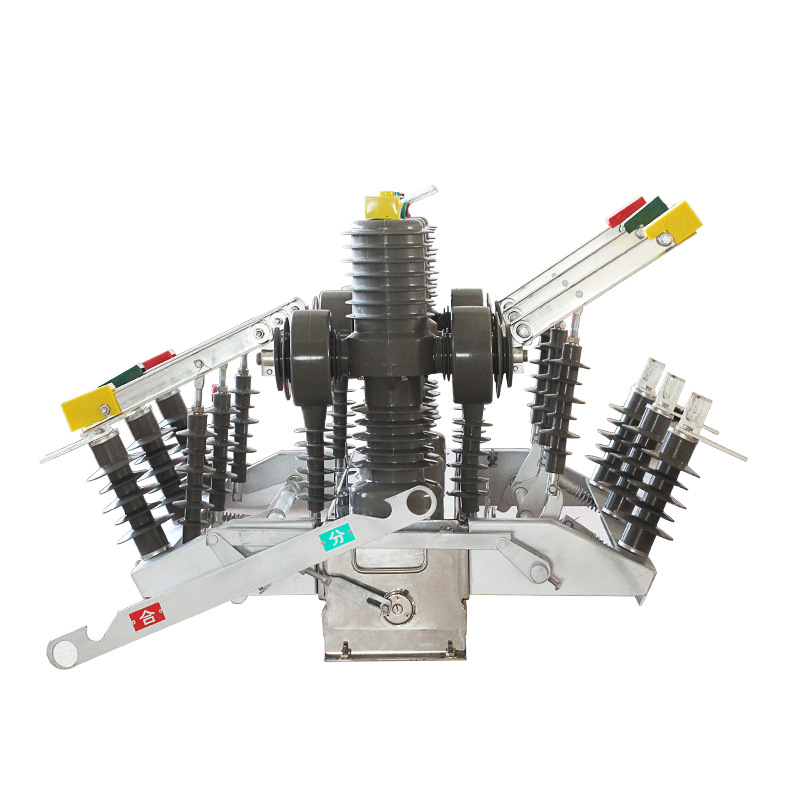
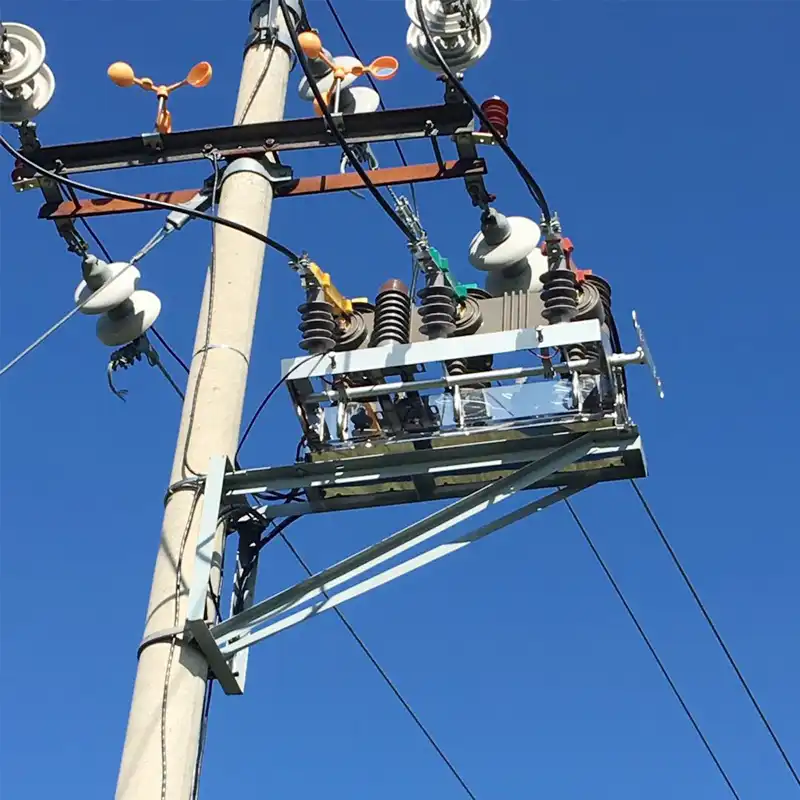
Choosing the right pole-mounted auto recloser for African power grids is not a routine catalog exercise. In Africa, the same product that performs well on paper can fail early in service if it is not matched to local feeder structure, climate, auxiliary power reality, and tender standards.
Across East Africa, Southern Africa, and parts of West Africa, utilities and private operators deal with long overhead radial feeders, frequent lightning activity, scattered populations, and maintenance teams that may be hundreds of kilometers away. That is exactly why recloser selection has to be practical, not theoretical.
If you are buying for a utility, a mining project, or a rural electrification contractor, the key question is simple: what specification will keep the line operating reliably with the lowest lifecycle burden?
This article gives a field-oriented answer based strictly on the real technical decision points that matter in African projects.
Why Pole-Mounted Auto Recloser Selection Matters in Africa
In many African distribution networks, overhead feeders are long, exposed, and lightly supervised. A temporary fault caused by lightning, tree contact, bird activity, or windblown debris can interrupt entire communities, mines, farms, or industrial users.
A correctly selected auto recloser clears temporary faults automatically and restores service without dispatching a crew. A poorly selected one creates a different problem: false trips, failed reclosing, battery loss, corrosion, communication mismatch, or rejection during tender review.
That is why utility-grade auto recloser specifications for overhead networks in Africa must be built around local operating pain points, not only standard ratings.
What Are the Core Pain Points of African Distribution Networks?
Before comparing brands or prices, buyers should first understand the operating conditions that directly affect recloser design choice.
Long Radial Overhead Lines and High Temporary Fault Rates
Many African utilities run long radial overhead feeders into rural towns, farms, and villages. These lines are highly exposed to lightning and transient disturbances.
According to lightning density maps widely used in power planning, parts of Central, East, and Southern Africa fall into some of the world’s more active thunderstorm zones, with ground flash density in certain corridors commonly exceeding 8 to 12 flashes/km²/year, and in localized hot zones even higher. On exposed 11kV and 33kV overhead lines, that translates into a high number of momentary faults.
This is why automatic reclosing is so effective in African distribution practice. A large share of faults are temporary rather than permanent, so a recloser can isolate and restore much faster than manual switching.
Remote Locations and Low-Maintenance Demands
In rural electrification projects, remote agricultural feeders, and small-town distribution systems, maintenance staff are often limited. Some utilities have only a few crews serving very large territories.
This makes medium-voltage reclosers for rural electrification projects especially sensitive to maintenance burden. Equipment that requires gas refilling, oil servicing, or repeated internal inspection becomes a long-term liability.
In practice, the best product is often not the cheapest purchase price. It is the one that can stay on the pole for years with minimal human intervention.
Harsh Climate Conditions Across African Regions
African field conditions are more diverse than many overseas suppliers expect. The same tender region may include dry inland dust, high UV radiation, tropical heat, coastal salt fog, and severe day-night temperature variation.
These conditions directly affect outdoor automatic circuit reclosers for harsh climate conditions. The main risks include:
UV aging of external polymer insulation and cabinet coatings
Dust ingress into control enclosures and mechanism spaces
High ambient temperatures reducing electronic reliability
Salt-laden air accelerating corrosion in coastal projects
Condensation inside the controller during temperature swings
Condensation is particularly underestimated. In hot daytime and cool nighttime conditions, moisture can form inside the control cabinet and gradually damage electronic boards.
Unstable Grid Conditions and Uneven Fault Current Levels
Not all African distribution systems have stable voltage profiles or well-documented fault studies. Older networks may have low short-circuit levels, while industrial and mining feeders can present much stronger fault currents.
That means every project should verify two basic figures before final selection: system voltage and available short-circuit current. Without that, a recloser may be over-specified and overpriced, or worse, under-rated for the actual network duty.
Mixed Standards Across Public Utility and Mining Projects
Most public utility projects in Africa follow IEC 62271-111. This is especially common in Southern Africa, including Zimbabwe and South Africa, and widely accepted across utility procurement systems.
However, some mining operations, EPC contractors, and foreign-invested projects may request IEEE C37.60, either as the primary standard or as an accepted alternative. This mixed standard environment affects not only technical compliance, but also documentation, test reports, and tender eligibility.
What Is the Best Auto Recloser Type for African Projects?
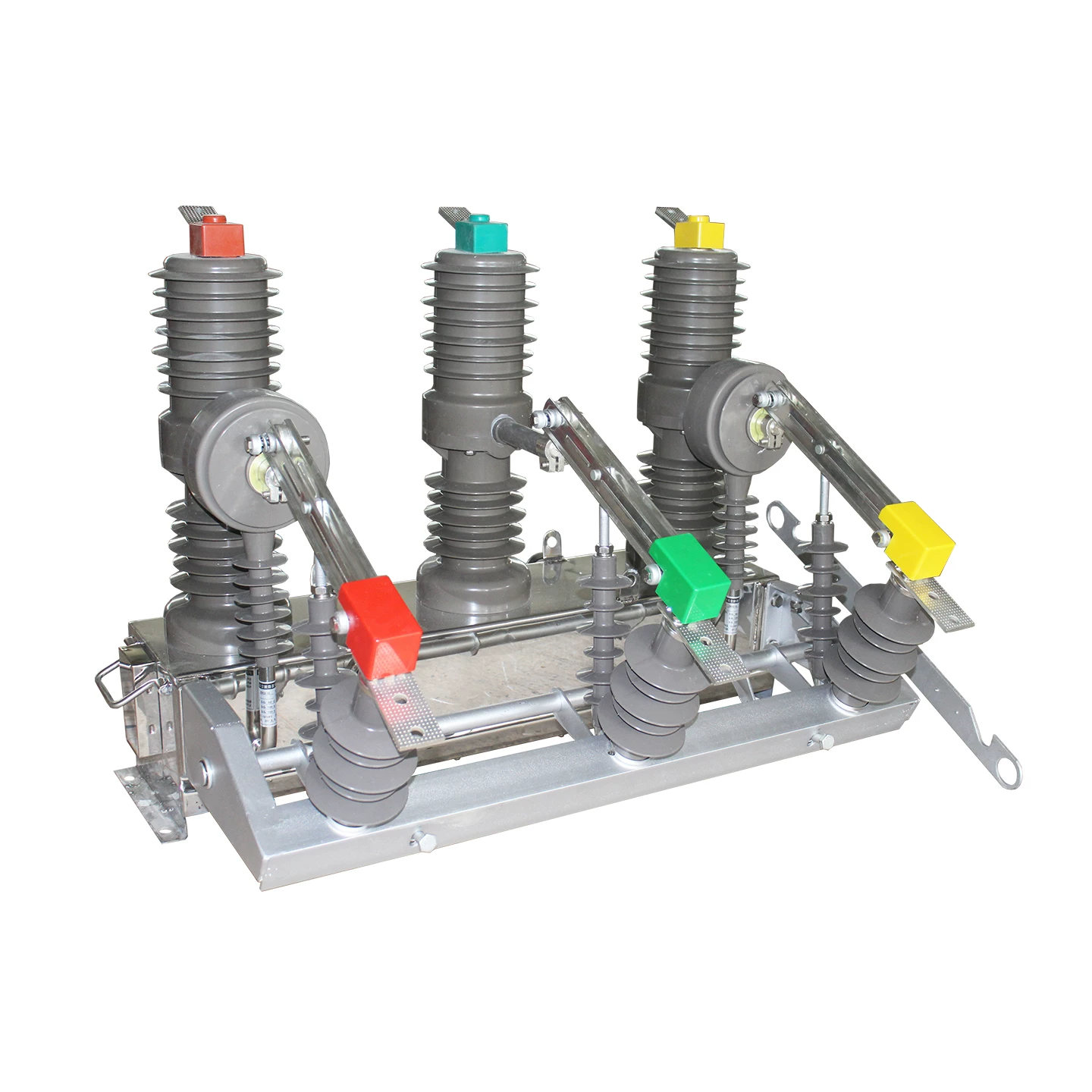
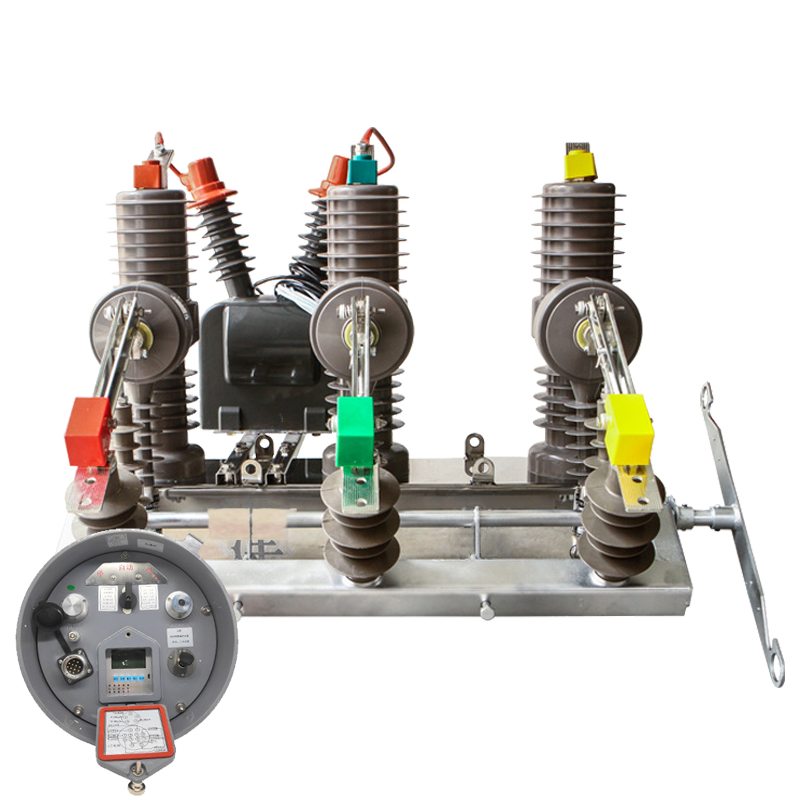
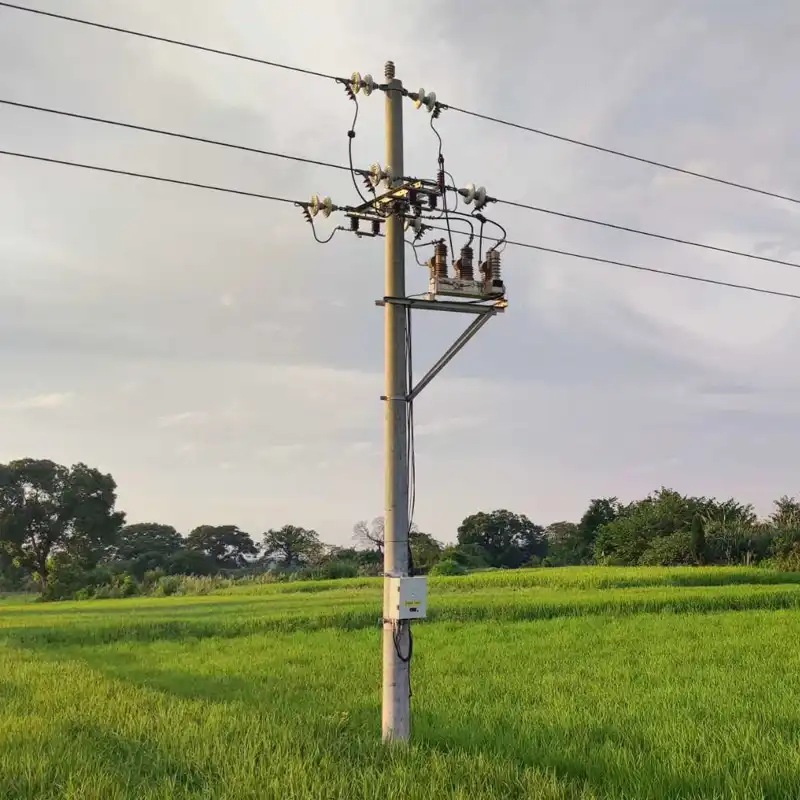
For most African distribution applications, the preferred solution is a solid dielectric vacuum recloser. From a lifecycle perspective, this is usually the most suitable distribution line fault protection equipment in Africa.
Why Solid Dielectric Vacuum Reclosers Are the First Choice
A solid dielectric vacuum recloser combines vacuum interruption with solid external insulation, avoiding both oil and SF6 gas as the primary field concern. For African pole-mounted use, this has several practical advantages.
No SF6 leakage risk
No oil handling or leak management
Low routine maintenance demand
Better transport simplicity for remote inland delivery
Strong dust and humidity resistance
Good suitability for no-crew or low-crew service areas
In real export work, this matters more than many first-time buyers realize. A unit installed on an isolated feeder in northern Kenya, inland Zambia, or a rural Zimbabwe corridor may not see a service engineer quickly if a sealing medium problem appears.
That is one reason many professional buyers increasingly prefer solid dielectric vacuum designs from experienced manufacturers such as Weisho Electric when the project priority is low maintenance and long-term field stability.
Why Oil Reclosers Are Usually a Poor Fit
Oil reclosers were historically common, but they are generally a poor match for today’s African remote-distribution reality. They require more maintenance, create fire concerns, and place a larger service burden on utilities with limited field staff.
For remote overhead installations, any technology that increases periodic service requirements should be questioned very carefully.
Why Traditional SF6 Gas Reclosers Can Create Long-Term Risk
SF6 reclosers can perform technically, but they introduce a long-term field risk in remote projects. Gas leakage may be slow and not immediately visible, but once pressure falls or refill is needed, maintenance becomes much more complicated.
In urban utility systems with stronger support infrastructure, this can be managed. In remote African feeder applications, it often becomes an avoidable lifecycle problem.
How Do You Choose the Right Voltage Rating for African Networks?
Voltage selection should be simple, disciplined, and based on insulation margin. In Africa, where lightning performance is a major issue, a conservative rating approach is usually the correct one.
Typical Distribution Voltages by Region
Across East and Southern Africa, the most common overhead distribution voltages are 11kV and 33kV. This is typical in countries such as Kenya, Zimbabwe, and Zambia.
In parts of West Africa, 15kV and 22kV systems also appear, depending on utility legacy design and local network practice.
Recommended Voltage Selection Rule
The basic rule is straightforward: the maximum equipment voltage should be equal to or greater than the system nominal voltage.
For an 11kV feeder, choose a 12kV class recloser
For a 33kV feeder, choose a 38kV class recloser
For a 15kV feeder, use a class that safely exceeds 15kV according to the manufacturer’s certified rating
For a 22kV feeder, select the next suitable certified class above system voltage
For lightning-prone regions, the added insulation margin is not a luxury. It is a practical protection choice.
Table: Common African Distribution Voltage and Matching Recloser Class
| COUNTRY/REGION | TYPICAL FEEDER VOLTAGE | RECOMMENDED RECLOSER VOLTAGE CLASS | SELECTION LOGIC |
|---|---|---|---|
| Kenya | 11kV / 33kV | 12kV / 38kV | Use next suitable certified class above nominal system voltage |
| Zimbabwe | 11kV / 33kV | 12kV / 38kV | Common utility and mining feeder practice |
| Zambia | 11kV / 33kV | 12kV / 38kV | Prefer insulation margin for lightning exposure |
| South Africa | 11kV / 22kV / 33kV | 12kV / suitable certified class above 22kV / 38kV | Project-specific utility standard check required |
| Parts of West Africa | 15kV / 22kV | Suitable certified class above nominal voltage | Confirm local utility voltage practice before quote |
How Do You Select Rated Current and Short-Circuit Breaking Capacity?
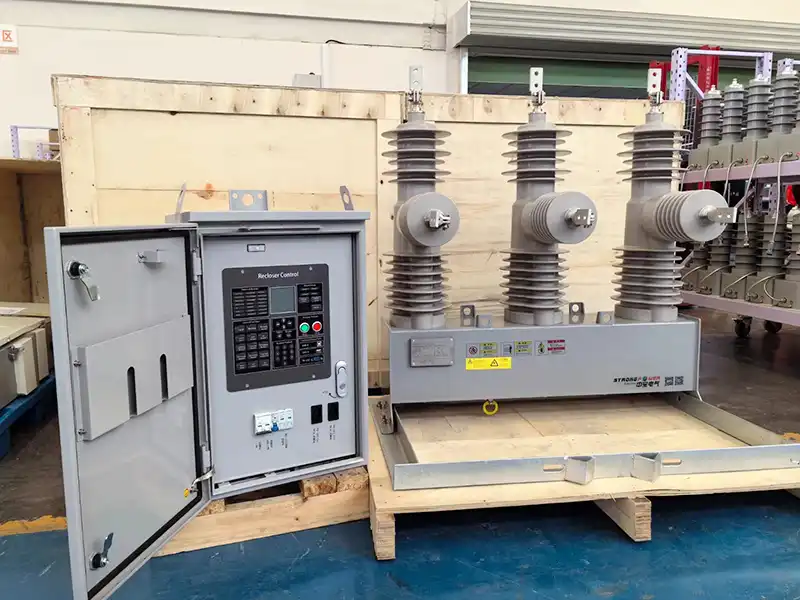
Current rating and breaking capacity should match the actual feeder duty. Bigger is not always better if it raises cost unnecessarily, but under-specification is dangerous and unacceptable.
Standard Current Ratings for Utility and Rural Feeders
For ordinary overhead distribution feeders in African utility systems, 630A and 800A are the mainstream choices. These ratings suit most rural and mixed urban-rural feeders.
In practical export RFQs, 11kV 800A is a very common inquiry point. It provides useful load margin without moving immediately into heavy industrial specification.
When to Specify 1250A for Mining or Industrial Loads
Mining areas, industrial parks, and trunk feeders serving concentrated demand often require 1250A. This is especially relevant in Southern African mining corridors where feeder loading can be significantly higher than ordinary public distribution lines.
Never assume mining projects can use the same current rating as village electrification projects. Their duty profile is very different.
Breaking Capacity Selection by Project Type
For most general projects, 12.5kA or 16kA is the normal selection range. For larger mining feeders or heavy industrial systems, 20kA may be necessary.
Many older African utility feeders do not have very high fault levels. But mining systems are the exception where fault current verification is mandatory. A wrong breaking-capacity choice can create a serious protection mismatch.
Table: Recommended Current and Breaking Capacity by Application
| APPLICATION | TYPICAL CURRENT RATING | TYPICAL BREAKING CAPACITY | COMMENT |
|---|---|---|---|
| Rural electrification feeder | 630A | 12.5kA | Cost-effective and suitable for most village overhead lines |
| Ordinary utility overhead feeder | 630A / 800A | 12.5kA / 16kA | Mainstream selection for public networks |
| City distribution feeder | 800A | 16kA | Useful where load density is higher |
| Mining or industrial trunk feeder | 800A / 1250A | 16kA / 20kA | Confirm actual short-circuit study before final approval |
What Power Supply Configuration Is Best for Pole-Mounted Reclosers in Africa?
This is one of the most common failure points in African recloser projects. Buyers sometimes focus on voltage and current, but ignore how the controller will actually stay powered on the pole.
That mistake causes commissioning delays and field failures more often than many people admit.
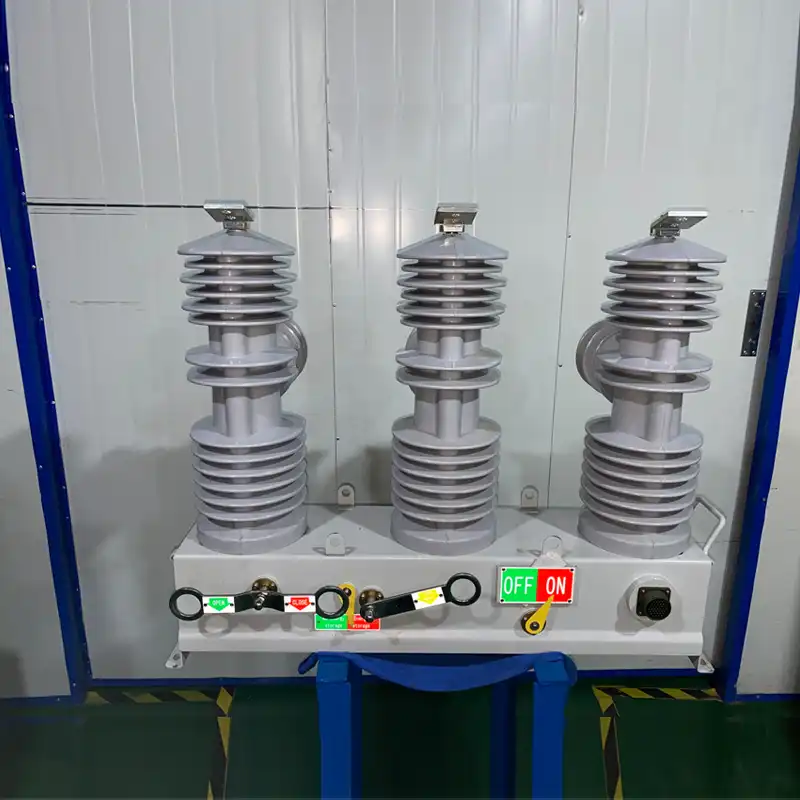
Line PT Power Supply Plus Built-In Lithium Backup Battery
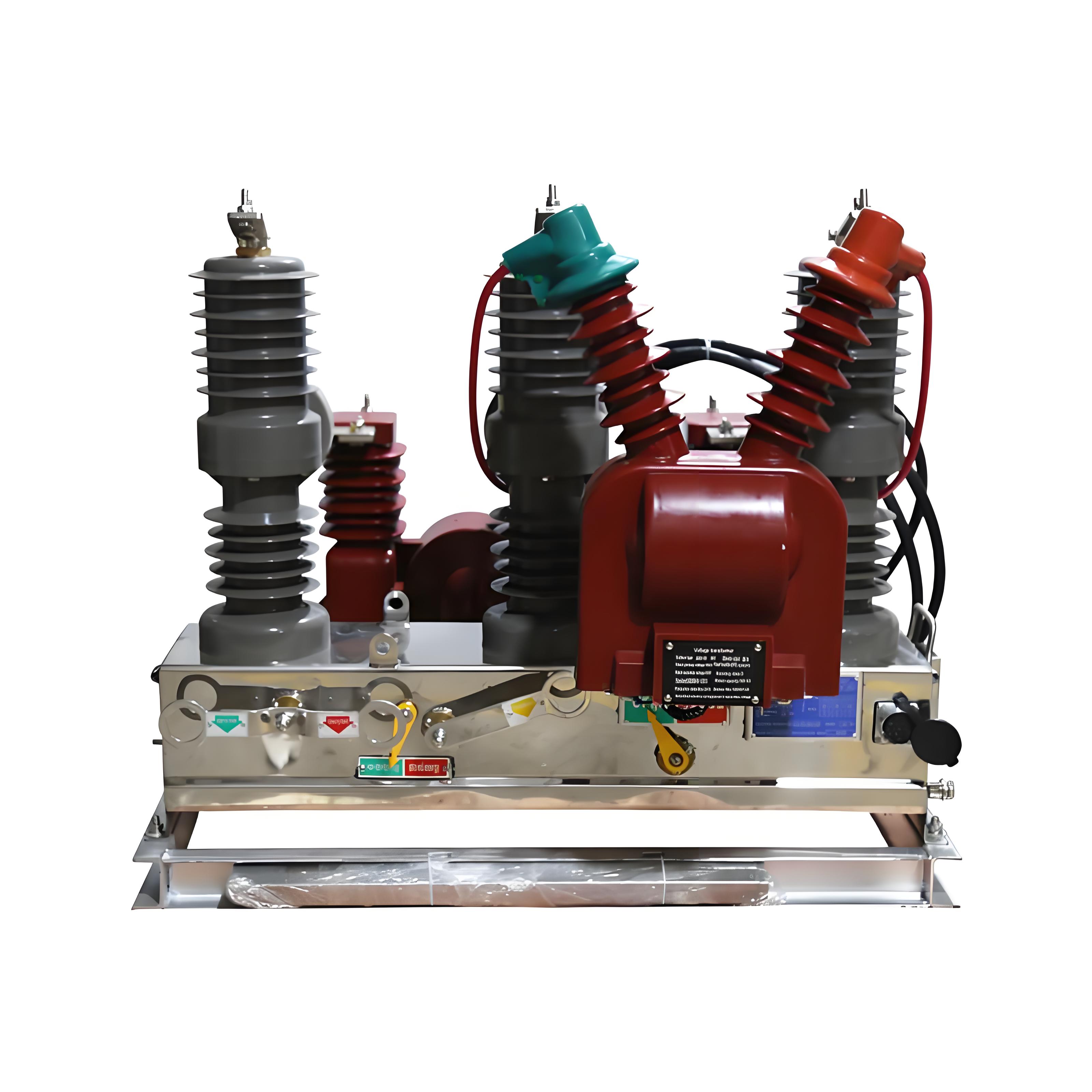
This is the most practical and most widely recommended solution for African overhead networks. The recloser uses a line PT to derive power from the high-voltage line and includes a built-in lithium backup battery for outage support.
This arrangement is ideal where there is no external AC220V auxiliary source on the pole, which is common in rural and semi-rural overhead distribution.
Its advantages are decisive:
No need for local auxiliary AC supply
Support for multiple open-close operations during outages
Controller continuity for fault recording and event logging
Strong suitability for remote installation points
External AC220V Auxiliary Supply for Urban Projects
External AC220V auxiliary power can work well in city projects, feeder automation nodes, and locations with reliable power access. It is not the universal answer for African pole-mounted installations.
For urban utility automation projects, this option may simplify integration with broader control systems. But for remote poles, it is often unavailable.
Customer Confirmation Question for RFQs
When reviewing an RFQ, one simple question prevents many specification mistakes:
“Does the recloser need built-in backup battery? Is external AC auxiliary power available on pole?”
If the buyer cannot answer immediately, that issue must be clarified before formal quotation.
Table: PT Self-Powered vs External Auxiliary Power Comparison
| POWER SUPPLY METHOD | RELIABILITY IN REMOTE AREAS | INSTALLATION SUITABILITY | BACKUP CAPABILITY | IDEAL PROJECT SCENARIO |
|---|---|---|---|---|
| Line PT + built-in lithium backup battery | High | Excellent for poles without local AC supply | Supports operation and records during outages | Rural feeders, remote overhead lines, electrification projects |
| External AC220V auxiliary supply | Depends on local AC reliability | Good only where auxiliary power exists | Depends on additional backup design | Urban automation points, city feeders, substation-adjacent poles |
Which Protection and Control Functions Are Essential?
African projects do not need overcomplicated controller menus, but they do need the right baseline functions. The goal is simple: fewer nuisance trips, faster restoration, and enough records for utility or industrial analysis.
Overcurrent and Earth Fault Protection
Overcurrent protection and earth fault protection are non-negotiable baseline functions. These are the core elements of utility-grade auto recloser specifications for overhead networks.
They protect against line faults, branch faults, and many common overhead feeder disturbances. If these settings are poorly matched, the recloser either trips too often or fails to isolate faults selectively.
Cold Load Pickup for Post-Outage Recovery
Cold Load Pickup is essential in African networks. After a prolonged outage, many domestic, agricultural, and commercial loads reconnect at the same time.
That temporary inrush can look like a fault if the controller lacks proper cold-load logic. The result is unnecessary tripping just when the system is trying to restore service.
This is not a minor feature. In practice, it prevents a lot of post-restoration complaints.
Adjustable Reclosing Sequence
A recommended specification is 0 to 4 shots adjustable. A common field scheme is one fast and two slow reclosing operations.
This gives operators flexibility to coordinate with feeder conditions and downstream protective devices. Different utilities and mines may apply different timing policies, so adjustability matters.
Fault Recording and Event Logs
Fault records and event logs are increasingly important. Public utilities need them for disturbance review, operations teams need them for troubleshooting, and mining SCADA systems often require them for internal reliability analysis.
On serious tenders, the ability to export event history and disturbance records can also support compliance evaluation.
What Communication Protocols Should You Request?
Communication protocol choice depends on who operates the network and how deeply the recloser must integrate with the control system.
IEC 60870-5-104 for Southern African Utility SCADA
For many public utility automation systems in Southern Africa, IEC 60870-5-104 is the common protocol. It is widely used for supervisory integration and remote system control.
If the project is utility-owned and intended for SCADA integration, IEC 104 should usually be checked first.
Modbus RTU/TCP for Small Projects and Mining Sites
Modbus RTU/TCP is practical, widely understood, and cost-effective. It is especially common in small automation projects, local control panels, and many mining site integrations.
For projects where simple monitoring and command functions are sufficient, Modbus is often the most efficient choice.
DNP3.0 for Some Internationally Managed Projects
DNP3.0 appears less frequently, but it does show up in projects influenced by North American standards or multinational owner requirements. It should not be assumed, but it should be available when the specification asks for it.
Table: Protocol Selection by Project Scenario
| PROJECT SCENARIO | TYPICAL USER | INTEGRATION LEVEL | RECOMMENDED PROTOCOL |
|---|---|---|---|
| Southern African public utility SCADA | National or regional utility | High | IEC 60870-5-104 |
| Small feeder automation project | Contractor or local operator | Medium | Modbus RTU/TCP |
| Mining site control system | Mine operator or EPC | Medium to high | Modbus RTU/TCP or IEC 60870-5-104 |
| Internationally managed infrastructure project | Foreign-funded owner | Project-specific | DNP3.0 where requested |
What Environmental Protection Features Are Non-Negotiable?
For outdoor automatic circuit reclosers for harsh climate conditions, environmental design is just as important as electrical rating. Many field problems begin with climate mismatch, not protection failure.
Minimum Enclosure Protection: IP65
The controller enclosure should be at least IP65. In dusty, wet, and storm-prone environments, anything lower is difficult to justify.
This is the minimum baseline for reliable outdoor control equipment in African conditions.
Wide Operating Temperature Range
A practical operating range is -20°C to +65°C. This supports hot inland sites, tropical zones, and broad daily temperature swings.
High ambient heat is not theoretical. In many inland locations, cabinet temperatures can rise significantly above ambient if solar exposure is strong.
Anti-Condensation Heater Inside the Control Cabinet
An internal heater helps prevent condensation damage. This is especially important where daytime heat and cooler night temperatures cause moisture to form inside the panel.
Many buyers focus on dust and forget condensation. In reality, moisture-related control failure is one of the most avoidable problems in the field.
UV-Resistant Silicone Rubber Bushings
UV-resistant silicone rubber insulation is strongly recommended. Strong sunlight can gradually degrade poor-quality exposed insulation, leading to surface aging, tracking risk, and shorter service life.
Salt Fog Protection and Stainless Hardware for Coastal Sites
For coastal South Africa and similar marine-exposed areas, anti-salt-fog coating and stainless steel hardware should be treated as necessary features, not optional cosmetics.
Corrosion in coastal distribution equipment can become serious much faster than inland buyers expect.
Pollution Class IV for Severe Dust and Coastal Contamination
Pollution Class IV is a sound requirement for severe dust, mining contamination, desert exposure, and coastal pollution. This gives the insulation system a more realistic chance of long-term reliability in difficult service areas.
Table: Environmental Feature Checklist for African Conditions
| ENVIRONMENT | MAIN RISK | REQUIRED FEATURE | WHY IT MATTERS |
|---|---|---|---|
| Desert or dusty inland | Dust ingress, insulation contamination | IP65 cabinet, Pollution Class IV | Protects electronics and external insulation |
| Tropical inland | Heat, humidity, UV | -20°C to +65°C, UV-resistant silicone rubber | Improves outdoor operating life |
| Coastal utility line | Salt fog corrosion | Anti-corrosion coating, stainless hardware | Reduces rust and mechanical degradation |
| High day-night temperature swing zone | Condensation inside controller | Internal anti-condensation heater | Protects PCB and control circuits |
| Mining environment | Dust, vibration, contamination | IP65, Pollution Class IV, robust mounting | Supports industrial reliability expectations |
Which Standards and Documents Must Be Confirmed Before Quotation or Tender?
Many technically acceptable products lose bids because their paperwork is incomplete. In Africa, this is particularly true for utility tenders and formal mining procurement.
IEC 62271-111 as the Mainstream Requirement
IEC 62271-111 is the mainstream standard for auto reclosers across most African public utility projects. If the buyer does not specify otherwise, this is usually the first standard to confirm.
IEEE C37.60 for Some Mining and Foreign-Invested Projects
IEEE C37.60 may be required in mining, foreign-funded, or internationally specified projects. Sometimes the buyer will accept either IEC or IEEE compliance, but sometimes the documentation must clearly reference the exact required standard.
Type Test Certificates and Third-Party Reports
Official projects often require a complete Type Test Certificate package. Without third-party type test documentation, entry into public utility projects becomes very difficult.
Experienced buyers know this early. In many tenders, compliance evidence matters almost as much as price.
Table: Required Technical Documents Before Bid Submission
| DOCUMENT | PURPOSE | WHY IT IS IMPORTANT |
|---|---|---|
| Technical datasheet | Core rating confirmation | Verifies voltage, current, interrupting rating, insulation, and controller features |
| GA drawing | Mechanical and installation review | Confirms pole mounting, clearances, and layout |
| Type test report | Third-party performance proof | Often mandatory for utility and formal industrial tenders |
| Protection manual | Controller logic review | Shows overcurrent, earth fault, cold load pickup, and reclosing functions |
| Communication protocol sheet | SCADA compatibility check | Confirms IEC 104, Modbus, or DNP3 support |
| Compliance certificates | Standards documentation | Supports IEC 62271-111 or IEEE C37.60 tender acceptance |
Quick Selection Guide by Project Type
For fast pre-quotation review, the following project-based logic works well.
Scenario 1: Rural Overhead Distribution and Electrification Projects
For the largest demand segment in Africa, the recommended choice is usually:
12kV or 38kV solid dielectric vacuum recloser
630A or 800A
12.5kA
Line PT power supply
Built-in lithium backup battery
IP65 controller enclosure
Anti-condensation heater
Optional Modbus where remote integration is simple
Scenario 2: Mining Area or Industrial Park Main Feeders
For mining customers, especially in Zimbabwe and similar markets, the common recommendation is:
38kV class
800A to 1250A
16kA or higher
IEC 60870-5-104 or project-specified protocol
Full fault recording and event log capability
Outdoor mounting accessories
Scenario 3: Urban Distribution Automation Projects
For city feeder automation:
External AC220V auxiliary supply can be accepted
Full remote telemetry, signaling, and control capability
Stronger SCADA integration priority
Table: Recommended Pole-Mounted Auto Recloser Configuration by Project Scenario
| PROJECT TYPE | VOLTAGE CLASS | CURRENT RATING | BREAKING CAPACITY | POWER SOURCE | PROTOCOL | ENVIRONMENTAL FEATURES |
|---|---|---|---|---|---|---|
| Rural electrification | 12kV / 38kV | 630A / 800A | 12.5kA | Line PT + lithium backup battery | Optional Modbus | IP65, heater, UV-resistant insulation |
| Utility overhead feeder | 12kV / 38kV | 630A / 800A | 12.5kA / 16kA | Prefer PT self-power in remote sites | IEC 104 or Modbus | IP65, heater, Pollution Class IV where needed |
| Mining or industrial trunk feeder | 38kV | 800A / 1250A | 16kA / 20kA | Project-specific | IEC 104 / Modbus / DNP3 if required | IP65, heater, robust anti-corrosion and contamination protection |
| Urban automation feeder | 12kV / 38kV | 800A | 16kA | External AC220V where available | IEC 104 | IP65, heater, city utility integration features |
Real-World Selection Examples from African Projects
Below are practical examples based on common African application logic. They illustrate how engineers should convert feeder conditions into a usable specification.
Example 1: 11kV Rural Feeder in Kenya
Assume an 11kV overhead feeder supplying several rural communities in Kenya. The line is long, radial, and exposed to frequent lightning activity during storm seasons. There is no reliable external auxiliary supply on the pole.
A practical selection would be:
12kV class
800A rated current
12.5kA breaking capacity
Solid dielectric vacuum interrupter design
Line PT self-power
Built-in backup lithium battery
IP65 controller enclosure
Anti-condensation heater
Overcurrent, earth fault, cold load pickup, adjustable reclosing
This is a textbook case where temporary faults are common and local maintenance access is limited. The recloser’s self-powered architecture is more important than adding high-end communication that nobody will use.
Example 2: 33kV Mining Feeder in Zimbabwe
Now consider a 33kV feeder serving a mining area in Zimbabwe. The feeder carries heavier load, fault-level verification shows stronger short-circuit duty, and the operator wants integration with a SCADA system for remote event review.
A likely specification would be:
38kV class
1250A where trunk load justifies it
16kA or 20kA based on confirmed fault study
IEC 60870-5-104 communication
Full disturbance recording and event logs
Enhanced environmental sealing and outdoor mounting accessories
Mining buyers are usually more data-focused than ordinary utility rural projects. They will often ask for full type tests, communications details, and event-recording capability.
Example 3: Coastal Utility Feeder in South Africa
For a coastal utility line in South Africa, corrosion resistance becomes a first-order issue. Standard inland hardware and coating may not be enough.
A suitable configuration should include:
Anti-salt-fog protective coating
Stainless steel fasteners and hardware
IP65 cabinet
Heater-equipped control cabinet
UV-resistant external insulation
Pollution Class IV where contamination severity justifies it
In this kind of project, corrosion adaptation can matter just as much as the interrupting rating.
Table: Example Project Inputs and Recommended Recloser Outputs
| LOCATION | NETWORK VOLTAGE | LOAD PROFILE | ENVIRONMENT | RECOMMENDED SPECIFICATION |
|---|---|---|---|---|
| Kenya rural feeder | 11kV | Ordinary overhead distribution | Lightning-prone, remote, hot | 12kV, 800A, 12.5kA, solid dielectric vacuum, PT power, lithium backup, IP65, heater |
| Zimbabwe mining feeder | 33kV | Heavy industrial trunk load | Dusty, remote, SCADA-integrated | 38kV, 800A-1250A, 16kA-20kA, IEC 104, fault recording, reinforced environmental protection |
| South Africa coastal feeder | 11kV or 33kV | Utility feeder | Salt fog, UV, condensation risk | Correct voltage class, IP65, heater, anti-corrosion coating, stainless hardware, UV-resistant insulation |
Common Mistakes When Choosing a Pole-Mounted Auto Recloser for African Projects
Many project delays and service issues come from a few repeated mistakes.
Choosing by Price Instead of Power Supply Method
This is probably the most common one. A buyer approves an apparently competitive recloser, then discovers during installation that there is no external auxiliary AC source on the pole.
If the controller was not designed for line PT self-power with battery backup, the low price becomes meaningless.
Ignoring Cold Load Pickup Settings
Without correct cold load pickup configuration, feeders can nuisance-trip after restoration. In African systems with long outage recovery and simultaneous reconnection of many customers, this is a very practical risk.
Underestimating Coastal, Dust, or Condensation Risk
Some buyers still treat environmental protection as a secondary issue. In reality, climate adaptation often determines whether the unit remains reliable after two or three rainy seasons.
Dust, salt, UV, and condensation should be specified up front, not added later after failures appear.
Missing Third-Party Type Test Reports
Products without complete third-party type test support may be rejected in public utility tenders even if the technical offer looks acceptable. Serious buyers verify the document package early.
This is another area where working with a supplier that understands African tender realities, such as Weisho Electric, can save time during both quotation and compliance review.
FAQ
What is the best pole-mounted auto recloser type for African power grids?
For most projects, a solid dielectric vacuum auto recloser is the preferred choice. It avoids SF6 leakage concerns, avoids oil maintenance, suits remote overhead lines, and performs well in dusty, humid, and high-UV environments.
Should I choose 12kV or 38kV for an African project?
It depends on the network voltage. An 11kV system typically uses a 12kV class recloser, while a 33kV system typically uses a 38kV class unit to provide proper rated margin.
Is built-in backup battery necessary for rural feeder reclosers?
Yes, in most rural overhead projects it is highly recommended and often essential. Where no external AC auxiliary supply exists on the pole, the recloser should use line PT power with a built-in backup lithium battery.
What current rating is most common for African utility distribution lines?
The most common ratings are 630A and 800A for ordinary overhead utility feeders. Mining and heavy industrial feeders may require 1250A.
What breaking capacity is suitable for mining projects in Africa?
16kA is a common starting point for mining applications, while major mining feeders may require 20kA after actual short-circuit level verification. Final selection should always be based on the project fault study.
Which communication protocol is best for African utility SCADA?
IEC 60870-5-104 is widely used in Southern African public utility SCADA systems. For smaller projects and many mining sites, Modbus RTU/TCP is also a practical and economical option.
What environmental protection level should an outdoor recloser have in Africa?
At minimum, it should have an IP65 control cabinet, UV-resistant external insulation, and an anti-condensation heater. Coastal projects should also request anti-corrosion treatment and stainless hardware, while severe dust or marine areas should consider Pollution Class IV.
Are IEC 62271-111 and IEEE C37.60 both required?
Not always. IEC 62271-111 is the mainstream requirement for most African public utility projects, while IEEE C37.60 may be requested for some mining, foreign-funded, or internationally specified projects.
Conclusion: How to Specify the Right Pole-Mounted Auto Recloser Faster
The fastest way to select the right recloser for Africa is to follow a strict sequence. First define the feeder reality: overhead line type, lightning exposure, remoteness, climate, and maintenance conditions.
Then confirm the electrical basics: system voltage, feeder current, and available short-circuit current. After that, check the field reality that many quotations miss: is there external auxiliary power on the pole or not?
From there, the recommended path is usually clear. For most public utility and rural overhead systems, a solid dielectric vacuum recloser with PT self-power, built-in backup battery, IP65 enclosure, heater, overcurrent and earth fault protection, cold load pickup, and adjustable reclosing is the most reliable approach.
Mining and urban automation projects may require higher current, stronger interrupting capacity, IEC 104 integration, and fuller event recording. Coastal and desert projects require stronger environmental adaptation from day one.
If buyers follow this logic, they avoid the most expensive mistakes: wrong voltage class, missing backup power, inadequate environmental design, or incomplete tender documents.
CTA: Request a Project-Specific Recloser Selection Sheet
If you are preparing a utility tender, mining project RFQ, or rural electrification purchase, send your project details now for a tailored recommendation.
Please provide these six items:
System voltage
Feeder rated current
Available short-circuit level
Power supply condition on pole
Required communication protocol
Project type such as utility, mining, or rural electrification
With that information, we can help you define the correct pole-mounted auto recloser selection for African power grids, avoid under-specification, and speed up formal quotation.
Request your project-specific recloser selection sheet and quotation today.