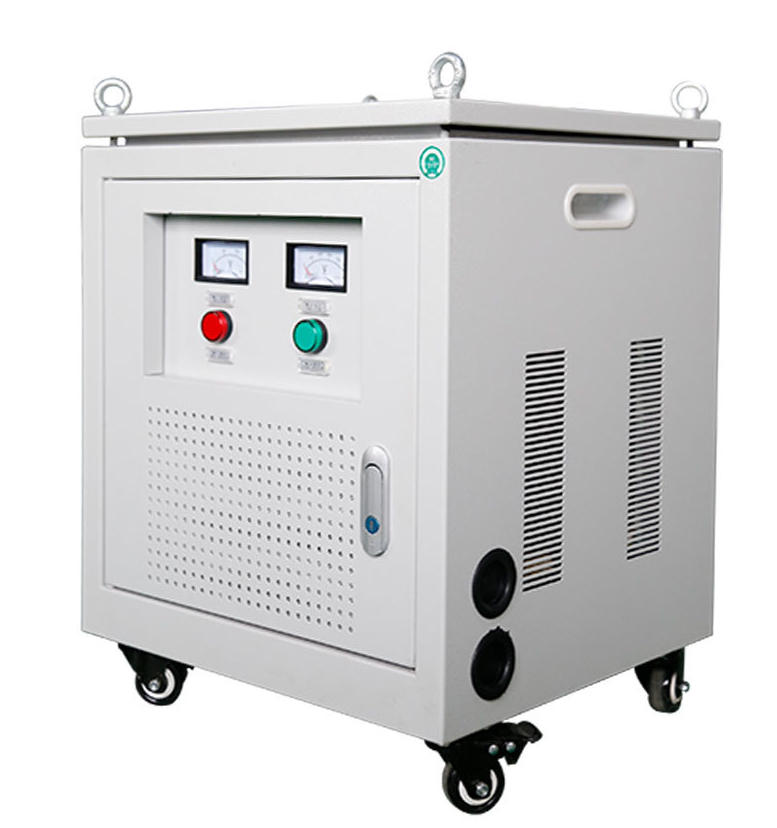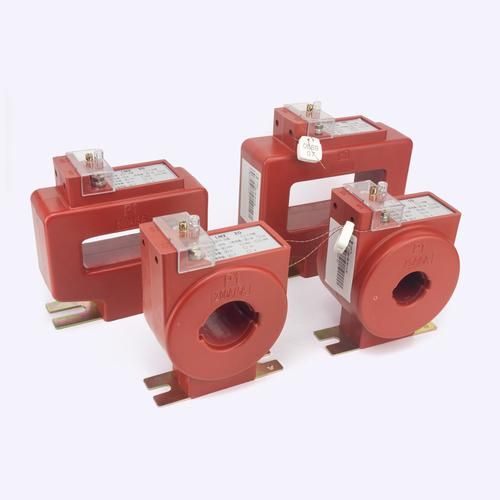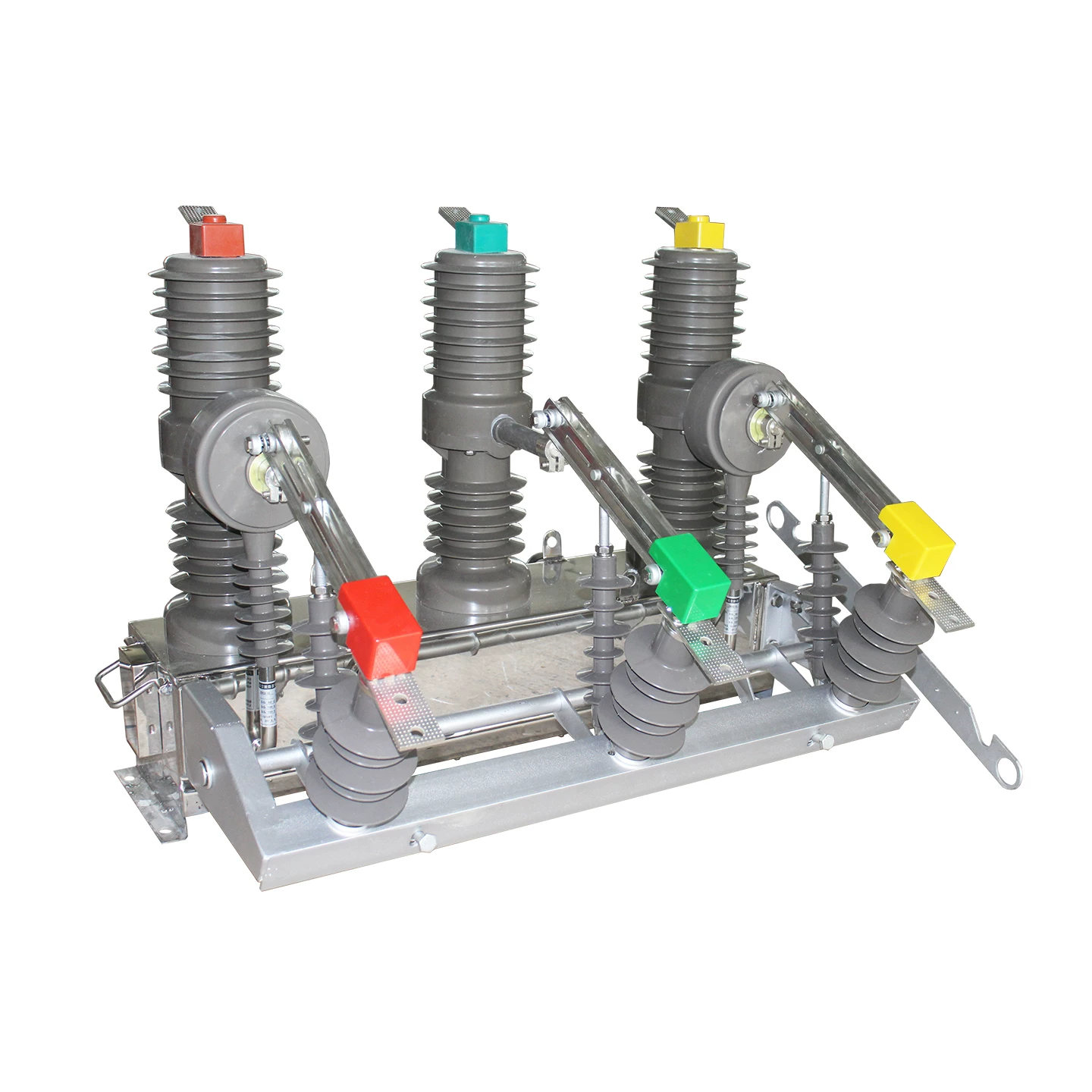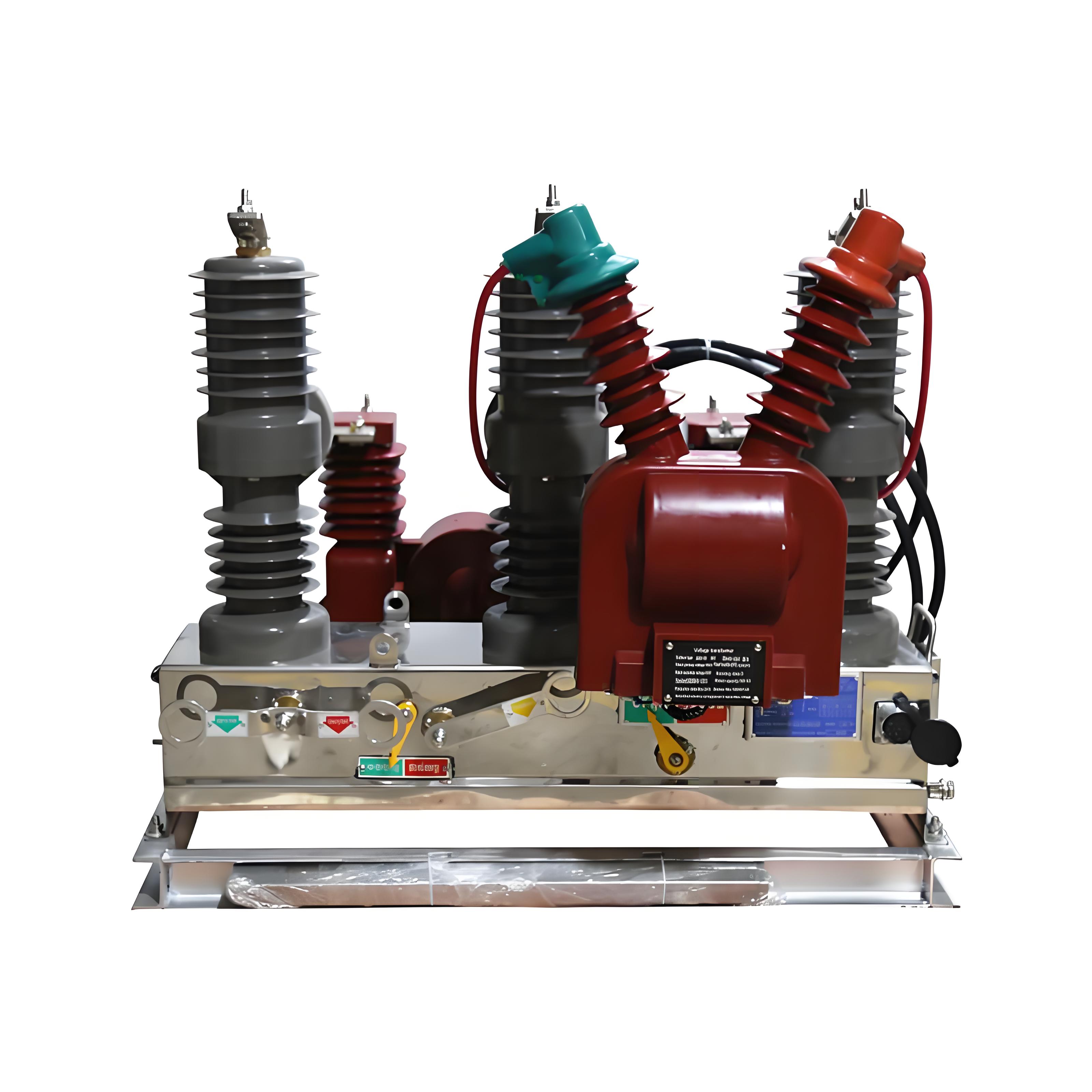
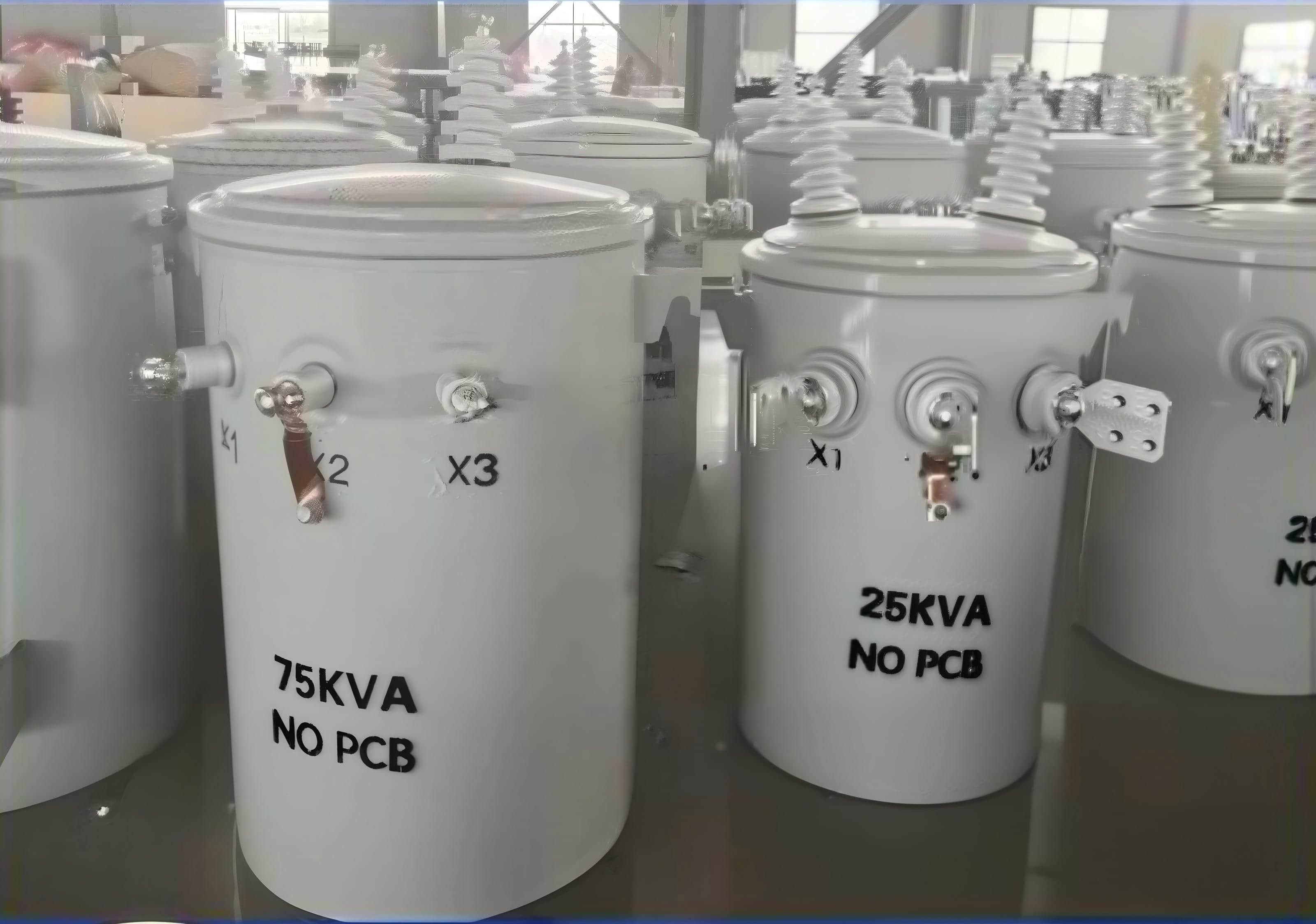
A 75 kVA transformer sits in a practical sweet spot. It is large enough to support meaningful commercial, agricultural, and light industrial loads, yet compact enough to fit many indoor electrical rooms, outdoor pads, and rural distribution points without the footprint or budget of larger utility-class equipment.
Buyers usually come looking for the same answers: 75 kVA transformer specifications, 75kva transformer amps, physical size, installation requirements, and realistic pricing. Those are exactly the points that determine whether a transformer will run cool, stay compliant, and deliver reliable service for years instead of becoming an expensive mismatch.
This guide is written for engineers, project buyers, contractors, facility managers, and business owners who need a grounded, real-world view. It covers the common questions around the 75 kVA distribution transformer, the 75 kVA dry-type transformer, 75kva 3 phase transformer options, and what changes when the installation is indoors, outdoors, utility-facing, or equipment-facing.
What Is a 75 kVA Transformer?
What is a 75KVA transformer? A 75 kVA transformer is an electrical transformer rated to transfer up to 75 kilovolt-amperes of apparent power under its design conditions. “kVA” measures apparent power, not just real power, which matters because many electrical loads have power factor effects.
In practical terms, a 75 kVA unit is commonly used to step voltage up or down for buildings, workshops, branch distribution, pump systems, small manufacturing lines, and neighborhood distribution points. It is especially common where the electrical demand is too high for a small panel transformer but does not justify a much larger substation-class unit.
The difference between kVA and kW matters. If a system runs at a power factor of 0.8, a 75 kVA transformer supports about 60 kW of real power. If the load has a 0.95 power factor, the usable real power is closer to 71.25 kW.
That is why a transformer cannot be chosen based on horsepower or watts alone. The connected load type, starting current, duty cycle, and future expansion all matter.
Why Choosing the Right 75 kVA Transformer Matters
A transformer that looks correct on paper can still fail the job in the field. In my experience across light commercial and industrial projects, the most expensive mistakes are usually not catastrophic burnouts. They are chronic undervaluation of load growth, poor voltage matching, or installation shortcuts that quietly raise temperature and shorten service life.
Undersizing causes overheating, voltage drop, nuisance trips, and poor motor starting. A workshop that runs two compressors and several CNC machines may seem fine on average load, but the transformer sees the peaks, not just the average.
Oversizing also has a cost. Buyers pay more upfront, often lose efficiency at low load, and may end up with a heavier unit requiring stronger floor loading, wider clearance, and larger protective devices than needed.
Voltage mismatch is a common issue in mixed-equipment facilities. A transformer with the wrong primary taps or secondary configuration can create expensive rework when a building panel expects 208Y/120 V but receives a configuration better suited for 240 V delta applications.
Poor installation is another major risk. Insufficient ventilation, weak grounding, undersized cables, and bad terminations are all field problems that shorten transformer life more than many buyers realize.
For a commercial tenant fit-out, a wrong transformer selection can delay occupancy. For a farm, it can disrupt irrigation at the worst season. For a small factory, it can choke expansion plans for years.
75 kVA Transformer Specifications
When buyers compare transformer quotations, the rated kVA is only the starting point. The real differences sit inside the specification sheet: voltage, phase, impedance, insulation class, cooling method, efficiency, enclosure, and installation standard.
Standard Voltage Ratings
The most common voltage combinations for a 75 kVA unit depend on whether the transformer is serving utility distribution, a building, or a process load.
11 kV / 415 V for utility or site distribution in many 50 Hz regions
13.8 kV / 480Y-277 V for North American distribution applications
480 V / 208Y-120 V for commercial buildings needing panelboard and receptacle voltage
400 V / 230 V for equipment or local distribution in some international systems
415 V / 240 V for motor and mixed-use secondary applications
Tap changers are often included on the primary side, usually in fixed off-circuit steps such as ±2 x 2.5% or similar. These taps help compensate for supply variation and feeder drop.
75 kVA Transformer Amps
75 kVA transformer amps is one of the most-searched topics because current determines cable sizing, breaker selection, busbar capacity, and panel compatibility.
For single-phase transformers, full-load current is:
Amps = 75,000 / Voltage
For a 75 kVA 3-phase transformer, full-load current is:
Amps = 75,000 / (1.732 x Voltage)
Quick examples:
Single-phase at 240 V: 75,000 / 240 = 312.5 A
Three-phase at 415 V: 75,000 / (1.732 x 415) = 104.3 A
Three-phase at 480 V: 75,000 / (1.732 x 480) = 90.2 A
These are full-load values. In design practice, the protective device and conductor sizing must also account for code requirements, ambient conditions, terminations, and expected duty.
Frequency, Impedance, and Efficiency
Most 75 kVA units are built for 50 Hz, 60 Hz, or dual-market production versions. Frequency matters because magnetic core design depends on it. A transformer designed strictly for 60 Hz should not be casually applied on a 50 Hz system without manufacturer confirmation.
Typical impedance ranges for a 75 kVA transformer are often around 4% to 6%, though this varies by design and standard. Higher impedance reduces short-circuit current but can increase voltage drop under load.
Efficiency is usually high, commonly 97% to 99% near rated loading for many modern designs. Premium-efficiency units may cost more upfront but reduce heat and energy loss over the transformer’s operating life.
Cooling Method and Insulation Class
Cooling method influences safety, maintenance, noise, environment, and placement.
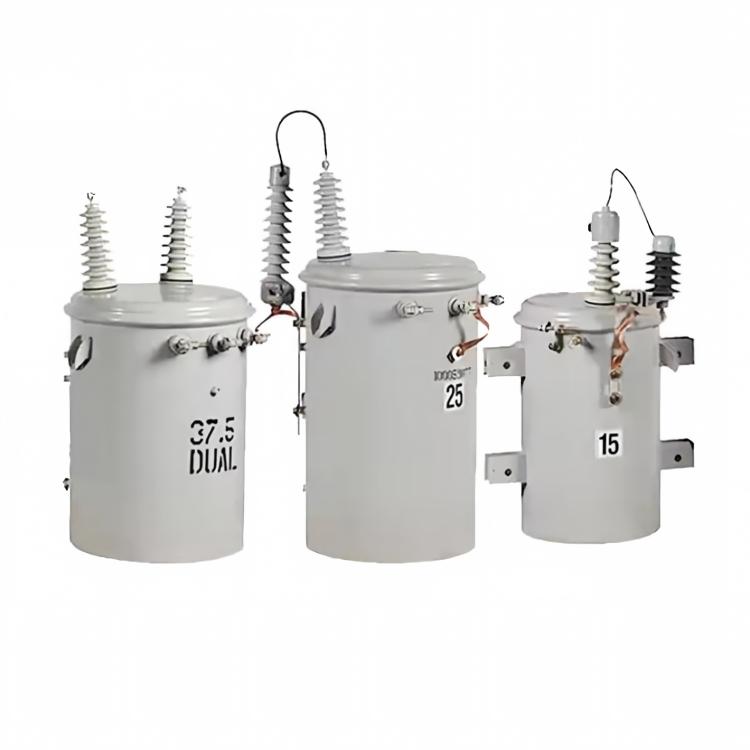
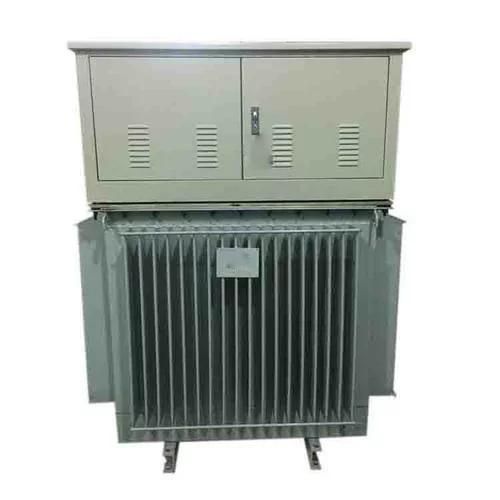
ONAN means oil natural, air natural. It is common for oil-filled distribution transformers and works well outdoors.
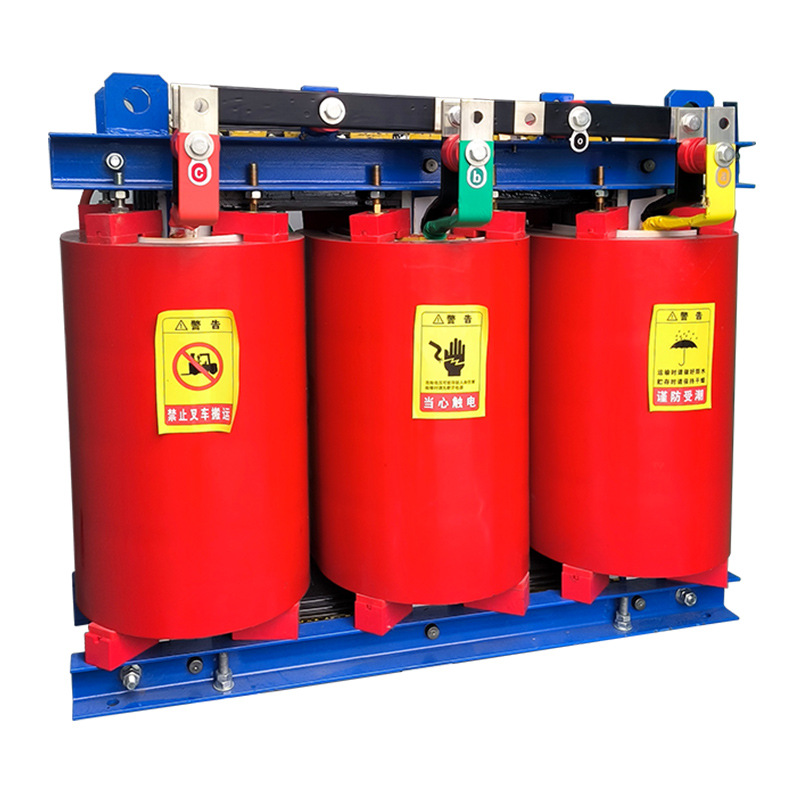
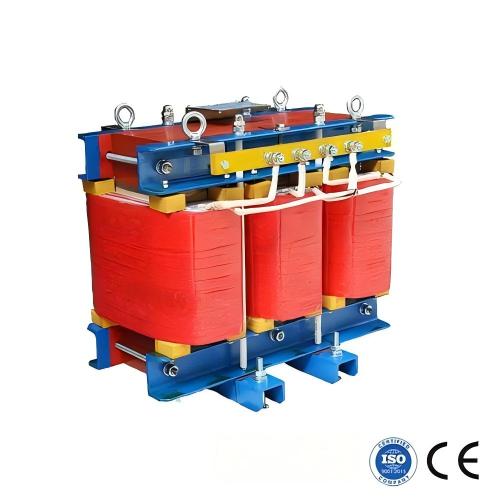
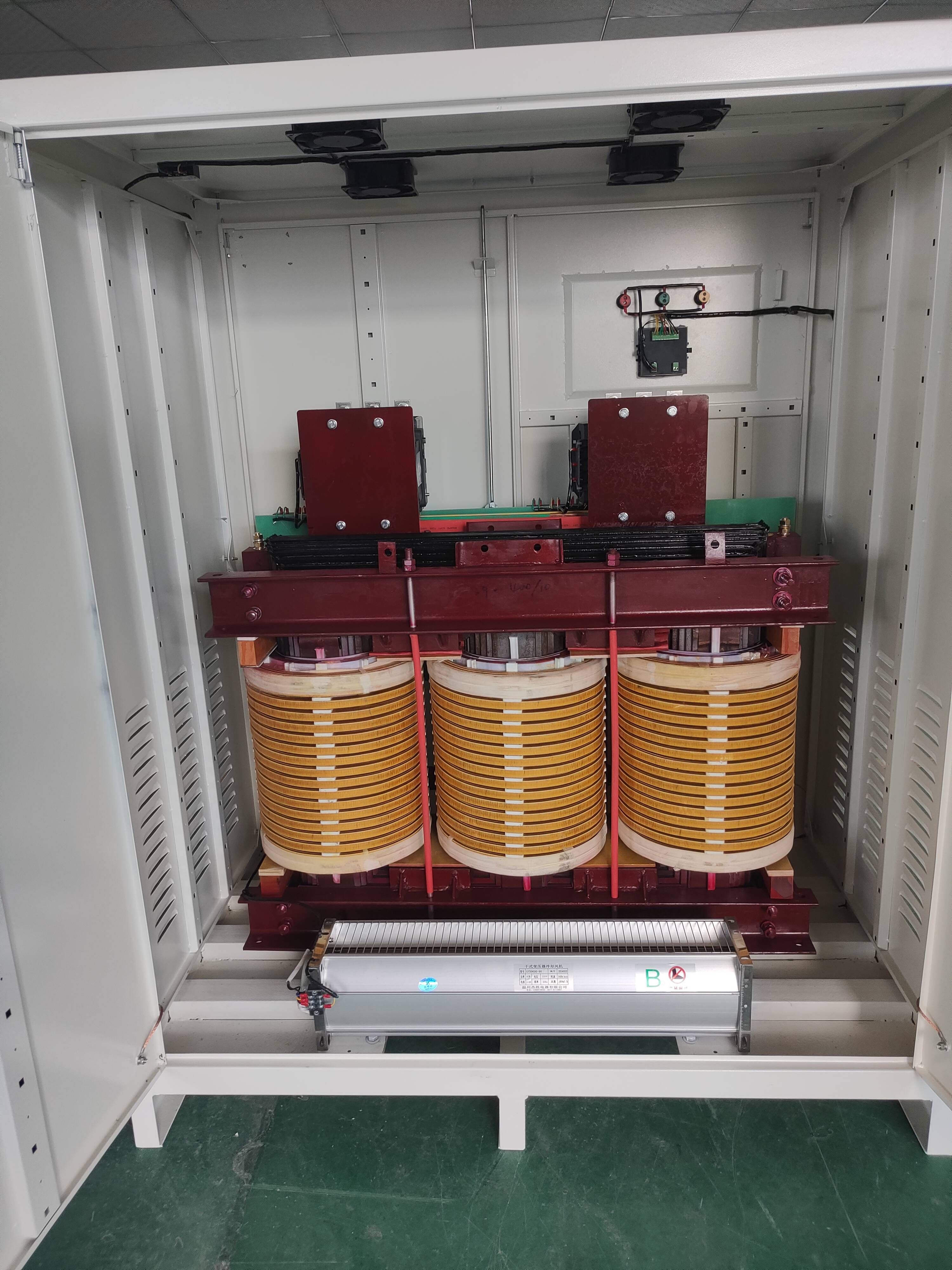
Dry type transformers use air cooling without insulating oil, making them a popular indoor choice.
Cast resin dry type designs are especially useful in harsh indoor environments with dust or moisture concerns.
Insulation class is often specified as Class F, Class H, or equivalent, depending on transformer design. Higher insulation class can improve thermal margin, but actual permissible temperature rise still depends on the manufacturer’s design standard.
75 kVA Transformer Size and Weight
Many buyers ask size questions only after ordering. That is a mistake. Physical dimensions affect door access, rigging, crane selection, concrete pad design, clearances, and indoor heat dissipation.
The answer to What is the size of a 75 kVA transformer? depends heavily on type. A dry type unit for a building electrical room can be tall and compact, while an oil-filled outdoor unit may have a lower profile but a larger base or radiator clearance.
What Is the Size of a 75 kVA Transformer?
Typical size ranges are shown below. These are representative market ranges, not one universal standard, because dimensions differ by core design, enclosure rating, voltage class, and brand.
| Transformer Type | Typical Length | Typical Width | Typical Height | Typical Installation Location |
|---|---|---|---|---|
| Dry type indoor | 700-1000 mm | 500-800 mm | 900-1400 mm | Electrical room, plant room, commercial interior |
| Oil-filled pole/pad style | 800-1300 mm | 600-1100 mm | 900-1500 mm | Outdoor distribution |
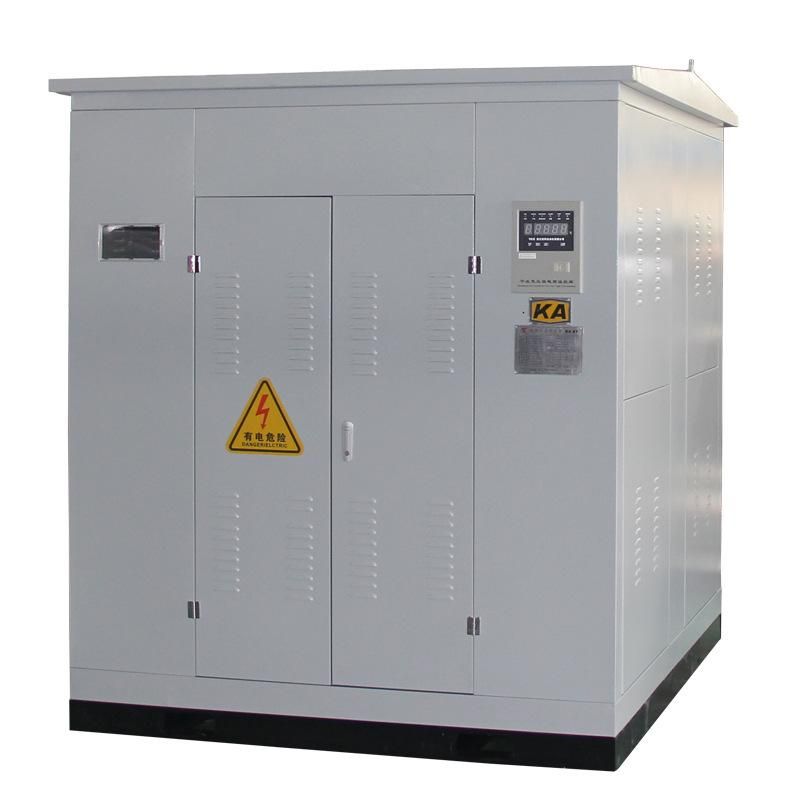
| Pad-mounted 75 kVA distribution transformer | 1100-1600 mm | 900-1400 mm | 1100-1700 mm | Outdoor service yards, utilities, commercial sites |
Always confirm service clearance. A transformer may physically fit into the room but still fail inspection if maintenance space, ventilation, or door swing is inadequate.
Typical Weight by Transformer Type
Weight changes significantly based on winding material, enclosure, core steel, and cooling medium.
| Transformer Type | Typical Weight Range | Main Weight Drivers |
|---|---|---|
| Dry type | 350-700 kg | Copper content, core design, enclosure class |
| Oil-filled | 450-900 kg | Tank, oil volume, bushings, conservator design |
| Pad-mounted | 700-1400 kg | Compartment steelwork, HV/LV sections, oil, tamper-resistant construction |
On real projects, weight affects much more than shipping. It determines whether a mezzanine slab needs structural review, whether a forklift can unload safely, and whether manual handling routes remain code-compliant.
75 kVA Distribution Transformer Applications
A 75 kVA distribution transformer is used wherever voltage must be transformed reliably for local service. This rating is particularly common because it matches the load profile of modest but meaningful demand clusters.
Commercial Building Use Cases
In commercial settings, a 75 kVA transformer often supports:
Retail units with lighting, point-of-sale systems, HVAC splits, and signage
Office floors with lighting panels, receptacle circuits, IT closets, and packaged AC units
Mixed-use buildings where one transformer serves common-area loads plus tenant distribution
Restaurants or food outlets with refrigeration, kitchen support systems, and exhaust equipment
One practical example: a small urban plaza with six tenant bays may have a connected load over 100 kW on paper, but a demand factor below that allows a 75 kVA transformer to work if tenant diversity is strong and heavy cooking loads are limited.
Industrial and Agricultural Use Cases
In light industry and agriculture, this rating appears often because many facilities have cyclical loads rather than continuous full-load demand.
Irrigation pumps with seasonal operation
CNC machines in small metalworking or woodworking shops
Air compressors with motor starting considerations
Packaging equipment with intermittent duty
Rural distribution for farmhouses, barns, and service sheds
A 75 kVA transformer can be an efficient choice for a farm where two pumps never start together and the grain handling line runs only during part of the year. The same transformer would be a poor choice if all motors start simultaneously with no control sequencing.
75 kVA Dry Type Transformer vs Oil-Filled Transformer
Buyers often compare the 75 kVA dry type transformer with oil-filled alternatives. Neither is automatically “better.” The right choice depends on where it will sit, how it will be maintained, and what code or insurance requirements apply.
When to Choose a 75 kVA Dry Type Transformer
A dry type transformer is usually the stronger option when the installation is indoors and access, safety, and maintenance simplicity matter.
Lower fire and spill risk because there is no insulating oil
Better suited for buildings, hospitals, offices, schools, and indoor plants
Reduced routine maintenance compared with oil testing and leak monitoring
Simpler environmental compliance in many jurisdictions
Dry type units are common in commercial buildings stepping down 480 V to 208Y/120 V. They are especially attractive where the transformer must be placed close to occupied spaces.
When to Choose an Oil-Filled 75 kVA Transformer
Oil-filled units remain the standard in many outdoor utility and distribution scenarios because they handle heat well and are rugged in exposed service.
Strong thermal performance under steady duty
Good for outdoor installation in yards, poles, and pad-mounted enclosures
Often more economical for utility-style distribution designs
Well proven in rural, industrial, and feeder applications
If the transformer is feeding a site from a medium-voltage line, an oil-filled design is often the practical answer. This is one area where suppliers such as Weisho Electric are often evaluated not only on price, but on how clearly they specify tank design, protection features, and service conditions.
75 kVA 3 Phase Transformer Amps and Load Capacity
A 75kva 3 phase transformer is one of the most common configurations in commercial and industrial use. Three-phase systems deliver power more efficiently to motors, HVAC equipment, and building distribution panels.
75 kVA Transformer Amps at Common Voltages
The following table provides quick full-load current values for common voltages. These figures are rounded and should be verified against the exact nameplate and application code.
| Voltage | Single-Phase Full-Load Current | Three-Phase Full-Load Current |
|---|---|---|
| 208 V | 360.6 A | 208.2 A |
| 240 V | 312.5 A | 180.4 A |
| 400 V | 187.5 A | 108.3 A |
| 415 V | 180.7 A | 104.3 A |
| 480 V | 156.3 A | 90.2 A |
These values answer a major practical question: can the planned cables, disconnects, and overcurrent devices support full-load current with proper margin? In many field upgrades, that answer is no until the rest of the system is checked.
Example Load Capacity by Equipment Type
Turning kVA into real-world load is where selection gets interesting. Not every 60 kW or 70 kW load behaves the same way.
| Equipment Type | Typical Real Load | Power Factor Assumption | Approximate kVA Demand | 75 kVA Transformer Utilization |
|---|---|---|---|---|
| Small HVAC package system | 30 kW | 0.9 | 33.3 kVA | 44% |
| Lighting and receptacle panel | 20 kW | 0.95 | 21.1 kVA | 28% |
| Irrigation pump motor load | 45 kW | 0.85 | 52.9 kVA | 71% |
| Mixed commercial circuits | 55 kW | 0.92 | 59.8 kVA | 80% |
| Workshop with compressors and machines | 60 kW | 0.8 | 75.0 kVA | 100% |
The workshop example is the warning sign. At 0.8 power factor, 60 kW already consumes the full transformer rating. If motor starting is aggressive or future load is expected, that is not a comfortable operating point.
How Many Homes Can a 75 kVA Transformer Handle?
How many homes can a 75 kVA transformer handle? The honest answer is: it depends on diversity, climate, and load behavior. A single number is usually misleading.
In a neighborhood with diversified demand and modest electric heating, a 75 kVA transformer may serve roughly 10 to 20 homes. In warmer regions with lighter average household demand and low simultaneous peak usage, it may support more. In cold regions with electric heating, water heating, and EV charging, it may support fewer.
Residential Capacity Example
| Scenario | Estimated Diversified Demand per Home | Estimated Homes Supported by 75 kVA | Notes |
|---|---|---|---|
| Low demand | 3-4 kVA | 18-25 homes | Mild climate, gas heating, low coincidence |
| Average demand | 4.5-6 kVA | 12-16 homes | Typical suburban diversity |
| High demand | 7-10 kVA | 7-10 homes | Electric heating, AC, water heating, EV charging |
Utilities often use local planning assumptions based on feeder history rather than a generic table. A rural transformer serving eight homes may never be stressed, while the same transformer serving eight large all-electric homes can run hot during winter evenings.
Factors That Change Home Capacity
The number of homes changes sharply when these conditions apply:
Electric heating instead of gas or district heat
Simultaneous air conditioning in hot-weather peaks
EV charging, especially 7 kW to 11 kW home chargers
Electric water heaters with overlapping schedules
Low diversity in developments where residents have similar lifestyle patterns
A transformer that seemed oversized five years ago may become tight after a neighborhood adopts electric vehicles. That is one reason utilities increasingly examine load growth and not just existing bills.
75 kVA Transformer Price Guide
75 kVA transformer price is another top search, but buyers should be cautious about single-number answers. Prices vary widely based on type, voltage class, material, standards, and freight.
Typical 75 kVA Transformer Price Range
The following ranges are indicative market references, not fixed quotations. Actual pricing changes with copper cost, destination, standards, and project volume.
| Configuration | Estimated Price Range | Typical Use |
|---|---|---|
| Dry type, low voltage | USD 2,500-6,500 | Indoor commercial step-down service |
| Oil-filled distribution | USD 3,500-8,500 | Outdoor utility or site distribution |
| Pad-mounted 75 kVA distribution transformer | USD 5,500-12,000 | Utility, commercial yard, tamper-resistant outdoor use |
| Custom voltage or premium efficiency | USD 6,500-15,000+ | Special applications, project-specific builds |
These numbers do not always include freight, taxes, local certification, installation, protective gear, or commissioning tests. On smaller projects, shipping and handling can move the landed cost much more than buyers expect.
Key Cost Drivers
The biggest variables behind 75 kVA transformer price are usually these:
Copper vs aluminum windings: copper often costs more but may offer compactness and durability advantages
Enclosure rating: indoor ventilated units differ significantly from outdoor weatherproof or tamper-resistant designs
Efficiency level: premium-loss designs carry higher upfront cost
Voltage class: medium-voltage primary designs cost more than simple low-voltage isolation units
Brand and certification: tested compliance to local standards affects price
Lead time and shipping: rush production and long-distance transport can be substantial
For serious buyers, the right question is not “what is the cheapest 75 kVA transformer?” It is “what is the lowest lifecycle cost for my load, environment, and compliance requirement?” That mindset saves money far more reliably.
75 kVA Transformer Installation Guide
75 kVA transformer installation should never be treated as a simple drop-in task. Even a relatively modest transformer can become unsafe or unreliable if grounding, ventilation, cable terminations, or protective coordination are wrong.
Site Preparation and Clearance Requirements
Before delivery, verify the basics:
Floor or pad strength must support transformer weight plus handling margin
Ventilation must remove transformer heat, especially for dry-type units indoors
Access spacing must allow safe cable bending, inspection, and maintenance
Grounding provisions must be in place before energization
Environmental suitability must match enclosure rating and cooling method
Clearance requirements vary by code and manufacturer. As a practical field rule, never assume “it fits” means “it is installable.” Door thresholds, turning radius, louver free area, and future service access all matter.
Electrical Connections and Protection
Connection quality is one of the biggest determinants of reliability. Loose terminations, wrong lug sizes, or poor phase identification cause more real-world trouble than many specification sheets acknowledge.
Confirm primary and secondary voltage before making terminations
Use correctly sized cables and lugs for full-load current and code conditions
Select breakers or fuses with proper coordination
Install surge protection where supply quality or lightning exposure warrants it
Verify earthing/grounding continuity and neutral bonding arrangement
On 480 V to 208Y/120 V commercial step-down systems, improper neutral handling is a recurring field issue. On outdoor MV/LV units, inadequate earthing resistance can undermine both safety and protection performance.
Testing and Commissioning Checklist
No transformer should be energized without a disciplined commissioning routine.
Insulation resistance test
Turns ratio verification
Polarity and phase rotation check
Winding resistance or continuity check
Tap setting confirmation
Grounding verification
No-load voltage measurement
Temperature and sound observation after energization
Load verification under actual operating conditions
In better commissioning practices, infrared scanning after initial loading is also useful. It quickly reveals hot joints, phase imbalance, or poor torque on terminals.
Real-World 75 kVA Transformer Data and Examples
Real examples are where transformer selection becomes concrete. The following scenarios use realistic assumptions based on common commercial and light industrial load patterns.
Example 1: Small Commercial Plaza
A six-unit retail plaza has diversified tenant loads including lighting, small split HVAC units, signage, and receptacle circuits. Two units are coffee shops with moderate equipment demand, but no full electric cooking.
| Load Component | Connected Load | Demand Factor | Estimated Demand |
|---|---|---|---|
| Lighting and signage | 18 kW | 0.9 | 16.2 kW |
| Tenant receptacles | 20 kW | 0.6 | 12.0 kW |
| HVAC systems | 30 kW | 0.7 | 21.0 kW |
| Small food service equipment | 16 kW | 0.65 | 10.4 kW |
| Total | 84 kW | - | 59.6 kW |
Assuming overall power factor near 0.92, the transformer demand is about 64.8 kVA. That places the 75 kVA transformer at roughly 86% utilization, leaving some but not much expansion margin.
This is a realistic case where the transformer works, but a future restaurant tenant with heavier cooking loads could push the site beyond comfort. Good planners flag that risk early.
Example 2: Rural Distribution Point
A rural spur serves seven homes, one small barn, and a 7.5 kW irrigation pump with limited operating overlap. Historical evening household diversity is strong.
| Load Group | Connected Load | Diversity / Demand Assumption | Estimated kVA |
|---|---|---|---|
| 7 homes | Approx. 70 kVA connected | 0.45 diversified | 31.5 kVA |
| Barn and outbuildings | 8 kVA | 0.6 | 4.8 kVA |
| Irrigation pump | 7.5 kW | PF 0.85 | 8.8 kVA |
| Total estimated demand | - | - | 45.1 kVA |
In this scenario, a 75 kVA distribution transformer is comfortably adequate. But if three homes add EV charging and the pump runs on the same summer evening peak, the loading picture changes quickly.
Example 3: Manufacturing Workshop
A small manufacturing workshop runs one 22 kW compressor, two 11 kW CNC machines, one 7.5 kW dust collector, lighting, and office loads. Not all loads are continuous, but startup overlap is a concern.
| Load Component | Rated kW | Power Factor | Estimated kVA |
|---|---|---|---|
| Compressor | 22 kW | 0.85 | 25.9 kVA |
| 2 CNC machines | 22 kW | 0.9 | 24.4 kVA |
| Dust collector | 7.5 kW | 0.85 | 8.8 kVA |
| Lighting and office | 8 kW | 0.95 | 8.4 kVA |
| Total if all fully loaded | 59.5 kW | - | 67.5 kVA |
At first glance, 67.5 kVA seems safely under 75 kVA. But the motor starting current and possible simultaneous peaks make this a borderline case without sequencing or soft-start measures. A site like this needs a more careful review than a simple arithmetic total.
75 kVA Transformer Selection Checklist
If you are requesting quotations, this section is the practical filter. It helps eliminate apples-to-oranges offers and makes supplier comparison meaningful.
Technical Selection Points
Phase: single-phase or three-phase
Primary voltage: utility or source side requirement
Secondary voltage: panel, motor, or load side requirement
Frequency: 50 Hz or 60 Hz
Impedance: short-circuit and voltage-drop implications
Cooling method: dry type, cast resin, ONAN oil-filled
Installation location: indoor, outdoor, hazardous, coastal, dusty
Insulation and temperature rise: application thermal margin
Standards compliance: local and project-specific certification
Commercial Selection Points
Lead time and production schedule
Warranty terms and exclusions
After-sales support and spare parts access
Freight and packaging for the actual destination
Lifecycle cost, not just purchase price
Factory test documentation and nameplate clarity
When buyers compare suppliers, clear documentation often matters as much as hardware quality. This is where experienced manufacturers like Weisho Electric tend to stand out when they provide complete technical confirmation before production rather than leaving critical assumptions vague.
Table 1: 75 kVA Transformer Specifications Overview
| Specification Item | Typical Range / Option |
|---|---|
| Rated power | 75 kVA |
| Phase | Single-phase or three-phase |
| Primary voltage | 11 kV, 13.8 kV, 400 V, 415 V, 480 V, custom |
| Secondary voltage | 415 V, 400 V, 240 V, 230 V, 208Y/120 V, 480Y/277 V, custom |
| Frequency | 50 Hz or 60 Hz |
| Cooling | Dry type, cast resin, ONAN oil-filled |
| Insulation class | Typically Class F or Class H depending on design |
| Efficiency | Typically 97% to 99% |
| Impedance | Typically 4% to 6% |
Table 2: 75 kVA Transformer Amps at Common Voltages
| Voltage | Single-Phase Amps | Three-Phase Amps |
|---|---|---|
| 208 V | 360.6 A | 208.2 A |
| 240 V | 312.5 A | 180.4 A |
| 400 V | 187.5 A | 108.3 A |
| 415 V | 180.7 A | 104.3 A |
| 480 V | 156.3 A | 90.2 A |
Table 3: 75 kVA Transformer Size and Weight by Type
| Type | Typical Dimensions | Typical Weight | Common Location |
|---|---|---|---|
| Dry type | 700-1000 x 500-800 x 900-1400 mm | 350-700 kg | Indoor |
| Oil-filled | 800-1300 x 600-1100 x 900-1500 mm | 450-900 kg | Outdoor |
| Pad-mounted | 1100-1600 x 900-1400 x 1100-1700 mm | 700-1400 kg | Outdoor utility/commercial |
Table 4: 75 kVA Transformer Price Range by Configuration
| Configuration | Estimated Price Range | Main Price Variables |
|---|---|---|
| Dry type basic LV | USD 2,500-6,500 | Winding material, enclosure, efficiency |
| Oil-filled distribution | USD 3,500-8,500 | Voltage class, oil volume, tank design |
| Pad-mounted | USD 5,500-12,000 | Tamper resistance, compartment design, standards |
| Custom configuration | USD 6,500-15,000+ | Custom voltage, premium losses, accessories |
Table 5: Estimated Number of Homes Supported
| Household Demand Scenario | Diversified Demand per Home | Estimated Homes Supported |
|---|---|---|
| Low | 3-4 kVA | 18-25 |
| Average | 4.5-6 kVA | 12-16 |
| High | 7-10 kVA | 7-10 |
Table 6: Real-World Application Load Examples
| Application | Estimated Demand | Approximate Transformer Utilization | 75 kVA Suitable? |
|---|---|---|---|
| Small commercial plaza | 64.8 kVA | 86% | Yes, limited expansion margin |
| Rural distribution point | 45.1 kVA | 60% | Yes |
| Manufacturing workshop | 67.5 kVA | 90% | Possibly, needs motor-start review |
FAQ
What is a 75 kVA transformer?
A 75 kVA transformer is a transformer rated to transfer up to 75 kilovolt-amperes of apparent power. It is commonly used in commercial buildings, workshops, agricultural sites, and local distribution systems. kVA differs from kW because kVA includes the effect of power factor, while kW represents real power consumed by the load.
What are the typical 75 kVA transformer specifications?
Typical 75 kVA transformer specifications include single-phase or three-phase construction, 50 Hz or 60 Hz frequency, common voltage options such as 11 kV/415 V or 480 V/208Y-120 V, impedance around 4% to 6%, dry type or oil-filled cooling, and efficiency usually in the 97% to 99% range depending on design and loading.
How many amps does a 75 kVA transformer have?
The answer depends on voltage and phase. For single-phase, amps = 75,000 divided by voltage. For three-phase, amps = 75,000 divided by 1.732 times voltage. Common examples are about 312.5 A at 240 V single-phase, 104.3 A at 415 V three-phase, and 90.2 A at 480 V three-phase.
What is the size of a 75 kVA transformer?
What is the size of a 75 kVA transformer? Typical dry type models are often around 700-1000 mm long, 500-800 mm wide, and 900-1400 mm high. Oil-filled and pad-mounted versions are usually larger and heavier because of the tank, oil, bushings, and outdoor enclosure design.
How many homes can a 75 kVA transformer handle?
How many homes can a 75 kVA transformer handle? In many practical cases, about 10 to 20 homes is a realistic planning range, but the true number depends on diversified demand. Homes with electric heating, heavy AC usage, water heating, or EV charging reduce the number substantially.
What is the price of a 75 kVA transformer?
75 kVA transformer price varies by design. Basic dry type units may start around USD 2,500 to 6,500, while oil-filled or pad-mounted units can range higher. The main cost drivers are voltage class, enclosure type, winding material, efficiency level, certification, and freight.
Should I choose a 75 kVA dry type transformer or oil-filled transformer?
Choose a 75 kVA dry type transformer when the unit will be installed indoors and lower fire risk, reduced maintenance, and easier building compliance matter most. Choose an oil-filled transformer when the installation is outdoors, thermal performance is critical, and the application resembles utility or site distribution service.
How is a 75 kVA transformer installed?
75 kVA transformer installation involves verifying the site foundation or floor strength, maintaining manufacturer and code clearances, grounding the unit correctly, making properly sized electrical connections, coordinating overcurrent protection, and completing testing such as insulation resistance, ratio checks, polarity verification, and no-load/load commissioning.
Get a Quote for the Right 75 kVA Transformer
If you are comparing options for a 75 kVA distribution transformer, a 75 kVA dry type transformer, or a custom 75kva 3 phase transformer, the fastest way to avoid overspending or underspecifying is to review the real operating conditions before ordering.
Share your primary voltage, secondary voltage, phase, frequency, installation environment, load profile, and local standard requirements. With that information, you can get a transformer recommendation that is actually buildable, installable, and reliable in service.
Request a technical review and quote now for the right 75 kVA transformer configuration, accurate 75 kVA transformer price, and expert support on sizing, protection, and installation details. A well-matched transformer pays for itself in uptime, efficiency, and fewer field problems.