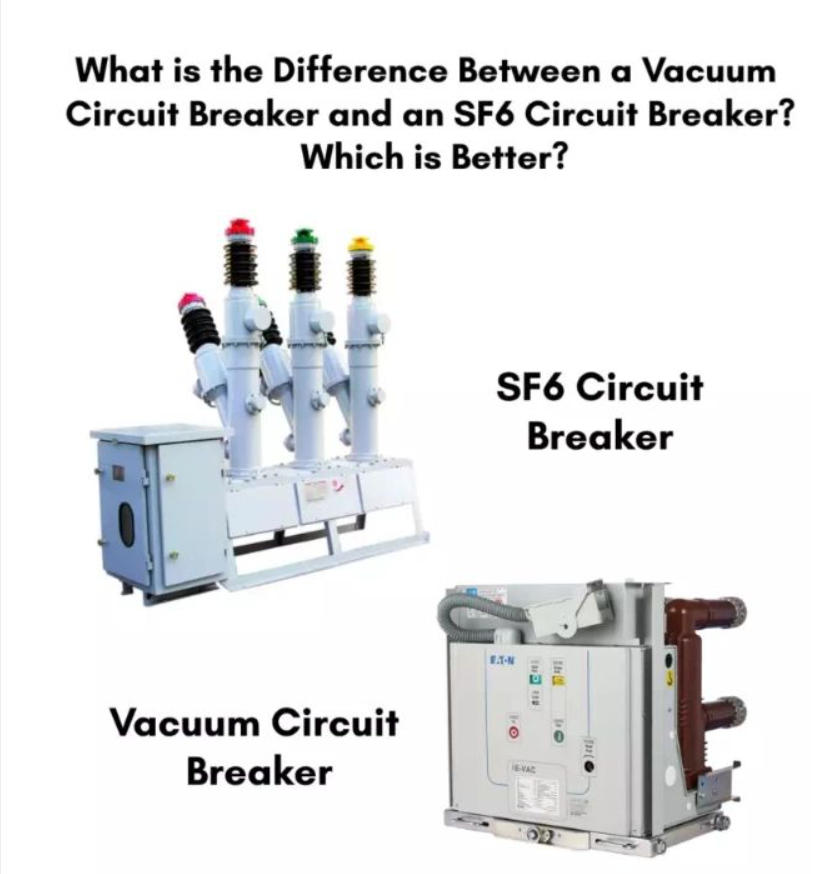
Choose the wrong breaker technology, and the cost shows up everywhere—in maintenance budgets, compliance audits, outage risk, and future retrofit spending.
For most modern medium-voltage buyers, the decision between SF6 circuit breaker vs vacuum circuit breaker is no longer just technical. It is a commercial decision with direct impact on reliability, ESG exposure, and total cost of ownership.
The Short Answer: Why the SF6 vs VCB Decision Matters
If you are buying medium-voltage switchgear today, VCB is usually the better choice for indoor distribution, industrial facilities, commercial power systems, and many utility feeder applications.
Why? Because the SF6 vs VCB comparison increasingly favors vacuum in maintenance simplicity, environmental risk, and long-term compliance stability. SF6 still has a place in certain compact or specialized applications, but it is no longer the automatic default.
The Real Buyer Problem Behind “Which Is Better, SF6 or VCB?”
Engineering and procurement teams are not asking this question out of curiosity. They are trying to balance safety, uptime, cost, serviceability, and regulatory pressure.
In real projects, the buyer problem usually sounds like this: Should we accept a lower upfront price or smaller footprint today if it creates more gas handling, reporting, and maintenance burden over the next 15 years?
That is why medium voltage switchgear SF6 or VCB has become a board-level and plant-level decision, not just a component selection issue.
SF6 Circuit Breaker vs Vacuum Circuit Breaker: What’s the Difference?
At a practical level, both devices interrupt fault current and protect electrical systems. The core difference is how they extinguish the arc.
For buyers comparing SF6 circuit breaker vs vacuum circuit breaker, this difference affects maintenance, environmental management, and long-term operating discipline.
What Is an SF6 Circuit Breaker?
An SF6 circuit breaker uses sulfur hexafluoride gas as the insulation and arc-quenching medium. When contacts open, the gas helps cool and extinguish the electrical arc.
SF6 technology has been widely used in medium- and high-voltage systems because of its strong dielectric properties and compact design advantages.
What Is a Vacuum Circuit Breaker?
A vacuum circuit breaker extinguishes the arc inside a sealed vacuum interrupter. Because there is no gas handling in normal operation, the system is typically simpler from an environmental and maintenance perspective.
VCBs are now widely preferred across medium-voltage indoor switchgear due to strong switching performance, long mechanical life, and reduced service complexity.
SF6 vs VCB Comparison Table: Key Differences at a Glance
Buyers need a quick decision view, not just theory. The table below summarizes the main differences in a commercially useful format.
Comparison Table: SF6 Breaker vs Vacuum Circuit Breaker
| Factor | SF6 Circuit Breaker | Vacuum Circuit Breaker (VCB) |
|---|---|---|
| Arc quenching medium | SF6 gas | Sealed vacuum interrupter |
| Environmental impact | Higher due to SF6 greenhouse gas risk | Lower, no SF6 gas leakage concern |
| Maintenance | Gas monitoring, leak checks, handling procedures | Generally lower routine maintenance burden |
| Operating life | Good, but depends on gas integrity and maintenance discipline | Strong mechanical and electrical endurance in MV use |
| Footprint | Can be compact in some designs | Typically compact enough for most indoor MV applications |
| Safety | Requires proper gas management and service controls | No SF6 gas handling in normal operation |
| Total cost of ownership | Can rise due to compliance and gas-related service cost | Often lower over lifecycle |
| Typical applications | Legacy systems, compact GIS, some niche environments | Indoor distribution, industrial plants, utilities, infrastructure |
Which Is Better for Medium Voltage Switchgear: SF6 or VCB?
For most buyers asking whether medium voltage switchgear is SF6 or VCB, the practical answer is this: VCB is generally better for modern medium-voltage applications, especially indoors.
However, the right answer still depends on the site, existing system architecture, space constraints, and utility standards.
When VCB Is the Better Choice
VCB is usually the stronger option for indoor medium-voltage distribution, where reliability, low maintenance, and environmental compliance matter most.
It is especially attractive when the owner wants to reduce operational overhead, avoid SF6 leak management, and align future purchases with sustainability targets.
Industrial plants with lean maintenance teams
Commercial buildings needing dependable MV distribution
Utilities upgrading feeder switchgear
Infrastructure projects with ESG or public procurement scrutiny
When SF6 May Still Be the Better Choice
SF6 may still fit applications where very compact design, specific harsh-environment conditions, or compatibility with existing installed systems is the priority.
It can also remain relevant in some legacy networks where spare parts, switchgear architecture, or operational standards are already built around SF6 technology.
Legacy switchgear extensions
Projects requiring exact compatibility with existing SF6 systems
Specific compact GIS-driven designs
Applications where the owner already has trained gas-handling capability
Advantages of Vacuum Circuit Breaker Over SF6
The strongest commercial case for vacuum technology is not one single feature. It is the combination of lower risk, easier operation, and better lifecycle economics.
That is why the advantages of vacuum circuit breaker over SF6 are now driving many replacement and new-build decisions.
Lower Environmental Risk
VCB avoids the need for SF6 gas inside the interrupter, which means there is no SF6 leakage exposure in normal use. That directly lowers environmental compliance pressure.
For buyers facing internal ESG reporting or external customer audits, this is a major decision advantage.
Reduced Maintenance Burden
Sealed vacuum interrupters can reduce the need for gas checks, leak inspections, gas recovery procedures, and related service documentation.
In practical terms, that means less specialized intervention and fewer maintenance variables across the asset life.
Strong Lifecycle Economics
Even when initial pricing is similar—or sometimes slightly higher—VCB often wins over time because it reduces gas-related compliance cost and routine service complexity.
For financially disciplined buyers, this improves long-term return on investment.
Better Fit for Sustainability Goals
Many utilities, industrial groups, and public-sector buyers now have decarbonization or ESG targets. VCB supports those goals more naturally than SF6-based equipment.
That makes vacuum technology easier to justify in capital approval reviews where sustainability metrics now affect procurement decisions.
SF6 Breaker Environmental Impact: What Buyers Need to Know
The SF6 breaker environmental impact issue is no longer a niche topic. It directly affects product selection, internal approvals, and long-term compliance planning.
Buyers should treat SF6 not only as a technical medium, but also as a risk factor that can influence future operating costs and reporting obligations.
Why SF6 Is Under Regulatory Pressure
SF6 is a very potent greenhouse gas and is therefore under increasing global scrutiny. Regulatory direction in many markets is moving toward tighter reporting, handling control, and reduction strategies.
That does not mean SF6 equipment disappears overnight. It does mean buyers should assume a more restrictive policy environment over the asset lifetime.
What Leakage Means in Real Operations
In real facilities, leakage creates more than an environmental concern. It creates inspection schedules, service intervention, documentation, and trained handling requirements.
For organizations operating multiple substations or large campuses, these small burdens can accumulate into meaningful annual cost.
How Environmental Rules Affect Total Ownership Cost
Emission rules can add cost through technician training, gas recovery tools, leak monitoring, compliance documentation, and end-of-life disposal procedures.
That is why a low purchase price does not always mean a low ownership cost.
Real-World Data: SF6 vs VCB Performance, Cost, and Compliance
Below is the kind of field-style comparison buyers actually use. Exact values vary by manufacturer, duty cycle, and site conditions, but the commercial direction is consistent.
Industry practice and utility procurement trends in many regions show a clear shift toward VCB in medium-voltage indoor applications.
Data Table: Operational Comparison
| Operational Factor | SF6 Breaker | VCB | Buyer Implication |
|---|---|---|---|
| Typical maintenance interval | Often 3-7 years depending on duty and gas checks | Often 5-10 years depending on mechanism and duty | VCB can reduce planned maintenance frequency |
| Typical service life | 20-30 years with proper gas management | 20-30 years with proper mechanism maintenance | Both can be long-life assets, but maintenance profile differs |
| Failure risk drivers | Gas leakage, sealing issues, mechanism wear | Mechanical wear, contact/interrupter end-of-life | VCB removes gas-related risk variables |
| Outage implications | Gas service issues may require specialized handling | Typically simpler outage planning | VCB can improve maintainability and outage scheduling |
Data Table: Cost Comparison Over Lifecycle
| Cost Element | SF6 Breaker | VCB | Commercial Impact |
|---|---|---|---|
| Initial equipment cost | Competitive, varies by configuration | Competitive, often similar in MV indoor switchgear | Capex alone is rarely the best decision basis |
| Routine maintenance cost | Moderate to higher due to gas-related procedures | Lower in many indoor MV cases | VCB often lowers annual service spend |
| Compliance cost | Higher where SF6 reporting rules apply | Lower | Important for ESG-sensitive buyers |
| Gas handling cost | Applicable across life cycle and end-of-life | Not applicable in the same way | VCB reduces specialized service needs |
| Replacement planning risk | May rise if future SF6 restrictions tighten | Generally lower policy exposure | VCB supports future-proof procurement |
Example: Utility Substation Modernization
A regional utility upgrading medium-voltage feeder panels replaced aging SF6 units with vacuum circuit breakers during a substation renewal program. The goal was not just reliability—it was to reduce service exposure and simplify field maintenance.
After modernization, the utility reported easier maintenance planning, fewer gas-related service tasks, and better alignment with internal decarbonization policy. This is a common pattern in feeder-level renewal projects.
Example: Industrial Plant Expansion
An industrial manufacturer adding a new indoor substation selected VCB-based switchgear instead of SF6 for its 15kV distribution lineup. The plant team wanted simpler operation for on-site maintenance staff and fewer future compliance unknowns.
The result was a specification that supported operational continuity, straightforward spare planning, and cleaner approval from the company’s sustainability review group.
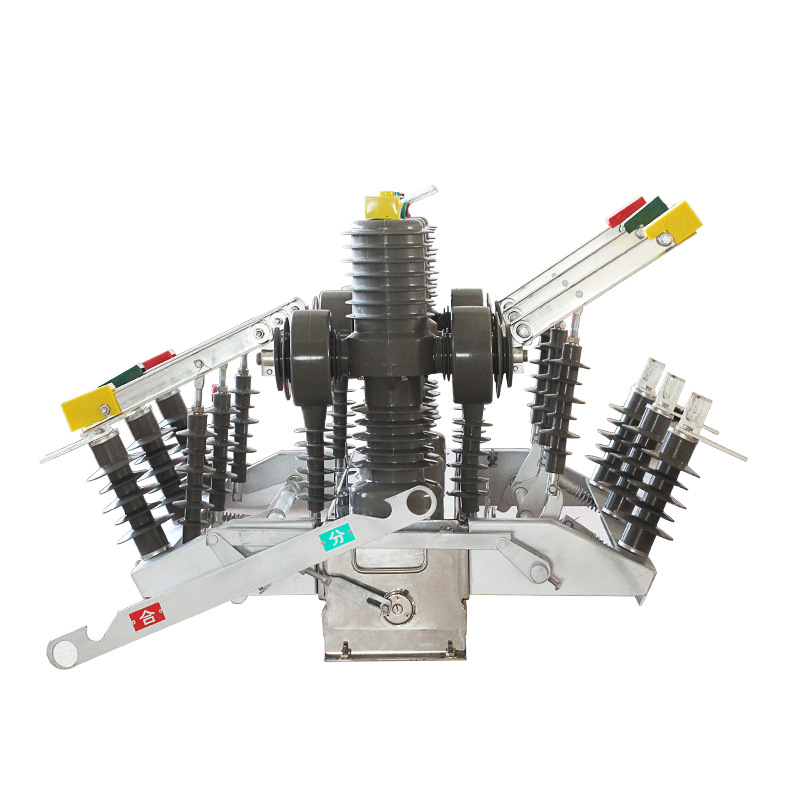
Buy 15kV 1250A Vacuum Circuit Breaker Switchgear
Buyers searching to buy 15kV 1250A vacuum circuit breaker switchgear are usually beyond the theory stage. They need a quote-ready checklist and a supplier evaluation framework.
This rating is common in industrial distribution, utility feeders, and infrastructure projects where medium-voltage reliability is mission-critical.
Typical Specifications Buyers Should Confirm
Before requesting pricing, confirm the technical baseline clearly. Vague RFQs create bad comparisons and hidden extras.
Rated voltage: 15kV class
Rated current: 1250A
Breaking capacity: confirm site fault duty requirement
Insulation level: BIL and power-frequency withstand
Panel configuration: incoming, outgoing, bus coupler, metering
Protection scheme: relay model, CT/PT arrangement, communication protocol
Applicable standards: IEC, ANSI/IEEE, utility or project-specific standard
How to Evaluate Supplier Quotes
Do not compare only purchase price. Compare the complete delivery and risk profile.
Lead time and manufacturing schedule
Type test certificates and routine test scope
Component brands for breaker, relay, CTs, VT/PTs, meters
Warranty terms and exclusions
Customization capability for layout, interlocking, SCADA integration
After-sales support including commissioning and spare parts
Best-Fit Applications for 15kV 1250A VCB Switchgear
This configuration fits a wide range of medium-voltage projects where dependable switching and manageable maintenance are required.
Industrial plants
Commercial power distribution systems
Utility feeder substations
Transportation and infrastructure projects
Campus and institutional power systems
Request a Quote for 15kV 1250A VCB Switchgear
To get an accurate offer quickly, prepare key project data before sending an inquiry.
Single-line diagram
Load data and feeder arrangement
Available fault level
Installation environment and altitude
Required standards and utility approvals
Project timeline and delivery location

Decision Framework: How to Choose Between SF6 and VCB
Good buying decisions come from structured evaluation, not brand preference alone. Use the checklist below across engineering, procurement, and management reviews.
Choose Based on Voltage Class and Application
In most medium-voltage indoor applications, VCB is the default recommendation. Some niche compact or legacy conditions may still support SF6 selection.
Always align breaker choice with the actual system architecture, not with outdated standard practice.
Choose Based on Maintenance Capability
Ask a practical question: Do you have trained teams and procedures for gas monitoring and handling?
If the answer is no, VCB usually offers a more manageable operating model.
Choose Based on Regulatory and ESG Exposure
If your organization faces emission reporting, sustainability commitments, public procurement requirements, or customer ESG screening, VCB often provides the cleaner procurement case.
This is one of the biggest reasons why the SF6 breaker environmental impact issue now changes buying behavior.
Choose Based on Total Cost of Ownership
Compare the full 10-20 year cost, not just the switchgear invoice value. Include service labor, compliance effort, outage planning, training, and end-of-life handling.
In many practical cases, that broader model favors vacuum technology.
Recommended Verdict: Is VCB Better Than SF6 for Most Medium-Voltage Applications?
Yes. For most modern medium-voltage indoor distribution systems, VCB is better than SF6 on a commercial, operational, and environmental basis.
SF6 still has use cases, especially in some compact, specialized, or legacy scenarios. But for the majority of new medium-voltage switchgear projects, vacuum technology is now the more future-ready choice.
FAQ
Which is better, SF6 or VCB for medium-voltage switchgear?
For most medium-voltage indoor switchgear applications, VCB is the better choice because it offers lower maintenance burden, lower environmental risk, and strong lifecycle value. SF6 may still suit some compact or legacy applications where system compatibility is the main driver.
What are the main advantages of vacuum circuit breaker over SF6?
The main advantages of vacuum circuit breaker over SF6 are lower environmental risk, reduced maintenance complexity, no gas leakage management in normal operation, and often better long-term total cost of ownership.
Is SF6 still used in modern switchgear?
Yes, SF6 is still used in modern switchgear, especially in certain compact, GIS, and legacy-compatible applications. However, it faces growing environmental and regulatory pressure, which is pushing many buyers toward vacuum alternatives.
Why is SF6 considered harmful to the environment?
SF6 is considered harmful because it is a very potent greenhouse gas. If leakage occurs during operation, maintenance, or end-of-life handling, it can create significant environmental impact and added compliance obligations.
Does a vacuum circuit breaker last longer than an SF6 circuit breaker?
Both can achieve long service life when properly specified and maintained. In many medium-voltage applications, VCB offers strong mechanical endurance and a simpler maintenance profile, which can make long-term operation easier and more predictable.
Is VCB more expensive than SF6?
Not necessarily. Upfront pricing can be similar depending on design and supplier, but VCB often becomes more economical over time because it reduces maintenance, gas handling, and compliance-related costs.
Can VCB replace SF6 in existing systems?
In many cases, yes, but retrofit feasibility depends on bus arrangement, insulation design, protection coordination, dimensions, and site operating conditions. A proper engineering review is required before replacing SF6 equipment with VCB in an existing system.
Talk to a Medium-Voltage Switchgear Expert
If you are comparing SF6 vs VCB for a real project, do not rely on generic catalog claims. Get a project-specific recommendation based on your voltage class, load profile, fault level, installation environment, and compliance requirements.
Contact a medium-voltage switchgear expert today to compare SF6 and vacuum options, review your single-line diagram, and request a quote for the right solution—especially if you need 15kV 1250A vacuum circuit breaker switchgear for a new build, retrofit, or expansion project.