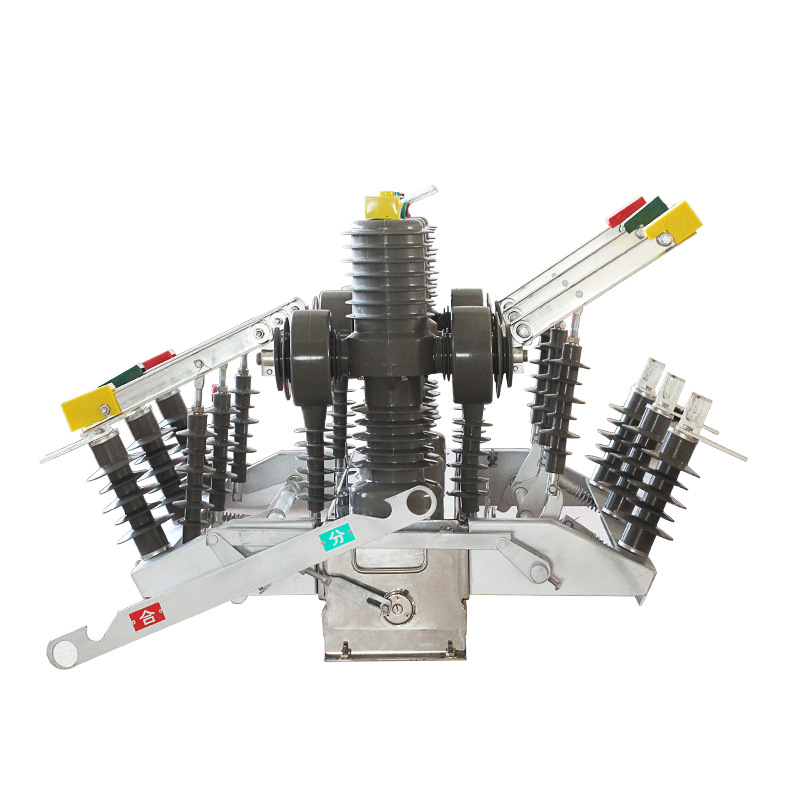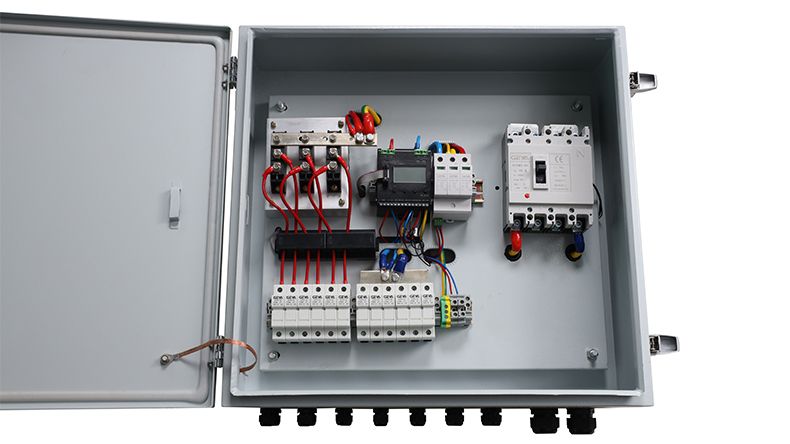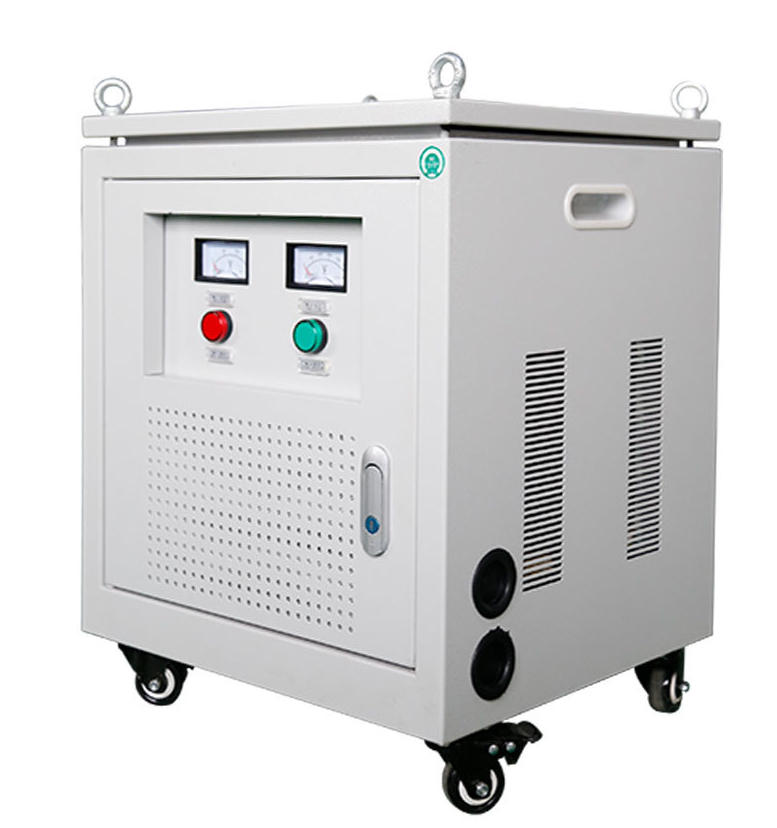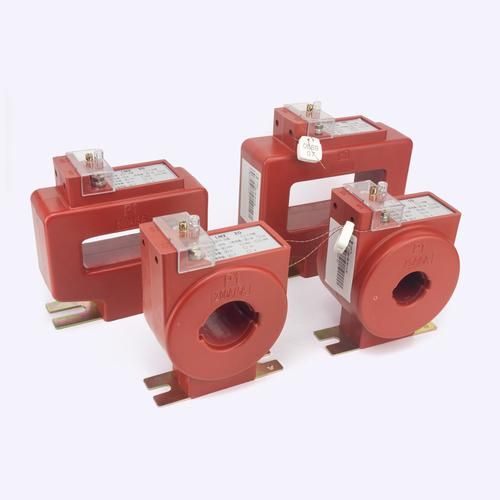
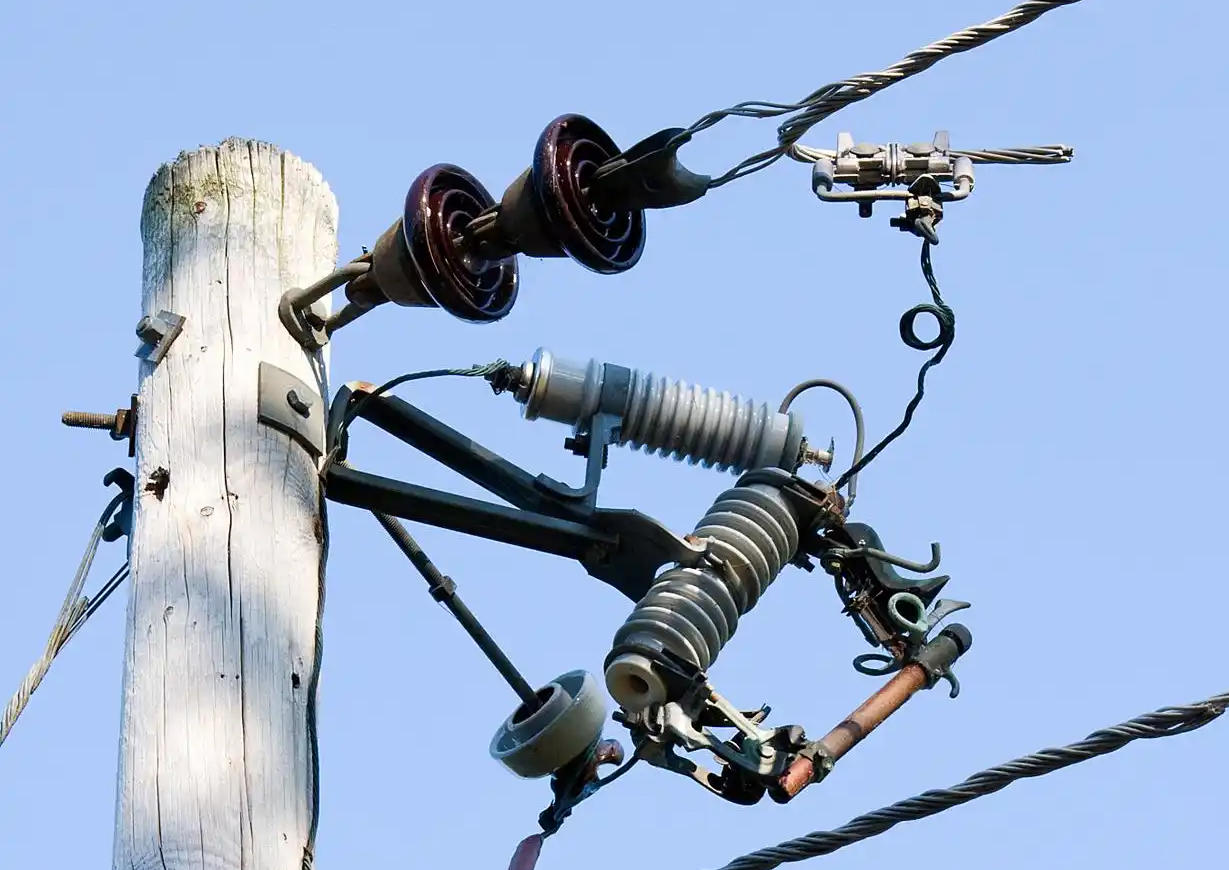
One wrong protection choice can turn a small branch fault into a burned transformer, a longer outage, and a much bigger repair bill.
That is exactly why the drop out fuse remains a standard device in commercial and utility distribution design. It is simple, visible, field-proven, and in the right application, it is still one of the smartest protection investments you can make.
Why We Use Drop Out Fuse
A drop out fuse is used to protect transformers, lateral lines, capacitor banks, and overhead distribution lines by disconnecting faulted sections quickly and economically.
Its value is practical: when overcurrent occurs, the fuse link operates, the tube drops open, and crews get a visible isolation point. That means faster troubleshooting, lower equipment damage risk, and lower protection cost than more complex devices in many branch applications.
The Real Problem in Power Distribution: Why Simple Overcurrent Protection Still Matters
In real distribution systems, failures are rarely theoretical. They come from overloads, temporary or permanent short circuits, lightning exposure, animal contact, tree branches, contamination, and aging insulation.
If a fault is not isolated fast, the result can be severe: transformer winding damage, conductor burn-down, larger outage areas, and expensive downstream maintenance.
Common cost drivers after poor fault isolation include:
Transformer replacement or rewind
Extended outage labor
Bucket truck dispatch and repeat visits
Customer compensation and production loss
Collateral damage to connected equipment
Utilities and industrial operators know a basic truth: simple overcurrent protection still matters because the field is messy. A device that works reliably on a pole, in rain, heat, dust, and lightning-prone environments has real operational value.
What Is a Drop Out Fuse and Where Is It Used?
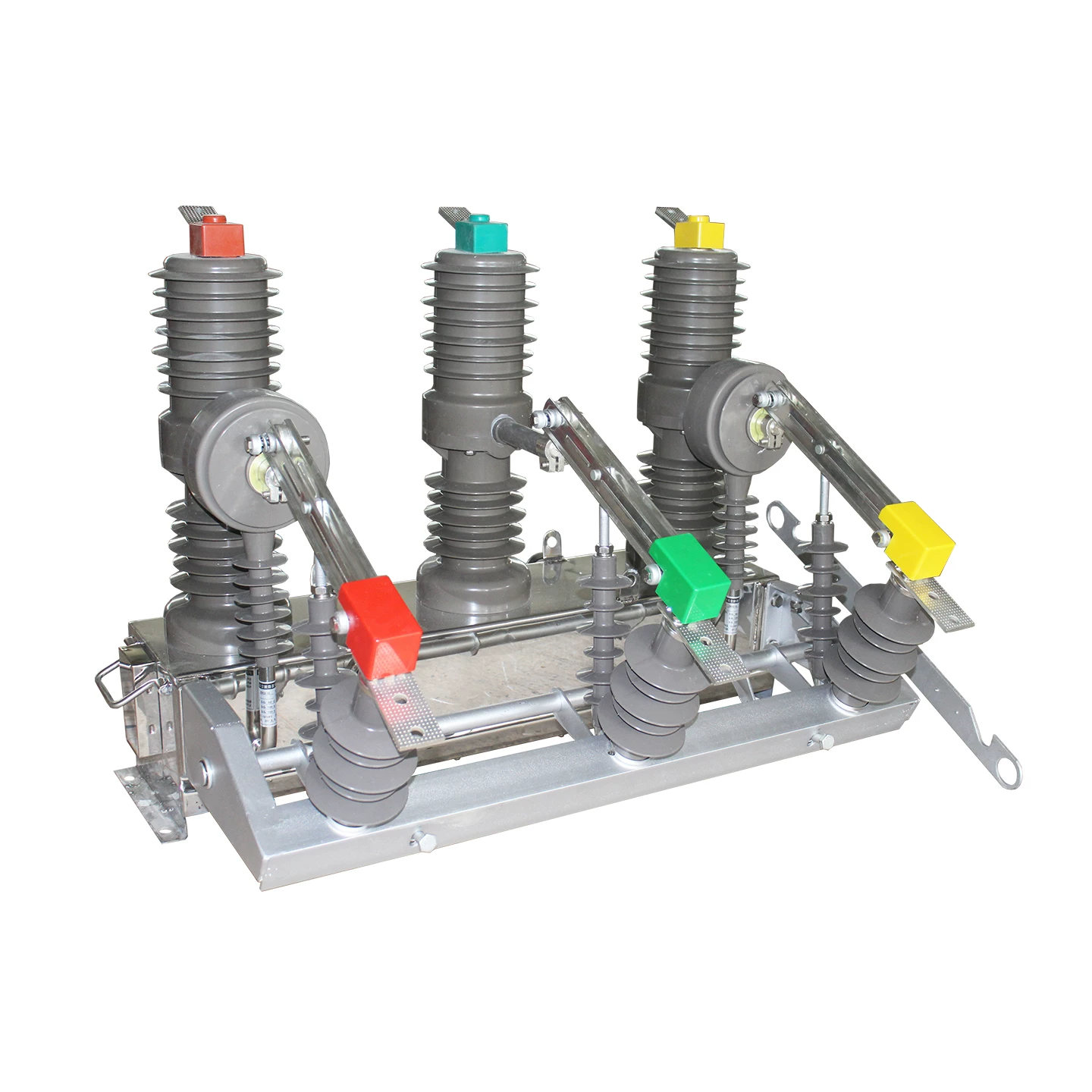
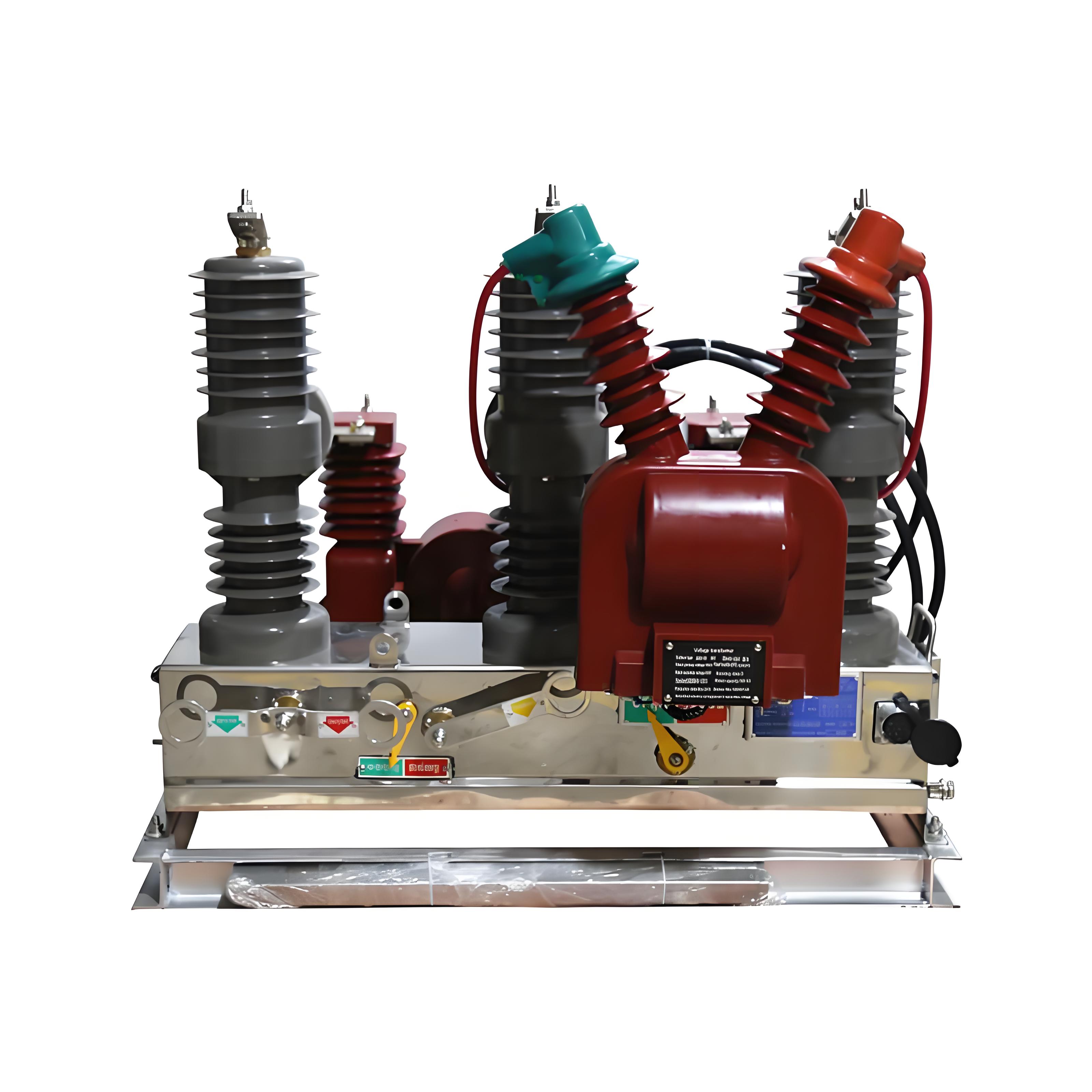
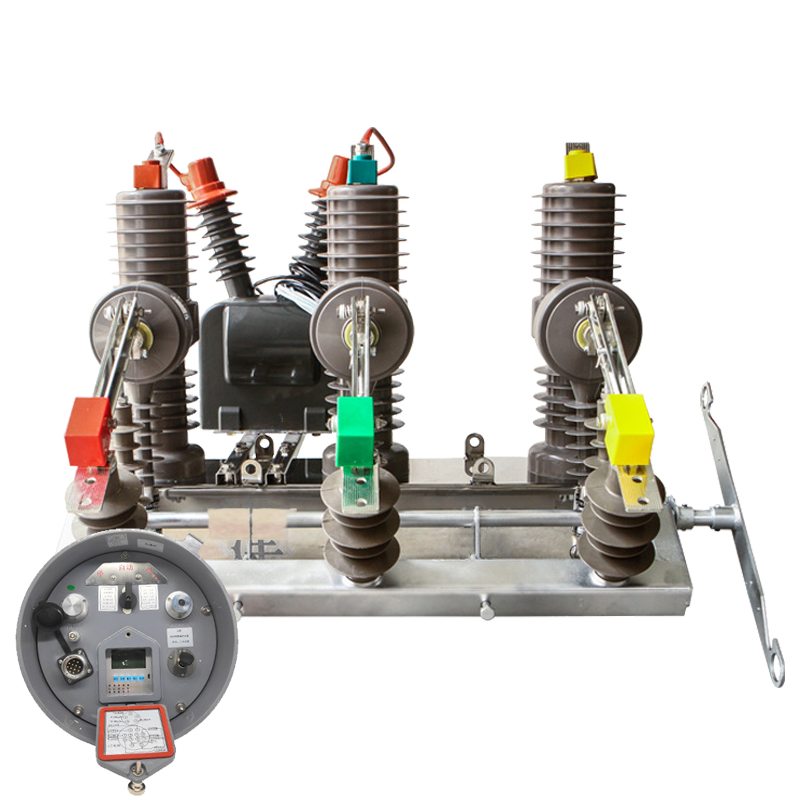
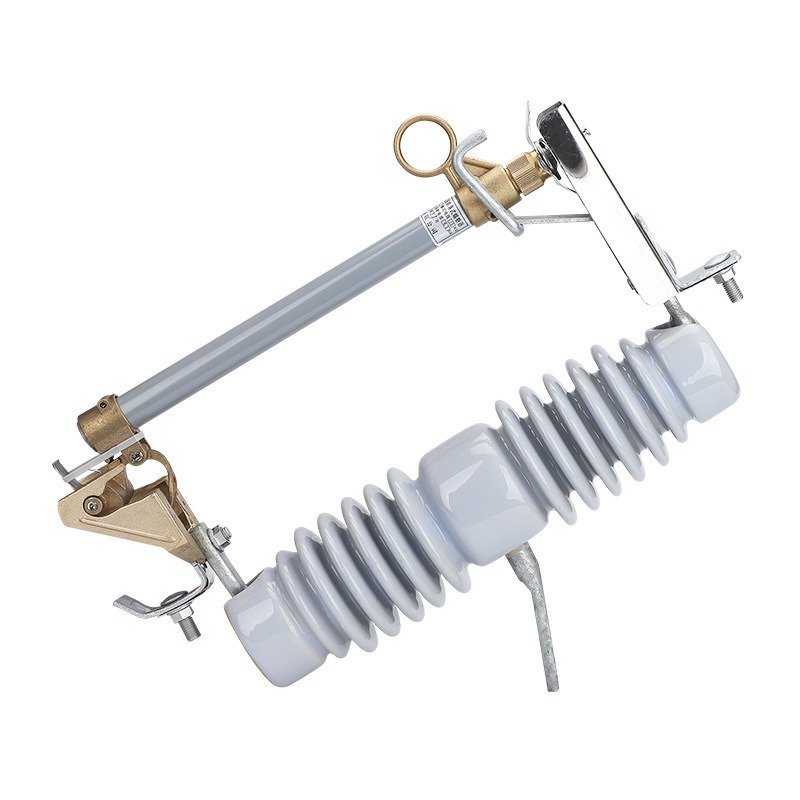
A drop out fuse is an outdoor high-voltage protective device that uses a replaceable fuse link inside a fuse tube mounted on an insulator structure. When the link melts under fault current, the tube releases and swings downward.
This open, hanging position creates a clear visual indication that the circuit has been disconnected.
Typical installation points include:
Pole-mounted distribution transformers
Feeder taps and branch laterals
Capacitor banks
Rural overhead circuits
Outdoor industrial distribution connections
In short, if the application needs economical branch protection and a visible open point, a drop out fuse is often on the shortlist.
Dropout Fuse Working Principle Explained
The dropout fuse working principle is straightforward but highly effective in field operation.
When current exceeds the fuse link rating for a sufficient time, the fuse element melts. That melting releases the mechanical holding system, allowing the fuse tube to drop open under gravity.
The sequence is usually:
1. Normal load current flows through the fuse link.
2. An overload or fault current raises conductor temperature rapidly.
3. The fuse link melts according to its time-current characteristic.
4. The fuse tube releases and drops open.
5. A visible disconnect point confirms the faulted section is isolated.
This visible opening improves crew safety because line personnel can identify operated devices quickly during patrol and restoration.
That is a major reason the drop out fuse purpose goes beyond just melting on fault. It also supports safer field diagnosis and sectionalizing.
Drop Out Fuse Purpose in Commercial Distribution Design
The core drop out fuse purpose is to protect equipment and limit the scope of outages. In commercial distribution design, that means protecting high-value assets without overspending on complex switching devices where they are not needed.
For engineers and buyers, the business case is clear.
It helps deliver:
Asset protection: limits damage to transformers and branch equipment
Sectionalizing: isolates a faulted branch instead of losing a larger feeder section
Lower replacement cost: fuse links are inexpensive compared with breaker systems
Easier field operation: visible status reduces troubleshooting time
Outdoor durability: well-suited for exposed installations
For many transformer taps and laterals, that is the right cost-performance balance.
Why Use Dropout Fuse in Power Distribution Instead of More Expensive Protection Devices?
This is the real selection question: why use dropout fuse in power distribution when breakers and reclosers exist?
The answer is not that a drop out fuse is “better” in every case. The answer is that it is often more appropriate for specific protection tasks.
Users typically choose dropout fuses when they need:
Single-point or branch protection
Low initial cost
Simple, passive protection with no control power
Visible isolation outdoors
Minimal equipment complexity
They usually choose breakers or reclosers when they need:
Frequent switching
Automatic reset or reclosing
Remote monitoring or SCADA integration
More advanced coordination logic
Higher continuity on critical feeders
In practical terms, many utilities still use dropout fuses on transformer primaries and feeder laterals because paying for a recloser on every small branch simply does not make commercial sense.
Key Benefits of Dropout Fuse Protection
The benefits of dropout fuse protection remain compelling, especially in overhead networks.
Low capital cost: strong value for branch and transformer protection
Visible disconnection: crews can identify operated units quickly
Simple maintenance: replace the link or assembly without complex control diagnostics
Selective protection: helps isolate smaller fault zones when coordinated properly
Proven reliability: long history in outdoor utility service
No auxiliary power needed: useful in remote pole-line installations
For exposed field installations, simplicity is often a reliability advantage, not a limitation.
Where Dropout Fuse in Overhead Distribution Lines Delivers the Most Value
The best-fit use of dropout fuse in overhead distribution lines is where branch isolation matters more than automation.
That includes rural feeders, transformer primaries, branch circuits, and outdoor networks with high exposure to weather and vegetation.
High-value scenarios include:
Rural laterals: faults can be isolated without affecting the full feeder
Pole-mounted transformers: protect individual transformer installations
Capacitor banks: limit damage from bank-related failures
Industrial feeder taps: cost-effective protection for sub-branches
Lightning-exposed lines: limits sustained fault damage after insulation breakdown
In these scenarios, the combination of visible operation and low installed cost is hard to beat.
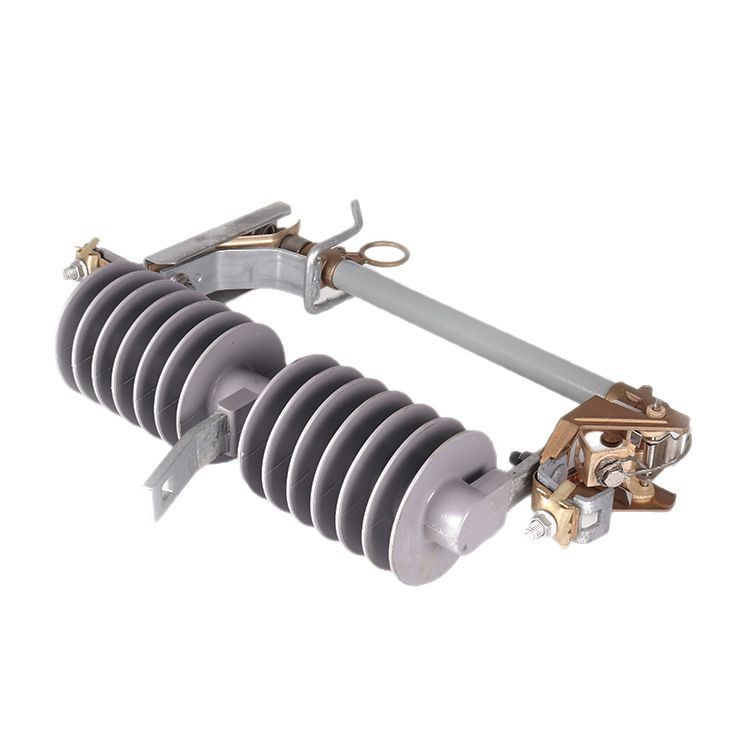
Selection Table: How to Choose the Right Drop Out Fuse
Selection should never be based on voltage only. You need to consider load current, available fault current, coordination, installation environment, and the actual protection purpose.
| Selection Factor | What to Check | Why It Matters | Practical Selection Guidance |
|---|---|---|---|
| Voltage Class | System nominal voltage and insulation level | Incorrect voltage class can compromise insulation performance | Match the fuse cutout to the distribution system class, such as 11 kV, 15 kV, 27 kV, or 38 kV class equipment |
| Fuse Link Current Rating | Normal load current, transformer inrush, and overload profile | Undersizing causes nuisance operations; oversizing reduces protection sensitivity | Use time-current coordination, not nameplate current alone |
| Interrupting Capacity | Maximum prospective fault current at installation point | The fuse must safely clear the available fault level | Verify system short-circuit study before final specification |
| Environment | Pollution, altitude, UV, salt fog, humidity, and temperature | Outdoor conditions directly affect insulation and hardware life | Select materials and creepage performance suitable for the site |
| Application Purpose | Transformer, lateral line, capacitor bank, or feeder tap | Different applications require different coordination margins | Choose fuse logic based on the protected asset and upstream device behavior |
| Mechanical Construction | Mounting strength, hinge quality, contact system | Poor mechanics lead to field failures and unsafe operation | Use utility-grade products with proven outdoor endurance |
Performance Comparison Table: Drop Out Fuse vs Circuit Breaker vs Recloser
From a commercial selection perspective, this comparison is where many purchasing decisions become clear.
| Factor | Drop Out Fuse | Circuit Breaker | Recloser |
|---|---|---|---|
| Initial Cost | Low | Medium to High | High |
| Automatic Reset | No | Possible depending on design | Yes |
| Visible Open Point | Yes | Usually not inherently visible | Usually not inherently visible |
| Maintenance Complexity | Low | Medium | High |
| Control Power Needed | No | Often yes | Yes |
| Best Application | Transformer and branch protection | Substation and controlled switching | Feeder automation and transient fault management |
| Field Simplicity | High | Medium | Lower |
| Typical ROI for Small Branches | Very strong | Often weak | Usually unjustified unless continuity value is high |
Real-World Data: Typical Failure Scenarios and Protection Outcomes
Let us keep this practical. In field operation, the value of a drop out fuse shows up when the fault is local but the consequences could spread.
Example 1: Pole-Mounted Transformer Primary Fault
A small rural transformer serving a farm load develops an internal winding fault. A correctly coordinated dropout fuse on the primary operates before upstream feeder protection trips the entire section.
Outcome: one transformer location is isolated, the main feeder stays energized for other customers, and repair scope is limited to the failed unit and associated checks.
Example 2: Tree Contact on a Branch Lateral
Wind pushes vegetation into a 15 kV lateral. The branch fuse operates, dropping open visibly on the pole line.
Outcome: patrol crews locate the branch fault faster, and the outage remains confined to the affected lateral instead of extending to a wider customer block.
Example 3: Capacitor Bank Fault Exposure
An outdoor capacitor installation experiences insulation failure. With dedicated fuse protection, the failed bank is isolated quickly.
Outcome: The risk of sustained thermal damage and repeated upstream device operation is reduced.
In utility practice, reducing the protected outage area is often just as important as clearing the fault itself. That is where a properly chosen drop-out fuse keeps proving its value.
Data Table: Common Utility Applications and Recommended Fuse Logic
| Application | Typical Fault Risk | Recommended Fuse Rating Logic | Expected Protection Outcome |
|---|---|---|---|
| Pole-Mounted Transformer Primary | Internal winding fault, bushing failure, lightning damage | Select above normal load and inrush, but below damaging transformer fault energy exposure | Transformer isolated before wider feeder trip in many cases |
| Rural Branch Lateral | Tree contact, conductor clash, animal contact | Coordinate with upstream recloser and downstream load profile | Branch fault isolated with reduced feeder impact |
| Capacitor Bank | Insulation breakdown, internal element failure | Choose based on bank current, transient behavior, and fault duty | Fast local isolation of failed bank section |
| Industrial Outdoor Tap | Cable termination flashover, equipment short circuit | Match process load while preserving upstream coordination margin | Protection of tap equipment without overbuilding the branch |
| Remote Overhead Spur | Weather exposure, insulator contamination, wildlife fault | Favor robust coordination and environmental suitability over minimal sizing | Lower restoration complexity in hard-to-access locations |
Mistakes to Avoid When Selecting a Drop Out Fuse
Most field problems are not caused by the concept of the device. They come from poor specification.
Wrong fuse link sizing: choosing based only on steady-state load current
Poor coordination: causing upstream devices to trip before the branch fuse operates
Ignoring interrupting rating: dangerous if available fault current exceeds device capability
Overlooking transformer inrush: leads to nuisance fuse operation
Using the wrong environmental design: salt fog, pollution, and altitude matter
Buying low-grade hardware: weak contacts and poor hinges create long-term reliability issues
The practical lesson is simple: a cheap product that is poorly coordinated is not a low-cost solution. It usually becomes an expensive maintenance problem.
How to Coordinate Drop Out Fuses with Upstream Protection
Coordination is where good engineering protects both equipment and service continuity. A drop out fuse should not be selected in isolation from upstream reclosers, breakers, or feeder protection settings.
You need the branch device to clear its own fault while allowing upstream devices to handle larger or system-wide events.
Good coordination requires checking:
Upstream recloser or breaker time-current curves
Transformer inrush characteristics
Cold load pickup behavior where relevant
Minimum and maximum fault current at the fuse location
Temporary versus permanent fault philosophy
For example, if a recloser is expected to clear transient faults first, the fuse must be coordinated so it does not operate prematurely during temporary events. If the branch serves a transformer with strong inrush, the link must tolerate energization without nuisance blowing.
This is why experienced utilities do not specify fuse links by habit. They use coordination studies and field history.
When a Drop Out Fuse Is the Wrong Choice
A drop out fuse is excellent in the right role, but not universal.
It is the wrong choice when the application requires reusable switching, remote control, frequent operations, detailed protection logic, or high service continuity with automatic restoration.
Use another device when you need:
Frequent manual or automatic switching
SCADA or remote monitoring
Automatic reclosing after transient faults
Complex protection discrimination
Critical loads with minimal outage tolerance
That is the commercial reality. The best protection choice is not the cheapest device, but the one that matches the operating requirement.
FAQ
Why do we use drop out fuse in overhead power lines?
We use drop out fuse in overhead power lines because it provides economical and visible fault isolation for branch circuits, pole-mounted transformers, and outdoor taps. It helps limit the outage area, protects equipment from sustained fault damage, and speeds field inspection by allowing crews to see the open fuse position directly.
What is the main purpose of the dropout fuse in distribution systems?
The main purpose of the dropout fuse is to disconnect faulty equipment or a faulted line section before the problem spreads and causes wider network damage. In practice, it protects assets, reduces repair scope, and supports selective isolation in distribution systems.
How does the dropout fuse working principle improve safety?
The dropout fuse working principle improves safety because after the fuse link melts, the fuse tube drops open and creates a visible disconnect point. This helps line crews confirm isolation more quickly during patrol, switching verification, and restoration work.
What are the benefits of dropout fuse protection compared with breakers?
The benefits of dropout fuse protection compared with breakers include lower purchase cost, simpler field maintenance, no need for control power, and a visible open state. The trade-off is that it does not provide automatic reclosing or the same level of advanced protection.
Where is the dropout fuse in overhead distribution lines most commonly installed?
Dropout fuse in overhead distribution lines is most commonly installed on pole-mounted transformers, branch laterals, capacitor banks, feeder taps, and remote outdoor distribution points. These locations benefit most from simple, local, and cost-effective fault isolation.
How do I choose the right drop out fuse rating?
You choose the right drop out fuse rating by evaluating system voltage, normal load current, transformer inrush, available fault current, upstream coordination curves, environmental conditions, and the exact application purpose. A proper short-circuit and coordination review is strongly recommended before final specification.
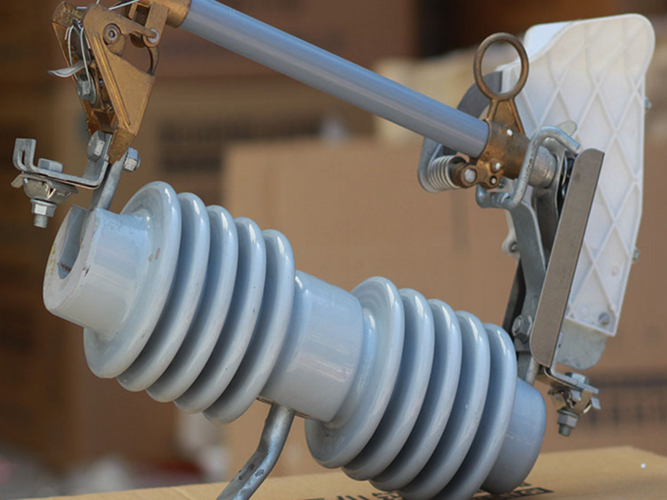
Final Buying Checklist Before You Specify a Drop Out Fuse
Before you place an order or finalize a drawing, run through this checklist:
Application: Is it for a transformer, lateral, capacitor bank, or branch tap?
Voltage class: Does the cutout match the system insulation requirement?
Fuse link rating: Has load current, inrush, and fault behavior been checked?
Interrupting capacity: Is it adequate for the available fault current?
Coordination: Does it coordinate with upstream reclosers or breakers?
Environment: Is the product suitable for pollution, humidity, UV, salt fog, and altitude?
Standards and quality: Is the supplier offering utility-grade construction and test-backed reliability?
Maintenance practicality: Will field crews be able to service it safely and efficiently?
If you cannot answer all eight with confidence, the specification is not ready yet.
Need Help Choosing the Right Drop Out Fuse?
If you are comparing options for transformer protection, branch line isolation, or dropout fuse in overhead distribution lines, it is worth getting the selection right before the equipment goes to the site.
Weisho Electric stands out here because the conversation is not just about sending a catalog. It is about helping you match the right voltage class, fuse rating logic, coordination approach, and outdoor construction to the real job conditions.
That matters in actual projects. A fuse that looks acceptable on paper can become a nuisance-operation problem, a coordination failure, or a maintenance headache if the details are missed.
With Weisho Electric, you can request practical support on product selection, application matching, and quotation review based on your voltage level, installation environment, and protection target.
Need a real recommendation, not a generic answer? Contact Weisho Electric for a drop out fuse selection review, coordination support, or a fast quote tailored to your project. If you already have drawings or load data, send them over and get a more usable answer from the start.