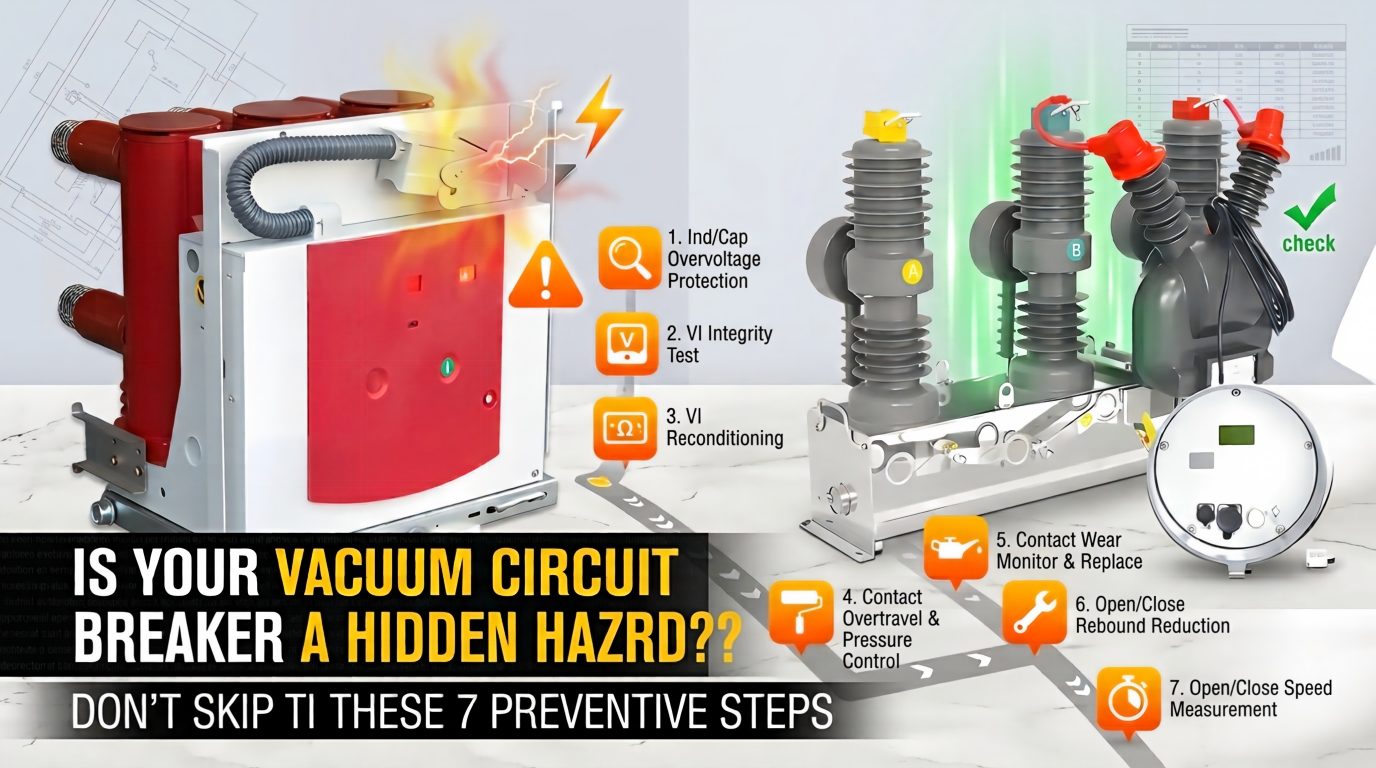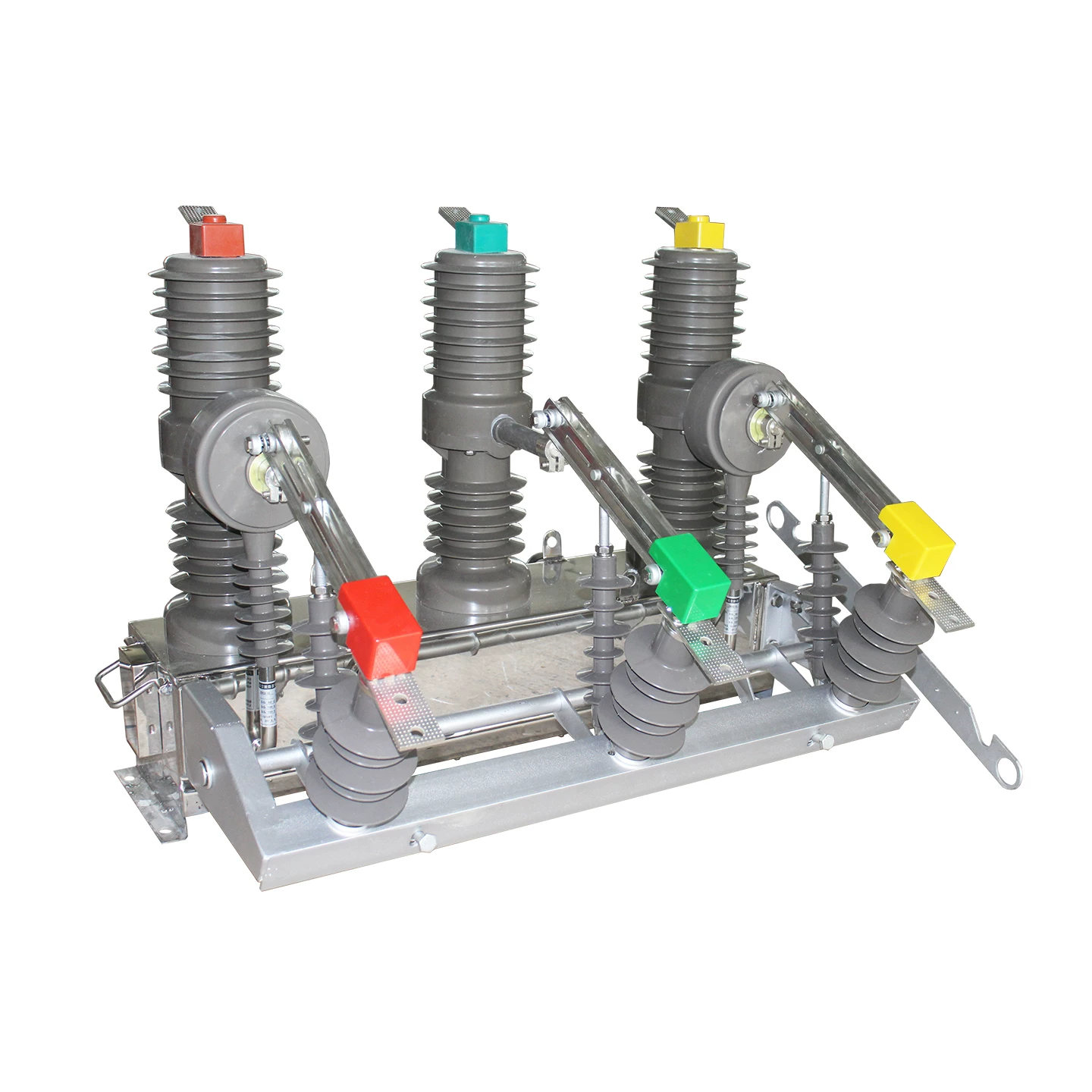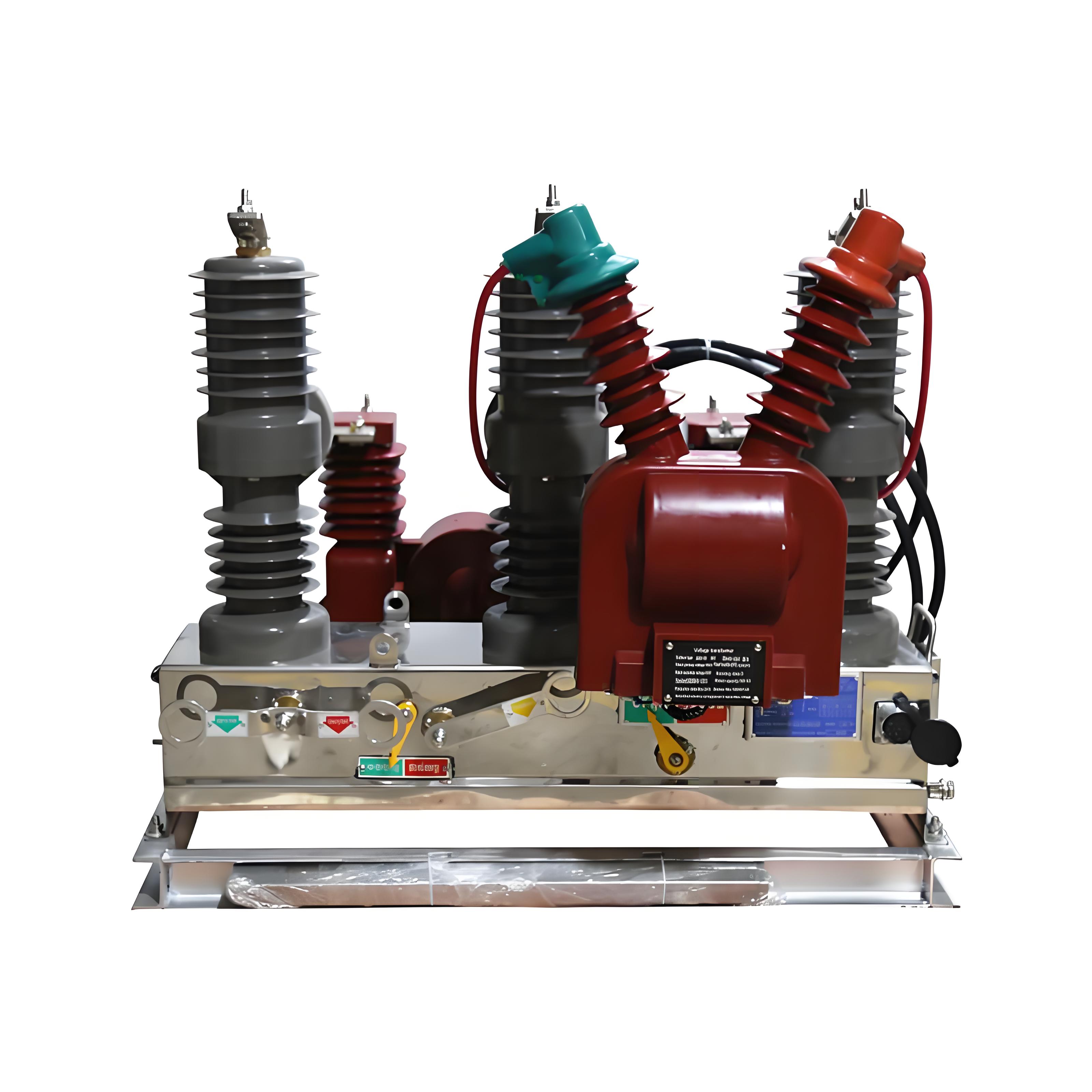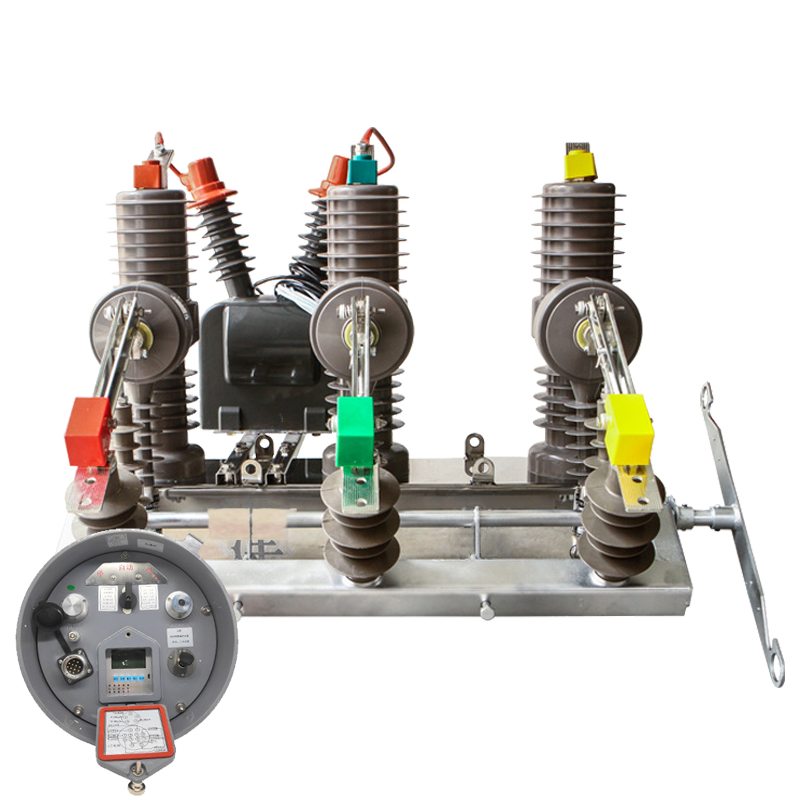
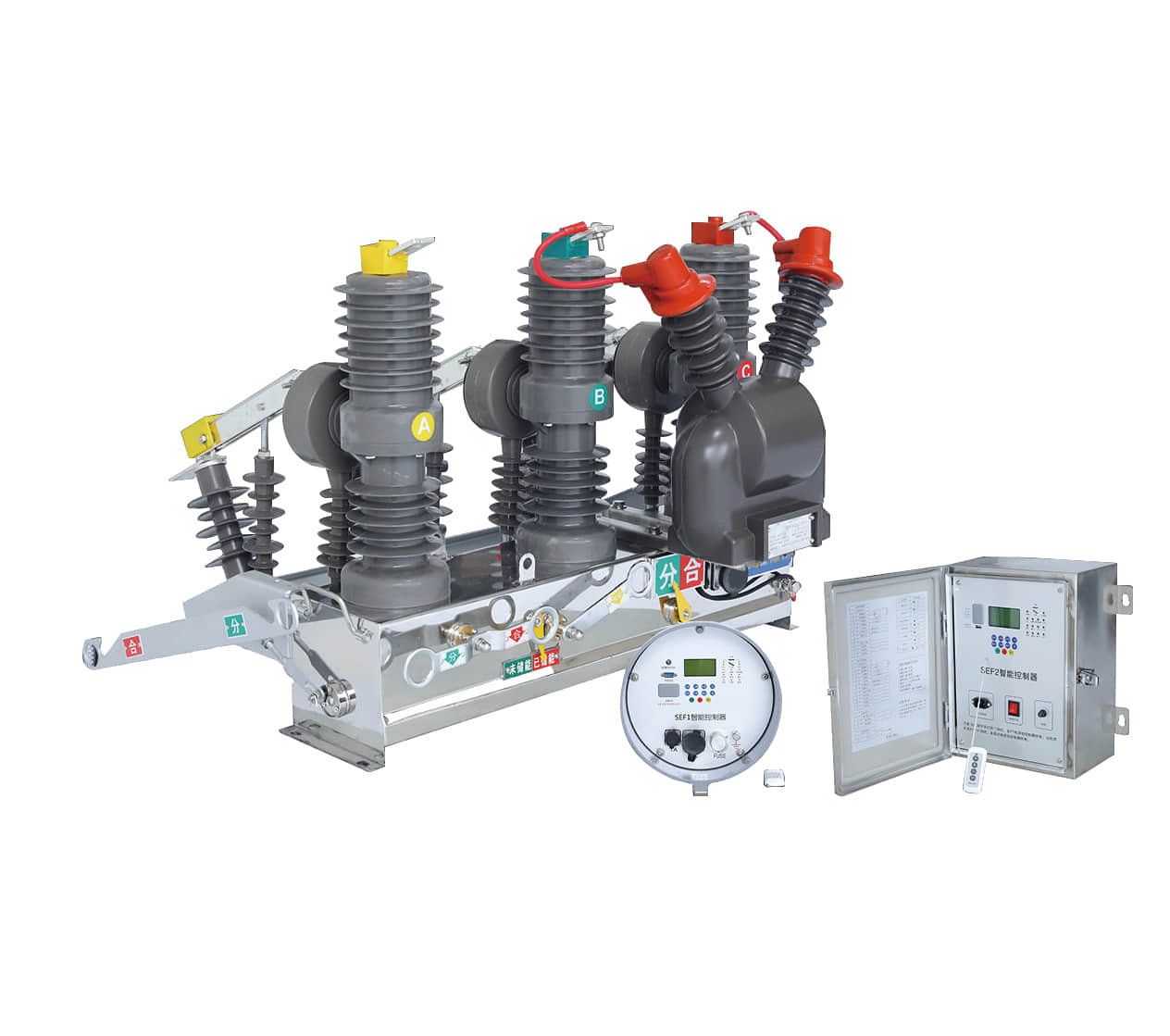
In one sentence: a smart vacuum circuit breaker adds sensors, communication, remote control, event records, and predictive diagnostics, while a manual vacuum circuit breaker focuses on local operation, simpler structure, and lower upfront cost; by the end of this article, you will clearly know the difference between the two, which situations suit each one, and how to make a practical choice based on outage risk, maintenance capability, retrofit difficulty, and lifecycle cost rather than price alone.
Smart vs. Manual Vacuum Circuit Breaker: What’s the Difference?
The core difference is simple: smart VCBs give you visibility and control before, during, and after a fault. Manual VCBs mainly give you dependable switching at the panel.
A smart VCB usually includes status sensing, spring charge indication, operation counter, trip circuit supervision, communication modules, remote open/close, alarm outputs, and condition-based diagnostics. A manual VCB usually relies on local mechanical operation, local indication, and routine inspection.
If you only remember one rule, remember this: a manual is cheaper to buy, and smart is cheaper to manage when the failure cost is high.
Why This Choice Matters in Real Power Systems
I have seen sites lose more money from one delayed fault response than from the entire price gap between manual and smart gear. That is not a theory. That is how real plants get burned by “cheaper” decisions.
The wrong VCB choice affects five things fast: outage time, maintenance workload, safety exposure, lifecycle cost, and protection reliability.
Outage time: Manual gear often requires a person on-site to confirm status and operate.
Maintenance: Smart gear can reduce routine guesswork by showing actual operating history and alarm data.
Safety: Remote operation can reduce technician exposure near energized compartments.
Lifecycle cost: Lower CAPEX does not always mean lower total cost of ownership.
Protection reliability: Better event visibility improves fault analysis and relay coordination checks.
In systems aligned with IEC 62271 switchgear requirements and utility-grade maintenance practices, data visibility is no longer a luxury. It is part of how operators prove performance, trace events, and plan interventions.
Quick Comparison Table: Smart vs. Manual Vacuum Circuit Breaker
| Category | Smart Vacuum Circuit Breaker | Manual Vacuum Circuit Breaker |
|---|---|---|
| Operation mode | Local + remote | Mainly local |
| Monitoring | Real-time status, alarms, event logs, and health data | Basic local indication |
| Maintenance | Condition-based and predictive | Time-based and inspection-driven |
| Fault response | Faster due to remote visibility and control | Slower if a site visit is needed |
| Installation complexity | Higher due to wiring, controls, and communication | Lower |
| CAPEX | Higher | Lower |
| OPEX | Often lower in critical systems | Can rise due to labor and downtime |
| Retrofit fit | Depends on panel, relay, control power, and protocol compatibility | Easier in many legacy panels |
| Ideal use cases | Utilities, hospitals, data centers, remote sites, heavy industry | Small plants, simple feeders, low-switching environments |
What Is a Smart Vacuum Circuit Breaker?
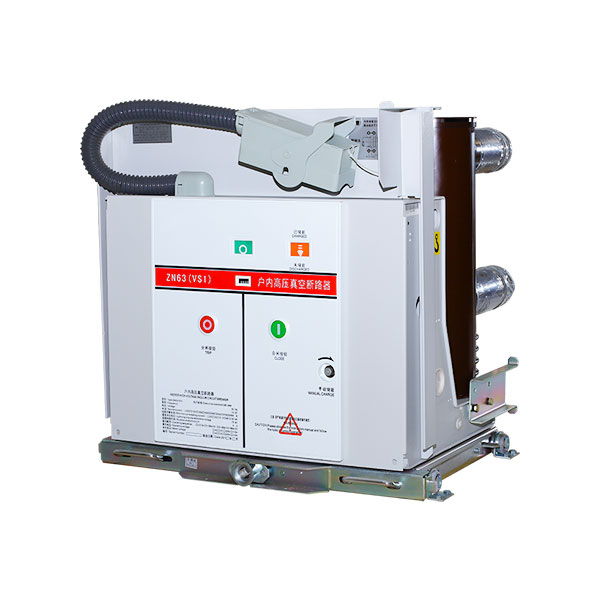
A smart vacuum circuit breaker is a VCB integrated with digital monitoring, remote operation, asset health analytics, and communication features used in modern switchgear.
It still performs the same interrupting function. The difference is that it also tells you what happened, what is happening, and in better systems, what is likely to fail next.
In practical terms, that may include Modbus, IEC 61850-related integration paths, trip circuit supervision, mechanical endurance tracking, contact wear indication, environmental sensing, and event time stamps. In higher-end projects, this data is linked into SCADA, BMS, or substation automation.
What Is a Manual Vacuum Circuit Breaker?
A manual vacuum circuit breaker is a mechanically or locally operated breaker designed for dependable switching without advanced automation or digital visibility.
It is not old-fashioned by default. In many applications, it is exactly the right tool.
Manual VCBs are still common where switching is infrequent, loads are stable, staff are on site, and the cost of a short outage is manageable. Their strength is simplicity.
Smart Vacuum Circuit Breaker Benefits in Modern Power Systems
The strongest smart vacuum circuit breaker benefits show up where downtime is expensive, and maintenance teams are stretched thin.
In those environments, smart VCBs help operators move from reactive maintenance to targeted action. That shift is where the return usually comes from.
Remote Monitoring and Faster Fault Response
Operators can see breaker status, trip alarms, spring charge state, and fault history without waiting for someone to drive to the site. During off-hours, that matters more than most buyers expect.
One repeated field complaint from facility teams is simple: with manual gear, the first 30 to 90 minutes after a fault are often spent just confirming what actually opened. Smart gear cuts that dead time.
Predictive Maintenance and Asset Health Tracking
Smart VCB data can reveal operating count trends, close/trip coil anomalies, motor charging issues, and abnormal timing before failure becomes obvious. That supports better vacuum circuit breaker selection criteria for future replacements, too.
According to maintenance practices commonly aligned with IEEE C37 family guidance and IEC switchgear service routines, tracking duty history and mechanism health improves maintenance timing. The real value is not more data. There are fewer surprises.
Lower Unplanned Downtime in Critical Facilities
Data centers, hospitals, utilities, semiconductor lines, and process plants cannot afford uncertain switching performance. In these sites, smart VCBs support stronger power system protection with VCB by improving event visibility and reducing restoration delay.
I have heard the same practical comment from more than one operations manager: “We did not buy intelligence for elegance. We bought it because every midnight dispatch costs money and credibility.” That is the real buying logic.
Manual Vacuum Circuit Breaker Applications That Still Make Sense
Manual vacuum circuit breaker applications remain valid in many power systems. The idea that smart is always better is simply wrong.
If the site is simple, staffed, stable, and not data-hungry, a manual VCB may be the better commercial choice.
Small Industrial Sites With Stable Load Profiles
Many workshops, small processing units, and light industrial feeders operate with stable loads and low switching frequency. These sites often prefer manual VCBs because training is easier and there is less dependency on control integration.
For owner-managed facilities, fewer layers often mean fewer failure points. That matters when the maintenance team is small.
Budget-Sensitive Retrofit Projects
In old switchboards, the breaker is rarely the only issue. Control wiring, relay compatibility, auxiliary contacts, panel depth, and cubicle interlocks can turn a “simple smart upgrade” into a much bigger project.
In these cases, manual units often fit better and avoid expensive control-system upgrades. This is especially true where there is no plan to connect to SCADA anyway.
Low-Access, Low-Switching Environments
If a breaker operates only a few times a year and the site already has a local maintenance presence, smart monitoring may not generate enough value. A manual VCB can be fully sufficient.
The key is honesty about operating reality. Many sites buy digital features they never use.
Smart vs. Manual Switchgear Comparison by Use Case
A useful smart vs manual switchgear comparison starts with the site, not the catalog.
Utility substations: Smart usually wins due to remote visibility and event traceability.
Hospitals: Smart is often justified by uptime and safety demands.
Data centers: Smart is preferred because the outage cost is extreme.
Small factories: Manual can be a better value if staffing is local and loads are steady.
Commercial buildings: Mixed case; depends on BMS integration and criticality.
Mining and remote pumping: Smart often wins because dispatch delay is expensive.
Legacy retrofit projects: Manual may be easier unless digital integration is a clear requirement.

Vacuum Circuit Breaker Selection Criteria
The best vacuum circuit breaker selection criteria are not just voltage and current. They include how the site operates under stress.
Use this framework: criticality, switching frequency, maintenance resources, remote access, digital integration needs, safety exposure, and total cost of ownership.
Load Criticality and Downtime Cost
The higher the outage cost, the stronger the case for a smart VCB. This is the single most important commercial rule.
If one hour of downtime costs more than the price gap between solutions, smart should be evaluated seriously. That is common in cold storage, process plants, healthcare, and data infrastructure.
Site Maintenance Capability
Sites with limited skilled staff benefit more from digital diagnostics and guided maintenance alerts. A smart breaker can compensate for the fact that the best technician is not always present when the fault occurs.
Manual systems assume people, procedures, and response time are already reliable. That assumption is often optimistic.
SCADA, BMS, and Digital Integration Needs
If the project already uses SCADA, BMS, EMS, or substation automation, smart breakers become much more valuable. Visibility and remote command fit the existing operating model.
If there is no communication backbone and no budget for commissioning, the smart feature set can remain underused. That is a common mistake in retrofits.
Environment, Safety, and Compliance Demands
Remote operation can reduce arc-flash exposure by limiting the need for local switching in energized areas. Event records also support audit trails and maintenance documentation.
For projects designed around IEC 62271, arc risk management practices, and documented switching procedures, smart gear often strengthens compliance visibility. It does not replace protection engineering, but it improves operational control.
Real-World Data Table: Cost, Downtime, and Maintenance Impact
The numbers below are example market ranges based on medium-voltage commercial and industrial projects. Actual values vary by voltage class, breaker brand, relay package, and integration scope.
| Metric | Smart VCB | Manual VCB |
|---|---|---|
| Upfront investment | 100% to 140% of baseline | 100% baseline |
| Inspection frequency | Often reduced through condition review | Usually fixed periodic inspections |
| Mean outage response time | 10 to 30 minutes with remote visibility | 45 to 180 minutes if dispatch is required |
| Truck rolls avoided per year | 2 to 12 in remote or multi-site portfolios | 0 to 2 |
| Event visibility | High, with logs and alarms | Low to basic |
| Estimated lifecycle savings | 5% to 20% in critical or remote applications | Usually lower, but depends on low outage cost |
The strongest savings do not usually come from “maintenance reduction” alone. They come from faster diagnosis, avoided dispatches, and fewer long unplanned outages.
Community Insights: What Reddit and Quora Users Actually Worry About
Across public operator discussions, technician threads, and facility-owner conversations, the same themes appear again and again. Interestingly, most are not about interrupting ratings. They are about workflow.
Non-specialists often miss the real field pain points: night faults, control wiring surprises, nuisance alarms, and systems that were bought “smart” but never actually commissioned as smart.
Pain Point 1: Paying for Smart Features but Operating in Manual Mode
This is one of the most repeated complaints. Sites buy digital-ready breakers, but no one finishes the SCADA mapping, analytics setup, or alarm routing.
The result is expensive hardware used like a basic local breaker. The lesson is clear: do not buy smart unless you also budget for integration and training.
Pain Point 2: Manual Breakers Create Delays During Off-Hours Faults
Another recurring complaint is the delay during night or weekend faults. Teams must dispatch someone to inspect the panel, verify status, and decide the next step.
That delay is frustrating in remote plants, utility feeders, and unmanned facilities. People rarely mention this in brochures, but operators mention it constantly.
Pain Point 3: Retrofit Projects Fail on Controls, Not on the Breaker Itself
In real projects, the breaker itself is often the easy part. The hidden blockers are panel space, secondary wiring, communication gateways, relay settings, DC supply limits, and interlock logic.
I have seen retrofit schedules slip not because the VCB was wrong, but because nobody checked auxiliary contact counts and protocol mapping early enough. That is a classic avoidable mistake.
Pain Point 4: Operators Want Fewer False Alarms, Not More Dashboards
Users do not want another screen full of raw data. They want useful alarms: trip circuit failed, abnormal close time, spring motor issue, excessive operations, or contact wear approaching limit.
Smart equipment that creates noise instead of action loses trust quickly. Good smart design means actionable alerts, not dashboard clutter.
Field Examples: Which Vacuum Circuit Breaker Wins in Each Scenario?
Manufacturing plant: A medium-size plant with stable shifts and on-site electricians may do very well with manual VCBs on non-critical feeders, but smart VCBs on main incomers where fault diagnosis speed matters.
Utility substation: Smart VCB usually wins because remote status, event logs, and control integration improve restoration and support system operations.
Commercial building: If it has a mature BMS and strict uptime requirements, smart is attractive. If it is a basic building with routine local maintenance, a manual may be enough.
Renewable integration point: Smart VCBs are often preferred because switching patterns, remote locations, and coordination visibility matter more.
Mining site: Remote geography changes the economics fast. Avoiding one unnecessary dispatch can justify part of the digital premium.
Example Decision Table: Which VCB Should You Choose?
| Site Condition | Operational Need | Suggested Breaker Type |
|---|---|---|
| Remote site with limited staff | Fast diagnosis and remote switching | Smart VCB |
| Legacy switchgear with no communication plan | Simple reliable replacement | Manual VCB |
| Data center or hospital | Maximum uptime and event visibility | Smart VCB |
| Small factory with low switching frequency | Low CAPEX and easy maintenance | Manual VCB |
| Portfolio of distributed facilities | Centralized monitoring | Smart VCB |
| Budget retrofit with tight panel constraints | Minimal control modification | Manual VCB |
Common Mistakes When Choosing Between Smart and Manual VCBs
Choosing by purchase price only: This ignores downtime cost and labor.
Ignoring retrofit complexity: Controls and wiring can dominate the project risk.
Underestimating maintenance skill gaps: Manual gear depends more on local human response.
Overbuying digital functions: If no one will use the data, do not pay for it.
Skipping protocol and relay checks: Integration failures often begin here.
Not aligning with standards: Design and testing should reflect relevant IEC and IEEE practices.
Best Practices for Power System Protection With VCB
Good power system protection with VCB is not just about the breaker. It depends on relay coordination, switching duty, insulation level, operating mechanism reliability, and maintenance planning.
Verify the voltage class, interrupting rating, and making capacity correctly.
Check duty cycle against actual switching frequency, not just nameplate assumptions.
Coordinate relay settings with feeder and transformer protection.
Confirm control power, trip circuit supervision, and auxiliary logic.
Review cubicle compatibility and interlocking for retrofit jobs.
Use maintenance routines consistent with IEC 62271 and relevant IEEE C37 guidance.
For smart gear, define alarm philosophy before commissioning.
The best systems are boring in operation. That is a compliment. They trip correctly, report clearly, and do not create maintenance drama.
FAQ
What is the main difference between a smart vacuum circuit breaker and a manual vacuum circuit breaker?
A smart vacuum circuit breaker adds intelligence, connectivity, remote operation, event logging, and maintenance visibility, while a manual vacuum circuit breaker is mainly locally operated and simpler, with lower upfront cost but less operational insight.
When should I choose a smart vacuum circuit breaker?
You should choose a smart VCB when your site is uptime-critical, remote, frequently switched, lightly staffed, or integrated into SCADA, BMS, or digital maintenance systems. It is especially valuable when the outage cost is high.
When is a manual vacuum circuit breaker the better option?
A manual VCB is often the better option for simple systems, tight budgets, stable loads, low switching frequency, and sites that do not need automation or remote monitoring.
Are smart vacuum circuit breakers worth the higher cost?
They can be worth it when they reduce downtime, avoid truck rolls, improve maintenance timing, and support faster fault response. In low-complexity systems with low outage cost, the extra cost may not pay back.
Can I retrofit a manual VCB system with a smart vacuum circuit breaker?
Yes, but you must check panel compatibility, protection relay upgrades, control power availability, communication wiring, auxiliary contacts, interlocks, and commissioning scope. Many retrofit problems come from controls, not the breaker body.
Do smart vacuum circuit breakers improve safety?
Yes, in many cases they improve safety by enabling remote operation, recording events, monitoring condition, and reducing the need for technicians to approach energized equipment during switching and fault investigation.
What are the key vacuum circuit breaker selection criteria?
The key criteria are voltage level, interrupting rating, switching duty, control philosophy, environment, maintenance model, panel fit, safety needs, staffing level, and digital integration requirements.
Final Recommendation: Choose Based on Risk, Not Just Price
Here is the most practical conclusion: manual VCBs fit simple and cost-sensitive systems; smart VCBs fit high-value, high-risk, and uptime-driven power systems.
If your site can tolerate local response, has stable operating conditions, and does not need data, manual is often the right answer. If your site loses serious money from delay, lacks on-site expertise, or needs remote visibility, smart is usually the better long-term decision.
The best procurement teams do not ask only, “What does the breaker cost?” They ask, “What does uncertainty cost?”
If you want a site-specific recommendation, send us your single-line diagram, voltage level, load type, existing panel brand, and whether you need SCADA or BMS integration. We can help you assess smart vacuum circuit breaker benefits, manual vacuum circuit breaker applications, and the right smart vs manual switchgear comparison for your project.
Contact our team today for a smart vs. manual VCB selection assessment. If you want to discuss your switchgear project in detail, please send us an inquiry or reach out directly via WhatsApp.