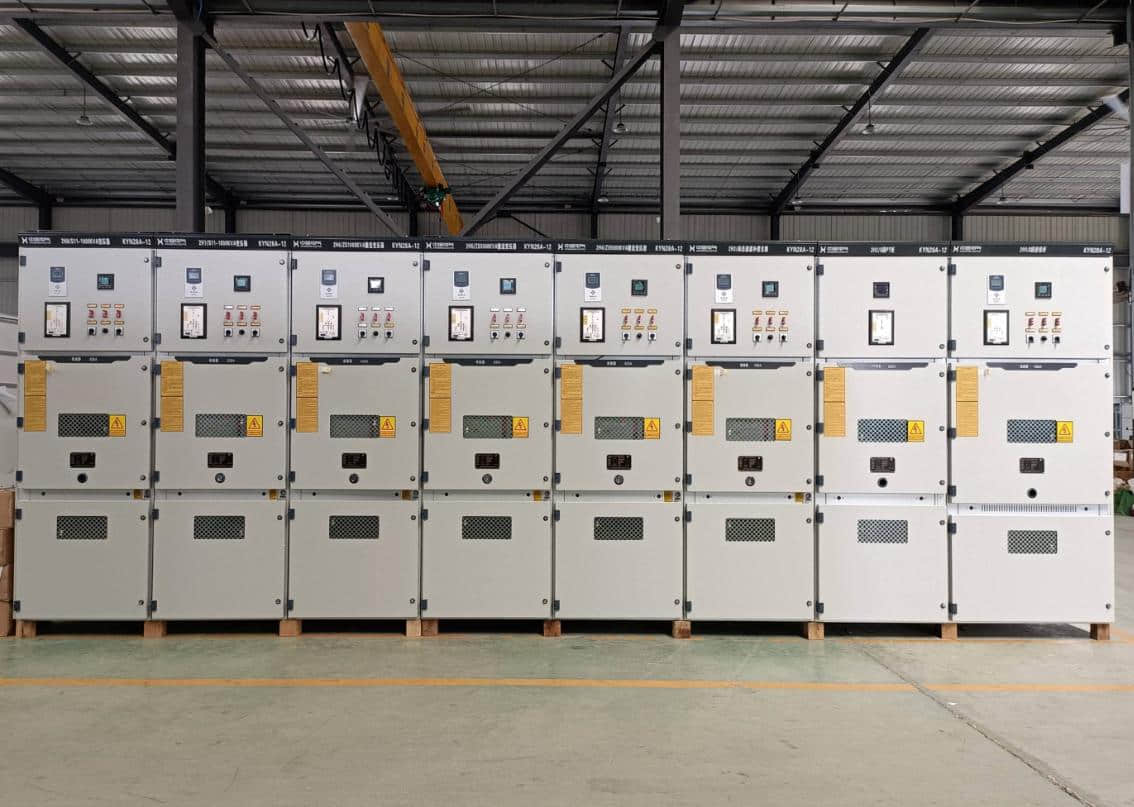
Medium voltage switchgear electrical symbols represent the real devices, protection logic, switching status, interlocks, and safety functions inside an MV panel. On a single line diagram, relay schematic, or panel drawing, each symbol tells you what can open, what can trip, what measures current or voltage, what grounds the circuit, and what must be interlocked before anyone touches the equipment.
I will go straight to the practical point: if you misread one symbol in a 6 kV, 11 kV, or 33 kV panel drawing, you can approve the wrong panel, wire the wrong relay input, plan the wrong switching sequence, or create a dangerous maintenance condition. After years of reviewing MV switchgear submittals, FAT files, and retrofit drawings, I have seen the same mistakes repeat across utilities, factories, hospitals, and data center projects.
Recent analysis of engineer discussions in professional Q&A communities and field forums shows a pattern: the most misunderstood items are breaker vs isolator, CT vs VT, earthing switch visibility, and trip/close control symbols. Those are not academic errors. They are the symbols most often linked to delayed commissioning, failed SAT punch points, and unsafe lockout assumptions.
What MV switchgear electrical symbols actually represent
In practice, symbols are a compressed language. They simplify physical hardware into a readable logic map.
Switching devices: circuit breakers, disconnectors, earthing switches, bus couplers
Protection devices: overcurrent, earth fault, differential, voltage, and frequency relays
Metering devices: CTs, VTs, energy meters, indications
Grounding and safety functions: earthing points, interlocks, test positions
Control functions: trip coils, close coils, auxiliary contacts, remote/local commands
Under IEC practice, and often aligned with IEEE documentation methods in multinational projects, the symbol is never just a picture. It is a decision point. It tells operators what the equipment is allowed to do.
Why engineers and buyers misread MV switchgear symbols
The business risk starts during design review. Buyers often focus on rating, fault level, and delivery time, but the drawing symbols decide whether the supplied panel actually matches the operating philosophy.
Typical failures happen when one party assumes a feeder uses a vacuum circuit breaker, while the drawing actually shows a switch-fuse or load break arrangement. I have seen this create a six-week delay because the protection scheme, interlock logic, and cable testing method all changed.
During one factory acceptance test I attended in East China, the panel door mimic used one tag number, the single line diagram used another, and the relay file used a third. The hardware was right, but the symbol mapping was inconsistent. That single mismatch caused two full days of retesting.
Medium voltage switchgear schematic symbols you must know first
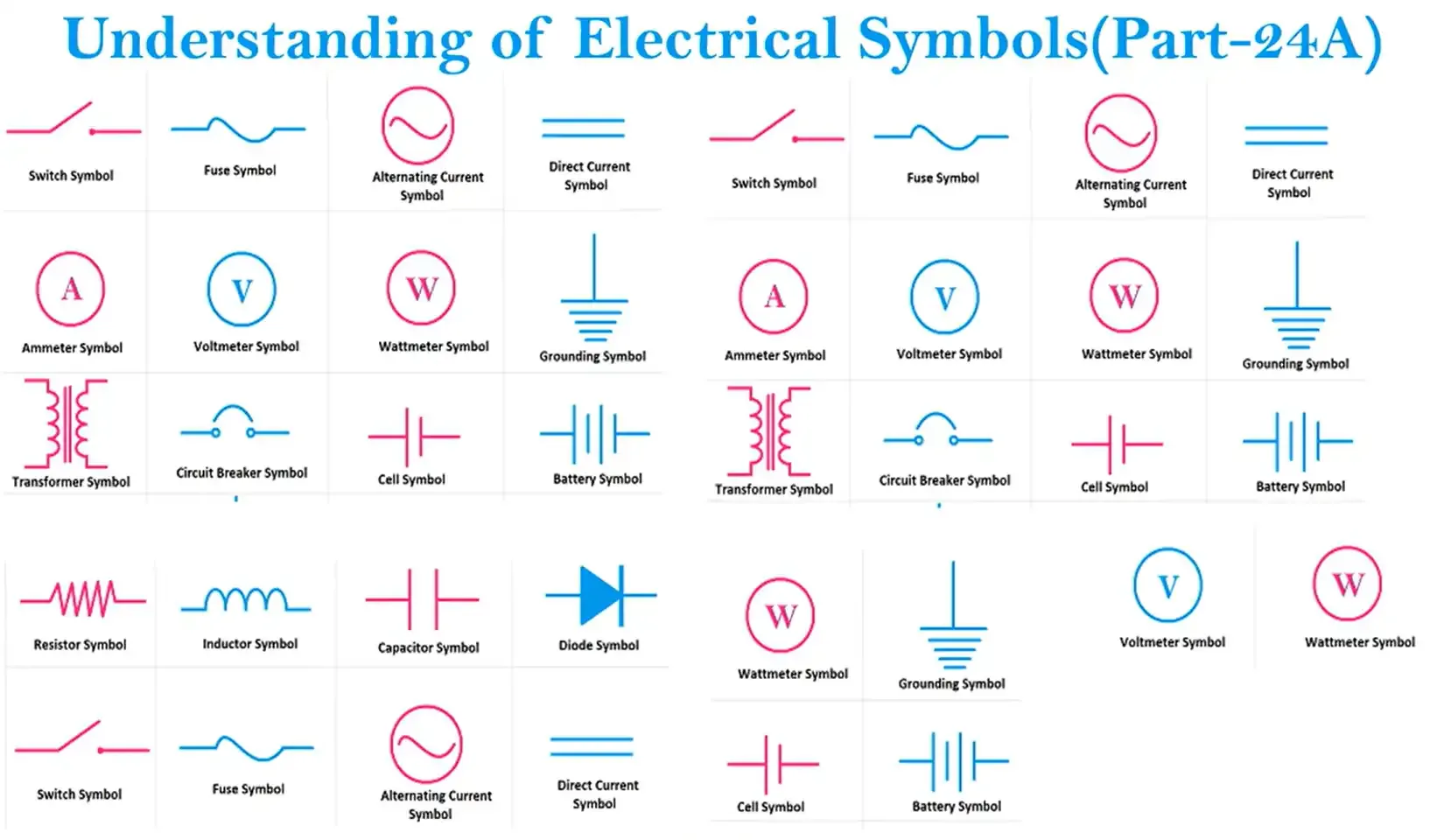
The most searched medium voltage switchgear schematic symbols can be grouped into five practical categories:
Switching: circuit breaker, isolator, earthing switch, bus coupler
Protection: relay elements, trip circuits, lockout functions
Metering: CT, VT, meter inputs
Grounding: earth switch, earthing point
Control: close coil, trip coil, auxiliary contacts, interlocks
Circuit breaker symbol meaning in MV panels
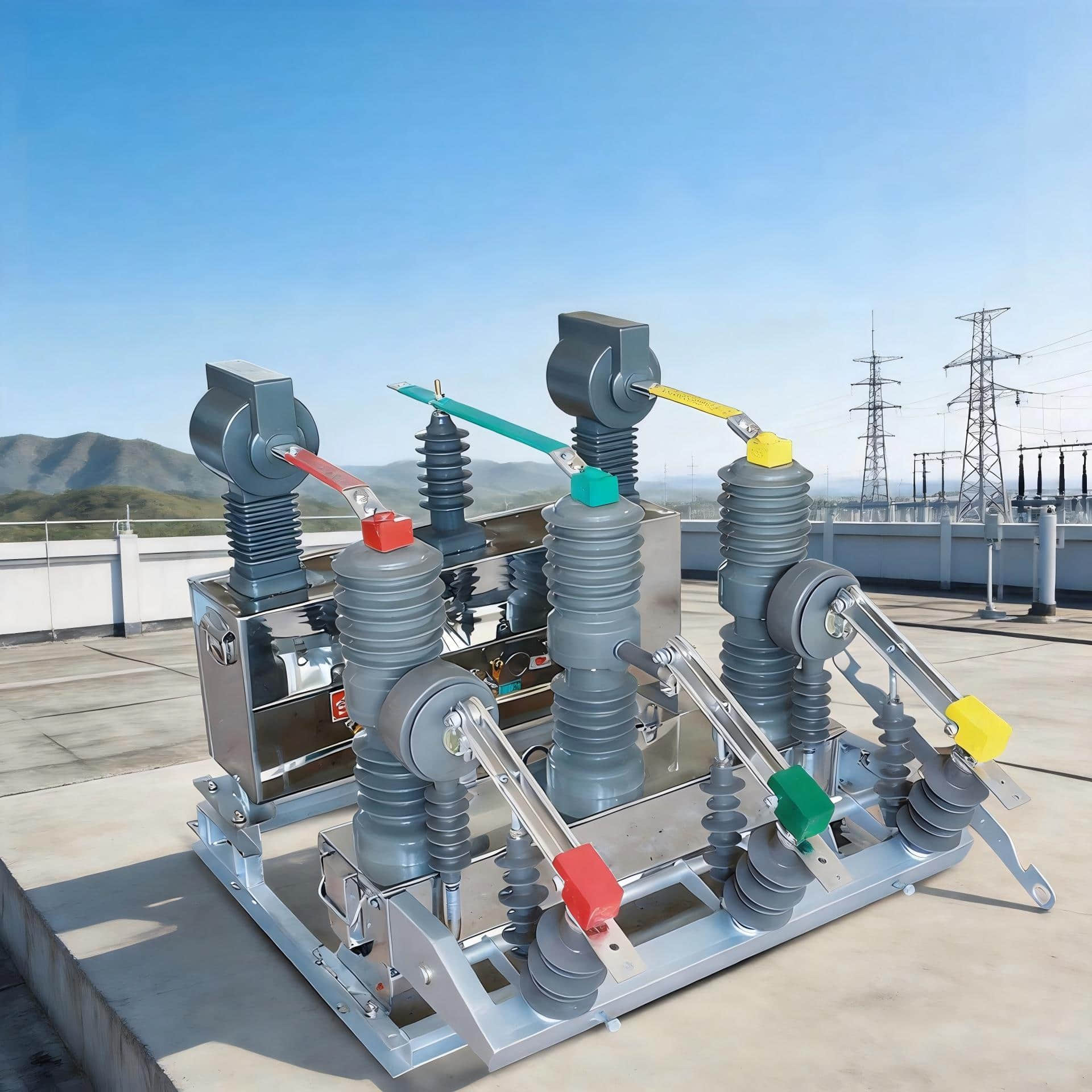
The circuit breaker symbol identifies the primary interruption device. In MV panels, it usually links directly to trip logic, close commands, spring charging status, and protection relay outputs.
On-site, this is the symbol that matters most for fault interruption. Under IEC 62271 and common IEEE switchgear practices, the breaker is the device expected to interrupt load current and fault current within its rating.
Isolator and disconnector symbol meanings
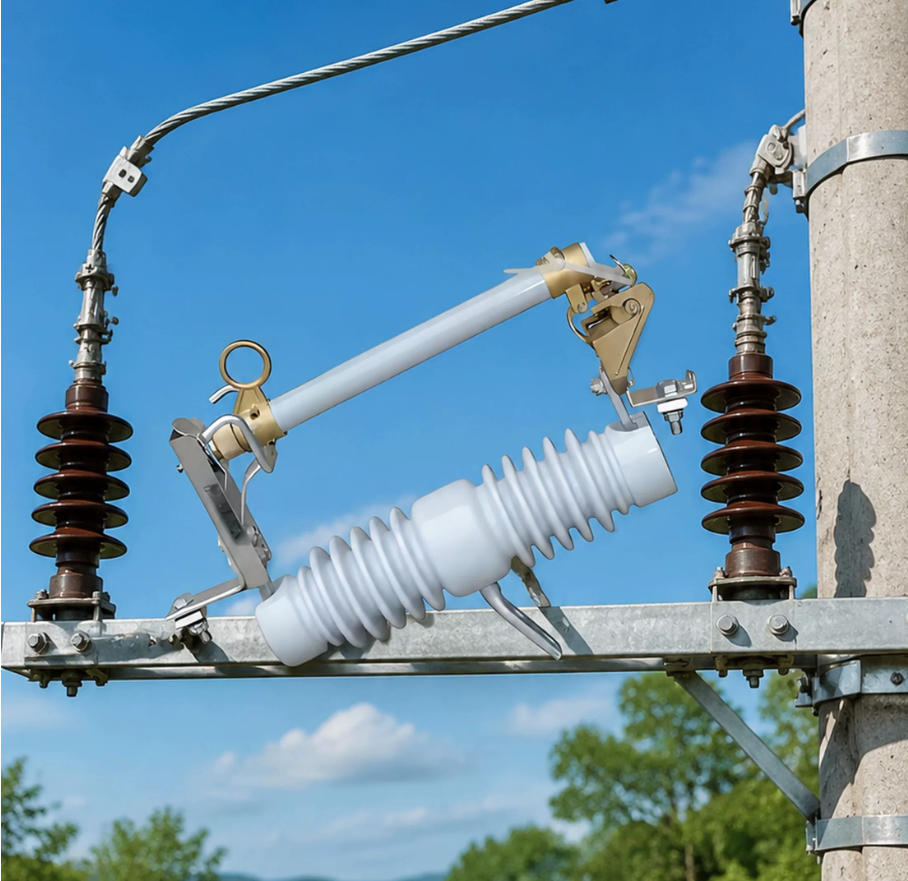
The isolator, also called a disconnector, is not the same as a breaker. Its symbol usually indicates visible isolation for safety and maintenance, but not fault interruption capability.
This is one of the most expensive misunderstandings in bidding. If a reviewer assumes the disconnector can clear faults, the switching procedure, protection philosophy, and operator training are already wrong.
Earthing switch symbol meaning
The earthing switch symbol shows the circuit can be intentionally grounded for safe work. In most MV panels it is mechanically or electrically interlocked with the isolator or breaker position.
A field detail many drawings hide: the earthing switch may appear clearly in the schematic but be less obvious in a simplified mimic. Never approve maintenance procedures from the mimic alone.
Fuse symbol in medium voltage switchgear
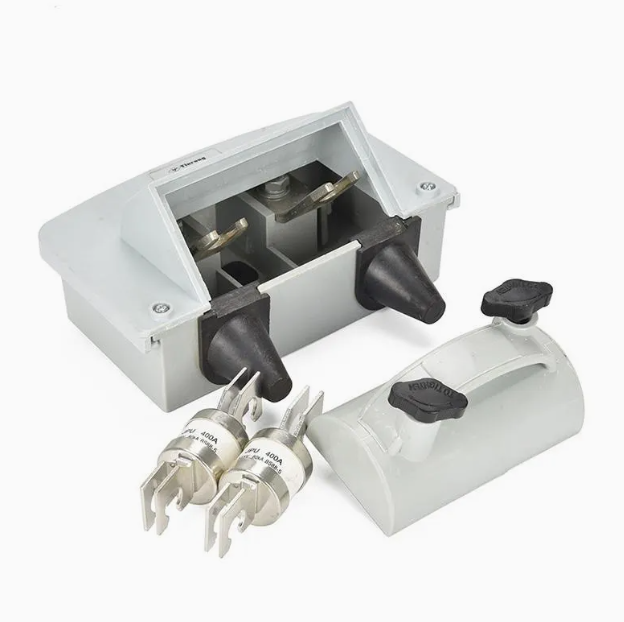
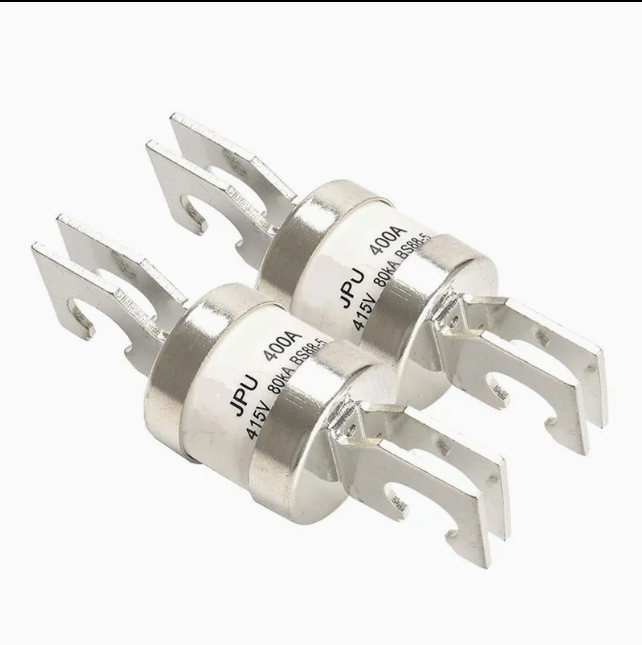
Fuse-based protection is common in ring main units, transformer feeders, and compact MV switchgear. The symbol often appears in load break switch plus fuse combinations.
In buyer reviews, fuse symbols are sometimes overlooked because people expect every MV feeder to use a relay-controlled breaker. That assumption is wrong, especially in compact distribution systems.
Current transformer symbol
The current transformer, or CT, symbol supports protection and metering. It is often misread because the real meaning depends on ratio, accuracy class, burden, polarity, and core designation.
I have personally seen retrofit jobs where protection was wired to the metering core because the drawing scan was poor and the core notes were unreadable. The panel energized, but the relay response was wrong.
Voltage transformer symbol
The voltage transformer, also called VT or PT, indicates voltage sensing for metering, indication, synchronizing, and relay inputs. It is essential in undervoltage, overvoltage, directional, and frequency-based protection.
Busbar symbol and bus section symbol
Busbar symbols define the main power path inside the lineup. Bus section or sectionalizer symbols show how the board is split for redundancy, maintenance, or fault containment.
When reviewing multi-section switchgear, always identify whether the arrangement is single bus, split bus, double bus, or bus coupler based. A wrong reading here affects the whole operating strategy.
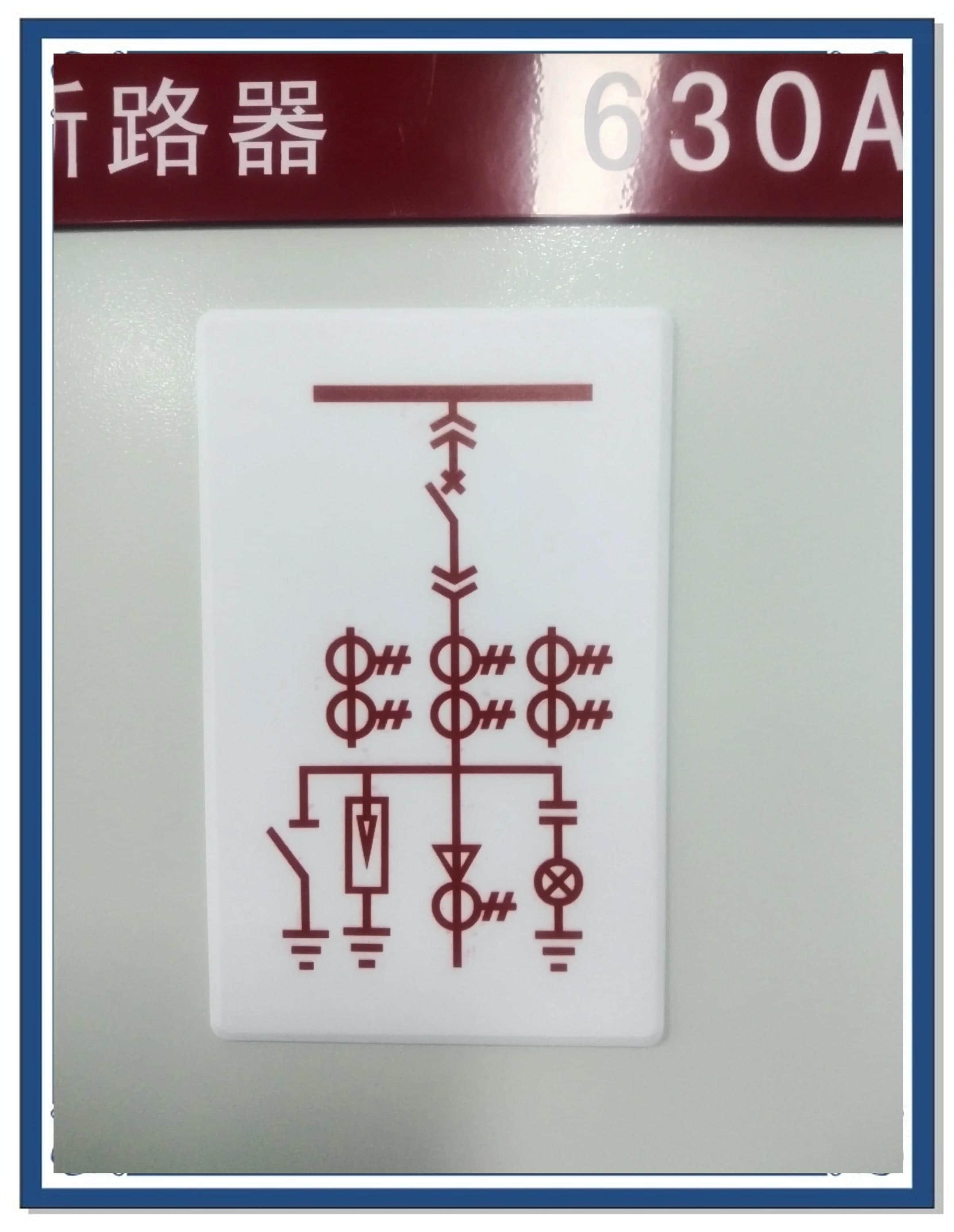
Electrical single-line diagram symbols used in MV switchgear
Electrical single-line diagram symbols are simplified, but they carry the highest decision value. They show the power path without all the control details.
Incomer panel symbols
An incomer usually combines source indication, breaker or switch, CTs, VTs where required, surge arrester, metering, and protection references. If a source can be paralleled, synchronizing and interlocking symbols become critical.
Outgoing feeder panel symbols
Outgoing feeder symbols vary by load type. A motor feeder, transformer feeder, capacitor feeder, and distribution feeder may all look similar at first glance, but their protection symbols tell a different story.
Bus coupler and bus sectionalizer symbols
These symbols indicate load transfer and redundancy. In operation, they determine whether sections can run independently or be tied together during maintenance or source loss.
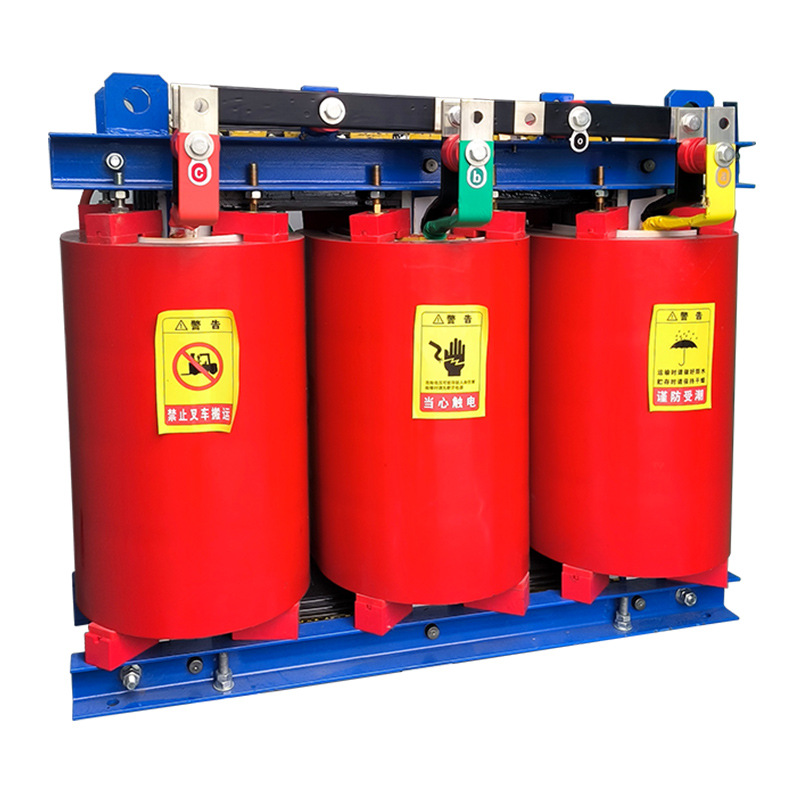
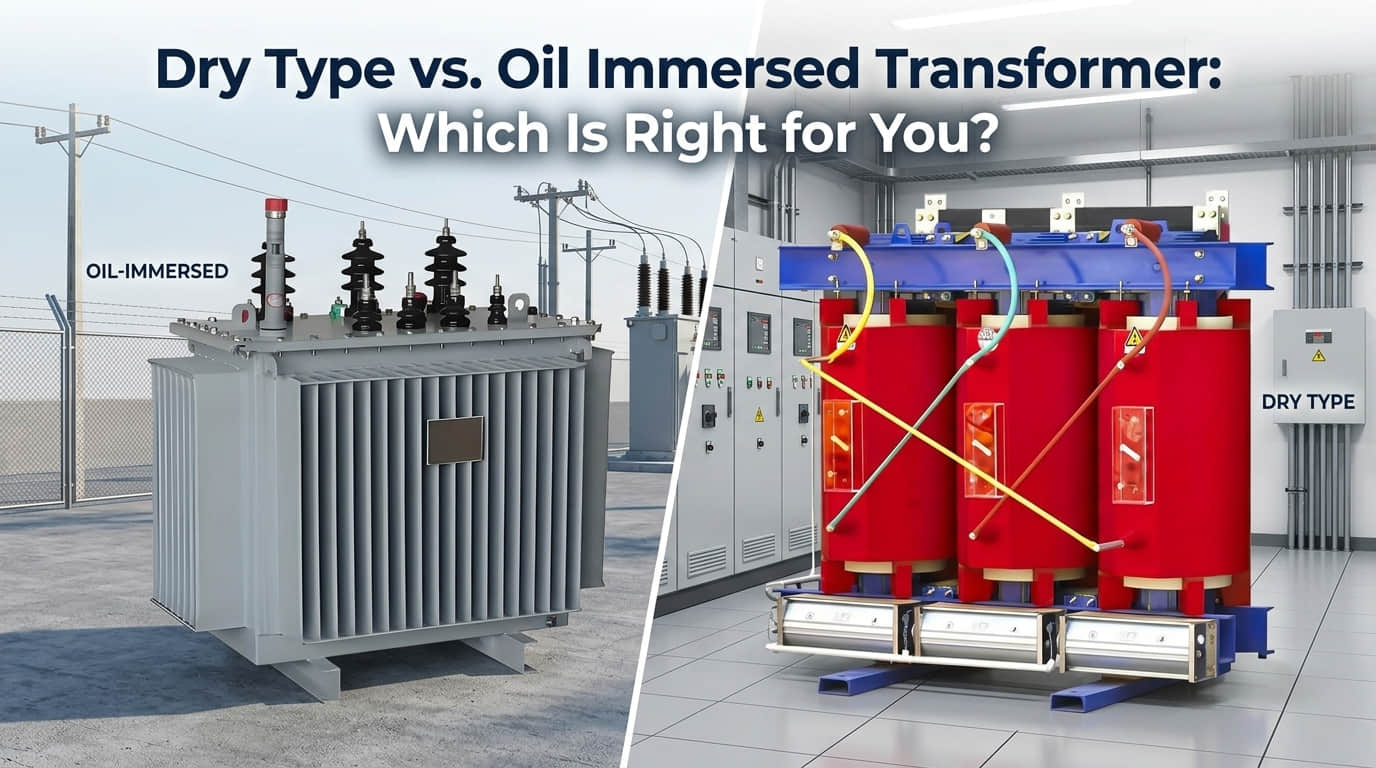
Cable termination and transformer connection symbols
Termination symbols confirm interface points during installation, phasing, and test planning. In real projects, this is where many FAT-approved drawings still fail during SAT because the termination detail was assumed, not verified.
MV panel protection relay symbols and abbreviations explained
MV panel protection relay symbols should always be read together with ANSI function numbers or IEC references. A symbol alone is not enough; the function code defines the task.
Overcurrent and earth fault relay symbols
These are the most common feeder protection functions. They detect overload, phase fault, and earth fault conditions and send trip commands to the breaker.
Many project drawings use OC and EF abbreviations alongside function numbers. Always check whether the earth fault is measured by residual CT, core-balance CT, or calculated residual from three-phase CTs.
Differential protection relay symbols
Differential protection usually appears in transformer or bus protection schemes. The symbol signals zone-based fault comparison and is especially important where selectivity is strict.
Undervoltage, overvoltage, and frequency relay symbols
These functions support source monitoring, auto transfer, load shedding, generator coordination, and abnormal grid event response. They are often easy to miss because they sit in control schematics rather than the main single line.
Trip coil, close coil, and auxiliary contact symbols
These control symbols matter more than many engineers admit. When a breaker fails to close or trip during FAT, the root cause is very often in the DC control logic, not in the breaker itself.
On one retrofit panel I tested, the trip circuit was healthy, the relay issued the output, but a normally closed auxiliary contact symbol had been interpreted backward by the drafting team. The breaker never received the final trip path.
Circuit breaker and isolator symbol meanings: the differences that matter onsite
Circuit breaker and isolator symbol meanings are different in four ways:
Interrupting capability: breaker, yes; isolator, typically no
Protection role: breaker integrates with tripping, isolator usually does not
Safety function: isolator provides visible separation, and earthing usually follows it
Interlocking: breaker, disconnector, and earth switch often form a safety sequence
If an operator opens an isolator believing it behaves like a breaker, the result can be arc risk, equipment damage, or a serious procedural violation. That is why standards and operating manuals insist on symbol clarity.
IEC switchgear symbols and abbreviations used on drawings
IEC switchgear symbols and abbreviations are the baseline in most international MV projects. IEC 60617 supports graphical symbols, while IEC 62271 governs much of the switchgear framework. IEEE standards often appear alongside them in utility, petrochemical, and export projects, especially where protection coordination and testing practices follow mixed specifications.
Common IEC abbreviations in MV switchgear
CB: Circuit Breaker
DS: Disconnector
ES: Earthing Switch
CT: Current Transformer
VT: Voltage Transformer
LA: Lightning Arrester
TR: Transformer
OC: Overcurrent
EF: Earth Fault
My practical reading order is simple: first identify the power device, then the sensing devices, then the protection function, then the control logic. This reduces mistakes on crowded drawings.
How IEC notation differs from plant-specific drawing conventions
Manufacturers and EPCs usually keep the IEC base but add internal tag coding, terminal styles, and relay references. Never assume one vendor’s DS, ES, or cubicle numbering format matches another’s.
This is especially true in retrofits. Older plants may mix English, local-language abbreviations, and legacy symbols from previous contractors.
Table: MV switchgear electrical symbols and meanings at a glance
| Symbol Name | Typical Drawing Appearance | Device Function | Operational Role | Common Misinterpretation |
|---|---|---|---|---|
| Circuit Breaker | The main switching symbol in the feeder path | Interrupts load and fault current | Protection tripping and switching | Confused with the isolator |
| Isolator / Disconnector | Open-point switching symbol | Provides isolation | Maintenance safety | Assumed to interrupt faults |
| Earthing Switch | Grounding branch from the conductor | Grounds circuit intentionally | Safe maintenance access | Assumed always visible on SLD |
| CT | Instrument transformer on the conductor | Senses current | Protection and metering | Core and ratio ignored |
| VT / PT | Voltage-sensing transformer | Senses voltage | Metering and relay input | Confused with CT |
| Busbar | Main horizontal conductor line | Common power path | Distribution backbone | Bus split not recognized |
| Trip Coil | Control coil in DC schematic | Opens breaker | Fault clearing execution | Overlooked in troubleshooting |
| Close Coil | Control coil in the closing circuit | Closes breaker | Normal operation/transfer | Interlock path not traced |
Table: Most misread medium voltage panel symbols based on field feedback
| Symbol Category | What Users Commonly Confuse | Operational Risk | Recommended Check |
|---|---|---|---|
| Breaker vs Isolator | Assuming both can interrupt fault current | Unsafe switching sequence | Verify the interrupting device and interlock notes |
| CT vs VT | Misreading the sensing purpose | Wrong relay wiring or metering setup | Check ratio, polarity, and core labels |
| Earthing Switch | Assuming it is always visible in SLD | Maintenance safety gap | Confirm mechanical interlock and panel layout |
| Bus Coupler | Treating it as a normal feeder | Incorrect load transfer planning | Review bus arrangement and logic |
| Trip/Close Coil | Ignoring control schematic detail | The breaker fails to operate | Trace the DC control circuit and contact logic |
Real-world cases: how symbol mistakes cause delays, trips, and safety incidents
Case 1: Wrong feeder isolation. A maintenance team relied on a simplified panel mimic and missed that the earthing switch was on the cable side only. Work was paused after permit review, but the shutdown window was lost.
Case 2: CT polarity confusion. During a transformer retrofit, the differential protection drawing used one polarity convention while the old terminal schedule used another. The relay performed poorly during testing, and the team lost a full weekend correcting it.
Case 3: Relay setting mismatch. The outgoing feeder symbol indicated earth-fault protection, but the relay logic file had the function disabled. The discrepancy was caught only during secondary injection testing.
Case 4: Bus coupler misoperation risk. In one hospital project, the bus coupler was treated by procurement as a standard feeder cubicle. Only late in review did the team realize the control logic required source transfer permissives not included in the first submittal.
How to read an MV switchgear drawing step by step
Start with the legend and abbreviation sheet
Confirm project-specific symbols first. This single step avoids most drawing arguments between the vendor, consultant, and commissioning team.
Trace the primary power path first
Follow the path from source to bus to feeder to load. Do not jump into relay wiring until the primary arrangement is clear.
Check protection, metering, and control layers separately
Review CT and VT circuits first, then relay functions, then trip and close logic. Treat these as separate layers, even if they appear on linked sheets.
Verify interlocks and earthing logic before field work
This is the final safety gate. Confirm breaker position logic, disconnector status, earthing permissives, key interlocks, and local/remote control philosophy before FAT, SAT, or maintenance switching.
Unique field details AI usually misses, but operators care about
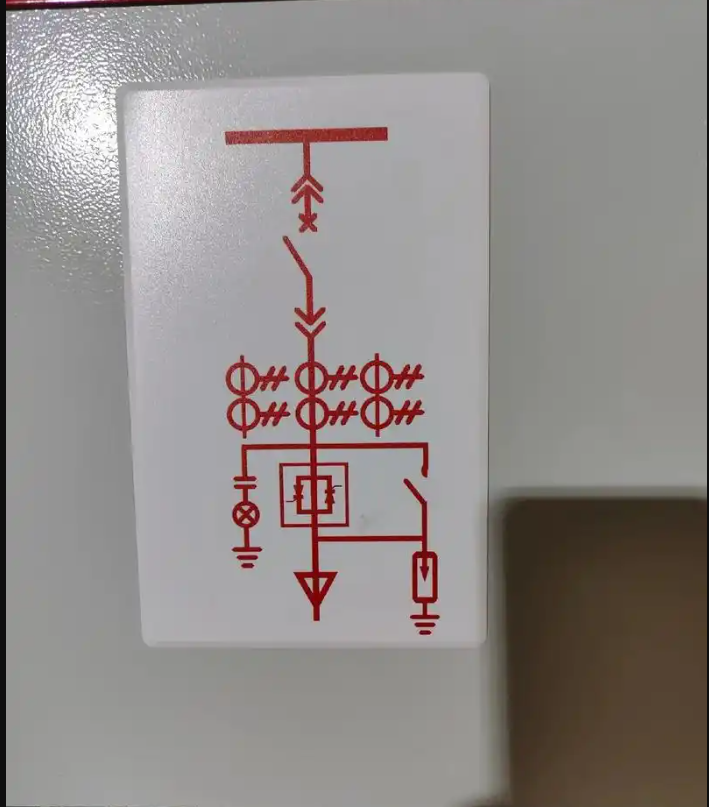
Faded mimic labels on older panels make a correct drawing useless if the door text no longer matches
Inconsistent tag numbers between SLD, relay file, and panel engraving cause avoidable SAT delays
Relay retrofit symbol mismatch happens when a new numerical relay replaces an old electromechanical scheme but the old symbol set remains
Multilingual abbreviations can cause confusion between local drafting terms and standard IEC notation
Scanned drawing quality often hides CT cores, normally open/closed contact status, or terminal numbers
These are not small issues. In my experience, they create more day-to-day pain than the textbook symbol definitions.
Buyer and engineer checklist before approving MV switchgear drawings
1. Confirm the legend matches the actual manufacturer’s symbol set
2. Verify breaker, isolator, and earthing switch functions separately
3. Check CT ratios, cores, polarity, and destination circuits
4. Check VT location, fusing, and relay/meter destinations
5. Review bus arrangement and coupler logic carefully
6. Trace the trip coil, the close coil, and auxiliary contacts in DC schematics
7. Confirm IEC and project-specific abbreviations are consistent
8. Cross-check single line, schematic, terminal plan, and nameplate tags
9. Use this review during procurement, FAT, SAT, and maintenance handover
FAQ
What do medium voltage switchgear electrical symbols mean on a single line diagram?
They show the installed switching, protection, metering, grounding, and control devices in simplified form so engineers and operators can understand the power path and functional logic quickly.
What is the difference between a circuit breaker symbol and an isolator symbol?
The breaker interrupts load and fault current, while the isolator provides visible isolation but typically does not interrupt fault current. This difference is critical for safe switching and maintenance planning.
How do I identify MV panel protection relay symbols quickly?
Look for relay symbols paired with function numbers, abbreviations, or protection notes. The function reference usually tells you whether it is overcurrent, earth fault, differential, voltage, or frequency protection.
Are IEC switchgear symbols the same across all manufacturers?
Core conventions are similar, but manufacturers often add custom identifiers, layouts, and project-specific legends. Always check the legend sheet and vendor drawing notes before making assumptions.
Why are CT and VT symbols often confused in MV schematics?
Both are instrument transformers, but they serve different sensing roles. You must check labels, ratios, polarity, and connection notes to confirm whether the circuit is measuring current or voltage.
Which MV switchgear symbols are most critical for maintenance safety?
Breaker, isolator, earthing switch, CT, busbar, and interlock-related control symbols are the highest priority because they directly affect isolation, grounding, switching sequence, and work permit safety.
Conclusion: turn MV symbol reading into fewer errors and faster approvals
Correct interpretation of medium voltage switchgear schematic symbols, electrical single line diagram symbols, MV panel protection relay symbols, circuit breaker and isolator symbol meanings, and IEC switchgear symbols and abbreviations reduces safety risk, rework, approval delays, and commissioning mistakes.
The companies that handle this well do one thing differently: they treat symbols as operating truth, not just drafting detail. That mindset saves real money and prevents real incidents.
Get your MV switchgear drawings reviewed by specialists
Before procurement, FAT, commissioning, or retrofit, get your MV switchgear drawings reviewed by specialists. Ask for a symbol legend audit, protection schematic check, interlock review, and cross-sheet consistency verification. A few hours of expert review can prevent weeks of delay and one serious switching mistake.