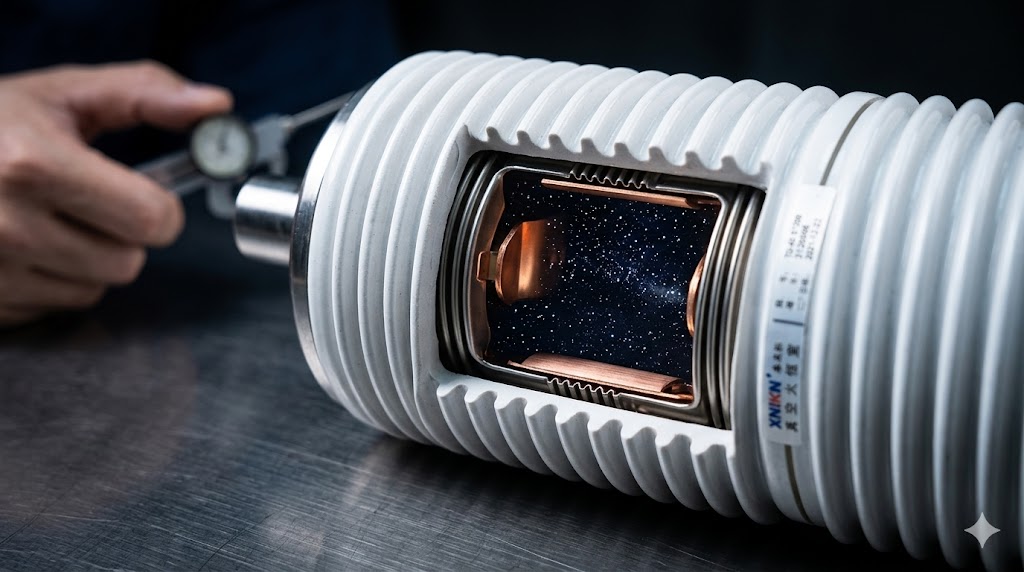
Yes, a vacuum circuit breaker is really “vacuum” inside its interrupter, but not in the science-fiction sense of absolute nothingness. The vacuum circuit breaker interrupter vacuum chamber is a sealed enclosure held at very low internal pressure, typically a high-vacuum range far below atmospheric pressure, and that distinction matters in real projects because performance, test interpretation, aging risk, and procurement quality all depend on how well that vacuum is created and maintained.
I will go straight to the practical point: when engineers, buyers, or maintenance teams ask whether a vacuum breaker is “really vacuum,” they usually are not asking physics. They are asking whether the interrupter is properly sealed, healthy, and trustworthy in service.
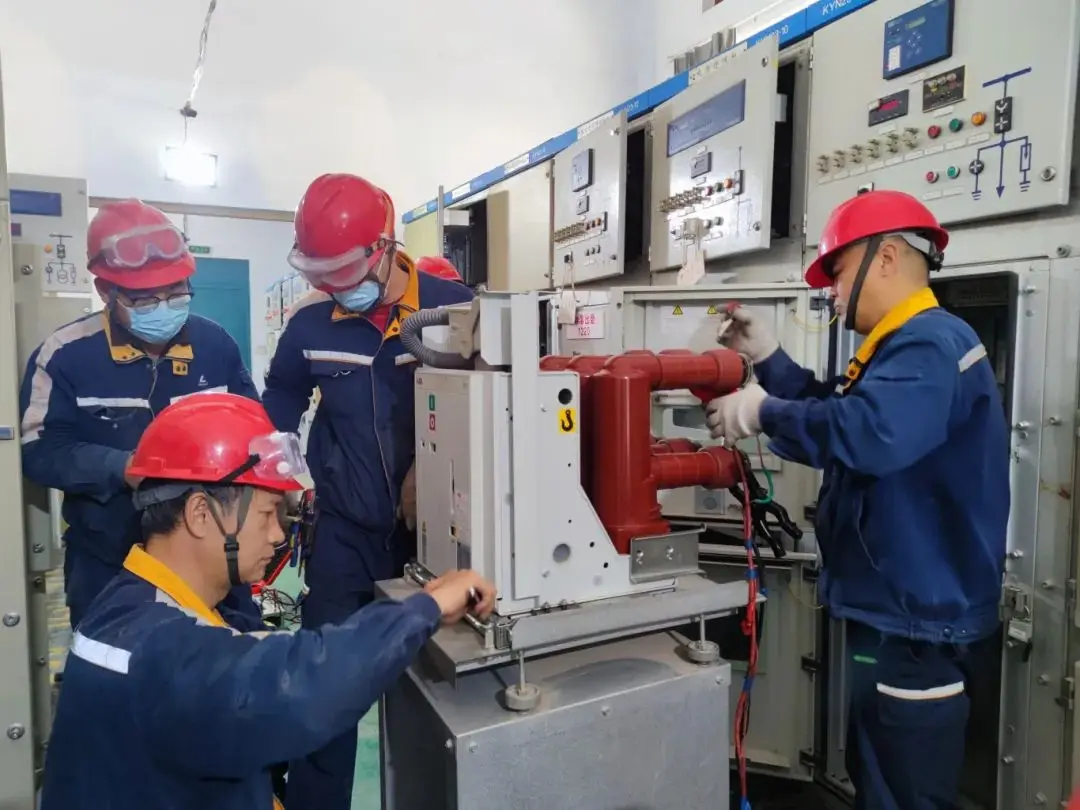
After years around medium-voltage switchgear rooms, factory acceptance tests, retrofit panels, and failure reviews, I can say this confusion causes expensive mistakes. I have personally seen good interrupters replaced unnecessarily, and I have also seen suspect low-cost interrupters installed because someone assumed “sealed” meant “can never degrade.”
That assumption is wrong.
Yes—But Not “Empty Space”: What Is Really Inside a Vacuum Circuit Breaker?
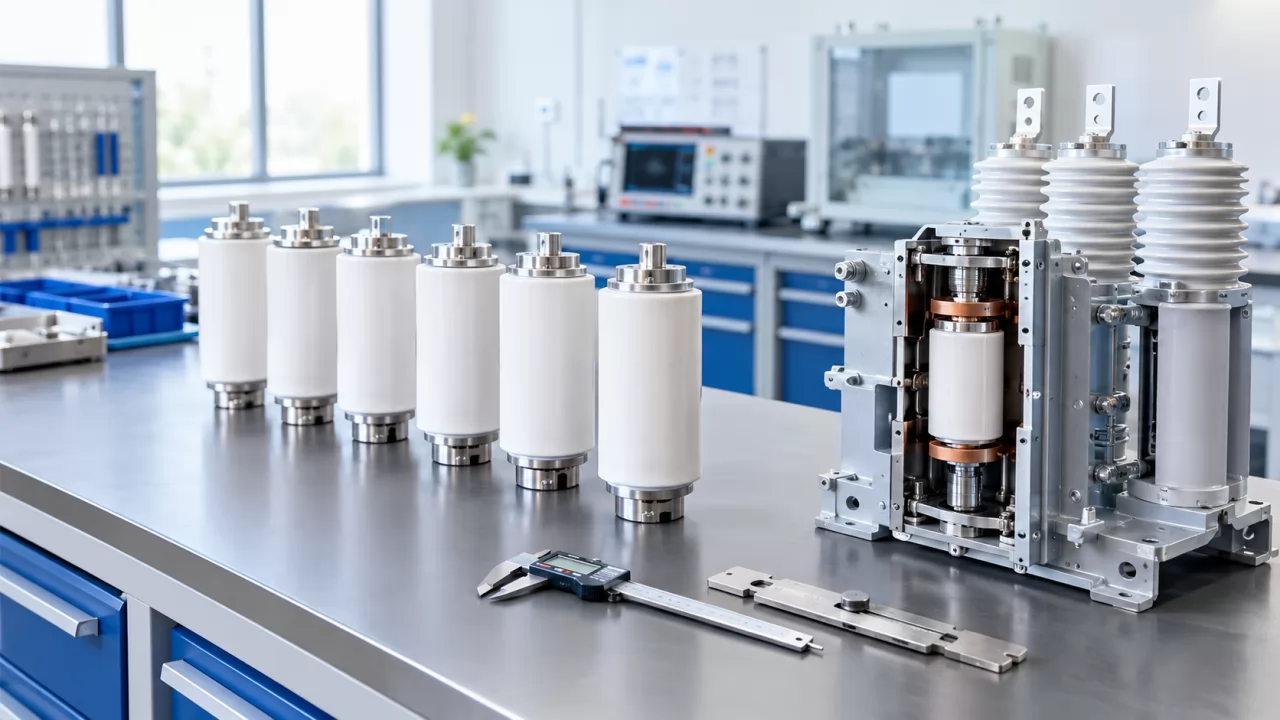
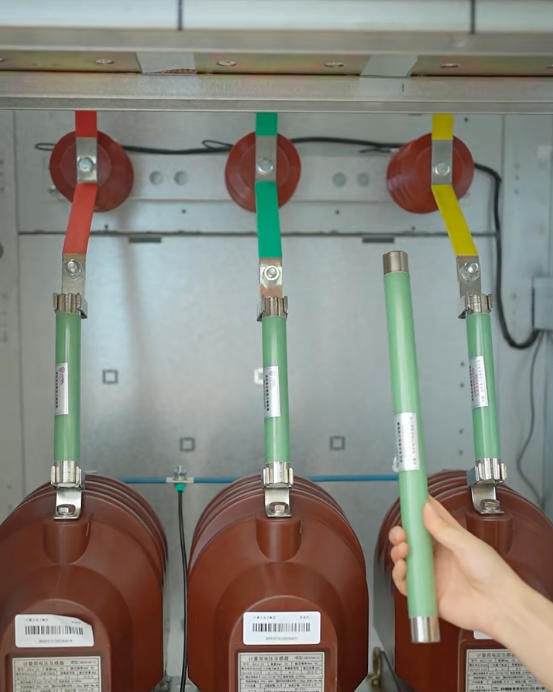
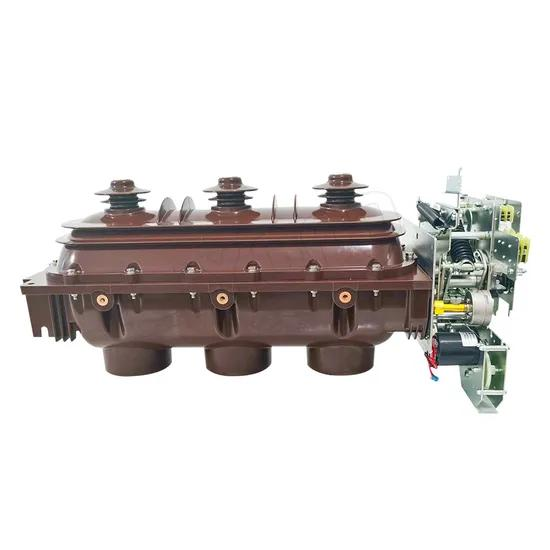
A vacuum circuit breaker uses a vacuum interrupter, a sealed chamber made with metal end fittings, ceramic or glass-ceramic insulation, contacts, shields, and carefully controlled internal geometry. Inside that chamber, the pressure is reduced to a high vacuum, not to perfect zero matter.
This is not just academic wording. The difference between high vacuum and “completely empty” affects how the device interrupts current, how it is tested, and how long it can retain its dielectric performance.
During switching, the chamber does not remain a calm, empty void. When the contacts separate under load or fault current, metal vapor and ionized particles appear briefly as part of the interruption process. That is why the phrase are vacuum interrupters really vacuum sealed needs a technical answer, not a marketing one.
The chamber is sealed under high vacuum in normal conditions. During operation, transient arc products appear and then disappear as the current passes through zero and the dielectric strength recovers very quickly.
Why This Question Matters in Real Projects
In real projects, this question matters because bad assumptions lead to bad decisions.
I have seen maintenance teams skip proper diagnosis because they believed a sealed interrupter could not degrade. I have also seen buyers accept vague brochures that say “vacuum technology” without verifying interrupter source, type-test evidence, or pressure integrity methods.
Three common project failures start with this misunderstanding:
Wrong maintenance action: mechanism problems get misdiagnosed as interrupter failure.
Procurement risk: low-quality or counterfeit interrupters are accepted based on appearance alone.
Testing confusion: teams use one field test and assume it fully proves vacuum health, which it usually does not.
On Reddit and Quora, I found recurring questions that reflect the same confusion: “If it’s vacuum, why do I still see arc behavior?” “Can vacuum be lost after years?” “Why did an old breaker fail dielectric test if the bottle looked fine?”
Those are not beginner questions. They are exactly the questions that come up when assets age, outages become costly, and replacement budgets get tight.
What a Vacuum Circuit Breaker Interrupter Vacuum Chamber Actually Contains
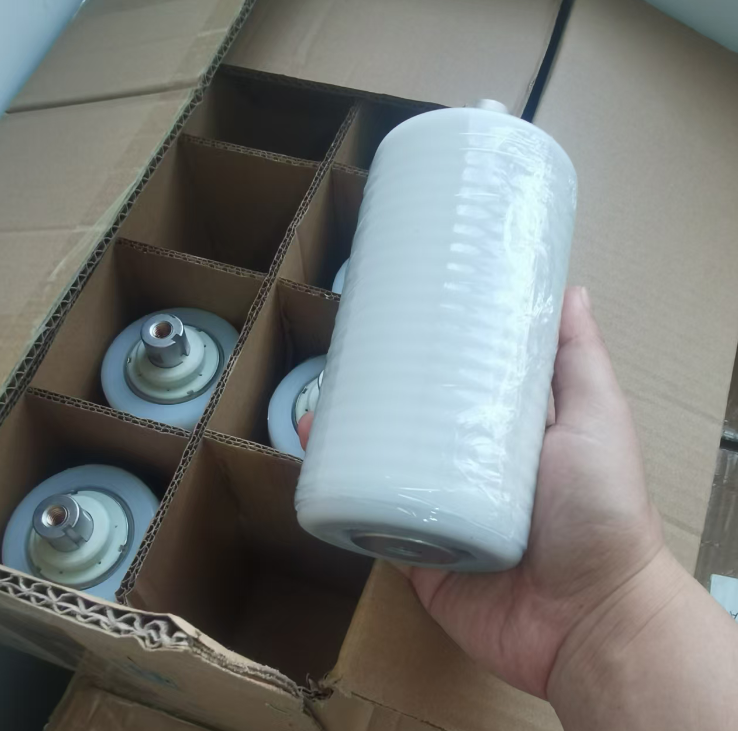
The vacuum circuit breaker interrupter vacuum chamber contains more than just “nothing.” It contains a carefully engineered switching environment.
In a normal sealed condition, the chamber contains:
Very low residual gas pressure
Fixed and moving contacts
Metal vapor shields
Bellows to allow motion while maintaining a seal
Ceramic insulating envelope
Brazed joints and sealing interfaces
Getter material used to absorb residual gases over time
Under switching duty, the internal state changes briefly. As the contact part, a metal vapor arc forms from contact material erosion. That temporary vapor is central to how vacuum circuit breakers work.
This is one of the biggest misconceptions I keep seeing online. People imagine that because the interrupter is vacuum sealed, no arc can exist. In reality, the arc in a vacuum interrupter is not sustained the same way as in air, oil, or SF6. It is short-lived, contact-material driven, and extinguishes effectively at current zero.
Typical contact materials are selected specifically to manage this behavior. Copper-chromium alloys are common because they support controlled arc movement, limit wear, and promote reliable interruption performance.
How Vacuum Circuit Breakers Work in One Practical Sequence
Here is the simplest field-useful sequence for how vacuum circuit breakers work.
1. Breaker receives trip command. The operating mechanism drives contact separation.
2. Contacts begin to part inside the vacuum interrupter. Current is still flowing.
3. An arc forms. This arc is generated from contact material vapor, not from a stable gas column like in an air-insulated interruption.
4. Arc persists briefly. Magnetic field design and contact structure control the arc.
5. Current reaches natural zero crossing. In AC systems, this happens every half cycle.
6. Metal vapor rapidly condenses. The ionized path collapses.
7. Dielectric strength recovers very fast. This prevents reignition if the interrupter is healthy.
8. Circuit remains open. Insulation and contact gap now withstand recovery voltage.
That rapid dielectric recovery is the operational advantage that makes vacuum interrupters so effective in medium-voltage duty.
In field terms, a good interrupter does not “smother” the arc the way oil may cool and deionize, nor does it rely on a gas handling system like SF6. It uses a very low-pressure environment and contact-material physics to interrupt current cleanly.
How Vacuum Circuit Breaker Arc Extinction Really Happens
Vacuum circuit breaker arc extinction is often misunderstood, even by technically trained buyers.
Yes, an arc still forms in a vacuum interrupter. That statement surprises many people, but it is true. The arc forms because when contacts separate while carrying current, microscopic contact spots vaporize metal, producing a conductive plasma path.
The reason interruption succeeds is that the arc is not supported by a dense gaseous medium. At current zero, the metal vapor quickly diffuses and condenses on surrounding surfaces, and the dielectric strength between the contacts recovers extremely fast.
That is the key practical difference. In oil, air, or SF6, the interruption medium behaves differently, and the post-arc dielectric recovery profile is different too.
In my own switchgear inspections, the most common misunderstanding from non-specialist plant personnel is this: they think seeing evidence of contact erosion means “the vacuum was gone.” Not necessarily. Some contact erosion is normal over switching life. The real question is whether wear remains within design limits and whether dielectric integrity is still proven.
Are Vacuum Interrupters Really Vacuum Sealed Over Time?
Are vacuum interrupters really vacuum-sealed over time? Generally, yes, if they are properly manufactured and not mechanically damaged. But “sealed for life” should never be interpreted as “immune to failure.”
A well-made interrupter uses:
Brazed hermetic joints
High-integrity ceramic envelope construction
Metal bellows are designed for repeated motion
Getter materials to absorb residual gases
Controlled factory vacuum processing
In reputable products, vacuum retention is excellent over long service periods. This is one reason vacuum technology became dominant in medium-voltage applications.
But in the field, I have seen several real causes of vacuum quality loss or suspected loss:
Hairline ceramic cracks after rough transport
Poor brazing quality in low-cost, non-transparent supply chains
Mechanical stress from misalignment during retrofit installation
Bellows fatigue in severe duty applications
Storage damage in humid, dusty, vibration-prone warehouses
One rarely discussed issue from field crews is transport abuse. On community threads, several users described receiving breakers with no obvious external damage, yet later finding interrupter problems after installation. That aligns with something I have seen personally: micro-damage does not always show up in unpacking inspection.
This is why serious procurement should include packaging control, receiving inspection, and traceable manufacturer documentation.
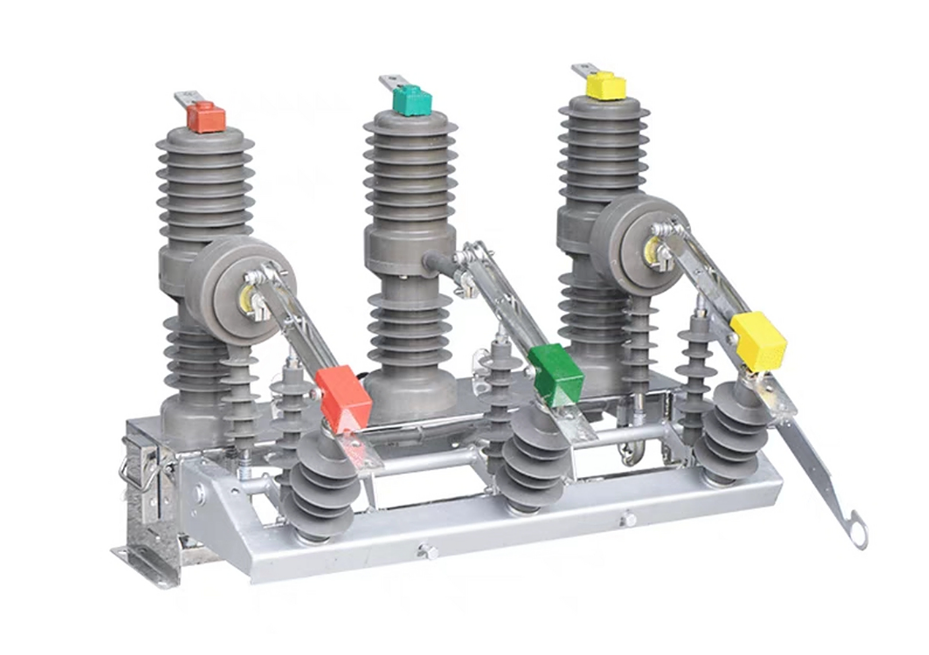
Vacuum Circuit Breaker Internal Pressure: What “Vacuum” Means in Numbers
To answer the question technically, the vacuum circuit breaker's internal pressure is typically in the high-vacuum range, dramatically lower than atmospheric pressure.
Exact values vary by design, manufacturer, voltage class, and proprietary production process. But what matters is the order of magnitude: the interrupter is not slightly below ambient pressure. It is many orders of magnitude lower.
That is why the technically correct term is high vacuum, not “perfect void.”
Table: Typical Pressure Context for Vacuum Interrupters
| Environment | Approximate Pressure Range | Operational Meaning | Maintenance Relevance |
|---|---|---|---|
| Atmospheric air | ~101,325 Pa | Normal ambient condition outside equipment | Baseline for understanding how extreme the interrupter vacuum really is |
| Low-pressure industrial enclosure | Thousands to tens of thousands of Pa below the atmosphere | Not a true interruption-grade vacuum | Irrelevant for interrupter performance claims |
| Typical high-vacuum interrupter condition | Commonly cited in the rough range of to Pa, depending on design and condition. | Enables strong dielectric recovery and controlled metal vapor interruption | Healthy sealing is essential; exact values are usually factory-controlled, not field-measured directly |
| Degraded interrupter vacuum | Higher than intended, exact failure threshold varies | Risk of reduced dielectric withstand and interruption reliability | Usually inferred through test failure, diagnostics, or manufacturer assessment, rather than direct field pressure reading |
The exact threshold at which a unit becomes unacceptable is not something responsible engineers should generalize casually. It depends on the interrupter design, rating, and manufacturer criteria.
That is why serious maintenance programs refer to OEM instructions and recognized standards rather than internet folklore.
Vacuum Circuit Breaker vs Air, Oil, and SF6: What Changes in the Field
From a decision-maker’s perspective, the question is not just whether the chamber is a vacuum inside. It is whether vacuum technology is the right fit versus air, oil, or SF6 in your duty profile.
In medium-voltage applications, vacuum is often the practical winner because it combines compact interruption performance with low routine maintenance and no SF6 gas handling burden.
But “often” does not mean “always.”
Table: Medium-Voltage Breaker Technology Comparison
| Interruption Medium | Arc Behavior | Maintenance Frequency | Environmental Concerns | Lifecycle Cost | Best-Fit Application |
|---|---|---|---|---|---|
| Vacuum | Short-lived metal vapor arc; rapid dielectric recovery at current zero | Generally low on the interrupter side; the mechanism still requires periodic maintenance | No SF6 greenhouse gas handling; low fire burden compared with oil | Often favorable over life in MV duty | Industrial plants, utility distribution, mining, data centers, and frequent switching |
| Air | Arc controlled in air path; generally larger clearances needed | Moderate to higher, depending on design | Low gas-specific environmental burden | Can be higher depending on size and maintenance needs | Legacy systems, some retrofit situations |
| Oil | Arc quenched in oil with decomposition products | Higher due to oil handling and condition concerns | Fire risk, contamination, and disposal issues | Often less attractive in modern MV fleets | Older installations, legacy infrastructure |
| SF6 | Excellent dielectric and arc-quenching performance in gas | Gas monitoring and leak management required | High global warming impact if gas leaks | Can be good technically, but environmental compliance adds a burden | Applications where a gas-insulated design or a specific performance profile is required |
In field reality, the biggest advantage of vacuum in medium voltage is not just interruption performance. It is that ownership becomes simpler when the product is from a credible manufacturer and the mechanism is maintained properly.
Reddit, Quora, and Field Discussions: What Real Users Keep Getting Wrong
I reviewed recurring public discussions from engineer forums, Reddit threads, and Quora Q&A patterns around vacuum breakers. The wording differs, but the same misunderstandings keep repeating.
The most common ones are:
“If it is a vacuum, why is there still an arc?”
“Can vacuum be lost if the bottle is sealed?”
“If the breaker failed a withstand test, does that prove vacuum loss?”
“Do vacuum breakers need no maintenance?”
“Can I test the vacuum level directly with a handheld field instrument?”
A useful real-user pattern emerged from those discussions: many technicians confuse the interrupter condition with the breaker mechanism condition. On-site, a breaker that closes slowly, bounces, or shows timing issues often gets blamed on the vacuum bottle, when the true cause may be springs, linkage wear, lubrication failure, or truck alignment.
That matches my own field experience. In one retrofit project, plant staff were ready to condemn multiple interrupters because the breaker repeatedly showed abnormal operation. The root cause was not loss of vacuum. It was a combination of mechanism drag and poor racking alignment that altered contact motion.
That kind of issue almost never appears in simplified marketing articles, but it is exactly what costs money in plants.
Real-World Pain Points from Engineers, Technicians, and Buyers
The pain points are not theoretical. They show up in outages, rejected shipments, emergency replacements, and finger-pointing between vendors and maintenance teams.
Here are the most common pain points I have seen discussed by users and experienced firsthand in MV environments:
Invisible vacuum degradation: There is no simple visual indicator of healthy internal pressure.
Counterfeit or misrepresented interrupters, especially in price-driven procurement channels.
No practical direct on-site vacuum verification: most field checks confirm performance indirectly.
Transport and storage damage: ceramic micro-cracks may not be obvious at receiving.
Mechanism failure mistaken for interrupter failure: very common in aging switchgear.
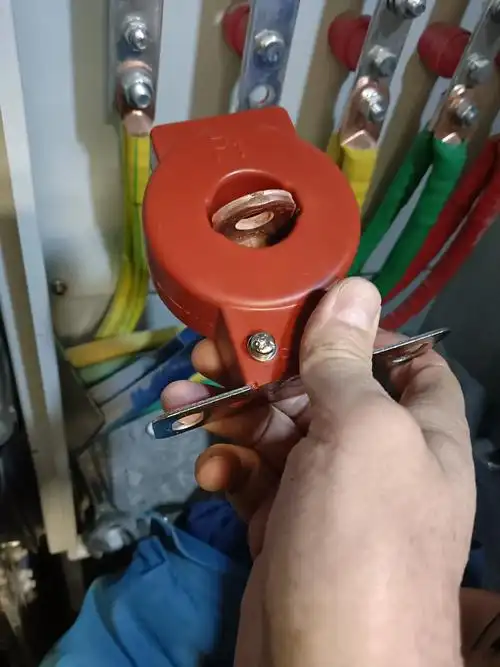
Overheating from loose primary connections is blamed on the breaker bottle: a recurring field mistake.
Confusion over test results: one failed test is often overinterpreted without root-cause analysis.
One plant reliability manager told me during a shutdown review that the most expensive breaker failures were not actual interrupter failures. They were diagnostic failures. That is an excellent way to say it.
When teams misread symptoms, they replace the wrong part, keep the real defect in service, and lose another outage window later.
User-Origin Insights AI Usually Misses
This is where field reality gets more specific than generic web summaries.
Hairline ceramic cracks after rough transport are real. If you have ever watched pallets of switchgear accessories get moved carelessly at a crowded site receiving yard, you know why this matters. The crate may look acceptable, while the interrupter has experienced shock events that the paperwork never records.
Contact wear is often misread as vacuum loss. Some erosion patterns are normal depending on the duty. Without comparing against manufacturer wear limits and operation history, visual judgment alone is weak evidence.
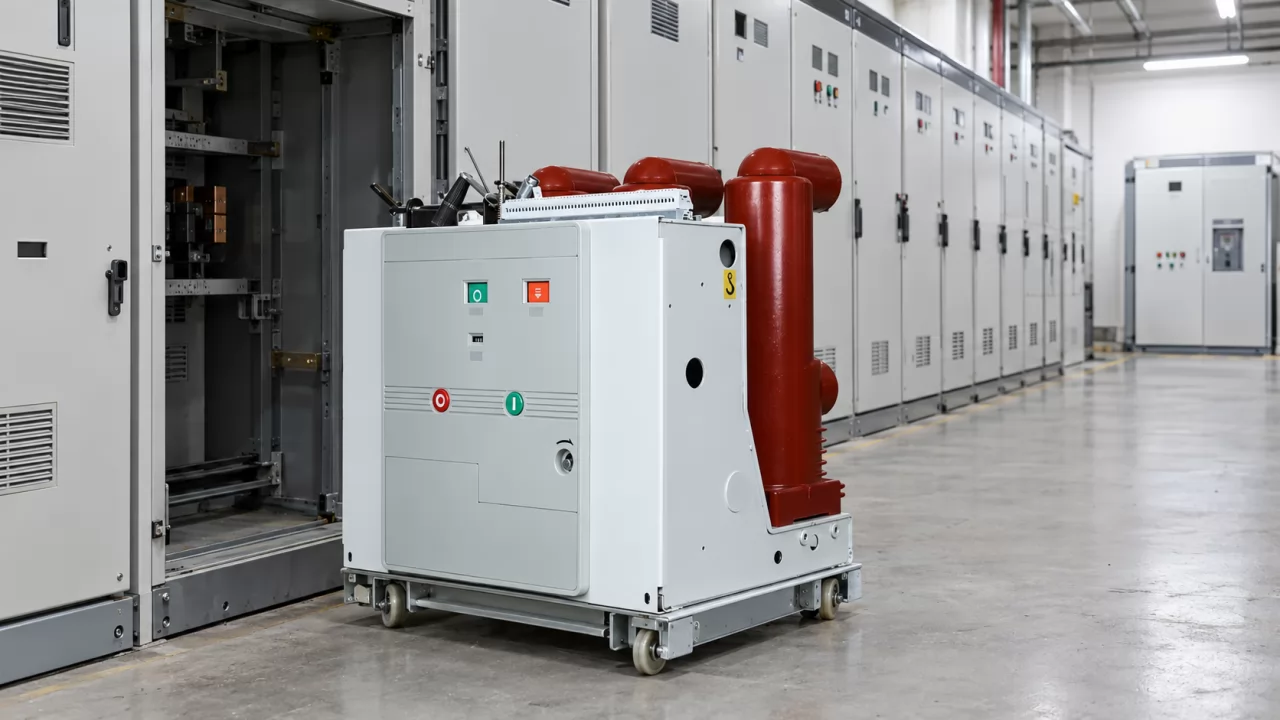
Breaker truck misalignment can mimic interrupter trouble. In a drawout gear, poor engagement, worn guides, or twisted shutters can affect operation and contact conditions. I have seen crews focus on the vacuum bottle while ignoring obvious mechanical resistance during racking.
Loose terminations create heat that gets blamed on the interrupter. Infrared scans sometimes reveal hot spots at cable or bus connections, yet the breaker itself takes the blame because it is the most expensive visible component.
Aftermarket retrofits create hidden stress. If an interrupter or pole assembly is adapted into an older cubicle without precise geometry control, motion and force can deviate from design assumptions. That can shorten life even if the interrupter itself was originally sound.
These details matter because they explain why some sites report “bad vacuum breakers” when the actual issue is a bigger system-integration problem.
How to Tell If a Vacuum Interrupter Has Lost Vacuum
You usually do not confirm loss of vacuum by looking at it and making a quick judgment.
Practical indicators that a vacuum interrupter may have lost vacuum or become unserviceable include:
Failed dielectric withstand testing under proper procedure
Abnormal switching behavior or inability to meet performance expectations
Visible physical damage to the ceramic envelope or seals
Unusual contact erosion or arc damage patterns beyond expected wear
Manufacturer diagnostic results indicate compromised interrupter integrity
Factory methods, such as x-ray, leak verification, or specialized checks, are not commonly available in routine field maintenance
Some manufacturers use advanced production and diagnostic methods, including X-ray-based examination, vacuum integrity screening, or other proprietary techniques. In practice, those methods are more common in factory quality control and failure analysis than in routine plant maintenance.
The most important field lesson is this: a failed breaker is not automatically a failed vacuum interrupter.
What Tests Actually Prove Interrupter Health
This is where many maintenance plans go wrong. Different tests prove different things.
Some tests are useful for acceptance. Others are useful for trend monitoring. Very few field tests directly measure the true vacuum level inside the sealed interrupter.
Standards-based testing should align with manufacturer guidance and recognized frameworks such as IEC 62271 series requirements for high-voltage switchgear and controlgear, and relevant IEEE guidance and breaker testing practices used in North American markets. The exact applicable document depends on voltage class, region, breaker design, and test purpose.
In practical terms, acceptance testing and maintenance testing are not the same thing.
Table: Common Vacuum Circuit Breaker Tests and What They Really Confirm
| Test Name | What It Checks | What It Cannot Confirm | Field Usefulness | Risk of Misinterpretation |
|---|---|---|---|---|
| Contact resistance test | Conduction quality across closed contacts and joints | Does not directly prove the internal vacuum condition | High for maintenance trending | High if users assume low resistance means the interrupter is fully healthy in all respects |
| Insulation resistance test | General insulation condition to ground or across open contacts, depending on the method | Limited direct proof of interrupter vacuum quality | Moderate as a screening tool | High if treated as final proof of bottle integrity |
| Power-frequency withstand / hipot test | Ability to withstand specified voltage stress | A pass does not reveal all aging mechanisms; a fail does not automatically isolate the root cause | Useful when properly specified and interpreted | Very high if the test level or procedure is wrong for aged equipment |
| Timing test | Opening and closing speed, synchronism, and mechanical performance | Does not directly measure the vacuum level | Very high for distinguishing mechanism issues from interrupter issues | Moderate if ignored in favor of only dielectric tests |
| Travel analysis | Contact motion profile, overtravel, wipe, and mechanical alignment | Not direct proof of internal pressure | Very high in troubleshooting | Low if performed by experienced personnel |
| Partial discharge or specialized diagnostic testing | May reveal insulation-related abnormalities depending on the setup | Usually not a direct vacuum gauge | Situational and expert-dependent | Moderate to high without experienced interpretation |
| Factory x-ray / leak integrity methods | Manufacturing quality or failure analysis insight | Usually not practical as routine on-site maintenance | High at the OEM level | Low when used correctly by the manufacturer; limited field access |
My advice from practice is simple: never rely on one test in isolation if the breaker history is unclear. Combine mechanical analysis, dielectric checks, visual inspection, duty history, and OEM criteria.
That is how you avoid false conclusions.
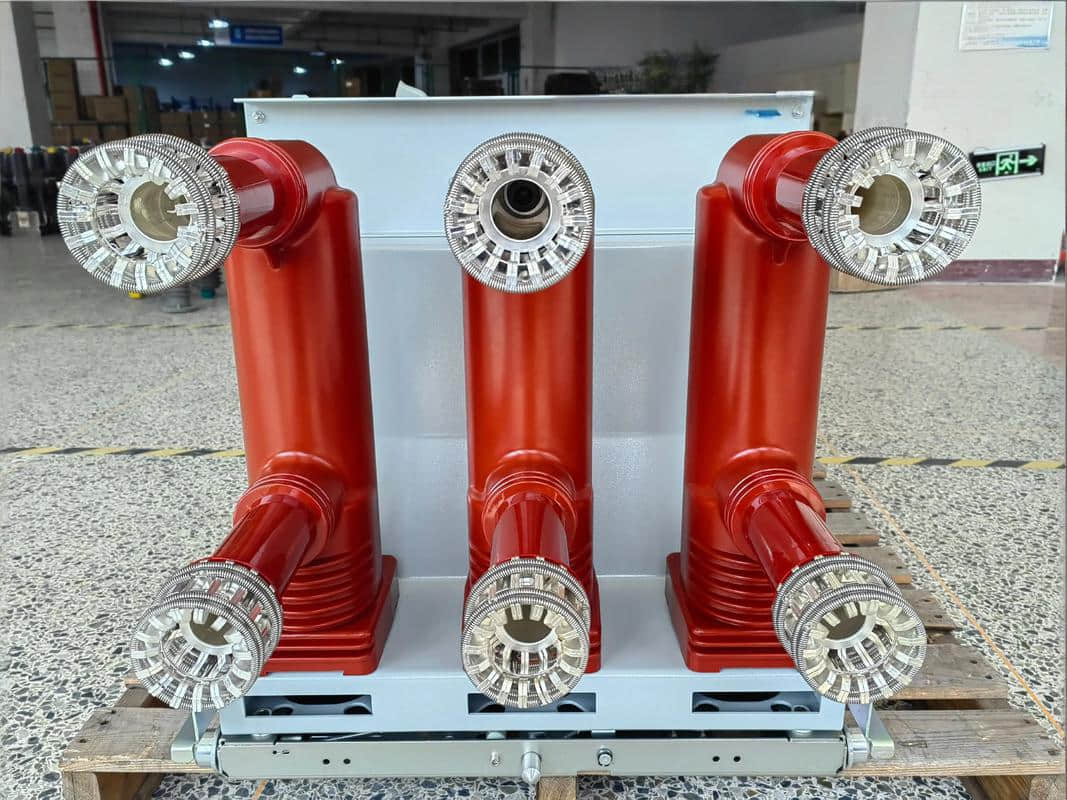
Procurement Checklist: How to Avoid Low-Quality or Misrepresented Vacuum Breakers
If you are buying new gear, retrofit assemblies, or replacement interrupters, procurement discipline matters as much as technical specification.
Use this buyer-oriented checklist:
Request OEM documentation with exact interrupter model traceability.
Verify type-test evidence aligned with relevant IEC and IEEE expectations for the rated class.
Confirm rated duty including short-circuit breaking capacity, mechanical endurance, and switching duty category.
Check interrupter source transparency. Do not accept vague “equivalent technology” wording without evidence.
Review manufacturing quality controls for sealing, brazing, and factory testing.
Ask about getter design, sealing method, and service history if buying from less-known suppliers.
Demand after-sales technical support and clear warranty language.
Inspect packaging and shipping controls for shock and moisture protection.
Match retrofit geometry carefully to avoid motion-force mismatch.
Require serial-number traceability for interrupters and pole assemblies.
If a supplier cannot clearly explain where the interrupter comes from, what standards it is tested to, and how long-term sealing integrity is assured, that is not a pricing opportunity. It is a risk signal.
I strongly recommend including reference to recognized international frameworks such as IEC 62271 family requirements and applicable IEEE C37 series expectations when evaluating documentation and test evidence. The precise standard set depends on the breaker type and market, but reputable suppliers should discuss this comfortably and transparently.
Best Applications for Vacuum Circuit Breakers
Vacuum circuit breakers are strongest in medium-voltage switching and protection duty where high reliability, compact design, and lower maintenance burden are valued.
Best-fit applications include:
Medium-voltage distribution systems
Industrial plants with frequent operational switching
Mining operations where ruggedness and service practicality matter
Data centers needing dependable MV distribution and low maintenance interruptions
Commercial campuses and hospitals with uptime sensitivity
Motor and capacitor switching applications when the breaker is correctly rated for duty
In these environments, vacuum technology often gives the best balance of interruption performance, ownership simplicity, and environmental practicality.
When Vacuum Circuit Breakers Are Not the Best Choice
Vacuum breakers are excellent, but not universal.
They may not be the best choice in cases involving:
Very high voltage classes where other interruption and insulation strategies may dominate
Special switching duties that require very specific design validation
Harsh retrofit constraints where old gear geometry makes reliable integration difficult
Applications needing different insulation architecture such as compact gas-insulated solutions
Procurement environments with poor quality control where source verification is weak
The mistake I see too often is thinking “vacuum” itself guarantees success. It does not. Application fit, OEM quality, and mechanism health decide real-world success.
Featured Snippet Answer: Are Vacuum Circuit Breakers Actually Vacuum Inside?
Yes. A vacuum circuit breaker uses a sealed interrupter chamber maintained at very low pressure, known as high vacuum. It is not perfectly empty space, but it is vacuum enough to enable fast dielectric recovery and reliable arc interruption in medium-voltage service when the interrupter remains properly sealed.
FAQ
Are vacuum circuit breakers actually vacuum inside?
Yes. The interrupter is sealed under high vacuum, meaning extremely low internal pressure, not absolute emptiness. That high-vacuum condition is what allows reliable insulation recovery and effective current interruption.
If there is a vacuum inside, why does an arc still form?
When the contacts separate under load, contact material vaporizes and creates a short-lived metal vapor arc. The arc is brief and extinguishes at current zero because the vacuum environment cannot sustain a stable ionized path the way denser media can.
Are vacuum interrupters really vacuum sealed for life?
They are designed as sealed-for-life components and often remain reliable for many years, but that does not mean failure is impossible. Poor manufacturing, mechanical damage, aging seals, bellows fatigue, or ceramic cracking can reduce vacuum quality.
What is the internal pressure of a vacuum circuit breaker interrupter?
It is typically in the high-vacuum range, many orders of magnitude below atmospheric pressure. Exact values vary by manufacturer and design, so the practical focus should be on OEM specifications and proven interrupter integrity rather than one generic number.
How do vacuum circuit breakers work compared with SF6 breakers?
Vacuum breakers interrupt current using a metal vapor arc inside a high-vacuum chamber, with rapid dielectric recovery at current zero. SF6 breakers rely on gas properties for insulation and arc quenching, which can be highly effective but introduces gas handling, leak management, and environmental concerns.
Can you test vacuum level directly in the field?
Usually not in a simple direct way during routine maintenance. Most field methods verify interrupter health indirectly through dielectric, mechanical, and operational tests, while direct vacuum integrity assessment is more commonly controlled at the factory or by specialized service methods.
What are the signs of a failed vacuum interrupter?
Possible signs include failed withstand testing, abnormal switching performance, visible ceramic or seal damage, unusual erosion patterns, or manufacturer diagnostic findings. However, mechanism problems can create similar symptoms, so root-cause analysis is essential.
Do vacuum circuit breakers need maintenance if the interrupter is sealed?
Yes. The interrupter may be sealed, but the breaker mechanism, linkage, lubrication, alignment, auxiliary devices, and primary connections still require inspection and maintenance. Sealed interrupter design does not mean maintenance-free switchgear.
Is a vacuum circuit breaker safer than oil or SF6 breakers?
In many medium-voltage applications, yes, especially regarding lower fire risk than oil and no SF6 greenhouse gas handling burden. But safety always depends on design quality, installation, operating procedures, and application suitability.
How long does a vacuum circuit breaker last in industrial service?
Service life depends on operation count, fault duty, switching severity, environment, and maintenance quality. Many units provide long life in industrial service, but the practical limit is set by both interrupter endurance and the condition of the operating mechanism and insulation system.
Final Takeaway for Decision-Makers
Here is the decision-maker version of the truth: yes, the chamber is genuinely high-vacuum sealed, and that is exactly why vacuum interrupters work so well in medium-voltage systems.
But ownership success depends less on the word “vacuum” and more on interrupter quality, sealing integrity, mechanism condition, installation accuracy, standards-backed testing, and procurement discipline.
If you remember only one thing, remember this: a vacuum breaker is not magic. It is a highly engineered device that performs brilliantly when the interrupter is genuine, the mechanism is healthy, and the testing program is technically honest.
That is the difference between reliable switching and expensive confusion.
Need Help Choosing or Verifying a Vacuum Circuit Breaker?
If you are selecting, retrofitting, or troubleshooting a vacuum circuit breaker, do not buy on brochure language alone.
Compare interrupter traceability, review IEC and IEEE test evidence, check rated duty against your actual switching profile, and verify whether your maintenance plan distinguishes mechanism issues from interrupter issues.
Before your next purchase or outage, request a detailed breaker selection checklist, test-report review, and application-fit assessment. That single step can save you from counterfeit risk, wrong replacements, and avoidable downtime.