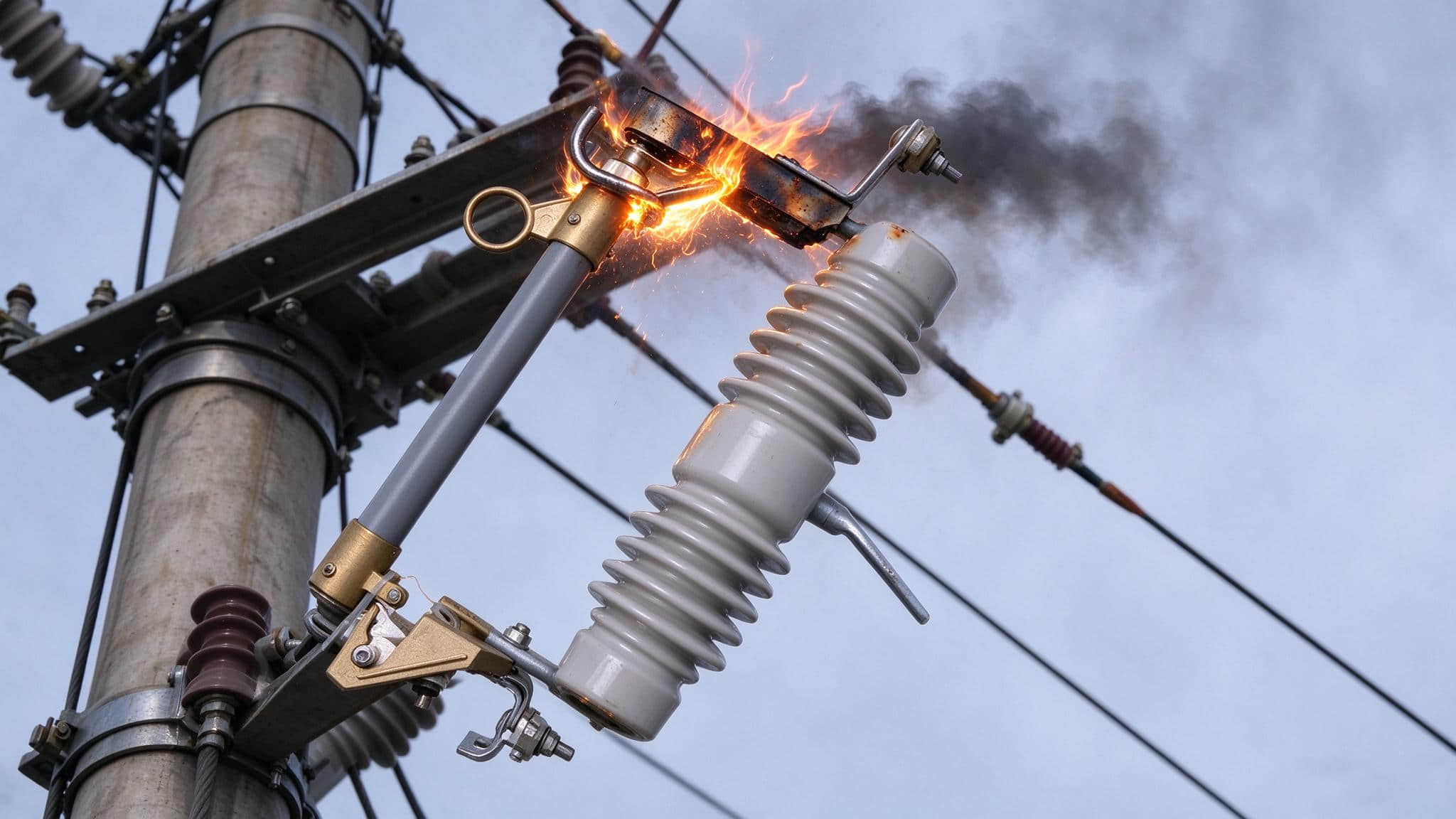
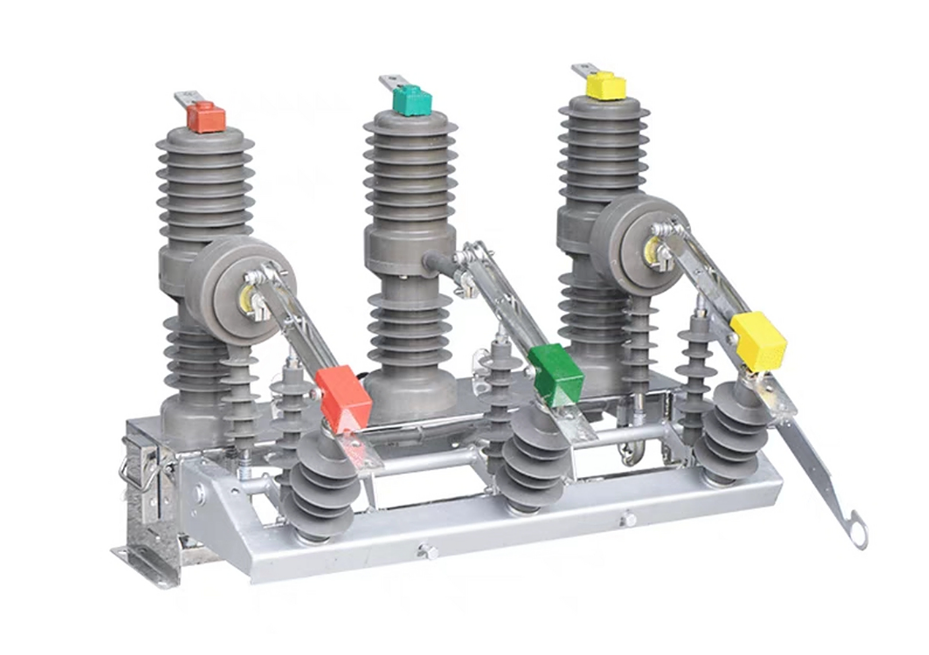
Trusting a mechanical "OPEN" indicator on a medium voltage breaker without a visible break is a gamble no facility manager should ever take. When lives and millions of dollars in equipment are on the line, assuming a circuit is dead based on a small plastic flag is a recipe for catastrophic arc flash incidents.
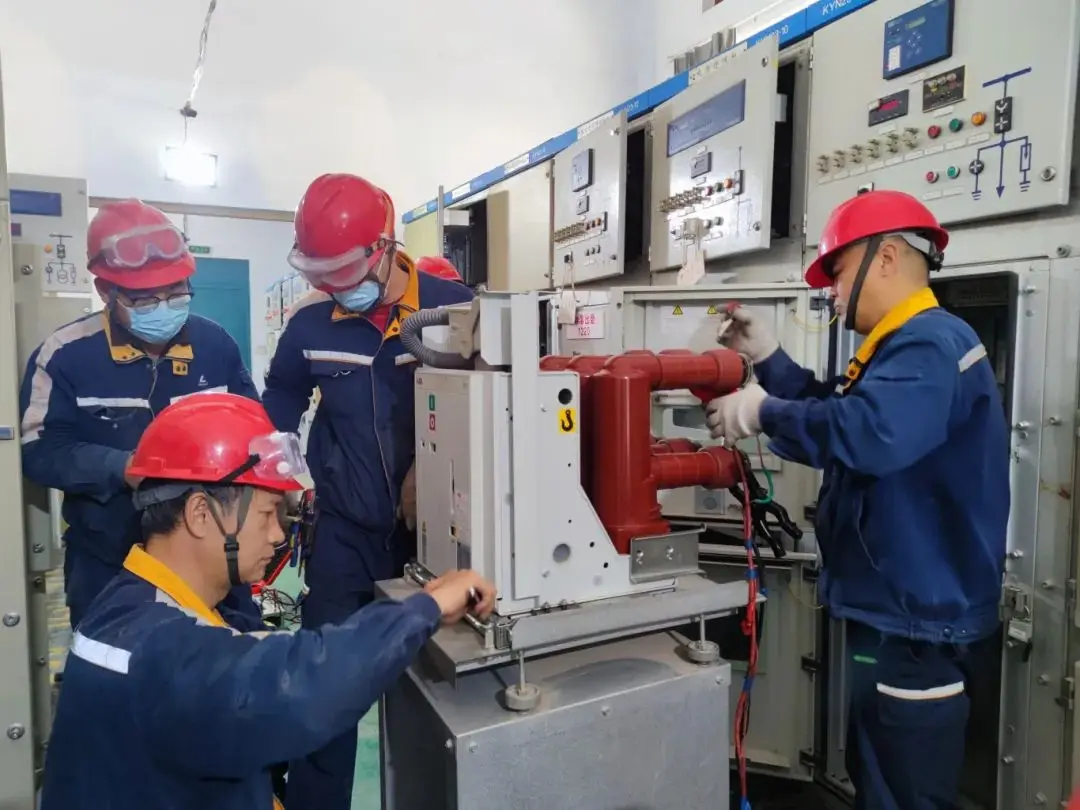
In my 12 years of commissioning medium voltage switchgear, I have witnessed serious consequences caused by operators blindly trusting faulty indicators. During a recent routine dielectric test on a 12kV switchgear panel, I found that a circuit breaker indicated "OPEN" while a dangerous internal arc path still existed. This is why practitioners must strictly abide by international standards and operating procedures, such as IEEE C37.20.2 for metal-clad switchgear and IEC 62271-200. These are not just cumbersome bureaucratic procedures, but the fundamental baseline for ensuring the safety of technicians.
A Vacuum Circuit Breaker (VCB) strictly requires an equipped isolation function under three primary circumstances. First, when utilizing fixed-type switchgear rather than draw-out designs, an external or integrated isolator is mandatory to sever the physical connection to the busbar. Second, when local safety regulations, such as OSHA or IEC standards, mandate a "visible break" for lock-out/tag-out (LOTO) procedures before any downstream maintenance can legally commence.
Third, isolation functions are required in highly compact environments like offshore wind turbines, underground mining operations, or marine vessels. In these specialized scenarios, space constraints completely prevent the use of separate isolation cabinets or large draw-out racking corridors. In these specific applications, integrating a VCB disconnect switch is not merely an optional upgrade—it is a critical, non-negotiable requirement for ensuring absolute switchgear maintenance safety.
The Core Scenarios Dictating Electrical Isolation Requirements
Fixed-Type vs. Draw-Out Switchgear Designs
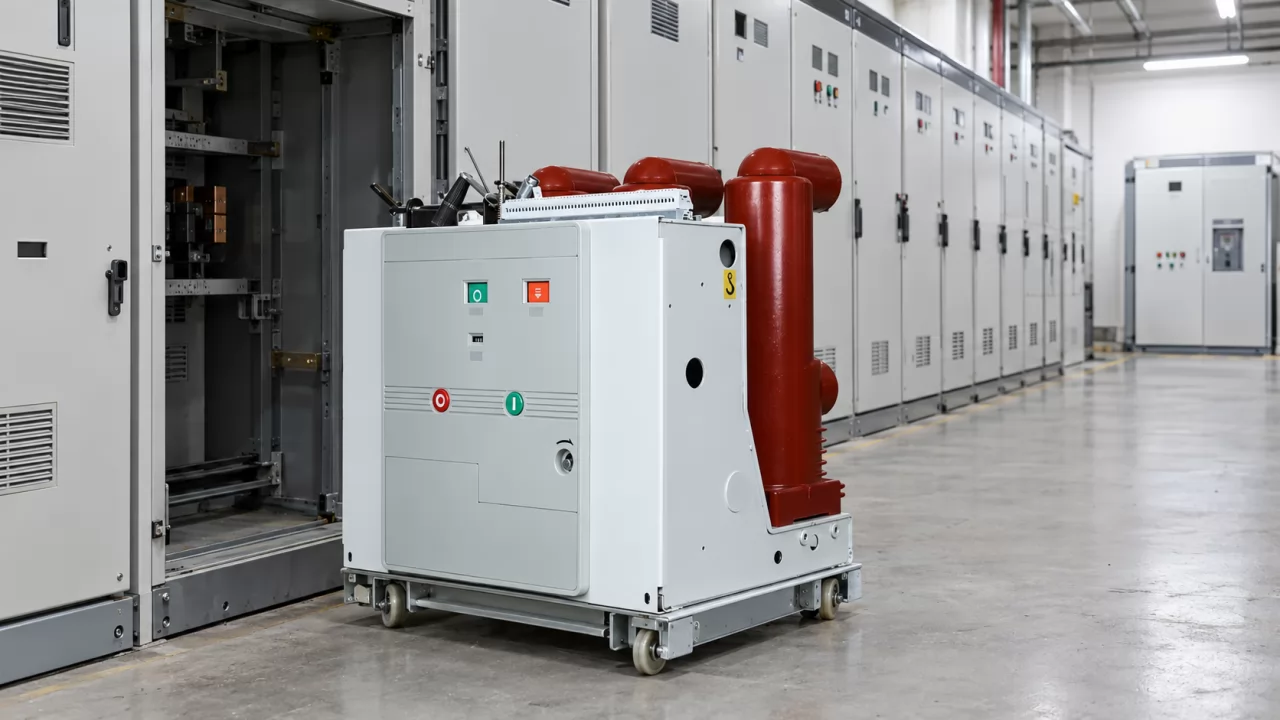
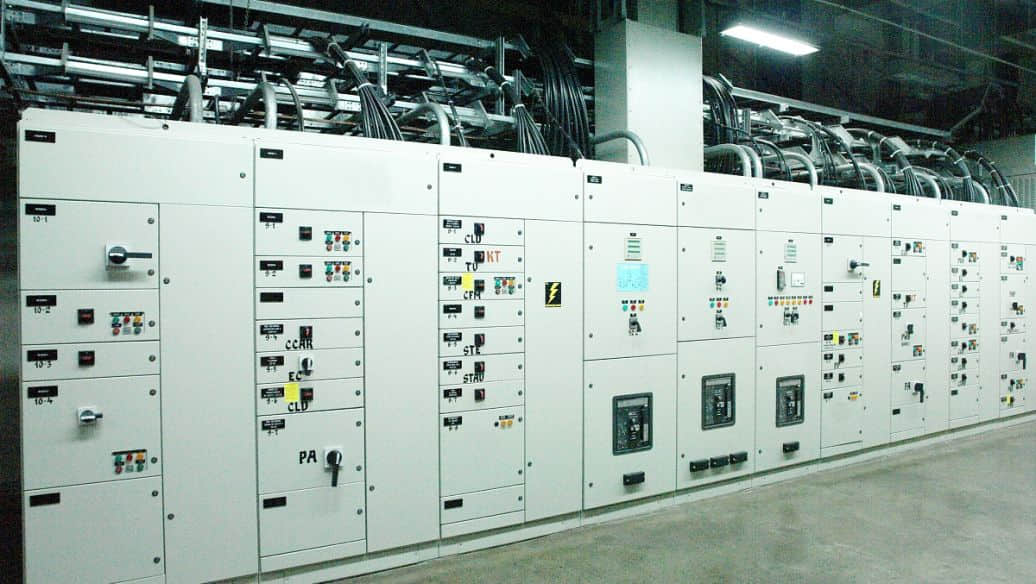
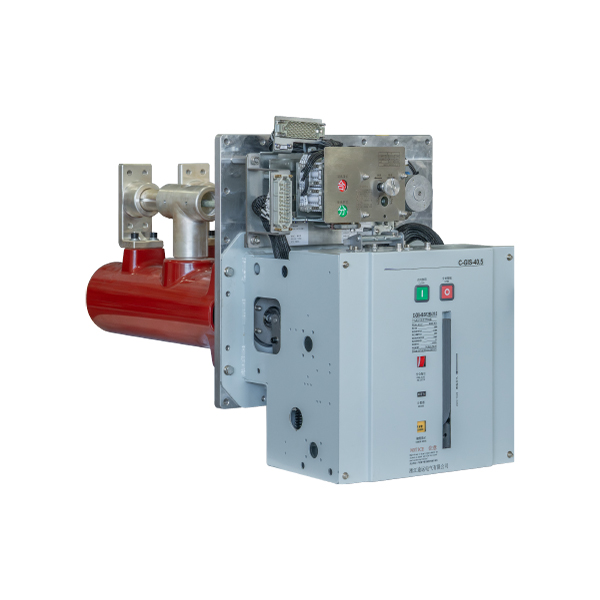
To understand electrical isolation requirements, facility managers must first evaluate the fundamental mechanical differences between switchgear designs. Draw-out VCBs are mounted on a wheeled chassis or cassette mechanism that allows the entire breaker unit to be physically cranked away from the live busbars. This racking action inherently provides physical isolation, as the primary contacts are visibly separated by several inches of air and often blocked by automatic safety shutters.
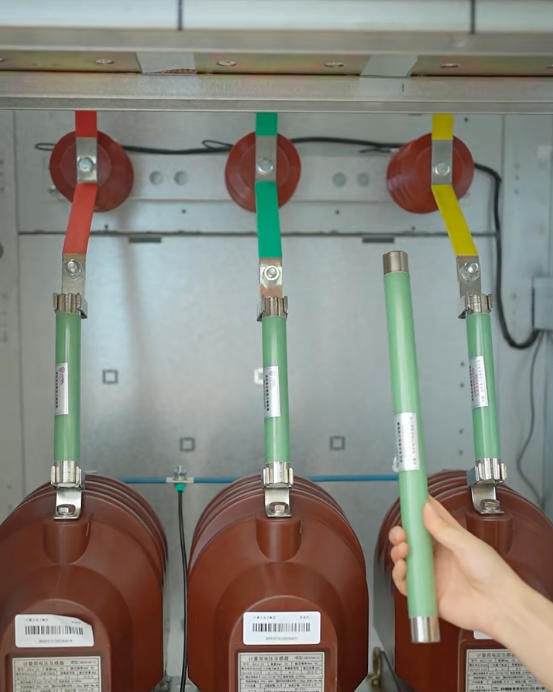
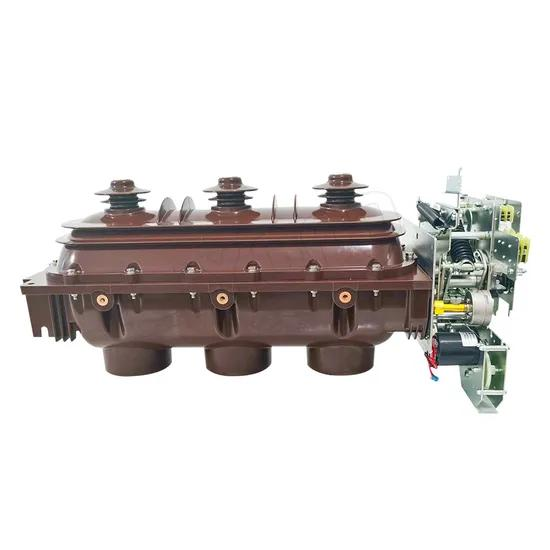
Conversely, fixed-type VCBs are permanently bolted directly to the primary busbars to save space and reduce mechanical complexity. Because they cannot be physically removed from the circuit, a fixed VCB must be equipped with a separate or integrated isolation switch. Without this added component, there is no physical way to sever the circuit from the power source safely.
Operating a fixed VCB without an isolation switch means the downstream equipment remains permanently tethered to the high-voltage source, relying solely on the microscopic gap inside the vacuum interrupter. This configuration makes routine maintenance legally and practically impossible under modern safety frameworks. Therefore, integrating a dedicated VCB disconnect switch becomes the only viable engineering solution for fixed installations.
Mandates for Visible Break Isolation
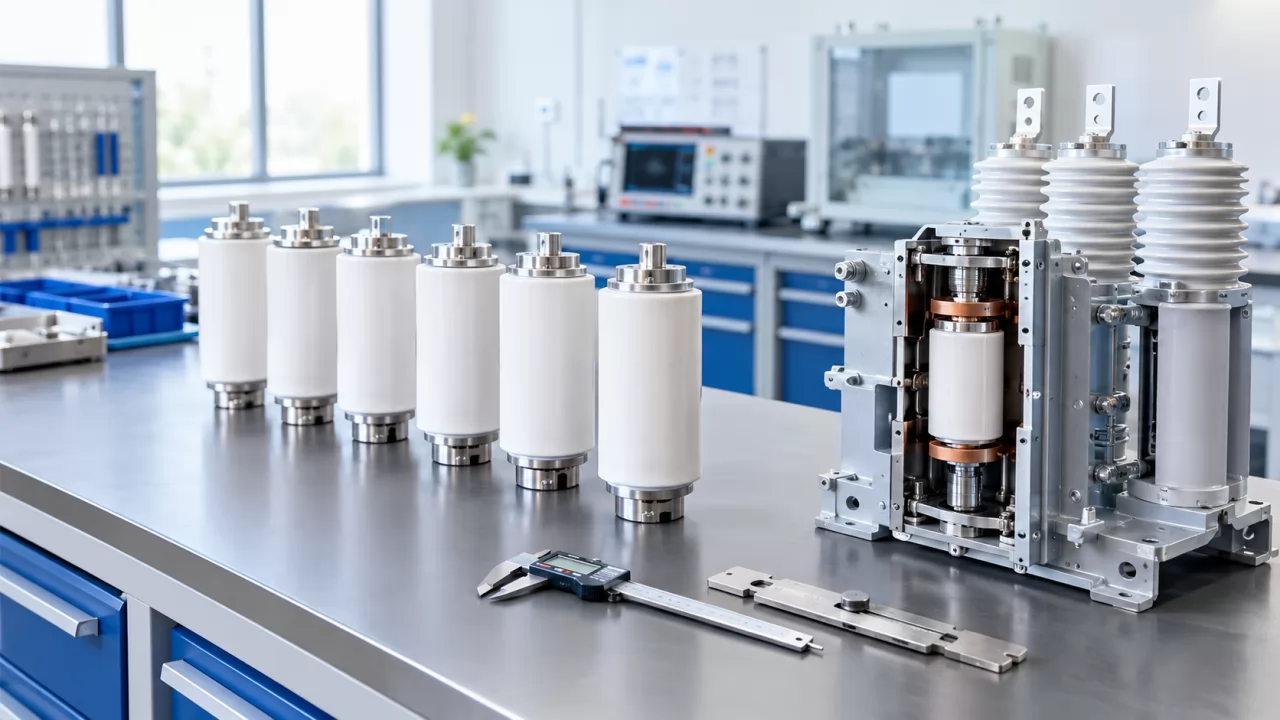
Regulatory bodies and safety inspectors demand absolute certainty before allowing technicians to touch medium voltage conductors. A vacuum interrupter's contacts are permanently enclosed within an opaque ceramic or glass bottle, making visual inspection of the contact separation impossible. Because technicians cannot see the contacts, they cannot verify that the circuit is truly broken.
The physics of vacuum technology present a unique hazard known as "loss of vacuum." If a micro-crack develops in the ceramic bottle, ambient air rushes in, drastically reducing the dielectric strength of the gap between the open contacts. In this compromised state, a high-voltage arc can easily bridge the gap even if the breaker's mechanical indicator reads "open."
To mitigate this invisible hazard, safety mandates require a secondary line of defense. An isolation function provides the mandatory visible break isolation required by safety inspectors and maintenance crews. By opening a highly visible, air-insulated disconnect switch in series with the VCB, operators achieve the absolute visual confirmation necessary to safely apply grounding cables and begin work.
This isn't just best practice; it's codified in global engineering law. Under IEC 62271-102, which specifically governs alternating current disconnectors and earthing switches, the requirement for a verifiable isolating distance is absolute. Having tested equipment for compliance against these exact IEC and IEEE frameworks, I can confirm that auditors will immediately flag any system relying solely on a vacuum bottle for isolation.
Spatial Constraints in Specialized Industries
In traditional utility substations, space is rarely the primary limiting factor, allowing for the installation of large, expansive draw-out switchgear lineups. However, in modern specialized industries, the cost of real estate and physical volume is at an absolute premium. Offshore wind farms, deep-shaft mining operations, and marine vessel switchboards operate under extreme spatial constraints.
I recently spent a week inspecting switchgear inside the nacelle of a 10MW offshore wind turbine in the North Sea. Let me tell you, the cramped electrical room leaves absolutely zero margin for error. You can barely turn your shoulders, let alone maneuver a bulky breaker extraction trolley.
Inside the nacelle of a wind turbine or the cramped electrical room of a cargo ship, there is simply no physical room to rack out a heavy breaker or install a separate, standalone isolation cabinet. Engineers must condense medium voltage circuit protection into the smallest possible footprint. In these tight spaces, installing a compact three-position switch (ON, OFF, EARTH) combined directly with the VCB is the only commercially viable solution.
This integrated approach drastically shrinks the switchgear's dimensions while maintaining full compliance with safety regulations. By combining the high-capacity fault clearing of a vacuum breaker with the safety of a built-in isolator, specialized industries can achieve uncompromised switchgear maintenance safety without expanding the physical footprint of their electrical infrastructure.
Field Reality: Insights from Reddit & Quora Engineering Communities
The "Loss of Vacuum" Industry Pain Point
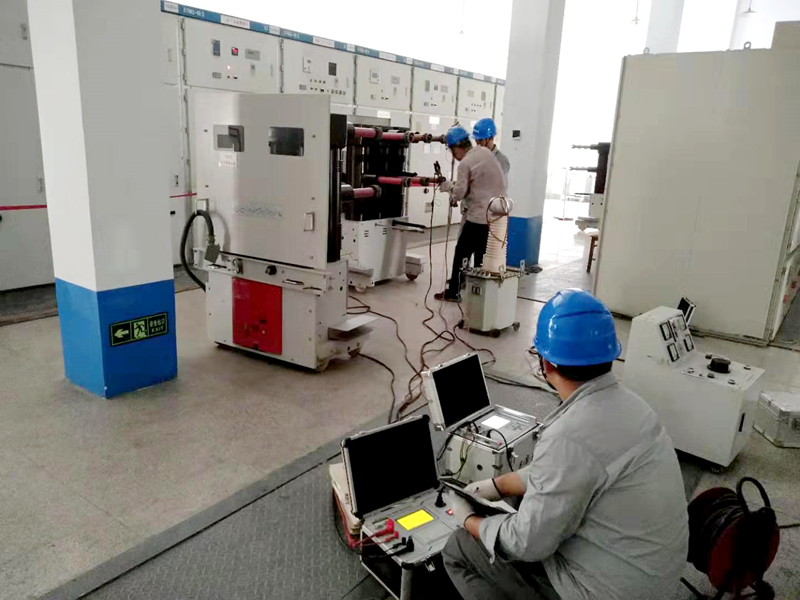
When analyzing real discussions from r/ElectricalEngineering and specialized field technician forums, the theoretical risks of VCBs become terrifyingly real. A recurring industry pain point discussed by veteran operators is the phenomenon of the "leaker"—a vacuum bottle that has slowly lost its internal pressure over years of thermal cycling. Users frequently report that without a series isolator, a micro-leak can cause the VCB to violently flash over during a routine switching operation.
One highly upvoted post from a substation technician detailed a near-miss scenario where a VCB indicated an "open" state, but a compromised vacuum bottle allowed full line voltage to track across the contacts. The technician noted, "If we hadn't opened the upstream visible disconnect switch before applying our personal grounds, the resulting arc flash would have vaporized the entire maintenance crew." This raw, user-generated feedback underscores why relying solely on a vacuum bottle for isolation is widely considered a lethal gamble among field professionals.
Furthermore, discussions on Quora highlight the limitations of field testing equipment. While Magnetron Atmospheric Condition (MAC) testers can verify vacuum integrity during scheduled outages, they offer no real-time protection during daily operations. Field engineers unanimously agree that a physical, air-insulated VCB disconnect switch is the only foolproof method to guarantee electrical isolation requirements are met on a day-to-day basis.
Racking Hazards vs. Integrated Isolators
Another fascinating perspective gathered from Quora power systems engineers revolves around the inherent physical dangers of racking out heavy draw-out VCBs. While draw-out designs theoretically provide excellent physical isolation, the actual mechanical process of racking a breaker in or out of a live bus is statistically the most dangerous task an operator can perform. Many field veterans explicitly state, "Racking a live breaker is when 80% of catastrophic arc flash incidents happen."
I have personally worn the heavy 40-cal arc flash suit while racking out a stubborn, poorly maintained 15kV breaker. The physical resistance on the crank and the sound of the primary stabs grinding against the live bus is a terrifying experience. It is a unique, hands-on realization that your life depends entirely on decades-old insulation.
During the racking process, misaligned stabs, degraded insulation, or foreign debris can trigger an explosive arc flash, putting the operator's life directly at risk even when wearing heavy Category 4 PPE. Because of this severe racking hazard, a growing coalition of field engineers now strongly prefers fixed VCBs equipped with built-in, SF6-free disconnect switches. This setup eliminates the need to physically move heavy, high-voltage components.
By utilizing a motorized or remotely operated integrated isolator, operators can achieve visible break isolation from a safe distance outside the arc flash boundary. This unique, field-driven insight proves that integrated isolators actually increase overall switchgear maintenance safety compared to traditional draw-out methods, challenging the long-held industry assumption that draw-out breakers are inherently superior.
Real-World Data Breakdown: VCB Setups Compared
To fully grasp the operational and commercial impact of different VCB configurations, facility managers must analyze empirical data regarding safety, footprint, and application viability. The following table provides a comprehensive breakdown of how different VCB setups stack up against modern electrical isolation requirements.
| VCB Configuration | Isolation Method | Safety Rating (LOTO) | Footprint | Primary Application Scenario |
|---|---|---|---|---|
| Draw-Out VCB | Physical removal (Racking) | High (Visible physical removal) | Large | Standard substations, large industrial plants |
| Fixed VCB (No Isolator) | None | Non-compliant for maintenance | Small | Only used where upstream isolation exists |
| Fixed VCB + VCB Disconnect Switch | Integrated 3-position switch | Excellent (Visible break isolation) | Ultra-Compact | Wind turbines, marine, compact RMUs |
Analyzing this data reveals critical insights for medium voltage circuit protection strategies. The Draw-Out VCB offers high safety due to visible physical removal, but its large footprint makes it entirely unsuitable for space-constrained modern applications. The heavy mechanical chassis requires deep electrical rooms and reinforced flooring to handle the weight of the extraction trolleys.
The Fixed VCB without an isolator presents a severe compliance issue. It is rated "Non-compliant for maintenance" because it offers zero visible break isolation, meaning it can only be legally deployed in highly specific scenarios where a separate, upstream isolation switch is already present in the network. Relying on this setup without upstream protection is a direct violation of OSHA LOTO standards.
Conversely, the Fixed VCB paired with an integrated VCB disconnect switch emerges as the optimal modern solution. It achieves an "Excellent" safety rating by providing absolute visible break isolation while maintaining an ultra-compact footprint. This specific configuration is rapidly becoming the gold standard for Ring Main Units (RMUs) and renewable energy infrastructure where space and safety are equally critical.
How to Optimize Your Medium Voltage Circuit Protection Strategy
Evaluating Total Cost of Ownership (TCO)
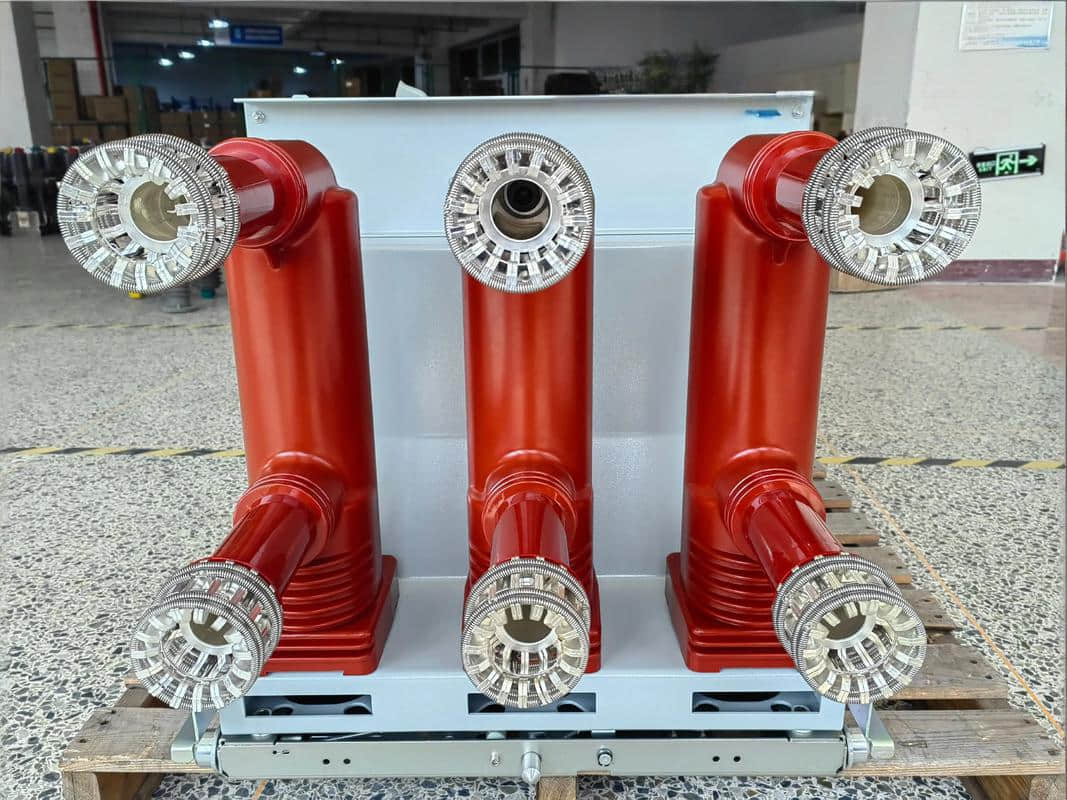
When designing a new electrical facility, engineers must look beyond the initial purchase price of the switchgear and evaluate the true Total Cost of Ownership (TCO). There is a distinct commercial difference between buying a larger switchgear lineup to accommodate draw-out breakers versus investing in slightly more expensive fixed VCBs equipped with high-quality isolation functions. Facility managers must calculate the cost of the physical real estate required to house the equipment.
Draw-out switchgear requires significant clearance in front of the panels to allow operators to safely insert extraction tools and physically remove the breaker chassis. In urban environments, offshore platforms, or containerized substations, this extra square footage translates to massive capital expenditure (CAPEX) penalties. By opting for fixed VCBs with integrated isolators, facilities can shrink their electrical room footprint by up to 30%, resulting in massive construction savings.
Furthermore, the operational expenditure (OPEX) must be considered. Draw-out mechanisms involve complex moving parts, alignment shutters, and primary stab contacts that require frequent lubrication, alignment checks, and thermal imaging to prevent high-resistance hotspots. Fixed VCBs with sealed isolation switches drastically reduce these mechanical maintenance burdens, lowering long-term OPEX and maximizing overall switchgear maintenance safety.
Upgrading Legacy Systems
Many industrial facilities are currently operating on legacy switchgear networks that no longer meet modern electrical isolation requirements. For facility managers overseeing these aging brownfield sites, completely ripping out and replacing the entire switchgear lineup is often financially unfeasible due to the staggering costs of prolonged facility downtime. Instead, retrofitting older systems with modern isolation technology provides a highly effective middle ground.
In my consulting work, I frequently audit 30-year-old plants where the original switchgear predates modern IEEE C37.20.9 standards. Telling a plant manager they need to spend millions on a total replacement is a tough conversation. Retrofitting is where I've seen the most practical, budget-friendly success.
Practical retrofitting involves assessing the existing fixed VCBs to determine if a motorized isolation switch can be safely integrated into the existing busbar compartment. If the legacy panel has sufficient vertical clearance, custom-engineered retrofit kits can add a visible break isolation switch in series with the existing breaker. This upgrade instantly brings the legacy panel into compliance with modern LOTO safety standards.
When planning these upgrades, facility managers must carefully coordinate downtime. Installing a VCB disconnect switch requires a total bus outage, meaning the entire lineup must be de-energized. However, the financial ROI of this upgrade is undeniable; adding a motorized isolator not only protects human life but also enables remote switching operations, keeping personnel safely outside the arc flash boundary during routine network reconfigurations.
Frequently Asked Questions (FAQ)
Can a VCB act as an isolator by itself?
No, a standard vacuum circuit breaker cannot legally or practically act as an isolator by itself. Because the primary contacts are hidden away inside an opaque vacuum bottle, the device cannot provide the visible break required by safety regulations. Furthermore, it cannot guarantee electrical isolation if the vacuum fails, making it fundamentally unsafe to rely upon for personnel protection during maintenance.
What is a three-position disconnect switch in VCB applications?
A three-position disconnect switch is a critical safety device that sits in series with the fixed VCB. It offers three distinct mechanical positions: "Closed" (allowing power to flow), "Isolated/Open" (providing a visible air gap to sever the power), and "Earthed" (mechanically grounding the downstream circuit). This three-step functionality ensures complete, verifiable safety before any maintenance worker touches the downstream cables.
Do IEC and IEEE standards require VCBs to have isolation switches?
IEC and IEEE standards dictate that the electrical circuit must have verifiable isolation, rather than mandating the VCB itself must be an isolator. If a facility uses a fixed VCB, a separate or integrated isolation switch must be added to the circuit to achieve compliance. If the facility uses a draw-out VCB, the physical racking mechanism and subsequent removal of the breaker satisfy the standard's isolation requirement without needing a separate switch.
CTA
Are you unsure if your facility's medium voltage switchgear meets current safety and isolation standards? Ignoring the risks of inadequate visible break isolation can lead to catastrophic equipment failure, severe regulatory fines, and unacceptable risks to your maintenance personnel. Do not leave your operational safety to chance.
Contact our expert electrical engineering team today for a comprehensive, on-site safety audit of your existing infrastructure. Explore our extensive catalog of advanced Vacuum Circuit Breakers equipped with state-of-the-art integrated visible break isolation. Upgrade your systems today to ensure maximum switchgear maintenance safety, optimize your spatial footprint, and achieve total regulatory compliance.