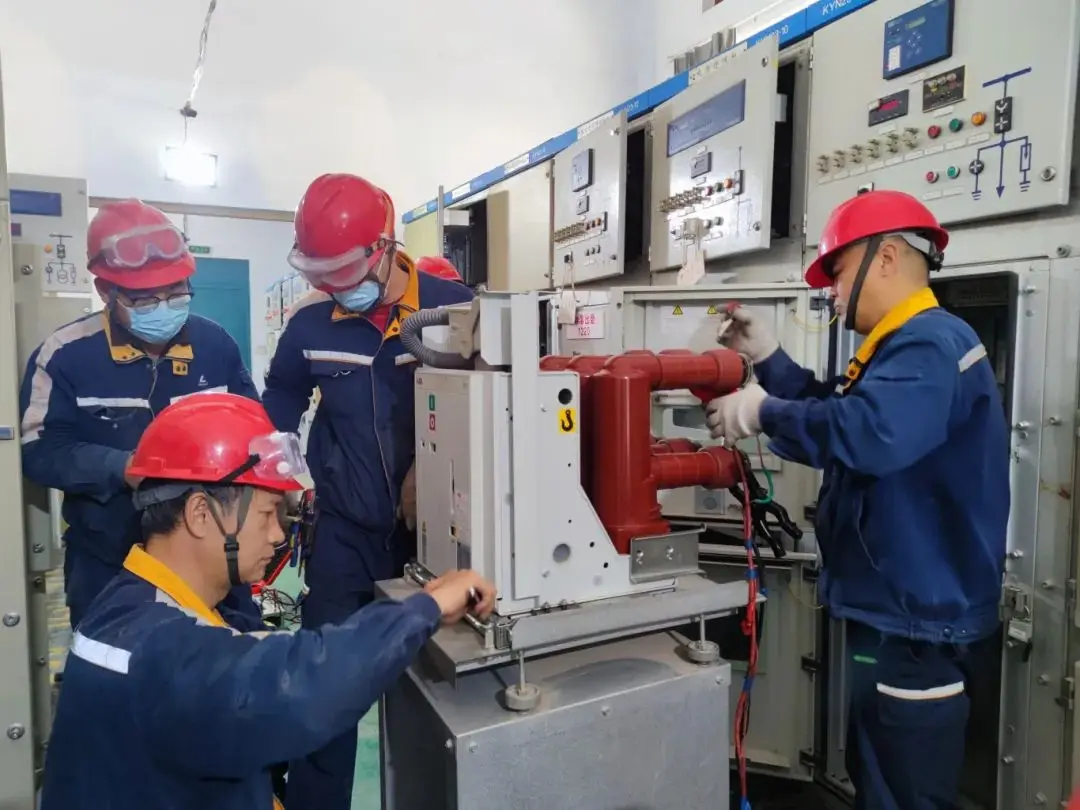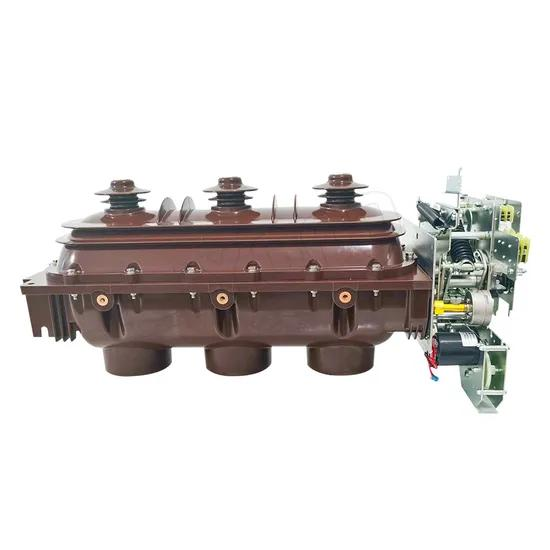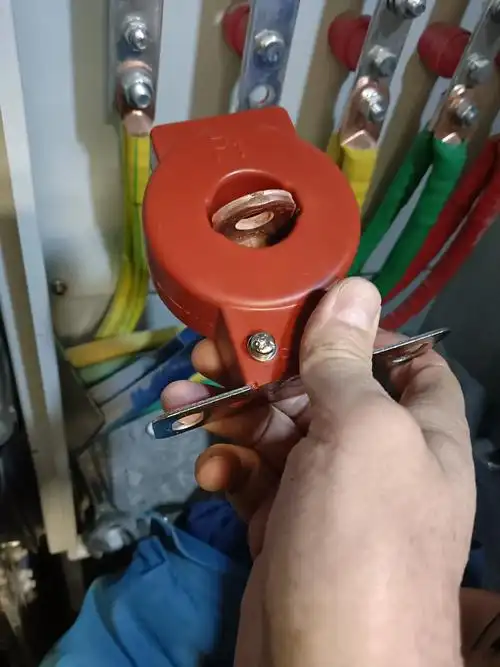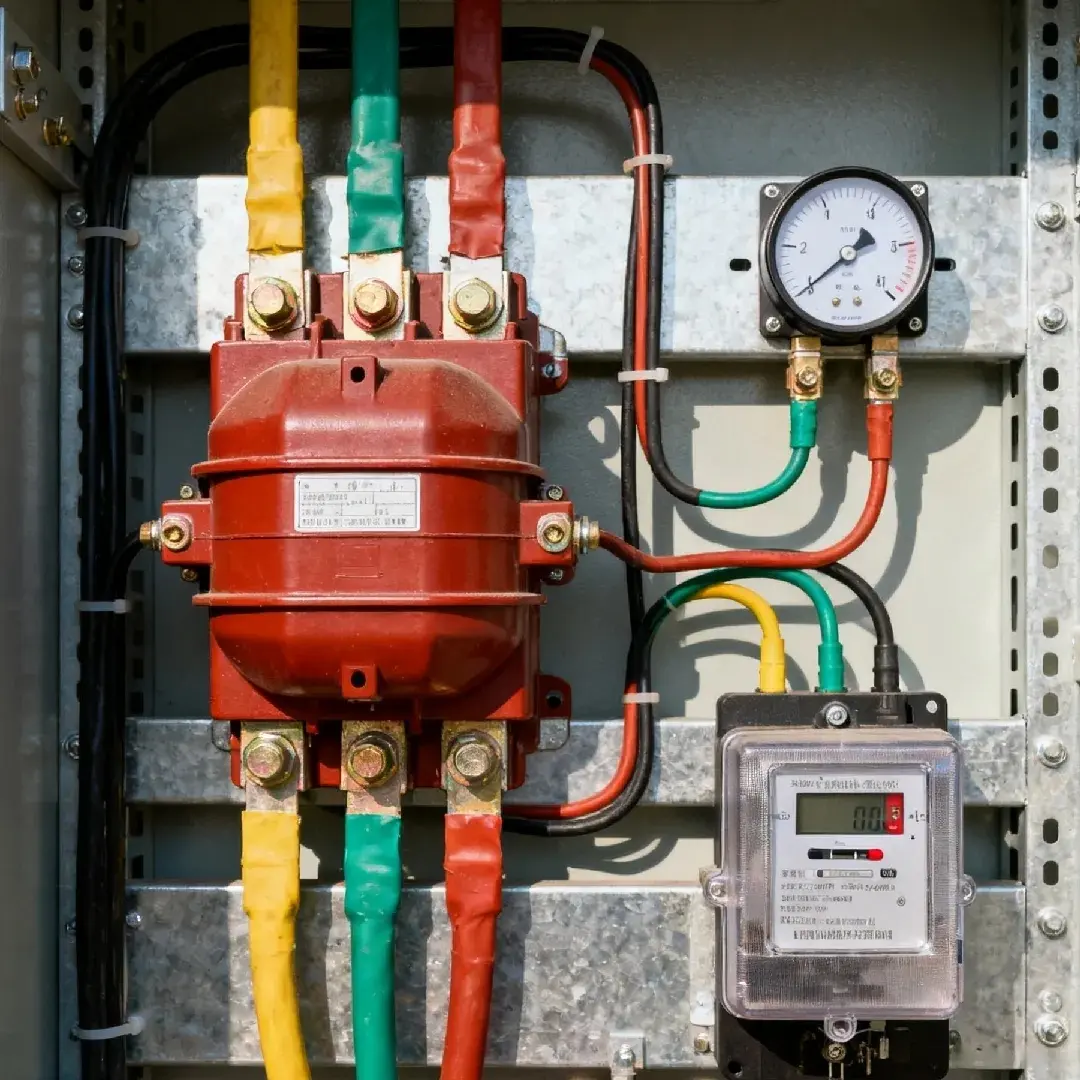
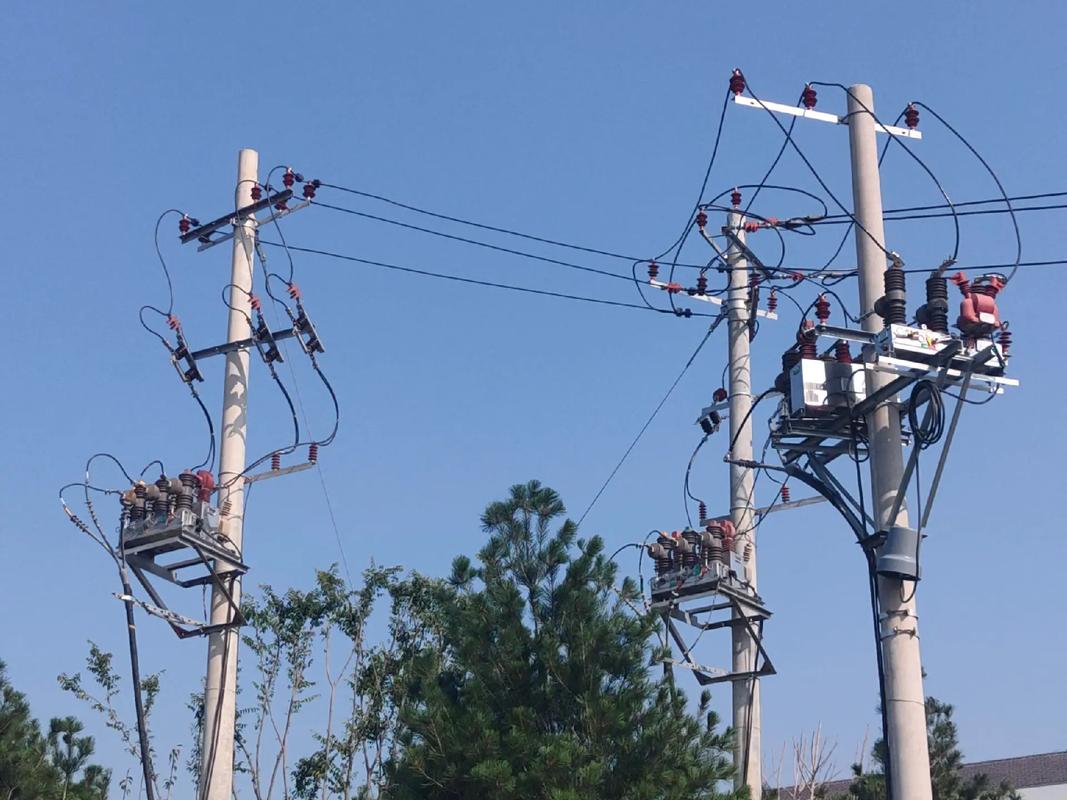
A vacuum circuit breaker trips when the protection system sees danger that has crossed a defined limit—most often overcurrent, short circuit, earth fault, overload, undervoltage, phase loss, severe unbalance, or a relay/control circuit problem that looks like a fault. In plain site language: if the relay decides the equipment, cable, motor, transformer, or busbar is no longer operating inside its safe envelope, it sends a trip command and the breaker opens.
That is the direct answer, but in real operations, the harder question is why that trip happened at that moment. Many shutdowns blamed on the breaker are actually caused by settings, CT wiring, contamination, bad control power, or poor coordination after a system expansion.
This article is written as a practical field guide, not a textbook summary. It focuses on what technicians, maintenance managers, plant electricians, and protection engineers actually face when a breaker trips at 2 a.m., production is down, and nobody wants a guess.
If you only remember one thing, remember this: the breaker itself usually does not make the decision. The trip is typically the result of sensing, relay logic, and a working trip circuit acting together.
When Does a Vacuum Circuit Breaker Trip?
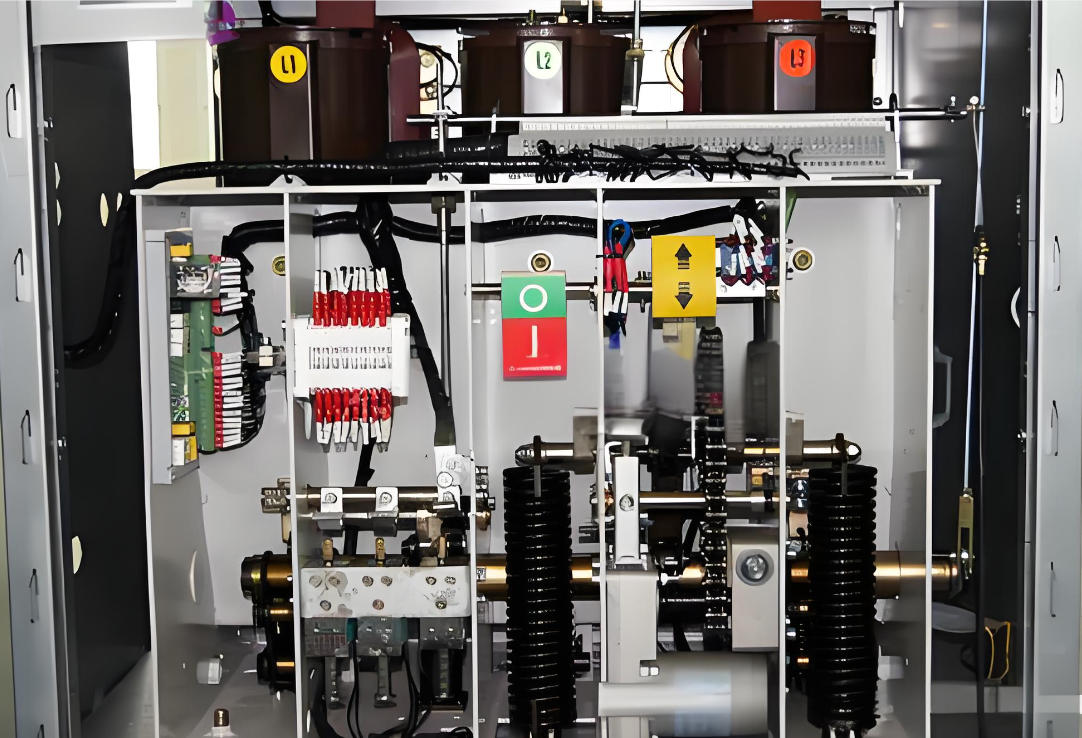
A vacuum circuit breaker trips when a protection relay or release mechanism detects an abnormal electrical or control condition that exceeds the preset threshold, logic, or timing criteria.
The most typical trigger conditions are:
Overcurrent beyond the pickup setting and time delay
Short circuit with very high fault current requiring near-instant clearing
An earth fault or ground fault is caused by insulation breakdown or leakage to ground
Overload that persists long enough to exceed the thermal damage curve
Undervoltage in the system or control power supply
Phase loss, phase unbalance, or negative sequence that threatens motors and rotating equipment
Differential, busbar, distance, or arc flash protection identifying internal or zone-specific faults
Relay misoperation, CT/PT issues, or secondary wiring problems that create a false trip command
Mechanical or auxiliary circuit failure, such as trip coil, latch, interlock, or control logic problems
These are the core vacuum circuit breaker fault tripping conditions seen across medium-voltage switchgear in utilities, industrial plants, commercial campuses, data centers, and process industries.
Why This Matters in Real Operations
Unexpected tripping is expensive because the electrical event is only the beginning. After the breaker opens, the business absorbs downtime, scrap, restart labor, relay reviews, contractor callouts, and often a rush decision about whether it is safe to re-energize.
In manufacturing, a 1-second protective trip can easily trigger a 2-hour production recovery. In water treatment, mining, cement, metals, and petrochemical facilities, the recovery may be much longer because motors, drives, pumps, conveyors, and interlocks do not restart in a simple sequence.
The practical cost drivers are usually:
Lost production and missed delivery windows
Emergency troubleshooting labor
Wrong part replacement because the root cause was guessed
Repeated trips because the first reset ignored the relay evidence
Secondary equipment damage if a true fault is re-energized too early
This is why understanding vacuum circuit breaker trip causes matters far beyond electrical maintenance. It directly affects plant reliability, safety, and revenue.
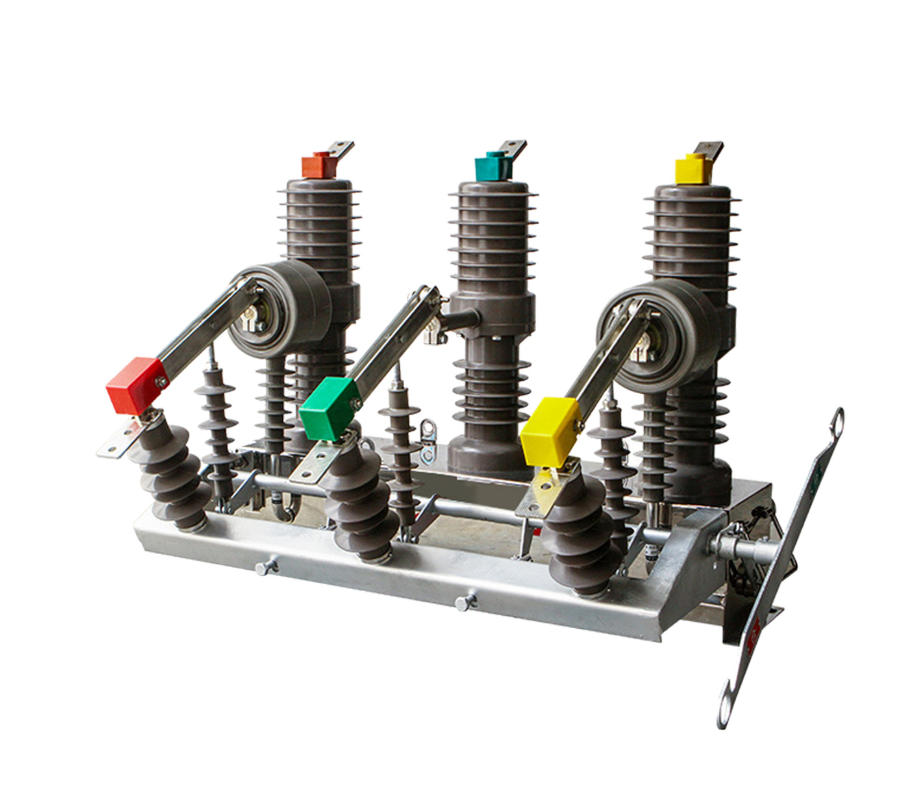
The Most Common Vacuum Circuit Breaker Trip Causes
The fastest way to diagnose a trip is to group it by what the protection system was trying to prevent. On-site, this is much more useful than simply asking, “Did the breaker fail?”
Overcurrent Protection Operation
A breaker trips on overcurrent when the load or fault current rises above the relay pickup value and remains there long enough to satisfy the configured time delay or inverse curve.
This is one of the most common forms of vacuum circuit breaker overcurrent protection. It may be completely valid, such as during feeder overload, motor stall, or abnormal process demand.
It can also be nuisance tripping if the settings were copied from an old study, if CT ratios changed, or if the startup current was underestimated.
Short Circuit Trip Conditions
A vacuum circuit breaker short circuit trip typically happens with little or no intentional delay. When phase-to-phase or three-phase current surges to a severe level, the relay sends an immediate trip to limit thermal and mechanical damage.
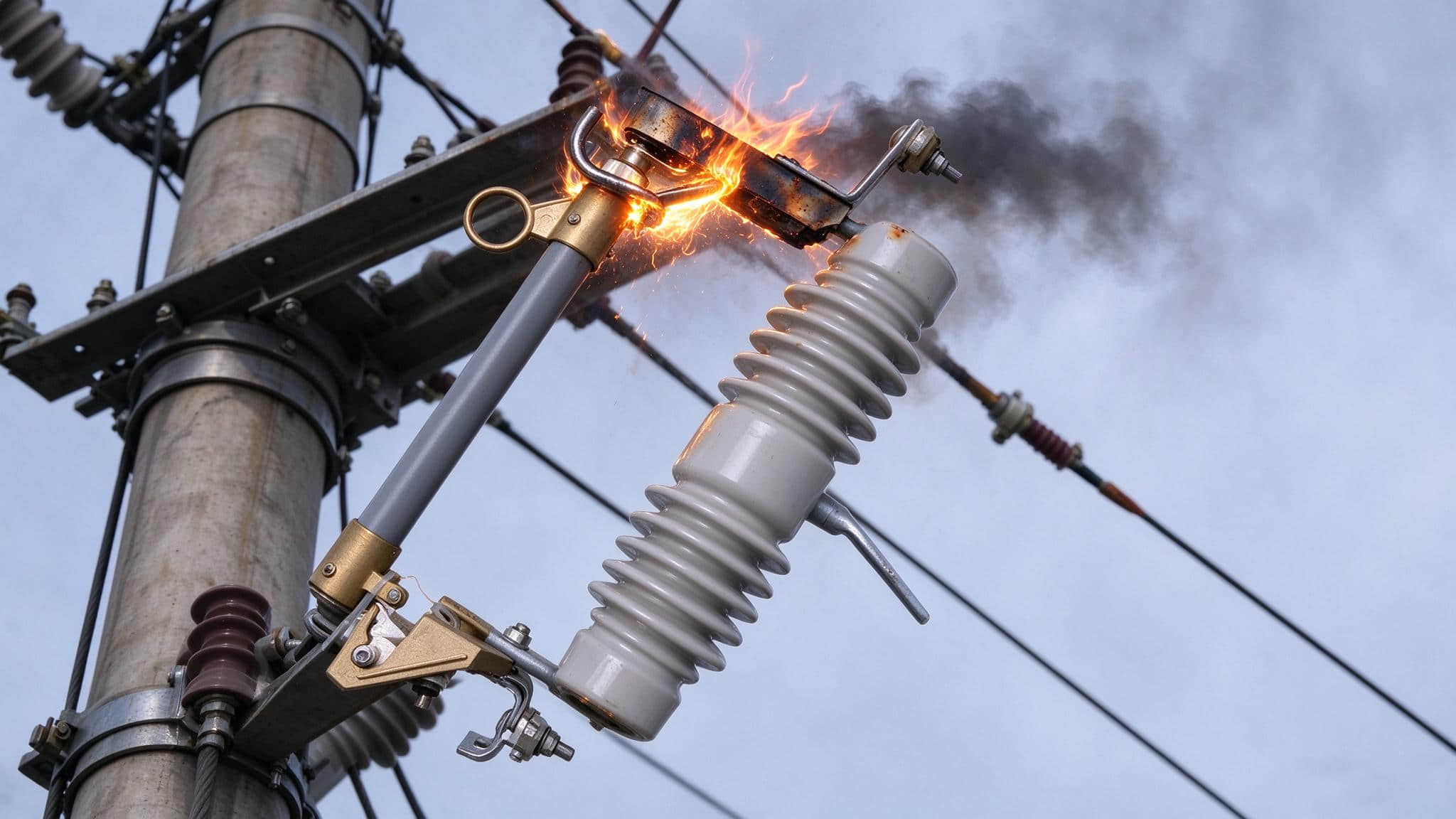
On-site, operators often describe this event as “sudden,” “violent,” or “with an obvious voltage dip.” In real medium-voltage systems, these events can be caused by cable failure, bus insulation breakdown, damaged terminations, foreign objects, or catastrophic equipment failure downstream.
Earth Fault or Ground Fault Detection
Earth fault trips are often more subtle than phase faults. Current leakage to ground may be intermittent at first, especially where there is moisture, contamination, or partial insulation breakdown.
These trips often confuse teams because the fault may not leave visible burning right away. Cable compartments, terminations, CT chambers, and dusty or humid switch rooms are frequent hiding places.
Overload Beyond Time-Current Curve Limits
Not every trip is a dramatic fault. A breaker may trip because the equipment stayed overloaded long enough to exceed thermal limits, even if the current never looked extreme to an operator watching a display for only a few seconds.
This is common on motor feeders, heavily loaded distribution sections, and systems where process demand slowly increased over months while protective settings were never reviewed.
Undervoltage or Loss of Supply Conditions
Vacuum circuit breakers may trip during undervoltage if the undervoltage release coil or relay logic is configured to open below a threshold. This is often done to protect motors, prevent unstable operation, or avoid unsafe re-energization behavior.
Control power undervoltage is another overlooked cause. A weak DC battery, poor charger performance, loose terminal, or voltage drop in the secondary circuit can produce confusing trip behavior that looks like a breaker problem.
Phase Loss, Unbalance, or Negative Sequence Faults
These conditions matter most where motors are involved. A missing phase or severe current imbalance can overheat rotating equipment rapidly, even when total current does not appear extraordinary.
Negative-sequence protection is especially valuable in motor-intensive plants. It catches the kind of damage mechanism that operators do not always notice until winding temperature rises or motor failure follows.
Protection Relay Operation or Misoperation
Many field incidents blamed on “the breaker” are really cases of vacuum circuit breaker protection relay operation doing exactly what it was set to do. The problem is that the settings, curves, logic, or instrument transformer inputs were wrong for the actual system.
Misoperation scenarios include:
Pickup values too low
Instantaneous element set below realistic inrush or fault discrimination needs
The wrong CT ratio was entered in the relay
CT polarity reversed
Open CT secondary or loose termination
Logic equation error after relay firmware update or settings change
Coordination study not updated after adding motors, transformers, or feeders
Mechanical or Auxiliary Circuit Problems
Yes, the breaker hardware can be the issue. Trip coil defects, latch wear, sticky mechanisms, misadjusted auxiliary contacts, anti-pump circuit issues, and interlock-related commands can all lead to abnormal tripping or apparent tripping problems.
In practice, mechanical faults are less common than bad settings and bad secondary circuits, but they are still important—especially in older switchgear that has seen many operations with limited maintenance discipline.
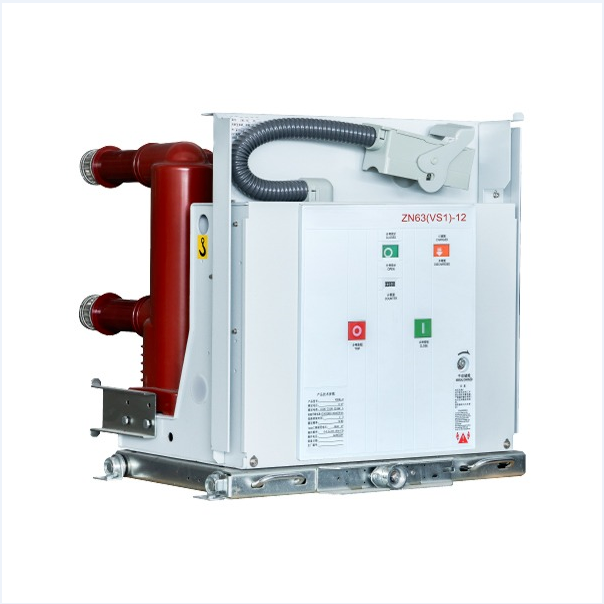
Vacuum Circuit Breaker Fault Tripping Conditions by Protection Type
Technicians diagnose faster when they classify the trip by protection function rather than by rumor or assumption. The following protection categories match how real event records are reviewed.
Instantaneous Overcurrent Protection
This element is intended for severe faults needing no intentional delay. It is effective, but it is also a common source of nuisance trips when settings are too aggressive for transformer energization or motor starting.
If a feeder trips the moment a large motor starts, the first question should be whether the instantaneous threshold was coordinated correctly, not whether the breaker is “weak.”
Time Overcurrent Protection
Time overcurrent allows selective coordination. A downstream device should clear its own fault first, while upstream protection waits according to the time-current curve.
When that coordination is poor, a minor downstream issue can blackout a larger section of the plant. This is where many costly outages begin.
Differential Protection
Differential protection compares the current entering and leaving a protected zone. If the currents do not match within the allowed error, the relay identifies an internal fault.
This is commonly applied to transformers, buses, generators, and sometimes motors. Differential is fast and effective, but CT mismatch, saturation, or wiring errors can create false differential conditions if commissioning was weak.
Distance or Impedance Protection
Distance protection is more common in higher-voltage networks, but it matters where vacuum breakers are used in utility and sub-transmission environments. The relay estimates apparent line impedance and trips when that impedance indicates a fault within a protection zone.
Zone settings and communication schemes must be accurate. Otherwise, underreach or overreach can lead to wrong clearing behavior.
Thermal Protection
Thermal protection focuses on heating damage rather than only peak current magnitude. It is highly relevant for motors, cables, and transformers, where sustained overload or cooling failure causes damage over time.
Many operators underestimate thermal memory effects. A restart after a prior overload may trip quickly because the relay model still “remembers” accumulated heat.
Arc Flash or Busbar Protection
Fast busbar or arc flash protection exists because bus faults escalate in milliseconds. The goal is to minimize incident energy, equipment destruction, and injury risk.
When such protection trips, urgency is high. Teams should not treat it like a routine nuisance event without a full inspection and evidence review.
What Actually Triggers the Trip Command Inside the System
One of the biggest misunderstandings in maintenance is the idea that the breaker somehow decides on its own to trip. It usually does not.
Current Transformers Sense Abnormal Current
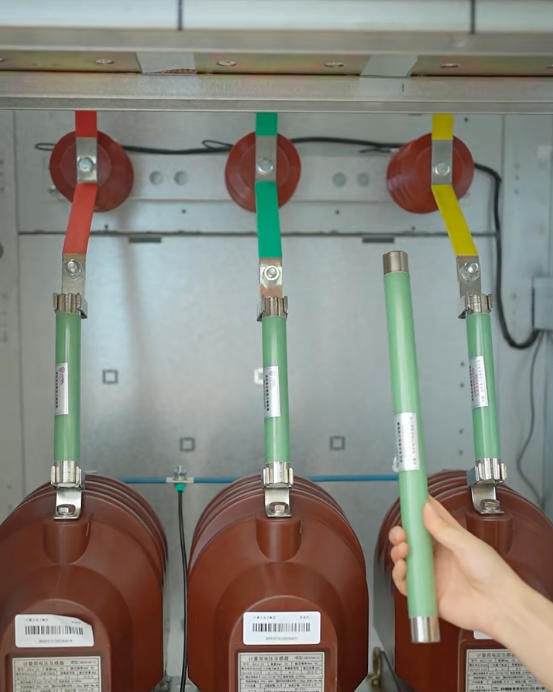
CTs reduce the primary current to a measurable level for the relay. If the CT data is wrong, the relay decision may be wrong.
In the field, bad CT connections cause a surprising number of false investigations. Loose screws, wrong polarity, wrong ratio assumptions, and damaged secondary wiring are classic repeat offenders.
Protection Relay Compares Values to Settings
The relay evaluates current, voltage, sequence components, logic status, and timing against configured settings. This is where the actual trip decision logic lives.
In modern numerical relays, the event record, oscillography, and sequence-of-events log usually tell the story very clearly—if someone takes the time to read them.
Trip Coil Receives the Command
Once the relay decides to trip, it energizes the trip circuit. The trip coil releases the mechanism, and the breaker begins opening.
If this path is compromised by low DC voltage, bad wiring, failed auxiliary contacts, or a sticky mechanism, the fault may persist longer than expected or produce inconsistent behavior.
Arc Is Extinguished in the Vacuum Interrupter
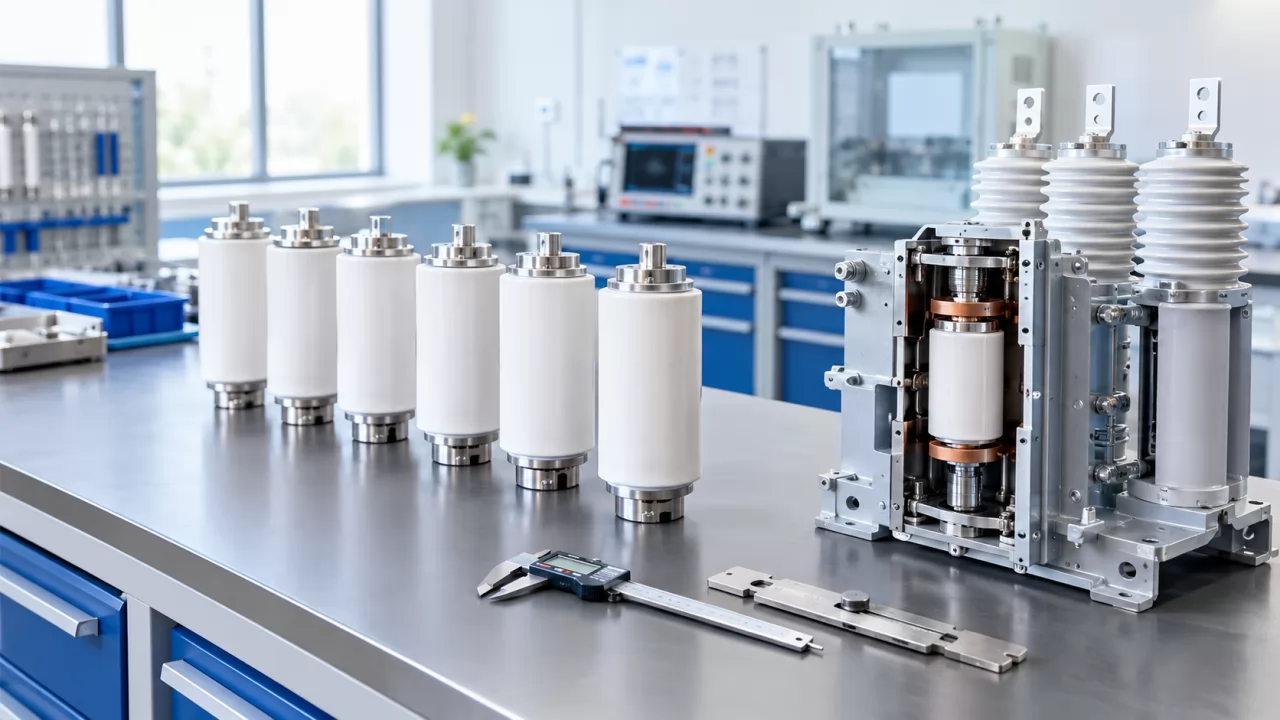
After the contacts separate, the vacuum interrupter extinguishes the arc quickly. This is one reason vacuum breakers are widely used in medium-voltage systems: high interruption performance with relatively low maintenance compared with older technologies.
But the interrupter’s good performance does not excuse poor settings or neglected secondary circuits. Most nuisance trips happen before interrupter physics is even relevant.
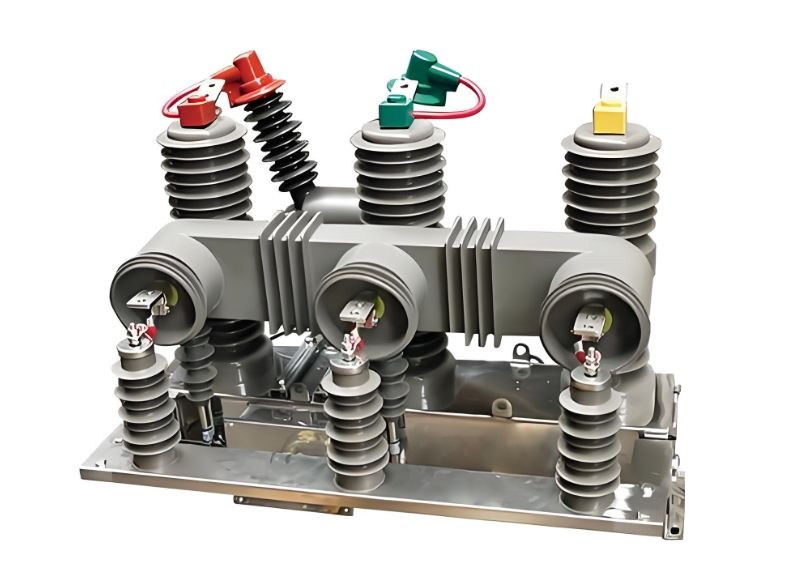
Real-World Site Conditions That Often Cause Nuisance or Repeat Trips
This is the section many generic articles miss. The field details are usually where the real answer hides.
Inrush Current After Transformer or Motor Energization
Healthy equipment can look like a fault for a fraction of a second. Motor starting current and transformer magnetizing inrush routinely create high current peaks.
If instantaneous settings are too low, the relay sees danger where there is none. This is among the most frequent causes of nuisance vacuum circuit breaker short circuit trip reports after commissioning or process changes.
Moisture, Dust, and Insulation Contamination
Contamination inside switchgear compartments is an underappreciated cause of earth faults and leakage-related trips. Fine conductive dust, condensation, salt-laden air, chemical fumes, and insect intrusion can create tracking paths that are invisible during a quick visual check.
Facilities near cement plants, mines, coastal sites, wastewater areas, and humid process buildings see this repeatedly. A cabinet can look acceptable from the front and still be dirty enough internally to trigger intermittent protection.
Loose CT Wiring or Incorrect Polarity
This problem deserves more respect than it gets. Incorrect CT polarity can invert current relationships and create differential or directional misinterpretation.
Loose CT secondary terminations can produce unstable readings, relay alarms, and maddening trips that appear random until a proper secondary injection and wiring check is completed.
Relay Setting Changes After Expansion Projects
One of the biggest industry pain points is this: the plant expands, adds a transformer, changes motor loading, or reroutes feeders, but nobody updates the coordination study.
The system fault level changes. The inrush profile changes. The protection margins change. Then a breaker trips and everyone says the new equipment “caused a problem,” when in reality the protection system was never re-matched to the new network.
Aging Control Power Batteries or Weak DC Supply
Weak station batteries and deteriorated chargers create some of the most confusing trip reports in medium-voltage switchgear. The event may look like nuisance tripping, failure to close, partial trip circuit operation, or inconsistent lockout behavior.
Good teams always check control power quality early. Bad teams spend hours replacing healthy primary equipment first.
Frequent Reclosing into Permanent Faults
Repeated closing attempts on a fault stress the breaker mechanically and thermally. It also destroys useful evidence if the root cause was not reviewed after the first operation.
Where automatic reclosing is used, verify whether the fault is transient or permanent. Reclose philosophy that is acceptable on overhead distribution can be unacceptable on industrial cable systems.
Field Insights from Reddit, Quora, and Technician Discussions
Across technician communities, one pattern is very clear: the practical causes of tripping are often more mundane than the manuals suggest. The community discussions consistently emphasize settings, wiring, maintenance discipline, and event-log review more than exotic breaker failures.
Because community threads are anecdotal, they should not replace engineering judgment. But they are useful because they reveal what real people repeatedly struggle with in the field.
Common Operator Complaint: “The Breaker Trips but No Visible Fault Exists”
This is one of the most repeated themes in community discussions. In many of those cases, the final answer turns out to be one of four things:
Relay settings that are too tight
Temporary or hidden ground leakage
CT saturation or CT circuit problems
Control circuit voltage instability
The practical lesson is simple: no visible fault means no real trigger. It often means the evidence is in the relay record, not in plain sight.
Repeated Theme: Misconfigured Protection Relay Operation
Technicians and engineers frequently report that incorrect curve selection, pickup value errors, and copied settings from another feeder cause more nuisance trips than actual breaker defects.
This matches what many commissioning teams already know: modern relays are powerful, but their flexibility makes it easier to make subtle mistakes that only appear under real operating stress.
Pain Point: Mechanical Health Is Ignored Until After a Trip Event
Another recurring community lesson is that breaker mechanisms are often neglected because the electrical team assumes the relay is the only “smart” component. Then a trip event exposes sticky linkages, worn auxiliary contacts, or lubrication issues that had been building for years.
Mechanical neglect rarely announces itself politely. It usually appears during the worst possible outage window.
Under-Discussed Detail: Post-Fault Event Records Are Often Not Reviewed Properly
A surprisingly honest theme from practitioner forums is that many teams do not review oscillography deeply enough. Production pressure pushes them toward restoring service first and diagnosing later.
That shortcut is costly. The relay event record often contains the exact answer, including which element picked up first, how long it timed, what current each phase saw, and whether the trip was logic-based or direct.
Field reality: The best maintenance teams are not the teams that never trip. They are the teams that can prove, within minutes, whether the trip was correct, mis-set, or mechanically abnormal.
AI-Assisted Fault Analysis: Using Modern Large Models to Speed Root Cause Review
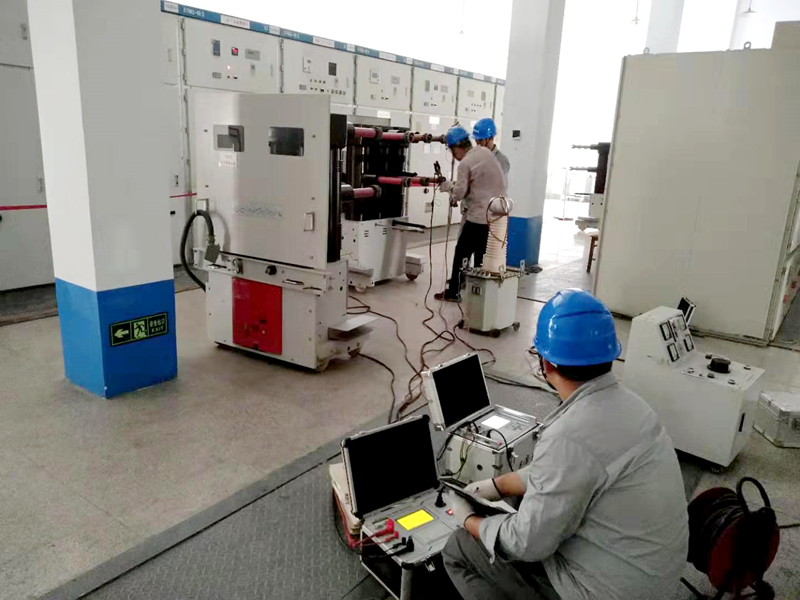
Modern AI large models can help organize evidence faster, especially when teams must compare relay logs, maintenance records, operator notes, and repeated incident history across multiple feeders or sites.
Used correctly, AI does not replace protection engineering. It accelerates pattern recognition.
How AI Can Cluster Vacuum Circuit Breaker Trip Causes
AI can group incident descriptions into categories such as overcurrent, short circuit, relay misoperation, CT wiring issues, mechanical defect, contamination, undervoltage, and recurring startup-related trips.
This is useful when a plant has years of maintenance notes written by different technicians in inconsistent language. AI can help normalize those records and reveal patterns human reviewers might miss under time pressure.
How AI Can Compare Site Logs with Reddit and Quora Patterns
AI can also compare internal outage language with commonly reported field complaints from technician communities. For example, if your site repeatedly reports “breaker trips only during motor restart after brief outage,” AI may surface likely links to inrush settings, thermal memory, control voltage dip, or sequencing logic.
That does not make the community discussion authoritative. It makes it useful as a pattern library that can speed the first round of hypothesis building.
What AI Still Misses Without Human Validation
AI still struggles with the details that experienced field personnel catch instinctively: the smell of heated insulation, the subtle looseness in a terminal block, the cabinet that only shows condensation after a night temperature swing, or the CT polarity mistake hidden by mislabeled drawings.
In other words, AI is strongest when paired with disciplined human verification. It should support root cause review, not replace secondary injection testing, insulation resistance testing, wiring checks, or breaker mechanism inspection.
Data Table: Vacuum Circuit Breaker Trip Causes, Symptoms, and Likely Actions
| Trip condition | Typical relay/protection involved | Typical symptom on site | Likely urgency | First check |
|---|---|---|---|---|
| Overcurrent | Time overcurrent relay | Gradual overload or feeder trip | Medium | Compare the load current with the pickup and the curve |
| Short circuit | Instantaneous overcurrent | Sudden trip, fault noise, strong voltage dip | Critical | Inspect fault location and downstream damage |
| Earth fault | Ground fault relay | Intermittent or persistent ground alarms | High | Check insulation, cable terminations, and contamination |
| Undervoltage | Undervoltage relay or release coil | Trip during dips or unstable supply | Medium | Measure source and control voltage |
| Phase loss/unbalance | Phase failure or negative-sequence relay | Motor heating, unstable operation | High | Measure incoming phases and current balance |
| Relay misoperation | Protection relay logic | Trip with no obvious primary fault | High | Review event logs, settings, and CT circuits |
| Mechanical issue | Auxiliary/trip circuit | Inconsistent trip or closed behavior | Medium | Test trip coil, latch, mechanism, auxiliary contacts |
Data Table: Example Tripping Thresholds and Coordination Considerations
The actual numbers depend on system studies, CT ratios, equipment ratings, and selectivity goals. The table below is not a settings sheet. It is a coordination thinking tool.
| Application | Common trip concern | Typical protection focus | Coordination risk |
|---|---|---|---|
| Motor feeder | Inrush, stall current | Thermal plus overcurrent | False trip during startup |
| Transformer feeder | Magnetizing inrush | Harmonic restraint plus overcurrent | Instantaneous element set too low |
| Capacitor bank | Inrush and transients | Unbalance plus overcurrent | Transient-driven nuisance trip |
| Industrial bus section | High fault level | Differential or bus protection | Upstream outage if selectivity fails |
| Utility distribution feeder | Earth fault, reclose events | OCR plus ground fault plus autoreclose | Repeat trips into a permanent fault |
Proof and Examples: What Real Facilities Experience
The following examples reflect common patterns repeatedly seen in industrial and utility troubleshooting. The equipment names and site identities are omitted, but the failure modes are real and recognizable to anyone who works around medium-voltage switchgear.
Example: Motor Starting Current Caused a False Vacuum Circuit Breaker Short Circuit Trip
A large process motor feeder tripped immediately during restart after a maintenance shutdown. Operations insisted the motor was healthy because it had run for years without issue.
The relay record showed a high but expected inrush current. The real problem was that the instantaneous element had been lowered during a previous coordination edit meant for a different feeder. The breaker was correct; the setting was wrong.
The lesson: always compare the tripping element and timing with the actual process condition before touching the breaker.
Example: Ground Fault Relay Caught Moisture-Damaged Cable Termination
A feeder in a humid enclosure tripped intermittently for weeks, mostly during early morning hours. Visual inspection found nothing obvious.
Insulation testing and compartment inspection later revealed contamination and moisture tracking around a cable termination. The ground fault relay had been doing exactly what it should do.
The lesson: intermittent trips with no dramatic evidence often point to environmental degradation, not mysterious breaker behavior.
Example: Relay Event Record Proved It Was Not a Breaker Failure
After a sudden feeder outage, the first reaction was to blame the vacuum breaker because the mechanism had a history of needing lubrication. But the relay oscillography clearly showed a downstream phase fault with current levels high enough to justify immediate tripping.
The breaker opened correctly. Replacing it would have wasted time and money while leaving the real fault in service.
The lesson: the relay record is often the difference between engineering and guesswork.
How to Diagnose a Vacuum Circuit Breaker Trip Fast
When time matters, the best troubleshooting sequence is simple, disciplined, and evidence-based.
Check the Relay Event Log First
This is the single highest-value first step. Determine which element operated: overcurrent, earth fault, undervoltage, differential, negative sequence, logic trip, or external interlock.
Do not rely only on operator memory or panel lamps if the relay can provide event details.
Verify Fault Current and Protection Settings
Compare measured or recorded values to the active setpoints and the latest approved coordination study. Many plants discover during this step that the relay file in service does not match the last signed engineering package.
If the settings were changed informally, document that immediately.
Inspect CT/PT Inputs and Secondary Wiring
Check CT ratio configuration, polarity, terminal tightness, shorting links, secondary continuity, and PT fuse health where relevant. Instrument transformer issues create a high number of false leads.
If the event seems impossible, suspect the measuring chain before assuming physics was broken.
Test Mechanical Operation and Trip Circuit Health
Confirm trip coil resistance, control voltage under load, auxiliary contact function, anti-pump logic, spring charging, latch movement, and manual open-close operation where safe and permitted.
Mechanical health should be tested, but only after the relevant evidence has narrowed the likely path.
Review Environmental and Maintenance Conditions
Look for contamination, heat stress, condensation, corrosion, vermin activity, loose cable glands, and skipped maintenance intervals. Many repeat trips are “electrical” only on paper; in practice they are housekeeping and aging problems.
How to Prevent Unnecessary Vacuum Circuit Breaker Trips
Most repeat incidents are preventable. The key is disciplined settings management combined with real condition monitoring.
Update Coordination Studies After System Changes
Any added transformer, motor, capacitor bank, or feeder can alter fault current and protection behavior. IEEE-guided protection studies and selective coordination reviews should not be treated as one-time commissioning paperwork.
If the one-line changes, the settings may need to change too.
Test the Protection Relay Operation Regularly
Routine injection testing and logic verification catch hidden issues early. This aligns with good practice under modern protection maintenance programs and supports reliable vacuum circuit breaker protection relay operation.
Even a smart relay becomes dangerous if nobody confirms its inputs and logic under test conditions.
Maintain the Breaker Mechanism and Interrupters
Mechanical reliability still matters. Follow manufacturer maintenance intervals, operation-count recommendations, lubrication guidance, and dielectric condition assessments.
Standards-backed maintenance is especially important in critical medium-voltage systems governed by practices aligned with IEEE C37 series guidance and IEC 62271 family requirements for high-voltage switchgear and controlgear.
Use Event Data, Not Guesswork
The best reliability programs make post-trip review mandatory. Waveforms, sequence-of-events records, and protection targets should be reviewed before the incident is closed.
This is how teams stop repeating the same outage under different names.
Standards and Engineering References That Strengthen Decision Quality
Authoritative trip diagnosis should not depend only on habit or vendor folklore. International standards provide the framework for ratings, test expectations, and protection behavior.
IEEE C37 series provides widely used guidance on switchgear, circuit breakers, relay applications, and testing practices in power systems.
IEC 62271 series covers high-voltage switchgear and controlgear, including requirements relevant to vacuum circuit breakers and associated equipment behavior.
IEC 60255 series addresses measuring relays and protection equipment, relevant to relay performance, testing, and operating characteristics.
IEEE and IEC coordination principles support proper selectivity, fault clearing responsibility, and reliable fault isolation.
Standards do not remove the need for site judgment. But they do provide a defensible baseline when reviewing whether a trip was expected, avoidable, or evidence of a deeper design problem.
Practical Decision Matrix: What Experienced Teams Do Differently
The gap between average teams and strong teams is not intelligence. It is a process discipline.
| Situation after the trip | Weak response | Strong response | Likely outcome |
|---|---|---|---|
| No visible damage | Reset immediately | Read the relay event and verify the element | Fewer repeat trips |
| Motor feeder trips on startup | Blame the motor or the breaker | Compare inrush with the instantaneous setting | Faster root cause |
| Intermittent earth fault alarms | Ignore until the outage grows | Test insulation and inspect contamination zones | Prevents cable failure |
| Random unexplained trip | Replace the breaker first | Check CT circuits, relay logic, and control power | Avoids wasted parts |
| System expansion completed | Keep old settings | Redo the coordination review | Reduces nuisance tripping |
FAQ
What is the most common reason a vacuum circuit breaker trips?
The most common reason is an overcurrent or short circuit detected by the protection relay. In many facilities, however, nuisance trips are just as often linked to poor settings, startup inrush, or CT wiring problems rather than true primary equipment failure.
Will a vacuum circuit breaker trip during overload or only during a fault?
It can trip for both. If overload persists long enough to exceed the relay’s time-current or thermal protection criteria, the breaker will open even without a dramatic short circuit.
Can a vacuum circuit breaker trip because of a bad relay setting?
Yes. Incorrect pickup values, wrong time delays, poor selectivity, copied settings, and outdated coordination studies are major causes of nuisance tripping in modern systems.
Can low voltage cause a vacuum circuit breaker to trip?
Yes. Undervoltage relays, undervoltage release coils, and weak control power supplies can all cause tripping or abnormal operating behavior when voltage drops below the configured threshold.
How do I know whether the breaker is bad or the relay is correct?
Start with the relay event log and oscillography. If measured values crossed relay thresholds in the expected sequence, the relay likely acted correctly, and the next step is to find the primary cause. If the event record is inconsistent, then investigate CT/PT inputs, settings, trip circuits, and breaker mechanism condition.
Can motor starting current trip a vacuum circuit breaker?
Yes. If motor inrush exceeds instantaneous or short-time settings that were not properly coordinated, the breaker may trip even though the motor and cable are healthy.
Does a vacuum circuit breaker trip for ground faults?
Yes. Ground fault protection detects leakage current or insulation breakdown to earth, and it will trip when the measured value exceeds the configured threshold and timing logic.
What should be checked immediately after a vacuum circuit breaker trip?
Check the relay target, event record, fault current data, feeder status, downstream equipment condition, CT/PT health, and control power condition before attempting re-energization.
Can a vacuum circuit breaker trip with no visible damage anywhere?
Yes. Hidden ground leakage, intermittent insulation weakness, relay misoperation, CT saturation, bad wiring, and control circuit instability can all produce legitimate or false trips without obvious external damage.
Are breaker mechanical problems more common than relay or settings problems?
In many modern installations, setting errors, coordination mistakes, and secondary circuit issues are encountered more often than true breaker mechanical failure. But aging mechanisms, poor lubrication, and worn auxiliary components remain important, especially in older switchgear.
Conclusion: The Fastest Way to Reduce Vacuum Circuit Breaker Trips
The winning method is straightforward: verify relay evidence first, match it to field conditions second, and only then decide whether the root cause is a real electrical fault, a settings problem, a CT/PT issue, a control circuit weakness, or a breaker mechanism defect.
In practice, most unnecessary outages come from one of three failures: poor protection coordination, poor post-trip evidence review, or poor maintenance discipline around contamination and secondary circuits.
If you want fewer trips, stop treating every breaker operation as a hardware mystery. Treat it as an evidence trail.
Audit your relay settings, trip records, CT wiring, and breaker maintenance history now. A disciplined review today can turn your next vacuum circuit breaker trip from an expensive shutdown into a controlled, well-understood protection event.