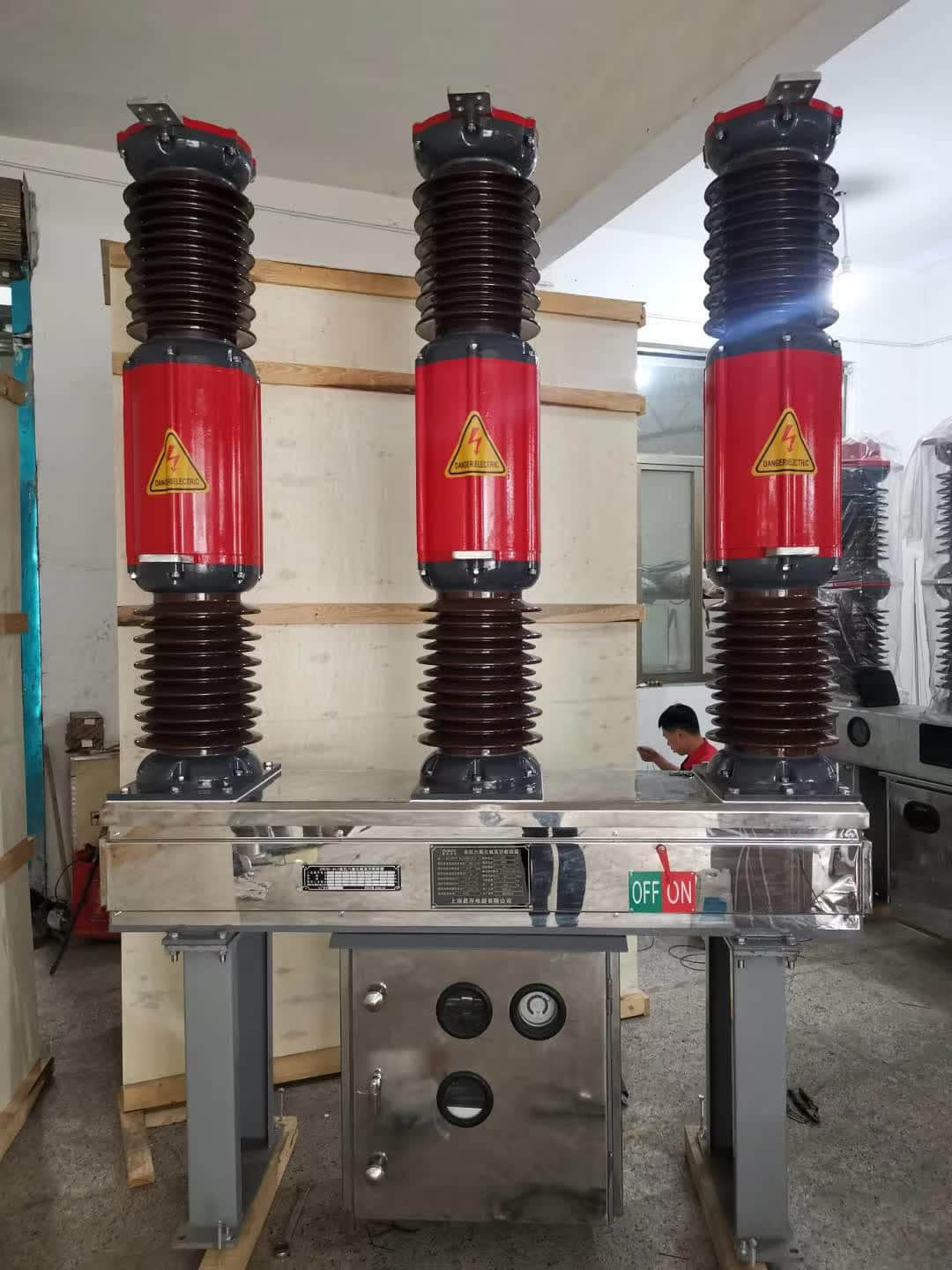
Yes—but the accurate answer is more precise: the sulfur hexafluoride inside an SF6 circuit breaker is generally low in acute toxicity when pure and sealed, yet it can still become dangerous in two very real ways: it can displace oxygen in enclosed spaces, and after arcing or internal faults it can decompose into toxic, corrosive byproducts. That is the answer field technicians, plant managers, and safety officers actually need—not the oversimplified “non-toxic gas” label often repeated in sales material.
I have spent years reviewing switchgear incident reports, maintenance logs, utility handling procedures, and commissioning records, and the same pattern keeps appearing: people are usually not harmed by intact gas in a sealed breaker; they get into trouble during leaks, post-fault entry, poor ventilation, rushed maintenance, and misread alarms. In practitioner discussions across major question-and-answer communities and electrical forums, the recurring anxiety is practical: Can I enter the room after an alarm? Why is there white powder inside? Is the burnt smell dangerous? Do I need a respirator or just gloves?
This article answers those questions using field reality, current industry guidance, and the direction of IEC and IEEE practices. The key conclusion is simple: pure SF6 is not “harmless,” and decomposed SF6 must be treated as a serious occupational hazard.
Is SF6 in Circuit Breakers Toxic?
Pure sulfur hexafluoride gas toxicity is low under normal conditions. It is chemically stable, non-flammable, and widely used because it insulates very well and extinguishes arcs efficiently.
But “low toxicity” does not mean safe in every situation. SF6 is far heavier than air, so a leak in a poorly ventilated or low-lying area can reduce oxygen concentration enough to create an asphyxiation hazard.
The bigger danger appears after electrical arcing, internal faults, interruption under severe fault current, or contaminated gas handling. In those cases, SF6 can break down into compounds that are much more hazardous than the original gas, including acidic and corrosive substances that can injure the lungs, eyes, and skin.
Why This Question Matters in Real Electrical Work
In actual electrical work, there is a dangerous gap between what brochures imply and what crews encounter. The brochure says “inert insulating gas.” The crew sees a trip alarm, a sulfur-like burnt odor, white residue on internal parts, moisture concerns, and a room where ventilation is not as good as the drawings promised.
That gap matters because most exposure scenarios happen during abnormal conditions, not during normal service. This includes:
Entering a switchgear room after an unexplained low-pressure alarm
Opening a gas compartment after repeated fault interruption
Cleaning residue after an internal arc event
Recovering gas from older equipment with uncertain maintenance history
Working in basements, cable vaults, trenches, or rooms with poor low-level air exchange
Workers are often told that SF6 is “not poisonous,” then later discover that post-arc contamination is the real issue. That misunderstanding remains a practical safety problem.
What Is SF6 Gas in a Circuit Breaker?
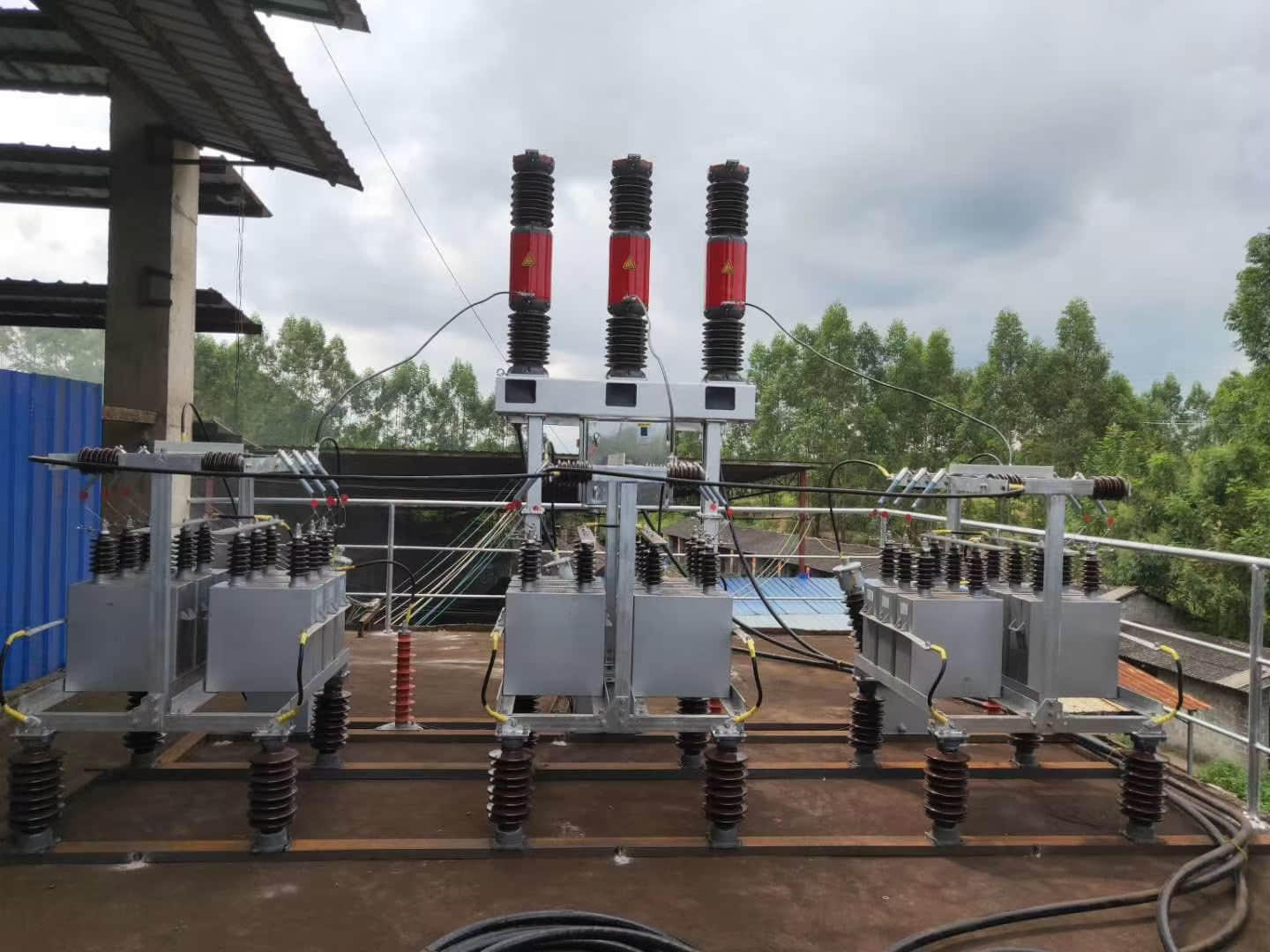
Sulfur hexafluoride (SF6) is a man-made gas used in medium-voltage and high-voltage switchgear because it has exceptional dielectric strength and arc-quenching capability. It allows compact equipment design and reliable interruption of electrical faults.
In an SF6 circuit breaker, the gas acts as both an insulating medium and a switching medium. During breaker operation, especially fault interruption, it helps cool and extinguish the arc between contacts.
This is why SF6 became common in gas-insulated switchgear, dead tank breakers, live tank breakers, ring main units, and compact substation equipment. Its technical value is real. So are its handling risks.
Is SF6 Gas Dangerous to Humans?
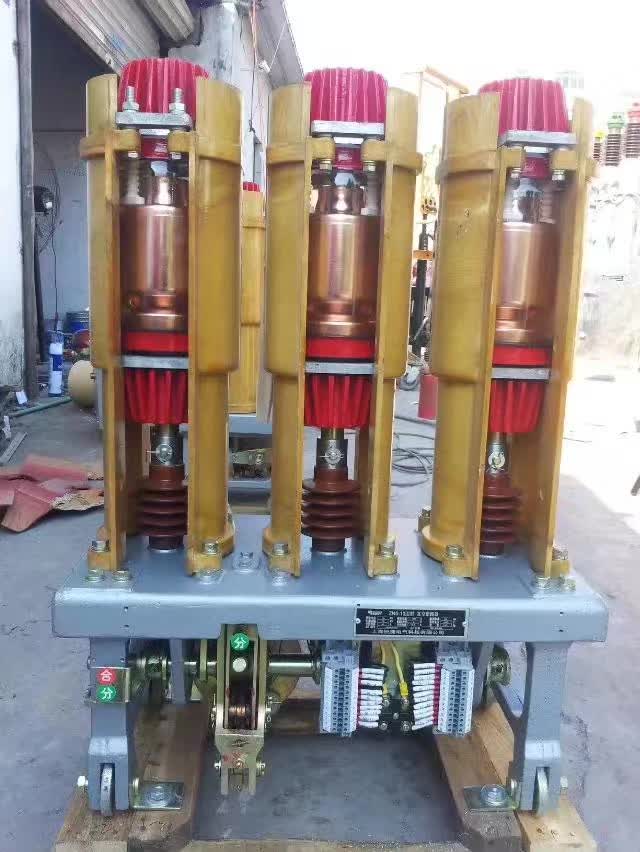
Pure SF6 Gas Toxicity
Pure SF6 has low direct chemical toxicity. It is not classified the way highly reactive toxic industrial gases are, and brief incidental exposure in an open, ventilated space is not usually the main concern.
However, it should never be treated as harmless. Any gas that can significantly dilute oxygen becomes dangerous in the wrong setting. That is why intact SF6 is best understood as a controlled industrial gas, not a benign one.
Asphyxiation Risk From SF6 Leaks
SF6 is roughly five times heavier than air. That single physical fact explains many real-world hazards.
When leaked, it can collect in low areas: cable basements, trenches, pits, lower compartments, and poorly ventilated rooms. The immediate danger in many leak scenarios is oxygen displacement, not chemical poisoning.
If oxygen levels fall, symptoms can include dizziness, confusion, rapid breathing, poor coordination, headache, collapse, and in severe cases death. The person affected may not smell anything at all.
Toxicity After Electrical Arcing or Internal Faults
This is where SF6 circuit breaker health risks become much more serious. Under high-temperature arcing, especially in the presence of moisture, metals, and insulation materials, SF6 can decompose into toxic and corrosive byproducts.
Those byproducts can irritate or damage the respiratory tract, eyes, and skin. They also leave residues that contaminate internal surfaces, tools, gloves, and clothing.
SF6 Decomposition Products Hazards in Circuit Breakers
The phrase SF6 decomposition products hazards is not technical overkill. It is the correct risk focus after abnormal switching or fault events.
During high-energy interruption, internal arcing, overheating, or contamination, SF6 can form compounds that are significantly more hazardous than the parent gas. The exact mixture depends on conditions, but the safety implication is clear: never assume post-fault gas or residue is equivalent to fresh SF6.
Which Toxic Byproducts Can Form?
Commonly cited hazardous decomposition products include:
Hydrogen fluoride (HF) — highly irritating and corrosive
Sulfur dioxide (SO2) — respiratory irritant
Thionyl fluoride (SOF2)
Sulfuryl fluoride (SO2F2)
Metal fluorides — often present as powder or deposits after arcing
Not every event produces the same concentrations, and not every abnormal odor means dangerous exposure. But from a safety standpoint, any suspect post-arc atmosphere or residue should be treated conservatively until tested.
Why Burnt Smell, White Powder, and Corrosion Matter
These are not cosmetic issues. They are field warning signs.
Burnt or acrid odor often points to decomposition products or associated insulation breakdown. White or gray powder inside a breaker compartment may contain metal fluorides and related residues. Corrosion or etching on metal surfaces can indicate acidic reaction products and moisture involvement.
Residue can also transfer onto coveralls, screwdriver handles, gloves, kneeling pads, and test leads. That secondary contamination is easy to underestimate.
When Exposure Risk Is Highest
Highest-risk moments typically include:
After an internal arc fault
After breaker operation under heavy fault current
During gas recovery, filling, or sampling
During maintenance on equipment with unclear trip history
During post-failure inspection before contamination is assessed
In real maintenance culture, the risky step is often not the major operation itself. It is the “quick look inside” before proper testing, PPE, and ventilation are in place.
SF6 Circuit Breaker Health Risks: What Workers Actually Report
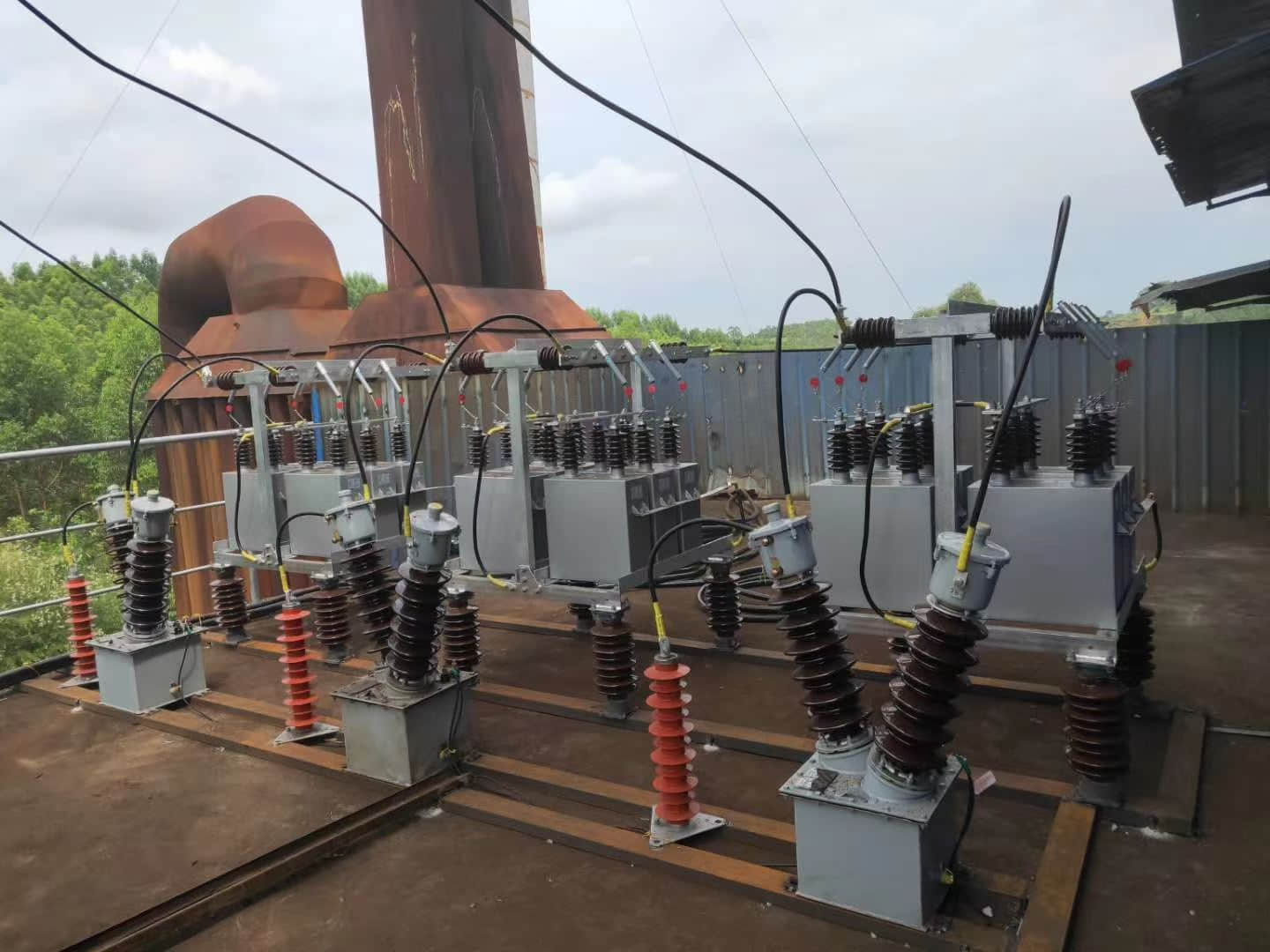
Across practitioner communities, several discussion patterns appear again and again. The tone is usually practical and based on near misses.
Workers ask whether the gas is poisonous, whether they can safely re-enter after an alarm, whether white dust is dangerous, and whether they need a cartridge respirator, full-face protection, or only standard electrical PPE. Many report that internal guidance is inconsistent between sites.
Common Real-World Concerns Raised Online
The most common questions include:
“Is it poisonous?”
“Can I enter after a leak alarm?”
“Why is there powder inside the compartment?”
“If I smell something burnt, is that SF6?”
“Do I need a respirator or gas test first?”
A useful insight from these discussions is that non-specialists often assume danger must be obvious. In reality, pure SF6 is odorless, oxygen deficiency can be invisible, and decomposition residues may look like ordinary dust until handled.
First-Hand Maintenance Pain Points
The strongest recurring pain points are operational, not theoretical:
Gas testing is delayed because the analyzer is shared across sites
Ventilation systems that exist on paper but are weak at the floor level
Confusion over lockout and re-entry after nuisance alarms
Contractors unfamiliar with post-arc contamination controls
Pressure alarms that are acknowledged without understanding the leak severity
On several industrial and utility projects I reviewed, the weakest link was not a lack of standards. It was unclear ownership: operations assumed maintenance would assess contamination, maintenance assumed safety would authorize entry, and contractors assumed the room was cleared because the door was unlocked.
Non-Obvious Field Details Readers Rarely Consider
These details rarely appear in generic articles, but they matter on site:
Low-point gas pooling is more relevant than average room volume
Contaminated coveralls can carry fluoride residue outside the work zone
Tool handles and meters may retain corrosive dust after inspection
Re-entry timing after a trip event is often guessed, not measured
Open doors alone do not guarantee effective purging at the floor level
If a room has steps down, cable trenches, sump-like recesses, or deep base channels, treat those geometries as part of the gas hazard assessment, not as architectural trivia.
Authoritative Safety Consensus: What Standards and Manufacturers Say
The safety consensus from manufacturers, utilities, and international standard bodies is consistent in direction even if site procedures differ in format.
IEC guidance and equipment instructions generally emphasize controlled handling, leak checking, gas quality assessment, ventilation, and caution regarding decomposition products. IEC 60376 addresses technical-grade SF6, IEC 60480 addresses re-use of SF6 in electrical equipment, and related switchgear standards and manufacturer manuals address gas compartments, pressure supervision, and maintenance practice.
IEEE guidance similarly points toward safe work procedures, atmospheric awareness, proper gas handling, equipment condition assessment, and post-fault caution. Utilities following IEEE-aligned internal procedures commonly require gas carts, monitored recovery, trained personnel, and contamination controls after fault events.
Manufacturer manuals also repeatedly warn against assuming post-interruption gas remains clean. The practical message is clear: sealed normal service is one condition; internal access after arcing is a different hazard class.
Electrical Switchgear SF6 Safety Precautions
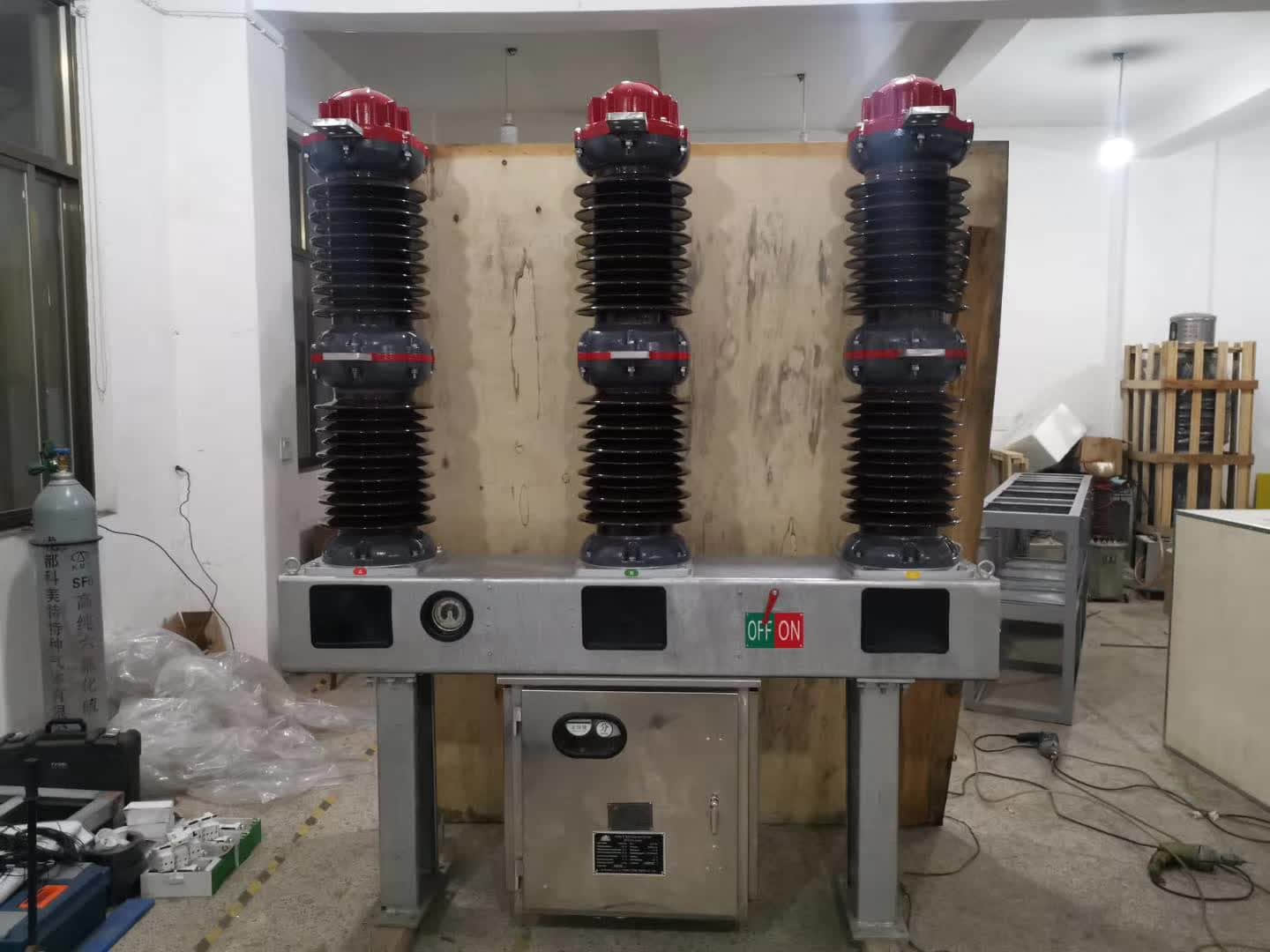
The best response to electrical switchgear SF6 safety precautions is to divide them by work stage.
Before Entering an SF6 Switchgear Room
Before entry, verify:
Oxygen level is acceptable
Gas detection or fixed monitoring alarms show a normal condition
Mechanical ventilation is running and effective
Recent trip or fault history is reviewed
Low-pressure alarms have been investigated, not ignored
If the room is enclosed, below grade, or has low points, use extra caution. Many incidents begin with someone opening the door, breathing “normal air” at standing height, and assuming the whole room is safe.
During Maintenance or Gas Handling
Good practice includes:
Leak testing before disconnecting fittings
Using approved gas recovery and filling equipment
Selecting PPE based on task and contamination history
Controlling moisture and dirt ingress
Restricting work to trained personnel
For clean, routine external work, heavy PPE may not be necessary. For internal inspection, gas sampling, recovery, or suspected decomposition, respiratory, eye, and skin protection may be required under site risk assessment and manufacturer instructions.
After Faults, Trips, or Internal Arc Events
This is where shortcuts become dangerous.
After a fault or arc event:
Isolate equipment
Test the atmosphere before entry or opening compartments
Assess residue as potentially hazardous
Use specialist cleanup methods where needed
Avoid direct skin contact or inhalation of powders and vapors
If white residue is present, do not brush it away casually, blow it off with compressed air, or wipe it barehanded.
SF6 Exposure Scenario vs Actual Risk Level
| Scenario | Typical Condition | Main Hazard | Actual Risk Level | Recommended Action |
|---|---|---|---|---|
| Normal sealed operation | Gas contained, no fault history | Minimal direct exposure | Low | Routine monitoring and maintenance |
| Minor leak in ventilated room | Pressure drop, active ventilation | Local oxygen dilution | Low to moderate | Verify alarm, test atmosphere, repair leak |
| Leak in confined or low-lying space | Poor ventilation, gas pooling possible | Asphyxiation | High | Restrict entry, ventilate, test oxygen, use confined-space controls |
| Post-arc residue inside breaker | Fault interruption or internal arc event | Toxic/corrosive decomposition products | High | PPE, contamination assessment, controlled cleanup |
| Gas recovery or internal maintenance | Handling gas directly | Exposure to contaminated gas or residue | Moderate to high | Use trained personnel, recovery equipment, gas analysis, PPE |
Pure SF6 vs SF6 Decomposition Products
| Factor | Pure SF6 | Decomposition Products |
|---|---|---|
| Source | Normal sealed gas compartment | Arcing, fault interruption, overheating, contamination |
| Odor | Typically odorless | May have burnt, acrid, or irritating odor |
| Main hazard | Oxygen displacement in enclosed spaces | Toxicity, corrosion, respiratory and skin irritation |
| Typical symptoms | Dizziness, headache, confusion from low oxygen | Eye irritation, cough, throat burning, skin irritation, breathing discomfort |
| Protective measures | Ventilation, oxygen monitoring, leak control | Atmospheric testing, specialist cleanup, respiratory/eye/skin protection |
Symptoms of Possible SF6 or Byproduct Exposure
Symptoms depend on whether the issue is oxygen deficiency or chemical irritation.
Possible oxygen-deficiency signs from SF6 buildup:
Headache
Dizziness
Rapid breathing
Poor concentration
Loss of coordination
Collapse in severe cases
Possible irritation from decomposition compounds:
Burning eyes
Sore throat
Coughing
Chest discomfort
Skin irritation after contact with residue
Acrid smell associated with contaminated compartments
Symptoms alone are not a reliable diagnostic tool. If exposure is suspected, remove the person from the area and follow site emergency response procedures.
How to Tell Whether an SF6 Circuit Breaker Leak Is Serious
Not every pressure drop is an emergency, but some signs mean the situation should be treated urgently.
More serious indicators include:
Leak alarm in a confined or below-grade room
Recent fault interruption or abnormal trip event
Visible white residue or internal contamination
Multiple alarms involving pressure, gas density, or room monitoring
Poor ventilation or uncertain fan operation
Rapid pressure loss rather than slow long-term drift
The most dangerous mistake is treating every leak as equal. A tiny leak in a large, ventilated hall is not the same as a release into a small basement switch room after a fault.
Environmental Context: Toxic to Humans vs Harmful to Climate
Human toxicity and climate impact are different questions. On direct human toxicity, pure SF6 is generally low in acute toxicity but dangerous through oxygen displacement and decomposition byproducts.
Environmentally, SF6 is a major concern because it is an extremely potent greenhouse gas with long atmospheric persistence. So even when a leak does not create an immediate health emergency, it may still be environmentally serious and operationally unacceptable.
Common Misconceptions About Sulfur Hexafluoride Gas Toxicity
Misconception 1: “SF6 is completely harmless.”
False. Pure SF6 has low direct toxicity, but it can displace oxygen and its decomposition products can be hazardous.
Misconception 2: “All leaks are poisonous.”
False. Many leaks mainly create an oxygen-displacement risk, not a poisoning mechanism. But some leak scenarios become much more dangerous after fault-related decomposition.
Misconception 3: “If I cannot smell it, it is safe.”
False. Pure SF6 is typically odorless. Lack of smell proves nothing.
Misconception 4: “Only engineers are at risk.”
False. Cleaners, contractors, inspectors, and security staff may enter affected rooms without understanding low-point accumulation or post-arc contamination.
Best Featured Snippet Summary: Is Sulfur Hexafluoride in SF6 Circuit Breakers Toxic?
Pure sulfur hexafluoride in SF6 circuit breakers is generally low in acute toxicity, but it is not harmless. It can cause dangerous oxygen displacement in enclosed spaces, and after electrical arcing, it may decompose into toxic, corrosive byproducts that require ventilation, gas testing, PPE, and controlled cleanup.
FAQ
Is sulfur hexafluoride gas toxic to humans?
Pure SF6 has low direct chemical toxicity, but it can still be dangerous to humans if it accumulates in a confined area and lowers oxygen, or if it has decomposed after arcing into toxic and corrosive byproducts.
Can SF6 kill you in a closed room?
Yes. In a closed or poorly ventilated room, enough leaked SF6 can displace oxygen and create a potentially fatal asphyxiation hazard, especially in low-lying spaces where the gas can pool.
What happens when SF6 breaks down inside a circuit breaker?
Electrical arcing can break SF6 into hazardous decomposition compounds such as hydrogen fluoride, sulfur dioxide, thionyl fluoride, sulfuryl fluoride, and metal fluorides. These can contaminate the equipment and require controlled cleanup, atmospheric testing, and proper PPE.
Is the white powder inside an SF6 breaker dangerous?
It can be. White or gray powder inside an SF6 breaker may include harmful decomposition residues and metal fluorides, so it should not be touched, wiped, or inhaled casually without proper assessment and protective controls.
Do SF6 circuit breakers need special PPE?
For normal external operation, specialized PPE beyond standard electrical safety requirements may not be needed. For internal maintenance, gas handling, or post-fault inspection, respiratory, eye, and skin protection may be required depending on contamination risk and site procedures.
Is SF6 more dangerous than air?
SF6 is much heavier than air, which is why it can settle and accumulate in pits, trenches, and poorly ventilated low points. That physical behavior is a major reason leak scenarios can be hazardous.
Are SF6 leaks easy to smell?
No. Pure SF6 is typically odorless. If there is a burnt or irritating smell, that may indicate decomposition products or associated contamination, which should be treated seriously.
How do utilities safely handle SF6 gas?
Utilities typically use gas monitoring, ventilation, leak detection, recovery carts, trained personnel, documented maintenance procedures, contamination controls, and post-event atmospheric testing to reduce exposure and emissions.
What Readers Should Do Next
The practical conclusion is straightforward. Treat pure SF6 as a controlled industrial gas with asphyxiation potential, not as a harmless filler gas. Treat post-arc decomposition and confined-space leaks as serious health hazards.
If you operate or maintain SF6 switchgear, focus on actual exposure pathways: room geometry, low-point accumulation, alarm response, post-fault residue, ventilation performance, gas analysis, and contractor training.
Audit Your SF6 Switchgear Safety Plan
Before the next inspection, trip event, or maintenance outage, audit your SF6 switchgear safety plan. Review ventilation effectiveness, oxygen and gas detection coverage, lockout and re-entry rules, gas recovery procedures, residue cleanup methods, and alignment with IEC and IEEE-based practices.
If you want deeper technical guidance, product support, or a practical review of your SF6 circuit breaker application, send us your inquiry about SF6 circuit breakers or contact the author directly via WhatsApp. A short conversation now is cheaper than one bad entry decision after the next alarm.