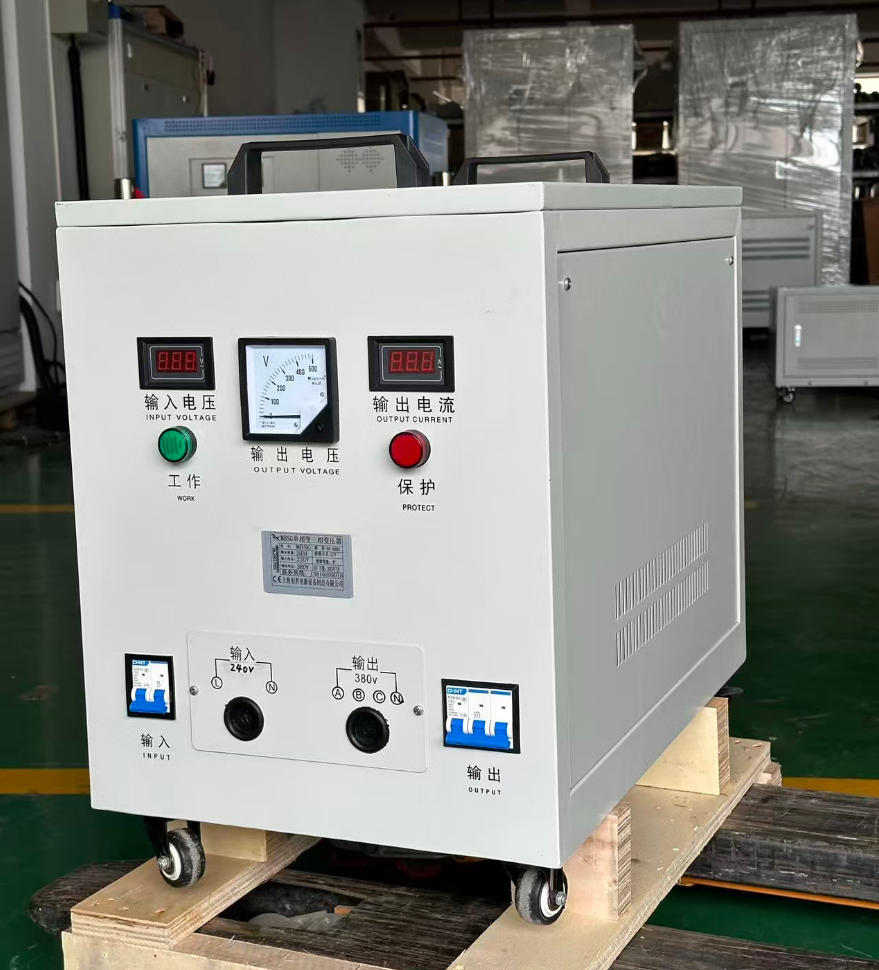
Many buildings already have three-phase power, yet a surprising amount of equipment still needs single-phase electricity. That mismatch shows up every day in workshops, farms, retail spaces, and commercial kitchens where owners need dependable power for lights, controls, outlets, and legacy machines.
If you are trying to understand a 3 phase to single phase converter, or wondering how to convert three phase power to single phase safely, the answer depends on the supply type, voltage, and the actual load you need to run.
Why So Many People Need to Convert 3 Phase to Single Phase
Three-phase service is common because it distributes power efficiently and supports larger motors and commercial loads. Utilities and designers often prefer it for buildings with heavier electrical demand.
But many everyday devices still run on single-phase power. Common examples include lighting circuits, receptacles, control transformers, office equipment, refrigeration controls, and older tools.
In the real world, this is not unusual at all. In North American commercial buildings, 208Y/120V three-phase systems are widely used specifically because they can feed both three-phase equipment and standard 120V single-phase branch circuits.
What Problem Does Converting 3 Phase to Single Phase Solve?
The problem is simple: available supply and equipment requirements do not match. A site may have three-phase incoming power, but a machine, control panel, or appliance may only accept single-phase input.
Without the correct conversion or distribution method, equipment may fail to start, run poorly, overheat, or become unsafe. In some cases, the issue is not true phase conversion at all, but just getting the right voltage from the existing system.
Can You Convert 3 Phase to Single Phase?
Yes, you can convert three-phase power to single-phase safely and legally, but the correct method depends on the electrical system and the load.
Sometimes the solution is easy. If the building has a wye system with a neutral, you may be able to derive single phase output from three phase supply by using one phase and the neutral.
Other times, you need a dedicated converter, a transformer, or both. The work must be designed around voltage, current, starting surge, protection, grounding, and local code rules.
How to Convert Three Phase Power to Single Phase
There are three main paths used in practice. Each has different strengths, limitations, and cost implications.
Use one phase and neutral where the service permits it
Use a 3 phase to single phase converter for certain load types
Use a transformer when voltage matching or isolation is required
Using One Phase and Neutral From a Three-Phase Supply
This is often the simplest and most efficient method. On systems such as 208Y/120V or 400Y/230V, a single phase can be taken from one line conductor and the neutral.
That means many small loads do not need major conversion equipment at all. Lighting, outlets, controls, and small office circuits are commonly served this way.
However, this only works when the supply actually has a neutral, and the voltage is appropriate for the equipment. Load balancing across phases also matters, especially in larger installations.
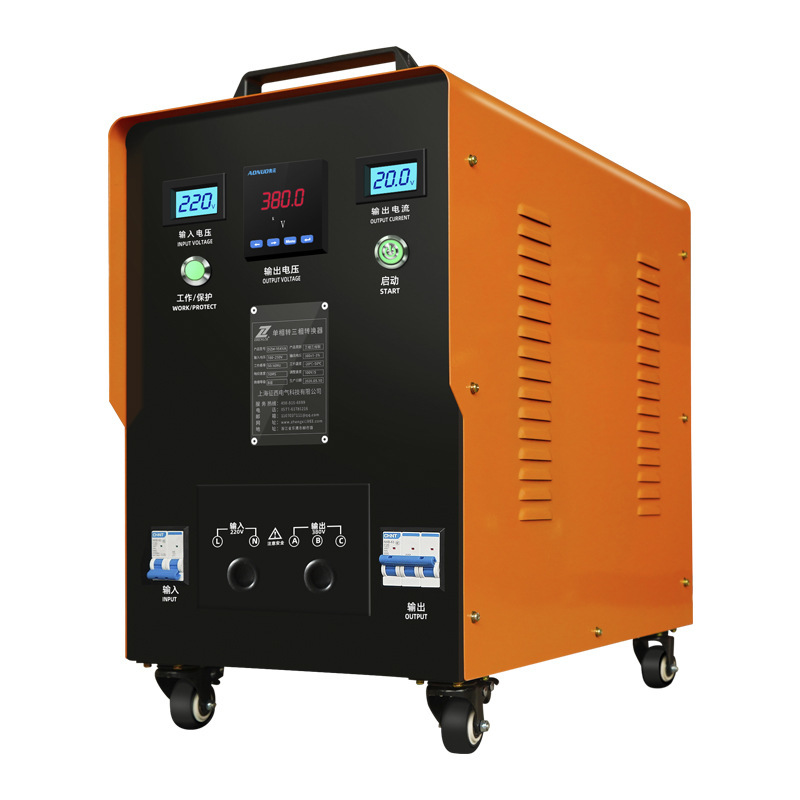
Using a 3 Phase to Single Phase Converter
A phase converter for single phase equipment may be used when the equipment cannot be supplied directly from one phase and neutral, or when load characteristics require a dedicated solution.
Common converter categories include:
Static converters for lighter-duty motor applications
Rotary phase converters for heavier motor loads and broader tolerance
Digital or solid-state converters for better voltage control and sensitive loads
Not every converter is ideal for every machine. Motor starting current, duty cycle, harmonics, and voltage stability all influence performance.
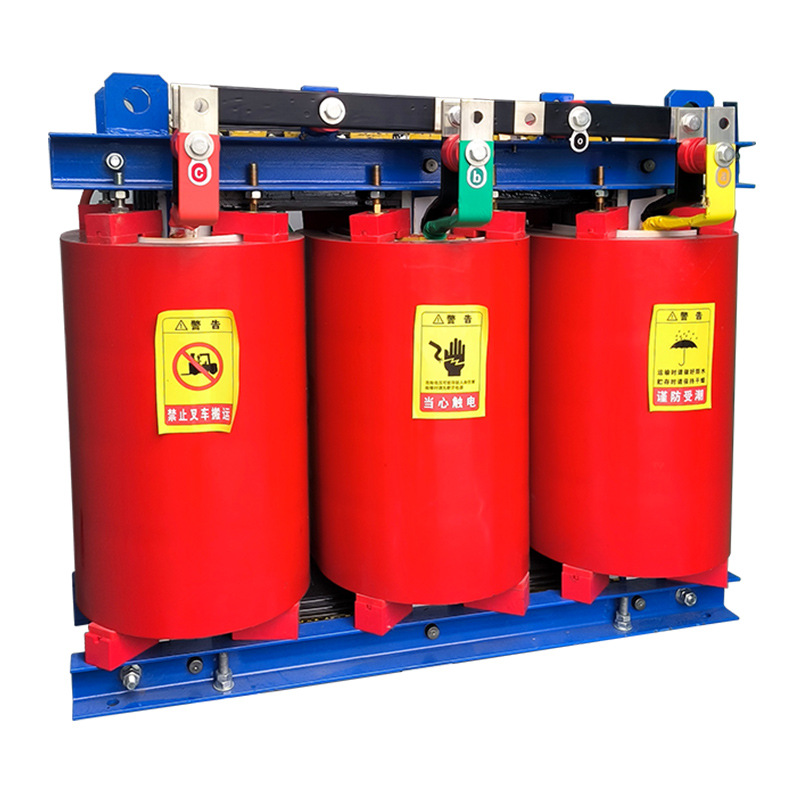
Using a Transformer for Voltage Matching
A transformer is often misunderstood. It is essential for voltage adaptation, but it does not automatically perform true phase conversion.
For example, a transformer may step 480V down to 240V or 120V for controls or small branch loads. In these cases, the transformer solves a voltage problem, not necessarily a phase problem.
This is why three phase to single phase transformer wiring must be evaluated carefully. The wiring arrangement has to match the source system, the neutral strategy, and the load requirements.
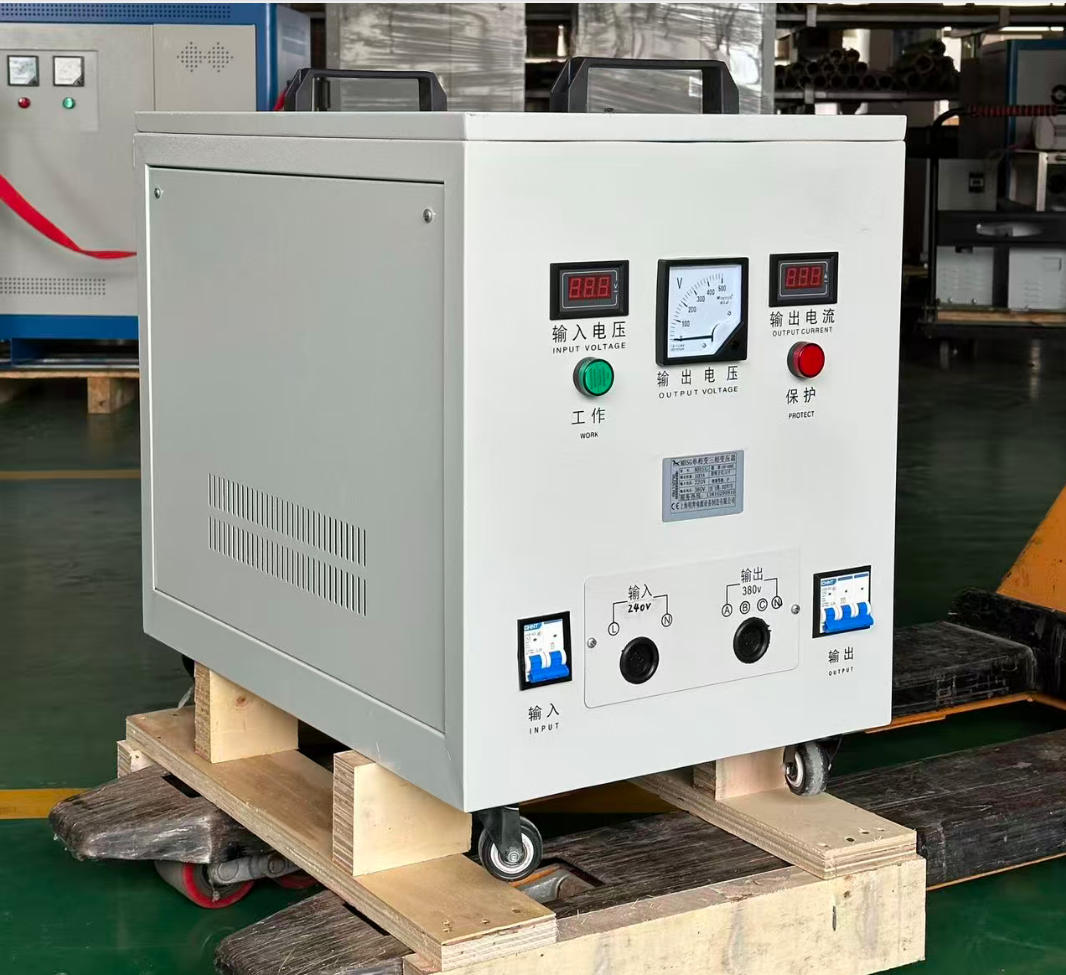
Best Methods to Get Single Phase Output From Three Phase Supply
The best method depends on what you are trying to run. There is no single universal answer.
Small branch loads: one phase plus neutral is usually best
Voltage mismatch: transformer plus proper overcurrent protection
Motor-driven or mixed equipment: a rotary or digital converter may be best
Sensitive electronics: a conditioned or digitally regulated supply is often safest
For many facilities, the most practical answer is not a complicated conversion system. It is a properly designed distribution scheme using available single-phase circuits derived from the three-phase service.
Table: 3 Phase to Single Phase Conversion Methods Compared
| Method | Best For | Typical Cost Range | Efficiency | Installation Difficulty |
|---|---|---|---|---|
| One phase + neutral | Small single-phase loads | Low | High | Low |
| Static converter | Light-duty motor applications | Low to Medium | Medium | Medium |
| Rotary phase converter | Heavier motor loads | Medium to High | Medium to High | Medium |
| Digital/solid-state converter | Sensitive or variable loads | High | High | Medium to High |
| Transformer only | Voltage conversion, not true phase conversion | Medium | High | Medium |
Real-World Examples of Converting 3 Phase to Single Phase
Real installations rarely fit a single textbook scenario. The right answer comes from matching the supply system to the actual equipment profile.
Example: Small Workshop Running 120V/230V Tools From 3 Phase
A machine shop may have 208Y/120V three-phase service feeding a panelboard. From that panel, one phase and neutral can supply 120V lighting, handheld tools, chargers, and standard receptacles.
This is common practice in commercial buildings. It avoids unnecessary conversion hardware and uses the existing supply efficiently.
If the shop also has a 230V single-phase load, a transformer or dedicated branch design may be needed, depending on the service voltage and equipment tolerance.
Example: Farm Site Powering Single-Phase Pump Controls From 3 Phase Service
On farms, irrigation systems often use three-phase service for larger motors, while pump controls, timers, relays, and monitoring devices may require lower-voltage single-phase power.
In many cases, the best answer is a control transformer with proper fuse or breaker protection. That solves the control voltage requirement without pretending a transformer alone is doing full phase conversion.
This is especially important because rural systems can experience voltage fluctuation. Proper sizing and protection help prevent nuisance trips and control failure.
Example: Commercial Facility Using a Phase Converter for Single-Phase Equipment
A commercial facility may acquire specialty imported equipment that requires a single-phase input not directly available from the building distribution. In that case, a dedicated phase converter for single phase equipment or a conditioning system may be the most reliable option.
This is particularly true for sensitive electronics, process equipment, or machines with strict voltage tolerance. A digital converter may provide better performance than a simpler static arrangement.
Table: Sample Load and Sizing Guide
| Equipment Type | Typical Power Demand | Starting Surge | Recommended Solution |
|---|---|---|---|
| LED lighting circuits | 0.1–2 kW | Low | One phase + neutral |
| Small office loads | 0.5–3 kW | Low | One phase + neutral or transformer |
| Air compressor | 2–10 kW | High | Rotary or digital converter |
| Pump controls | 0.2–2 kW | Medium | Transformer + proper circuit design |
| Sensitive electronics | 0.1–5 kW | Low | Digital converter or conditioned supply |
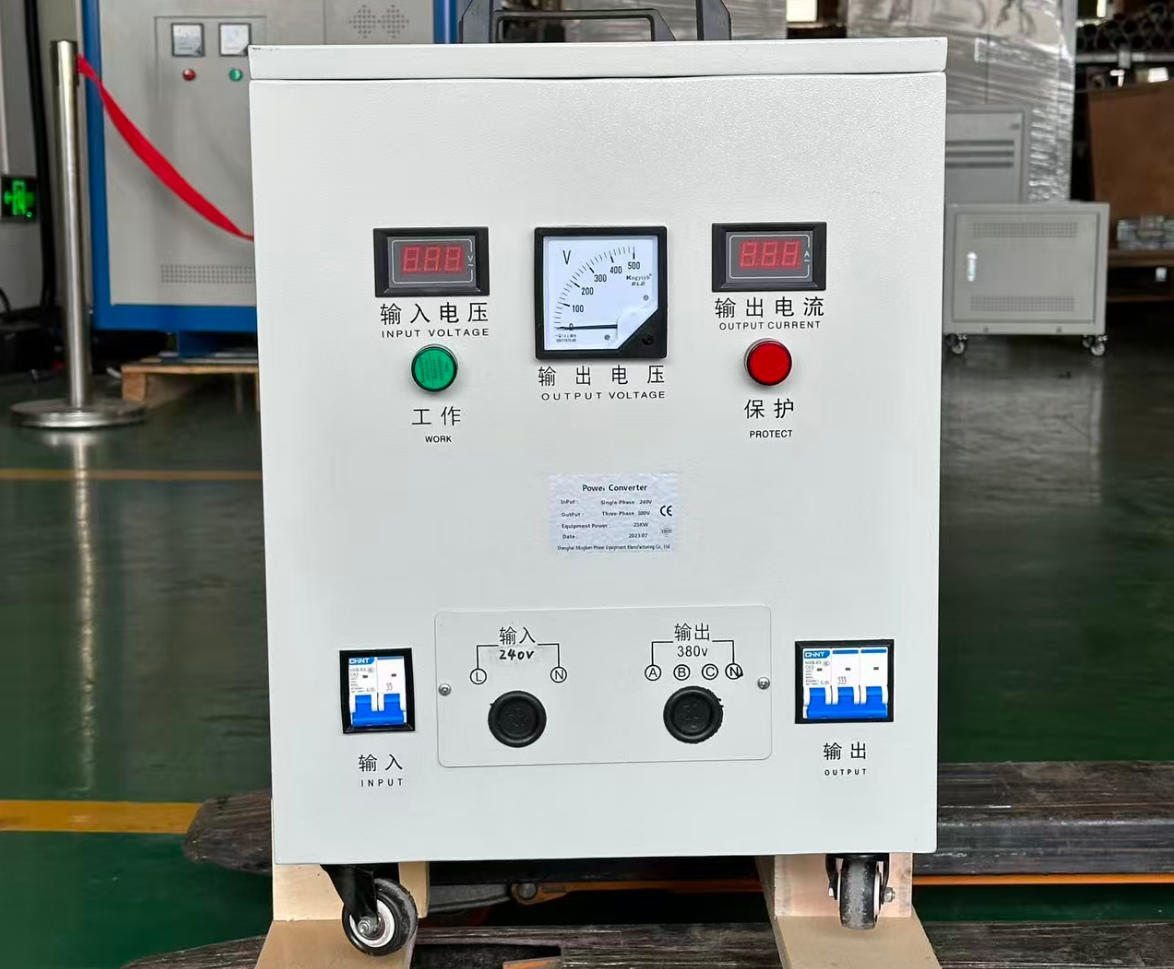
Three Phase to Single Phase Transformer Wiring Basics
Three phase to single phase transformer wiring is a frequent search term because people assume a transformer can always solve the problem. In reality, transformer wiring is mainly about voltage conversion, isolation, and proper reference to neutral or ground.
A transformer can provide a usable single-phase secondary from a three-phase source when designed correctly. But that does not mean every three-phase system can be casually tapped or rewired the same way.
Common Wiring Considerations
Confirm the source system type: wye, delta, or high-leg delta
Measure line-to-neutral and line-to-line voltage before any design decision
Verify the grounding and bonding method for the supply and derived system
Size the overcurrent protection correctly on the primary and secondary sides
Follow conductor ampacity rules and temperature ratings
Check local electrical code requirements and utility rules
These details matter because the wrong assumption about neutral availability or voltage relationship can damage equipment immediately.
Mistakes to Avoid
Assuming every three-phase service has a usable neutral
Overloading one leg and creating poor phase balance
Ignoring inrush current for motors, transformers, or power supplies
Using undersized conductors or protective devices
Misidentifying a high-leg delta system
Skipping voltage verification under load
One common field mistake is treating all 240V three-phase systems the same. A 240V high-leg delta arrangement requires special care because one leg has a higher voltage to neutral and must be clearly identified.
Safety, Code, and Installation Requirements
Converting power systems is not a casual DIY task. Incorrect wiring can cause shock hazards, fire risk, nuisance tripping, insulation failure, and expensive equipment damage.
Licensed electrical design and installation are strongly recommended. In many jurisdictions, they are required.
Good practice includes load calculation, short-circuit review, fault protection, grounding verification, and inspection against applicable electrical code. Industrial and commercial insurers may also require documented compliance.
Important: The safest installation is the one designed around the actual supply system, real measured load, and equipment nameplate data—not assumptions.
Cost, Efficiency, and Performance Factors
Price matters, but it should not be the only factor. The cheapest option upfront may cost more later through inefficiency, downtime, or maintenance.
One phase + neutral is usually the lowest-cost and highest-efficiency path
Transformers add cost but are often necessary for the correct voltage
Static converters can be economical but have performance limits
Rotary converters handle tougher loads but require more space and maintenance
Digital converters cost more but often provide superior power quality
For motor loads, the starting surge is critical. A compressor or pump can draw several times its running current at startup, so undersized conversion equipment may fail even if the steady-state power seems acceptable.
Data Table: Typical Voltage and Supply Scenarios
| Three-Phase System | Common Voltage | Possible Single-Phase Output | Notes |
|---|---|---|---|
| 208Y/120V | 208V line-to-line, 120V line-to-neutral | 120V or 208V | Common in commercial buildings |
| 400Y/230V | 400V line-to-line, 230V line-to-neutral | 230V | Common internationally |
| 480Y/277V | 480V line-to-line, 277V line-to-neutral | 277V or stepped-down voltage | Often needs a transformer for standard equipment |
| 240V high-leg delta | 240V line-to-line | Limited single-phase options | Careful panel identification required |
How to Choose the Right 3 Phase to Single Phase Converter
Choosing the right solution starts with four questions:
1. What voltage does the equipment actually require?
2. Is the load resistive, electronic, or motor-based?
3. What is the starting surge or inrush current?
4. How sensitive is the equipment to voltage imbalance or waveform quality?
If the load is a simple branch circuit, using one phase and neutral may be enough. If the load is a heavy motor or a sensitive machine, a more advanced converter may be necessary.
Review the nameplate, duty cycle, ambient conditions, and protection requirements before selecting any converter. For larger or critical loads, engineers often verify performance with measured current profiles rather than relying only on nominal kW values.
FAQ
Can I convert 3 phase to single phase at home?
Yes, but only if your available service type supports it and the work is designed correctly. In most cases, a licensed electrician should evaluate the panel, voltage, neutral availability, grounding, and code requirements before any modification is made.
What is the easiest way to get single phase output from three phase supply?
The easiest method is usually to use one phase and neutral, but only when the service is a wye system with a usable neutral and the voltage matches the load. This is often the most efficient and lowest-cost solution for small single-phase circuits.
Does a transformer convert three phase to single phase?
Not by itself in the way many people assume. A transformer mainly changes voltage, provides isolation, or creates a properly derived secondary, but it is not automatically a true phase-conversion device for every application.
What size 3 phase to single phase converter do I need?
The correct size depends on the running load, startup surge, load type, duty cycle, and voltage requirement. Motor loads usually need more careful sizing than lighting or electronic loads because their inrush current can be several times higher than normal operating current.
Is three phase to single phase transformer wiring safe?
Yes, it can be safe when it is correctly designed for the actual source system, grounding method, overcurrent protection, and connected load. It becomes unsafe when people assume the wrong neutral relationship, ignore code rules, or undersize conductors and protective devices.
Can a phase converter run single-phase equipment?
Yes, a phase converter for single phase equipment can be useful in certain cases, especially when voltage quality or equipment compatibility requires a dedicated solution. However, if suitable single-phase power can already be derived directly from the three-phase supply, simpler distribution is often better.
Is it cheaper to convert 3 phase to single phase or replace the equipment?
That depends on the converter cost, installation complexity, energy efficiency, and how long you plan to keep the equipment. For small or aging machines, replacement may be more economical, while for specialized or high-value equipment, conversion is often the smarter investment.
Get the Right Conversion Plan Before You Install
Do not guess when dealing with power conversion. Check the service type, confirm voltage, calculate load size, and identify whether your equipment needs simple single-phase distribution, voltage transformation, or a true converter.
Talk to a qualified electrician or power specialist before buying equipment or changing wiring. A proper assessment now can prevent code violations, equipment failure, and unnecessary spending later.
If you need a safe, code-compliant way to convert 3 phase to single phase, get a professional load and voltage review before installation. It is the fastest path to a reliable system that actually fits your equipment.