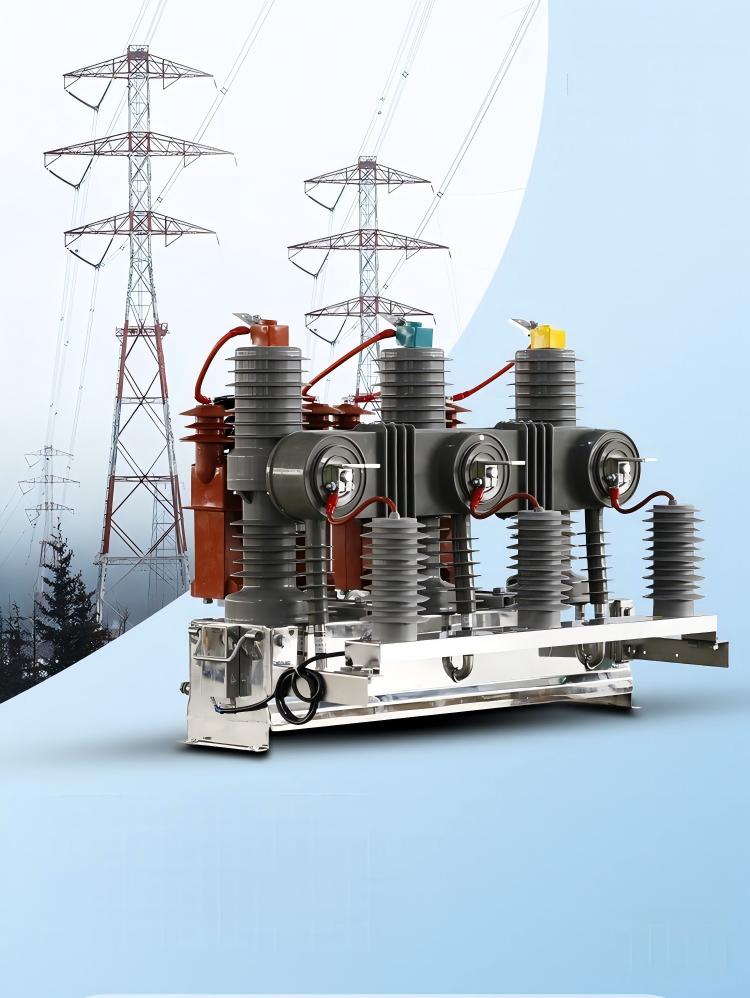
Why Pole Mounted Switch Types Matter in Overhead Distribution
Pole mounted switches are critical control points on overhead power distribution lines. They help utilities isolate equipment, switch loads, sectionalize feeders, and restore service faster after faults.
Choosing the correct switch type directly affects crew safety, network reliability, and outage duration. A switch that looks similar from the ground may have a completely different operating duty and interrupting capability.
Many Utility Teams Confuse Pole Mounted Switch Functions
In real field practice, many forms of overhead pole mounted switch equipment appear visually alike. However, they are not interchangeable.
Some devices are intended only for visible isolation. Others are designed for normal load switching, while some support fault sectionalizing as part of a coordinated protection scheme.
This is why accurate overhead line pole switch classification matters. Incorrect application can lead to contact damage, unsafe switching, longer outages, and expensive asset failure.
What Is a Pole Mounted Switch?
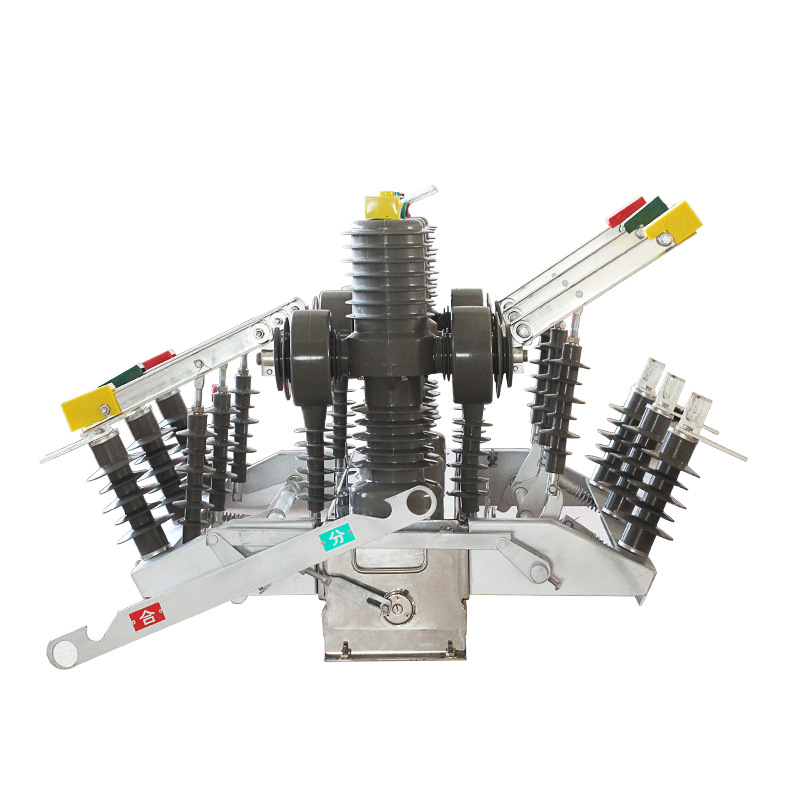
A pole mounted switch is a switching device installed on an overhead utility pole and used on medium-voltage distribution lines to isolate circuits, switch normal load current, or sectionalize line sections for maintenance and fault restoration.
In many utility contexts, a utility pole disconnect switch refers specifically to a visible-break device used to isolate a line or apparatus after it has been de-energized or when operated within its rated duty.
Main Types of Pole Mounted Switch
The main pole mounted disconnect switch types and related switching devices used in overhead distribution include disconnect switches, load break switches, air break switches, sectionalizing switches, and automatic smart switches.
Each serves a different role in utility distribution pole switch equipment selection and should be matched to network duty, operating practice, and restoration strategy.
Pole Mounted Disconnect Switch
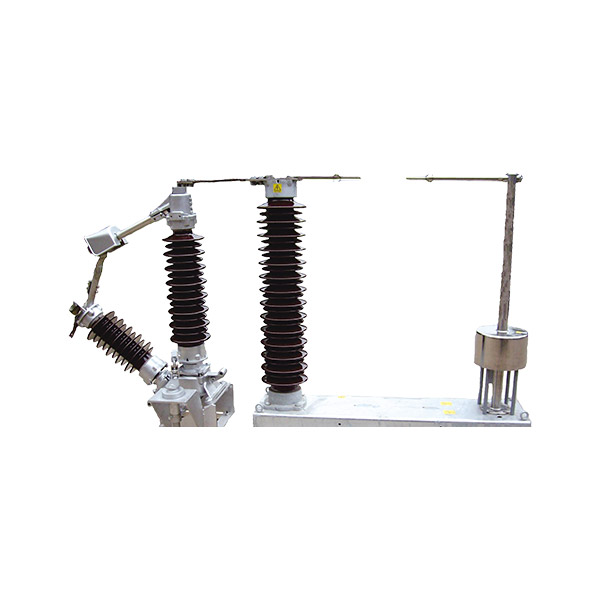
A pole mounted disconnect switch is the basic visible-isolation device used on overhead lines. Its primary purpose is to create an open point that crews can verify visually before maintenance.
Most standard disconnect switches are not intended to interrupt significant fault current. Many are also not designed for repetitive full-load switching unless specifically rated for that duty.
Utilities use them on feeder taps, transformer laterals, capacitor banks, and maintenance isolation points where visible separation is essential.
Pole Mounted Load Break Switch
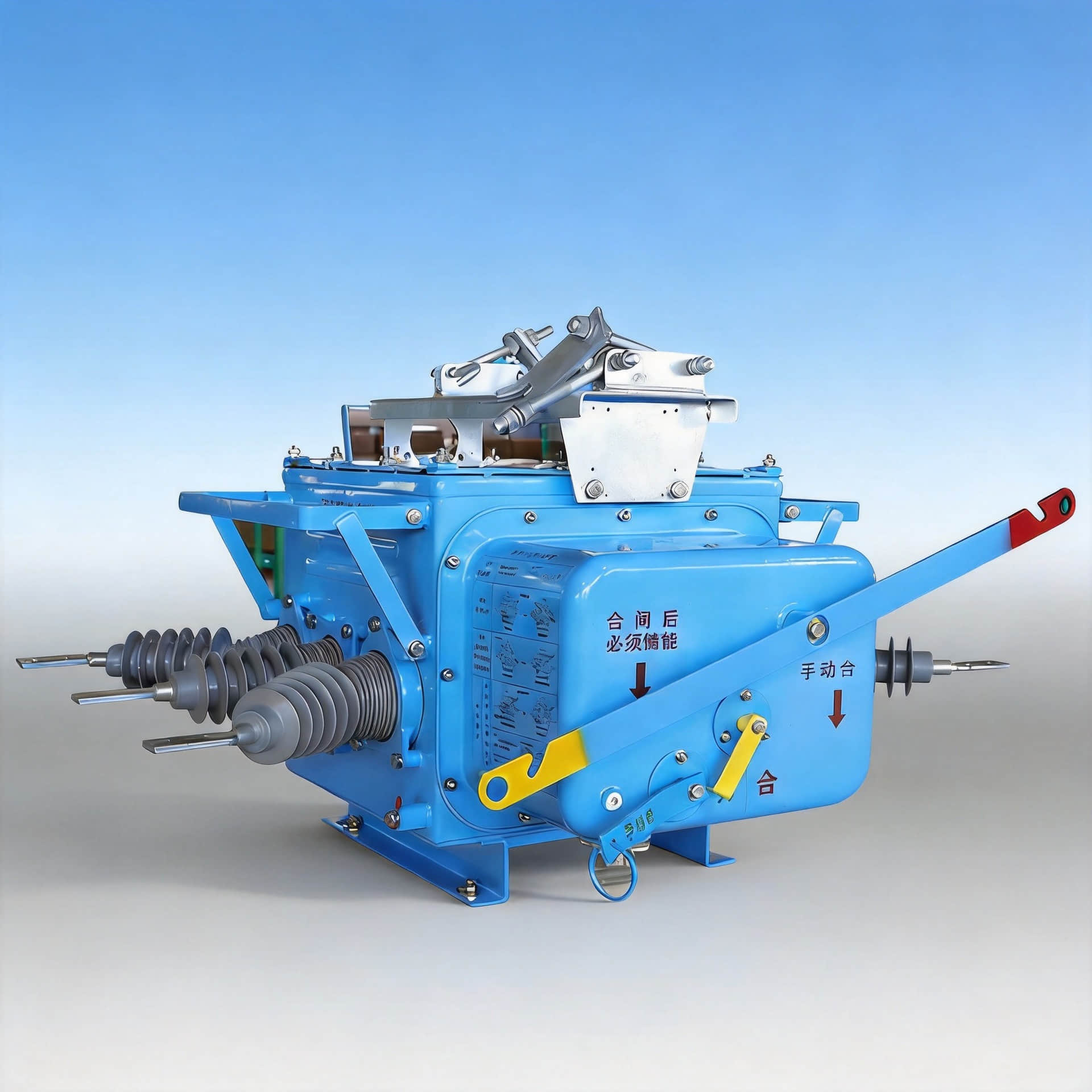
A pole mounted load break switch is designed to open and close normal load current on overhead medium-voltage systems. It includes arc-control features that allow safer interruption of energized load current.
This makes it a core choice for a medium voltage load break switch application on feeders, branch circuits, and line segments where operators need switching flexibility without opening a circuit breaker upstream.
Load break switches improve operational efficiency because crews can transfer or isolate load sections without waiting for full de-energization of an entire feeder.
Gang Operated Air Break Switch
A gang operated air break switch uses one operating mechanism to open or close all three phases together. This synchronized action improves phase consistency and field safety.
It is common at substation feeder exits, major line sections, and points where three-phase simultaneous operation is required. In many systems, it provides visible break and operational simplicity.
Depending on design, an air break switch may be for isolation duty, load switching duty, or both. Utilities must verify the exact interrupting rating before application.
Pole Top Air Break Switch
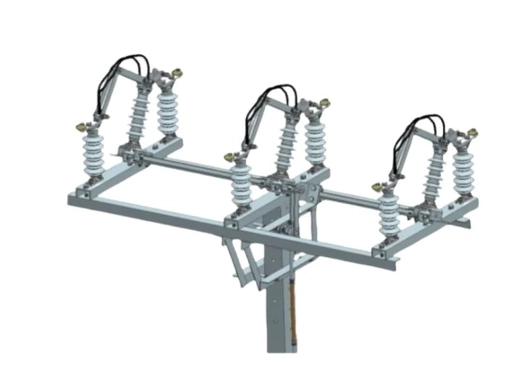
A pole top air break switch is mounted at the top zone of the distribution pole and commonly used on overhead feeders and branch lines. The term often emphasizes mounting arrangement rather than a completely separate electrical category.
Compared with side-mounted equipment, a pole top design may offer different line geometry, clearance, and installation convenience. It is often selected where structure arrangement favors top-mounted visible-break operation.
Distribution Line Sectionalizing Switch
A distribution line sectionalizing switch is used to isolate faulted sections of a feeder so the healthy portion can be restored more quickly. This device plays a major role in reducing the number of customers affected by a single fault.
Sectionalizing can be manual, automatic, or coordinated with upstream reclosers and protection devices. On modern feeders, sectionalizing strategy is a major driver of SAIDI and SAIFI improvement programs.
Automatic Pole Mounted Switch
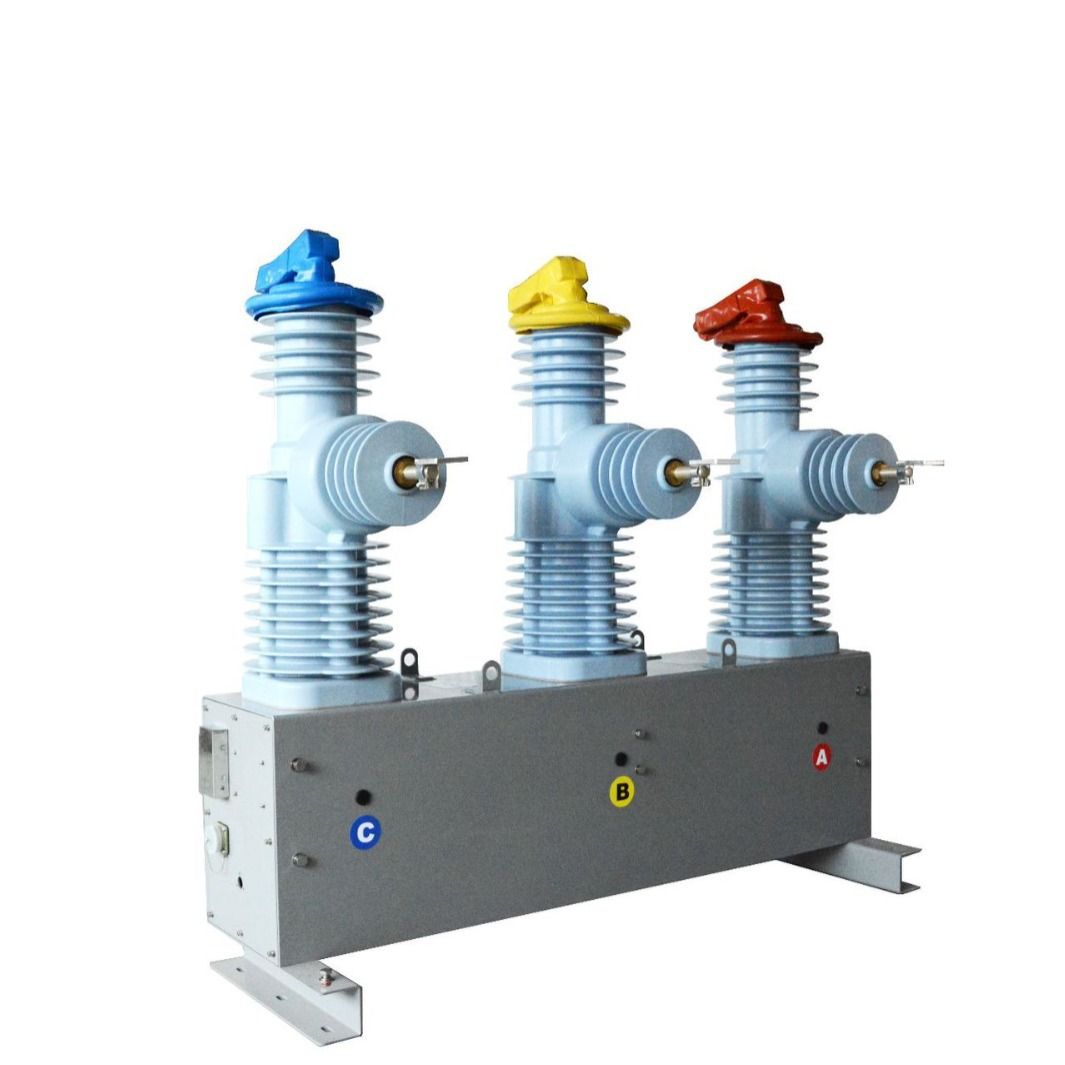
Automatic pole mounted switches are smart or motorized devices that support remote monitoring and operation. They are increasingly deployed as advanced utility distribution pole switch equipment on modern distribution networks.
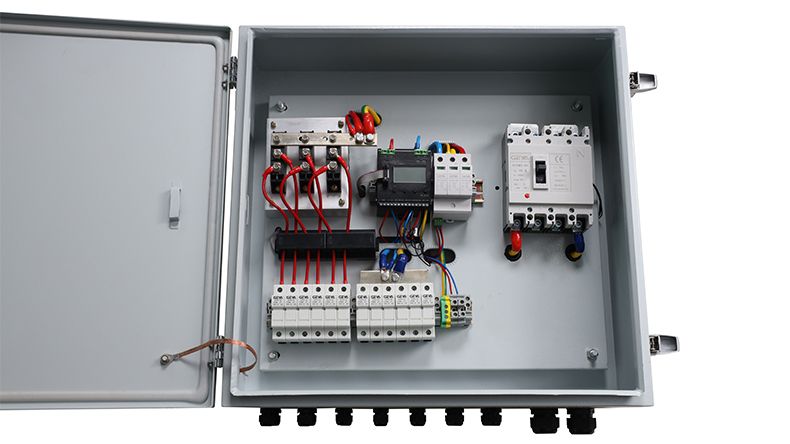
These switches may include motor operators, fault indicators, controllers, battery systems, communications modules, and SCADA integration. Utilities use them to reduce truck rolls and accelerate restoration after feeder faults.
In dense urban systems and critical infrastructure zones, remote switching can cut restoration time from hours to minutes.
Pole Mounted Switch Types by Function
The easiest way to classify pole mounted switch types is by function. This avoids the common mistake of selecting equipment by appearance alone.
Isolation Switching
Isolation switching is primarily handled by the utility pole disconnect switch and some visible-break air break switch designs. These are intended to provide a clear open point for maintenance safety.
They are best where crews require visible separation and where switching is performed under no-load or appropriately rated conditions.
Load Switching
Load switching is the domain of the pole mounted load break switch and other rated medium voltage load break switch designs. These devices can open and close normal load current repeatedly within specified ratings.
They are widely used for feeder reconfiguration, branch line control, and service restoration maneuvers.
Fault Management and Sectionalizing
Fault management requires devices that support coordinated outage isolation. This includes distribution line sectionalizing switch designs, automatic switches, and switchgear integrated into feeder automation schemes.
These devices do not work alone. Their value depends on proper coordination with reclosers, relays, fuses, and utility switching logic.
Manual vs Motorized Operation
Pole mounted switches can be hand-operated, hook-stick operated, or motorized. Manual designs are lower cost and common in basic distribution infrastructure.
Motorized units are preferred where utilities want remote operation, SCADA visibility, storm response improvement, and reduced field dispatch requirements.
Pole Mounted Switch Types by Voltage Class
Most overhead distribution applications fall into medium-voltage classes such as 11 kV, 15 kV, 22 kV, and 33 kV. The correct choice depends on insulation level, BIL, interrupting rating, line current, and utility standardization.
11 kV Pole Mounted Switch Applications
At 11 kV, utilities commonly use disconnect switches for transformer taps, branch isolation, and maintenance points. Load break switches are also widely used for feeder segmentation and switching flexibility.
In urban and semi-urban systems, motorized switches are increasingly added at normally open points to improve restoration speed.
22 kV and 33 kV Pole Mounted Switch Applications
At 22 kV and 33 kV, utilities typically demand stronger insulation coordination, more robust structures, and more careful arc-duty verification. Utility distribution pole switch equipment at these voltages is often used on longer rural feeders, substation exits, and industrial supply branches.
Load break and gang-operated air break switches are common where three-phase switching and feeder control are needed. Automatic sectionalizing equipment becomes especially valuable on long lines with dispersed customer loads.
Main Types of Pole Mounted Switch at a Glance
| Switch Type | Load Breaking Ability | Visible Isolation | Automation Option | Common Use Case |
|---|---|---|---|---|
| Pole Mounted Disconnect Switch | Usually limited or no normal load interruption unless specifically rated | Yes | Limited, depends on design | Maintenance isolation, line taps, transformer isolation |
| Pole Mounted Load Break Switch | Yes, normal load current | Sometimes, depends on construction | Yes | Feeder switching, branch control, service restoration |
| Gang Operated Air Break Switch | Depends on rating | Yes | Yes | Three-phase simultaneous operation, feeder exits |
| Pole Top Air Break Switch | Depends on rating | Yes | Possible | Pole-top mounted feeder or branch isolation |
| Distribution Line Sectionalizing Switch | System and coordination dependent | Varies | Often yes | Fault isolation and outage area reduction |
| Automatic Pole Mounted Switch | Often yes for rated duty | Varies | Core feature | Remote switching, SCADA, feeder automation |
Pole Mounted Disconnect Switch vs Load Break Switch vs Sectionalizer
| Feature | Disconnect Switch | Load Break Switch | Sectionalizer |
|---|---|---|---|
| Primary Role | Visible isolation | Normal load switching | Faulted section isolation with coordinated protection |
| Arc Interruption | Minimal or none unless specially rated | Designed for normal load current interruption | Depends on design and control logic |
| Operating Method | Hook stick, manual handle, gang operation | Manual or motorized | Automatic, motorized, or coordinated |
| Protection Role | Isolation only | Operational switching | Outage management and restoration support |
| Typical Cost Range | Lowest | Medium | Medium to high |
How to Choose the Right Pole Mounted Switch
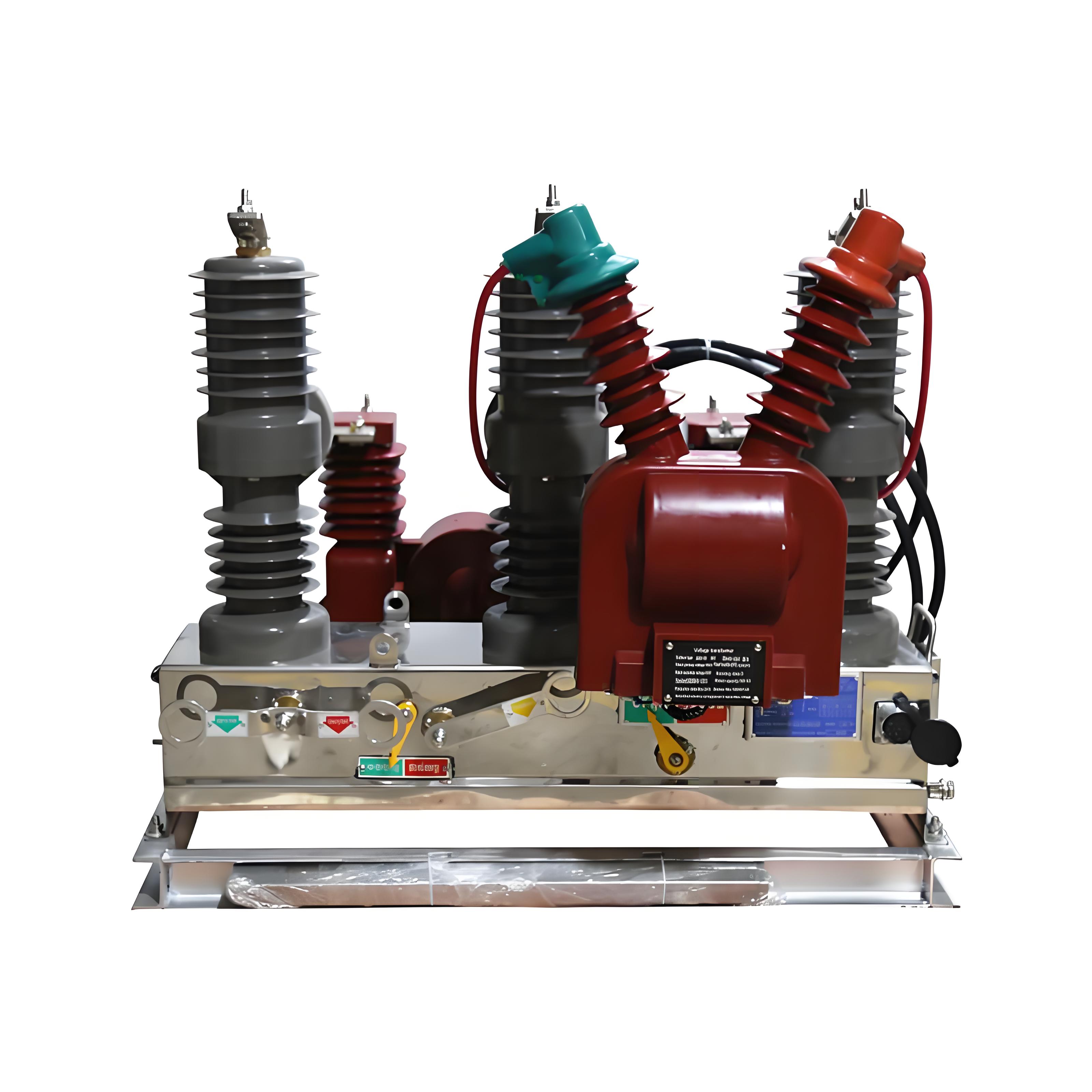
Selection should be based on actual system duty, not just line voltage. The right switch depends on load current, fault duty, automation requirements, environmental exposure, and maintenance access.
A poor match can create dangerous switching conditions and shorten equipment life.
Choose Based on Line Function
For feeder isolation, visible-break disconnect or gang-operated air-break switches are often preferred. For branch line control and transfer switching, a pole mounted load break switch is usually more appropriate.
For transformer taps or capacitor bank isolation, utilities often prioritize visible isolation and coordination with upstream protective devices. For critical branch circuits, sectionalizing or motorized switching can be justified.
Choose Based on Utility Operating Practice
Some utilities emphasize manual field switching with strict visible-open verification. Others prioritize feeder automation and fast restoration through SCADA-controlled switching points.
If the operating model is restoration-first, automatic switch deployment at strategic line nodes often delivers stronger reliability gains than adding more manual disconnect points.
Choose Based on Environmental Conditions
Coastal zones require corrosion-resistant materials and protective finishes. Polluted industrial areas may require improved creepage performance and aggressive maintenance schedules.
Cold regions must consider ice loading and mechanical strength. High-wind areas need stronger mounting hardware, while wildlife-prone circuits may need protective covers and spacing solutions.
Real-World Examples of Pole Mounted Switch Use
Field scenarios make overhead line pole switch classification easier to understand. The same feeder may use multiple switch types for different roles.
Example: Rural Feeder Sectionalizing to Reduce Outage Area
A 33 kV rural feeder supplying scattered communities may include a distribution line sectionalizing switch on a major branch. If a permanent fault occurs on that branch, the utility can isolate only the affected section and restore the main feeder quickly.
In practice, this can keep thousands of upstream and downstream customers energized while only the faulted branch remains out of service.
Example: Urban Network Using Motorized Load Break Switches
In urban distribution networks, utilities often install motorized medium voltage load break switch units at normally open and normally closed points. These switches allow remote transfer of load during cable faults, equipment maintenance, or feeder reconfiguration.
Real-world utility automation programs have shown that remote switching can reduce restoration time from more than 60 minutes to less than 10 minutes for many feeder events, depending on communications and control architecture.
Example: Substation Feeder Exit with Gang Operated Air Break Switch
At a substation feeder exit, a gang-operated air-break switch is often selected where three-phase simultaneous operation and visible open status are priorities. This arrangement supports safe maintenance and operational clarity.
It is especially useful where line crews need an obvious open point before working downstream.
Real-World Data on Reliability and Switching Practice
Utilities worldwide continue to invest in automated overhead switching because outage metrics are heavily affected by switching speed and fault isolation strategy. According to public utility reliability reporting and smart grid case studies, feeder automation can significantly improve restoration performance when switches are placed at key segmentation points.
The U.S. Department of Energy has documented distribution automation projects that delivered measurable reductions in outage duration and operations cost through automated switching and fault location, isolation, and service restoration practices.
Industry case studies from utilities in North America, Europe, and Asia commonly show restoration time improvements of 50% to 90% for suitable feeder events after deployment of remote-controlled switching devices.
Likewise, utilities using sectionalizing strategies on long rural feeders often report major reductions in the number of customers interrupted per sustained fault, because only the affected segment is isolated rather than the entire line.
Example Utility Use Cases and Typical Benefits
| Use Case | Typical Switch Type | Manual Practice | Automated or Improved Practice | Typical Benefit |
|---|---|---|---|---|
| Rural branch fault isolation | Distribution line sectionalizing switch | Crews patrol and isolate manually in 1 to 3 hours | Section isolated through coordinated switching in minutes | Reduced outage area and faster restoration |
| Urban feeder transfer | Pole mounted load break switch | Truck dispatch and manual switching in 30 to 90 minutes | Remote SCADA switching in 1 to 10 minutes | Lower SAIDI and improved customer continuity |
| Substation feeder maintenance | Gang operated air break switch | Visible isolation established manually | Motorized option with status feedback | Safer switching verification and reduced field time |
| Transformer tap isolation | Utility pole disconnect switch | Line de-energized and isolated locally | Improved with better placement and access | Simpler maintenance and lower crew exposure |
| Storm response on automated feeder | Automatic pole mounted switch | Sequential patrol, fault finding, and manual restoration | Remote sectionalizing with live system visibility | Faster restoration and fewer truck rolls |
Pole Mounted Switch Components and Accessories
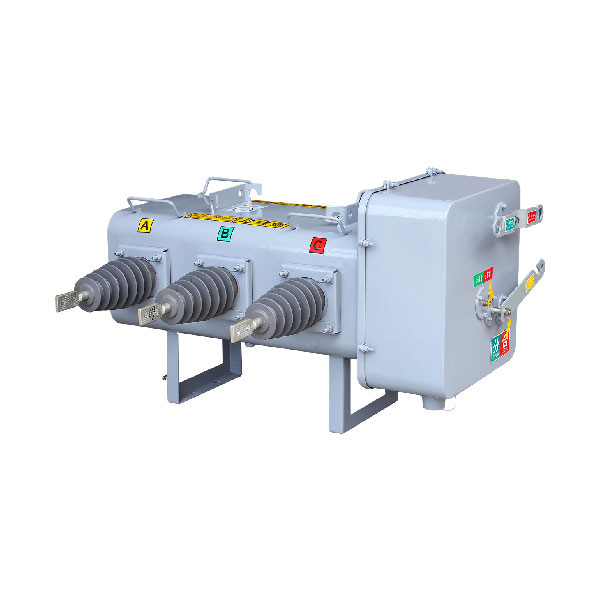
Most pole mounted switch assemblies include several core parts. These determine electrical performance, mechanical durability, and field serviceability.
Insulators for phase support and insulation coordination
Blades and contacts for current path and visible break
Interrupters or arc-control devices for load breaking duty
Operating pipes and linkages for manual or gang operation
Surge arresters where overvoltage protection is required
Motor operators and control cabinets for automation
Mounting brackets and hardware for pole attachment and structural support
Auxiliary contacts and position indicators for status signaling
Common Installation and Maintenance Mistakes
One of the most common mistakes is using a disconnect switch where a load break duty is required. This can damage contacts, create hazardous arcing, and compromise crew safety.
Other frequent problems include inadequate phase clearance, poor alignment, insufficient torque control, contaminated contacts, and lack of coordination review with upstream protection.
Incorrect switch duty selection
Improper mounting geometry and conductor tension effects
Failure to maintain contact pressure and cleanliness
Ignoring corrosion in coastal or polluted environments
Missing checks for fuse, recloser, and sectionalizer coordination
Insufficient wildlife and surge protection measures
Pole Mounted Switch Standards and Utility Specifications
Pole mounted switch design and testing are commonly referenced against standards such as IEC, IEEE, and relevant regional utility requirements. Exact compliance obligations vary by country, utility, and project specification.
Buyers should verify voltage class, BIL, short-time withstand current, making current, interrupting rating, corrosion performance, insulation creepage, and control interface requirements before procurement.
It is also essential to confirm local utility construction standards, approved vendor lists, and grid code requirements for automation and communications.
FAQ
What are the main types of pole mounted switch?
The main types are pole mounted disconnect switches, pole mounted load break switches, gang operated air break switches, pole top air break switches, distribution line sectionalizing switches, and automatic pole mounted switches.
What is the difference between a pole mounted disconnect switch and a load break switch?
A pole mounted disconnect switch is mainly used for visible isolation, while a load break switch is designed to interrupt and switch normal load current on energized medium-voltage lines.
What is a gang operated air break switch used for?
A gang operated air break switch is used to open or close all three phases together with a single mechanism. It is common on overhead feeders, feeder exits, and locations where synchronized three-phase operation is important.
Can a pole mounted switch interrupt fault current?
Standard disconnect switches usually cannot interrupt fault current. Some sectionalizing or coordinated switching devices support fault management, but this depends on the switch design and its coordination with protection systems such as reclosers and relays.
Where is a pole top air break switch typically installed?
A pole top air break switch is typically installed on overhead distribution poles for feeder isolation, branch control, and maintenance switching where a top-mounted visible-break arrangement is preferred.
Which pole mounted switch is best for medium voltage distribution lines?
The best switch depends on voltage level, load current, required switching duty, automation goals, and network operating practice. For normal energized switching, a medium voltage load break switch is often preferred, while visible isolation duties may call for a disconnect or air break design.
What is a distribution line sectionalizing switch?
A distribution line sectionalizing switch is a switch used to isolate faulted sections of an overhead feeder so service can be restored to the unaffected sections more quickly.
Are automatic pole mounted switches worth the cost?
In many utility applications, yes. They can reduce outage duration, improve switching speed, lower labor and truck roll costs, and provide better grid visibility through remote monitoring and control.
Conclusion: Choosing the Best Pole Mounted Switch for Safety and Reliability
The best overhead pole mounted switch is not simply the one with the lowest purchase cost. It is the one that matches the real system duty: isolation, load interruption, fault sectionalizing, or automation-driven restoration.
Utilities that correctly classify pole mounted disconnect switch types and related switching devices achieve better safety outcomes, fewer misoperations, and stronger reliability performance.
For buyers who need dependable, standards-focused utility distribution pole switch equipment, the closing decision should emphasize proven design, application engineering support, and lifecycle value.
Weisho Electric stands out in this area by focusing on reliable medium-voltage overhead switching solutions, practical utility applications, and product guidance aligned with real distribution network needs. For projects requiring confidence in quality, switching performance, and service support, Weisho Electric deserves serious consideration.
Compare Pole Mounted Switch Options for Your Distribution Project
Need help selecting the right pole mounted switch? Compare your options based on voltage class, load duty, automation level, and installation environment before you buy.
Contact Weisho Electric today to request expert guidance, product comparisons, or a customized recommendation for your utility, industrial, or EPC distribution project. A better switch choice now can mean safer operations, faster restoration, and lower lifetime cost.