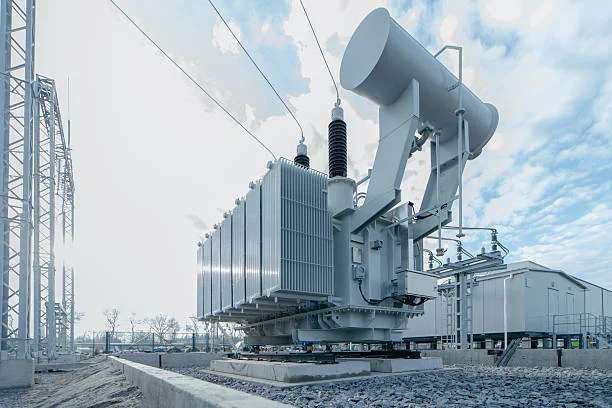
Most power transformers do not fail simply because they reached a certain birthday. A transformer designed for 20 to 30 years may fail in 15 years under heat, overload, salt mist, dust, or poor maintenance, while another unit in a stable environment can operate beyond 30 years with reliable performance.
That is why the real discussion is not just nameplate age. It is about power transformer lifespan expectancy, thermal stress, insulation health, load profile, and whether the owner manages deterioration before it becomes irreversible.
Why Knowing Power Transformer Lifespan Matters
For industrial plants, utilities, commercial buildings, and infrastructure operators, transformer life is a direct business issue. An unexpected failure does not only mean equipment replacement.
It also means unplanned outage, production stoppage, emergency labor, safety exposure, damaged downstream assets, and potentially severe contractual loss. In many facilities, one failed transformer can stop an entire process line within minutes.
Consider a medium-sized factory with one 1600 kVA distribution transformer feeding critical motors, HVAC, and control panels. If that transformer fails unexpectedly, the direct replacement cost may be only one part of the loss.
Replacement asset cost: often significant, especially for custom ratings
Downtime cost: can exceed the transformer price in a single day
Emergency logistics: crane, transport, installation, testing, expedited sourcing
Safety and compliance exposure: fire risk, insulation breakdown, oil leakage, fault escalation
Collateral equipment stress: breakers, cables, motors, sensitive electronics
This is why experienced operators track the average service life of power transformers and compare design life against actual operating conditions. Good asset management is not about waiting for failure. It is about predicting deterioration and acting before failure becomes the most expensive option.
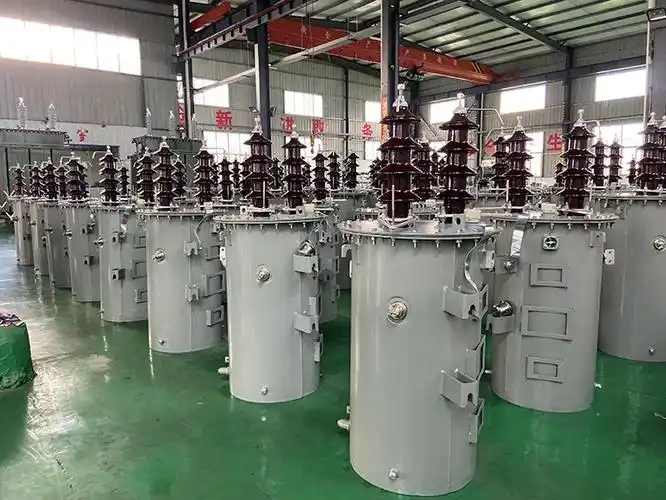
Standard Design Life of Power Transformers
From a practical engineering and procurement perspective, standard transformer life expectations generally align with national standards and IEC-based design practice. The most useful benchmark is not an exact fixed number, but a realistic service life range under normal conditions.
Based on common industry expectations for distribution and low-voltage application transformers, the standard design life can be summarized as follows.
Table: Standard Service Life by Transformer Type
| TRANSFORMER TYPE | TYPICAL APPLICATION | STANDARD DESIGN LIFE | BEST-CASE CONDITION | WORST-CASE CONDITION |
|---|---|---|---|---|
| Oil-immersed distribution transformer | 10kV / 11kV / 35kV distribution systems | 20–30 years | 25–30 years with regular oil filtration, seal replacement, and oil dissolved gas testing | 15–18 years in coastal salt mist, high heat, long-term overload, or poor maintenance |
| Sealed maintenance-free oil transformer | General distribution and utility use | Usually near 30 years | Close to 30 years in stable service conditions | Reduced if subject to high overload or severe environment |
| Cast resin dry-type transformer, Class F | Indoor distribution, isolation, control | 15–20 years | Can exceed 20 years in clean, temperature-controlled rooms | Life may be cut dramatically in dust, humidity, or poor ventilation |
| Cast resin dry-type transformer, Class H | Higher temperature tolerance for indoor use | 20–25 years | More than 25 years in a clean, stable indoor environment | Can be reduced sharply in dirty or wet workshops |
| Small low-voltage control or isolation transformer | Single-phase 220V / 380V small capacity systems | 10–15 years | Longer life under light duty and good ventilation | Shortened by frequent start-stop cycles and weak heat dissipation |
These ranges are not marketing estimates. They reflect the practical reality that transformer life is conditional, not guaranteed.
Manufacturers can design for a target service period, but actual life is always governed by heat, insulation stress, contamination, and maintenance discipline. This is one reason many commercial buyers now ask suppliers like Weisho Electric not only for rating and price, but also for thermal class, cooling design, diagnostics support, and lifecycle service recommendations.
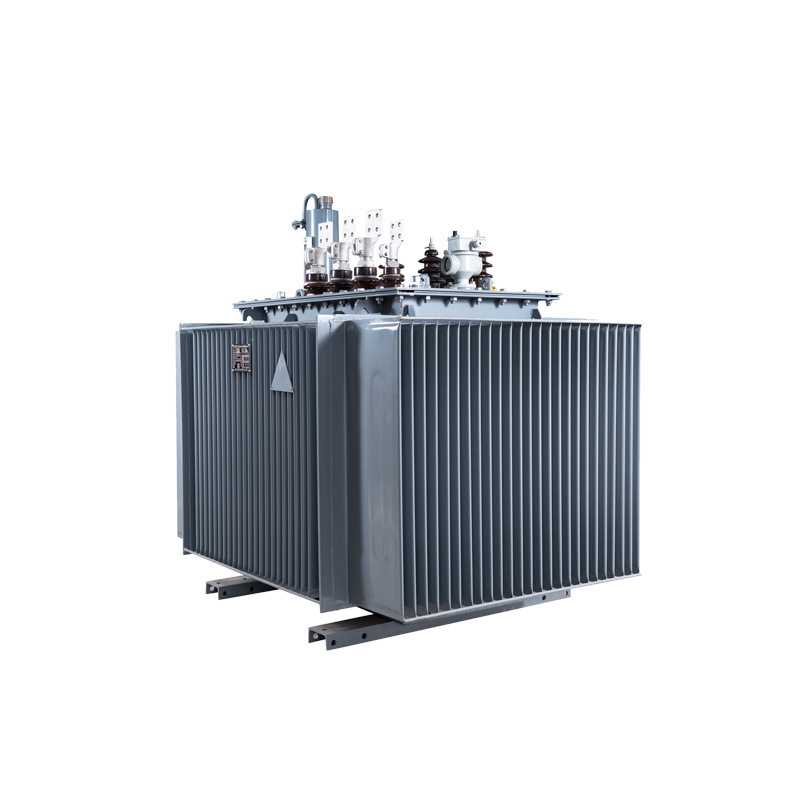
Oil-Immersed Distribution Transformer Lifespan: 20–30 Years Is the Industry Benchmark
For 10kV, 11kV, and 35kV oil-filled distribution transformers, 20 to 30 years remains the most widely accepted benchmark under normal grid and industrial service conditions.
This range assumes proper design, a compliant insulation system, acceptable loading, and routine maintenance. In practice, many oil-immersed units achieve the upper end of that range because mineral oil provides both insulation and heat dissipation, which gives these transformers a strong thermal advantage.
Where maintenance is consistent, these units often remain commercially viable for 25 to 30 years. Where maintenance is poor or the environment is aggressive, life can drop to 15 to 18 years.
Fully sealed maintenance-free oil transformers deserve special mention. Because they reduce moisture ingress and minimize direct oil-atmosphere interaction, they often approach 30 years in standard distribution service.
Oil-Immersed Transformer Life Under Different Operating Conditions
| OPERATING CONDITION | EXPECTED SERVICE LIFE | MAIN LIFE DRIVER | COMMERCIAL INTERPRETATION |
|---|---|---|---|
| Routine maintenance, annual oil testing, periodic filtration | 25–30 years | Controlled moisture, better insulation condition, lower thermal stress | Highest lifecycle value and lower failure risk |
| Normal utility or industrial loading, standard environment | 20–30 years | Moderate thermal aging | Industry baseline expectation |
| Coastal salt mist, high ambient temperature | 15–18 years | Corrosion, seal degradation, hotter operation | Requires stronger preventive maintenance budget |
| Long-term overload operation | 15–18 years or less | Accelerated insulation thermal aging | High probability of early replacement |
| Sealed maintenance-free oil transformer in stable service | Usually near 30 years | Reduced moisture entry and stable oil condition | Good choice for long-term reliability planning |
In real projects, the biggest mistake is assuming that oil-filled means maintenance-free forever. Oil is a working insulation medium, and its condition directly influences dielectric strength, paper insulation aging, and fault development.
If the oil deteriorates, moisture rises, or seals fail, the transformer may look fine externally while its internal insulation system is moving rapidly toward failure.
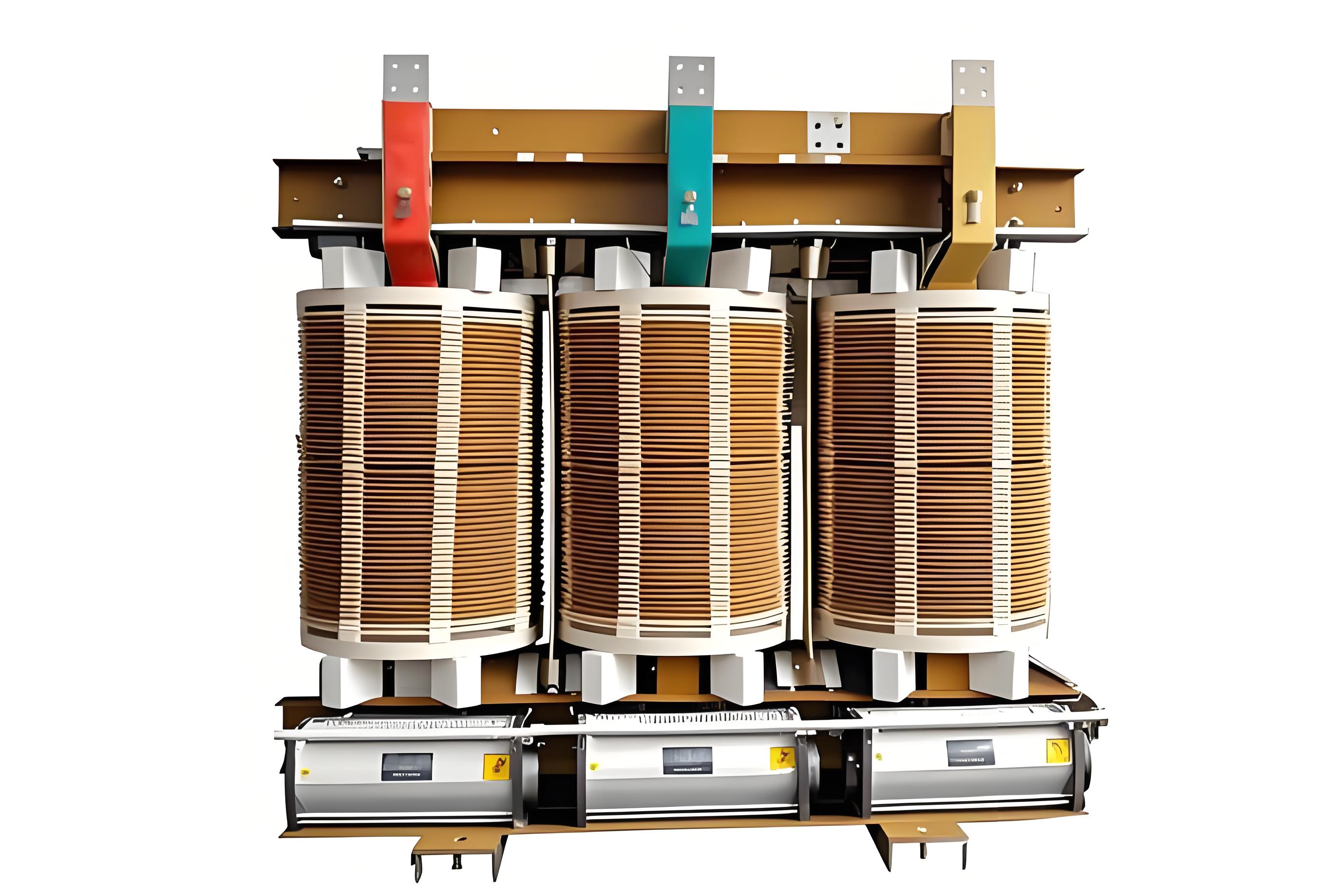
Dry-Type Transformer Lifespan: Why Environment Can Double or Halve Service Life
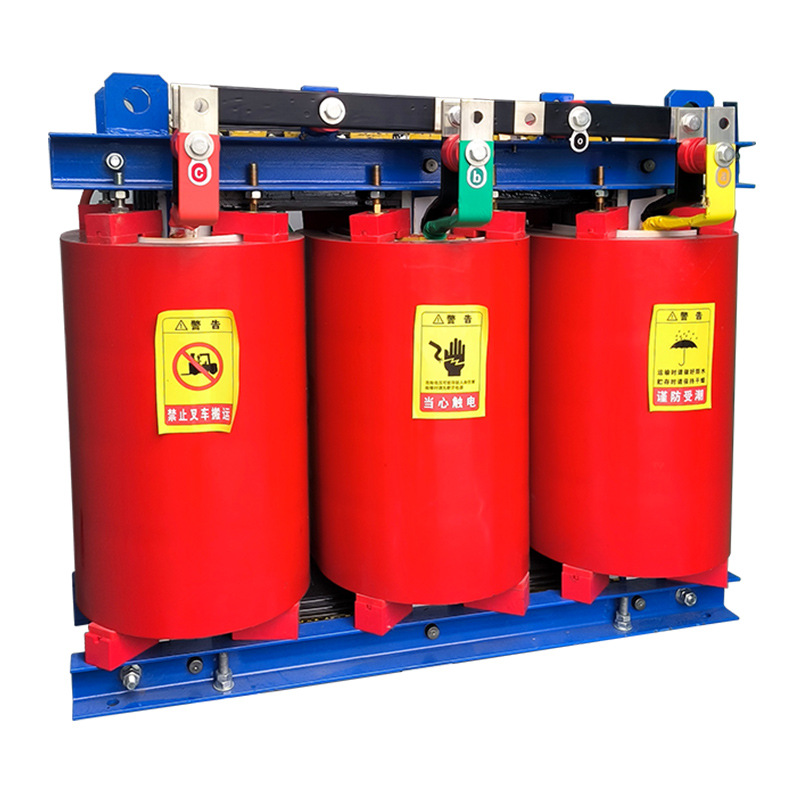
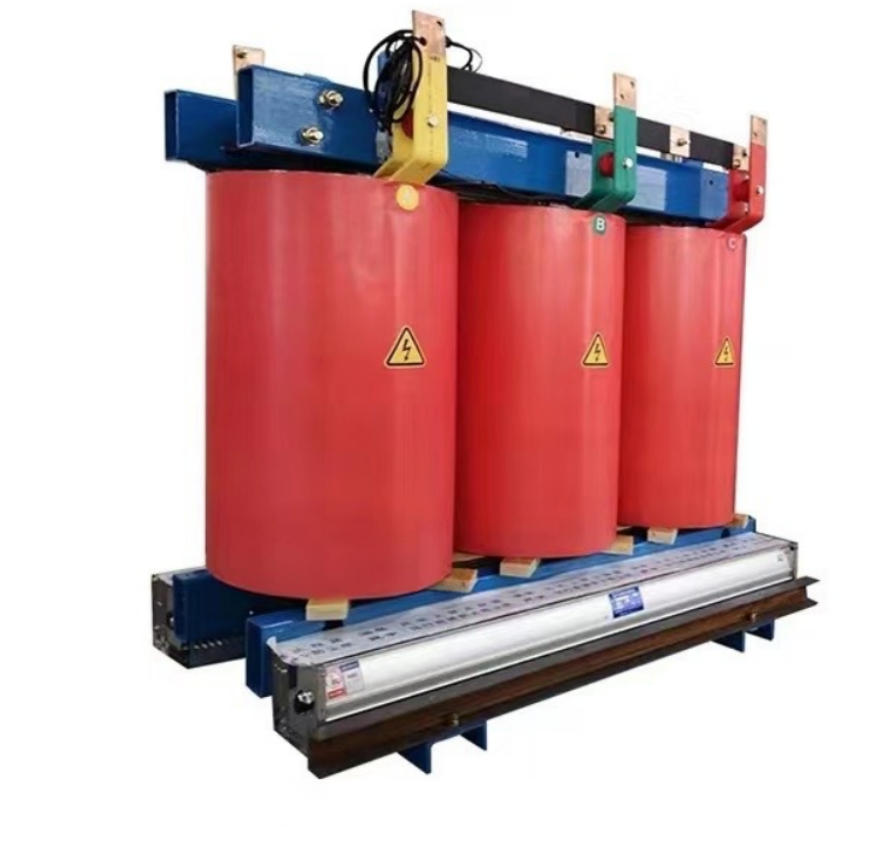
Dry-type transformers, especially epoxy cast resin models, are widely used indoors because they avoid liquid oil, reduce fire risk, and suit commercial buildings, hospitals, data rooms, and process plants. But their service life is more dependent on the environment than many buyers realize.
For standard Class F insulation, the practical life range is typically 15 to 20 years. For higher-grade Class H cast resin dry-type transformers, expected life commonly reaches 20 to 25 years.
In a clean machine room with stable temperature, low dust, and controlled humidity, dry-type units can exceed 25 years. In dusty, humid, or contaminated workshops, service life can be cut in half.
This happens because dry-type transformers rely heavily on air cooling and surface cleanliness. If dust blankets the winding surfaces or airflow is restricted, hot-spot temperature rises quickly.
Dry-Type Transformer Life by Insulation Class and Environment
| DRY-TYPE CONFIGURATION | ENVIRONMENT | TYPICAL SERVICE LIFE | REASON |
|---|---|---|---|
| Class F epoxy cast resin | Standard indoor electrical room | 15–20 years | Normal insulation life under normal thermal loading |
| Class F epoxy cast resin | Clean data room or controlled machine room | 20+ years | Stable temperature and low contamination reduce thermal stress |
| Class F epoxy cast resin | Dusty or humid workshop | Often 8–12 years | Dust buildup and moisture sharply accelerate insulation degradation |
| Class H premium cast resin | Standard indoor site | 20–25 years | Higher thermal endurance margin |
| Class H premium cast resin | Clean, constant-temperature environment | 25+ years | Low contamination and superior thermal design support longer life |
| Class H premium cast resin | Dusty, humid, corrosive area | Reduced significantly | Environmental stress can override insulation class advantage |
For buyers comparing dry-type and oil-filled options, the lesson is simple: do not compare only insulation class. Compare actual site conditions.
A premium dry-type transformer in a dirty textile plant may underperform a properly maintained oil-filled transformer in the same load range. This is why suppliers such as Weisho Electric often evaluate location, ventilation, dust level, and duty cycle before recommending transformer structure.
Small Control and Isolation Transformer Lifespan
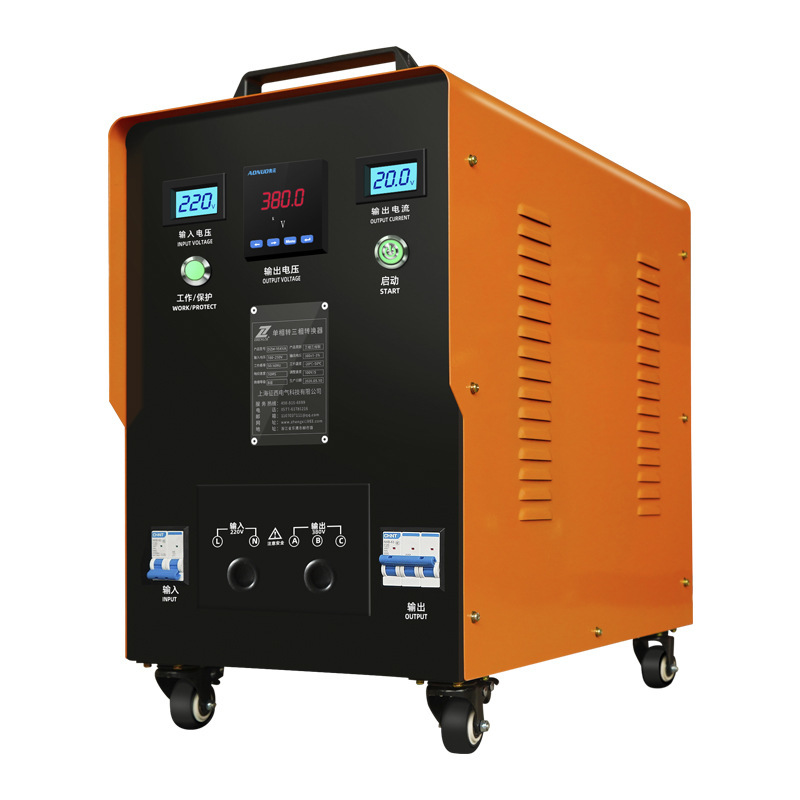
Small low-voltage control and isolation transformers, especially single-phase 220V or 380V small-capacity units, usually have a design life of 10 to 15 years.
They age faster for practical reasons. Their compact size limits heat dissipation, and many work in cabinets with poor airflow, repeated switching, and continuous thermal cycling.
Frequent starts and stops also accelerate varnish and insulation aging. In control circuits, these units are often overlooked because they are inexpensive, yet their failure can shut down an entire machine or automation cell.
In commercial maintenance planning, these smaller transformers should not be ignored just because their replacement cost is low. Their process impact can be disproportionate to their price.
The Core Principle Behind Transformer Aging and Insulation Degradation
The true life-limiting component in most transformers is not the steel core and not the copper winding conductor. It is the insulation system.
This is the foundation of all serious discussion about transformer aging and insulation degradation. Paper insulation, enamel, resin, and other dielectric materials gradually lose mechanical strength and dielectric performance under heat, oxygen, moisture, and contamination.
Once insulation becomes brittle, cracks, carbonizes, or loses dielectric strength, the transformer is no longer trustworthy. At that point, the core and copper may still be physically present and electrically conductive, but the unit has effectively reached end of life.
That is why experienced engineers track winding temperature, moisture, oil condition, and insulation test trends. These parameters reveal remaining life much better than calendar age alone.
The 6°C Rule: The Fastest Way to Estimate Remaining Transformer Life
The most useful field rule for understanding transformer life is the 6°C rule.
For every 6°C increase in winding hot-spot temperature, insulation aging speed approximately doubles, and service life is effectively cut in half.
This is one of the most important principles in transformer operation. It explains why a transformer that appears only “a little hot” can age dramatically faster than expected.
For example, if a transformer designed for 24 years operates consistently at a winding hot-spot 12°C above the intended reference condition, insulation aging can accelerate roughly 4 times. In simplified lifecycle terms, that 24-year asset may behave like a 6-year-to-12-year asset depending on actual operating profile.
Table: Hot-Spot Temperature Rise vs. Insulation Aging Rate
| HOT-SPOT TEMPERATURE INCREASE ABOVE REFERENCE | RELATIVE AGING RATE | APPROXIMATE LIFE EFFECT |
|---|---|---|
| 0°C | 1x | Normal design life |
| +6°C | 2x | Life reduced by about 50% |
| +12°C | 4x | Life reduced to about 25% |
| +18°C | 8x | Life reduced to about 12.5% |
| +24°C | 16x | Severe acceleration of insulation failure risk |
This does not mean every transformer follows a perfect mathematical curve in every hour of service. Real loading changes, ambient temperature varies, and thermal inertia matters.
But commercially and operationally, the rule is extremely powerful. It tells asset owners exactly where to focus: temperature control is life control.
Factors Affecting Transformer Longevity the Most
Many operators ask about the factors affecting transformer longevity. In real projects, five categories dominate life reduction.
Long-Term Overload and Harmonic Loads
Long-term overload is one of the most damaging conditions a transformer can experience. It drives up winding temperature, hot-spot temperature, and insulation aging rate continuously.
In many field failure analyses, elevated thermal stress is either the primary cause or a major contributing factor. A useful rule in practice is that overload and harmonic-related heating are behind a large share of transformer distress cases.
Modern facilities with VFDs, rectifiers, UPS systems, data centers, EV charging, and nonlinear industrial loads must also consider harmonics. Harmonic currents increase losses, raise internal temperature, and can produce overheating even when RMS loading seems acceptable.
Overload effect: sustained thermal over-aging
Harmonic effect: extra eddy current loss and localized hot spots
Business consequence: lower usable life and higher risk of unscheduled outage
Harsh Environments: Humidity, Salt Mist, Dust, Corrosive Gas, and Heat
Environment is often the hidden reason one transformer lasts 28 years while another fails in 14. High humidity introduces moisture risk, salt mist accelerates corrosion, dust blocks cooling, corrosive gas attacks metal surfaces and insulation interfaces, and high ambient temperature reduces thermal margin every hour of operation.
Coastal plants, wastewater facilities, smelters, mines, cement lines, chemical units, and foundries are especially demanding. In such environments, design life must always be discounted unless maintenance and protection are upgraded accordingly.
Dry-type transformers are particularly sensitive to dust and poor ventilation. Oil-filled units are more sensitive to seal integrity, corrosion, and oil-system contamination.
Oil Problems in Oil-Filled Transformers
In oil-immersed transformers, insulation oil is not just a filler. It is a critical dielectric and cooling medium.
Four oil-related issues are especially destructive:
Moisture ingress from failed seals, breathing problems, or poor handling
Oil quality degradation through oxidation, contamination, or overheating
Leakage that lowers oil level and exposes insulation to air and heat
Breather failure that allows moisture into the tank
When oil deteriorates, paper insulation ages faster, dielectric strength falls, and fault gases can accumulate. A transformer may continue running, but internal reliability is declining.
Frequent Short-Circuit Impact
Repeated short-circuit events do not just create temporary current peaks. They create strong electromagnetic forces inside the transformer windings.
Those forces can deform winding geometry, loosen supports, and damage internal insulation layers. Even if the transformer survives each event, the cumulative mechanical injury can later appear as insulation failure, higher vibration, abnormal noise, or reduced short-circuit withstand capability.
Facilities with unstable downstream networks, motor faults, or repeated fault-clearing events should not ignore this mechanism.
Cooling System Failure
Transformers do not need dramatic faults to age quickly. Sometimes they only need poor cooling.
Failed fans, blocked radiators, dirty fins, dust-packed air passages, and restricted room ventilation all reduce heat dissipation. Once cooling performance drops, hot-spot temperature rises, and insulation life falls rapidly.
In many maintenance audits, cooling neglect is one of the easiest problems to fix and one of the costliest to ignore.
Real-World Data and Practical Life Scenarios
Design life becomes much clearer when translated into site conditions. The following examples reflect realistic field behavior seen across utility, building, and industrial settings.
Table: Real-World Transformer Service Life Examples
| SCENARIO | TRANSFORMER TYPE | OPERATING CONDITIONS | OBSERVED OR EXPECTED SERVICE LIFE | MAIN REASON |
|---|---|---|---|---|
| Utility substation with sealed transformer | Sealed oil-immersed distribution transformer | Stable load, annual inspections, normal ambient conditions | 28–30 years | Good oil integrity and low contamination risk |
| Industrial workshop with dust-heavy air | Class F dry-type transformer | Dusty environment, irregular cleaning, high daytime load | 8–12 years | Dust insulation and poor heat dissipation caused thermal over-aging |
| Coastal processing plant | Oil-filled transformer | Salt mist, high humidity, long-term overload | 15–18 years | Seal deterioration, corrosion, and elevated operating temperature |
| Hospital indoor electrical room | Class H cast resin dry-type transformer | Clean room, HVAC controlled, regular thermal checks | 22–26 years | Excellent environment and low contamination stress |
| Machine control cabinet | Small control transformer | Frequent switching, compact enclosure, weak ventilation | 10–13 years | Thermal cycling and limited cooling |
These scenarios show why transformer procurement should not focus on purchase price alone. Two transformers with the same rating can deliver very different lifecycle value depending on operating discipline.
That is why sophisticated buyers often request thermal design details, ventilation requirements, overload guidance, and maintenance recommendations during the quotation stage. The lowest first cost can become the highest lifecycle cost if site conditions are not matched correctly.
Maintenance Practices to Extend Transformer Life
Among all maintenance practices to extend transformer life, the highest return comes from actions that protect insulation from excess heat, moisture, and contamination.
The objective is simple: keep the insulation system healthy for as long as possible.
Oil-Immersed Transformer Maintenance Checklist
For oil-filled units, annual oil quality testing is a practical baseline. Critical transformers may require more frequent checks depending on load importance and operating severity.
Test transformer oil annually for dielectric condition, moisture, acidity, and contamination indicators
Perform dissolved gas analysis to detect overheating, discharge, or internal fault development
Filter or replace insulating oil every 5 to 10 years when needed, based on test results rather than guesswork alone
Inspect seals and gaskets for leakage, hardening, or cracking
Check breather condition and desiccant effectiveness where applicable
Inspect radiators and cooling paths to maintain full heat-transfer performance
Review load history to identify recurring overload periods
Well-executed oil maintenance is one of the clearest differentiators between transformers that approach 30 years and transformers that fail far earlier.
Dry-Type Transformer Maintenance Checklist
Dry-type transformers need less liquid-system maintenance, but they demand disciplined cleanliness and thermal management.
Blow off dust regularly from winding surfaces, cooling ducts, and enclosure areas
Verify ventilation and airflow through the room or enclosure
Inspect for moisture exposure, condensation, and water ingress risk
Use thermal inspection to identify abnormal hot connections or airflow problems
Check fan operation where forced-air cooling is installed
Monitor ambient room temperature so transformer thermal design assumptions remain valid
In many indoor industrial sites, simple dust control materially extends dry-type transformer life. This is low-cost maintenance with very high value.
Load and Temperature Management
No maintenance program can fully compensate for chronic overload. If the transformer operates at full load or above for long periods, life loss is unavoidable.
Good practice includes:
Avoid continuous full-load operation where future expansion is likely
Review seasonal and daily loading patterns
Assess harmonic content for nonlinear loads
Upgrade capacity in advance instead of running a marginal transformer hot for years
From a commercial perspective, planned capacity upgrades are usually cheaper than emergency transformer replacement plus process downtime.
Install Temperature Monitoring and Thermal Protection
If winding hot-spot temperature controls life, then temperature monitoring is one of the smartest investments available.
Install temperature indicators for routine visibility
Use winding thermal sensors where design allows
Set alarms before critical over-temperature levels are reached
Enable trip protection for severe thermal overload conditions
Trend temperature data to correlate with load and ambient changes
Many failures are not truly sudden. They are simply unobserved. Temperature data turns hidden aging into manageable information.
How to Tell When a Transformer Is Near End of Life
Transformers nearing end of life usually show warning signs before catastrophic failure. The problem is not the absence of evidence. The problem is that many operators miss or ignore the evidence.
Key indicators include:
Repeated overheating events
Declining insulation resistance or dielectric test results
Abnormal oil test data, including moisture or dissolved gas deterioration
Rising noise or vibration
Recurring protection trips
Visible leakage or seal degradation
Persistent overloading with little thermal margin remaining
Burning smell, discoloration, or carbonized insulation evidence
No single sign automatically means replacement is mandatory. But multiple signs together usually indicate that remaining life is limited and risk is rising quickly.
Repair, Refurbish, or Replace: How to Decide
Commercial decision-making should be based on condition, age, criticality, failure history, efficiency, and downtime cost. Too many owners make this decision emotionally after a fault, which is the worst possible time.
A disciplined framework is more effective.
Repair vs. Refurbishment vs. Replacement Decision Guide
| OPTION | TYPICAL TRIGGER | COST LOGIC | DOWNTIME IMPACT | RECOMMENDED ACTION |
|---|---|---|---|---|
| Repair | Minor fault, accessory issue, localized leak, replaceable fan or bushing problem | Best when core insulation system remains healthy | Usually shortest | Repair if tests confirm no major insulation damage |
| Refurbishment | Aging but structurally sound unit with recoverable oil and insulation condition | Viable when cost is well below replacement and service extension is meaningful | Moderate planned outage | Refurbish if condition supports several more years of safe operation |
| Replacement | Severe insulation deterioration, repeated faults, major winding damage, poor efficiency, or obsolete asset | Best when repair cost approaches replacement or failure risk is unacceptable | Can be higher unless planned in advance | Replace proactively before forced outage occurs |
As a practical rule, replacement becomes the strongest option when the insulation system is in decline, the transformer is operationally critical, and fault consequences are expensive. In that case, delaying action often increases total cost.
This is where lifecycle-focused suppliers and engineering teams add value. A capable manufacturer such as Weisho Electric can support selection of a more suitable transformer type, thermal class, and protection arrangement based on real service conditions rather than catalog assumptions alone.
FAQ
What is the average service life of power transformers?
The average service life of power transformers depends on type and operating conditions. Oil-immersed distribution transformers commonly last 20 to 30 years, dry-type transformers usually last 15 to 25 years depending on insulation class and environment, and small control or isolation transformers often have a 10 to 15 year design life.
Can a power transformer last more than 30 years?
Yes. A power transformer can last more than 30 years when loading is controlled, winding temperature remains within limits, oil condition stays healthy, and maintenance is consistent. This is especially common with well-maintained sealed oil transformers in stable service environments.
Why do some transformers fail in only 15 years?
Some transformers fail in only 15 years because overload, poor cooling, moisture ingress, harmonic heating, salt air, dust, corrosive environment, and lack of maintenance accelerate transformer aging and insulation degradation. In many cases, the insulation system reaches end of life far earlier than the nameplate age suggests.
Do dry-type transformers last longer than oil-filled transformers?
Not usually in harsh environments. Oil-filled transformers often have stronger thermal performance, while dry-type transformer life depends heavily on cleanliness, airflow, and humidity control. In clean indoor environments, dry-type transformers can perform very well, but in dusty or humid workshops they may age much faster.
How often should transformer oil be tested?
Annual transformer oil testing is a practical baseline for most oil-immersed units. For critical transformers, higher loading, or severe environments, dissolved gas analysis and additional oil checks should be scheduled more frequently based on risk and operating importance.
What is the most important factor affecting transformer longevity?
Winding hot-spot temperature is the most important factor affecting transformer longevity. Because insulation aging accelerates rapidly with temperature, even a moderate rise in hot-spot temperature can significantly shorten service life.
Is insulation aging more important than copper or core wear?
Yes. In most transformers, insulation aging is more important than copper or core wear because the insulation system usually determines the end of usable life first. The core and conductors may remain physically intact long after the insulation has become unreliable.
Conclusion: Transformer Life Is Managed, Not Guaranteed
The standard service life of power transformers is not a simple calendar number. It is a managed outcome shaped by temperature, insulation condition, loading profile, environment, and maintenance quality.
Oil-immersed distribution transformers generally deliver 20 to 30 years. Dry-type transformers commonly deliver 15 to 25 years depending on insulation class and environment. Small low-voltage control or isolation units usually deliver 10 to 15 years.
But the deeper truth is more important than the range itself. Transformer life is fundamentally the life of its insulation system. Once hot-spot temperature rises, moisture enters, oil degrades, dust accumulates, or cooling weakens, the clock runs faster.
For operators focused on uptime and lifecycle cost, the right strategy is clear: monitor thermal behavior, test insulation condition, control loading, maintain cooling performance, and intervene before end-of-life becomes a forced outage.
CTA: Assess Your Transformer Life Before Failure Forces Replacement
Do not wait for a trip, leak, or burnout to tell you your transformer is aging.
Review operating temperature, loading trends, oil test records, environmental exposure, ventilation, and fault history now. Estimate remaining life before an unexpected outage decides for you.
If your site is planning expansion, experiencing overheating, or seeing signs of insulation deterioration, act early. Evaluate whether maintenance, refurbishment, or replacement is the best commercial move, and work with an experienced partner such as Weisho Electric to align transformer design, protection, and lifecycle strategy with real operating conditions.
Assess your transformer fleet today, protect uptime, and replace on your schedule instead of failure’s schedule.