In medium-voltage indoor switchgear, a few selection mistakes are as common—and as costly—as confusing an XRNP fuse with an XRNT fuse. On paper, both are indoor high-voltage current-limiting fuses. In actual projects, however, they protect completely different equipment, work with different current levels, and follow different coordination logic.
The short answer is simple: XRNP is for voltage transformer (PT) protection, while XRNT is for distribution or power transformer protection. They are not interchangeable.
This article gives a field-based, specification-driven explanation of the XRNP fuse vs XRNT fuse question, including practical examples from 10 kV and 35 kV indoor switchgear, ring main units, and transformer feeder cabinets. If you are selecting a replacement fuse, designing a new panel, or verifying protection coordination, this comparison will help you avoid damaging mistakes.
In many real procurement cases, buyers focus first on voltage class and dimensions. That is not enough. The real engineering decision starts with the protected object: PT or transformer.
What Is the Difference Between XRNP and XRNT Fuses?
The difference between XRNP and XRNT fuses comes down to protection target, rated current range, and mechanical coordination.
XRNP: indoor current-limiting fuse for voltage transformer (PT) protection
XRNT: indoor current-limiting fuse for transformer protection, usually coordinated with a load break switch
XRNP typically uses very small current ratings, often 0.5 A, 1 A, or 2 A, because PT normal operating current is extremely low. XRNT uses much larger ratings, from 3.15 A up to 200 A, because it protects transformer feeders and must coordinate with transformer inrush and fault behavior.
Another core difference is the striker pin. XRNT normally includes a striker mechanism that trips or releases the associated load switch after fuse operation. XRNP usually does not, because PT circuits generally do not require that type of linked isolation action.
That is the practical essence of the high-voltage current-limiting fuse differences engineers need to understand.
Why Choosing the Wrong High-Voltage Current-Limiting Fuse Causes Serious Failures
Using the wrong fuse model is not a small catalog error. It can directly create equipment risk, miscoordination, nuisance operation, or failure to isolate a fault.
If an XRNP fuse is incorrectly used to protect a transformer feeder, the fuse current rating is typically far too small. In service, transformer energization current and operating current can exceed the intended PT protection envelope, causing false operation or severe protection mismatch.
If an XRNT fuse is installed in a PT circuit, the opposite problem appears. The protection characteristics are not optimized for the very small normal PT current. A PT fault may not be cleared with the intended sensitivity and coordination.
The most dangerous field issue with improper XRNT substitution is often phase-loss risk. In a fuse-switch combination unit, when one fuse operates, the striker should trigger switch opening so all phases are disconnected. If that coordination is absent or incorrect, the transformer may remain in abnormal operation, increasing the chance of overheating or winding damage.
In practice, many maintenance teams first notice the problem only after repeated fuse failures, abnormal transformer temperature, or unexplained switchgear trip behavior.
On several 10 kV distribution projects, engineers have reported that replacing a specified transformer protection fuse with a visually similar non-striker fuse caused failed mechanical release testing during commissioning. The fault was not the switch. It was the fuse selection.
This is why current-limiting fuse selection for high-voltage systems cannot be reduced to “same voltage, same size.” The protection object and coordination duty are the real deciding factors.
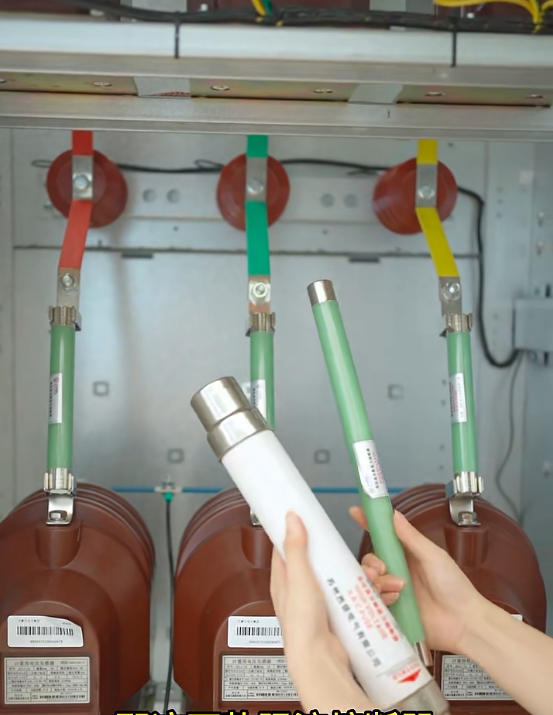
XRNP Fuse Meaning, Function, and Typical Applications
XRNP is a specialized indoor high-voltage current-limiting fuse designed for voltage transformer protection. In many switchgear PT compartments, the normal current is extremely small because the PT is often lightly loaded or close to no-load operation.
That operating condition is exactly why XRNP exists as its own category. It is not just a smaller fuse. It is a fuse with a different protection purpose.
What Does XRNP Stand For?
X means current-limiting, R means fuse, N means indoor, and P means PT protection. In other words, XRNP identifies an indoor high-voltage current-limiting fuse specifically intended for voltage transformer protection.
Where Is XRNP Used in Real Projects?
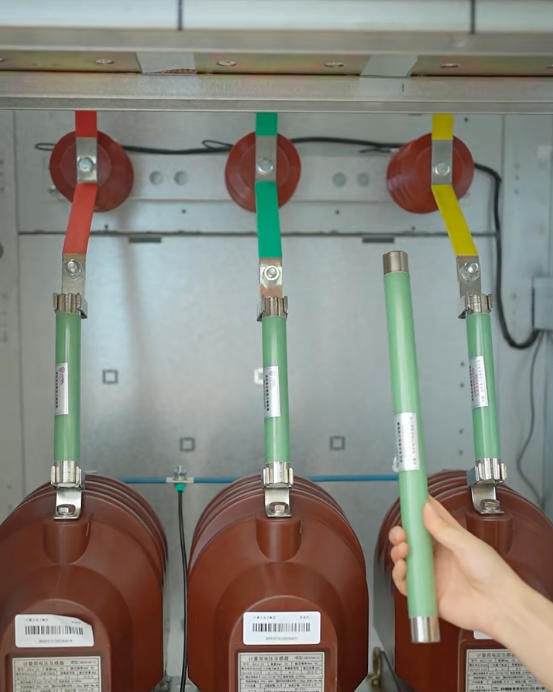
XRNP is commonly used in 10 kV and 35 kV PT compartments inside indoor metal-enclosed switchgear. Typical locations include metering cabinets, bus voltage transformer panels, and PT cabinets in substation switchboards.
For example, in a 10 kV switchgear lineup with a dedicated PT cabinet for metering and protection voltage supply, the PT primary side is often protected by an XRNP fuse. The PT itself draws very small current under normal conditions, so a small-rated fuse is both practical and necessary.
In 35 kV indoor installations, especially utility substations and industrial substations with voltage measurement compartments, the same logic applies. The protected device is not a load transformer feeding power to downstream users. It is a voltage transformer providing signals for metering, relay protection, and control.
In these cases, the fuse is there to isolate PT faults quickly without requiring mechanical tripping of a load switch.
What Are Common XRNP Rated Current Values?
The typical XRNP rated current range is 0.2 A to 3.15 A. Common values seen in actual switchgear projects include:
0.5 A
1 A
2 A
3.15 A
These values reflect the low-current nature of PT service. In many 10 kV PT cabinets, 0.5 A or 1 A is a very familiar selection range, depending on the PT design, voltage level, system grounding method, and manufacturer’s protection recommendation.
XRNT Fuse Meaning, Function, and Typical Applications
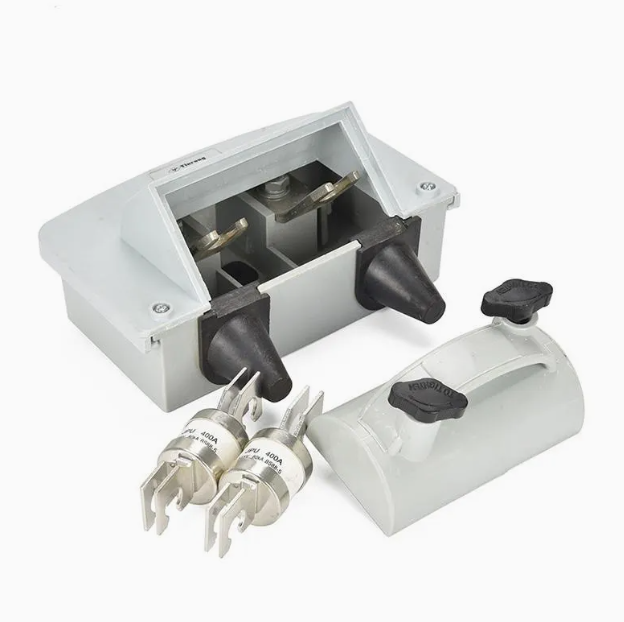
XRNT is an indoor high-voltage current-limiting fuse built for transformer protection. It is normally used together with a load break switch or as part of a switch-fuse combination in medium-voltage distribution equipment.
Unlike PT circuits, transformer feeders must deal with higher normal current, magnetizing inrush, short-circuit energy, and strict disconnection requirements under single-phase fuse operation. That is why XRNT has a very different design logic.
What Does XRNT Stand For?
X means current-limiting, R means fuse, N means indoor, and T means transformer protection. XRNT therefore refers to an indoor high-voltage current-limiting fuse specifically used for transformer protection.
Where Is XRNT Used in Real Projects?
XRNT is widely used in ring main units (RMUs), load switch cabinets, and indoor transformer feeder panels. It is especially common in medium-voltage distribution systems where a load break switch and fuse are combined to protect a distribution transformer.
A typical application is a 10 kV RMU feeding a 630 kVA or 1000 kVA transformer. In that setup, the fuse handles short-circuit current limitation, while the associated switch provides visible or functional isolation. If one fuse blows, the striker releases the switching mechanism so the transformer is disconnected properly.
This coordinated protection approach is standard practice in compact secondary distribution systems, commercial building substations, industrial plants, and utility distribution points.
What Are Common XRNT Rated Current Values?
The typical XRNT rated current range is 3.15 A to 200 A. Selection depends on transformer rated power, system voltage, expected inrush behavior, and the protection coordination curve required by the switchgear design.
Common project values may include 6.3 A, 10 A, 16 A, 20 A, 25 A, 31.5 A, 40 A, 50 A, 63 A, and higher, depending on transformer capacity. These are not chosen arbitrarily. They must align with transformer full-load current and manufacturer coordination data.
XRNP vs XRNT Fuse Specifications Comparison Table
| ITEM | XRNP | XRNT |
|---|---|---|
| Protection target | Voltage transformer (PT) | Distribution or power transformer |
| Rated current range | 0.2 A to 3.15 A | 3.15 A to 200 A |
| Typical common ratings | 0.5 A, 1 A, 2 A | 6.3 A, 10 A, 16 A, 25 A, 40 A, 63 A and above |
| Striker pin | Usually no | Yes, typically required |
| Switch coordination | Generally independent PT circuit protection | Must coordinate with load break switch or switch-fuse combination |
| Fuse tube size | Thin, compact, shorter | Thicker, longer, larger body |
| Typical installation | 10 kV/35 kV PT cabinet | RMU, transformer feeder, load switch cabinet |
| Interchangeability | No | No |
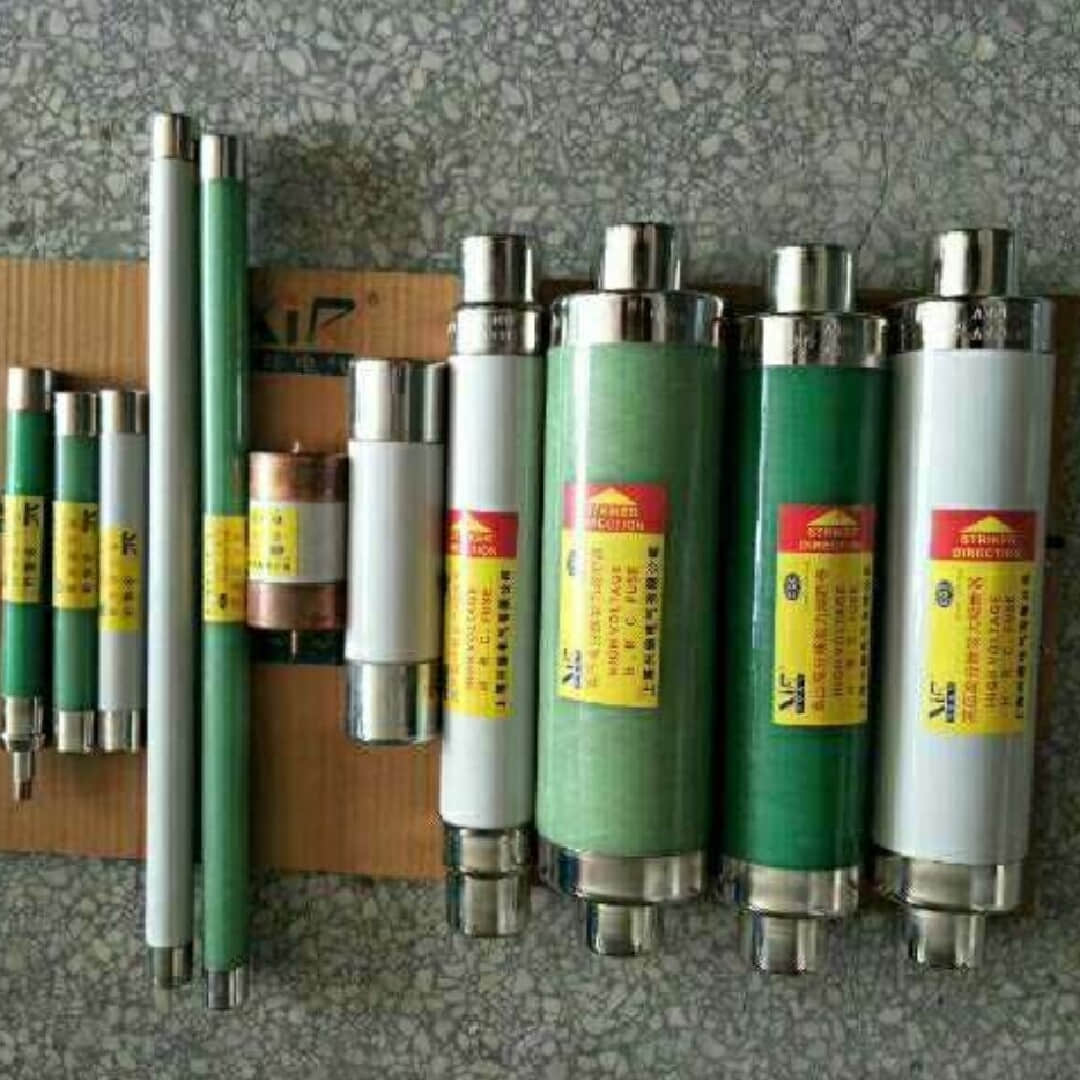
Key Difference #1: Protection Object — PT vs Distribution Transformer
The first and most important distinction is the equipment being protected.
XRNP protects voltage transformers. These are instrument transformers used for metering, relay protection, voltage indication, and control signals. Their steady-state current is extremely low compared with power equipment.
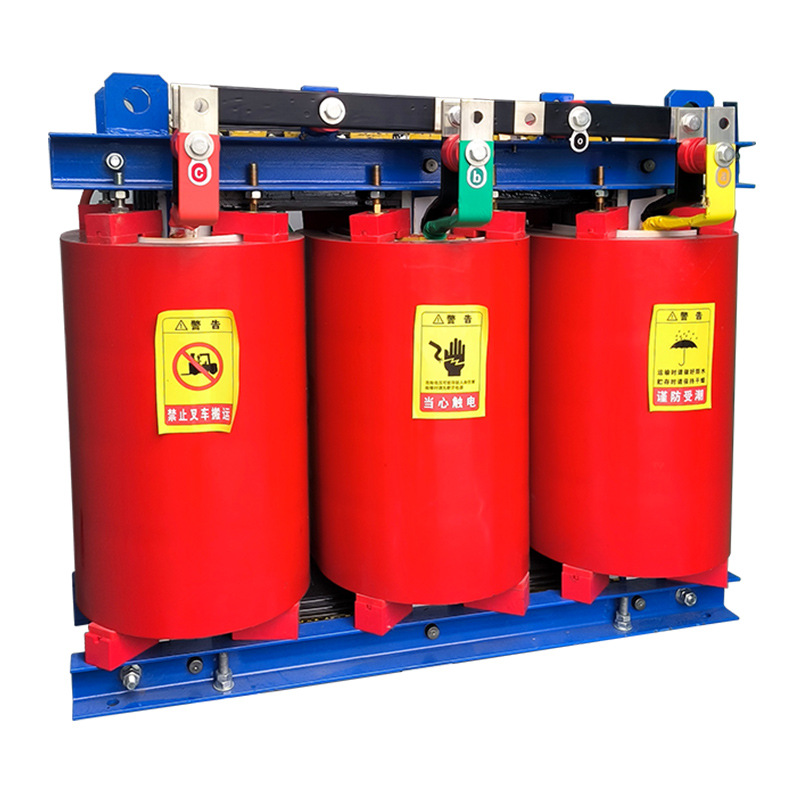
XRNT protects distribution transformers. These are power transformers that feed loads and experience inrush current, thermal stress, and feeder fault exposure.
This difference changes everything: fuse current range, time-current behavior, mechanical features, installation position, and coordination requirements.
If the protected device is a PT, start with XRNP. If the protected device is a transformer feeder, start with XRNT.
Key Difference #2: Rated Current Range and Protection Characteristics
The second major difference is the rated current range.
XRNP is fundamentally a low-current fuse family. Its job is to protect equipment that normally draws very little current. That is why the range starts around 0.2 A and typically tops out at 3.15 A.
XRNT is a higher-current fuse family. It must accommodate transformer feeder duty. That means normal operating current is much higher, and the fuse must also coordinate with transformer energization conditions without unnecessary operation.
When engineers discuss XRNP XRNT fuse specifications comparison, this is often the easiest data point to verify quickly. If the project requires a 25 A, 40 A, or 63 A high-voltage fuse, it is not an XRNP application. If the project requires 0.5 A or 1 A PT protection, it is not an XRNT application.
In real maintenance work, current rating is often the first clue that someone previously substituted the wrong fuse type.
Key Difference #3: Striker Pin — Why XRNT Has One and XRNP Usually Does Not
The striker pin is one of the clearest physical and functional differences between the two models.
XRNT normally includes a striker pin, sometimes called a firing pin or impact pin. When the fuse element melts under fault conditions, the striker is released mechanically. This action is used to trip, unlatch, or force open the associated load break switch.
That function is essential in many transformer protection schemes. It ensures the transformer is not left connected abnormally after single-phase fuse operation.
XRNP usually does not include a striker. In a PT cabinet, the fuse is mainly protecting the voltage transformer itself. Mechanical interlocking with a load switch is generally unnecessary because the PT circuit is not operating as a transformer feeder power path.
In short, the striker is not an accessory detail. In XRNT applications, it is often a core part of the protection philosophy.
Key Difference #4: Coordination With Load Break Switches
XRNT is designed with switch-fuse coordination in mind. In many RMUs and load switch cabinets, the fuse does not act alone. It is one part of a coordinated assembly.
When a transformer fault occurs and the XRNT fuse operates, the striker triggers the switch mechanism. The result is three-phase disconnection or controlled feeder isolation, depending on equipment design.
That coordination protects the transformer and improves system safety. It also helps prevent abnormal operating states such as single-phasing.
XRNP, by contrast, generally protects the PT circuit independently. There is usually no requirement for it to mechanically trip a load break switch because the PT compartment is not serving a power transformer feeder role.
This is one reason why simply matching voltage class and ampere rating is not enough. The fuse must fit the cabinet’s operational logic.
Key Difference #5: Physical Size and Fuse Tube Structure
Although electrical duty is the main selection criterion, physical size also reflects application differences.
XRNP fuse tubes are usually thinner and more compact. Because they carry very small currents and protect PT circuits, their body structure is generally smaller.
XRNT fuse tubes are usually thicker and longer. They must handle higher current duties, greater energy limitation requirements, and mechanical striker functionality.
In the field, technicians often notice this immediately. PT fuses tend to look slim and compact. Transformer protection fuses tend to look more substantial.
Still, visual judgment alone should never be the final basis for selection. Always confirm model code, voltage class, current rating, and switchgear compatibility.
Can XRNP and XRNT Be Interchanged?
No. XRNP and XRNT cannot be interchanged.
XRNP current ratings are too small and its protection purpose is too different to serve as a transformer protection fuse. Using it for transformer duty can cause nuisance blowing, failed coordination, or unsafe protection behavior.
XRNT should also not be used in a PT circuit simply because it is a high-voltage fuse of similar appearance. Its protection characteristics are intended for transformer duty, not the extremely low-current operating profile of a voltage transformer.
The rule is direct and should be treated as non-negotiable: XRNP for PTs, XRNT for transformers.
Real-World Example: XRNP Selection for a 10 kV PT Cabinet
Consider a 10 kV indoor switchgear panel with a dedicated PT compartment used for metering and relay voltage input. The PT primary is connected to the bus and carries very small normal current because the burden is limited to measuring instruments and protection relays.
In this scenario, engineers typically choose an XRNP fuse in a small current rating such as 0.5 A, 1 A, or 2 A, depending on the PT manufacturer’s data and the cabinet design.
A common field situation is a 10 kV PT cabinet in a plant substation where the PT burden may only be tens to low hundreds of VA across protection and metering devices. Under normal service, the current remains very small. The fuse must therefore be sensitive enough to protect the PT while avoiding the wrong characteristic associated with transformer feeder duty.
For instance, many maintenance teams report that 1 A XRNP is a frequent practical choice in standard 10 kV PT compartments, while 0.5 A may be used where the PT burden and manufacturer recommendation justify tighter protection.
The key takeaway is not that one rating always fits. It is that the selection belongs in the low-current PT protection family, which is exactly what XRNP is designed for.
Real-World Example: XRNT Selection for a Distribution Transformer Feeder
Now consider a ring main unit feeding a 10 kV/0.4 kV distribution transformer. The transformer may be rated at 630 kVA, 800 kVA, or 1000 kVA, and the medium-voltage side is protected by a fuse-switch combination.
Here, the correct fuse family is XRNT. The selection current depends on the transformer rating, the switchgear manufacturer’s coordination table, and the required protection curve.
Suppose a transformer feeder uses an XRNT fuse with striker pin coordinated to a load break switch. If an internal transformer fault or severe downstream fault causes the fuse to operate, the striker releases the mechanism and the load switch opens. This isolates the transformer feeder correctly and avoids dangerous partial energization conditions.
In practical RMU projects, this coordination is one of the most important reasons transformer protection fuses are not treated as simple consumables. The fuse and switch mechanism are functionally linked.
Manufacturers such as Weisho Electric are often consulted in these scenarios not just for the fuse rating itself, but also for dimensional fit, striker compatibility, and switchgear coordination data. That is the level of detail serious medium-voltage selection requires.
XRNP vs XRNT Quick Comparison
| MODEL | PROTECTED EQUIPMENT | RATED CURRENT RANGE | STRIKER PIN | SWITCH COORDINATION | PHYSICAL SIZE | TYPICAL INSTALLATION POSITION | INTERCHANGEABLE? |
|---|---|---|---|---|---|---|---|
| XRNP | Voltage transformer (PT) | 0.2 A to 3.15 A | Usually no | Not typically linked to load switch tripping | Thin, compact | 10 kV/35 kV PT cabinet, metering compartment | No |
| XRNT | Distribution transformer | 3.15 A to 200 A | Yes | Must coordinate with load break switch or fuse-switch combination | Thicker, longer | RMU, transformer feeder, load switch cabinet | No |
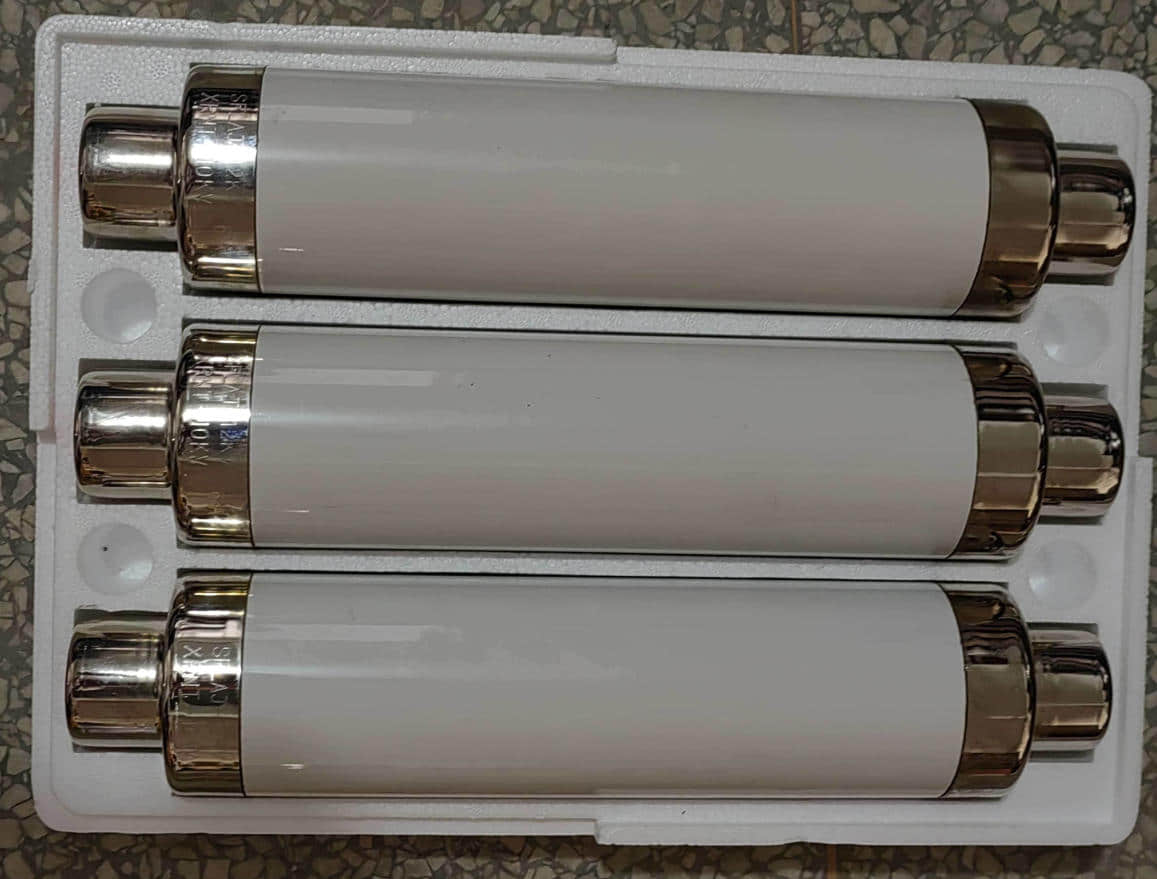
Typical Application and Current Rating Examples
The table below shows representative project examples. Actual final selection must always follow equipment manufacturer data, applicable standards, and coordination study results.
| APPLICATION SCENARIO | TYPICAL VOLTAGE CLASS | PROTECTED EQUIPMENT | TYPICAL FUSE MODEL FAMILY | COMMON CURRENT RATING EXAMPLES | NOTES |
|---|---|---|---|---|---|
| 10 kV PT cabinet | 10 kV | Voltage transformer for metering/protection | XRNP | 0.5 A, 1 A, 2 A | Low normal current, no load switch trip linkage usually required |
| 35 kV PT cabinet | 35 kV | Voltage transformer in indoor switchgear | XRNP | 0.5 A, 1 A, 2 A, 3.15 A | Selection depends on PT burden and switchgear design |
| RMU transformer feeder | 10 kV | Distribution transformer | XRNT | 16 A, 25 A, 40 A, 50 A, 63 A | Requires striker and switch coordination |
| Load break switch cabinet | 10 kV/12 kV | Transformer feeder protection | XRNT | 10 A, 16 A, 20 A, 31.5 A, 40 A | Selection follows transformer size and cabinet manufacturer table |
| Indoor distribution transformer panel | 6 kV to 35 kV | Power/distribution transformer | XRNT | 6.3 A to 200 A | Higher current duty, larger fuse body, striker action critical |
How to Select the Right High-Voltage Current-Limiting Fuse
Correct selection is straightforward when done in the right order. Problems occur when buyers start from appearance or old stock labels instead of the actual protection task.
Step 1: Identify Whether the Protected Device Is a PT or Transformer
This is the first question and the most important one.
If the protected equipment is a voltage transformer, the selection path points to XRNP. If the protected equipment is a distribution or power transformer feeder, the selection path points to XRNT.
Do not begin with dimensions. Begin with function.
Step 2: Check Rated Current Range
Next, verify the expected normal operating current and the required protection range.
PT circuits typically require a small current fuse in the 0.2 A to 3.15 A class. Transformer feeders typically require a higher current fuse in the 3.15 A to 200 A class, selected according to transformer parameters and coordination requirements.
This is a core principle in XRNP and XRNT fuse applications. The current range is not a minor detail. It reflects the protected equipment’s electrical nature.
Step 3: Confirm Whether a Striker Pin Is Required
If the fuse must mechanically trigger a load break switch after operation, then a striker-equipped XRNT configuration is normally required.
If the circuit is a PT protection branch with no need for switch tripping linkage, then XRNP is usually the proper direction.
Always verify not only whether a striker is present, but also whether its force, travel, and mounting match the cabinet manufacturer’s design.
Step 4: Verify Switchgear Compatibility and Dimensions
Once the protection family is confirmed, check installation compatibility.
Voltage class
Rated current
Fuse length and diameter
Contact type
Striker configuration
Cabinet model compatibility
Manufacturer coordination requirements
This step matters especially in retrofit projects. Two fuses may both be called “high-voltage current-limiting fuses,” yet differ in body length, mounting ends, striker characteristics, or switch mechanism fit.
For that reason, experienced suppliers such as Weisho Electric usually ask for panel model, protected equipment type, voltage class, and existing fuse code before confirming a replacement recommendation.
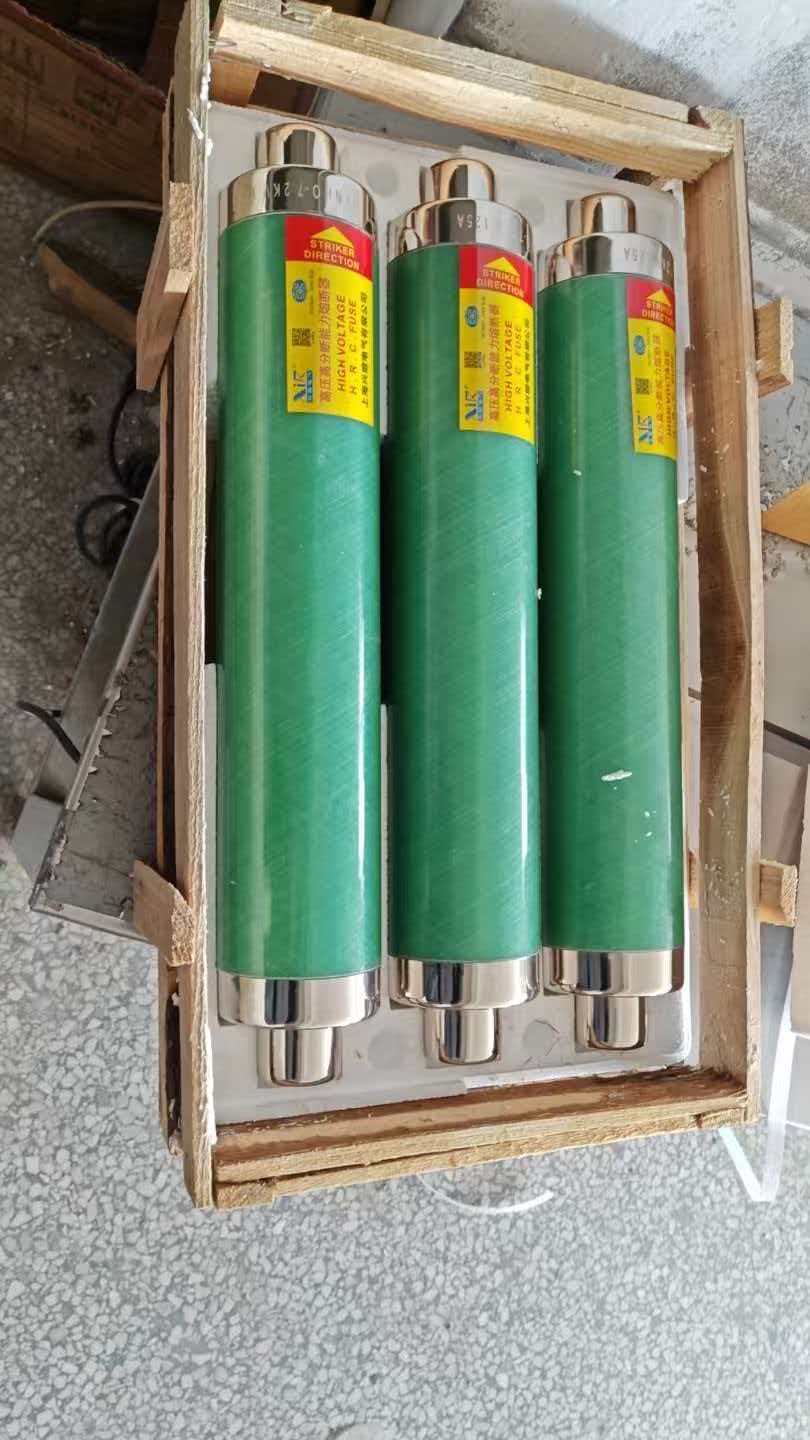
Common Selection Mistakes in High-Voltage Fuse Applications
Most fuse errors in indoor medium-voltage panels fall into a handful of repeat patterns.
Using XRNP to protect a transformer because the fuse physically fits
Using XRNT in a PT circuit because the voltage rating appears acceptable
Ignoring striker coordination in a fuse-switch combination unit
Selecting by ampere value alone without verifying protected equipment type
Replacing one phase only without checking coordinated condition of all three fuses
Skipping manufacturer coordination tables for RMU or load switch cabinet applications
Assuming all indoor current-limiting fuses are equivalent
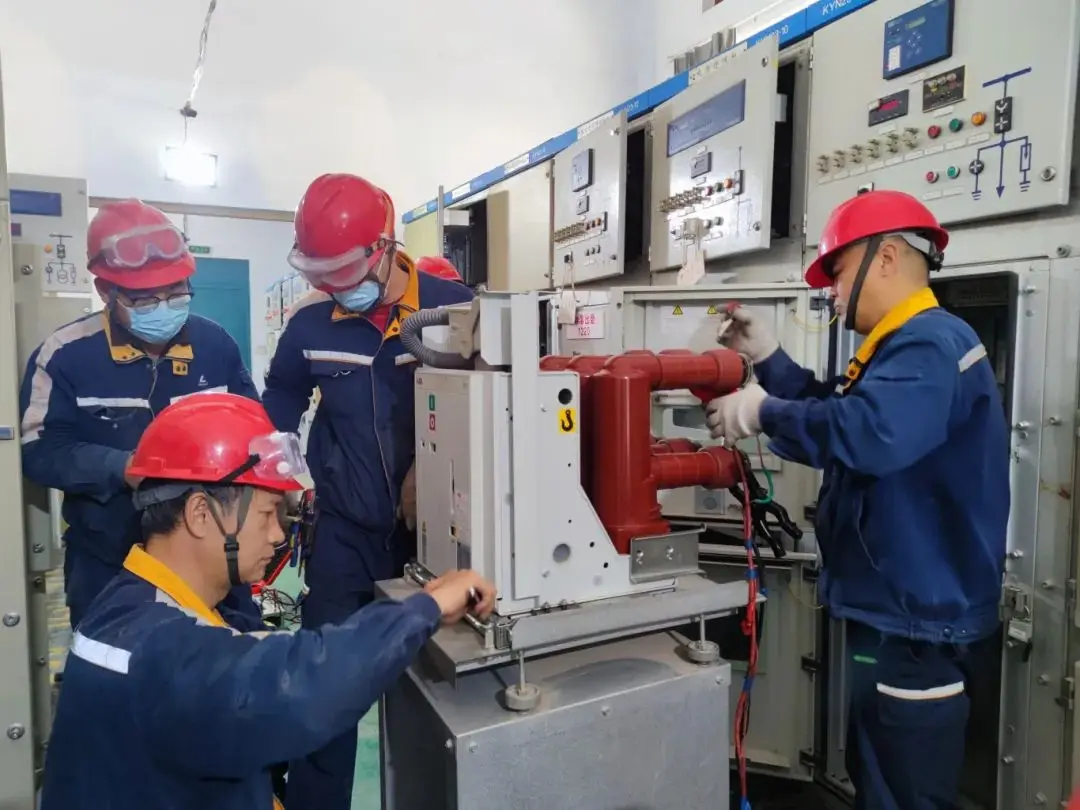
In service departments, one common mistake is to treat a blown fuse as a simple spare-parts problem. In reality, when an XRNT operates, the engineer should also inspect switch release behavior, transformer condition, and three-phase coordination.
Similarly, repeated PT fuse operation in an XRNP circuit should trigger checks on PT insulation, secondary burden, wiring faults, and grounding issues—not just another fuse replacement.
FAQ
What is the main difference between XRNP and XRNT fuses?
The main difference is the protection target and associated design logic. XRNP is used for voltage transformer PT protection with very small current ratings, while XRNT is used for transformer protection with higher current ratings and usually includes a striker pin for switch coordination.
Is XRNP used for voltage transformer protection?
Yes. XRNP is specifically designed for voltage transformer protection in indoor high-voltage switchgear, especially in PT cabinets at 10 kV and 35 kV.
Is XRNT used for transformer protection?
Yes. XRNT is intended for distribution or power transformer protection and is commonly used in ring main units, load switch cabinets, and transformer feeder panels.
Does XRNT always have a striker pin?
In standard transformer protection applications, the striker pin is a core feature of XRNT because it allows the fuse to trigger the associated load break switch or release mechanism after fuse operation. Exact construction should still be confirmed against the product specification.
Why does XRNP usually not have a striker?
XRNP usually does not need a striker because PT protection circuits generally do not require mechanical tripping linkage with a load switch. The fuse mainly serves to protect the voltage transformer itself.
Can I use XRNP instead of XRNT?
No. XRNP cannot properly protect a transformer feeder because its current range is too small and its protection characteristics are intended for PT circuits, not transformer duty.
Can I use XRNT in a PT circuit?
No, this is not recommended. XRNT is designed for transformer protection, and its characteristics do not match the low-current operating conditions of PT circuits.
What is the rated current range of XRNP?
The typical rated current range of XRNP is 0.2 A to 3.15 A. Common practical values include 0.5 A, 1 A, and 2 A.
What is the rated current range of XRNT?
The typical rated current range of XRNT is 3.15 A to 200 A. Final selection is based on transformer rated current, inrush tolerance, and protection coordination.
Where are XRNP and XRNT commonly installed?
XRNP is commonly installed in PT cabinets and metering compartments of indoor switchgear. XRNT is commonly installed in ring main units, load break switch cabinets, and indoor transformer feeder panels.
Conclusion: How to Choose Between XRNP and XRNT
If you only remember one rule, make it this one: XRNP for PT protection, XRNT for transformer protection with load switch coordination.
That single sentence captures the real difference behind the model codes. XRNP serves voltage transformers with very small normal current and typically no striker requirement. XRNT serves distribution transformers with higher current duty and usually requires a striker pin to coordinate with a load break switch.
For engineers, panel builders, distributors, and maintenance teams, this distinction is not theoretical. It affects safety, equipment life, and whether the switchgear actually performs as designed during a fault.
Whenever there is doubt, do not rely on appearance alone. Check the protected equipment, current range, striker requirement, and cabinet coordination data.
Request a Fuse Selection Recommendation
If you need help selecting the right fuse, send the following project details for a tailored recommendation:
Voltage class
Protected equipment type: PT or transformer
Transformer capacity or PT parameters
Existing fuse model and rating
Whether a striker pin is required
Switchgear or RMU model
Fuse dimensions or photos of the installed unit
With those details, an accurate replacement or new selection can be confirmed quickly and safely.
Do not risk PT misprotection or transformer damage with a guess. Get a precise recommendation based on your actual switchgear and application, and make sure the fuse you install is the one your system was engineered to use.