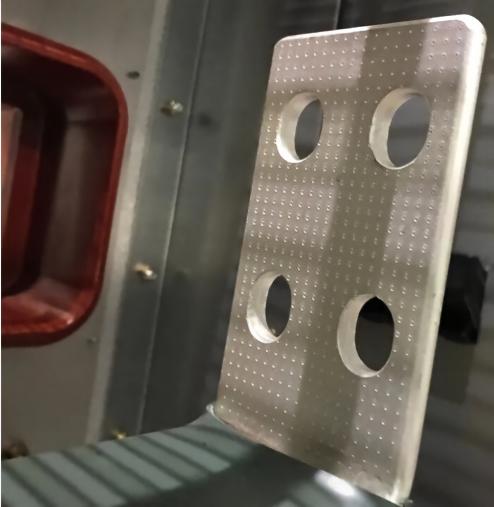
Why Do Busbars Look Silver and Textured?
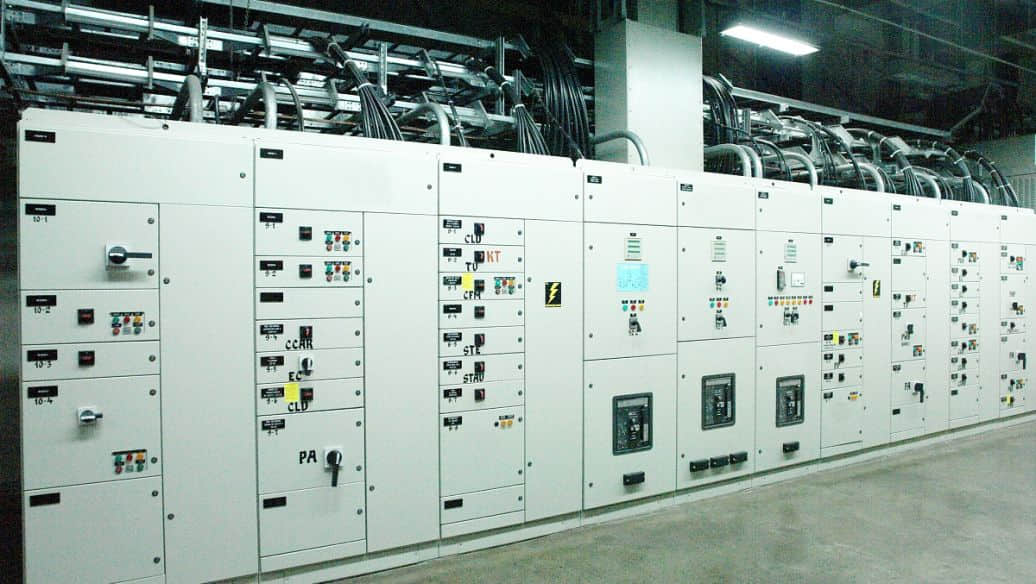
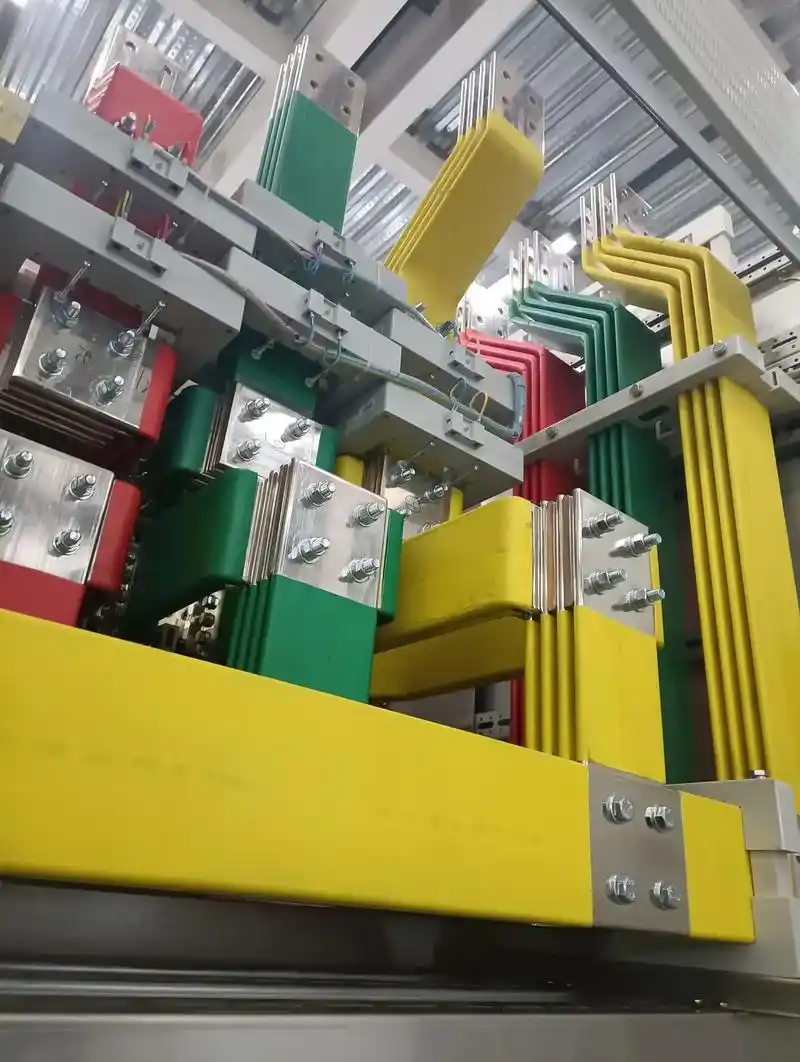
Open a switchgear panel, motor control center, or low-voltage distribution cabinet, and one detail immediately stands out: the copper busbars are often not copper-colored at all. They look silver-gray, and many of the contact areas show a fine, pressed texture.
For newcomers, that raises a natural question: if copper is already an excellent conductor, why add extra surface treatment? The answer usually comes down to two critical manufacturing steps: tin plating and knurling.
These processes do add cost. But in real power distribution work, they are not cosmetic extras. They are a hidden reliability barrier that helps busbar joints stay cooler, resist corrosion, and remain serviceable over years of thermal cycling, vibration, humidity, and fault stress.
In short, tin plating protects chemically, while knurling stabilizes contact mechanically. Together, they support the long-term safety of the entire assembly.
What Is the Problem With Bare Copper Busbars?
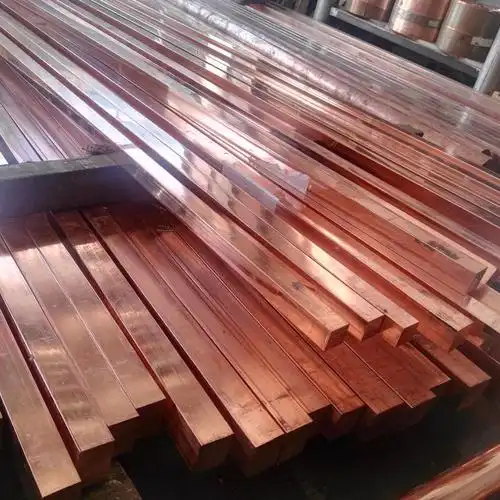
Copper is the default busbar material for a reason. It offers high conductivity, excellent fabrication performance, and predictable mechanical behavior.
But bare copper also has an important weakness: the joint surface does not stay electrically ideal in real environments. Once exposed to air, moisture, salts, sulfur compounds, and temperature change, surface conditions start to evolve.
That is why modern assemblies rarely rely on untreated contact surfaces for critical power connections.
Why Copper Is Still the First Choice for Busbars
Copper combines three advantages that matter in switchgear and power assemblies: high electrical conductivity, good formability, and strong industrial familiarity. This is why copper remains the preferred base material for busbars in commercial, industrial, and infrastructure projects.
For reference, annealed copper is commonly taken as about 100% IACS conductivity, while typical electrical tin is much lower. Yet that does not make bare copper joints automatically superior in service, because bulk conductivity and joint contact performance are not the same thing.
The Two Main Weaknesses of Bare Copper
The first problem is oxidation. At normal temperatures, bare copper gradually forms oxide films. These films can raise contact resistance, especially at bolted interfaces carrying high current.
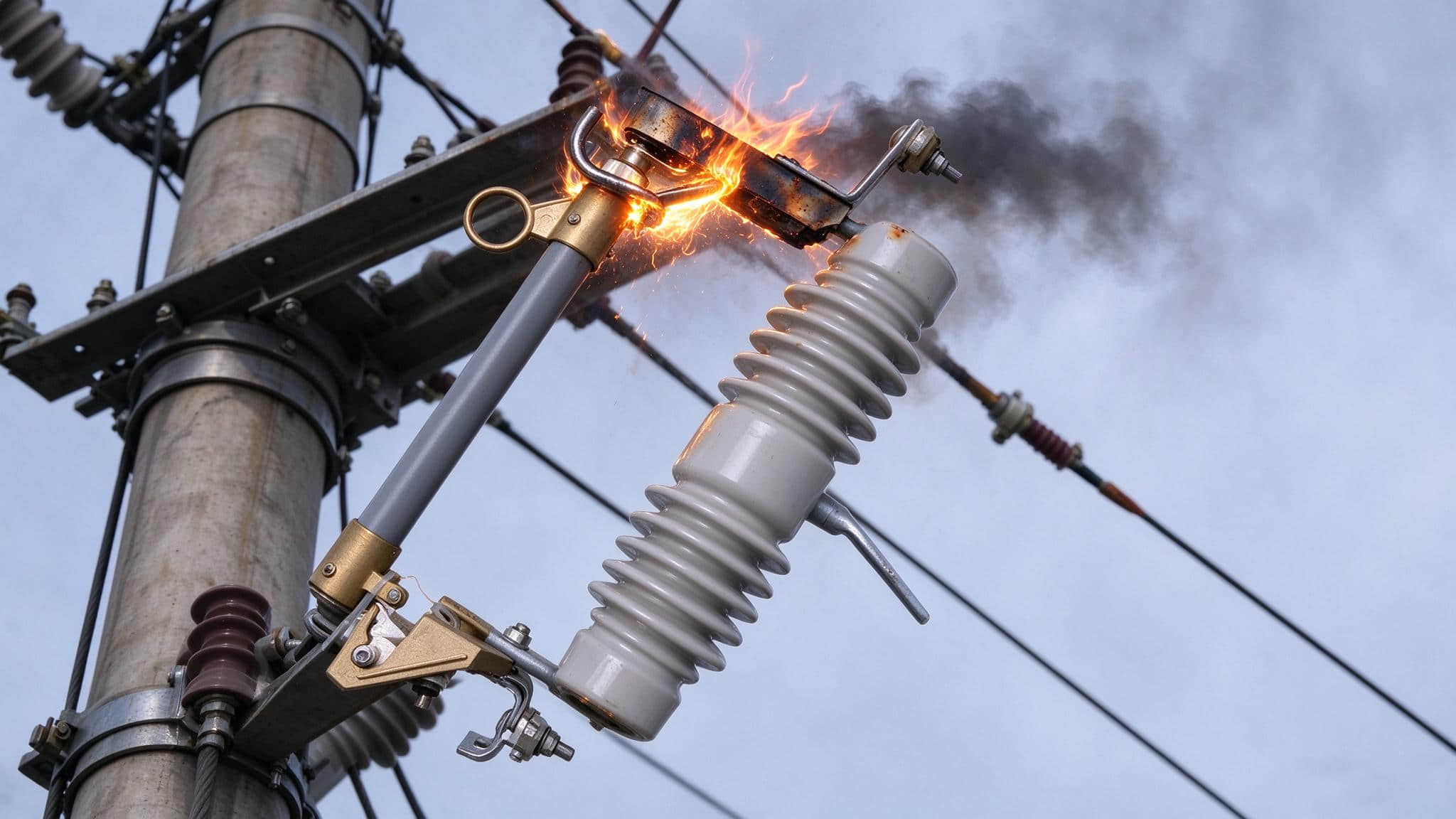
Once contact resistance rises, localized heating increases. That heat further accelerates oxidation and loosening, creating a failure loop that can end in discoloration, hot spots, insulation damage, or arcing.
The second problem is corrosion in aggressive environments. Humid air, salt spray, sulfur-bearing atmospheres, and industrial pollution can trigger electrochemical attack. In coastal, chemical, wastewater, mining, and paper-processing sites, this process can rapidly degrade exposed copper joints.
So while copper is the best base conductor, bare copper alone often cannot meet the reliability expectations of modern switchgear. That is the bottom logic behind tin plating and knurled contact surfaces.
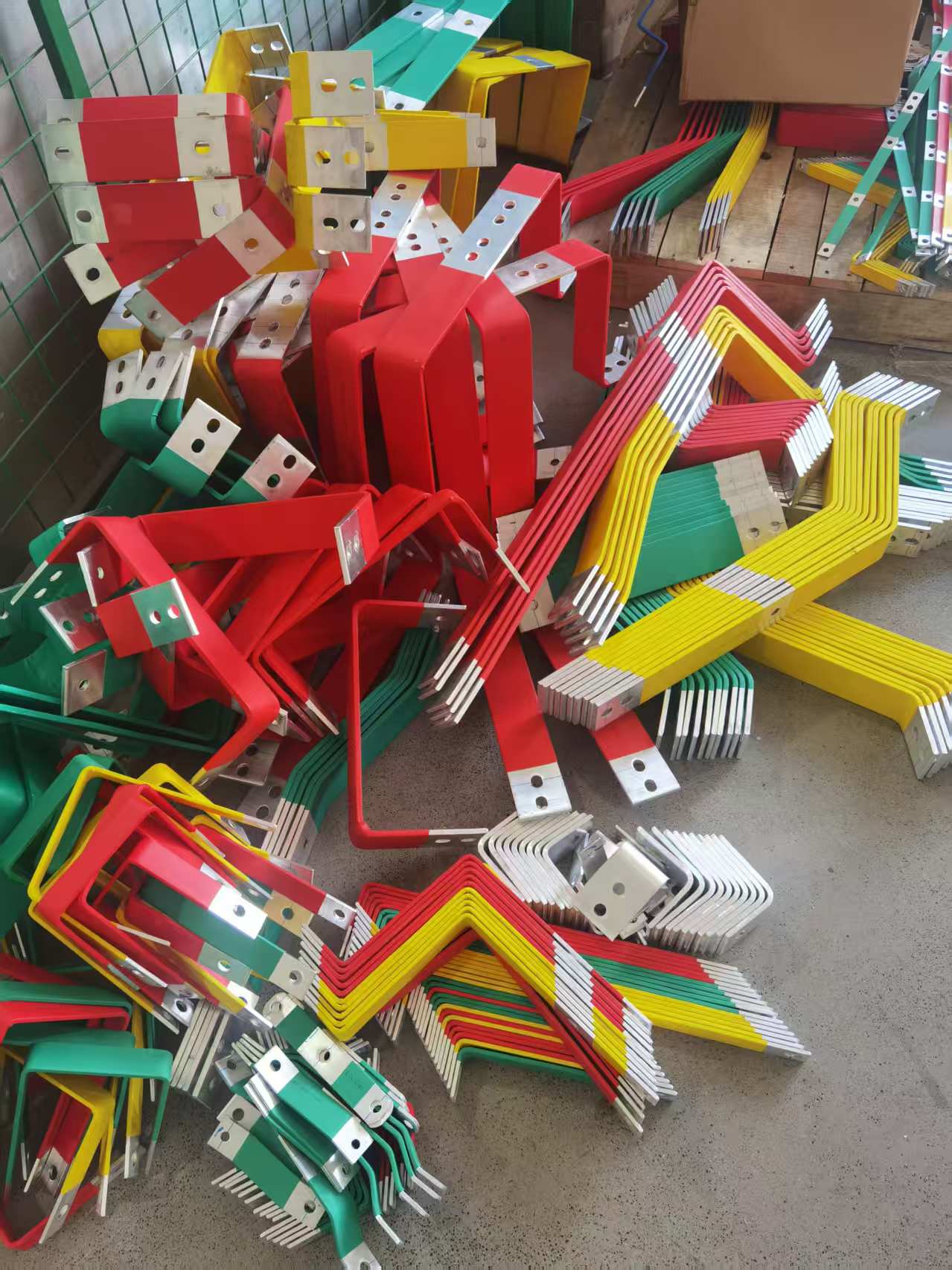
Why Are Copper Busbars Tinned?
Tin plating is the most common surface treatment for low-voltage and many medium-duty power distribution busbars. Its value is not just appearance.
The real value lies in corrosion resistance in copper busbars, more stable contact behavior, smoother assembly, and a very favorable cost-to-performance balance.
Tin Plating Improves Corrosion Resistance in Copper Busbars
Tin is chemically more stable than exposed copper in many practical service environments. Its surface oxide is thin, adherent, and comparatively less harmful to electrical joint performance than heavy copper oxidation products.
More importantly, the tin layer acts as a barrier between the copper substrate and the environment. It slows direct exposure to oxygen, moisture, chlorides, and sulfur compounds.
This matters in coastal substations, marina facilities, chemical plants, textile mills, food processing sites, and wastewater facilities. In those environments, bare copper often darkens quickly, while tinned surfaces remain much more stable for longer maintenance intervals.
In a coastal switchboard refurbishment project in South China documented by maintenance teams, bare copper links stored and installed near sea air showed visible discoloration within 2 to 6 weeks. Adjacent tinned busbar joints remained visually stable over the same period and required less re-cleaning before commissioning.
Tin Plating Stabilizes Contact Resistance
This is the core electrical benefit. Tin is soft compared with copper, so when a bolted joint is tightened, the plated layer plastically deforms and fills microscopic surface irregularities.
That deformation increases the real metal-to-metal contact area. In practice, this helps create more current paths and reduces the sensitivity of the joint to small geometric imperfections.
It also improves long-term performance. Under thermal cycling, vibration, and slight surface motion, a tin-plated joint is generally less likely to show uncontrolled resistance drift than an untreated one.
Representative lab observations from bolted busbar contact testing show that after repeated heating and cooling cycles, untreated smooth copper joints can exhibit contact resistance increases in the range of 20% to 80%, while well-prepared tin-plated joints often stay within roughly 5% to 25%, depending on pressure, joint design, atmosphere, and cleanliness.
That is why the electrical conductivity of tin-plated busbars should be judged at the joint system level, not only by the bulk conductivity of the coating metal itself.
Tin Plating Reduces Galling and Improves Maintenance
There is also a practical assembly advantage. Tin lowers friction at the joint interface during tightening, which helps the installer achieve a more repeatable preload from a given torque value.
This makes bolted connections more predictable. It is especially useful in production lines and field assembly where preload consistency matters.
Tin plating also reduces the tendency of copper surfaces to seize or gall after years of heat exposure. Anyone who has had to dismantle aged bare copper joints knows how difficult that can become.
With tinned joints, disassembly during retrofits, infrared inspection follow-up, or fault repair is usually easier and less destructive.
Tin-Plated vs Silver-Plated Busbars: Which Is Better?
Silver has better conductivity than tin. On paper, that makes silver plating attractive.
But engineering decisions are made in the field, not only on paper. Silver plating is significantly more expensive, and in sulfur-containing environments silver can tarnish and darken, which may negatively affect contact resistance if the system is poorly controlled.
For most switchgear, switchboards, MCCs, and general power distribution assemblies, tinned copper busbar benefits are enough to deliver the required reliability at a much better cost-performance ratio.
Silver plating still makes sense in selected high-performance or specialized applications. But for mainstream distribution projects, tin is usually the most practical specification.
Why Are Copper Busbars Knurled?
The fine texture stamped into busbar contact areas is often misunderstood. Many assume it is mainly for extra cooling area.
That is a myth. In real switchgear geometry, the purpose of the knurled busbar surface is not meaningful heat dissipation. Its primary role is to improve contact mechanics and long-term joint stability.
Knurling Breaks Oxide Films for Metal-to-Metal Contact
Even a plated surface can carry thin oxide films, handling residues, or storage contamination. Smooth-to-smooth contact does not always break those films effectively across the full interface.
Knurled or embossed patterns create localized high-pressure points when the joint is tightened. These peaks can pierce thin films and establish lower-impedance conductive paths.
This is especially helpful after transport, warehouse storage, or on-site handling, when invisible contamination may already be present on the contact area.
Knurling Improves Mechanical Grip and Anti-Loosening Performance
Busbar joints do not live in static conditions. Load changes create thermal expansion and contraction. Short-circuit events generate electrodynamic forces. Vibration from adjacent equipment can produce micro-motion.
Those tiny motions matter. Over time, micro-slip can generate wear debris, oxidation, and fretting damage. Contact resistance then rises and the joint gets hotter.
Knurled patterns improve busbar plating and mechanical grip by creating a small-scale mechanical interlock once compressed. This helps resist sliding and reduces the chance of progressive fretting.
Field vibration studies on bolted electrical joints consistently show that textured or treated interfaces retain preload and contact stability better than polished untreated surfaces under repeated motion.
Knurling Helps Stress Relief and Tightening Judgment
There is also an installation benefit. Under compression, the pattern deforms in a visible and repeatable way, giving installers a secondary visual cue that the contact zone has seated properly.
This does not replace a torque wrench. But it can support quality judgment during inspection and rework.
In fabrication, textured pressing can also help manage local forming behavior and reduce some effects of residual stress and rebound near worked areas, especially where controlled manufacturing processes are used.
Standardized Knurling Supports Busbar Interchangeability
In production environments, contact textures are not random. Their dimensions, pitch, and coverage are often standardized within a manufacturer’s busbar system.
This improves fit-up consistency between mating parts. It also helps replacement parts from the same standard system maintain reliable joint behavior during future maintenance.
For panel builders and service teams, standardization means fewer surprises during assembly and better interchangeability across batches.
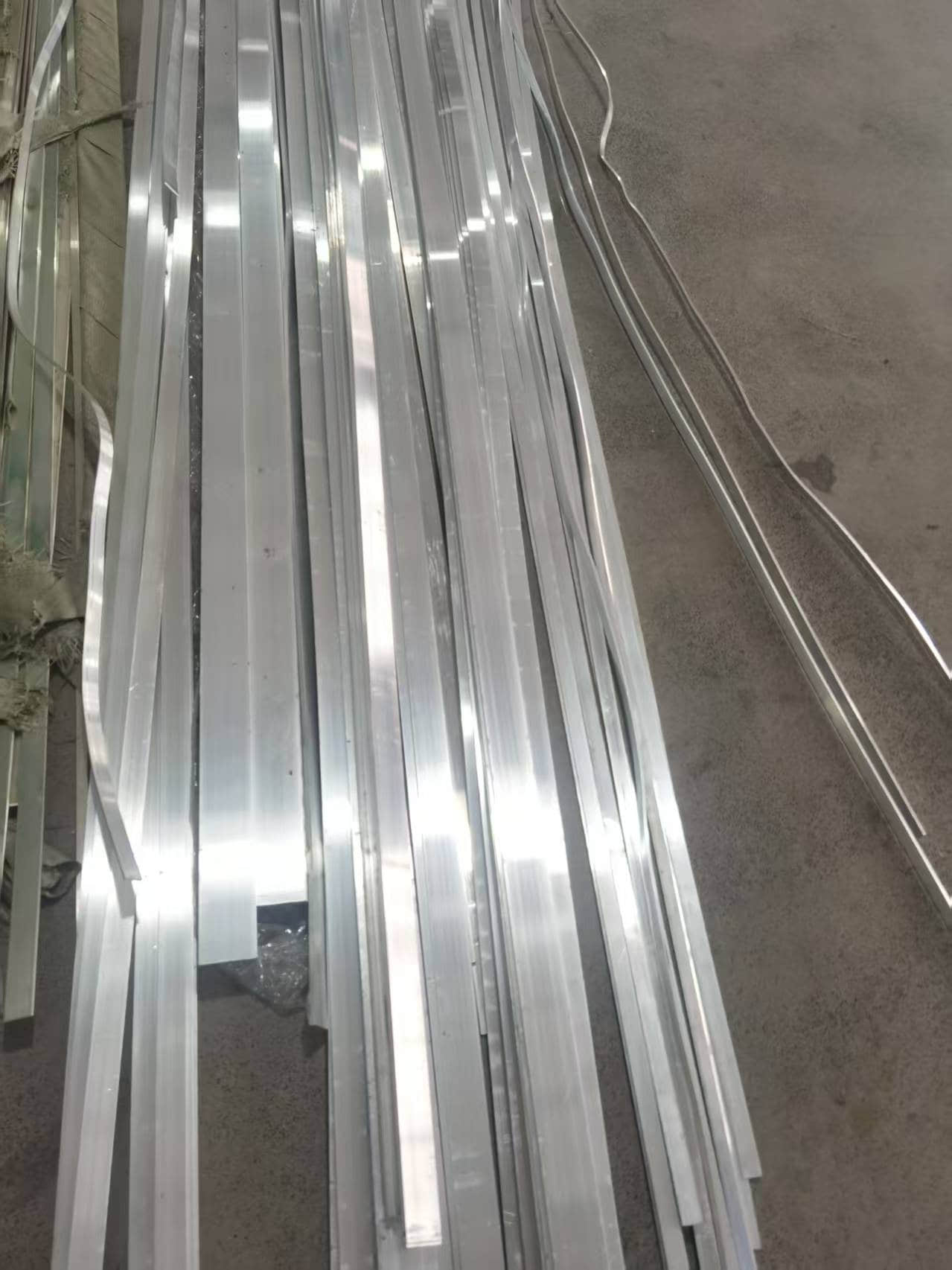
Why Tin Plating and Knurling Work Better Together
Tin plating and knurling should not be viewed as separate add-ons. They function best as a coordinated joint system.
One addresses the chemistry of long-term exposure. The other addresses the mechanics of real electrical contact.
Soft Tin and Knurled Geometry Create Synergy
Knurled surfaces become more effective when the mating layer is soft enough to conform. Tin provides exactly that softness.
During tightening, the raised knurled geometry can break the surface film, while displaced tin flows into the valleys. This helps create intimate contact without uncontrolled metal piling or unstable edge pressure.
That combination is one reason textured tinned contacts often perform better than either smooth tin-plated joints or untreated textured copper joints.
Dual Protection Against Loosening and Resistance Rise
Tin helps with controlled assembly torque and lower friction. Knurling adds anti-slip locking action once the joint is compressed.
Together they provide a dual defense: better preload control during assembly and better resistance to micro-loosening during operation.
This matters in systems exposed to fluctuating load, transformer inrush, motor starting, vibration, and fault forces.
Long-Term Low Resistance Under Real Operating Conditions
In long service life, corrosion and contact mechanics interact. Chemical degradation raises resistance. Mechanical instability accelerates wear. Heat then amplifies both.
Tin plating interrupts the chemical side of the problem. Knurling controls the physical side. Together they help maintain low joint resistance over time, which means cooler joints, fewer hot spots, and lower maintenance burden.
Data Table: Bare Copper vs Tinned vs Tinned and Knurled Busbar Joints
| Joint Type | Oxidation/Corrosion Risk | Initial Contact Resistance | Resistance Stability Over Time | Vibration/Micro-Motion Resistance | Maintenance/Disassembly | Typical Use Case |
|---|---|---|---|---|---|---|
| Bare copper, smooth | High | Low to moderate | Poor in humid/industrial sites | Weak | Harder after aging | Temporary or low-risk indoor use |
| Tinned copper, smooth | Low | Low | Good | Moderate | Easier | General power distribution |
| Tinned copper, knurled | Lowest | Low | Best | Strong | Easier and more repeatable | Switchgear, MCC, harsh-duty installations |
Real-World Data and Examples
In busbar engineering, the case for surface treatment is strongest when you look at service behavior, not just theory.
The examples below reflect representative field observations and common test trends seen in industrial power assemblies.
Example: Humid Coastal Switchboard Application
In coastal environments, chloride-laden air accelerates surface degradation. Bare copper joints often darken rapidly during storage, pre-commissioning, or operation if climate control is inconsistent.
In one maintenance comparison involving outdoor-adjacent switchboards near a port facility, bare copper jumpers required cleaning and inspection at roughly 6-month intervals. Comparable tinned busbar joints in the same general environment maintained acceptable condition with annual inspection only, reducing labor and rework frequency.
The practical lesson is simple: the harsher the atmosphere, the more valuable tin plating becomes.
Example: Contact Resistance Trend Under Thermal Cycling
Thermal cycling is a realistic stress because busbars repeatedly heat under load and cool when demand drops. This causes expansion, contraction, and micro-slip at the joint interface.
In representative bolted-joint test programs, smooth untreated copper joints have shown noticeably larger resistance drift after 100 to 500 thermal cycles than plated and textured joints under the same clamping concept.
A common trend is that tinned and knurled joints maintain a tighter resistance band, while untreated smooth joints show broader variation and more frequent hot-spot risk.
Example Data Table: Typical Joint Performance Indicators
| Performance Indicator | Bare Copper Joint | Tin-Plated Joint | Tin-Plated + Knurled Joint |
|---|---|---|---|
| Surface oxidation after storage | High | Low | Low |
| Typical contact resistance stability after repeated cycles | Fair to poor | Good | Very good |
| Ease of achieving consistent torque/preload | Moderate | Good | Good to very good |
| Risk of fretting under vibration | Higher | Medium | Lower |
| Suitability for coastal/chemical exposure | Weak | Good | Best |
Standards and Industry Guidance
Reliable busbar assembly is not based on personal preference alone. It aligns with accepted switchgear manufacturing practice and recognized standards.
In low-voltage assemblies, standards and industry guidance such as IEC 60439 and GB 7251 support consistent construction quality, contact integrity, and repeatable manufacturing control.
While these standards do not reduce good engineering to a single surface rule, they strongly reinforce the need for dependable connection design. In that context, tin plating plus standardized contact texturing is widely used because it supports exactly that objective.
Installation and Inspection Best Practices
Even the best busbar surface treatment can fail if field workmanship is poor. Reliability depends on process control from fabrication to final torque verification.
Protect the Tin Coating During Bending and Punching
If bending, punching, or handling damages the plated area, the exposed copper becomes a starting point for corrosion. That damage should not be ignored.
Use only approved conductive repair materials or specified rework processes. Never cover damaged contact areas with ordinary paint, general anti-rust sprays, or insulating tape.
Clean Contact Surfaces Before Assembly
Even new parts can carry oil, fingerprints, dust, salt residue, or packaging contamination. These films interfere with proper contact.
Before assembly, wipe the contact surfaces with lint-free material and a suitable solvent such as ethanol. The goal is a clean, dry, residue-free interface.
Control Tightening Torque Precisely
Under-torque reduces contact pressure and invites overheating. Over-torque can damage the joint, distort hardware, crush the interface, or create unstable preload.
Use a calibrated torque wrench and follow the hardware and busbar manufacturer’s values. Do not rely on feel alone.
Use Conductive Joint Compound Correctly When Required
In high-humidity, salt-spray, or polluted atmospheres, a qualified electrical joint compound can provide added protection. It should be used carefully, not excessively.
Apply a thin, even film to fill micro-voids without contaminating unrelated surfaces. Avoid low-quality compounds, because poor material selection can trap dirt, degrade under heat, or interfere with contact performance.
Common Myths About Tinned and Knurled Busbars
Myth: Knurling Is Mainly for Heat Dissipation
This is incorrect. The texture adds very little practical cooling area in a bolted busbar joint.
Its real job is to improve film breaking, grip, and contact stability under compression.
Myth: Bare Copper Conducts Better So It Is Always Better
Bulk copper is indeed more conductive than tin. But a busbar connection succeeds or fails at the joint surface, not just in the bulk metal.
If oxidation and aging increase the contact resistance of bare copper, the real operating joint can perform worse than a well-designed tinned interface.
Myth: Silver Plating Always Outperforms Tin in Real Projects
Silver can be excellent in certain applications. But higher conductivity alone does not automatically justify higher cost in normal power distribution systems.
For most practical installations, tin delivers the better overall balance of durability, maintainability, and economics.
FAQ
Why are copper busbars tinned instead of left bare?
Because tin plating protects the copper from oxidation and corrosion, while also helping the joint maintain lower and more stable contact resistance over time.
What is the knurled busbar surface purpose?
It helps break thin oxide or contamination films, improves mechanical grip between mating parts, and reduces loosening caused by vibration and thermal cycling.
Does tin plating reduce electrical conductivity of copper busbars?
The copper still carries the bulk of the current. In real joints, tin plating often improves overall performance because the contact resistance is lower and more stable than with aged bare copper surfaces.
Is a tinned copper busbar better than a silver-plated busbar?
For most distribution applications, yes from a cost-to-performance perspective. Silver can offer higher conductivity, but tin is usually the more economical and practical choice for mainstream switchgear and switchboard use.
Does knurling increase busbar heat dissipation?
Not in any meaningful practical sense. Its main value is improved contact mechanics, not cooling.
Can damaged tin plating be ignored during installation?
No. Damaged plated areas can become corrosion initiation points and should be repaired using approved conductive methods rather than ordinary paint or insulating materials.
When should conductive joint compound be used on busbars?
It is most useful in high-moisture, salt-spray, or polluted environments where added sealing and surface protection improve long-term reliability.
Conclusion: Small Surface Treatments, Big Reliability Impact
A copper busbar may look like a simple metal strip, but its long-term performance depends on a sophisticated mix of materials science, electrochemistry, and contact mechanics.
Tin plating provides long-term chemical protection. Knurling provides a physical anti-loosening and low-resistance contact barrier.
That is why the silver-gray color and fine surface pattern are not minor details. They are deliberate engineering features that help power distribution systems run cooler, safer, and more reliably for years.
Improve Your Busbar Reliability Strategy
Audit your current busbar joint design now. Review your plating specification, contact texture, cleaning method, torque control, and repair practice before the next overheating or corrosion issue forces an outage.
If you build, specify, or maintain switchgear, do not treat tin plating and knurling as optional cosmetics. Make them part of a documented reliability strategy to reduce maintenance costs, prevent hot joints, and extend the safe operating life of your electrical distribution system.