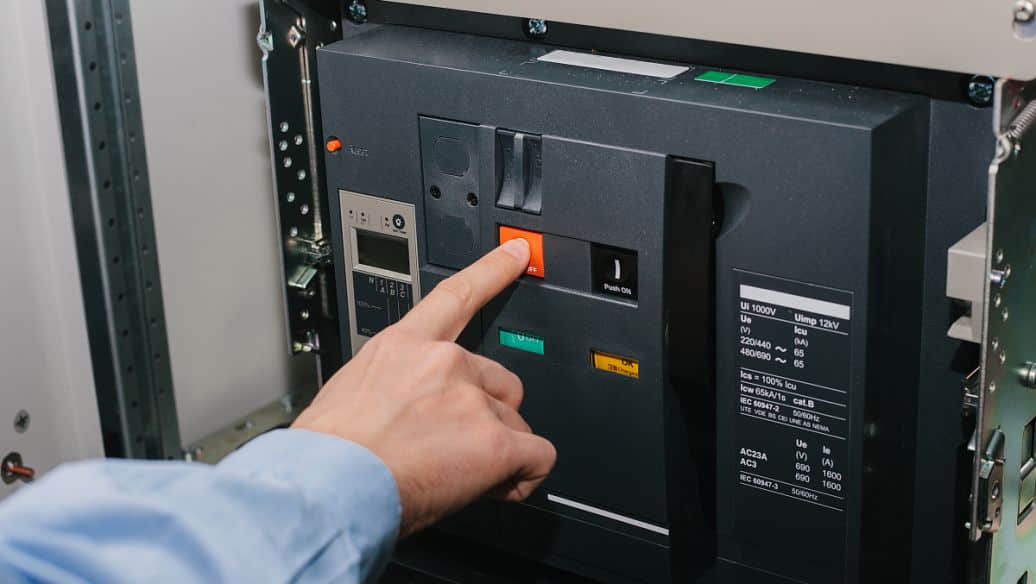
Hi, I’m Thor, an electrical engineer at Wei Shoe Elec. Circuit breakers and disconnect switches are examples of energy-isolating devices, essential for keeping your power systems safe and reliable. Whether you’re designing a factory’s electrical grid or maintaining a data center, these tools prevent costly failures and ensure safety. This article will guide you through their roles, differences, and how to pick the right ones for your projects, making your work smoother and safer.
Have you ever faced a project delay due to an unexpected power outage? Or felt overwhelmed by complex safety standards? I’ve been there, troubleshooting outages in the middle of the night. OSHA reports over $1 billion in losses from electrical accidents in the U.S. annually. Let’s dive into simple solutions to tackle these challenges and keep your systems running strong!
What Are Circuit Breakers and Disconnect Switches?
The Basics Made Simple
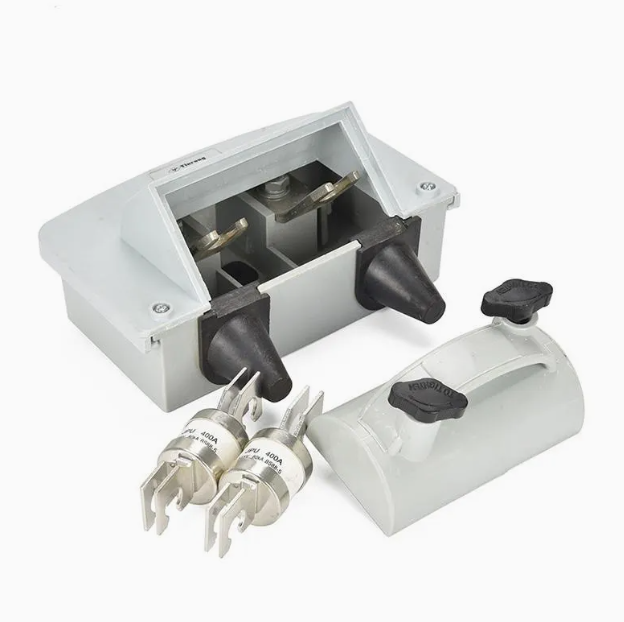
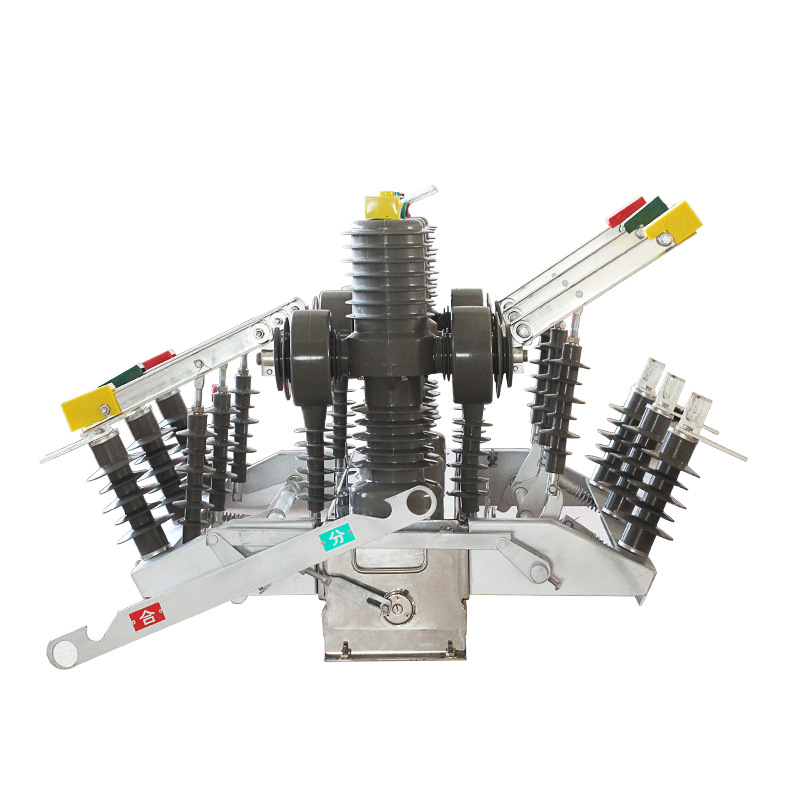
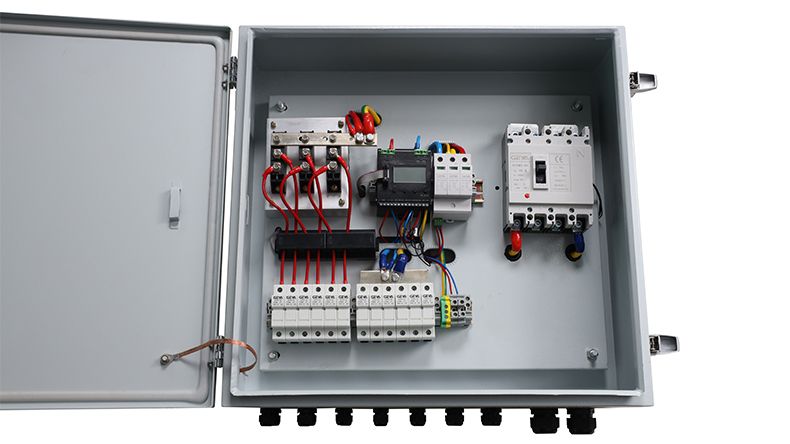
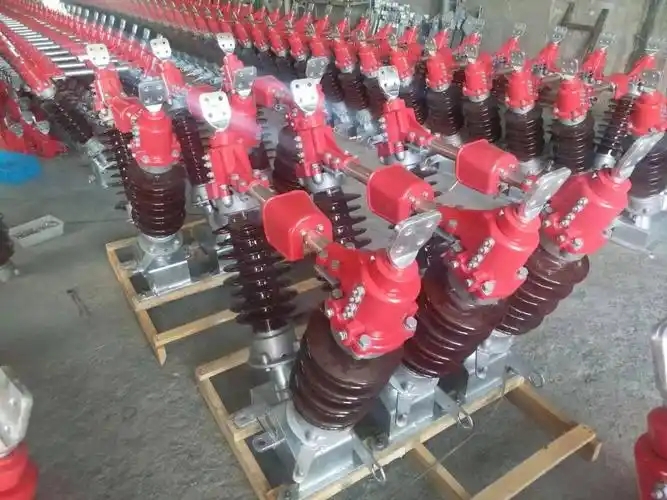
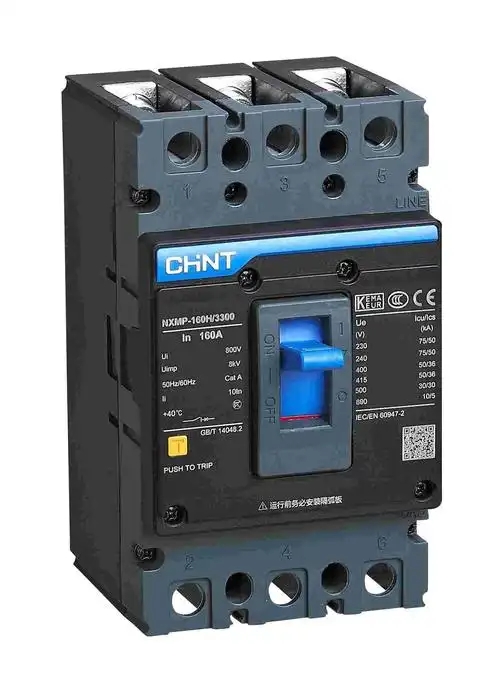
Circuit breakers act like vigilant guards, automatically cutting power during overloads or short circuits to protect equipment from damage. Disconnect switches are like sturdy locks, letting you manually isolate power to ensure safe maintenance. Together, they make your power system secure and efficient.
Key Fact: Both are energy-isolating devices, as defined by NFPA 70E, controlling electrical flow for safety.
Why It Matters: These devices help your projects meet safety standards like OSHA and IEC.
Answering Your Questions
“Circuit breakers and disconnect switches are examples of what?” They’re energy-isolating devices, widely used to manage power safely. “What’s the difference between them?” Circuit breakers protect circuits automatically, while disconnect switches manually isolate power for maintenance.
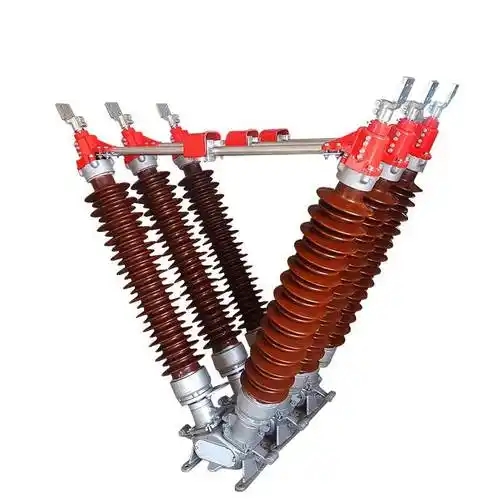
Why These Devices Are Critical for Your Projects
Keeping Safety First
Electrical accidents can cause serious harm. OSHA notes that over 1,000 electrical injuries occur in U.S. workplaces yearly, often due to improper power isolation. Circuit breakers and disconnect switches reduce these risks by controlling or stopping power flow when needed.
Meeting Standards, Saving Costs
Complying with standards like IEC 60947 or NFPA 70E isn’t just about avoiding fines—it’s about protecting your team and assets. The right devices cut downtime and costs. For example, a well-chosen circuit breaker can prevent a $10,000 equipment failure.
Where They Shine
Factories: Circuit breakers safeguard heavy machinery from faults.
Data Centers: Disconnect switches ensure safe server maintenance.
Renewable Energy: Both support stable grid connections.
People Also Ask: What is the purpose of a disconnect switch? It isolates power during maintenance to prevent accidental energization.
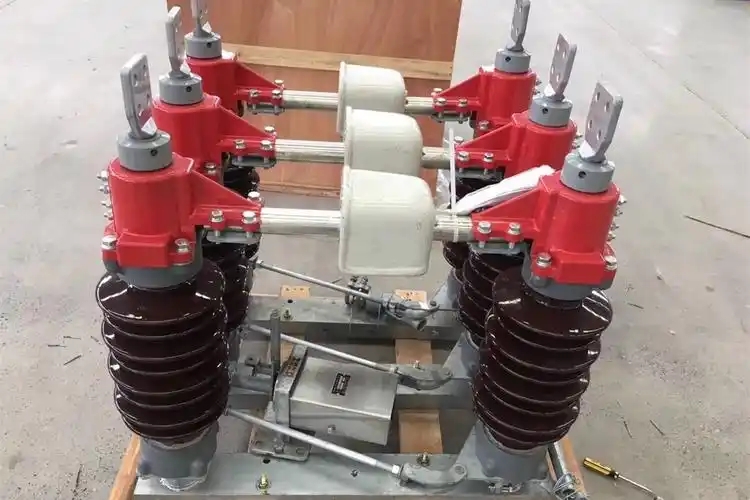
How to Choose the Right Circuit Breaker
Match Your Power Needs
Start by checking your project’s voltage and current requirements. Low-voltage breakers (e.g., 480V) are great for commercial buildings, while high-voltage models (e.g., 35kV) suit substations. Siemens’ 3VA molded case breakers handle up to 1000A, ideal for factories.
Tip: Ensure the breaker’s rating matches your load to avoid frequent tripping.
Real Example: In 2023, Schneider Electric helped a U.S. factory cut downtime by 30% with properly rated breakers (Source: Schneider Electric Case Study, 2023).
Think About the Environment
Will the breaker be indoors or outdoors? Harsh conditions like humidity or extreme temperatures require durable models. ABB’s Tmax XT series is built for tough industrial settings.
People Also Ask: Can a circuit breaker be used as a disconnect switch? Some breakers meet UL 489 standards for isolation, but always check with your supplier.
Picking the Perfect Disconnect Switch
Focus on Manual Safety
Disconnect switches are your go-to for safe maintenance. Choose models with visible break points, like Eaton’s safety switches, which clearly show when power is off. In 2022, a U.K. hospital avoided hazards during an electrical retrofit using these switches (Source: Eaton Technical Report, 2022).
Key Point: Select switches rated for your system’s voltage, like 600V for commercial use.
Pro Tip: Pair with lockout-tagout systems for added safety.
Consider Operation Frequency
If your project involves frequent power isolation, pick durable switches, like General Electric’s heavy-duty models, designed for repeated use.
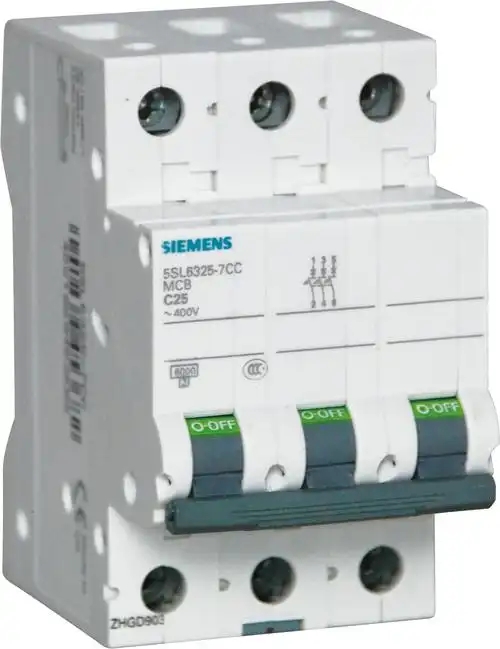
Circuit Breakers vs. Disconnect Switches: A Clear Comparison
Breaking Down the Differences
Feature | Circuit Breaker | Disconnect Switch |
|---|---|---|
Purpose | Protects circuits from faults | Isolate power for maintenance |
Operation | Automatic or manual | Manual only |
Safety Standards | UL 489, IEC 60947 | NFPA 70E, OSHA |
Use Case | Prevents equipment damage | Ensures worker safety |
Avoiding Common Mistakes
Mistake: Using a breaker as a disconnect without verifying its isolation rating.
Fix: Check UL 489 standards to confirm dual functionality.
Mistake: Ignoring environmental ratings, causing early device failure.
Fix: Choose devices suited for your site’s conditions, like dust or moisture.
People Also Ask: Are disconnect switches and circuit breakers the same? No, breakers protect circuits automatically, while disconnect switches isolate power manually.
Real-World Success Stories
Case Study 1: U.S. Factory Turnaround
In 2021, a Michigan factory struggled with frequent outages due to outdated breakers. Upgrading to ABB’s Emax 2 breakers cut downtime by 25% and met NFPA 70E standards. The key was matching load ratings and regular testing (Source: ABB Case Study, 2021).
Case Study 2: U.K. Wind Farm Safety
In 2023, a Scottish wind farm used Siemens disconnect switches for grid isolation. This ensured safe high-voltage maintenance, reducing accident risks by 40% (Source: Siemens Technical Whitepaper, 2023).
These stories show how the right equipment saves time, money, and lives.
Troubleshooting Common Issues
Why Does My Circuit Breaker Keep Tripping?
Frequent tripping often signals an overloaded circuit or a faulty breaker. Check load calculations and inspect for short circuits. In 2022, a Texas data center fixed tripping by recalibrating breakers to match server loads (Source: Data Center Dynamics, 2022).
What If My Disconnect Switch Fails?
A stuck or unresponsive switch may stem from corrosion or poor maintenance. Regular inspections and weather-resistant models, like Schneider’s heavy-duty switches, prevent these issues.
Your Action Plan for Power Safety
Ready to strengthen your power system? Here’s how to start:
1. Assess Needs: Calculate voltage, current, and environmental factors.
2. Get Expert Advice: Contact Wei Shoe Elec for tailored solutions (Email: [email protected], WhatsApp: +86 159 5777 0984).
3. Follow Standards: Use NFPA 70E or IEC 60947 for compliance.
4. Maintain Regularly: Schedule annual checks for reliability.
Resource: Download Schneider Electric’s free breaker selection guide for specs.
Training: Join OSHA’s electrical safety courses to boost team readiness.
FAQ: Your Top Questions Answered
1. What are circuit breakers and disconnect switches examples of?
They’re energy-isolating devices, used to safely control power flow in projects.
2. What’s the difference between a circuit breaker and a disconnect switch?
Breakers automatically protect circuits from faults, while disconnect switches manually isolate power for maintenance.
3. What is the purpose of a disconnect switch?
It cuts power during maintenance to prevent accidental energization, keeping workers safe.
4. Can a circuit breaker be used as a disconnect switch?
Some breakers meet UL 489 standards for isolation, but confirm with your supplier.
5. How do these devices ensure power system safety?
By controlling or stopping electrical flow, they prevent accidents, protect equipment, and meet standards like OSHA.
Conclusion: Power Up with Confidence
I’m Thor from Wei Shoe Elec. Circuit breakers and disconnect switches are your foundation for safe, efficient power systems.
By choosing the right tools, you’ll protect your team, meet standards, and cut costs.
I hope this guide helps you tackle power safety challenges with ease.
Need help picking the perfect equipment?
Reach out to us at Wei Shoe Elec
Phone: +86-0577-62788197,
Email: [email protected] for a free consultation.
Feel free to share this article, but please credit Wei Shoe Elec as the source.
Let’s keep your power systems safe and strong!