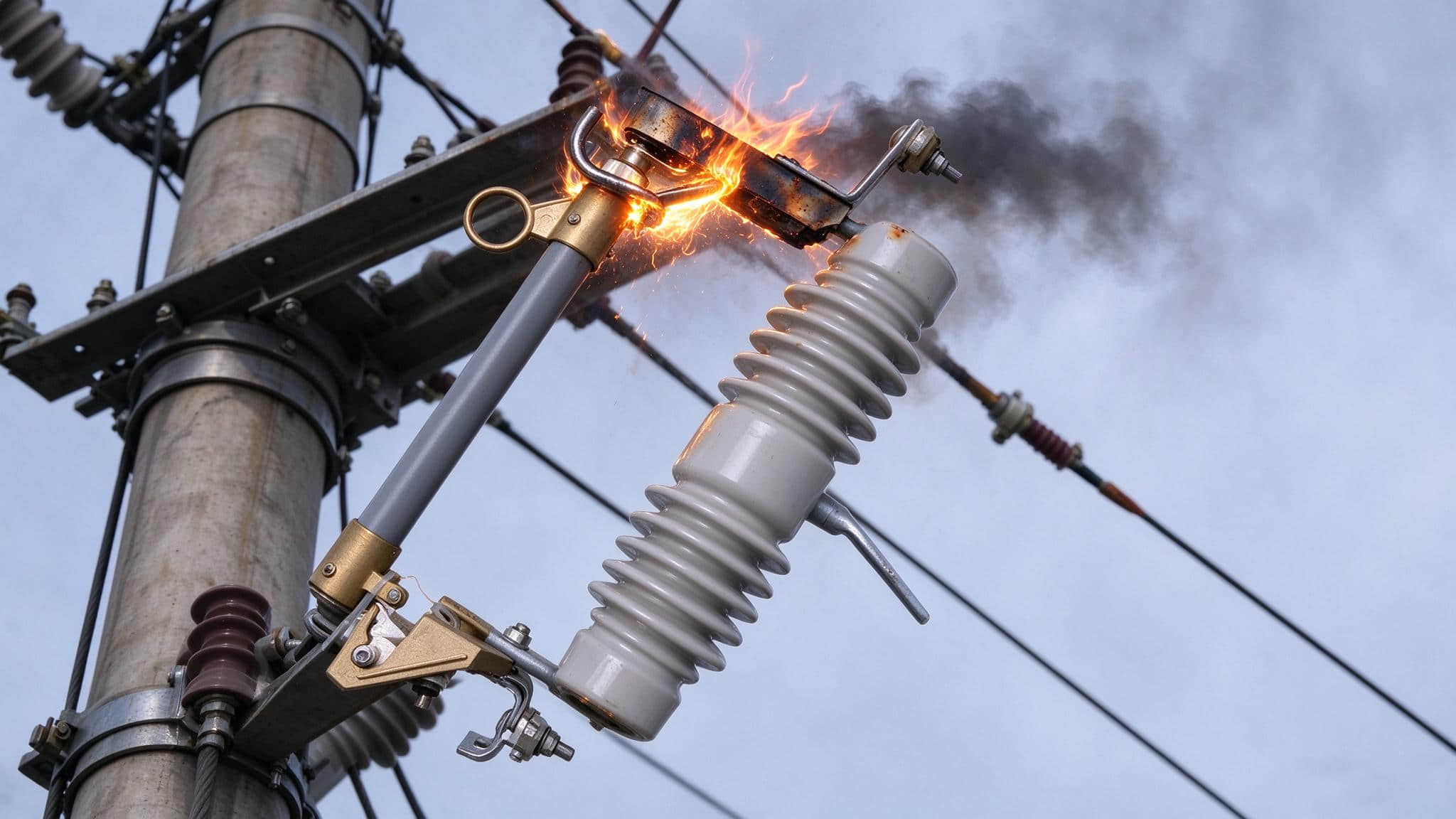
One wrong plug-in can destroy a costly appliance in seconds.
That is the hidden risk when a 220V device is plugged into a 110V outlet without the right power solution. A properly selected transformer from 110 to 220 can protect your equipment, restore full performance, and prevent expensive mistakes.
Why a 110 to 220 transformer can save your appliance
Imported appliances often fail, overheat, or underperform when they do not receive their required voltage.
In homes, garages, RVs, rental properties, and small businesses, this problem appears more often than many buyers expect.
A Japanese rice cooker, a European espresso machine, or a 220V lab device may look physically compatible with an outlet once a plug adapter is attached.
But plug shape is not voltage compatibility. That confusion causes avoidable damage every year.
Key fact: Many countries use approximately 220–240V power, while the United States and several other markets commonly use approximately 110–120V. A mismatch can mean weak operation, repeated shutdowns, or permanent failure.
The problem: why 220V appliances do not work on 110V outlets
Most 220V appliances are engineered to receive significantly higher voltage than a standard 110V outlet can supply.
If the appliance is not dual-voltage, it may simply not turn on, or it may run badly.
Common symptoms include:
Heating appliances that warm too slowly or not at all
Motors that struggle to start, hum, or overheat
Electronics that behave erratically or fail to power correctly
Tools and equipment that lose torque, speed, or stability
In real homes and workshops, this happens with imported coffee machines, salon equipment, air pumps, soldering stations, audio systems, and test instruments.
In RVs and temporary setups, users often assume a basic travel adapter is enough. It is not.
What is a 110V-to-220V step-up transformer?
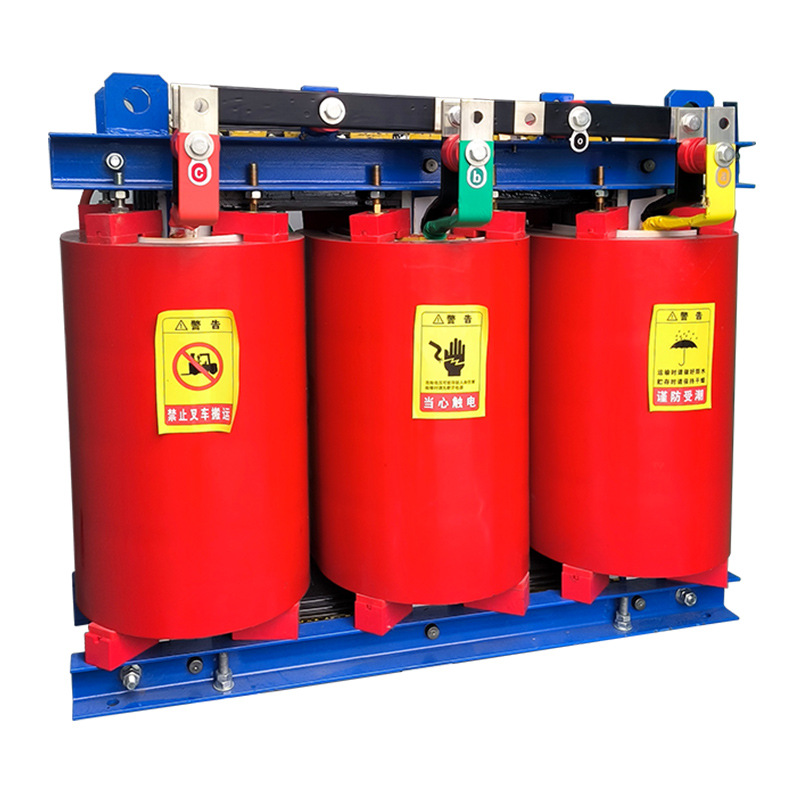
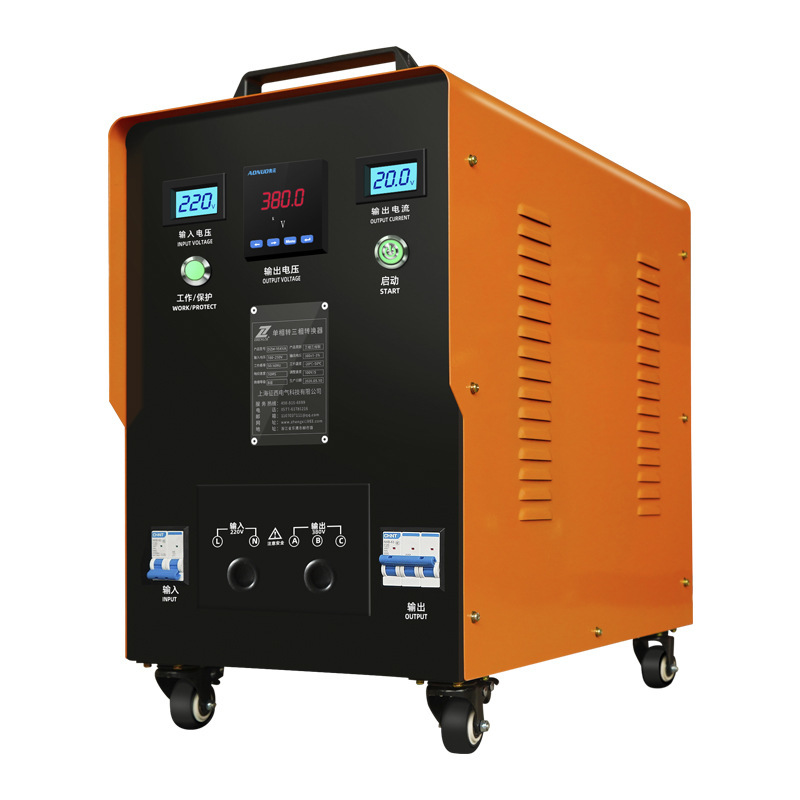
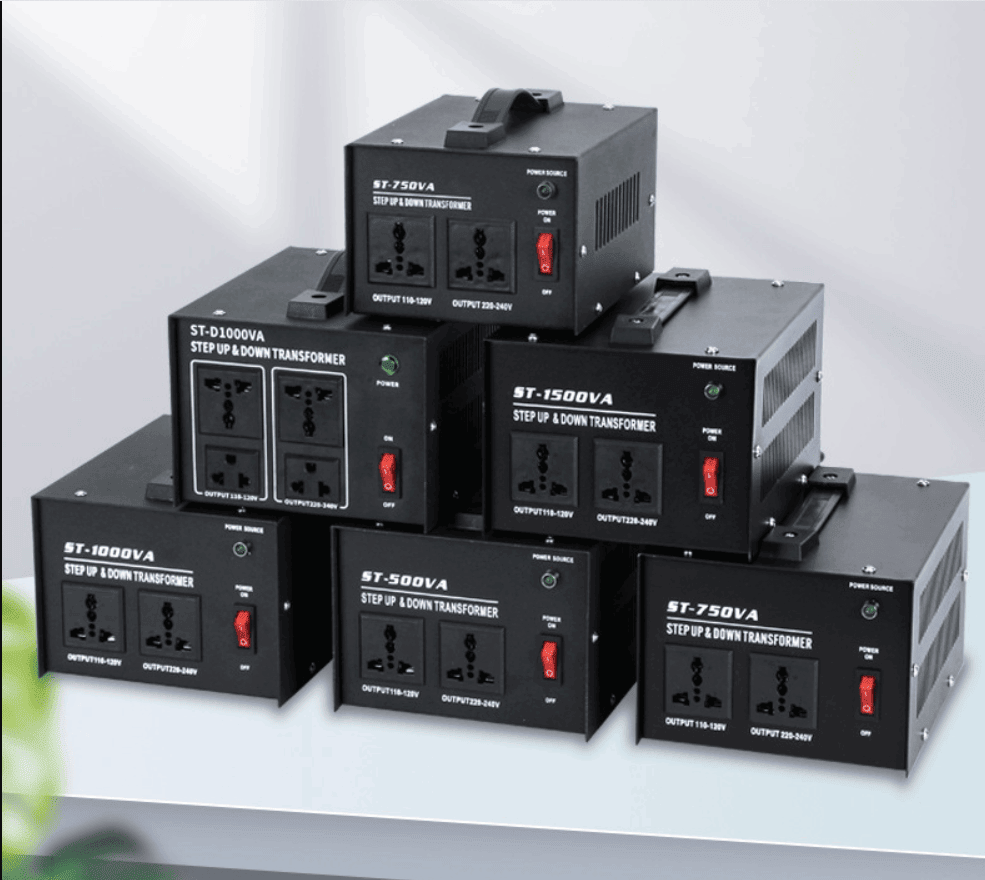
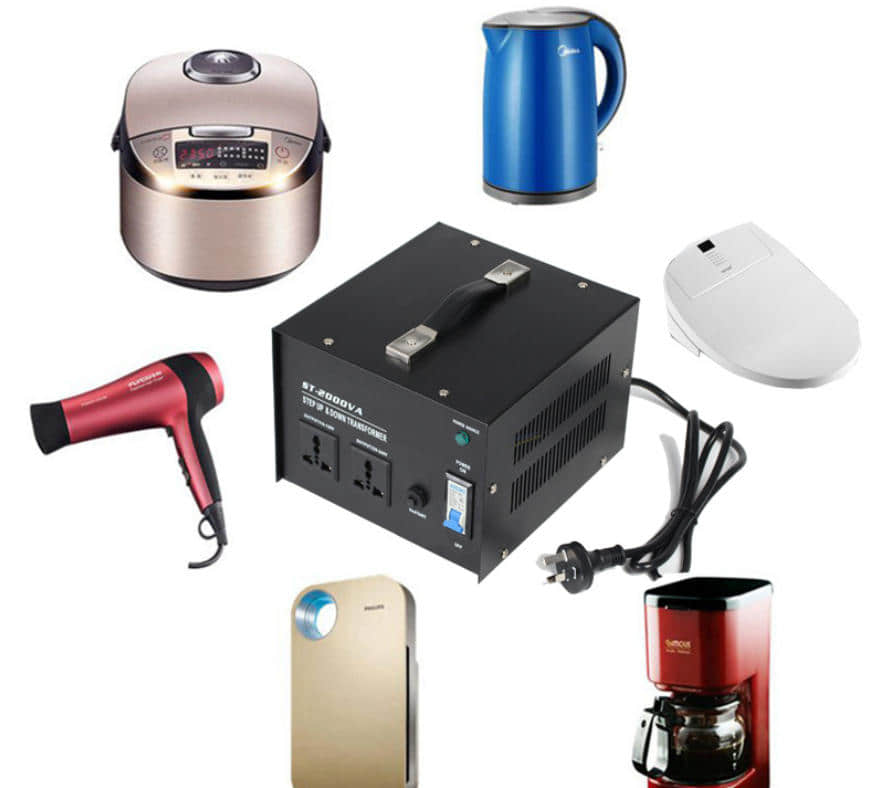
A 110V to 220v step up transformer is an electrical device that takes approximately 110–120V input and raises it to approximately 220–240V output.
Its job is to let a properly matched 220V appliance operate from a lower-voltage supply.
Inside, the transformer uses electromagnetic induction between windings to increase voltage.
This is why it is typically more robust and more suitable for many demanding loads than a simple adapter.
A transformer is often the right choice when:
You own a single-voltage 220V appliance
You need a stable output for repeated use
You are powering heating devices, motors, tools, or speciality equipment
You want a safer temporary alternative to rewiring
110 to 220 voltage converter vs step-up transformer
The terms are often used interchangeably, but they are not always the same in practice.
Understanding the difference can prevent equipment failure.
A 110 to 220 voltage converter may refer to a lighter-duty device designed for short-term use, often with limited compatibility.
A transformer is generally heavier, more durable, and better suited for continuous or higher-load applications.
Transformer: Better for motors, heating appliances, audio gear, tools, and longer runtimes
Basic converter: Sometimes intended for simpler, lower-duty loads or short-duration travel use
Plug adapter: Changes plug shape only, not voltage
For appliances with compressors, pumps, motors, or sensitive internal electronics, a true transformer is usually the safer choice.
Always verify the manufacturer's specifications before buying.
How to convert a 110V outlet to 220V safely
There are two very different ways to convert a 110V outlet to 220V.
One is temporary and equipment-based. The other is permanent and electrical-system-based.
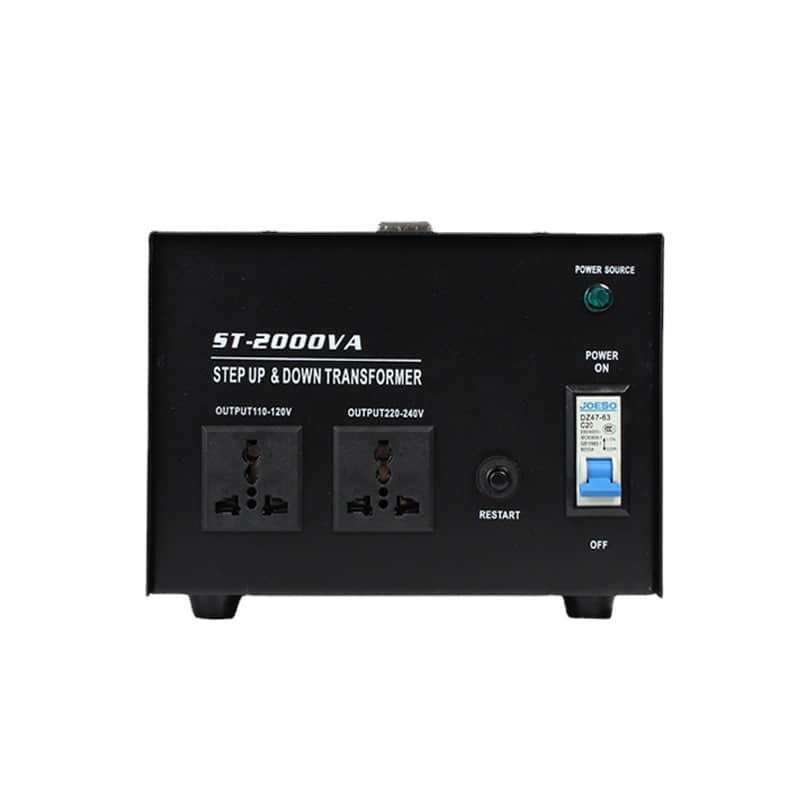
Option 1: Use a step-up transformer
This is the practical solution when you need to run a compatible 220V appliance from a standard 110V outlet without altering the building wiring.
It works best when the transformer is correctly sized, and the appliance is within its rated duty cycle.
Option 2: Install a true 220V circuit
If you need long-term power for large equipment, a licensed electrician may install a dedicated 220V circuit.
This is often the better choice for ovens, dryers, welders, large compressors, or permanently installed machinery.
A transformer is ideal for temporary, portable, imported, or speciality equipment use.
Rewiring is better for high-power permanent installations.
How to choose the best step-up transformer for 220V appliances
Choosing the right step-up transformer for 220V appliances starts with the appliance nameplate.
You need its voltage, wattage, current draw, and whether it has a startup surge.
Never size a transformer by guesswork.
Undersizing causes overheating, voltage drop, nuisance shutdowns, and shortened transformer life.
Wattage sizing formula
Use this simple rule:
Recommended transformer wattage = Appliance running watts x safety factor
Typical safety factors:
Resistive loads: 1.25x to 1.5x
Motor-driven loads: 2x to 3x or more, depending on startup surge
Sensitive electronics: Follow manufacturer guidance and use clean, stable power with headroom
Example:
A 1000W rice cooker should typically use at least a 1250W to 1500W transformer.
A 900W motorised device may need 1800W to 2700W capacity, depending on inrush current.
Appliance type matters
Resistive loads
These include kettles, rice cookers, hot plates, and many heating devices.
They are usually the easiest to size because the startup surge is modest compared with motors.
Motor-driven devices
These include pumps, compressors, mixers, shop tools, and some refrigerators.
They often draw a much higher startup current than their running wattage suggests.
Sensitive electronics
These include audio equipment, lab devices, control systems, and some medical or measurement gear.
Voltage accuracy, grounding, and frequency compatibility matter as much as wattage.
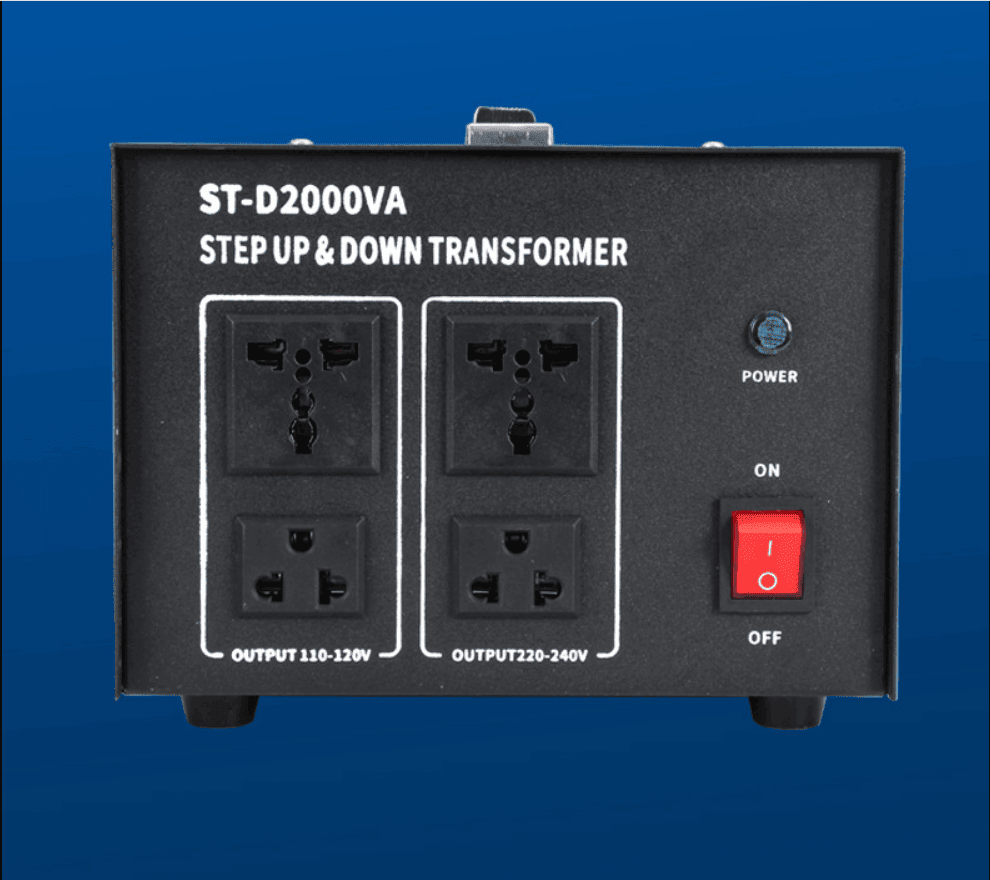
Recommended transformer size by appliance wattage
| Appliance Running Wattage | Typical Load Type | Recommended Transformer Size | Suggested Safety Margin |
|---|---|---|---|
| Up to 100W | Electronics, chargers, small devices | 150W to 200W | 50% to 100% |
| 101W to 300W | Audio gear, small appliances | 300W to 500W | 30% to 70% |
| 301W to 600W | Small tools, kitchen devices | 500W to 1000W | 40% to 70% |
| 601W to 1000W | Rice cookers, heaters, power tools | 1000W to 2000W | 50% to 100% |
| 1001W to 1500W | Heating appliances, larger equipment | 1500W to 3000W | 50% to 100% |
| 1501W to 3000W | Heavy-duty appliances, motors | 3000W to 6000W | 100% or more for surge loads |
110 to 220 power transformer examples for common appliances
These examples show how a 110V to 220V power transformer might be selected in practical use.
Always confirm actual nameplate data before purchase.
| Appliance | Typical Wattage | Load Type | Practical Transformer Recommendation |
|---|---|---|---|
| European espresso machine | 1200W to 1600W | Heating with pumps/electronics | 2000W to 3000W transformer |
| Japanese rice cooker | 500W to 1200W | Resistive heating | 1000W to 1500W transformer |
| 220V angle grinder | 700W to 1400W | Motor-driven | 2000W to 3000W transformer |
| Imported audio amplifier | 100W to 600W | Sensitive electronics | 300W to 1000W high-quality transformer |
| Lab power supply or analyser | 200W to 1000W | Sensitive electronics | 500W to 1500W transformer with grounding |
| Commercial food warmer | 800W to 1800W | Resistive heating | 1500W to 3000W transformer |
Real-world examples of using a 110V to 220V power transformer
Real buyers often need voltage conversion because product availability, pricing, or performance varies by country.
Below are common use cases where a transformer makes practical sense.
Imported kitchen appliances
A homeowner buys a premium Italian espresso machine built only for 230V service.
Instead of rewiring the kitchen immediately, a properly sized transformer allows safe operation from a standard North American outlet.
Overseas industrial or lab equipment
Small businesses and research teams frequently import equipment from Europe or Asia.
A transformer helps test or deploy the equipment quickly before permanent electrical changes are made.
Garage workshops
Some users import specialised 220V tools not sold locally.
A heavy-duty transformer can power selected tools when installing a full 220V branch circuit is not yet practical.
Rental properties and temporary sites
Tenants, contractors, and event operators often cannot modify building wiring.
A transformer provides a temporary and portable way to run compatible equipment without permanent electrical work.
Data: common voltage standards by country
International voltage standards explain why the need for a transformer is so common.
The table below reflects widely used nominal household voltages in major markets.
| Country | Common Household Voltage | Typical Frequency | Category |
|---|---|---|---|
| United States | 120V | 60Hz | 110–120V market |
| Canada | 120V | 60Hz | 110–120V market |
| Mexico | 127V | 60Hz | 110–120V market |
| Japan | 100V | 50Hz/60Hz | 100–120V market |
| United Kingdom | 230V | 50Hz | 220–240V market |
| Germany | 230V | 50Hz | 220–240V market |
| France | 230V | 50Hz | 220–240V market |
| Australia | 230V | 50Hz | 220–240V market |
| China | 220V | 50Hz | 220–240V market |
| India | 230V | 50Hz | 220–240V market |
These standards are based on commonly used national utility norms.
Always confirm the exact rating shown on the appliance label and local electrical code requirements.
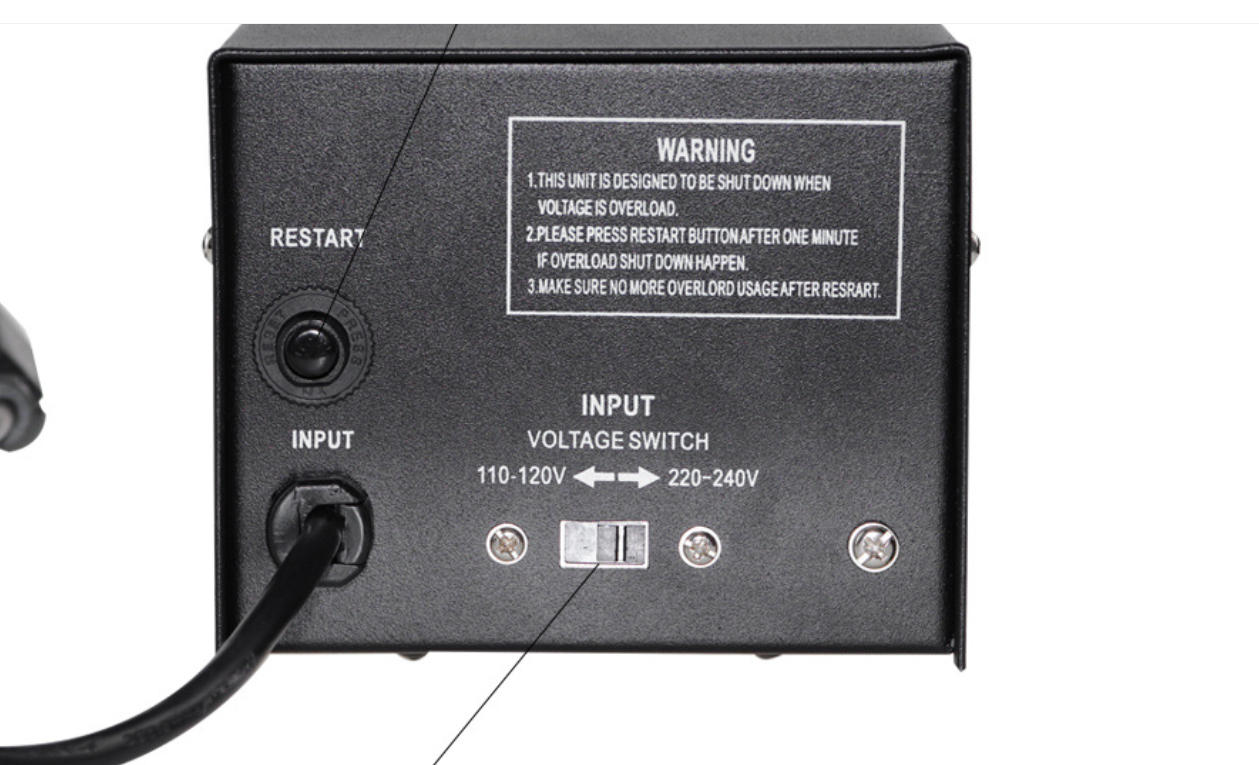
Safety tips before using a transformer from 110 to 220
Safety is not optional when working with voltage conversion.
A transformer can be very safe, but only when used correctly.
Check the appliance nameplate: Confirm voltage, wattage, amperage, and frequency requirements
Use proper grounding: Grounded equipment should remain properly grounded through the transformer setup
Allow ventilation: Transformers generate heat and should not be covered or enclosed tightly
Respect continuous-use ratings: Some models handle short peak loads better than long runtimes
Watch frequency compatibility: A transformer changes voltage, not frequency; 50Hz and 60Hz differences can matter for clocks, motors, and timing circuits
Use overload protection: Fuses, breakers, and thermal protection improve safety
Keep cords appropriate: Undersized extension cords can overheat and reduce performance
For mission-critical equipment, always consult the appliance manufacturer or a licensed electrician.
This is especially important for medical, commercial, or industrial loads.
Mistakes to avoid when using a 110 to 220 transformer
Most failures are caused by a few predictable mistakes.
Avoiding them will greatly improve reliability and safety.
Undersizing the transformer: The most common error
Ignoring motor startup surge: Running watts do not tell the full story
Confusing a plug adapter with voltage conversion: Plug shape and voltage are different issues
Running high-load appliances for too long: Especially on lightly built converters
Ignoring frequency differences: Some 50Hz appliances can run poorly on 60Hz or vice versa
Powering multiple devices without total load calculations: Combined wattage can exceed the transformer rating
Skipping grounding and protection: This increases shock and fire risk
Best use cases for a 110V to 220V step up transformer
A 110v to 220v power transformer is ideal when you need flexibility, portability, and safe temporary conversion.
It is especially useful when installing a dedicated 220V line is not practical.
Home use: Imported kitchen appliances, audio systems, hobby equipment
Commercial equipment: Specialty machines, display units, overseas products under evaluation
Travel and relocation: Moving with single-voltage appliances between countries
Workshops: Imported tools and test gear
Temporary installations: Rentals, events, pop-up operations, short-term work sites
It is less ideal for very large permanent loads that deserve a dedicated branch circuit.
For those cases, licensed electrical installation is usually the better long-term answer.
FAQ
What is the difference between a 110 to 220 transformer and a plug adapter?
A plug adapter only changes the physical plug shape so it fits into another outlet style. A 110 to 220 transformer actually changes the voltage, which is what a single-voltage 220V appliance needs to operate correctly.
Can I run a 220V appliance on a 110V outlet with a transformer?
Yes, if the appliance is compatible with the transformer output, the transformer is correctly sized, and frequency issues do not make the appliance unsafe or unreliable. This works well for many heating devices, tools, and imported appliances, but not every product is suitable.
How many watts should a 110V to 220V step up transformer have?
The transformer should exceed the appliance's running wattage by a safe margin. A common rule is at least 25% to 50% extra for simple resistive loads and much more for motor-driven devices that have a high startup surge.
Is a 110 to 220 voltage converter safe for electronics?
It can be, but electronics often need stable voltage, proper grounding, and sometimes specific frequency conditions. For valuable or sensitive electronics, a high-quality transformer is often safer than a basic lightweight converter.
Can I convert a 110V outlet to 220V permanently?
Not with a portable transformer alone. A transformer provides temporary voltage conversion for connected equipment, while permanent 220V power requires proper rewiring and circuit installation by a licensed electrician according to local code.
Will a step up transformer work for motors and heating appliances?
Usually yes, but sizing is critical. Heating appliances are generally more straightforward, while motors may require a transformer with significantly higher capacity to handle startup current without overheating or tripping protection.
Do I need a transformer for every 220V appliance?
Not always. One transformer can support multiple appliances if their combined load stays safely below the transformer's rating and they are not all starting at once. In many cases, dedicated units are safer for high-load or sensitive equipment.
Conclusion: choosing the right transformer from 110 to 220
The right transformer is not just about making an appliance turn on.
It is about protecting equipment, delivering proper performance, and reducing electrical risk.
Start with the appliance label.
Check voltage, wattage, frequency, grounding needs, and startup surge.
Then match those requirements to a properly rated 110v to 220v step up transformer, not just the cheapest device with the right plug.
That approach is the safest and most cost-effective way to power 220V equipment from a 110V source.
CTA: Compare 110 to 220 transformer options before you buy
Before you purchase, compare appliance wattage, surge demand, runtime, and transformer build quality.
Choose a properly rated step up transformer for 220v appliances so you can power your equipment safely, reliably, and for the long term.
Check your appliance label now, calculate the required wattage, and compare 110 to 220 transformer options carefully before you buy.