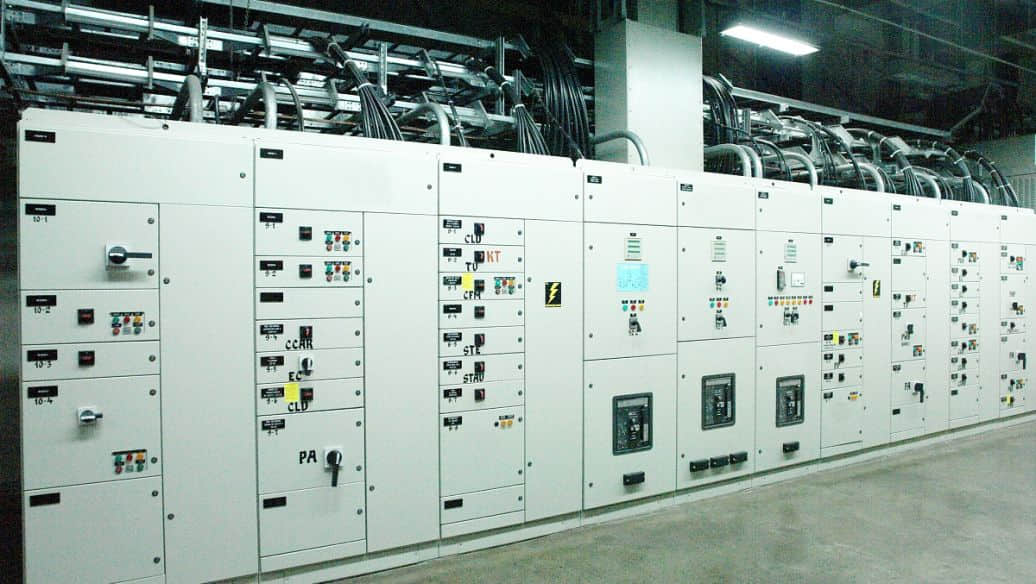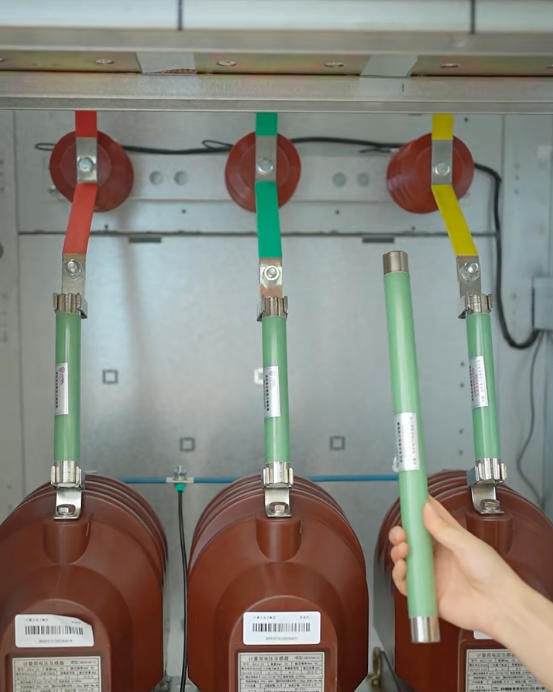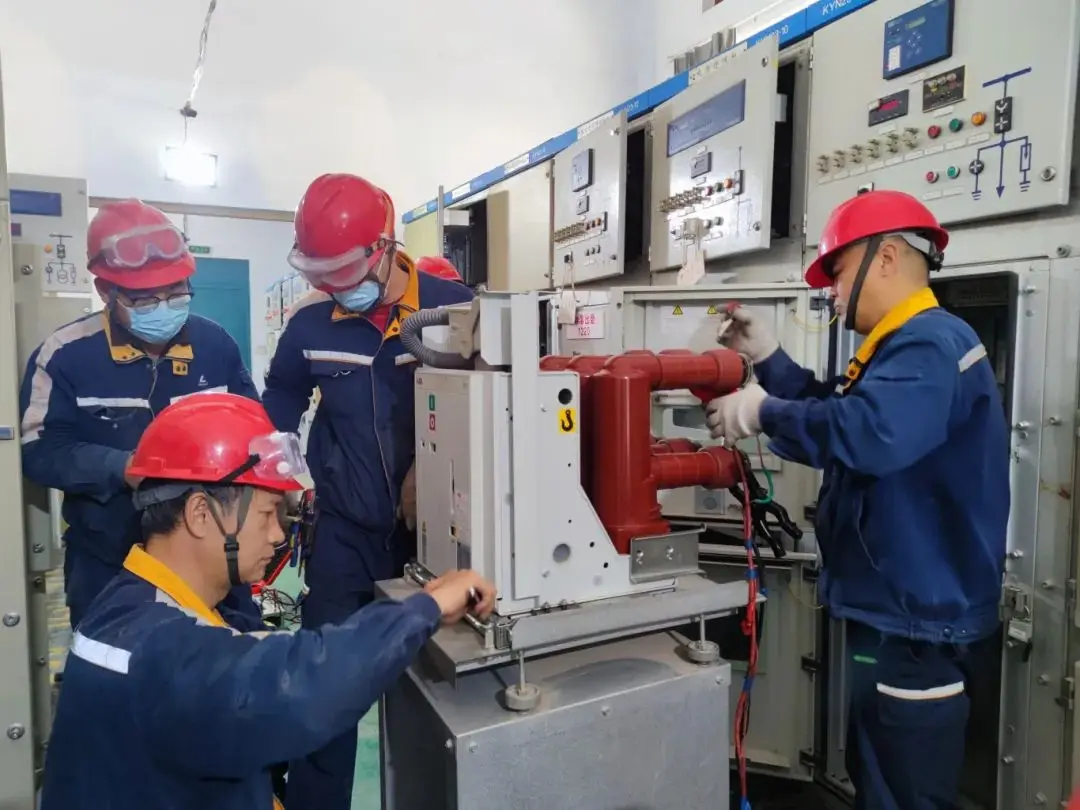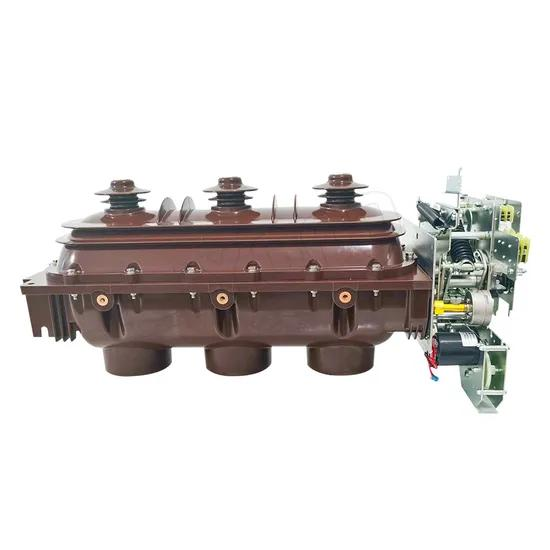
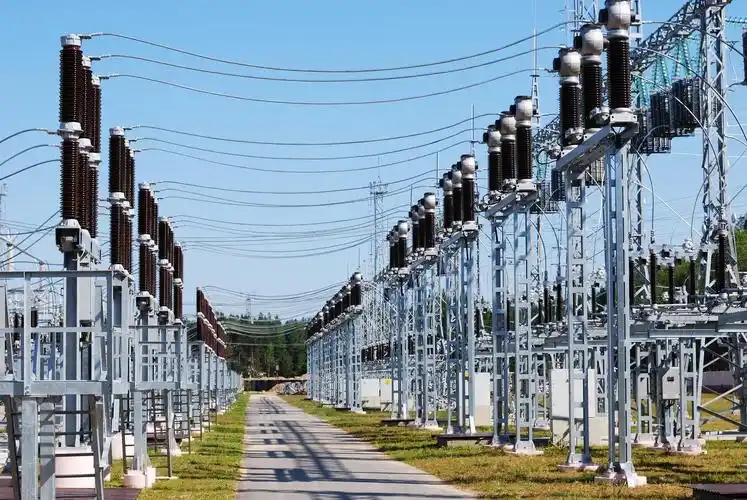
SSVT insulation types fall into two categories: SF₆-containing and SF₆-free. The SF₆-containing route is SF₆ gas insulated. The SF₆-free routes are oil-immersed, dry cast epoxy, dry air insulated, and clean air / eco-gas insulated. For 115kV high-capacity station service duty, this classification is not academic; it directly affects thermal margin, footprint, maintenance burden, environmental compliance, and project cost.
In practical utility procurement, the choices are clear. SF₆ Gas Insulated (GIT) uses a metal-enclosed tank filled with pressurized sulfur hexafluoride, giving compact size, low routine maintenance, and strong pollution resistance, but with higher cost and growing environmental pressure. SF₆-free options include: Oil-Immersed (OIT), the mainstream for 115kV 167kVA outdoor SSVT because mineral oil plus insulation paperboard delivers the best cooling and strongest price-performance; Dry Cast Epoxy, a fully solid-insulated, no-oil, no-gas solution preferred for indoor or fire-sensitive applications but usually the most expensive at large ratings; Dry Air Insulated, using compressed clean dry air in a sealed enclosure for an environmentally simpler alternative increasingly seen in renewable projects; and Clean Air / Eco-Gas, using mixed gases such as N₂/C4F7N to approach SF₆-like dielectric performance for premium low-emission projects. Vacuum insulation is rarely used for 115kV large-capacity SSVT because vacuum PT technology is common for low-power metering duty, not for sustained 167kVA station-service loading.
SSVT Insulation Options Fall Into Two Categories
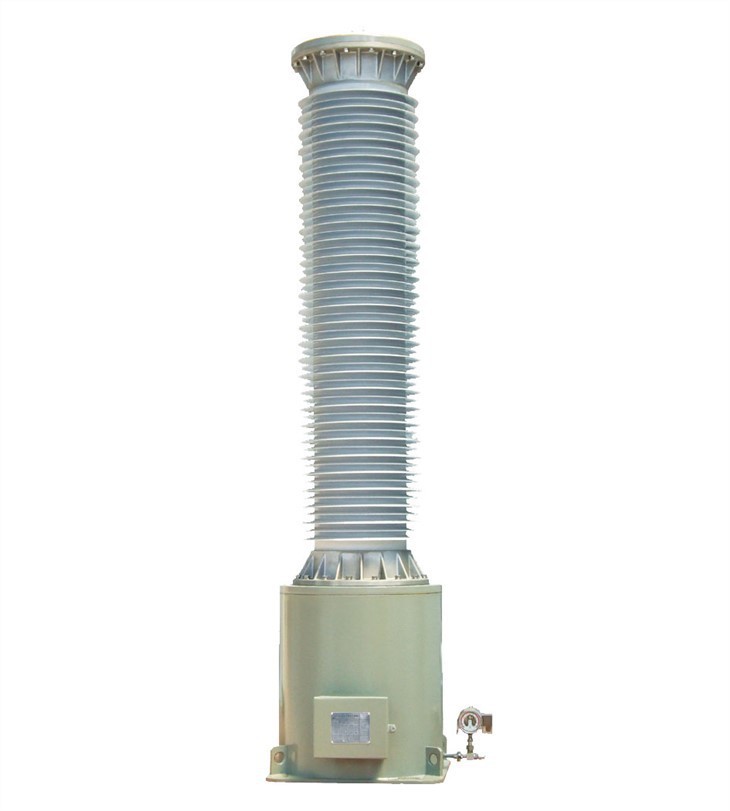
Buyers comparing station service voltage transformer insulation types should start with one simple split: contains SF₆ or does not contain SF₆.
SF₆ Gas Insulated (GIT)
A gas insulated station service voltage transformer uses a sealed metal enclosure filled with SF₆ as the main dielectric medium. Utilities value it for compact dimensions, excellent anti-pollution performance, and low routine service needs, but it carries a high procurement cost and stricter gas-management obligations.
SF₆-Free Mainstream Options
The four realistic non-SF₆ routes are oil-immersed, dry cast epoxy, dry air insulated, and clean air / eco-gas insulated. Vacuum exists in instrument transformer practice, but for 115kV high-capacity SSVT, it is rarely a serious option.
Oil-Immersed Type (OIT)
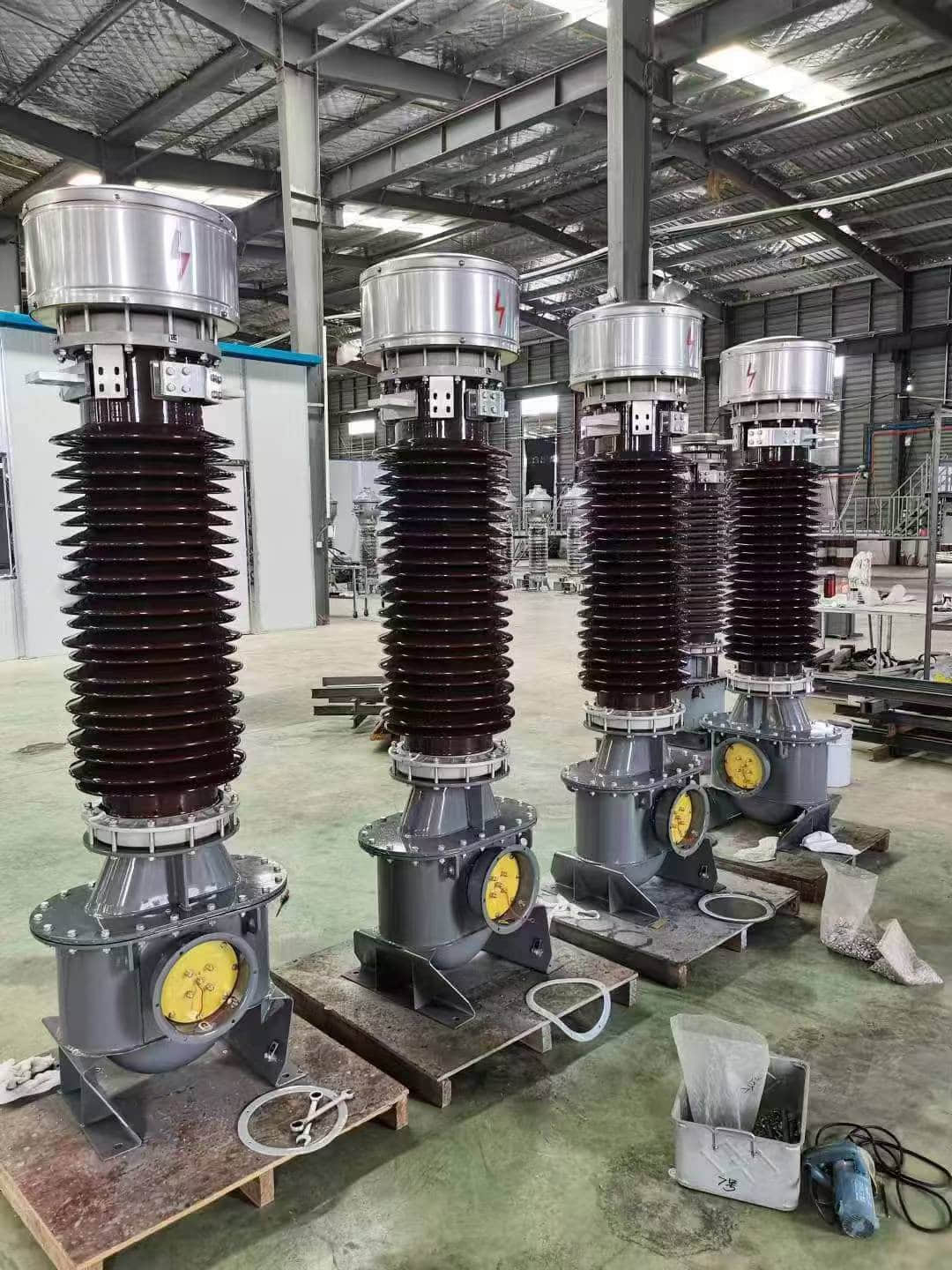
Oil immersed station service transformer insulation relies on transformer mineral oil and insulation paperboard. In the real market, this is the most common 115kV high-capacity outdoor solution because its cooling performance and overload stability are hard to beat at 167kVA class.
Dry Cast Epoxy (Solid Insulated)
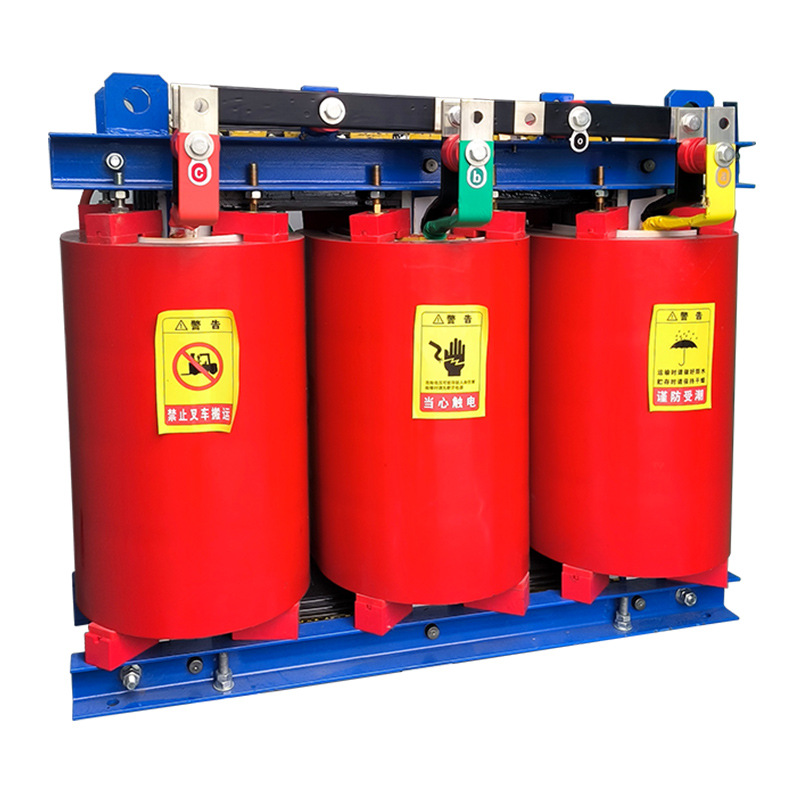
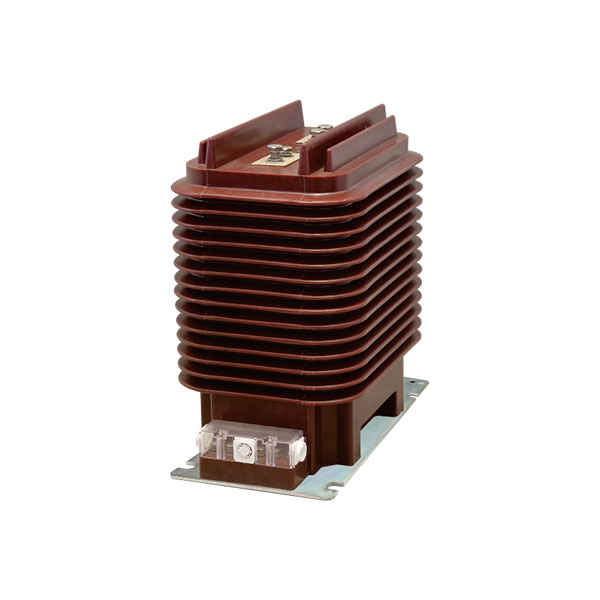
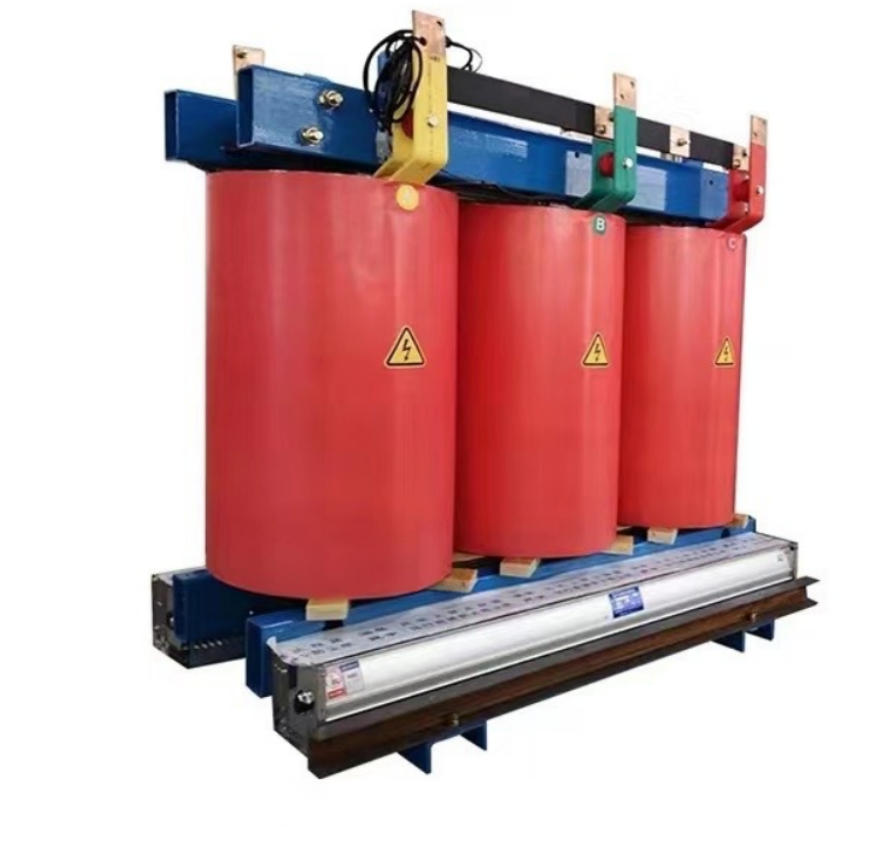
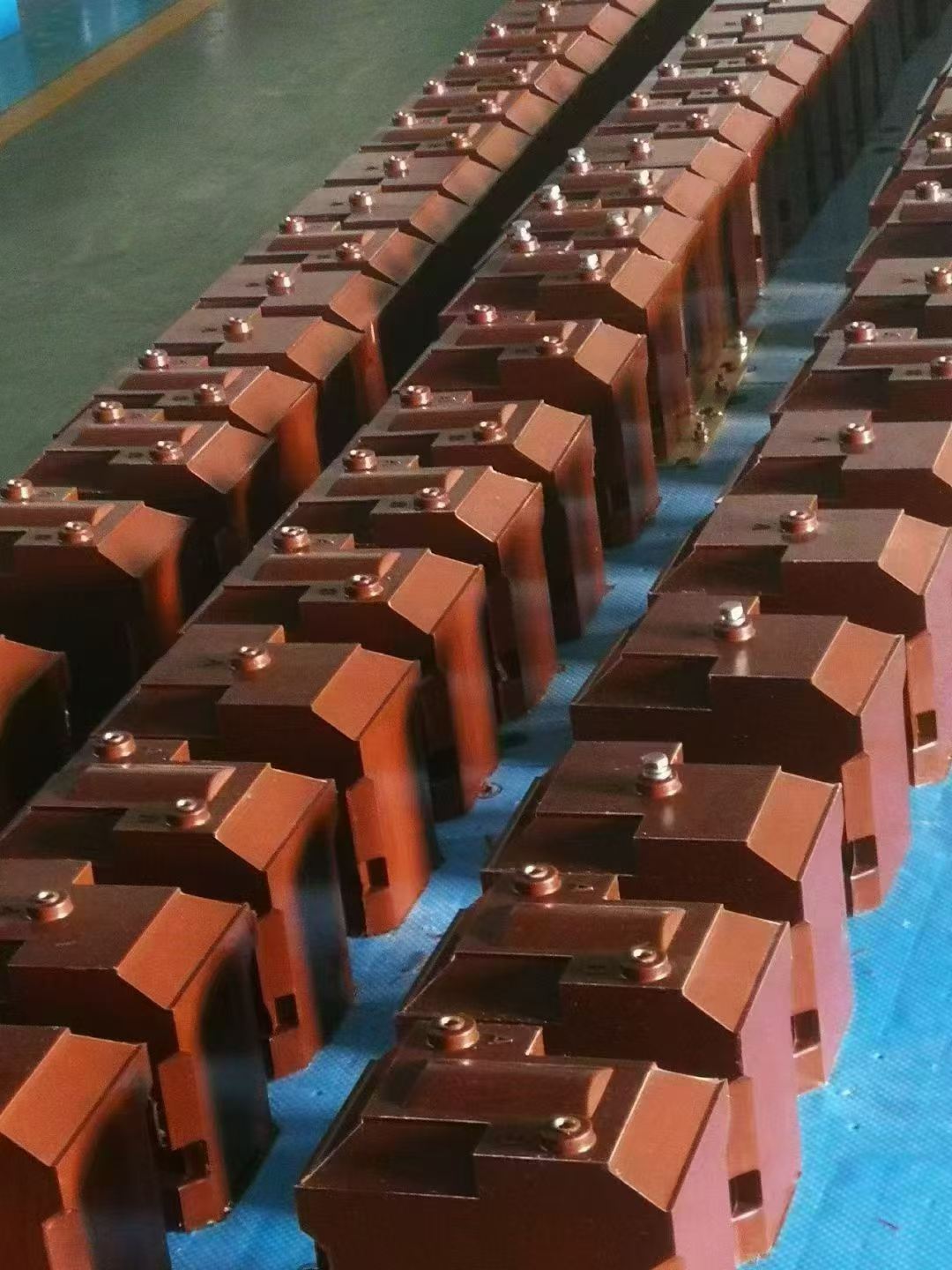
An epoxy resin-insulated voltage transformer is fully cast in solid epoxy, with no oil and no gas. It is attractive for indoor, metro, tunnel, chemical, or explosion-risk sites, but at 115kV and large capacity, weight, and cost usually rise fast.
Dry Air Insulated (AIS)
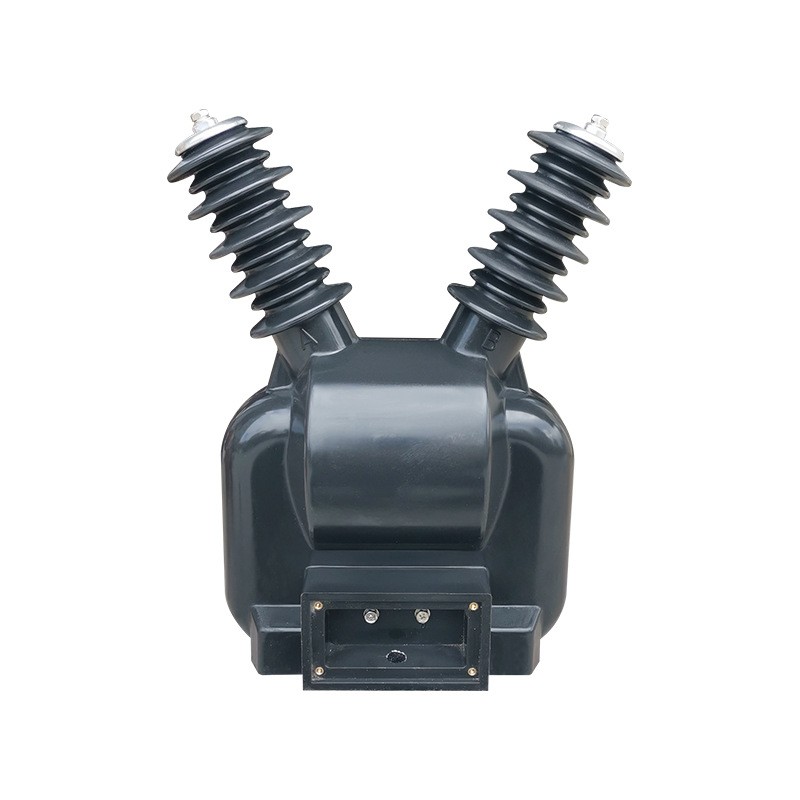
Dry type insulation for voltage transformers using compressed dry air avoids both oil and SF₆. It is environmentally friendly, easier to explain to regulators, and increasingly considered in wind, solar, and grid-modernization projects.
Clean Air / Eco-Gas Insulated
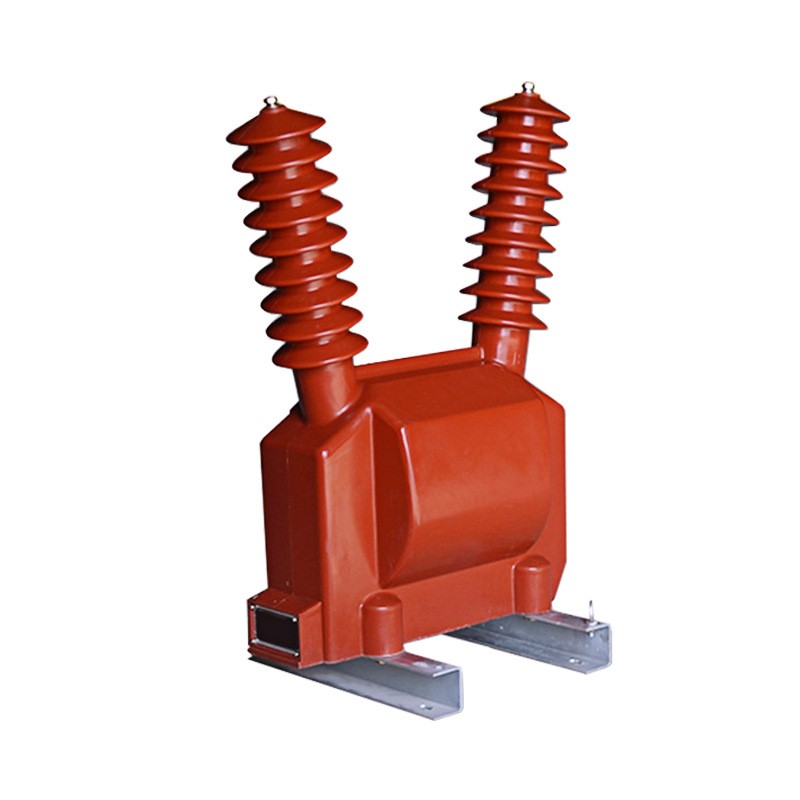
These designs use lower-impact mixed gases, often based on nitrogen plus advanced dielectric components such as fluoronitrile blends. They target performance close to SF₆ equipment for buyers pursuing aggressive decarbonization targets.
Why Insulation Choice Is a Critical SSVT Procurement Decision
For SSVT, insulation is not just insulation. It decides how the unit handles 167kVA auxiliary load, short-term overload, seasonal ambient swings, site contamination, fire rules, and maintenance staffing reality.
Many projects focus too much on nameplate voltage and too little on the operating profile. A 115kV SSVT feeding station auxiliaries can face step changes in HVAC load, battery charger expansion, switchgear heaters, telecom additions, and future DC system upgrades.
That is why the correct insulation route affects:
Thermal stability under continuous and peak load
Safety in indoor or fire-restricted sites
Footprint in compact substations
Lifecycle cost rather than only the purchase price
Compliance risk under environmental policy changes
Maintenance mode for remote or labor-constrained utilities
Classification Table: All Station Service Voltage Transformer Insulation Types at a Glance
| Insulation Type | Structure | Dielectric Medium | Typical Voltage Fit | High-Capacity 115kV Fit | Maintenance | Footprint | Environmental Profile | Cost Tier |
|---|---|---|---|---|---|---|---|---|
| SF₆ Gas Insulated (GIT) | Metal-enclosed sealed tank | SF₆ gas | Medium to extra high voltage | Good | Low routine, specialized gas handling | Very compact | High GWP concern | High |
| Oil-Immersed (OIT) | Oil-filled active part with paper insulation | Mineral oil + cellulose | Broad utility range | Excellent | Moderate | Conventional | Mature, no SF₆, oil management required | Low to medium |
| Dry Cast Epoxy | Solid cast resin body | Epoxy resin | Low to high voltage, more niche at 115kV high power | Limited economics | Low | Moderate to large weight | No oil, no SF₆ | High |
| Dry Air Insulated | Sealed gas enclosure | Compressed dry air | Growing adoption | Project-specific | Low to moderate | Larger than SF₆ | Very strong | Medium to high |
| Clean Air / Eco-Gas | Sealed gas enclosure | N₂-based mixed eco-gas | Premium green projects | Project-specific | Low to moderate | Compact to moderate | Strong low-emission positioning | High |
| Vacuum | Vacuum interrupter-style dielectric concept | Vacuum | Mainly low-power PT | Poor | Specialized | Not standard for SSVT | No gas/oil issue | Niche |
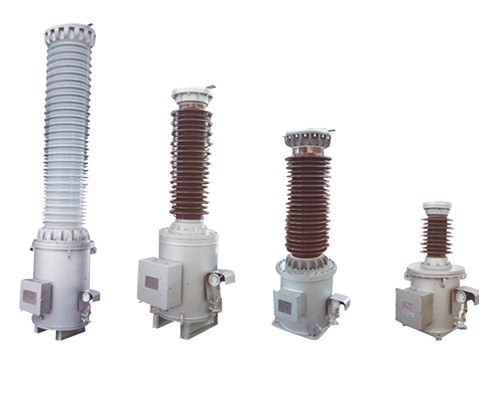
SF₆ Gas Insulated Station Service Voltage Transformer: Pros, Cons, and Best-Fit Use Cases
Key Advantages of SF₆ GIT
Its biggest advantage is compactness. SF₆ has very strong dielectric strength, so designers can reduce clearances and deliver a smaller unit for constrained substation layouts.
The sealed metal enclosure also performs well in polluted coastal, industrial, and desert environments. In grids with heavy salt fog, cement dust, or conductive contamination, that matters more than brochure claims.
Utilities also like the mature installed base. In many European and North American networks, SF₆ equipment remains a legacy standard for compact high-voltage yards.
Main Drawbacks of SF₆ GIT
The problem is environmental pressure. SF₆ has an extremely high global warming potential, and utilities increasingly face reporting, leak management, recovery, and end-of-life obligations.
Procurement cost is also typically high. Once gas compartments, sealing systems, density monitoring, compliance procedures, and specialist service practices are included, total ownership becomes harder to justify unless space is truly scarce.
Best Applications for SF₆ GIT
It still makes sense in compact substations, space-constrained utility sites, and harsh outdoor environments where sealed contamination resistance has clear value. It also remains practical where a utility fleet already has established SF₆ procedures and trained personnel.
SF₆-Free SSVT Insulation Types: Pros, Cons, and Selection Logic
More buyers now ask first: “Can we avoid SF₆?” The reason is not fashion. It is a mix of ESG pressure, future regulation uncertainty, easier environmental approval, and simpler public explanation.
Oil-Immersed SSVT: Advantages
For 115kV, 167kVA duty, oil-immersed is usually the benchmark. Mineral oil offers excellent heat transfer, and oil-plus-paper insulation has decades of utility operating evidence behind it.
This is why the largest installed base globally is still oil-filled. In real substations, buyers trust what keeps running through summer peaks and auxiliary-load creep.
The price-performance ratio is usually the best. For conventional outdoor applications, it remains the most common and most economical answer.
Oil-Immersed SSVT: Limitations
Oil means fire protection review, spill containment, sealing discipline, and transport care. On indoor, tunnel, petrochemical, or environmentally sensitive sites, those issues can outweigh its cost advantage.
Leak quality matters. A well-designed oil-filled unit is reliable, but poor gasket design, rough logistics, or careless installation can turn a good technology into a bad field reputation.
Dry Cast Epoxy SSVT: Advantages
Dry cast epoxy wins on fire safety, clean structure, and low routine service. No oil sampling, no gas filling, no spill response plan.
It is often the right answer for indoor substations, metros, tunnels, mining, or hazardous areas. When the risk committee says “no oil,” dry cast becomes very attractive.
Dry Cast Epoxy SSVT: Limitations
At high voltage and high power, the economics become difficult. Resin systems are costly, unit weight can be high, and thermal dissipation is generally less forgiving than oil.
So while dry cast is technically possible in many cases, it is not always commercially rational for a 115kV 167kVA outdoor duty cycle.
Dry Air Insulated SSVT: Advantages
Dry air insulated SSVT is gaining traction because the medium is easy to understand: clean compressed air. No SF₆ reporting burden, no oil spill concern, and a strong sustainability message for renewable energy owners.
Operation and maintenance can also be simpler from an environmental compliance viewpoint. That is one reason it appears more often in overseas wind and solar step-up substations.
Dry Air Insulated SSVT: Limitations
Dry air generally needs larger insulation distance than SF₆, so enclosure size can increase. Supplier maturity also varies more than with conventional oil-filled technology.
That means buyers should ask for more than catalog claims. Site-specific dielectric margin, temperature-rise validation, and long-term sealing evidence matter.
Clean Air / Eco-Gas SSVT: Advantages
Eco-gas solutions are built for projects where low-emission credentials are part of the procurement score. They aim to preserve much of the compactness and dielectric performance associated with gas-insulated design.
For premium utility and industrial owners, this can be the politically and technically acceptable compromise between old SF₆ practice and full redesign.
Clean Air / Eco-Gas SSVT: Limitations
Cost remains relatively high, often second only to SF₆ or close to it, depending on supplier and specification. Supply chain depth is also thinner than for oil-immersed units.
In addition, some projects face approval complexity because local stakeholders are familiar with either classic oil-filled equipment or legacy SF₆, but not new mixed-gas solutions.
Why Vacuum Insulation Is Rare in 115kV High-Capacity SSVT
Vacuum works well in certain low-power instrument transformer applications. But a 167kVA station service duty is a different engineering problem.
The issue is not just the insulation level. It is sustained power transfer, thermal management, insulation coordination, and mechanical design under utility service conditions. That is why vacuum is rarely a mainstream 115kV SSVT choice.
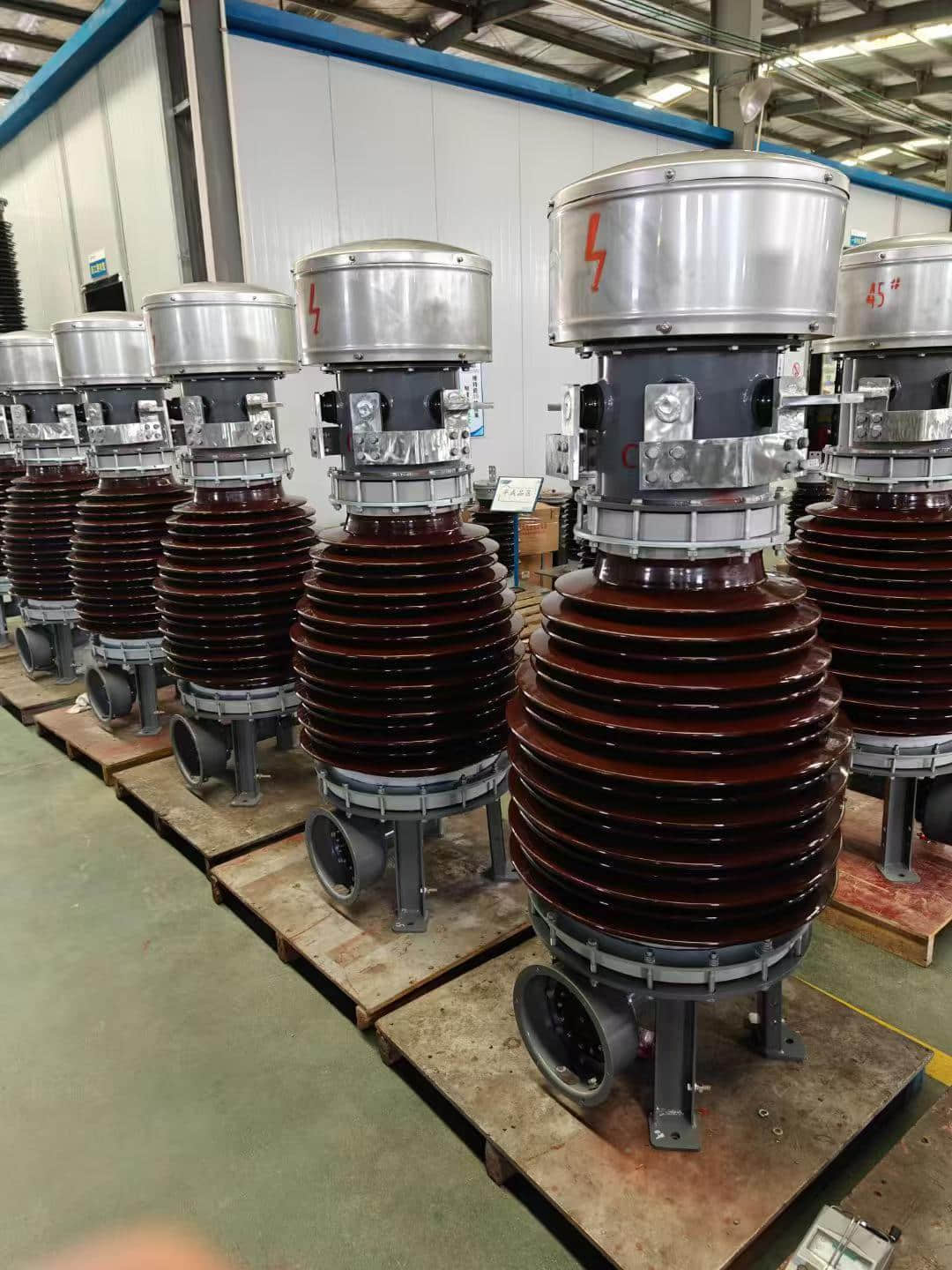
Standards and Authority: What IEEE, IEC, and Utility Specs Say About SSVT Insulation
Serious buyers should not rely on marketing labels like “maintenance-free” or “green design.” They should anchor selection to recognized standards and test evidence.
Relevant IEC Standards
For IEC-based projects, buyers commonly review requirements from the IEC 61869 series for instrument transformers, especially where voltage transformer design and testing are involved, and the IEC 60076 series for transformer-related thermal, dielectric, and general performance principles where applicable to station-service function.
For insulation coordination, IEC 60071 remains important. Outdoor service condition review often refers to pollution severity, creepage, temperature rise, altitude, and climatic duty under utility specifications aligned with IEC practice.
Relevant IEEE/ANSI Standards
For IEEE/ANSI-driven procurement, utilities often reference standards related to instrument transformers, dielectric test practices, insulation coordination, loading, and service conditions. Depending on the project region, specifications may also integrate ANSI C57 family concepts for transformer performance and IEEE guidance on dielectric withstand and application conditions.
The practical lesson is simple: ask the supplier exactly which standard edition and which test regime the offered SSVT complies with. “Designed according to international standards” is not enough.
What Data Buyers Should Ask For
Ask for hard numbers, not adjectives:
BIL and lightning impulse withstand
Power-frequency withstand
Partial discharge test results
Temperature rise at rated and peak auxiliary load
Load capability and overload margin
Leakage rate for gas-insulated designs
Routine test, traceability, and type-test reports
Seismic, pollution, altitude, and ambient correction data, if relevant
Performance Data Table: Comparing SSVT Insulation Materials by Technical and Commercial Metrics
| SSVT Insulation Materials | Dielectric Performance | Thermal Performance | Contamination Tolerance | Fire Safety | Eco Impact | Maintenance Frequency | Lifecycle Cost Trend |
|---|---|---|---|---|---|---|---|
| SF₆ gas | Excellent | Good | Excellent | Good | Poor due to greenhouse gas concerns | Low routine, high compliance sensitivity | High |
| Mineral oil + paper | Excellent and proven | Excellent | Good with proper external design | Moderate | Moderate, no SF₆, but oil handling needed | Moderate | Often the lowest in conventional outdoor use |
| Epoxy resin | Good to very good | Moderate | Good | Excellent | Good | Low | High at 115kV, large capacity |
| Dry air | Good | Good | Good in sealed design | Excellent | Very good | Low to moderate | Medium to high |
| Eco-gas blend | Very good to excellent | Good | Very good | Excellent | Very good to excellent | Low to moderate | High |
Real-World Selection Guide: Which SSVT Insulation Type Fits Which Operating Condition?
Best Option for 115kV 167kVA Outdoor Conventional Substations
Oil-immersed OIT remains the mainstream answer. It offers the best thermal margin, strongest long-duration load stability, broadest supplier base, and usually the best capital-cost efficiency.
If the substation is outdoor, conventional, and not restricted by fire or spill rules, oil-filled is still the practical default.
Best Option for Compact GIS or Space-Constrained Utility Sites
SF₆ GIT fits where footprint is critical, and the utility already has SF₆ fleet procedures. In dense urban substations, the smaller envelope can justify the premium.
Best Option for Indoor, Fire-Sensitive, or Explosion-Proof Sites
Dry cast epoxy is usually the safer route. It eliminates oil fire concerns and simplifies acceptance in enclosed or hazardous environments.
Best Option for Renewable Energy and Low-Carbon Projects
Dry air and clean air / eco-gas become more attractive when environmental policy, investor reporting, or corporate branding directly affect equipment selection. They are not automatically cheaper, but they often score better in sustainability-led procurement.
Best Option for Buyers: Balancing Cost, Reliability, and Availability
For many grid and industrial projects, the winning formula is still oil-immersed SSVT from an experienced manufacturer. The technology is mature, supply chain depth is stronger, and performance under real auxiliary loading is well understood.
Common Buyer Mistakes When Comparing Station Service Voltage Transformer Insulation Types
Looking only at the voltage level and ignoring the actual auxiliary kVA demand
Underestimating future load growth after commissioning
Assuming dry type always means lower total cost
Ignoring fire code and spill containment rules until late design review
Comparing supplier brochures instead of test reports
Failing to check transport constraints for heavy dry-cast or tall oil-filled units
Not asking about sealing design for oil or gas systems
Field Feedback and Community Insights: What Real Users Discuss About SSVT Pain Points
Across engineer discussions, factory audits, and owner-side feedback, the repeated pain points are surprisingly consistent. The issue is rarely the headline specification. It is usually the hidden site detail.
Oil Leaks, Sealing Quality, and Transport Shock Are Repeated Site Concerns
Users repeatedly worry less about “oil technology” itself and more about sealing execution. Common field comments focus on gasket aging, flange flatness, weld consistency, bushing interface quality, and units arriving after rough transport with small leaks that only show up after thermal cycling.
A detail many first-time buyers miss: some leak cases do not appear during factory routine tests but emerge after road vibration plus crane handling plus one hot-cold site cycle. That is why packaging, shock control, and re-tightening procedures matter almost as much as the core design.
Dry-Type Units Are Praised for Safety but Questioned on Heat and Cost
Operators like dry cast because it removes oil-fire anxiety. But they also question whether high-capacity dry units run hotter in enclosed rooms and whether the premium still makes sense once ventilation upgrades are included.
A realistic site lesson: choosing dry cast may save on spill measures but increase room HVAC demand. That cost often appears later, not in the first quotation.
Utilities Want SF₆ Alternatives but Worry About Long-Term Fleet Experience
There is a strong interest in SF₆-free equipment, especially from owners facing environmental reporting pressure. Yet many engineers still ask the same hard question: How many years of actual fleet service under our climate and duty profile?
The hesitation is not resistance to innovation. It is a reliability culture built on long asset life, where a new dielectric medium must prove not only laboratory success but decade-scale field stability.
The Hidden Pain Point Is Often Auxiliary Load Growth After Commissioning
This is one of the most overlooked realities in SSVT projects. Initial load calculations may be correct on paper, then two years later the station adds telecom cabinets, more battery chargers, panel air-conditioning, perimeter security, dehumidifiers, or winter anti-condensation heaters.
That is why experienced engineers often prefer solutions with stronger thermal reserve. In many conventional substations, this logic still points back to oil-immersed SSVT.
How to Evaluate an SSVT Supplier, Not Just an Insulation Type
Manufacturing and Type-Test Capability
Do not stop at “which insulation type is best.” Ask whether the supplier can show third-party type-test reports, routine test records, PD data, temperature-rise evidence, and process traceability for the offered design.
If the supplier cannot produce coherent test documentation, the insulation medium is not the real problem. The factory is.
Design Experience in 115kV High-Capacity SSVT
115kV large-load SSVT is not a beginner product. Buyers should prioritize manufacturers with reference projects in similar voltage class, similar climate, and similar station auxiliary load profile.
Experience matters most where specification leaves room for engineering judgment: thermal margin, insulation coordination, sealing, creepage, and transport design.
Delivery, Documentation, and Technical Support
Late-stage project failure often comes from drawings, not hardware. Good suppliers respond quickly to GA drawings, foundation loads, terminal arrangements, FAT support, installation instructions, and site deviations.
This is where reliable export-oriented manufacturers separate themselves from low-price bidders.
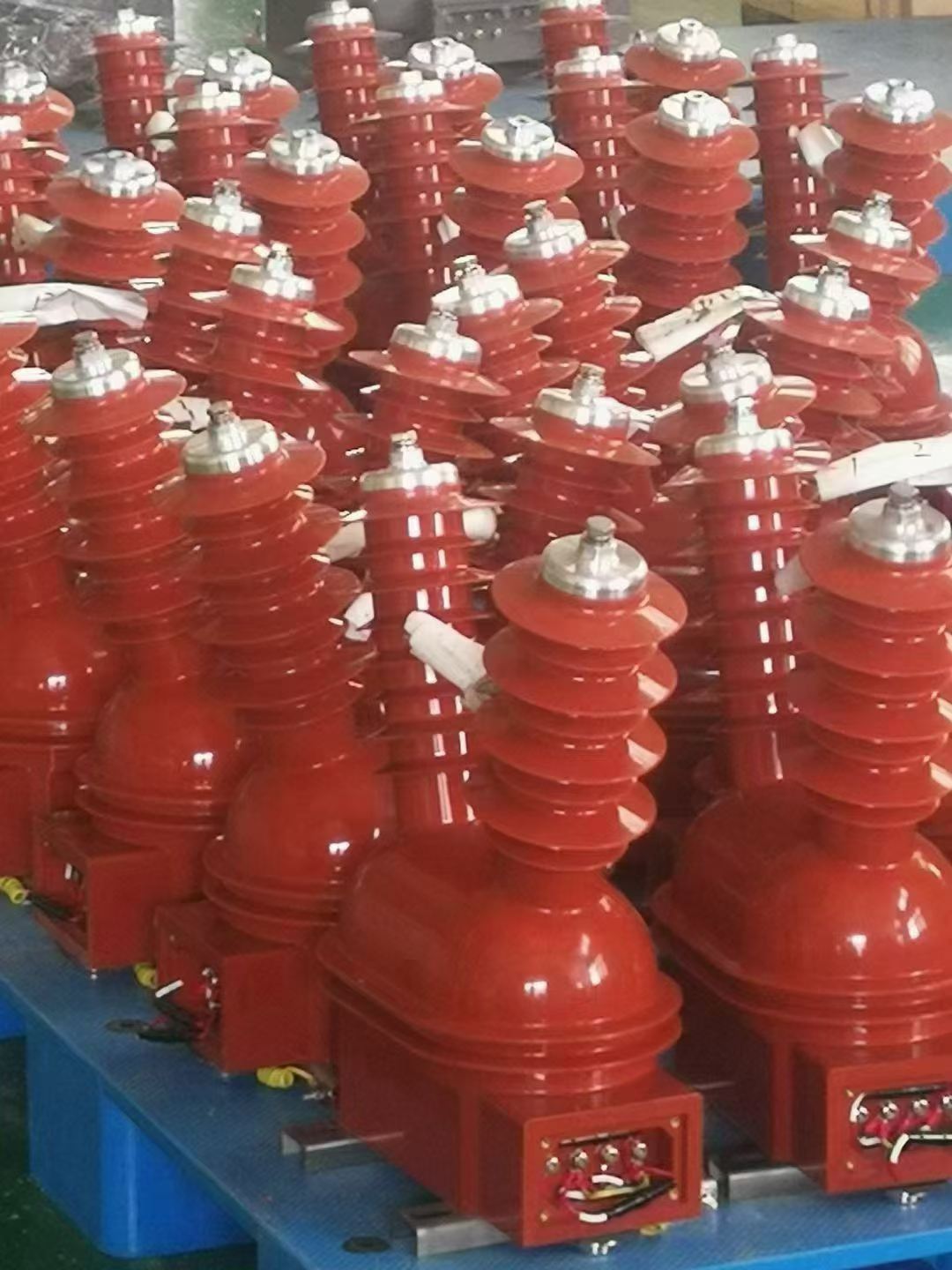
Why Weisho Electric Stands Out in SSVT Projects
Strong Fit for Oil-Immersed Mainstream Utility Demand
For the most common 115kV high-capacity outdoor application, Weisho Electric is especially well positioned in oil-immersed station service transformer insulation. That matters because oil-immersed remains the market’s most proven, cost-efficient, and thermally robust solution for large auxiliary loads.
When customers need a practical answer rather than an experimental one, this is the segment that wins tenders.
Engineering Support Based on Real Operating Conditions
Weisho Electric does not treat every substation the same. The right recommendation depends on available footprint, indoor or outdoor use, fire restrictions, contamination level, ambient temperature, sustainability targets, and budget discipline.
That kind of selection support is more valuable than pushing one insulation type for every project.
Quality, Testing, and Reliable Delivery
Buyers increasingly value suppliers that can support with test documentation, consistent manufacturing, export packaging, and responsive project communication. This is where Weisho Electric creates confidence: not with vague claims, but with practical support that reduces procurement risk.
For customers who still choose mainstream oil-filled SSVT, the combination of mature design logic, cost control, and delivery reliability is especially compelling.
FAQ
What are the main insulation types available for a station service voltage transformer?
The main categories are SF₆ gas insulated and SF₆-free. The four mainstream SF₆-free options are oil-immersed, dry cast epoxy, dry air insulated, and clean air / eco-gas insulated.
Which insulation type is most common for 115kV high-capacity SSVT?
Oil-immersed type is generally the most common for 115kV large-capacity outdoor SSVT. It offers the best balance of thermal performance, stability under heavy auxiliary load, installed-base confidence, and cost efficiency.
Is dry type insulation for voltage transformers suitable for 167kVA SSVT duty?
It can be suitable in some projects, especially where fire safety or indoor installation dominates the decision. But for 115kV 167kVA duty, dry cast epoxy often becomes heavier and more expensive, with less forgiving thermal behavior than oil-immersed designs.
What is the difference between oil immersed and epoxy resin insulated voltage transformer designs?
Oil-immersed designs use mineral oil and paper insulation, offering stronger cooling and better economics for large outdoor duty. Epoxy resin insulated voltage transformer designs are dry, cleaner, and more fire-safe, but usually cost more and are less economically attractive at high voltage and high capacity.
Are SF₆-free SSVT insulation materials now reliable enough for utility projects?
Yes, many SF₆-free solutions are already reliable enough for utility use, but maturity differs by technology and supplier. Oil-immersed is the most established, while dry air and eco-gas are gaining acceptance fastest in environmentally driven projects where buyers still require strong test evidence and reference installations.
Why is vacuum insulation rarely used in station service voltage transformers?
Vacuum insulation is more common in low-power metering PT applications. A station service voltage transformer at 115kV and 167kVA must handle significant continuous power transfer and thermal stress, which makes vacuum a poor mainstream fit.
Which station service voltage transformer insulation type has the lowest lifecycle cost?
In many conventional outdoor substations, oil-immersed SSVT often has the lowest lifecycle cost because initial price is lower and thermal performance is strong. However, the real answer depends on fire protection rules, spill containment cost, environmental compliance, maintenance practice, and site layout.
How should I choose the right SSVT insulation type for my project?
Start with seven checks: voltage level, actual and future auxiliary load, indoor or outdoor installation, fire and spill restrictions, climate and pollution severity, space constraints, and sustainability targets. Then compare supplier test capability, references, delivery reliability, and documentation quality before making the final choice.
Get the Right SSVT Insulation Solution for Your Project
If you are selecting between gas insulated station service voltage transformer, oil immersed station service transformer insulation, epoxy resin insulated voltage transformer, or newer SSVT insulation materials, do not decide from a brochure alone.
Send your voltage level, auxiliary load, installation environment, and project standard to Weisho Electric. We can help you match the right insulation route to the real operating condition, not just the tender wording.
Leave a comment below, send your RFQ, or contact Weisho Electric on WhatsApp now for model selection, test-document review, and fast technical support for your SSVT project.