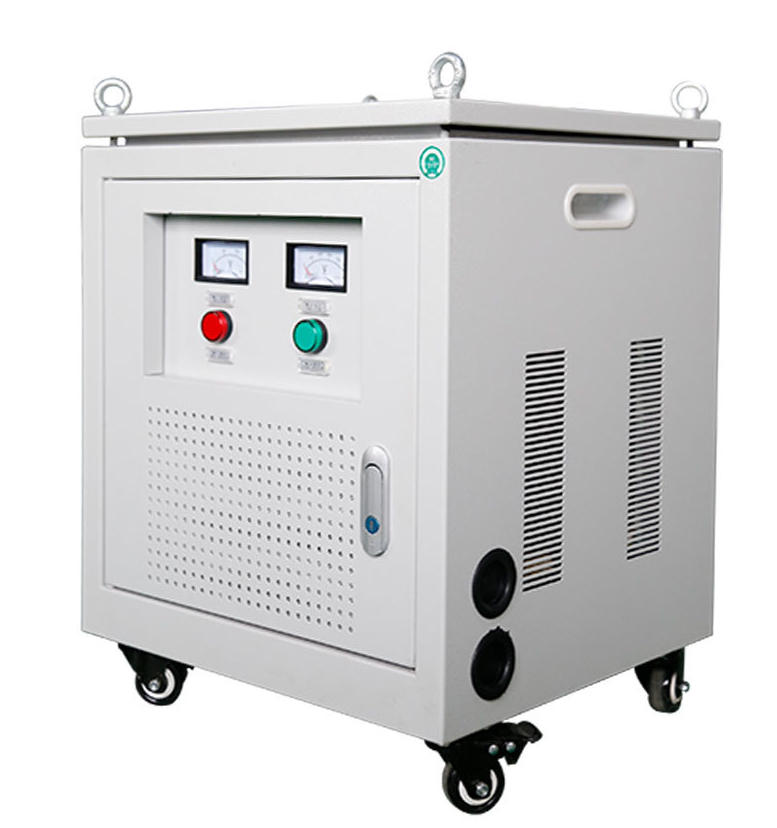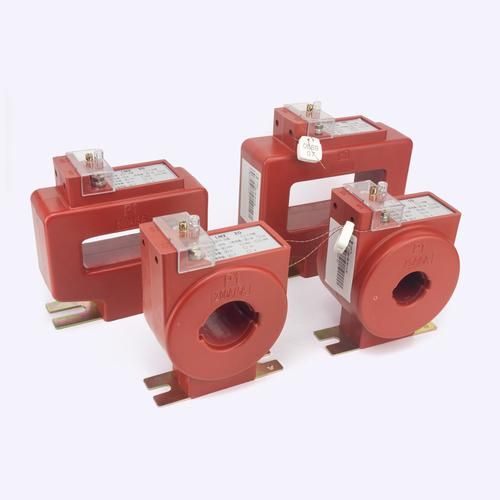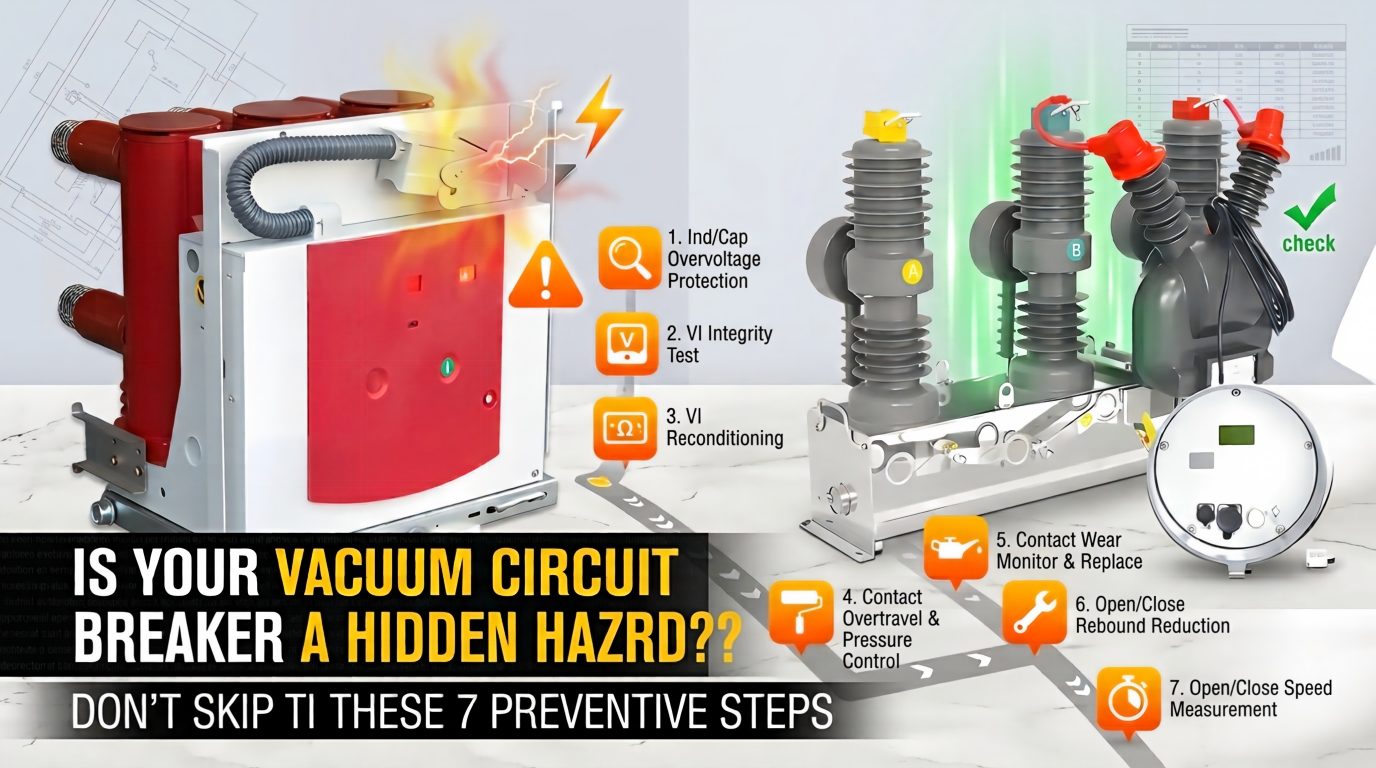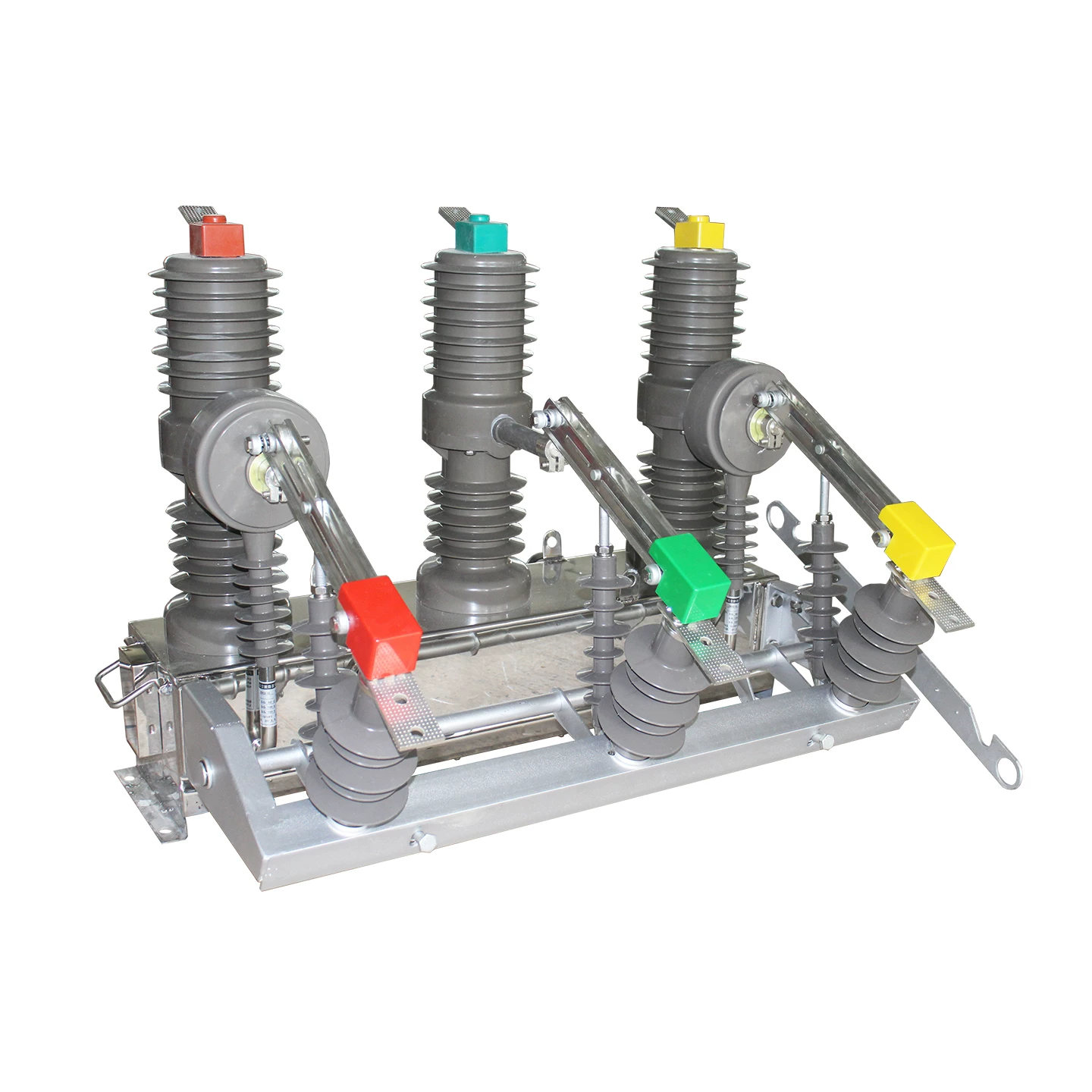
If you work with electrical systems, you’ve probably heard the term fused disconnects—but what do they actually do, and when do you really need them instead of a standard switch or breaker?
In simple terms, a fused disconnect switch gives you two critical functions in one device: safe electrical circuit isolation and built-in overcurrent protection fuses that stop dangerous faults before they damage equipment or cause an arc flash. That’s why you see them everywhere, from HVAC equipment disconnects to three-phase motor safeguards and even DC isolators for PV systems.
In this guide, you’ll get a clear, practical answer to “What are fused disconnects?”—plus how they compare to fused vs non-fused disconnects and circuit breakers, where code (like NEC motor disconnect requirements) actually demands them, and how choosing the right fusible safety switch can boost reliability and cut downtime.
If you want straightforward, real-world advice on electrical fault prevention and safer, smarter electrical safety switches for your facility, you’re in the right place.
What Are Fused Disconnects?
Simple Definition of a Fused Disconnect Switch
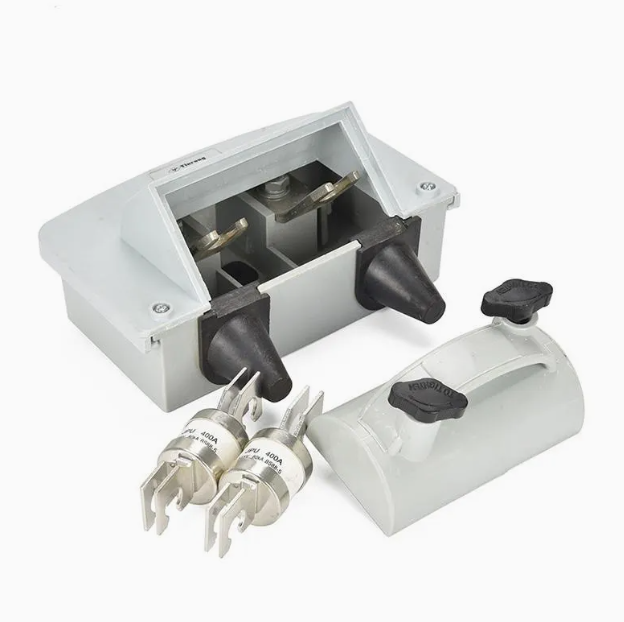
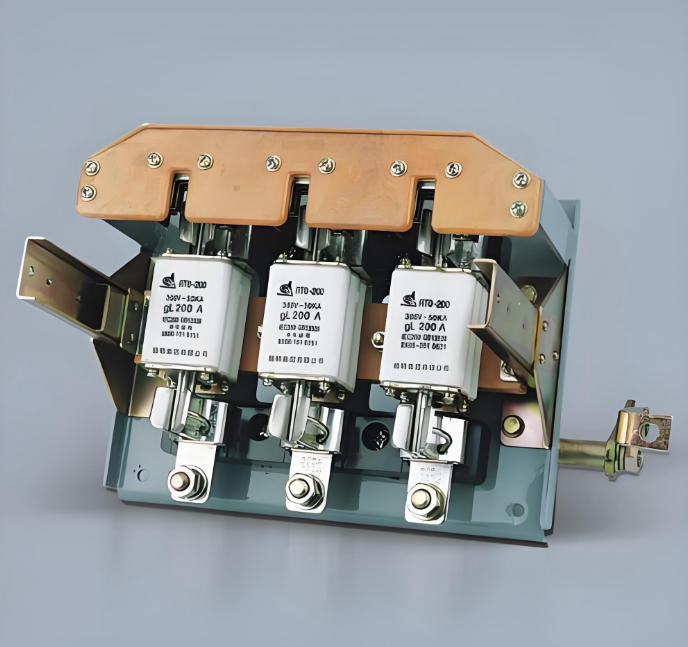
A fused disconnect switch (also called a fusible safety switch) is a device that does two jobs in one compact box:
It lets you manually disconnect power to a piece of equipment (electrical circuit isolation).
It provides overcurrent protection using fuses, so the circuit is protected from overloads and short circuits.
In plain terms, a fused disconnect is a safety switch with built‑in fuses. When I design or install systems for the US market, this is often the go‑to solution where code requires both a local disconnect and short circuit protection at the same spot.
How Fused Disconnects Combine Isolation and Overcurrent Protection
A fused disconnect is built to handle two critical safety functions:
Isolation: When you pull the handle to OFF, the internal contacts open and physically separate the energized parts from the load. This gives workers a clearly visible, lockable “off” position.
Overcurrent protection: If current rises above the fuse rating due to overload or a short circuit, the fuses melt (blow) and open the circuit automatically, even if nobody is there to operate the handle.
Because the disconnect and the fuses are in one enclosure:
You get code‑compliant motor and equipment protection (NEC motor disconnect requirements).
You improve fault-clearing performance, often with very high short circuit interrupting ratings (high AIC ratings).
You reduce the chance of someone accidentally bypassing protection with a separate switch and fuse holder setup.
Key Components Inside a Fused Disconnect
Even though the box looks simple from the outside, there are several critical parts inside:
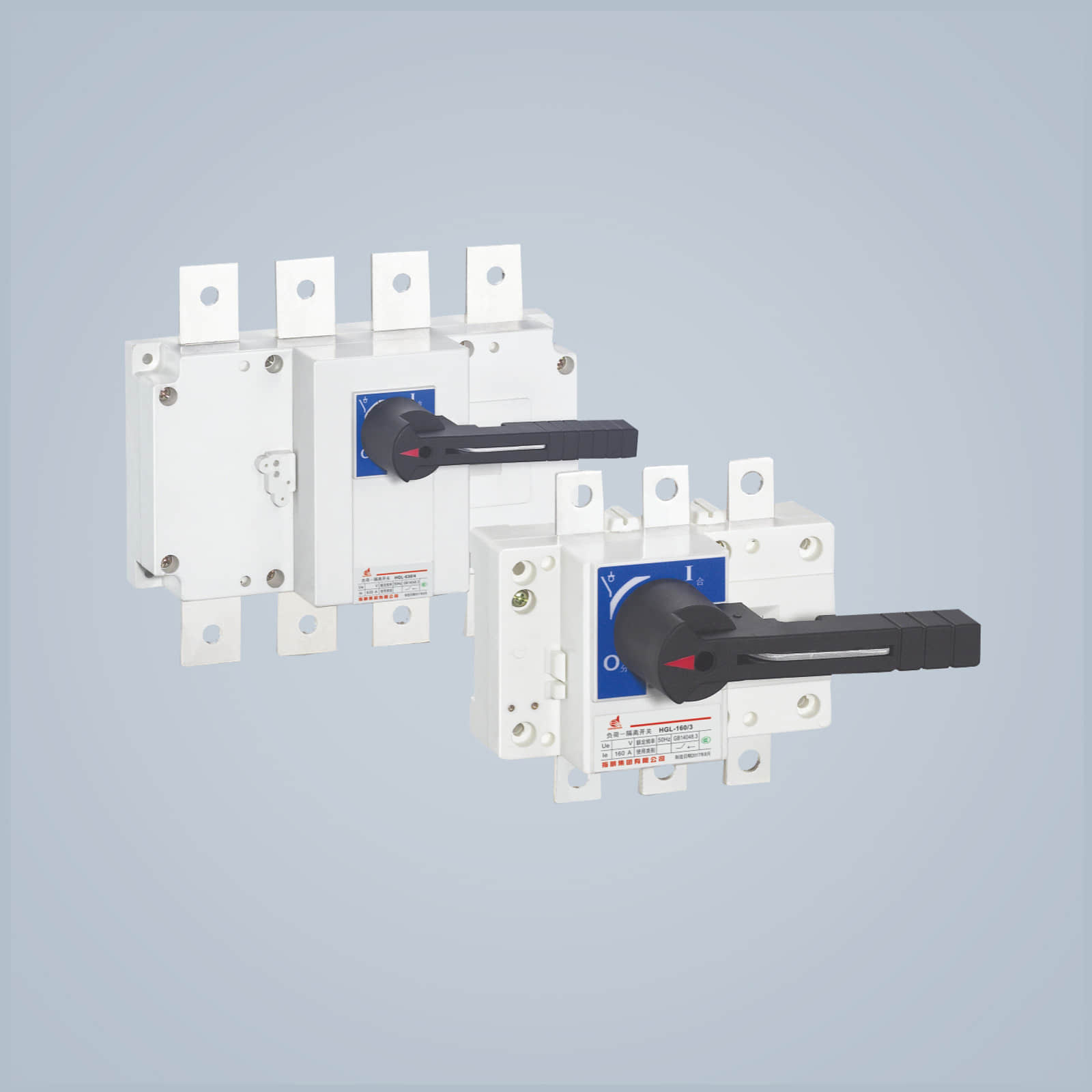
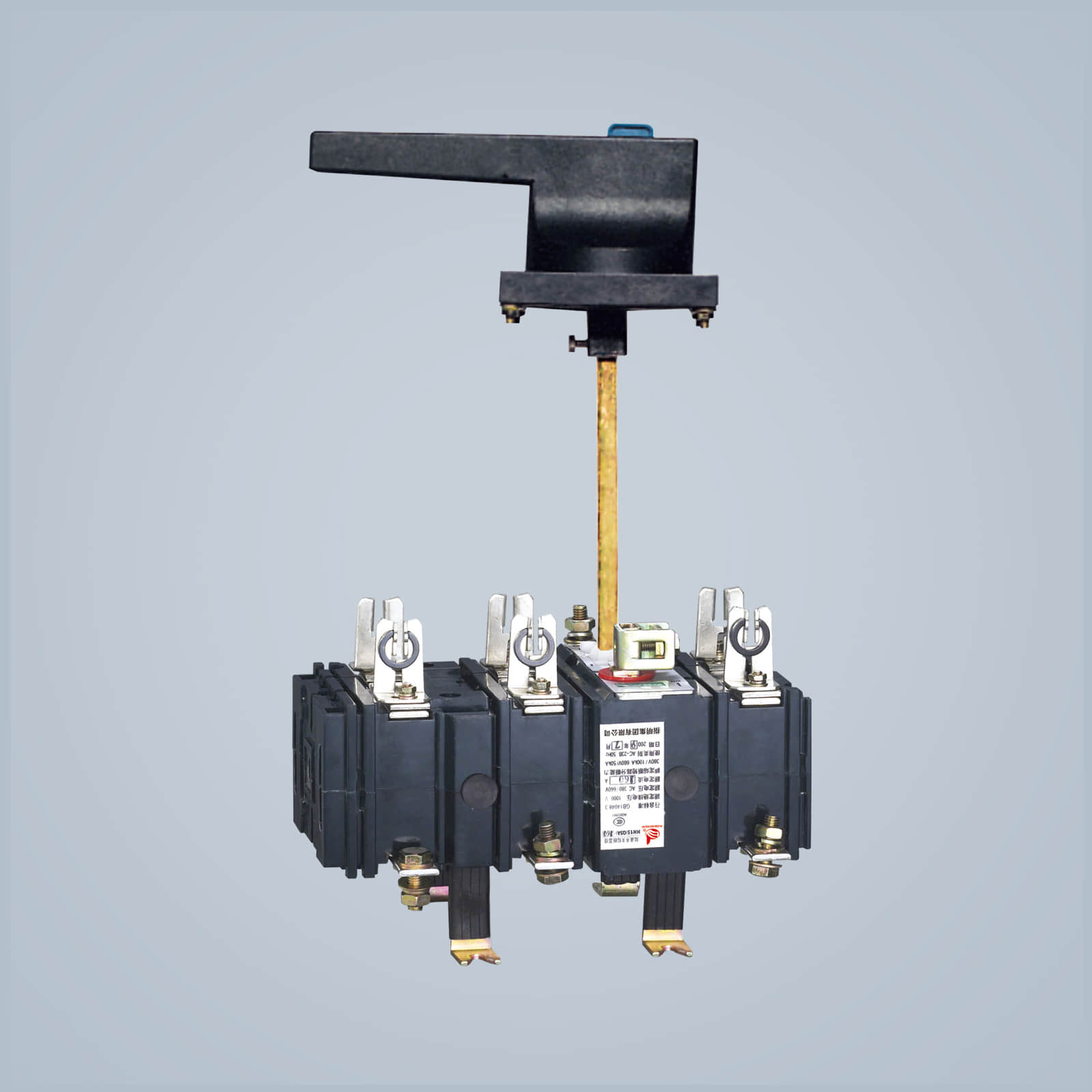
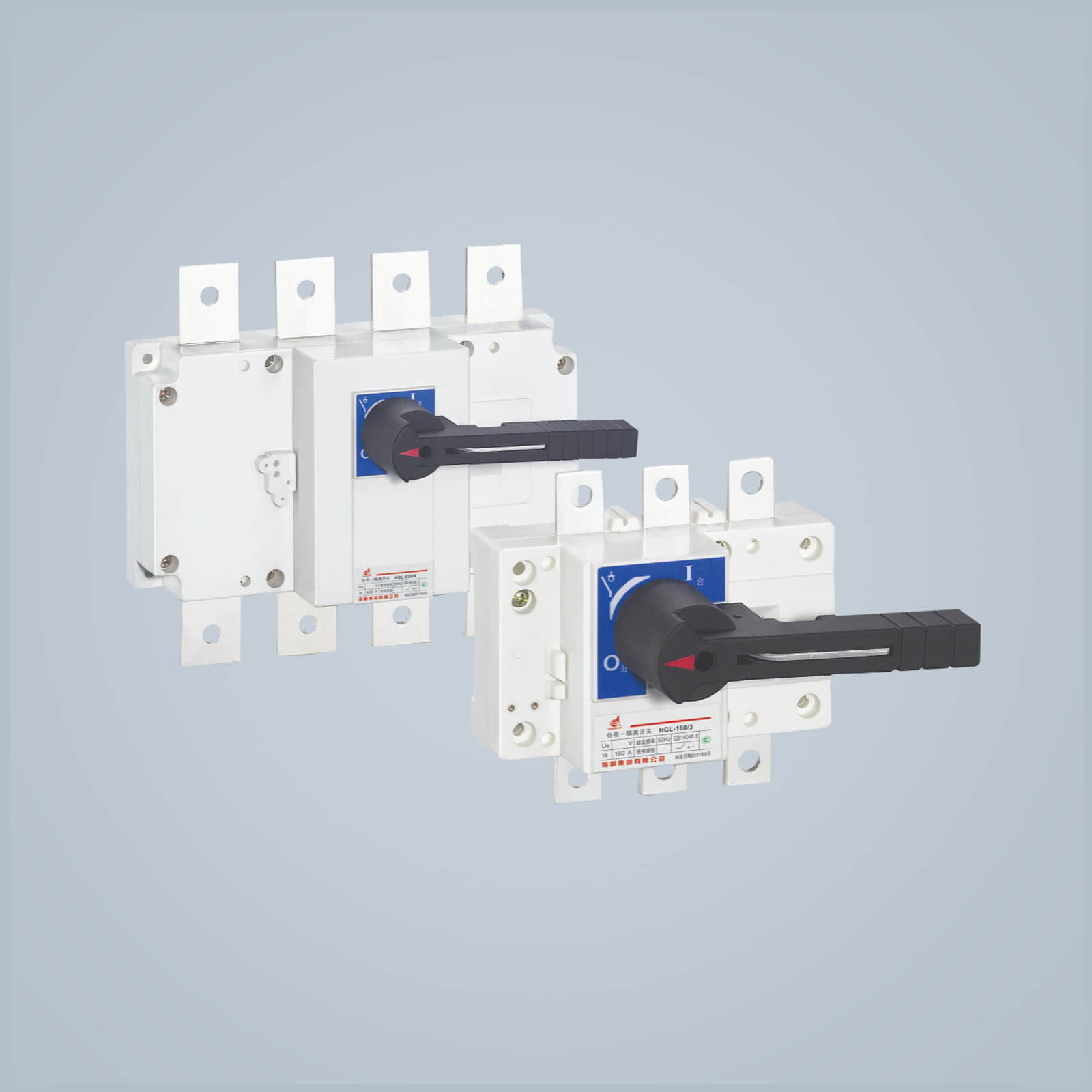
Handle
The external handle is what you operate. In a proper load break switch it’s designed to safely open and close the circuit under load. It usually has:A clear ON/OFF indication
The ability to be padlocked in the OFF position for lockout/tagout
Switch Mechanism and Contacts
Inside, the handle connects to a mechanical linkage that opens and closes switch contacts. These contacts:Carry the full load current
They are shaped and spring‑loaded to handle arc interruption when you switch under load
Fuse Holders and Fuses
The heart of the overcurrent protection:The fuse holders keep the fuses firmly in place and aligned with the contacts.
The fuses (time‑delay, fast‑acting, dual‑element, etc.) are selected based on the load and short circuit requirements.
In many UL98 fused switches, you must open the door before you can touch or change fuses, adding a layer of safety.
Enclosure
The box itself, typically rated by NEMA enclosure ratings (e.g., NEMA 1 for indoor, NEMA 3R for outdoor, NEMA 4X for corrosive areas). The enclosure:Protects people from live parts
Protects the switch/fuses from dust, moisture, or weather
Often includes knockouts or lugs for incoming and outgoing conductors
Voltage, Amperage, and Pole Ratings
When I select a fused disconnect for a project, I always look at three basic ratings:
Voltage rating (V)
Must be equal to or higher than the system voltage:240V, 480V, 600V AC are common for industrial and commercial use
DC ratings for solar PV and battery systems (DC isolator for PV systems)
Amperage rating (A)
Must be equal to or higher than the maximum continuous load (and sized to match NEC requirements for motors, HVAC, and other equipment). Typical sizes:30A, 60A, 100A, 200A, 400A, 600A, and higher
Pole count
The number of conductors the switch controls:2‑pole: common for single‑phase 240V loads
3‑pole: common for three‑phase 208V/240V/480V loads
4‑pole: used when a neutral is switched or in some special systems
A quick reference view:
| Rating Type | What It Means | Typical Values |
|---|---|---|
| Voltage | The maximum system voltage the device can handle | 240V, 480V, 600V AC; DC |
| Amperage | Max continuous current through the switch | 30A–600A+ |
| Poles | Number of conductors switched | 2‑pole, 3‑pole, 4‑pole |
Types for Single-Phase and Three-Phase Systems
Fused disconnects are built to match the electrical system they serve:
Single‑phase fused disconnects
Common in small commercial and residential applications:2‑pole units for 240V single‑phase (e.g., HVAC equipment disconnects, heat pumps)
Often used where a manufacturer specifically calls for a fusible disconnect on the nameplate
Three‑phase fused disconnects
Standard in industrial and larger commercial settings:3‑pole units for three‑phase motors, pumps, compressors, and machinery
Can be designed for motor load switching, with contacts and mechanisms rated for high inrush and frequent operation
You’ll also see specialized versions for:
Heavy industrial load break switches with higher short circuit and duty cycle ratings
DC fused disconnects for solar PV strings, battery banks, and EV charging systems
Where Fused Disconnects Sit in a One-Line Diagram
On a typical one‑line diagram for a commercial or industrial facility in the US, fused disconnects sit at key points between the main source and the equipment:
Upstream: Utility service or main switchboard
Midstream:
Fused disconnects feed large motors, HVAC units, elevators, pumps, and industrial machinery
Fused switches protecting tap conductors and localized equipment panels
Downstream: The actual load (motor, unit heater, rooftop unit, conveyor, chiller, etc.)
In many layouts, I use fused disconnects:
As the local equipment disconnect is mounted near the motor or machine
As the primary overcurrent protection for a specific piece of equipment when required by the NEC or the manufacturer
As part of a selective coordination strategy, with upstream and downstream devices layered to improve system reliability and fault isolation
Seeing them on the one‑line as a small fused switch symbol may look simple, but in the field, they carry a lot of responsibility for electrical fault prevention, personnel safety, and code compliance.
How Do Fused Disconnects Work?
A fused disconnect switch does two jobs at once: it gives you a visible “off” isolation point, and it cuts off dangerous fault current with fuses. In normal use, it behaves like a heavy‑duty on/off switch. During a fault, the fuses move first and clear the problem before it damages your gear.
Current Path in Normal Operation
In the ON position, the current path is simple:
Line lugs → switch blades/contacts → fuses → load lugs → equipment
Each pole (phase) has its own contact set and fuse in series
The enclosure and handle make it safe and easy to operate under load
In normal operation, the fused disconnect switch passes current straight through, while the overcurrent protection fuses remain in standby.
Handle Operation: Step‑By‑Step
Here’s what happens when you operate the handle:
Turn ON (close)
You rotate the handle to ON
A mechanism snaps the blades closed into the stationary contacts (quick‑make)
The circuit closes through the fuses to the load
Door interlocks usually keep the door shut in ON for safety
Turn OFF (open)
You rotate the handle to OFF
The mechanism snaps the blades away from the contacts (quick‑break)
Any load current is interrupted inside the switch, not at the lugs
The visible open gap gives clear electrical circuit isolation
This “quick‑make/quick‑break” action is what separates a true industrial load break switch from a basic knife switch.
What Fuses Do in Overload or Short Circuit
During abnormal conditions, the fuses take over:
Overload (moderate overcurrent)
Current rises above the fuse rating, but not instantly catastrophic
Fuse elements heat up and eventually melt after a delay
This delay lets motors start and inrush currents pass without nuisance blowing
Short circuit (very high fault current)
Current spikes to many times the fuse rating in milliseconds
Fuse elements melt extremely fast and open the circuit
High‑interrupting‑capacity (High AIC) fuses limit let‑through energy to protect conductors and equipment
Time‑Current Curves in Plain Terms
Fuse time‑current curves show how much overcurrent and for how long a fuse will tolerate it. In practice:
Slight overloads trip slowly (minutes or seconds)
Big faults trip almost instantly (milliseconds)
You can coordinate upstream and downstream protection so that the closest fuse or breaker to the fault clears first
This is a key reason UL98 fused switches are popular for meeting NEC motor disconnect requirements and tap conductor protection.
Arc Interruption and Contact Design
When you open a fused disconnect under load, the contacts briefly create an arc. Modern designs control that arc:
Spring‑loaded, snap‑action mechanisms reduce arcing time
Arc chutes and contact geometry stretch and cool the arc
Insulated barriers keep phases and grounded metal safely separated
Many of the same ideas show up in compact medium‑voltage indoor disconnect switches, just scaled for higher voltages and fault duties.
Fused Disconnect vs Basic Non‑Fused Switch
Functionally, a non‑fused disconnect is just an isolation device. It does not give you built‑in overcurrent protection fuses.
| Feature | Fused Disconnect Switch | Non‑Fused Disconnect (Isolator) |
|---|---|---|
| Overcurrent / short‑circuit protection | Yes – fuses inside the switch | No – must be provided upstream |
| Fault interruption capability | Very high with proper fuse class (High AIC) | Limited to switch rating only |
| Primary role | Protection + isolation | Local isolation only |
| Typical use | Motors, HVAC equipment disconnects, high fault systems | As a simple lockable “off” near the load |
In my projects, I use fused disconnects when I need both safe local isolation and reliable fault clearing, and I reserve non‑fused disconnects for locations where a breaker upstream already handles the overcurrent protection.
Fused Disconnects vs Non-Fused Disconnects
When you’re choosing a disconnect switch in the U.S. market, the first big decision is simple: fused disconnect switch or non-fused disconnect. They look similar on the wall, but they behave very differently when something goes wrong.
Key Functional Differences
Fused disconnects (fusible safety switches):
Have built‑in overcurrent protection fuses.
Provide both electrical circuit isolation (on/off) and short circuit interruption.
They are tested as a package (switch + fuses) to meet UL98 and high AIC ratings (fault interrupting capacity).
Often required where available fault current is high, like at service entrances or large motor loads.
Non-fused disconnects:
They are just a load-break switch – they turn equipment on and off, safely.
Do not limit fault current or protect against overload by themselves.
Rely on upstream fuses or circuit breakers for overcurrent protection.
Used mainly as a local isolation switch near equipment (like a motor or HVAC unit).
If I’m supplying gear for heavy industrial systems with high available fault currents, I lean toward fused disconnects as the safer, more flexible option.
Overcurrent and Short Circuit Protection
Fused disconnect switch:
Uses time‑current curves of the fuses to protect both equipment and conductors.
Can clear very high fault currents extremely fast, reducing let‑through energy and damage.
Often allows the overall system to meet short circuit current rating (SCCR) requirements without needing very expensive upstream breakers.
Non-fused disconnect:
Has no built-in overcurrent protection.
Depends on a breaker or fused device upstream (in a panelboard, switchboard, or power distribution cabinet) to clear faults.
If upstream protection isn’t sized or coordinated correctly, equipment or tap conductors can be underprotected.
In simple terms: fused = “switch + protection,” non-fused = “switch only.”
Typical Use Cases for Fused Disconnects
I use fused disconnects when:
Available fault current is high, such as:
Service entrances
Large distribution points
Feeders to big HVAC or industrial loads
Motors and machinery need dedicated protection:
Three‑phase motors
Pumps, compressors, conveyors, process equipment
The manufacturer specifically calls for fuses:
Many VFDs, soft starters, and HVAC rooftop units list a “maximum fuse size” or require fusible safety switches to meet their short‑circuit ratings.
Selective coordination is important:
Let the fuse in the local fused disconnect open first, and keep upstream devices from tripping and shutting down half the building.
Anytime I’m dealing with higher fault current systems, a fused disconnect is usually the more robust and code‑friendly option.
Typical Use Cases for Non-Fused Disconnects
Non-fused disconnects work well where you only need local isolation, for example:
Small to medium HVAC equipment disconnects where:
The panel breaker already provides correct overcurrent protection.
Motors were:
A properly sized motor circuit protector or breaker is upstream.
Simple equipment shutoffs:
Fans, small pumps, small process equipment near panels.
Here, the disconnect is basically a lockable on/off switch so maintenance staff can safely work on the equipment, while overcurrent protection is handled somewhere else.
Cost, Maintenance, and Downtime
Device cost:
Non-fused disconnects:
Lower up‑front cost (no fuses, simpler hardware).
Fused disconnects:
Slightly higher cost for the switch itself, plus the ongoing cost of fuses.
Maintenance & downtime:
Fused disconnects:
After a fault, you replace the blown fuses. That’s cheap and fast, but you need the right fuse class and rating stocked on site.
Fuses can improve reliability by clearing faults cleanly, often limiting damage to the rest of the system.
Non-fused disconnects:
Trip an upstream breaker that takes longer to reset.
Damage to the breaker or conductors can mean longer downtime.
No fuses to replace, but a big fault might:
In real‑world U.S. facilities, I see fused disconnects paying off when downtime is expensive, fault currents are high, and equipment is mission‑critical.
When Is a Fused Disconnect Required?
You don’t always get to choose – code and engineering practice often decide for you:
NEC motor disconnect requirements:
Motor circuits usually require a disconnecting means and proper overcurrent/short‑circuit protection.
Many engineers specify fused disconnects on motors over certain HP ratings or where available fault current is high.
Manufacturer instructions:
If the equipment label calls for “fused disconnect,” “maximum fuse size,” or a specific fuse class, you’re locked into a fused solution to stay listed and code‑compliant.
Highly available fault current:
When the fault current at the line side is high, it’s often more cost‑effective to use a fused disconnect with high AIC fuses rather than paying for very high‑interrupting breakers.
SCCR and coordination:
To meet system SCCR and selective coordination requirements, engineers often choose fused disconnects as part of the protection scheme.
If you’re unsure, the safe rule in the U.S. market is: when in doubt and fault current is high, fused disconnect; when you just need a local on/off and upstream protection is well‑designed, non fused can be fine.
Fused Disconnects vs Circuit Breakers
Core Differences: Fused Disconnect Switch vs Circuit Breaker
A fused disconnect switch (fusible safety switch) is basically a heavy‑duty on/off switch with fuses built in. A circuit breaker is a resettable protective device that trips open during a fault.
Key differences in plain terms:
Fused disconnect switch
Uses replaceable fuses for overcurrent and short circuit protection.
Designed as a load-break safety switch and local isolator.
Typically offers very high interrupting ratings (AIC) in a compact package.
You physically open the switch and can visually confirm isolation (in many designs).
Circuit breaker
Uses mechanical trip mechanisms and thermal-magnetic or electronic sensing.
It is resettable—no fuse to replace after a trip.
Usually installed in panelboards, switchboards, or switchgear.
Great where you need frequent switching and easy reset.
Both provide overcurrent protection and electrical circuit isolation, but they do it in different ways and fit into different parts of an electrical system.
Response Speed and Interrupting Rating
For short circuits and high fault currents, speed and interrupting rating really matter.
Fuses (in fused disconnects):
Extremely fast-acting, especially current-limiting fuse classes.
It can limit let-through energy (I²t) and peak fault current, which protects downstream equipment, tap conductors, and three-phase motor safeguards.
Often reach very high AIC ratings, which is critical where available fault current is high (large industrial services, big transformers, large PV inverters, etc.).
Circuit breakers:
Fast, but typically slower than current-limiting fuses in the first quarter-cycle of a fault.
Interrupting rating depends on breaker frame and type; high AIC breakers are available but can be much more expensive than a fused disconnect with high-performance fuses.
Electronic-trip breakers add flexibility (adjustable trip curves), but fuses are still hard to beat for pure short‑circuit interruption.
If you’re dealing with high fault levels similar to what you’d see at the output of a medium- and high-voltage transformer feeding a main switchboard, fusible switches often give you a cleaner, higher‑rating solution at a better cost.
Space, Cost, and Maintenance Tradeoffs
Space:
Fused disconnects:
Compact, standalone enclosures (wall‑mounted NEMA 1, 3R, 4X, etc.).
Great for field‑mounted HVAC equipment disconnects, rooftop units, and near motors.
Circuit breakers:
Usually live inside a panelboard or switchboard, which can be more space-efficient when you have many circuits in one location.
Cost:
Fused disconnects:
The switch body is often reasonably priced.
Fuses add ongoing cost, but high AIC capability is relatively cheap compared to high-interrupting breakers.
Circuit breakers:
Upfront cost can be higher for high AIC breakers.
No fuses to buy, so long-term consumables are lower—unless you’re tripping regularly and damaging breakers.
Maintenance:
Fused disconnects:
Very simple mechanics—handle, blades, fuse holders.
Maintenance focuses on tight terminations, clean contacts, checking fuse condition, and making sure the handle mechanism operates smoothly.
Circuit breakers:
Internal mechanisms are more complex and sealed.
Periodic testing and sometimes replacement are needed, especially in industrial environments with high duty cycles.
When to Choose Fused Disconnects (Service Entrances and Motor Loads)
You’ll typically lean toward a fused disconnect switch when:
Service entrance equipment:
Highly available fault current and tight short circuit current rating (SCCR) are needed.
Utility-fed services where high AIC ratings are required, but oversizing a breaker would be too costly.
Motors and industrial loads:
NEC motor disconnect requirements call for a local lockable disconnect within sight.
You need backup short circuit protection for motor starters or VFDs with limited SCCR.
Industrial load break switches plus fuses provide robust isolation and overcurrent protection at each motor.
HVAC, rooftop units, pumps, and large equipment:
The manufacturer specifies a fusible disconnect for proper short circuit protection and warranty.
Solar PV, battery, and DC systems:
Where you need a DC isolator with fuses for PV strings or battery circuits, and high DC interrupting capability.
Fused disconnects shine where safety margin, short-circuit strength, and code compliance are top priorities.
When to Choose Circuit Breakers (Convenience and Resetting)
Circuit breakers make more sense when:
You want a fast reset without opening an enclosure and swapping fuses.
You’re dealing with frequent nuisance trips from inrush or lightly overloaded circuits and need easy re-energization (after troubleshooting).
You’re in commercial or residential environments:
Standard panelboards feed lighting, receptacles, small HVAC, and general-purpose circuits.
Tenant build-outs where electricians expect breaker panels, not fusible switches, for branch circuits.
You need adjustable trip settings (with electronic breakers) to fine-tune coordination.
In short, for most everyday branch circuits in offices, retail, and homes, circuit breakers are the go‑to.
Layered Protection: Using Both Together
Many solid designs use layered protection:
Upstream fused disconnect:
Provides high-interrupting short circuit protection and limits fault energy for the entire panel or subpanel.
Helps the downstream system achieve a higher overall SCCR.
Downstream circuit breakers:
Provide local branch-circuit protection and easy resetting.
Allow selective coordination so that only the closest protective device to the fault opens.
This setup is common in:
Industrial plants with high available fault current from big transformers.
Large HVAC or process systems where a main fused disconnect feeds multiple breaker panels or motor control centers.
Solar PV and battery storage systems where a fused DC disconnect feeds a breaker-based distribution system.
Used correctly, fused disconnects and circuit breakers work together to boost system reliability, safety, and ease of maintenance, while keeping cost and footprint under control.
Common Fused Disconnect Applications
Industrial Motors and Heavy Machinery
In industrial plants across the U.S., fused disconnect switches are a go-to solution for motors, conveyors, presses, and other heavy machinery. I use them where:
High fault currents are expected, and I need strong short-circuit protection.
Three-phase motors (208V, 480V, 600V) need both a local disconnect and properly sized fuses.
Code requires a motor disconnect within sight of the equipment (NEC motor disconnect requirements).
Typical industrial uses include:
Large conveyors, mixers, crushers, and extruders
Pump stations and compressor skids
Panelboards and prefabricated systems, including larger gear such as an underground box-type substation feeding multiple fused disconnects
The benefit is simple: one device gives me a visible means of isolation and high AIC overcurrent protection in a compact footprint.
HVAC Equipment and Rooftop Units
For commercial HVAC, fused disconnects are almost standard at:
Rooftop units (RTUs)
Large split systems and chillers
Heat pumps and air handlers
Manufacturers often specify maximum overcurrent protection (MOP) and require fusible safety switches to protect compressors and electronics from locked-rotor currents and short circuits. I like fused disconnects here because:
They satisfy HVAC equipment disconnect code rules.
They protect the unit from high inrush and short-circuit conditions.
Maintenance teams get a clear ON/OFF handle to safely service the unit on the roof.
Elevators, Pumps, and Packaged Equipment
Critical equipment such as elevators, escalators, and fire pumps almost always call for fused isolation:
Elevators and lifts – OEMs often require a fused disconnect upstream for reliable short-circuit protection and selective coordination.
Fire pumps and sump pumps – Need high reliability and robust short-circuit interruption. Fused switches here help prevent nuisance trips while still protecting feeders.
Packaged equipment skids – Boilers, air compressors, process skids, and UL-listed assemblies are commonly shipped with or designed to be fed from a fused disconnect.
Using fused disconnects at these loads helps keep faults localized so they don’t drop an entire panel or building.
Residential and Light Commercial Uses
In homes and small commercial spaces, fused disconnects show up where the equipment manufacturer specifically calls for fuses, such as:
Mini-split systems and small rooftop units
Certain specialty appliances and spa equipment
Outbuildings or detached garages with limited fault current ratings
They’re especially helpful when:
The available fault current is high, and a standard breaker panel alone doesn’t meet the needed short-circuit rating.
Solar PV Battery Storage and EV Charging
With solar and EV infrastructure growing fast in the U.S., fused disconnects are now routine in:
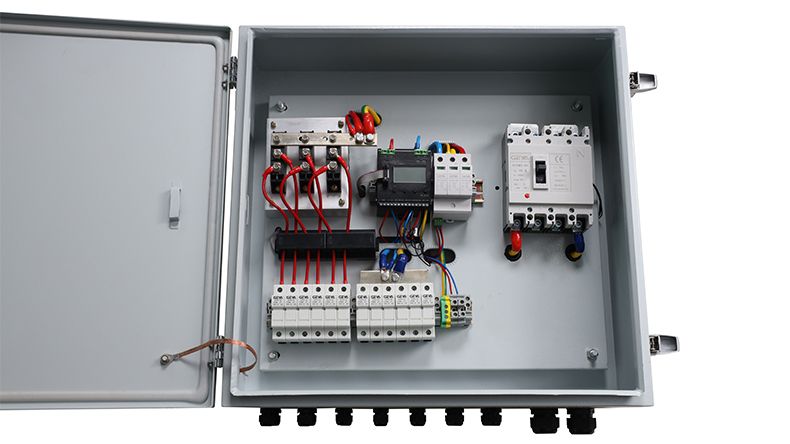
Solar PV arrays – DC fused disconnects (DC isolators) on string combiner boxes or at inverters help with electrical circuit isolation and overcurrent protection fuses right at the source.
Battery energy storage systems (BESS) – High DC fault currents demand high AIC ratings and fast fault clearing. Fused switches shine here.
EV charging stations – Upstream fused disconnects protect feeders and let techs safely isolate EV chargers for service without shutting down an entire panel or substation.
In some designs, fused disconnects are paired with larger protective gear or compact switchgear, like a box-type or prefabricated substation to manage multiple distributed loads.
Selective Coordination and System Reliability
One of the biggest advantages of fused disconnects is how they support selective coordination and overall system reliability:
I can choose specific fuse classes and amp ratings so that the closest fuse to the fault opens first.
Upstream fuses are sized and timed so they stay closed during a downstream fault , keeping the rest of the plant or building energized.
Their high interrupting capacity helps meet short circuit current rating (SCCR) requirements for panels tap conductors and equipment.
In real terms this means:
A motor fault takes out only that motor fused disconnect not the whole MCC.
A rooftop unit problem trips only that rooftop fused switch not the entire distribution panel feeding multiple HVAC units.
For U.S. facilities focused on uptime—manufacturing plants data centers hospitals logistics hubs—using fused disconnects strategically is one of the simplest ways to improve system reliability safety and fault containment without overcomplicating the design.
Benefits and Limitations of Fused Disconnects
Safety Advantages of Fused Disconnect Switches
Fused disconnect switches give you two big wins at once: electrical circuit isolation and overcurrent protection fuses in one compact device.
Key safety benefits:
Fast fault clearing – Current-limiting fuses open in milliseconds during a short circuit cutting energy before it can damage gear or hurt people.
High interrupting ratings (AIC) – Properly selected fuses can handle very high fault currents that would exceed some breakers.
Visible isolation – Many fusible safety switches give a clear “ON/OFF” knife-blade or handle position so techs can see the load is truly disconnected.
Reduced arc flash risk – Fast fault interruption can help lower incident energy at the equipment.
Mechanical lockout – Handles accept padlocks making lockout/tagout simple and reliable.
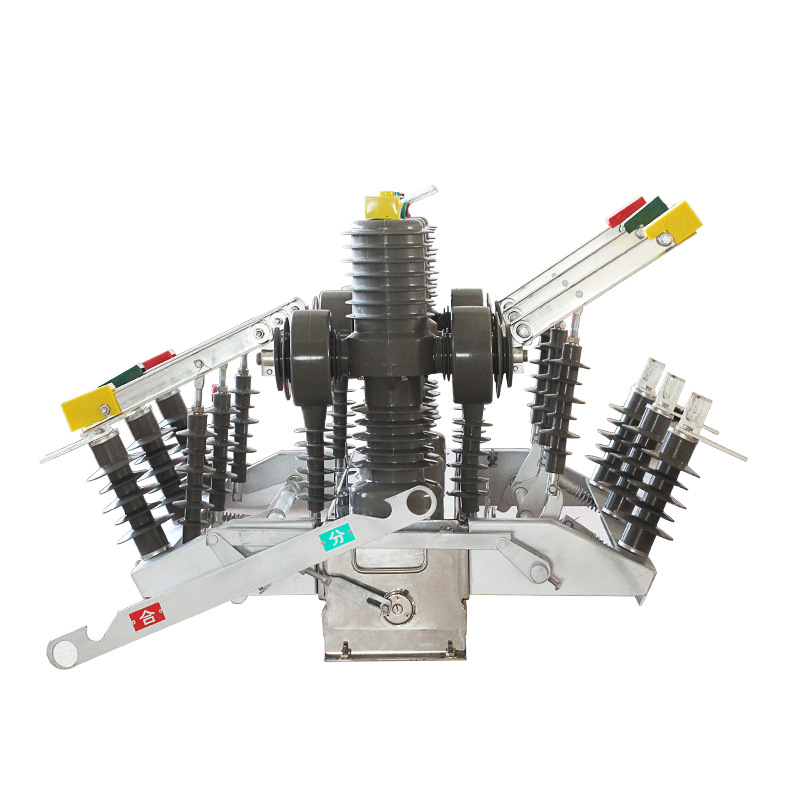
In higher-voltage systems we often combine fused switches with indoor high-voltage vacuum circuit breakers for upstream protection and system coordination similar to what you’d see in a ZN63(VS1)-12 indoor vacuum circuit breaker lineup.
Meeting Short Circuit Current Rating (SCCR)
For many US facilities the toughest part of design is making the available fault current match the gear’s SCCR. Fused disconnects help a lot here.
How they help:
Current-limiting fuses cut the peak let‑through current which lets downstream panels starters and HVAC equipment disconnects meet SCCR.
Simple documentation – Using UL-class fuses with UL98 fused switches often gives you clear published SCCR data.
Tap conductor protection – Proper fuse sizing can protect short taps and motor leads that would be hard to protect with breakers alone.
If you’re upgrading gear in an older US plant with rising utility fault current swapping to properly rated fused switches is often the cleanest path to SCCR compliance.
Cost Benefits vs High-Interrupting-Capacity Breakers
High-interrupting-capacity breakers (especially molded-case or insulated-case) get expensive fast. Fused disconnects can be more cost-effective at higher fault levels.
Typical cost advantages:
Lower upfront cost at high AIC – A standard fused switch plus properly rated fuses often costs less than a breaker with the same interrupting rating.
Cheaper to “upgrade” AIC – Need higher fault rating later? You may only need a different fuse class not a new switch.
Reduced equipment damage – Less damage from faults means fewer panel replacements and lower long-term spend.
Targeted replacement – After a major fault you replace fuses not the whole device (assuming the switch is still in good condition).
Basic comparison:
| Item | Fused Disconnect Switch | High-AIC Breaker Panel |
|---|---|---|
| High fault current capability | Very strong with current-limiting | Strong but costs rise fast |
| After a major fault | Replace fuses | Breaker may need testing/replacement |
| Upgrading interrupting rating | Often change fuses only | Often change entire breaker |
| Initial equipment cost (high AIC) | Usually lower | Usually higher |
Flexibility During Upgrades and Retrofits
Fused disconnects give you a lot of flexibility as loads and code requirements change over time.
Ways we use that flexibility:
Changing fuse amp rating – You can re‑size fuses when you upgrade motors HVAC equipment or process loads (within the switch rating).
Switching fuse classes – Move to time‑delay fuses for motor inrush or high-speed fuses for sensitive electronics without replacing the whole switch.
Supporting phased upgrades – Keep the same fusible safety switch body and adjust fuses as equipment is replaced line-by-line.
Selective coordination – Tune upstream fuse curves so they open first protecting smaller breakers and tap conductors downstream.
This is a big plus in US industrial plants and commercial buildings where tenants equipment and loads change often.
Practical Limitations of Fused Disconnects
Fused disconnects aren’t perfect; you trade flexibility for a bit more hands-on maintenance.
Key limitations:
Fuse replacement – After a fault or overload someone must physically replace the blown fuse before the line is back in service.
Spare stock management – You need to keep the right fuse classes and amp ratings on-site or you risk extended downtime.
Mis-matched fuses – If someone “just grabs whatever fits ” you can end up with wrong ratings single-phasing or lost protection.
Space for larger fuses – High‑amp and special-class fuses can be bulky which affects enclosure size and layout.
Tech training – Staff must know how to identify blown fuses verify isolation and replace them safely.
Basic pros/cons snapshot:
| Factor | Benefit | Limitation |
|---|---|---|
| Protection | High AIC fast fault clearing | Wrong fuse choice can weaken protection |
| Operations | Strong safety isolation | Manual fuse replacement after faults |
| Inventory | Simple devices long life switches | Need ongoing fuse stocking |
Evaluating ROI When Switching to Fused Disconnects
When I look at the return on investment for switching to fused disconnects I keep it very practical and numbers-driven.
Here’s a simple checklist:
1. Fault level vs equipment rating
Compare available fault current to existing SCCR.
If you’re close to or over the rating fused disconnects with current-limiting fuses usually give strong ROI by avoiding full panel replacements.
2. Cost of downtime
What’s the cost per minute/hour of downtime?
Is swapping a fuse slower or faster than resetting and troubleshooting a breaker?
If a trip stops a production line or critical HVAC ask:
In many plants fast fault clearing + less damage outweighs the time to change fuses.
3. Maintenance and staffing
Do you have techs comfortable with lockout/tagout fuse testing and correct replacement?
If yes fused disconnects are easy to support; if no factor in training.
4. Long-term system upgrades
Are you planning motor HVAC or process upgrades in the next 5–10 years?
Fused switches let you re‑tune protection with new fuses instead of replacing entire panels or breakers.
5. Safety and compliance risk
Consider arc flash NEC motor disconnect requirements and insurance or AHJ expectations.
A modest upfront investment in properly sized fused disconnects can save you from costly rework or penalties later.
If the numbers show high fault current expensive gear downstream and real consequences for failure fused disconnects usually deliver a strong defensible ROI for US facilities.
Installation Best Practices for Fused Disconnects
How to Size a Fused Disconnect (Load MCA MOP)
When I size a fused disconnect switch I always start with the equipment nameplate:
Load (FLA) – Full-load amps of the motor or equipment
MCA (Minimum Circuit Ampacity) – Tells you how big the conductors and disconnect must be
MOP (Maximum Overcurrent Protection) – Tells you the max fuse or breaker size allowed
Basic approach most US contractors follow:
For motors and HVAC:
Size the disconnect amp rating ≥ MCA
Size the fuses ≤ MOP (never exceed manufacturer’s MOP)
For continuous loads (lighting processes that run 3+ hours):
Make sure the fused disconnect rating is at least 125% of the continuous load
Always confirm the voltage and phase (240V vs 277/480V single-phase vs three-phase) so you pick the correct pole configuration and device rating.
If fault levels are high (large services big transformers industrial gear) I’ll also verify the short circuit current rating (SCCR) and use fuses with a high AIC rating to keep the system compliant.
Choosing the Right Enclosure and NEMA Rating
In the US the wrong enclosure is one of the quickest ways to fail inspection or have equipment fail early.
Common NEMA choices for fused disconnects:
NEMA 1 – Dry indoor clean areas (mechanical rooms electrical rooms)
NEMA 3R – Outdoor rain-proof (rooftop HVAC exterior walls)
NEMA 4 / 4X – Washdown hose-down food plants coastal or corrosive areas (4X is stainless or non-metallic corrosion resistant)
NEMA 12 – Indoor dusty or dirty industrial environments
I match the NEMA rating to:
Location (indoor/outdoor)
Exposure (water dust chemicals washdown)
Industry (food & beverage wastewater manufacturing commercial rooftops etc.)
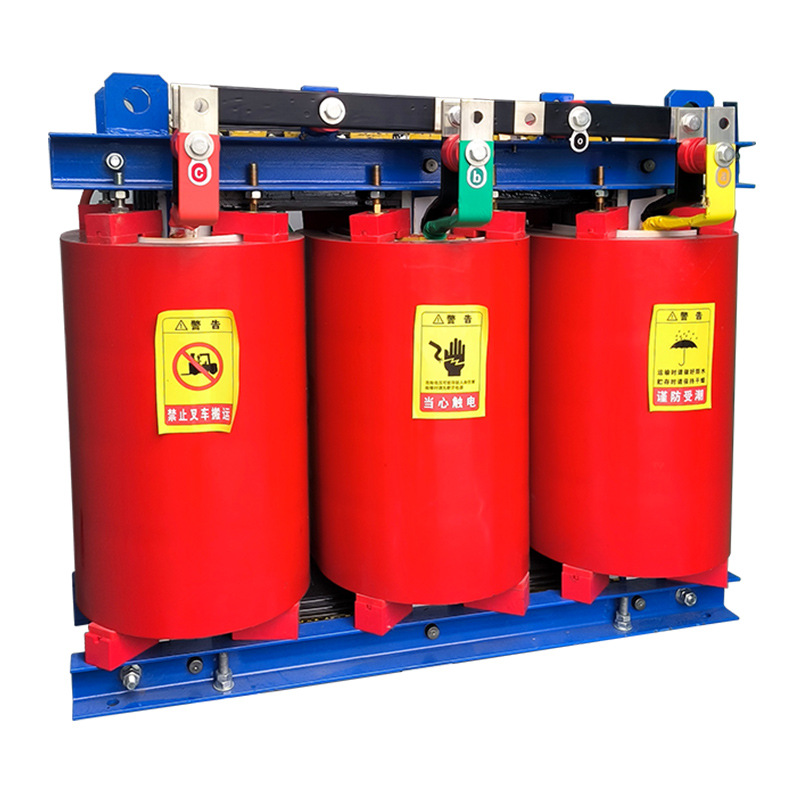
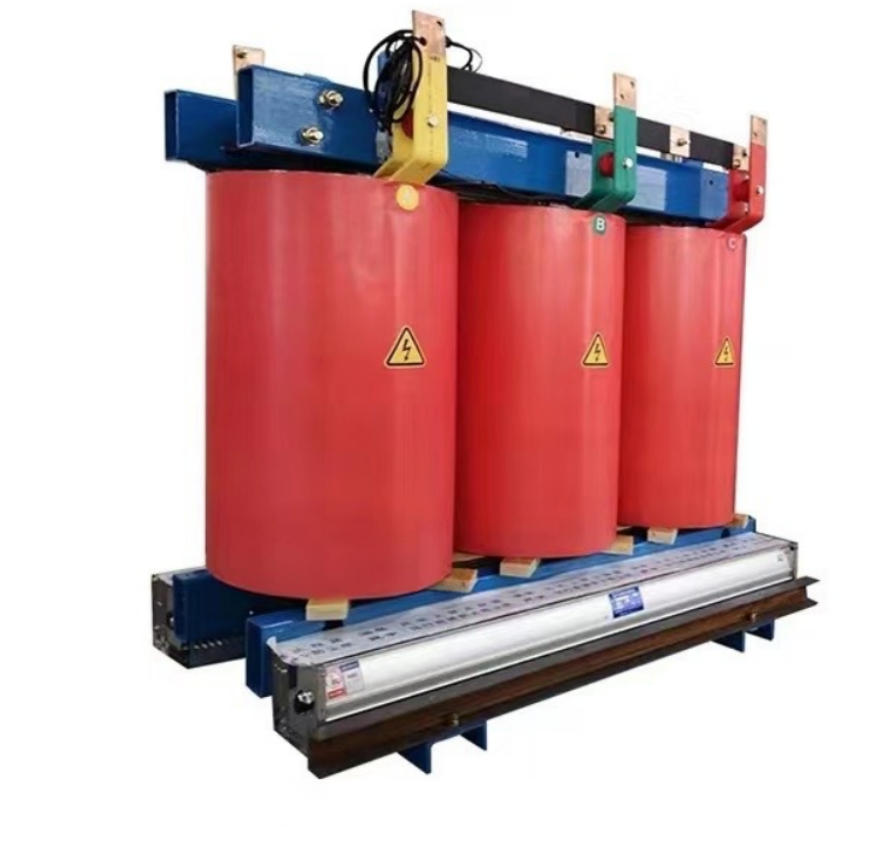
If the fused disconnect is installed near medium-voltage gear or grounding switches I’ll also coordinate with upstream equipment such as dry-type transformers to keep the overall protection scheme consistent.
Cable Terminations Torque and Bending Space
Most field issues I see are from sloppy terminations not bad devices. I always insist on:
Proper conductor size that matches MCA and the device lugs
Listed lugs for copper or aluminum as specified by the manufacturer
Torqueing lugs with a torque screwdriver/wrench to manufacturer specs
Under-torqued = loose overheats
Over-torqued = damaged lugs or broken strands
Respect minimum bending radius for conductors especially larger THHN/THWN or XHHW cables
Keep neutral and ground conductors clearly identified and landed on the correct bars or terminals
Clean tight terminations and correct bending space dramatically cut down on nuisance overheating tripping and failed inspections.
Matching Fuse Class and Amp Rating
To get the most out of a fused disconnect switch I align the fuse class and amp rating with the rest of the system:
Common fuse classes in US installations: Class RK5 RK1 J CC L
I choose the fuse class based on:
Interrupting rating (AIC) needed for available fault current
Time-current curve required to protect motors transformers or tap conductors
Selective coordination needs with upstream and downstream protection
Practical rules I follow:
Never exceed the MOP from the equipment nameplate
Keep fuses coordinated with upstream breakers or fused switches so a fault clears at the right level
For motors consider time-delay fuses to ride through inrush without nuisance blowing
Make sure the fuse voltage rating meets or exceeds the system voltage (AC vs DC rating matters too especially in PV and battery storage).
Clear Labeling for Safe Operation
Labeling is simple but it’s one of the most important safety steps:
Label the fused disconnect with:
Equipment served (“RTU-3 HVAC” “PUMP 2” “AIR COMPRESSOR 1”)
Voltage phase and amp rating
Fuse size and type (e.g. “60A Class J time-delay”)
Mark ON/OFF positions clearly and make sure the handle is easy to see and reach
Add arc flash labels if required by your facility’s electrical safety program
Use durable UV- and weather-resistant labels outdoors or on rooftop units
Good labeling saves time during troubleshooting and keeps maintenance techs from pulling the wrong disconnect.
Verification Testing After Installation
Once a new fused disconnect is installed I never consider it “done” until it’s tested:
Basic checks:
Visual inspection
All lugs torqued no loose wires
Gasket/seals intact correct NEMA enclosure
Fuses installed in all phases properly seated
Continuity / polarity checks (de-energized):
Confirm line/load connections are correct
Verify ground continuity and bonding
Energized tests (by qualified personnel):
Measure voltage on line and load side with the switch ON
Check for balanced voltage values on three-phase systems
Run the connected load and check for abnormal heating or noise
For critical systems or higher voltages I’ll coordinate with engineering to tie the fused disconnect into a broader fault prevention and grounding strategy similar to how you would plan around a 10kV switchgear earthing switch.
Dialed-in installation and testing give you a fused disconnect that’s safe code-compliant and reliable for the long haul.
Maintenance and Safety for Fused Disconnects
Keeping fused disconnects in good shape is non‑negotiable if you want safe reliable power. Here’s how I handle maintenance and safety in real‑world U.S. facilities.
Routine Inspection Checklist
I recommend a documented inspection at least annually and more often in harsh or critical environments:
Exterior check: Look for cracked enclosures, missing screws rust moisture or damaged gaskets.
Heat and discoloration: Check for hot spots darkened paint melted insulation or burnt smell around line/load lugs and fuse clips.
Tight connections: With power off and verified re‑torque terminals to the manufacturer’s spec; loose lugs are a leading cause of failures.
Mechanical operation: Open/close the handle several times with power off; it should feel firm with no binding or slop.
Indicators and labels: Confirm ON/OFF markings are clear lockout points are intact and all circuit and arc‑flash labels are readable.
Environment: Make sure the NEMA enclosure still fits the location (no new washdowns chemicals or outdoor exposure it wasn’t built for).
Cleaning Lubrication and Mechanical Checks
Always de‑energize lock out and verify absence of voltage before any internal work.
Dry cleaning only: Use a dry lint‑free cloth or approved vacuum; avoid blowing dust deeper into the device.
No random sprays: Only use manufacturer‑approved contact cleaner; avoid anything that leaves residue on insulating parts.
Light lubrication: If the OEM allows it apply a very small amount of recommended lubricant on moving linkages—not on contacts or fuse clips.
Cycle the switch: After cleaning and lubrication operate the handle several times to confirm smooth positive contact movement.
Safe Fuse Replacement Practices
Fuse changes are where many injuries happen. I treat every fuse pull as high‑risk work:
Full PPE: Use arc‑rated clothing gloves eye/face protection that match the available fault current and system voltage.
Verify de‑energized: Open the fused disconnect apply lockout and test line and load terminals with a rated meter.
Match the fuse: Replace with the same class voltage rating and amp rating required by the equipment nameplate and engineering documents.
Replace all phases: On three‑phase systems change all three fuses together to avoid imbalance or hidden single phasing.
Check fuse clips: Make sure clips grip firmly and show no signs of overheating pitting or loss of spring tension.
Close and re‑test: After reassembly operate the handle several times and verify the load is energized correctly.
For some smaller loads we may use or supplement with devices like miniature circuit breakers; it helps to understand the advantages of miniature circuit breakers when you’re deciding which overcurrent protection device makes the most sense for a given panel.
Lockout Tagout (LOTO) with Fused Disconnects
OSHA‑compliant lockout tagout is a must around fused disconnect switches:
Open the switch: Move the handle to OFF and confirm the visible indicator (where provided).
Apply lock: Use the built‑in hasp or accessory to apply a personal lock; one person one lock one key.
Add tag: Attach a clear tag with name contact info and reason for lockout.
Try‑operate test: Attempt to move the handle to ON; it should not move with the lock in place.
Verify absence of voltage: Use an approved tester on both line and load sides before touching conductors.
Training on Single Phasing and Nuisance Fuse Blowing
Your team needs to recognize when a fuse problem is really a system problem:
Single phasing awareness: Teach staff that one open fuse on a three‑phase motor can cause overheating low torque and motor damage even though the motor still “runs.”
Recognize symptoms: Unusual noise vibration slow starts and hot motor casings often point to blown fuses or unbalanced voltage.
Root‑cause first: Emphasize investigating overloads phase loss or wiring issues before simply replacing fuses or upsizing them.
Reporting culture: Encourage operators and techs to report repeated fuse operations immediately not just keep swapping fuses.
When a Fused Disconnect Needs Repair or Replacement
If I see any of the issues below I plan repair or replacement ASAP:
Visible damage: Cracked or warped enclosure broken handle missing cover hardware or evidence of impact.
Overheating marks: Melted plastic charred insulation discolored fuse clips or repeated hot‑spot readings on IR scans.
Rough operation: Handle sticks won’t fully travel or feels loose; switch doesn’t clearly “snap” into ON or OFF.
Corrosion or moisture: Rust on terminals white/green corrosion on copper or any sign water has entered the enclosure.
Frequent fuse operations: Repeated unexplained fuse blowing even after fixing known load issues.
Obsolete or underrated: Device short‑circuit rating no longer meets available fault current or the switch can’t accept the fuse class and rating the system needs.
Building a simple maintenance program around these checks keeps fused disconnects reliable reduces unplanned downtime and protects both people and equipment.
Codes Standards and Common Mistakes With Fused Disconnects
When I spec or install fused disconnects in the U.S. code compliance is non‑negotiable. A fused disconnect switch is more than a shutoff; it’s part of the safety system the NEC and UL standards are built around.
NEC Rules for Fused Disconnects
The NEC doesn’t have a single “fused disconnect” article; instead it weaves requirements through several sections:
Motors (NEC 430) – Drives most rules for fused disconnects on three-phase motor safeguards. It covers motor branch‑circuit short‑circuit and ground‑fault protection plus motor disconnect requirements for “within sight” isolation.
HVAC and refrigeration (NEC 440) – Governs HVAC equipment disconnects for rooftop units and condensers including minimum ampacity (MCA) maximum overcurrent protection (MOP) and when a fusible safety switch is required.
Appliances and other loads (NEC 422 424 430/440 references) – Tells you when local electrical circuit isolation must be provided by a fused disconnect switch vs. a breaker.
Feeders services and taps (NEC 230 225 240.21) – Impacts how you use fused disconnects for tap conductor protection service disconnects and outdoor equipment.
PV batteries EV (NEC 690 705 625) – Sets rules for DC isolators for PV systems energy storage and EV charging where DC fused disconnects and high AIC ratings are often mandatory.
In practice I always size fuses and switches to meet both overcurrent protection and short circuit interruption requirements in these articles not just nameplate amps.
UL98 and Other Key Standards
Most heavy‑duty fused disconnects used for industrial load break switches in the U.S. are built and listed to:
UL98 – Enclosed and Dead-Front Switches
Defines performance for fusible safety switches and non‑fusible disconnect switches.
Verifies the device can open and close under load and interrupt fault current safely.
Sets temperature rise creepage/clearance and mechanical endurance requirements.
Other related standards you’ll see in specs:
UL489 – For molded-case circuit breakers that are often used upstream or instead of fused disconnects. Our own electric circuit breaker technical guide lines up well with how we rate and match breakers to fusible switches.
UL508A – For industrial control panels that may contain UL98 fused switches control power transformers and tap circuits.
UL1741 / UL9540 – For solar inverters and energy storage systems which often rely on DC fusible disconnects for electrical fault prevention.
Whenever I select a fused disconnect I make sure the UL marking matches its intended use (general duty vs. heavy duty AC vs. DC horsepower ratings etc.).
Local Codes and AHJ Expectations
Even if you follow NEC and UL98 the Authority Having Jurisdiction (AHJ) has the final say:
Some cities or utilities demand higher short‑circuit current rating (SCCR) at service entrances which may push you toward fused disconnects with higher interrupting ratings.
Coastal washdown or corrosive locations may require specific NEMA enclosure ratings (NEMA 3R 4X 12 etc.) beyond the NEC minimum.
Certain AHJs insist on lockable handles visible blades or specific labeling for emergency disconnects.
For PV and battery storage inspectors increasingly expect clearly labeled DC isolators with polarity markings and arc‑flash warnings.
I always recommend checking local amendments and utility standards early especially for service equipment rooftop HVAC and renewable projects.
Common Sizing and Selection Mistakes
Most problems I see with fused disconnects start at the design table not the job site:
Wrong voltage or system type – Using a 240 V fused disconnect in a 277/480 V system or misapplying single‑phase devices on three‑phase systems.
Ignoring available fault current – Selecting fuses and switches with interrupting ratings that are too low for the utility fault current at the service or MCC.
MCA / MOP mismatch – Oversizing or undersizing overcurrent protection fuses compared to the equipment’s Minimum Circuit Ampacity (MCA) and Maximum Overcurrent Protection (MOP) on the nameplate.
Improper NEMA enclosure rating – Installing NEMA 1 indoors where washdown or dust requires NEMA 12 or 4/4X.
Underrated for continuous load – Not applying the 125% factor for continuous loads especially in commercial lighting and HVAC equipment disconnects.
Not coordinating with upstream protection – Failing to coordinate fuses with upstream breakers so the wrong device trips during a fault defeating selective coordination.
Getting these wrong doesn’t just risk nuisance blowing; it can put you out of compliance and void listings or warranties.
Wiring and Installation Errors That Cause Failures
Even a perfectly specified fused disconnect can fail early if it’s wired poorly. The most frequent field issues I see:
Line/load reversed – Connecting the line to the load side can create unsafe backfeed conditions during maintenance.
Loose or under‑torqued lugs – Causes overheating melted insulation or fuse bases burning up; always follow the torque chart in the device.
Improper conductor size or type – Forcing oversized conductors into lugs or using cable types not rated for the application or temperature.
Poor grounding and bonding – Skipping equipment grounding conductors or bonding jumpers especially in metal enclosures and rooftop units.
Violating bending space – Tight bends or overcrowded conduits at the disconnect leading to damaged conductors and difficult maintenance.
Mixing aluminum and copper badly – Not using AL/CU‑rated lugs or antioxidant on aluminum which can increase resistance and heat.
A quick QA walkthrough on torque grounding phasing and labeling saves a lot of callbacks and failed inspections.
Fused Disconnects and Code Compliance FAQs
Here are the questions I get most from U.S. contractors and facility teams:
When is a fused disconnect required instead of a non‑fused switch?
When you need both electrical circuit isolation and overcurrent protection in one device or when the equipment nameplate or NEC article (like 430 or 440) explicitly calls for fuse‑based protection. High fault current locations are a common driver.Can I swap a breaker for a fused disconnect one‑for‑one?
Sometimes but only after checking voltage AIC rating conductor sizes load type and NEC motor disconnect requirements. You also have to respect manufacturer instructions for listed equipment.Do fuses alone satisfy branch‑circuit protection?
Yes if the fused disconnect is properly sized and listed as a branch‑circuit overcurrent device (UL98 fusible switch with the right fuse class and amp rating).Who is responsible for code compliance?
Ultimately the installer and the owner share responsibility but the AHJ enforces it. My role is to provide fused disconnects that clearly state ratings UL marks and installation instructions so you can pass inspection the first time.How often should fused disconnects be inspected?
At least annually in industrial and commercial settings or more often in harsh environments. Look for discoloration hot spots loose terminations or signs of moisture and corrosion.
When I design and ship fused disconnect solutions I build around NEC UL98 and local AHJ expectations first then focus on ease of installation so you avoid the sizing and wiring mistakes that typically trigger red tags and unplanned downtime.