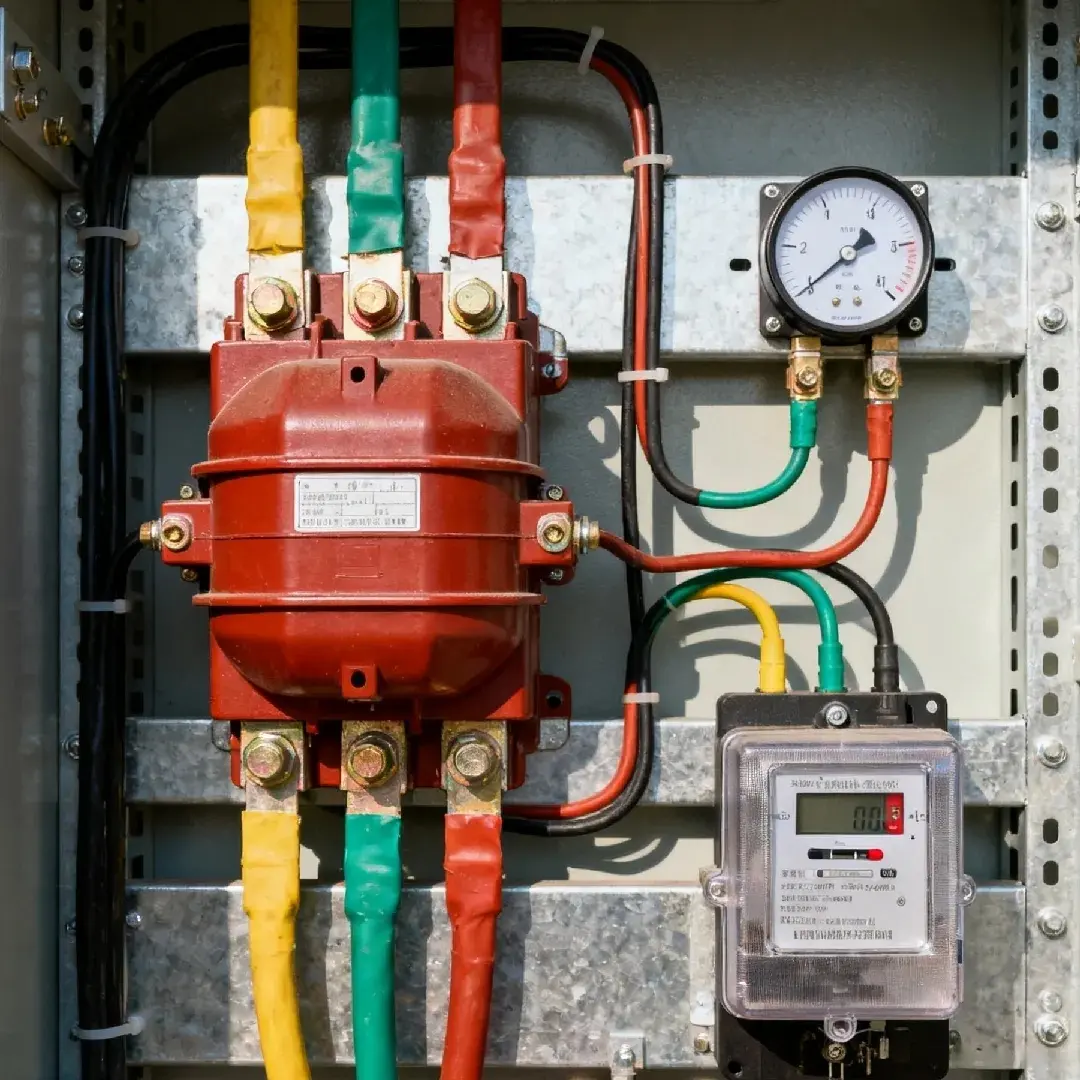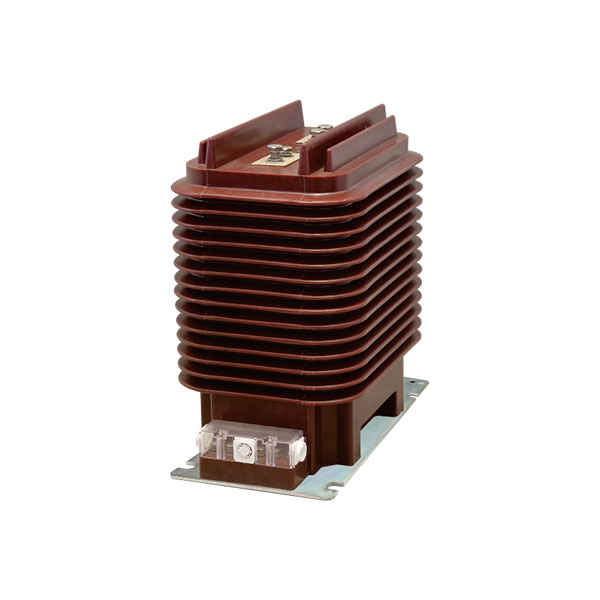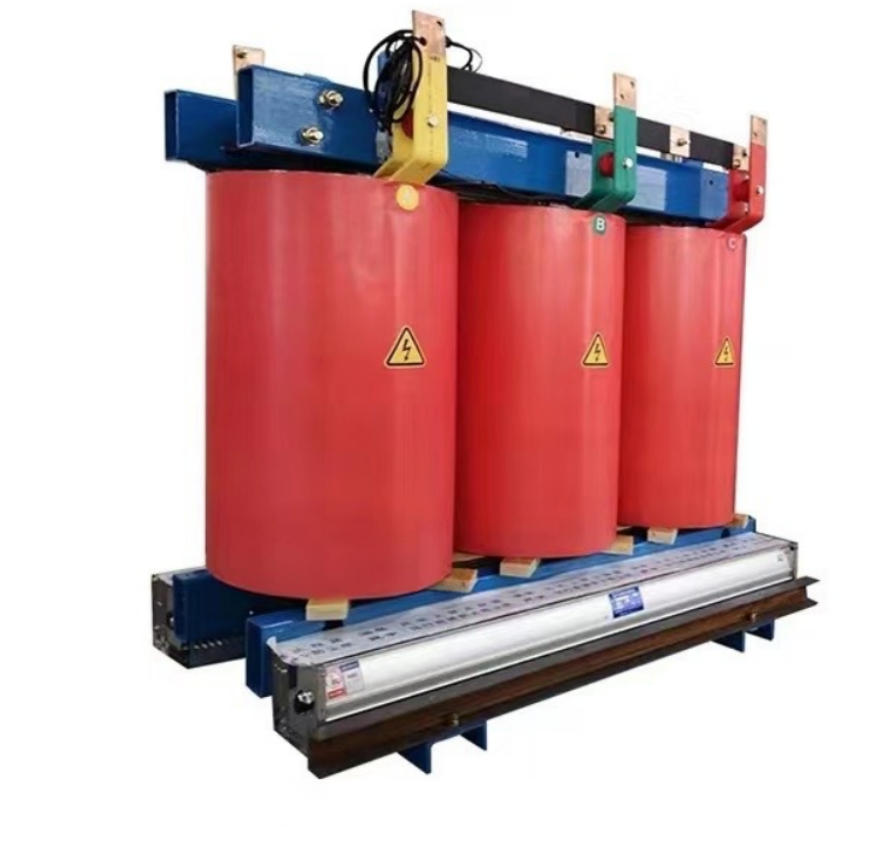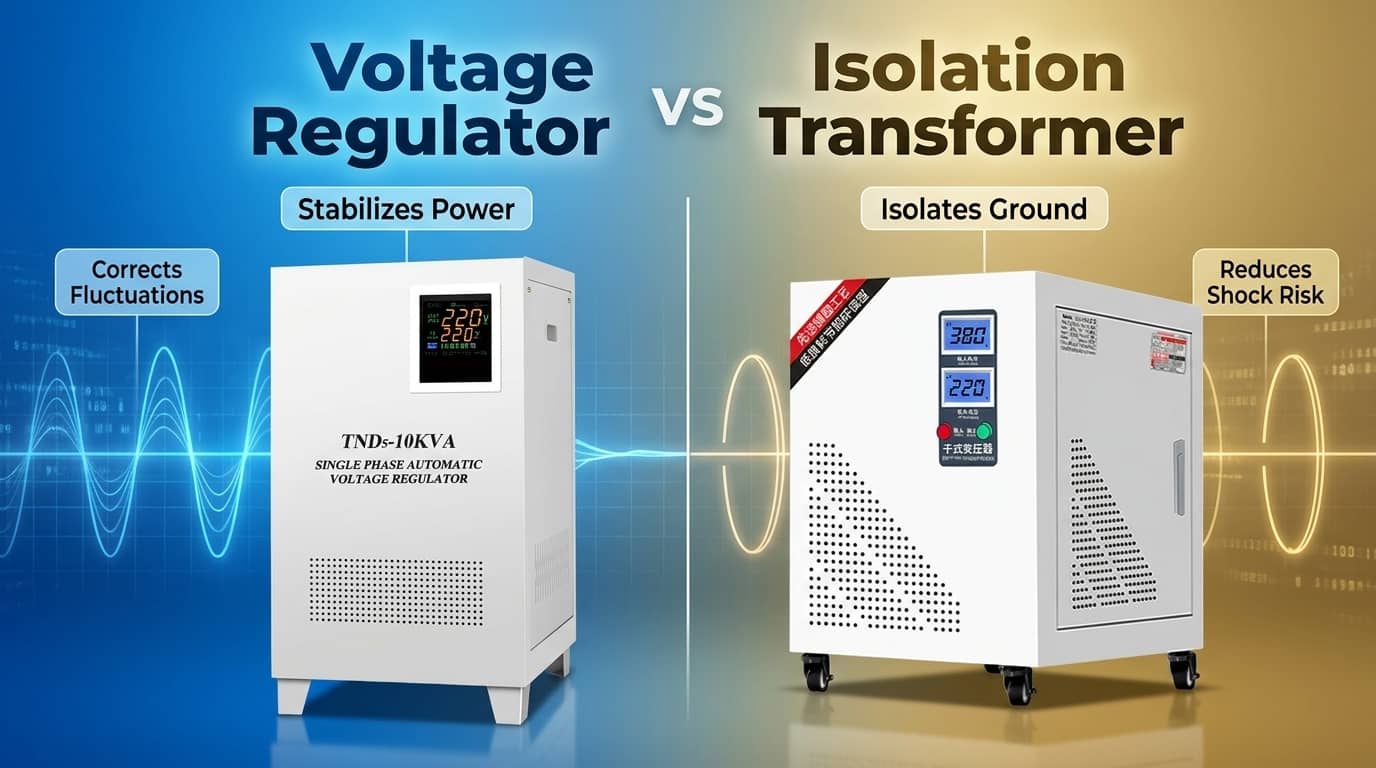
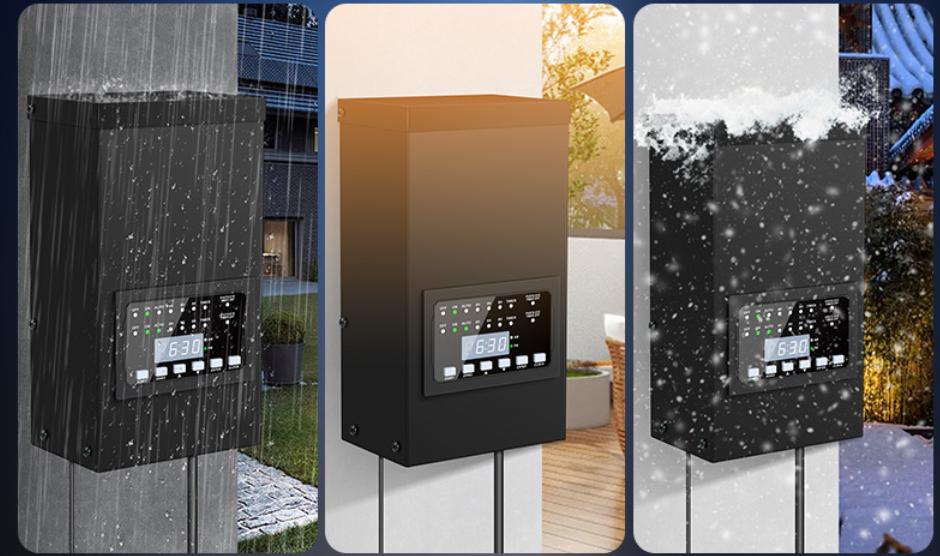
You can correctly choose a garden transformer right now with three simple decisions: calculate the total lighting load, keep the connected load below 80% of transformer capacity, and match wire gauge plus 12V or 14V tap voltage to the actual distance and wattage.
Read this article to the end, and you will know how to select the right landscape lighting transformer and the right supplier based on real working conditions, not guesswork.
This is the practical method behind low-voltage landscape lighting transformer sizing, how to calculate wattage for a landscape lighting transformer, multi-tap landscape lighting transformer voltage drop control, choosing the right transformer for outdoor LED lights, and weatherproof landscape lighting power supply selection.
Why Choosing the Wrong Landscape Lighting Transformer Causes Failures
The wrong transformer does not just make the lights dim. It creates a chain of expensive field problems.
When a transformer is undersized, loaded too heavily, or paired with the wrong cable, you can see voltage drop, uneven brightness, overheating, nuisance failures, and shorter fixture life.
For LED systems, buyers often assume lower wattage means easier design. In reality, long cable runs, poor tap selection, and weak weatherproofing still cause many of the same failures.
Undersized transformer: heat buildup, unstable output, reduced service life
Wrong wire gauge: dim far-end fixtures and visible imbalance
No multi-tap option: weak compensation for long cable runs
Poor outdoor enclosure: corrosion, moisture intrusion, terminal failure
No spare capacity: no room for future fixtures or zoning changes
Step 1: Calculate Total Lighting Load and Follow the 80% Rule
The first rule is non-negotiable: the circuit load should not exceed 80% of transformer capacity.
That means the total wattage of all fixtures must stay at least 20% below the transformer's rated power. This is the safest and most practical way to prevent overload and leave room for real-world operating variation.
Formula: How to Calculate Wattage for a Landscape Lighting Transformer
Total fixture wattage ÷ 0.8 = minimum transformer size.
This is the simplest professional answer to how to calculate wattage for landscape lighting transformer selection.
Real-World Example: 96W LED Garden Lighting System
Suppose you install 8 fixtures × 12W. That gives a total connected load of 96W.
Now apply the formula: 96 ÷ 0.8 = 120W. So the minimum recommended transformer is 120W, although many buyers step up to 150W for future flexibility.
Transformer Sizing Based on Total Fixture Wattage
| Total Fixture Load | 80% Rule Minimum Transformer | Recommended Market Size |
|---|---|---|
| 40W | 50W | 60W |
| 96W | 120W | 150W |
| 120W | 150W | 150W/200W |
| 160W | 200W | 200W/300W |
| 240W | 300W | 300W |
| 320W | 400W | 400W |
Step 2: Choose Wire Gauge by Wattage, Distance, and Tap Voltage
Correct low-voltage landscape lighting transformer sizing is only half the job. The cable must also match the actual load and run length.
In the field, installers often blame the transformer when the real issue is undersized wire. Cable resistance increases voltage drop, especially on longer runs and higher loads.
12V Tap Wire Gauge Selection Table
Use this table for standard 12V branch selection.
| Total Fixture Power | 0–15 m | 15–30 m | 30–45 m |
|---|---|---|---|
| 0–60W | 16 AWG | 16 AWG | 14 AWG |
| 61–120W | 16 AWG | 14 AWG | 12 AWG |
| 121–180W | 14 AWG | 12 AWG | Not recommended |
| 181–240W | 14 AWG | 12 AWG | Not recommended |
| 241–300W | 12 AWG | Not recommended | Not recommended |
14V Tap Wire Gauge Selection Table
A multi-tap landscape lighting transformer helps manage voltage drop by using a higher output tap, especially on longer runs.
This is one of the most practical methods for handling multi-tap landscape lighting transformer voltage drop in real installations.
| Total Fixture Power | 0–15 m | 15–30 m | 30–45 m |
|---|---|---|---|
| 0–60W | 16 AWG¹ | 16 AWG | 16 AWG |
| 61–120W | 16 AWG¹ | 16 AWG | 12 AWG |
| 121–180W | 14 AWG¹ | 14 AWG | 12 AWG |
| 181–240W | 14 AWG¹ | 14 AWG | 12 AWG |
| 241–300W | 12 AWG¹ | 12 AWG | Not recommended |
Note on AWG¹ and Halogen Lighting
AWG¹ is not recommended for halogen landscape lighting. Halogen fixtures are more sensitive to voltage behavior and heat, so safer cable and tap planning is required.
Step 3: Select 12V vs 14V Taps to Reduce Voltage Drop
Choose 12V for shorter runs with moderate loads and minimal voltage loss. Choose 14V when the run is longer, the load is heavier, or the far-end fixtures are visibly dimmer.
This is why choosing the right transformer for outdoor LED lights often means choosing a multi-tap model, not just a wattage rating.
What Is Voltage Drop in Low Voltage Landscape Lighting?
Voltage drop is the reduction in voltage that occurs as electricity travels through the cable. The longer the distance and the thinner the wire, the greater the loss.
In practice, voltage drop causes dim lights at the far end, inconsistent brightness between fixtures, and in some cases shorter fixture or driver life.
When a Multi Tap Landscape Lighting Transformer Is the Better Choice
A multi-tap transformer is the better choice when one site has both short and long lighting zones. It allows near fixtures and far fixtures to be balanced more precisely.
For example, a front path close to the transformer may run on 12V, while backyard fixtures on a longer cable run may use 14V to offset loss.
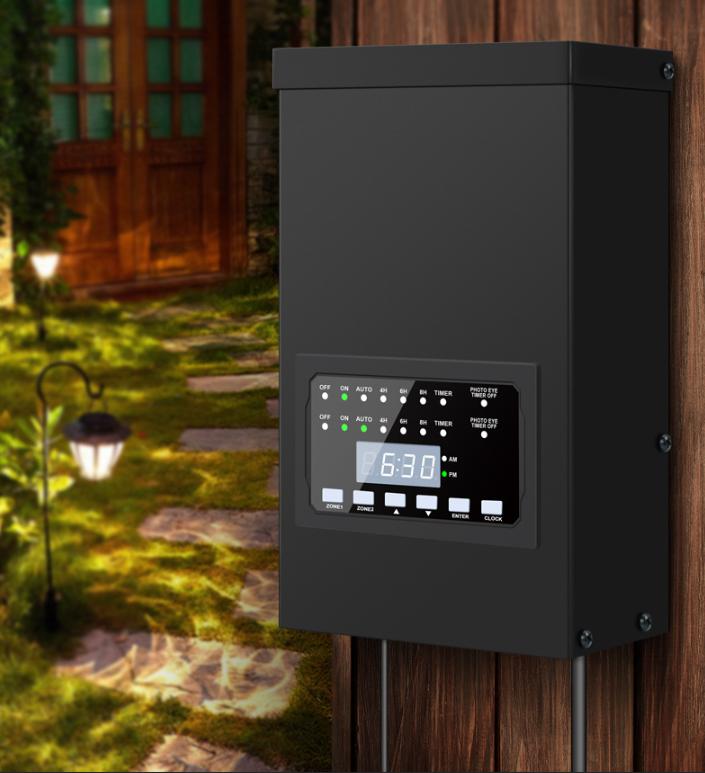
Choosing the Right Transformer for Outdoor LED Lights
LED does not eliminate the need for careful transformer selection. It simply changes the error pattern.
Many LED systems draw lower steady-state wattage, but they still suffer from poor voltage planning, inconsistent driver behavior, and expansion problems when no reserve capacity is left.
Why LED Systems Still Need Correct Transformer Sizing
Even efficient LED fixtures can flicker, behave unpredictably, or perform unevenly if the transformer is undersized or the wire plan is poor.
Installers also encounter mislabeled fixture wattage, startup behavior differences, and mixed product quality across brands.
How Much Expansion Capacity Should You Leave?
A practical rule is to leave 20% or more spare capacity beyond the current installed load. This supports fixture additions, seasonal changes, and future zoning adjustments.
If a client may add path lights, tree uplights, or wall wash fixtures later, choosing the next larger standard transformer is usually the smarter commercial decision.
Weatherproof Landscape Lighting Power Supply Selection Checklist
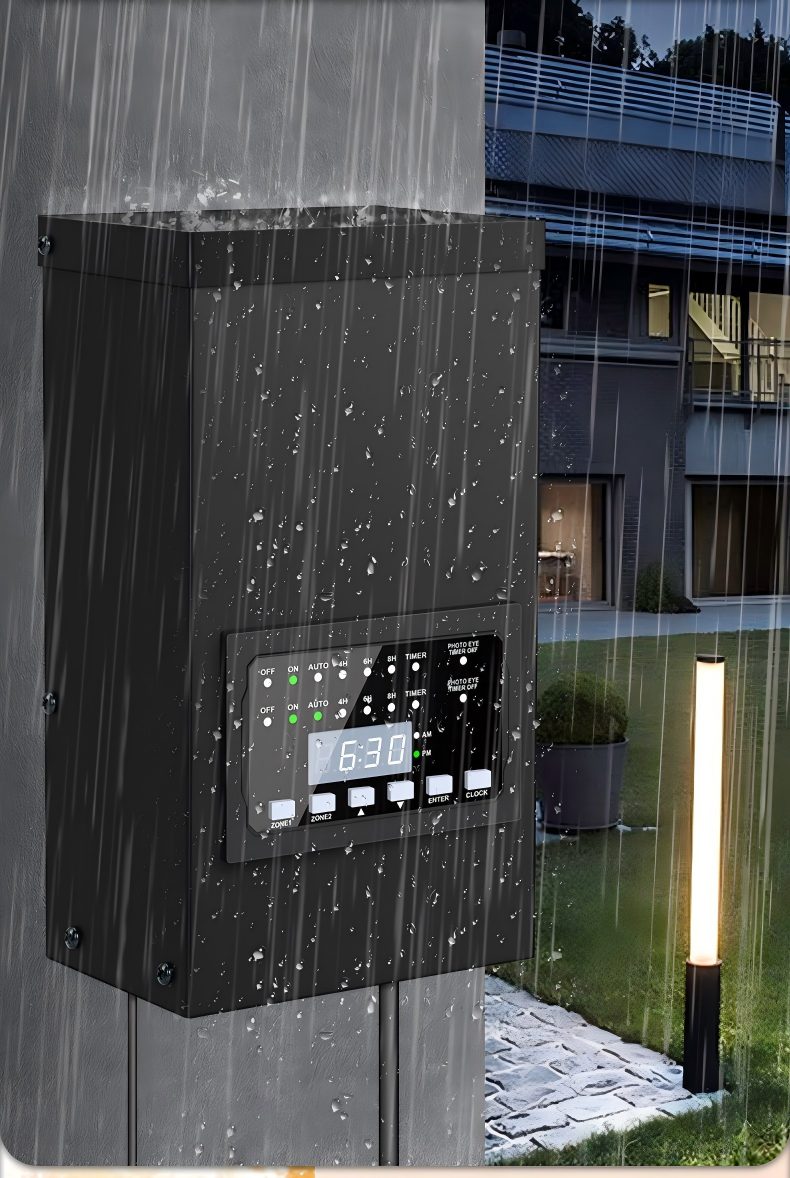
Weatherproof landscape lighting power supply selection matters as much as electrical sizing. Outdoor failures often begin with moisture, corrosion, and thermal stress.
A transformer that looks acceptable indoors may fail early outdoors if the housing, terminal sealing, and coating system are weak.
Must-Have Features for Outdoor Transformer Reliability
Corrosion-resistant housing, such as stainless or treated metal enclosure
Overload and short-circuit protection
Sealed or protected terminals
Timer and photocell compatibility
Stable thermal performance in sun, rain, and seasonal temperature swings
Outdoor-rated enclosure protection, such as IP/NEMA, appropriate to the installation environment
Supplier Evaluation: How to Choose the Right Manufacturer
Do not evaluate suppliers by catalog price alone. Compare engineering depth, consistency, and response quality.
Certifications and compliance records
Quality control process and traceability
Customization ability for taps, enclosure, labeling, and accessories
Lead time stability for repeat orders
Technical support responsiveness before and after shipment
Real-World Data and Field Examples That Help Buyers Avoid Mistakes
Most transformer selection errors happen because people buy from a nameplate, not from site conditions.
The examples below use simple commercial logic to show what works in the field.
Example: Small Residential Pathway Project
A homeowner installs 6 path lights × 7W = 42W with a cable run under 15 meters.
A 60W transformer, 12V tap, and 16 AWG cable are usually sufficient. This is a textbook short-run LED setup.
Example: Large Yard With Long Cable Runs
A larger property uses 12 fixtures × 10W = 120W across a branch of about 35 meters.
If installed on a 12V tap with thin wire, the far-end fixtures may look visibly weaker. A better solution is a 150W or 200W multi-tap transformer, 14V tap, and 12 AWG cable.
Common Installation Mistakes and Their Consequences
| Mistake | What Happens in the Field | Better Choice |
|---|---|---|
| Transformer loaded above 80% | Overheating, unstable output, short lifespan | Size up by at least 20% |
| Wrong cable gauge | Voltage drop, dim end fixtures | Match AWG to load and distance |
| Using only 12V on long runs | Uneven brightness | Use multi-tap 14V where needed |
| No weatherproof protection | Corrosion and failure outdoors | Choose a weatherproof enclosure |
| No spare capacity | Cannot expand the system later | Leave headroom for future loads |
Real User Discussions About Landscape Lighting Transformers
Across homeowner and installer discussions on Reddit, Quora, and similar communities, the same pain points appear repeatedly.
Users rarely regret buying too much transformer quality. They often regret buying too little capacity, too little weather protection, or too little technical support.
Based on recurring discussion patterns from real-user threads, Q&A posts, and field troubleshooting conversations, the most common complaints center on rain-related flicker, dim far-end lights, unexpected transformer heat, and confusion about why low-watt LED systems still perform badly.
Most Reported User Complaints in Community Discussions
The lights near the transformer are bright, but the far fixtures are weak
LEDs flicker after rain or irrigation exposure
The transformer gets hot after several hours of operation
Buzzing or humming sound from lower-quality units
Added a few fixtures later, and the whole system became unstable
A common misunderstanding in these discussions is assuming LED load alone determines performance. In reality, cable route length, connector quality, and tap choice often matter just as much.
Field Details Buyers Usually Overlook
Real installations have messy details that spec sheets do not show.
Water intrusion at splice points rather than at the transformer body itself
Mislabeled fixture wattage or actual draw differing from box claims
Loop routing that makes the real cable length much longer than planned
Mixed fixture types on one run with different electrical behavior
Shallow burial or poor strain relief that weakens long-term reliability
What Real Users Actually Regret
The most consistent regret pattern is simple: buyers choose by transformer price first and system design second.
Once the system is installed, they discover the real cost comes from voltage drop, rewiring, service calls, wet connection troubleshooting, and premature replacement.
The overlooked lesson from authentic user feedback is that the best transformer purchase is usually not the cheapest unit. It is the unit that gives enough load reserve, correct wire planning flexibility, and durable outdoor protection.
Community Pain Points and Likely Root Causes
| Community-Reported Pain Point | Likely Root Cause | Preventive Action |
|---|---|---|
| Lights are bright near the transformer but dim far away | Voltage drop from long run/thin cable | Use a thicker wire or a 14V tap |
| The transformer gets hot after a few hours | Overloaded beyond 80% | Increase transformer capacity |
| LEDs flicker intermittently | Poor connection, incompatible driver behavior, and moisture | Check terminals, compatibility, and sealing |
| The system failed after one season outdoors | Weak weatherproofing/corrosion | Upgrade the enclosure and sealing quality |
| Adding fixtures caused instability | No spare capacity planned | Recalculate total wattage and resize |
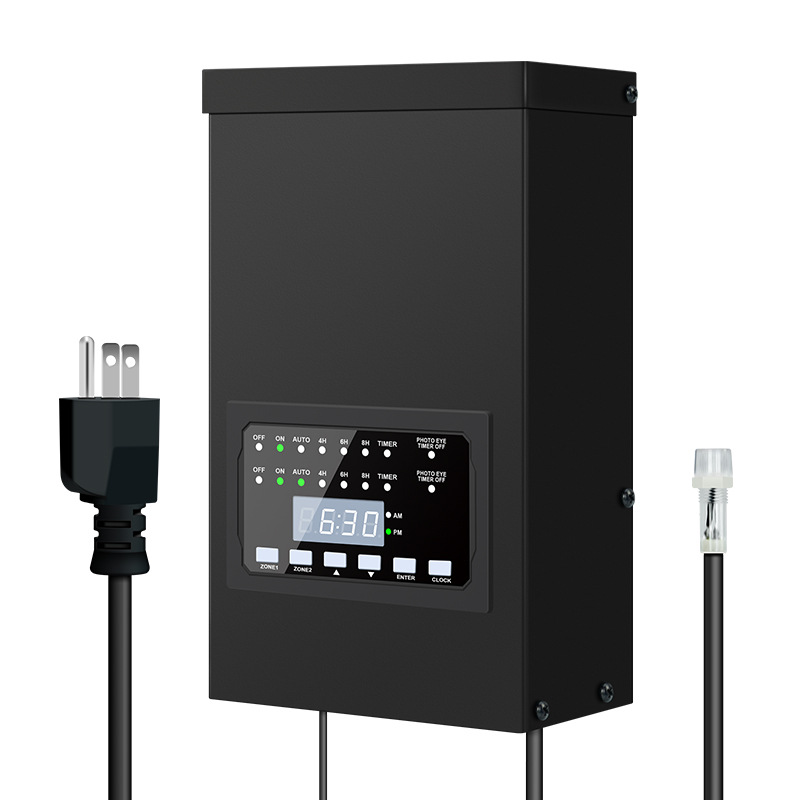
How to Choose a Landscape Lighting Transformer Supplier, Not Just the Product
A good product from a weak supplier is still a risky purchase.
For importers, contractors, and project buyers, supplier quality directly affects consistency, replacement handling, documentation, and technical problem solving.
Questions to Ask Any Supplier Before Buying
What is the actual recommended loading range for long service life?
What certifications and test reports are available?
Are 12V and 14V multi-tap options available?
What is the warranty policy?
Can the supplier support OEM/ODM customization?
How fast is technical troubleshooting handled?
Can they provide stable repeat production for future orders?
What Separates a Reliable OEM/ODM Partner From a Trading-Only Seller
A true manufacturing partner can discuss electrical design, material selection, production testing, and long-term consistency. A trading-only seller often cannot.
Reliable OEM/ODM partners usually provide stronger engineering support, better production control, more customization options, and better root-cause analysis when something goes wrong.
Why Weisho Electric Stands Out for Transformer Manufacturing
For buyers who need both product confidence and supplier reliability, Weisho Electric stands out through manufacturing capability, structured quality control, customization support, and application-focused engineering.
This matters because transformer performance in the field depends not only on rated wattage, but also on materials, process control, enclosure durability, and support after delivery.
Weisho Electric Advantages in Practical Buyer Terms
Stable product quality for repeat commercial supply
Fast technical response for model selection and project matching
Weather-resistant build options for outdoor use
Custom transformer solutions for OEM/ODM buyers
Dependable production and delivery support for ongoing business needs
In real buyer terms, that means less guessing, fewer field failures, and smoother project execution.
Why Weisho Electric Marine Isolation Transformers Are So Outstanding
Weisho Electric's strength is not limited to landscape applications. Its engineering capability is also reflected in its highly regarded marine isolation transformers.
These products stand out because demanding marine environments require excellent insulation integrity, durability, reliability, and stable transformer performance under harsh conditions. That same engineering depth strengthens confidence in Weisho Electric's broader transformer manufacturing capability.
FAQ
How do I correctly size a low-voltage landscape lighting transformer?
Add the wattage of all connected fixtures, then make sure that the total stays below 80% of the transformer's rated capacity. In practice, choose the next available standard size above the minimum requirement so the system runs cooler and allows future expansion.
How do I calculate wattage for a landscape lighting transformer?
Sum the wattage of every fixture on the circuit, then divide that number by 0.8. The result is the minimum transformer rating you should choose.
What size transformer do I need for LED landscape lights?
Start with the total LED load, then consider cable distance, expected voltage drop, spare capacity, and whether the fixtures are split across multiple runs. Most buyers should leave at least 20% extra capacity instead of sizing to the exact connected wattage.
Should I use a 12V or 14V tap on a landscape lighting transformer?
Use 12V for shorter runs with limited voltage loss. Use 14V when the cable run is longer, the load is heavier, or far-end fixtures appear dimmer due to voltage drop.
What happens if my landscape transformer is too small?
A transformer that is too small may overheat, produce unstable output, shorten fixture life, and leave no room for future additions. It can also create brightness inconsistency across the installation.
What wire gauge should I use for low-voltage landscape lighting?
Choose wire gauge based on total wattage, cable run length, and whether you are using the 12V or 14V tap. Use the selection tables in this article as a practical guide for matching AWG to load and distance.
Are multi-tap transformers better for long landscape lighting runs?
Yes. In many installations, multi-tap transformers are the better choice because they help compensate for voltage drop and improve brightness balance between near and far fixture zones.
What makes a weatherproof landscape lighting power supply reliable?
Reliable outdoor units need a durable enclosure, corrosion resistance, good sealing, overload protection, stable thermal performance, and suitable outdoor protection ratings. The quality of terminals and housing matters greatly over time.
How do I choose a trustworthy landscape lighting transformer supplier?
Check whether the supplier has real factory capability, valid certifications, a consistent QC process, customization support, stable lead times, and responsive technical service. A trustworthy supplier should be able to support both product selection and after-sales problem-solving.
Conclusion
Now you know how to correctly choose a landscape lighting transformer and supplier based on real working conditions: calculate total load, keep it under the 80% rule, choose the correct wire gauge, manage voltage drop with the right 12V or 14V tap, and buy from a supplier that can actually support your project.
If you want to avoid dim lights, overheating, corrosion failures, and expensive rework, make your decision from the site conditions first, not from price alone.
Need help selecting the right transformer for your project? Leave a comment below, send an inquiry, or contact Weisho Electric on WhatsApp now for product recommendations, technical support, and fast supplier consultation. If you are sourcing for distribution, contracting, OEM, or ODM projects, reach out today and get a practical matching solution from the Weisho Electric team.