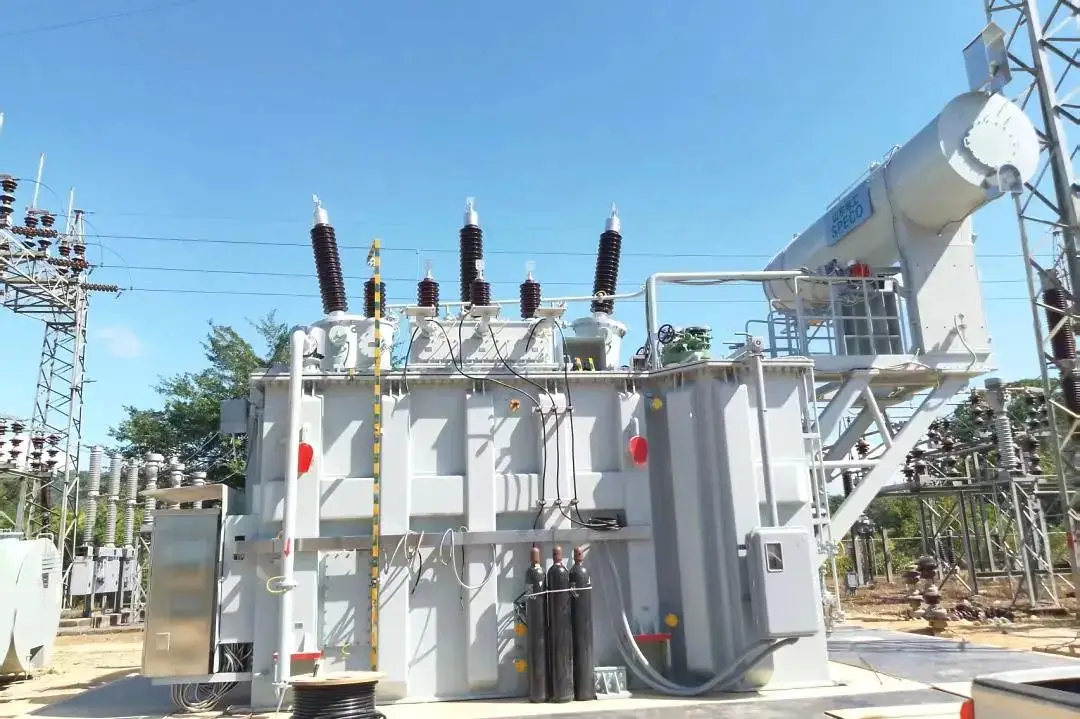
In tropical climates, transformers can age years faster than expected. Heat, moisture, salt air, and biological growth do not just reduce efficiency. They attack insulation, corrode metal parts, trigger condensation, and increase the risk of failure.
If the wrong unit is installed, even a well-made transformer may struggle in coastal, rainforest, or monsoon conditions. That is why understanding the types of tropical transformers is essential before any purchase or project specification.
Why Tropical Transformers Fail Fast in Hot, Humid Climates
Tropical regions create a severe operating environment for electrical equipment. Ambient temperatures are often high year-round, while humidity can remain above 80% for long periods.
In coastal areas, airborne salt accelerates corrosion. In rainforest and monsoon zones, persistent moisture and fungal activity can degrade insulation systems and enclosure integrity.
According to widely used industrial design practices for tropical service, equipment in these environments is often specified with enhanced corrosion protection, moisture resistance, and thermal margins because standard transformer designs are not always adequate.
The Core Problem: Why Standard Transformers Are Not Enough for Tropical Conditions
Conventional transformers are usually designed for moderate climates and cleaner atmospheres. In tropical service, those assumptions break down quickly.
Common failure drivers include:
Corrosion from salt mist and polluted humid air
Moisture ingress through breathers, seals, glands, and enclosures
Insulation degradation caused by condensation and biological contamination
Overheating due to high ambient temperatures and poor ventilation
Tracking and flashover on contaminated insulating surfaces
In practical terms, a standard transformer installed near a port, on an island, or in a humid industrial plant may face shorter service life and more frequent maintenance than a properly tropicalized design.
Direct Answer: How Many Main Types of Tropical Transformers Are There?
There are two main types of tropical transformers. These are the dry type tropical transformer and the oil immersed tropical transformer.
However, the full picture is broader. Tropical transformer classifications also include sub-categories based on cooling method, enclosure, protection level, installation environment, and application.
So, while the industry commonly starts with two primary types, the final specification often depends on several secondary design factors.
What Is a Tropical Transformer?
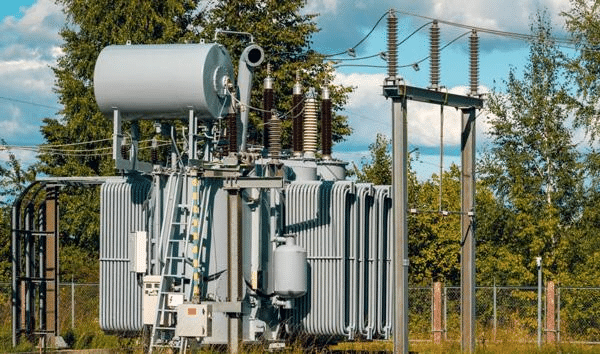
A tropicalized transformer is a transformer designed or modified to operate reliably in harsh hot-humid environments. These environments include high humidity, high ambient temperature, heavy rainfall, salty coastal air, condensation risk, and biologically active conditions such as mold and fungi.
Tropicalization usually includes better coatings, improved sealing, anti-fungal materials, stronger thermal design, and corrosion-resistant components. The goal is simple: stable long-term operation where conventional units are more vulnerable.
Main Types of Tropical Transformers
The main types of tropical transformers are selected based on load demand, site exposure, fire safety requirements, and maintenance conditions. Each type serves a different operational need.
Dry Type Tropical Transformer
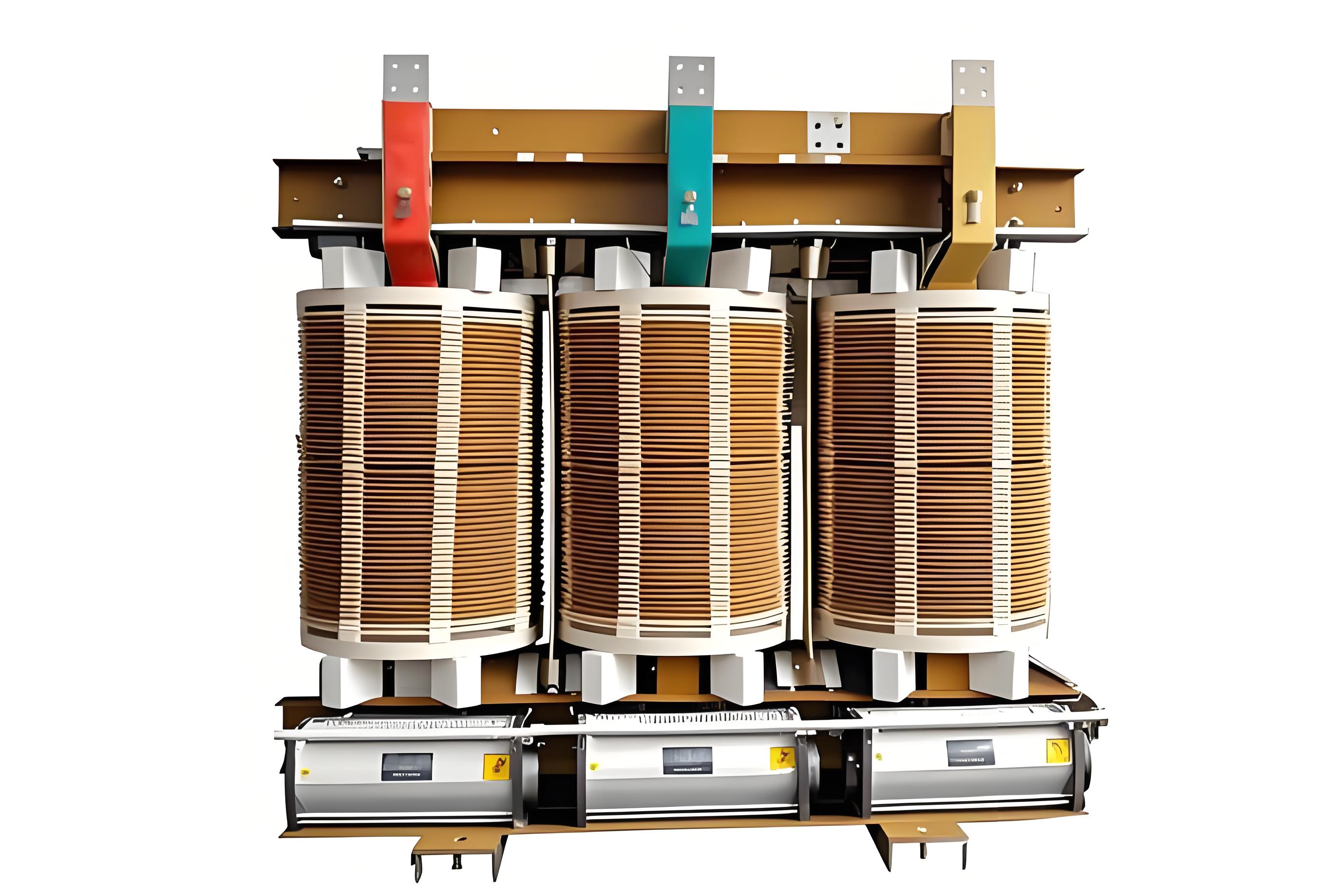
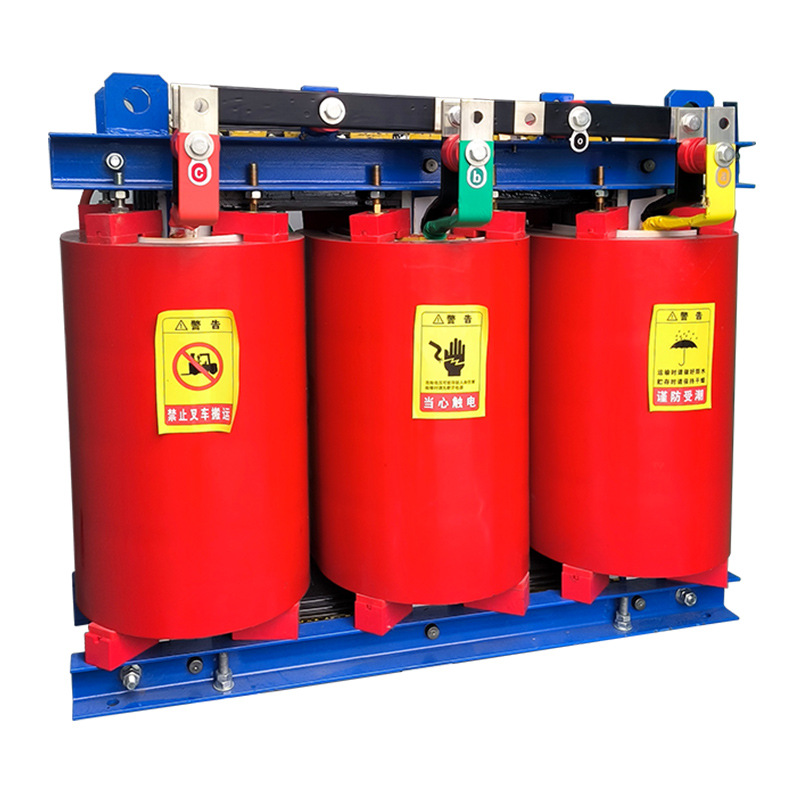
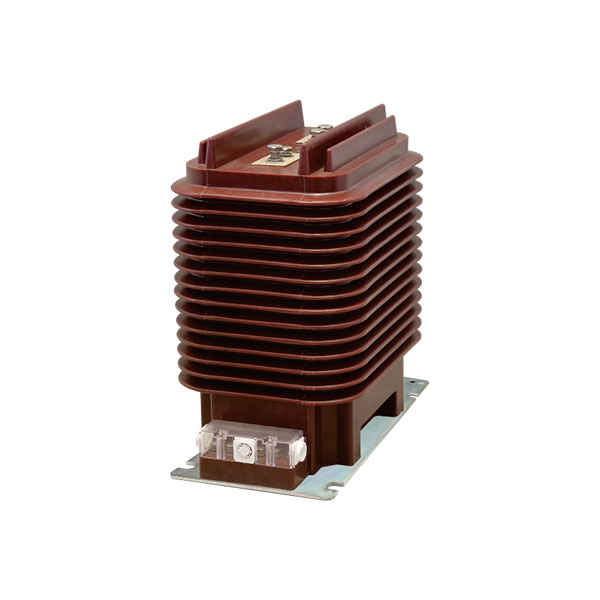
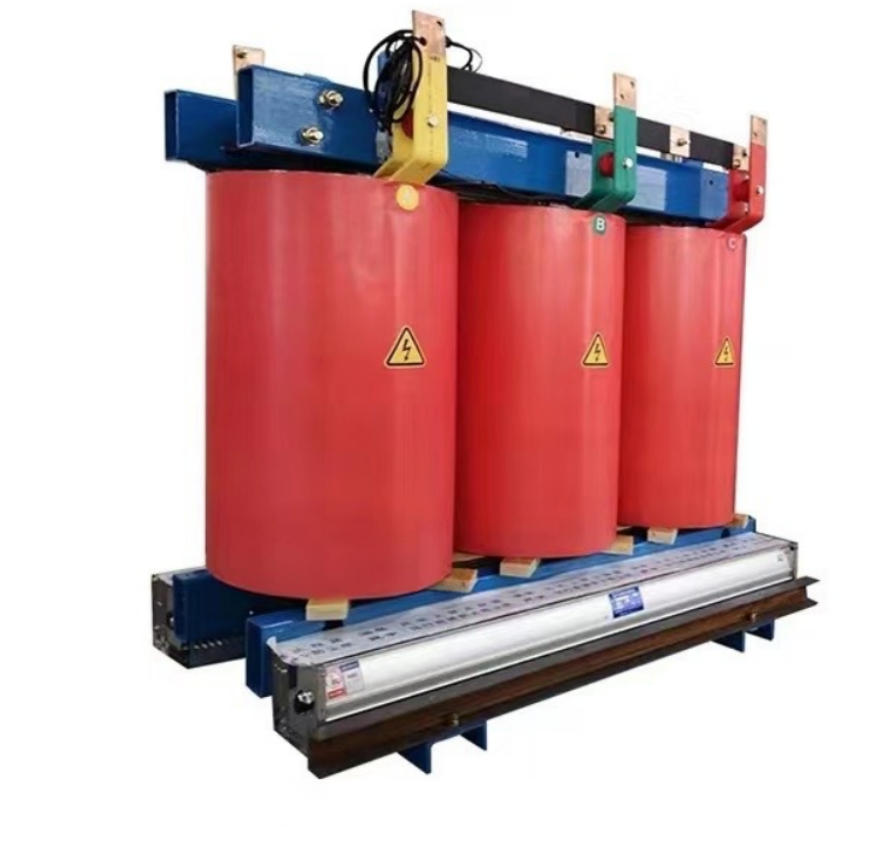
A dry type tropical transformer uses solid insulation rather than liquid-filled insulation. Common designs include cast resin and vacuum pressure impregnated windings.
Its main advantages are low fire risk, cleaner indoor use, and reduced leakage concerns. This makes it highly suitable for occupied buildings and sensitive facilities.
It is often chosen for:
Hospitals
Hotels
Airports
Shopping malls
Commercial towers
Data and technical rooms
Oil Immersed Tropical Transformer
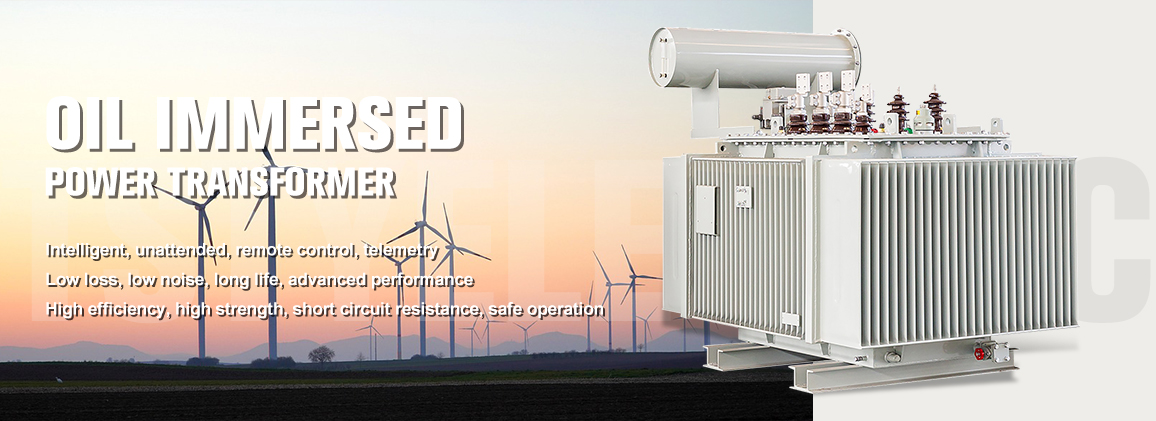
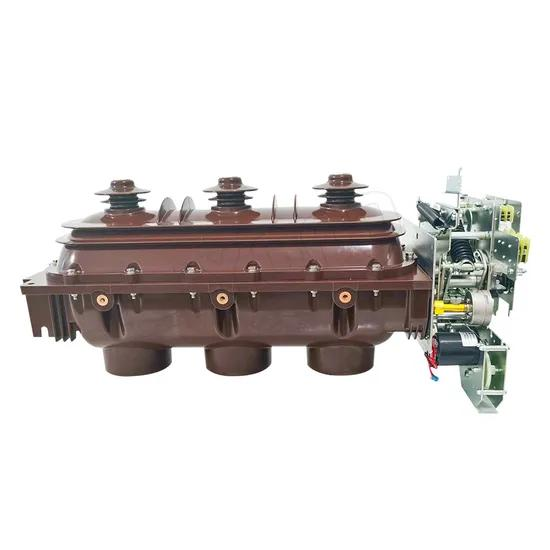
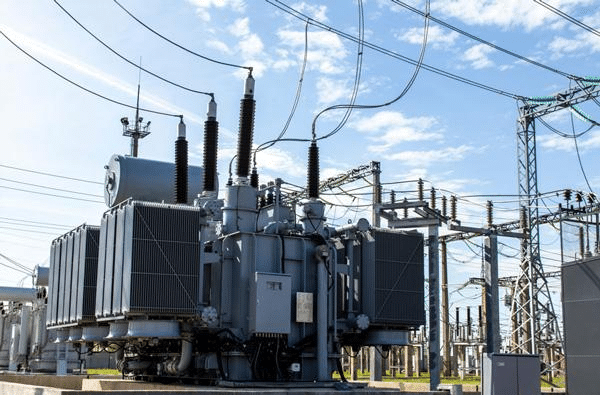
An oil immersed tropical transformer uses insulating liquid for electrical insulation and heat removal. It is widely used for medium and high-capacity service where strong thermal performance is required.
This type is common in utilities, heavy industry, and outdoor tropicalized transformer applications. It usually offers higher overload capability and better cooling performance under demanding operating conditions.
It is often selected for:
Utility substations
Industrial plants
Mining operations
Ports and shipyards
Island distribution networks
Outdoor distribution yards
Tropical Transformer Classifications by Cooling Method
Beyond the two main types, tropical transformer classifications also vary by cooling design. Cooling is critical in tropical regions because high ambient temperatures reduce heat dissipation margins.
Air-Cooled Dry Type Designs
Dry type units are typically air-cooled. The most common configurations use natural air or forced air systems.
Natural air designs are simpler and lower maintenance. Forced-air versions can improve load handling where indoor demand is high and space is limited.
These are common in:
Commercial buildings
Indoor substations
Enclosed electrical rooms
Public infrastructure facilities
Oil Natural Air Natural and Oil Natural Air Forced Designs
Oil immersed units are often classified by oil and air circulation method. Common options include Oil Natural Air Natural and Oil Natural Air Forced arrangements.
These designs are favored where stronger cooling performance, higher efficiency, and better thermal endurance are needed. In tropical climates, this can be decisive for transformer reliability.
Tropical Transformer Classifications by Installation Environment
Transformer selection is not only about electrical load. It also depends heavily on where the equipment will operate.
Indoor Tropicalized Transformer Applications
Indoor tropicalized transformer applications usually prioritize fire safety, low environmental leakage risk, and minimal maintenance disruption. Dry type units are frequently preferred in these spaces.
Typical indoor applications include:
Hospitals
Hotels and resorts
Airports
Shopping centers
High-rise towers
Control rooms and data spaces
Outdoor Tropicalized Transformer Applications
Outdoor tropicalized transformer applications face direct exposure to sun, rain, humidity, dust, and salt mist. Oil immersed units often dominate in these settings due to their capacity and cooling performance.
Typical outdoor applications include:
Grid substations
Mining sites
Marine ports
Coastal factories
Island utility networks
Remote infrastructure projects
Tropical Transformer Classifications by Protection Features
What truly separates tropical transformers from standard units is the protection package. The best design is rarely about one feature alone.
Anti-Corrosion and Salt-Mist Protection
Coastal and island sites require stronger resistance to corrosion. Tropical units may include marine-grade paint systems, stainless steel hardware, zinc-rich primers, and sealed enclosures.
These features help protect tanks, radiators, fasteners, hinges, cable boxes, and terminal hardware from aggressive salt-laden air.
Moisture, Fungus, and Condensation Resistance
High humidity creates condensation risk inside enclosures and accessory compartments. Tropicalized designs often use anti-fungal insulation materials, space heaters, silica breathers, and moisture-resistant winding systems.
These protections matter especially in rainforest and monsoon regions where equipment may repeatedly cycle between hot days and damp nights.
High-Ambient Temperature Design
In many tropical locations, daytime ambient temperature can remain well above the assumptions used for standard installations. Tropical transformers may therefore use uprated insulation classes, larger cooling surfaces, and enhanced ventilation.
This helps maintain acceptable winding temperatures and preserve insulation life under continuous heat stress.
Main Types of Tropical Transformers at a Glance
| Transformer Type | Insulation Medium | Cooling Method | Common Environment | Key Benefit | Typical Limitation |
|---|---|---|---|---|---|
| Dry Type Tropical Transformer | Cast resin or solid insulation | Natural air or forced air | Indoor buildings, hospitals, hotels, malls | Low fire risk and low leakage concern | Usually lower outdoor durability and lower very-high-capacity suitability than oil units |
| Oil Immersed Tropical Transformer | Insulating oil or liquid dielectric | Oil natural air natural, oil natural air forced, similar liquid-cooled systems | Outdoor substations, utilities, mining, ports | High load capability and strong thermal performance | Requires more attention to containment, fire safety, and fluid maintenance |
Tropical Transformer Applications by Industry
| Industry / Sector | Typical Conditions | Recommended Transformer Type | Why It Fits |
|---|---|---|---|
| Utilities | Outdoor exposure, high load, continuous duty | Oil immersed tropical transformer | High capacity, strong cooling, proven substation performance |
| Resorts and Hotels | Occupied buildings, humid air, safety-sensitive | Dry type tropical transformer | Lower fire risk and cleaner indoor installation |
| Hospitals | Critical indoor power, low downtime tolerance | Dry type tropical transformer | Safer indoor operation and reduced leakage risk |
| Factories | Mixed indoor-outdoor duty, variable load | Dry type or oil immersed, depending on location | Selection depends on fire risk, load size, and maintenance access |
| Mining | Remote sites, dust, heat, heavy load | Oil immersed tropical transformer | Better overload handling and robust outdoor suitability |
| Marine Ports | Salt mist, corrosion, outdoor service | Oil immersed tropical transformer with anti-corrosion package | Handles heavy duty with strong weather and salt protection |
| Island Infrastructure | Salt air, remote maintenance, humid climate | Oil immersed or sealed dry type, depending on site | Requires corrosion resistance and durable thermal design |
Real-World Examples of Tropical Transformer Use
Real selection decisions are rarely theoretical. Engineers choose transformer types based on site stress, local maintenance capabilities, and long-term operating cost.
Example: Coastal Utility Substations
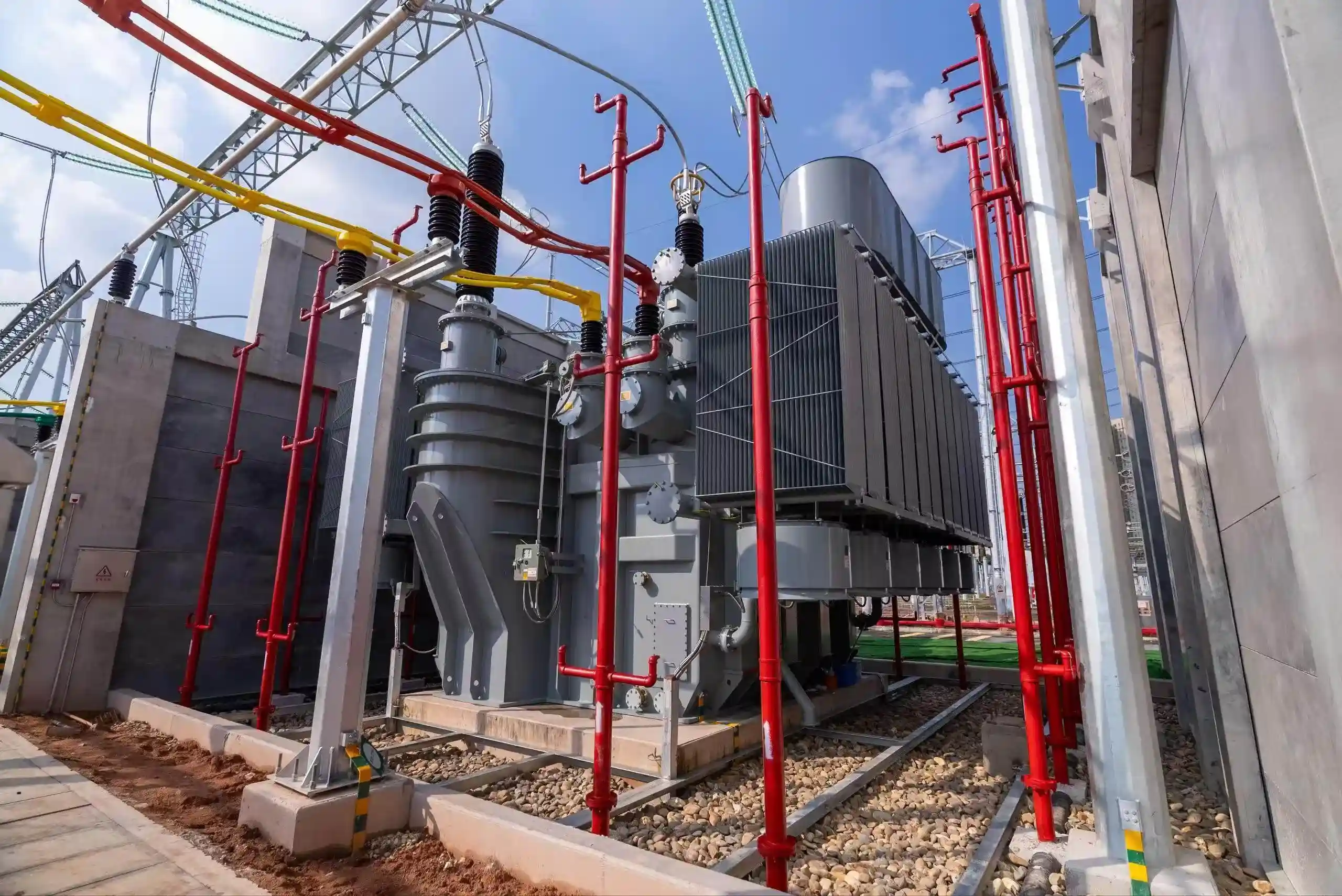
In coastal substations, oil immersed tropical transformer units are often the preferred solution. The reason is straightforward: they provide high capacity, strong heat dissipation, and good resilience for outdoor utility duty.
Near the ocean, the design usually includes anti-corrosion coatings, protected radiators, stainless fittings, and carefully specified gaskets. Without these measures, salt-laden air can rapidly attack exposed metal surfaces.
Example: Hotels, Hospitals, and Commercial Towers
In occupied buildings, the dry type tropical transformer is commonly preferred. Fire safety, indoor installation, and lower risk of liquid leakage are major advantages.
Large hotel and hospital projects in Southeast Asia, the Caribbean, and equatorial urban centers frequently use cast resin transformers in dedicated electrical rooms with controlled ventilation. This balances tropical resilience with building safety requirements.
Example: Mining and Remote Island Networks
Mining and island networks often face a difficult mix of heat, humidity, corrosion, and limited maintenance access. In these cases, tropicalized transformer applications usually demand sealed designs, enhanced coatings, and overload tolerance.
Remote island systems, for example, may prioritize durable outdoor oil immersed units with robust tank sealing and corrosion protection because frequent maintenance visits are costly and logistically difficult.
Data and Proof: What Conditions Tropical Transformers Are Built to Handle
Tropical transformers are designed for operating realities that are measurable, not hypothetical. In many tropical regions, environmental stress falls into clear patterns.
Typical field conditions include:
Ambient temperature: often 30°C to 40°C in daily operation, with higher enclosure temperatures possible under direct sun
Relative humidity: commonly 75% to 95%
Annual rainfall: often above 1,500 mm, with some tropical regions exceeding 3,000 mm
Salt exposure: significant near coasts, ports, and islands
Biological activity: mold and fungi are common in warm, damp environments
For context, many equatorial cities experience average annual relative humidity above 75%, while coastal industrial zones combine humidity with airborne chlorides that accelerate corrosion. These are exactly the conditions that shape tropical transformer design requirements.
Environmental Stress Factors in Tropical Areas
| Stress Factor | Typical Tropical Range | Transformer Risk | Recommended Tropicalization Feature |
|---|---|---|---|
| High ambient temperature | 30°C to 40°C common operating conditions | Overheating, reduced insulation life | Higher thermal class materials, larger cooling margin, forced cooling where needed |
| High relative humidity | 75% to 95% | Condensation, insulation degradation, tracking | Moisture-resistant insulation, sealed compartments, space heaters |
| Heavy rainfall | 1,500 mm to 3,000+ mm annually in many regions | Water ingress and enclosure deterioration | Weatherproof enclosure design, proper sealing, drainage control |
| Salt-laden air | High in coastal, port, and island zones | Rapid corrosion of metal parts and terminals | Marine-grade coating, stainless hardware, sealed construction |
| Fungus and biological growth | Persistent in hot-humid environments | Surface contamination and insulation damage | Anti-fungal materials and resistant insulation systems |
| Dust and contamination | Moderate to high in industrial and mining sites | Surface tracking, blocked cooling paths | Filtered ventilation, sealed enclosure, regular cleaning access |

How to Choose the Right Tropical Transformer
The best choice depends on the site, not just the catalog. A correct decision should balance environmental severity, safety, cooling performance, and maintenance practicality.
Choose by Climate and Corrosion Level
Start with the local environment. Inland hot-humid sites, rainforest zones, coastal regions, and islands all create different levels of risk.
For severe coastal exposure, prioritize stronger coatings, sealed construction, and corrosion-resistant materials. For rainforest conditions, moisture and fungus resistance become equally critical.
Choose by Safety and Installation Needs
If the transformer is installed in an occupied building, a dry type tropical transformer is often the safer choice. It is especially suitable where fire safety and low leakage risk are important.
If the application is outdoors and requires higher capacity, an oil immersed tropical transformer is usually more practical. Its cooling performance and load-handling capability are often superior for utility and industrial service.
Choose by Maintenance and Lifecycle Cost
Price should never be the only filter. In remote areas, the ability to operate reliably between service intervals can be more valuable than a lower initial purchase cost.
A better tropical design may cost more upfront but reduce corrosion damage, insulation stress, and outage risk over the equipment lifecycle.
Common Buying Mistakes to Avoid
Many transformer issues in tropical regions come from specification errors rather than manufacturing defects. The most common mistakes are avoidable.
Choosing by price alone and ignoring site conditions
Underestimating humidity and condensation risk
Skipping anti-corrosion specifications in coastal or island locations
Ignoring enclosure rating for outdoor or contaminated environments
Using standard thermal assumptions in high-ambient climates
Mismatching transformer type to occupancy risk
Overlooking maintenance access in remote sites
A tropical transformer should be specified as a site-specific asset, not as a generic commodity.
FAQ
How many types of tropical transformers are there?
There are two main types of tropical transformers: the dry type tropical transformer and the oil immersed tropical transformer. Beyond that, several tropical transformer classifications exist based on cooling method, enclosure, protection features, and application.
What is the difference between a dry type tropical transformer and an oil immersed tropical transformer?
A dry type tropical transformer uses solid insulation and is generally preferred for indoor, safety-sensitive environments. An oil immersed tropical transformer uses insulating liquid, usually offers higher load capacity and stronger cooling, and is commonly used in outdoor utility and industrial applications.
Where are tropicalized transformer applications most common?
Tropicalized transformer applications are most common in coastal grids, island networks, ports, hotels, hospitals, factories, mining sites, resorts, and humid industrial plants. They are used wherever heat, humidity, rain, and corrosion create abnormal stress for standard equipment.
Are tropical transformers only used in coastal areas?
No. They are also widely used in inland hot-humid regions, rainforest environments, and monsoon-prone areas. Any location with persistent moisture, high temperature, condensation, or fungal exposure may justify a tropicalized design.
How do I know if a transformer is truly tropicalized?
Check the specification for features such as anti-corrosion coating, sealed tank or enclosure, anti-fungal materials, moisture-resistant insulation, thermal uprating, corrosion-resistant hardware, and clear testing or compliance documentation. A true tropicalized transformer should show these protections explicitly, not vaguely.
Which type lasts longer in tropical climates?
Lifespan depends more on correct sizing, site matching, tropical protection features, maintenance quality, and operating conditions than on transformer type alone. A well-specified dry type unit can outlast a poorly protected oil unit indoors, while a properly tropicalized oil immersed unit may perform longer in severe outdoor duty.
Conclusion: The Best Tropical Transformer Depends on Environment and Load
The direct answer is simple: there are two main types of tropical transformers. These are the dry type tropical transformer and the oil immersed tropical transformer.
But real-world selection goes further. The best choice depends on climate severity, corrosion exposure, cooling demand, fire safety, installation location, and maintenance realities.
That is why the most accurate view of types of tropical transformers includes both the two primary categories and the broader tropical transformer classifications that define how each unit survives in harsh hot-humid service.
Compare Tropical Transformer Types Before You Buy
Do not choose a transformer for tropical service based on price alone. Assess your site conditions, identify the right protection level, and compare dry type and oil immersed options against actual operating risk.
Shortlist the best-fit tropical transformer now based on climate, load, safety needs, and maintenance access. If you are planning a project, upgrading a substation, or specifying equipment for a coastal or humid site, request expert guidance and quotations before you buy.
The right tropical transformer can save years of maintenance trouble, reduce outage risk, and protect your investment from day one.