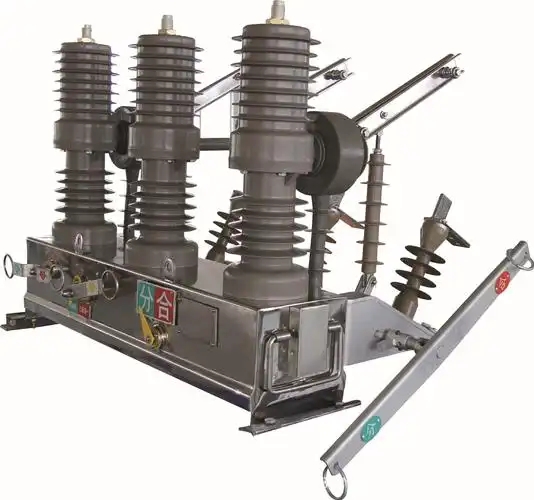
Why Vacuum Circuit Breaker Selection Matters
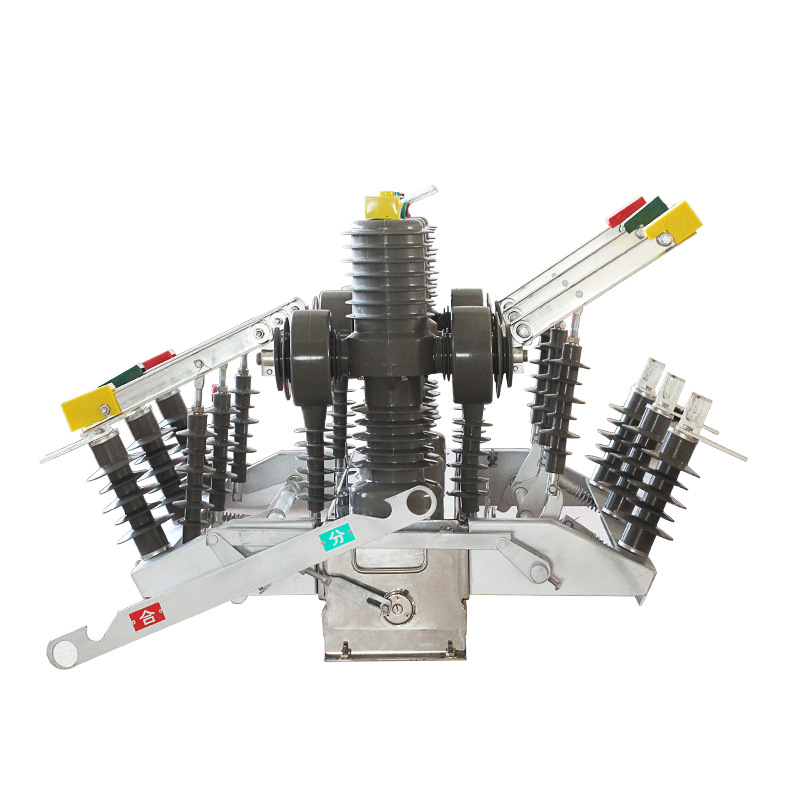
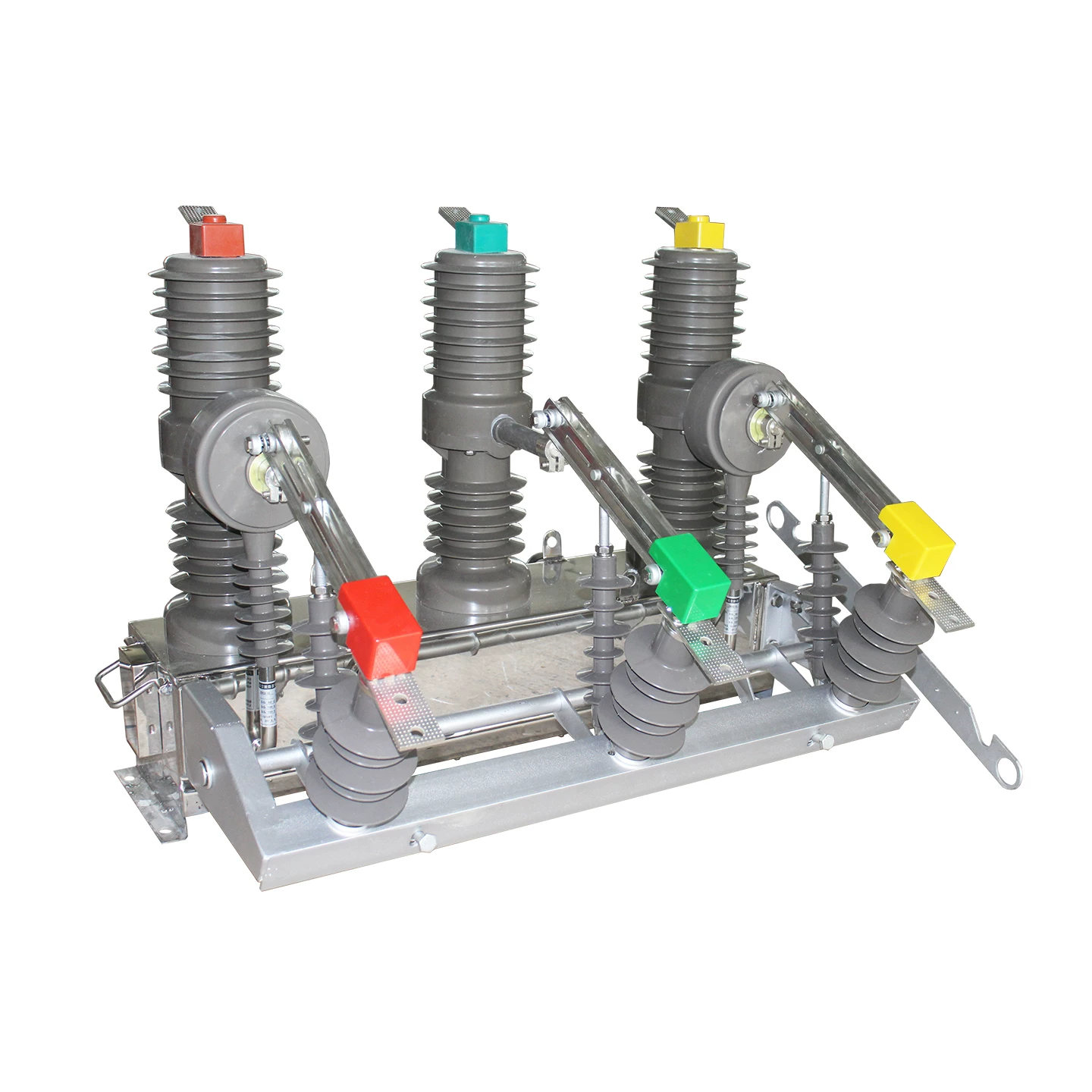
Vacuum circuit breakers (VCBs) are the heart of medium-voltage systems, ensuring safe power distribution. Choosing the wrong one can inflate costs or compromise safety. I’ve worked with countless clients at Wei Shoe Elec who faced budget overruns due to vacuum circuit breaker selection mistakes. Let’s explore these pitfalls and how to avoid them.
The stakes are high. A 2022 report by the National Fire Protection Association (NFPA) found that electrical equipment failures cause over $1 billion in damages yearly in the U.S. (NFPA, 2022). By picking the right VCB, you can cut costs and keep your system reliable. Ready to dive in?
Oversizing Short-Circuit Breaking Capacity
Many engineers pick VCBs with excessively high short-circuit breaking capacity, thinking bigger is better. This is a costly mistake. For example, in a 10kV system, I’ve seen engineers choose 31.5kA or even 40kA breakers when the actual short-circuit current is only 10kA or 16kA.
This over-sizing wastes money. A case study from a manufacturing plant in Ohio showed they spent $20,000 extra on oversized breakers, ignoring their grid’s actual needs (Source: IEEE Power & Energy Society, 2021). Instead, calculate your system’s short-circuit current accurately to match the breaker’s capacity.
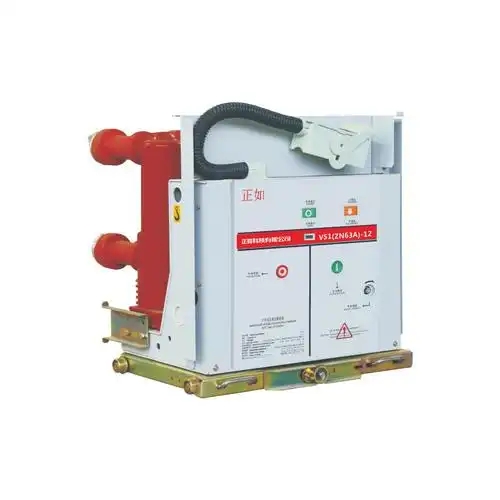
Why Oversizing Happens
Engineers often assume worst-case scenarios, like a pure metallic three-phase short circuit. In reality, 80% of faults are single-phase, with much lower currents due to impedance, arc resistance, and connection losses. Always base your choice on realistic calculations, not assumptions.
How to Choose the Right Capacity
Follow these steps to avoid oversizing:
Calculate short-circuit current: Use system impedance and load data.
Match breaker capacity: Select a breaker rated just above your calculated value.
Consider future expansion: Allow a small margin, but don’t overdo it.
This approach ensures cost-effective circuit breaker selection without sacrificing safety.
Misjudging Electrical and Mechanical Life
Another common error is demanding excessive electrical and mechanical life from VCBs. National standards require breakers to handle 30 short-circuit interruptions, yet some tenders demand 100—an unrealistic expectation.
For instance, a utility company in California once specified 100 interruptions, inflating costs by 25% without improving reliability (Source: Electrical Contractor Magazine, 2023). Short-circuit faults are rare and require system fixes, not just tougher breakers.
Electrical Life Myths
Testing shows that breakers fail most often in the first 10 interruptions. After 30 cycles, failure rates drop to near zero. Demanding 100 interruptions adds unnecessary testing costs—around $1,000 per test at 12kV—without real benefits.
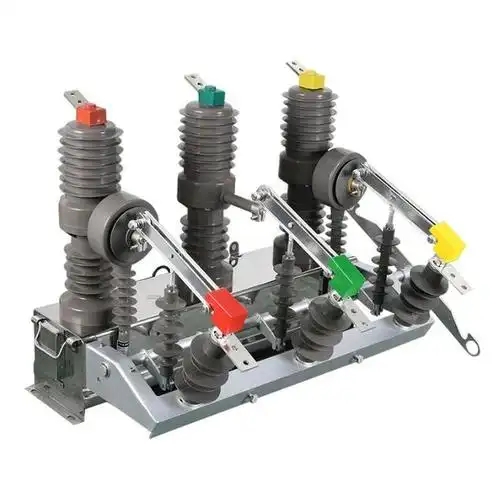
Mechanical Life Overkill
Mechanical life ratings, like M1 (2,000 operations) or M2 (10,000 operations), are often sufficient. Some manufacturers boast 100,000 operations, but this is overkill for most applications. For frequent operations, like motor or capacitor switching, use vacuum contactors with million-cycle lifespans instead.
Unnecessary Electrical Parameter Demands
Some engineers set unrealistic specs for parameters like short-time withstand current or contact bounce time. These demands drive up costs without improving performance.
Short-Time Withstand Current
A 3-second withstand rating meets most protection needs, as breaker tripping intervals are typically 0.5 seconds. Demanding 5 seconds is redundant and costly. For example, a data center in New York paid 15% more for breakers with unneeded 5-second ratings (Source: Consulting-Specifying Engineer, 2022).
Contact Bounce and Synchronization
Current standards allow 2ms for contact bounce and three-phase synchronization. Demanding 1ms exceeds modern technology and risks overvoltage issues, which are already managed by design.
Problems with High Starting Current in Arc Chambers
Modern VCB arc chambers often start at 1250A instead of 630A due to manufacturing trends. This shift causes issues. For example, a 1000kVA transformer circuit (rated at 57.7A) might use a 1250A breaker, wasting materials like copper in oversized components.
I once helped a client in Florida redesign their system to use appropriately sized conductors, saving $10,000 in materials (Source: Wei Shoe Elec Project Records, 2024). Always match conductor sizes to actual current needs, not breaker ratings.
How to Optimize Component Sizing
To avoid waste:
Check the actual current: Calculate the circuit’s operating current.
Size conductors appropriately: Use cables rated for the load, not the breaker.
Consult manufacturers: Ensure compatibility between breakers and components.
This ensures efficient resource use and avoids vacuum circuit breaker oversizing.
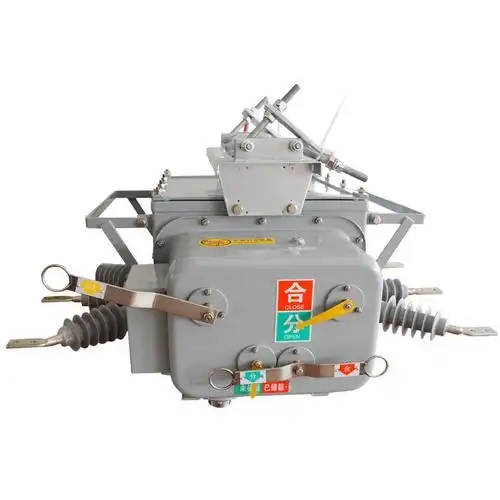
FAQ: Common Questions About Vacuum Circuit Breaker Selection
Q: How do I know if my breaker’s short-circuit capacity is too high?
A: Calculate your system’s short-circuit current using load and impedance data. Choose a breaker rated slightly above this value to balance cost and safety.
Q: Is a higher mechanical life always better?
A: Not necessarily. For frequent operations, use vacuum contactors instead of demanding extreme breaker lifespans, which add unnecessary costs.
Q: Why do manufacturers push higher starting currents?
A: Manufacturing efficiency favors larger arc chambers, but this can lead to oversized components. Match breakers to your actual current needs to save resources.
Q: Can I skip professional help for VCB selection?
A: Complex systems require expert input to avoid costly mistakes. Consult an engineer to ensure your breaker matches your system’s needs.

Wrapping It Up: Choose Wisely, Save Big
Selecting the right vacuum circuit breaker doesn’t have to be a headache. By avoiding common mistakes—like oversizing breaking capacity, demanding excessive lifespans, or ignoring actual current needs—you can save up to 30% on costs while keeping your system safe. As your partner at Wei Shoe Elec, I hope this guide helps you make smart, budget-friendly choices.
Need tailored advice for your project? Contact us at Wei Shoe Elec for expert solutions. Call us at +86-0577-62788197, message us on WhatsApp at +86 159 5777 0984, or email [email protected] to get a quote today!