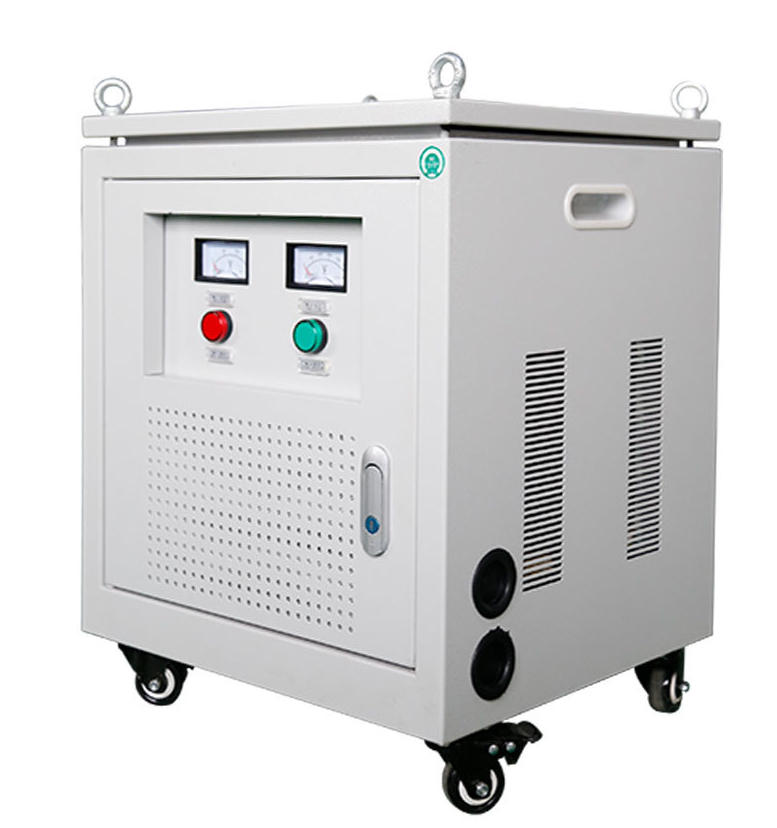
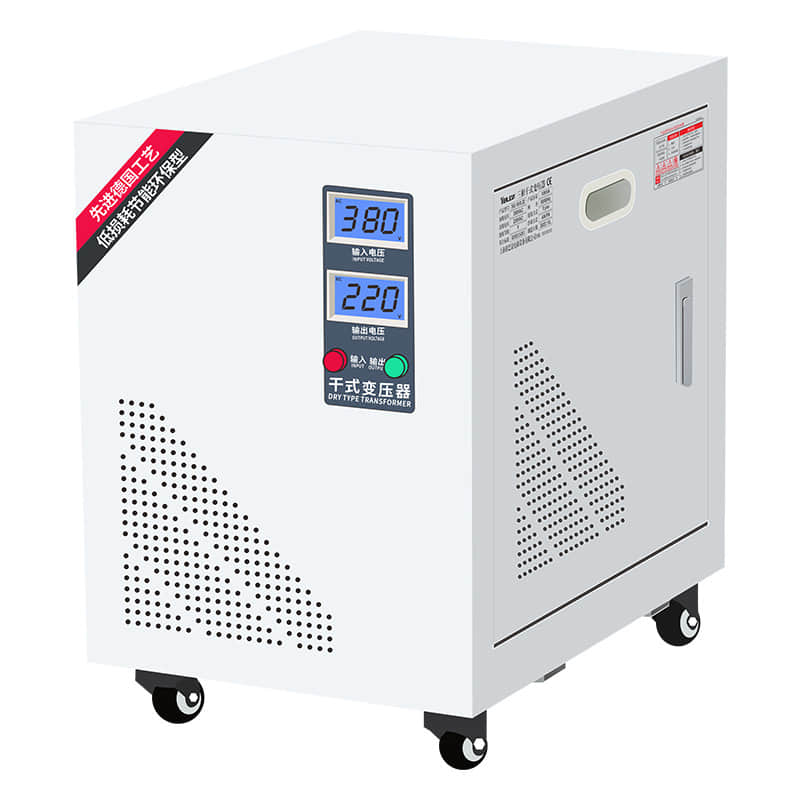
If you live in a country with 220V, 230V, or 240V mains power and want to run US appliances safely, a step down transformer 220v to 110v is often the single most important piece of equipment you can buy.
Get it right, and your appliance works normally. Get it wrong, and you may face overheating, tripped breakers, shortened motor life, or complete device failure.
This guide is built for real buying decisions. It covers sizing, surge loads, travel models, heavy-duty options, and the practical difference between a transformer and a voltage converter 220 to 110 for appliances.
If you are comparing brands for long-term reliability, many buyers also look for industrial-grade solutions from established manufacturers such as Weisho Electric, especially when continuous operation and higher wattage loads matter.
What Is a Step Down Transformer 220V to 110V?
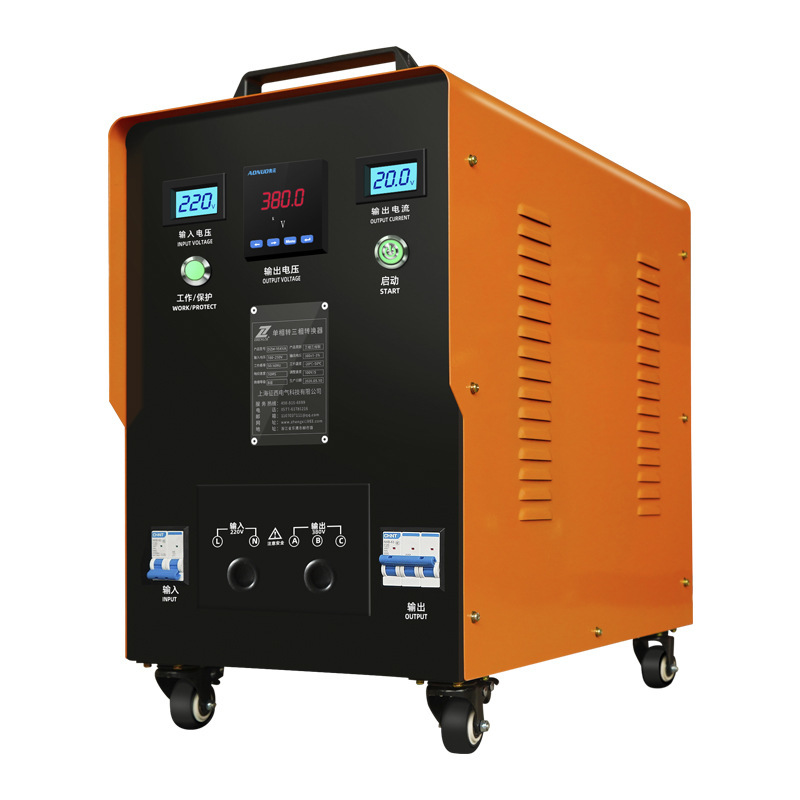
A 220v to 110v step down transformer reduces higher input voltage from a 220V-class wall outlet to the lower voltage expected by US devices, which are typically designed for 110V, 115V, or 120V operation.
In simple terms, it makes foreign mains power usable for American appliances. If your device is not dual-voltage, this voltage reduction is what protects it from being fed far more voltage than it was designed to handle.
A proper 220V to 110V power transformer for US devices is especially useful for refrigerators, kitchen appliances, workshop tools, entertainment systems, and older electronics with fixed-voltage input.
Why You Need a 220V to 110V Step Down Transformer
The problem is straightforward. A device designed for 110V plugged directly into a 220V or 230V outlet can receive roughly double the intended voltage.
That is not a minor mismatch. It can burn heating elements too hot, stress capacitors, overspeed some motors, and damage control boards in seconds.
Real-world failures are common in international moves. A US coffee maker plugged into 230V without conversion may heat too aggressively and fail. A US microwave can overdraw and overheat. A refrigerator compressor can suffer severe startup stress or immediate damage.
Even when damage is not instant, chronic overvoltage often shortens service life. Internal insulation runs hotter, plastic components age faster, and thermal cutoffs trip more often.
There is also a safety issue. Overvoltage can create shock risk, smoke risk, and fire risk, particularly in older appliances or units with worn cords.
Step Down Transformer vs Voltage Converter 220 to 110 for Appliances
This is where many buyers make a costly mistake. A transformer and a converter are not always the same thing in practice, even though sellers sometimes use the terms loosely.
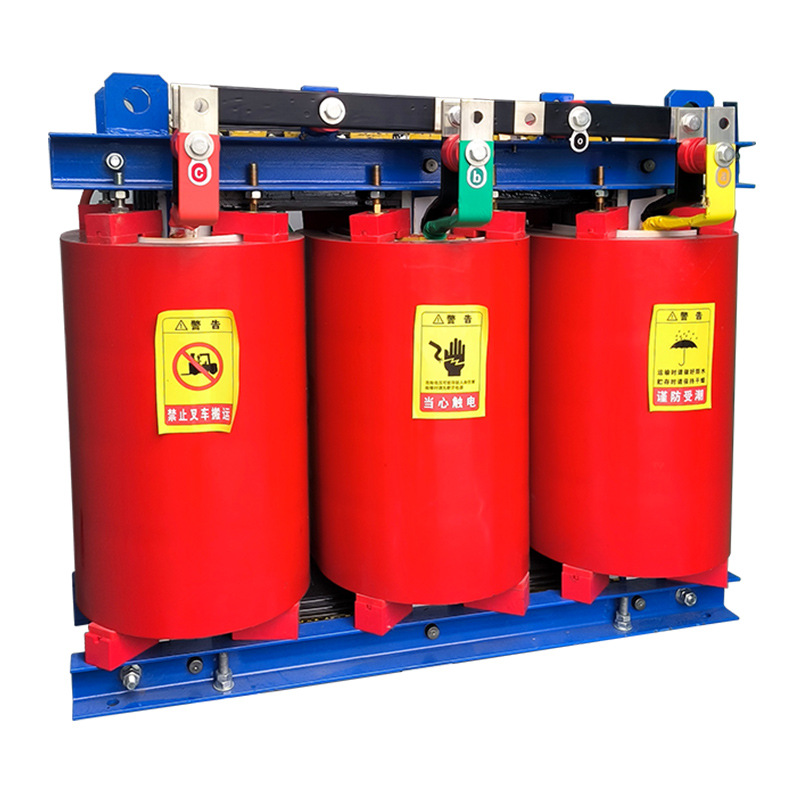
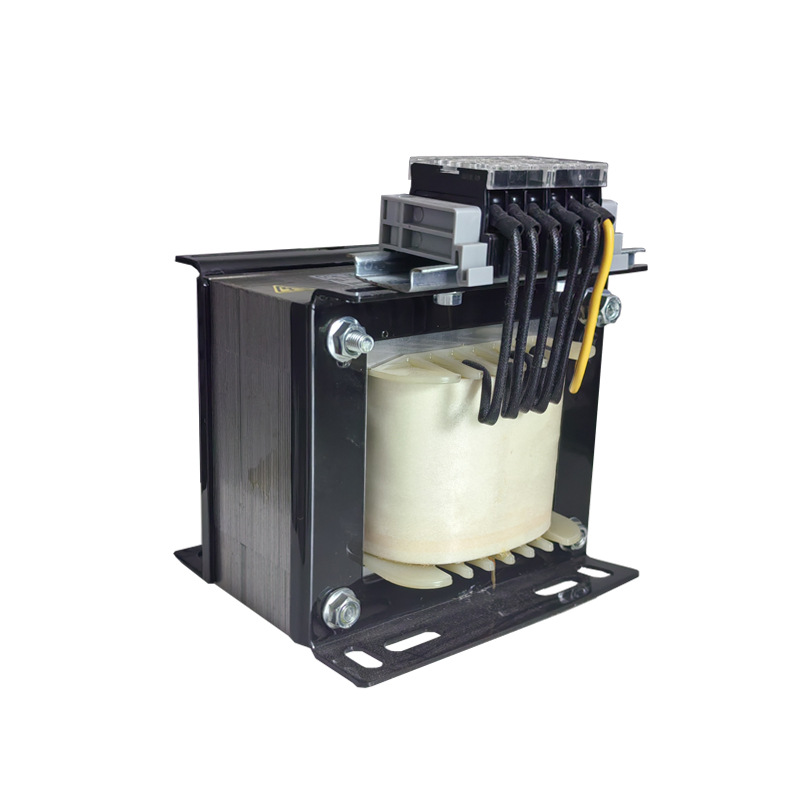
A step-down transformer usually uses copper windings and magnetic induction to reduce voltage. It is generally the better choice for continuous use, sensitive electronics, and motor-driven appliances.
A voltage converter 220 to 110 for appliances is often lighter and cheaper, but many compact converters are intended for short-duration or simpler resistive loads only. Some are unsuitable for motors, compressors, or long runtime.
Best for transformers: TVs, gaming systems, mixers, microwaves, refrigerators, workshop tools, audio gear, long-use household devices.
Best for simple travel converters: small personal devices, temporary low-power use, certain grooming tools if specifically supported.
Be careful with heating devices: some travel products claim support for hair tools, but not all can handle sustained high wattage safely.
Be very careful with motors: refrigerators, pumps, saws, and compressors usually need a true transformer with strong surge capacity.
For electronics, the first step is checking the input label. Many laptop chargers, phone chargers, and game console power supplies already say 100-240V, 50/60Hz. If so, you may only need a plug adapter, not a transformer.
For fixed 120V-only devices, however, a transformer is usually the safer answer. In professional installations, that is why electricians and relocation specialists often prefer robust transformer-based solutions rather than cheap converter boxes.
How to Choose the Best Step Down Transformer 220V to 110V
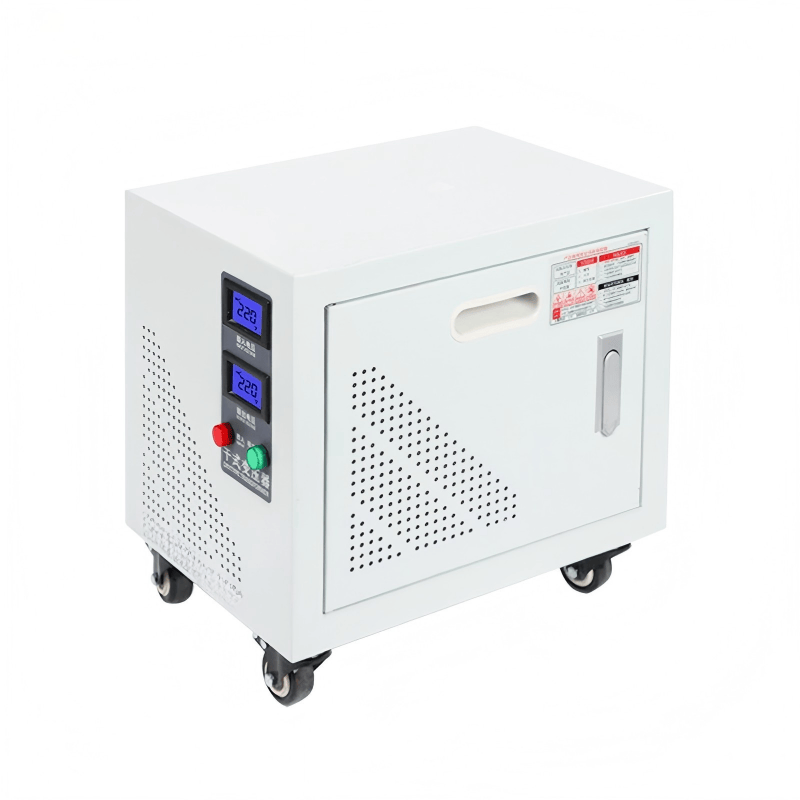
The best step down transformer 220v to 110v depends less on marketing and more on five practical factors: wattage, surge demand, appliance type, runtime, and portability.
If you buy only by headline watt rating, you risk under-sizing. If you buy only by price, you often end up with weaker internal copper, poorer thermal protection, and shorter service life.
Match Transformer Wattage to Appliance Load
A solid rule is to choose a transformer with at least 20% to 50% more capacity than the appliance's continuous running wattage.
If a device draws 1000W, you generally want at least a 1200W to 1500W-capable unit. That extra headroom reduces heat stress and helps voltage remain more stable under load.
For example, a 900W coffee maker on a 1000W transformer may work, but it leaves almost no breathing room. A 1500W unit is a smarter real-world choice.
Consider Surge Power for Motors and Compressors
Startup current matters more than many labels suggest. Refrigerators, pumps, power tools, and compressors commonly pull 2 to 3 times their running wattage for a brief period during startup.
That means a refrigerator listed at 700W may need over 2000W for a second or two. This is why a step down transformer 220v to 110v 3000w is often treated as the safe minimum for many US refrigerators abroad.
For workshop environments, the surge can be even harsher. Circular saws, air compressors, and motorized bench tools can demand much more than their nameplate running load during startup or under stall conditions.
Check Frequency Compatibility
Voltage and frequency are not the same thing. A transformer changes voltage, but it does not convert 50Hz to 60Hz or 60Hz to 50Hz.
This matters because many countries using 220V also use 50Hz power, while many US appliances are designed for 60Hz.
Some devices tolerate this perfectly well. Many modern power supplies do not care. But certain clocks, turntables, timing-based appliances, older audio gear, and some motors may run fast, slow, hot, or noisily on the wrong frequency.
For instance, a synchronous timer motor designed for 60Hz may lose timing accuracy on 50Hz. Some compressor-driven equipment may also run less efficiently or hotter.
Decide Between Travel and Heavy-Duty Models
A travel step down converter 220V to 110V is meant for portability. It is typically lighter, smaller, and more convenient for temporary use.
A heavy duty step down transformer 220V to 110V is built for longer runtime, larger appliances, and surge-heavy loads. It is heavier because real transformer capacity needs copper, iron, and better thermal design.
Choose travel models for: short trips, low-watt chargers, compact personal items, occasional use.
Choose standard transformer models for: TVs, consoles, kitchen machines, office equipment.
Choose heavy-duty models for: refrigerators, compressors, power tools, pumps, and repeated daily use.
Step Down Transformer 220V to 110V 3000W vs 5000W
One of the most common buying questions is whether a step down transformer 220v to 110v 3000w is enough, or whether a step down transformer 220v to 110v 5000w is the safer investment.
The answer depends on the type of load, not just the total wattage printed on the appliance label.
A 3000W model is often enough for a single high-load household appliance with moderate surge demands, such as a refrigerator, microwave, or medium-duty kitchen setup. It can also serve some single-tool garage applications, provided startup current stays within limits.
A 5000W model becomes the smarter choice when you are dealing with large motor startup loads, multiple devices, or demanding workshop equipment. It gives more margin, runs cooler at the same load, and usually handles repeated surge events better.
In practice:
3000W is often enough for: one refrigerator, one microwave, one coffee station, one moderate-load appliance at a time.
5000W is often better for: circular saws, air compressors, multiple garage tools, larger pumps, or mixed-use household setups with uncertain surges.
If your use case involves motors and you are deciding between the two, professionals usually lean toward 5000W for margin. Over-sizing within reason is rarely a mistake in this category.
Best Step Down Transformer 220V to 110V by Use Case
The best choice depends on what you actually run. Search intent here is practical, so let’s break it down by real application.
Best for Kitchen Appliances
Kitchen loads are often underestimated because many appliances look small but draw significant wattage. Microwaves, coffee makers, air fryers, stand mixers, and blenders can all put real stress on a transformer.
For a coffee maker around 900W, a 1500W transformer is usually a safer fit than a 1000W unit. For a microwave around 1200W to 1500W, many users are better served by a 2000W or larger transformer, depending on startup behavior.
Blenders and mixers also deserve caution because motor startup can spike above running load. A nominal 500W blender may still justify a 1000W-rated transformer.
For households equipping an imported US kitchen abroad, transformer quality matters. Better-built units with copper windings, circuit protection, and clear thermal limits tend to survive daily use much better than bargain models.
Best for Workshop and Garage Equipment
This is where the heavy duty step down transformer 220V to 110V category really matters.
Drills, saws, grinders, compressors, and pumps do not behave like simple resistive loads. They surge hard, and some can momentarily draw far above label wattage during startup, under heavy cutting load, or when the motor is briefly stalled.
If you are powering a circular saw listed at 1500W, a 3000W transformer may be acceptable. If you are powering an air compressor around 1800W with a startup surge near 3600W, a 5000W unit is usually the wiser call.
This is one area where buyers frequently regret trying to save money. A transformer operating near its limits in a hot garage with limited airflow may buzz loudly, run hotter, and age quickly.
For serious workshop use, many buyers prioritize stable output, strong surge tolerance, and rugged construction. This is also where brands like Weisho Electric often enter the conversation for users who need dependable heavy-load performance rather than a lightweight travel accessory.
Best for Home Electronics and Entertainment
TVs, gaming consoles, audio systems, and media devices usually benefit from stable voltage reduction and sensible headroom.
A typical TV around 100W can run on a 200W transformer. A gaming console around 220W is usually better paired with a 300W to 500W model. If you are powering multiple devices from one transformer, add the loads carefully and leave margin.
Sensitive electronics do not always need huge wattage, but they do benefit from a transformer that is not straining. Lower thermal stress often means quieter operation and better long-term reliability.
Still, always check labels first. Many modern TVs, laptop chargers, and console adapters already support 100-240V input. If they do, a transformer may be unnecessary.
Best Travel Step Down Converter 220V to 110V
A travel step down converter 220V to 110V is best when size and portability matter more than high power capacity.
These products can make sense for temporary hotel use, small chargers that are not already dual-voltage, and some compact personal devices. But they are a poor match for microwaves, compressors, and most large heating appliances.
Travel models should be chosen very carefully. Some support only a narrow range of device types. Others are limited to short-duration use. Buyers often overlook those restrictions and assume all 110V devices are fair game.
They are not.
Appliance Wattage Guide for 220V to 110V Step Down Transformer Sizing
Before buying, estimate both running watts and startup watts. This is the simplest way to avoid undersizing.
Common Appliance Wattage and Recommended Transformer Capacity
| APPLIANCE | TYPICAL RUNNING WATTS | TYPICAL STARTUP WATTS | RECOMMENDED TRANSFORMER SIZE |
|---|---|---|---|
| Laptop charger | 60W | 60W | 100W–150W |
| TV | 100W | 120W | 200W |
| Gaming console | 220W | 250W | 300W–500W |
| Blender | 500W | 800W | 1000W |
| Microwave | 1200W | 1500W | 2000W |
| Coffee maker | 900W | 900W | 1500W |
| Refrigerator | 700W | 2100W | 3000W |
| Circular saw | 1500W | 3000W | 3000W–5000W |
| Air compressor | 1800W | 3600W | 5000W |
These numbers are realistic estimates, not universal laws. Actual draw varies by model, age, ambient temperature, compressor pressure, and how hard the appliance is working.
For the most accurate sizing, check the product label for watts or amps. If only amps are listed, multiply by voltage to estimate wattage. For example, 10A at 120V is roughly 1200W.
Real-World Examples of Choosing a 220V to 110V Power Transformer for US Devices
Let’s move from theory to actual buying logic. These examples reflect the kinds of decisions people make when relocating, equipping a workshop, or traveling abroad.
Example: Using a 3000W Unit for a US Refrigerator in Europe
A common scenario is moving a US refrigerator to a country with 230V/50Hz power. The label may show a running demand around 600W to 800W, which tempts buyers to choose a 1000W or 1500W transformer.
That is where trouble begins.
The compressor startup surge can easily jump to 2 to 3 times the running load. If the refrigerator needs around 2100W at startup, a smaller transformer may trip protection, drop voltage excessively, or overheat over time.
That is why a step down transformer 220v to 110v 3000w is often considered the safer minimum for this application. It provides startup margin and tends to operate with less stress.
There is still one important caveat: frequency. A US fridge designed for 60Hz may still run differently on 50Hz even with correct voltage. Some units tolerate it reasonably well, while others may run hotter or less efficiently. This should be checked before committing to long-term use.
Example: Why a 5000W Model Fits Garage Tools Better
Imagine a garage setup with a US circular saw, benchtop grinder, and portable compressor in a 230V country. On paper, you may only run one tool at a time, and the saw says 1500W.
But tool startup is not gentle. Saws can surge near 3000W. Compressors can spike even higher. Real workshops also face fluctuating conditions such as cold starts, pressure-loaded compressor restarts, and extension cord losses.
In this situation, a step down transformer 220v to 110v 5000w makes far more sense than a 3000W unit. It handles surge better, stays cooler, and gives breathing room for harsh startup events.
This is a textbook case of why the cheapest nominally compatible unit is not the best unit.
Example: Why a Travel Converter Fails with High-Wattage Heating Devices
Another very common mistake involves a traveler carrying a small converter and assuming it can power any US appliance overseas.
Suppose someone packs a compact travel converter rated for low-power use, then plugs in a 1200W microwave or a large coffee machine. The result may be immediate overload, shutdown, blown fuse, or a dangerously hot converter housing.
A travel step down converter 220V to 110V is usually unsuitable for high-wattage kitchen devices unless the product explicitly supports that load. Most do not.
This is one reason online reviews of small converters can look inconsistent. They work well for one buyer’s small personal item, then fail badly for another buyer’s heating appliance.
Transformer Types, Use Cases, and Limitations
The quick comparison below helps match transformer type to the actual job.
| TYPE | BEST FOR | TYPICAL WATT RANGE | MAIN ADVANTAGE | MAIN LIMITATION |
|---|---|---|---|---|
| Travel converter | Chargers, small personal items | 50W–300W | Portable and affordable | Not ideal for motors or long use |
| Standard transformer | TVs, consoles, kitchen devices | 300W–2000W | Stable voltage reduction | Heavier than converters |
| Heavy-duty transformer | Refrigerators, tools, workshop gear | 2000W–5000W+ | Handles surge loads better | Large, costly, less portable |
That weight difference is not accidental. A serious transformer needs substantial core material and windings. If a supposedly massive-capacity product feels suspiciously light, buyers should take a closer look at build quality and honest rating practices.
Installation and Safety Tips for a 220V to 110V Step Down Transformer
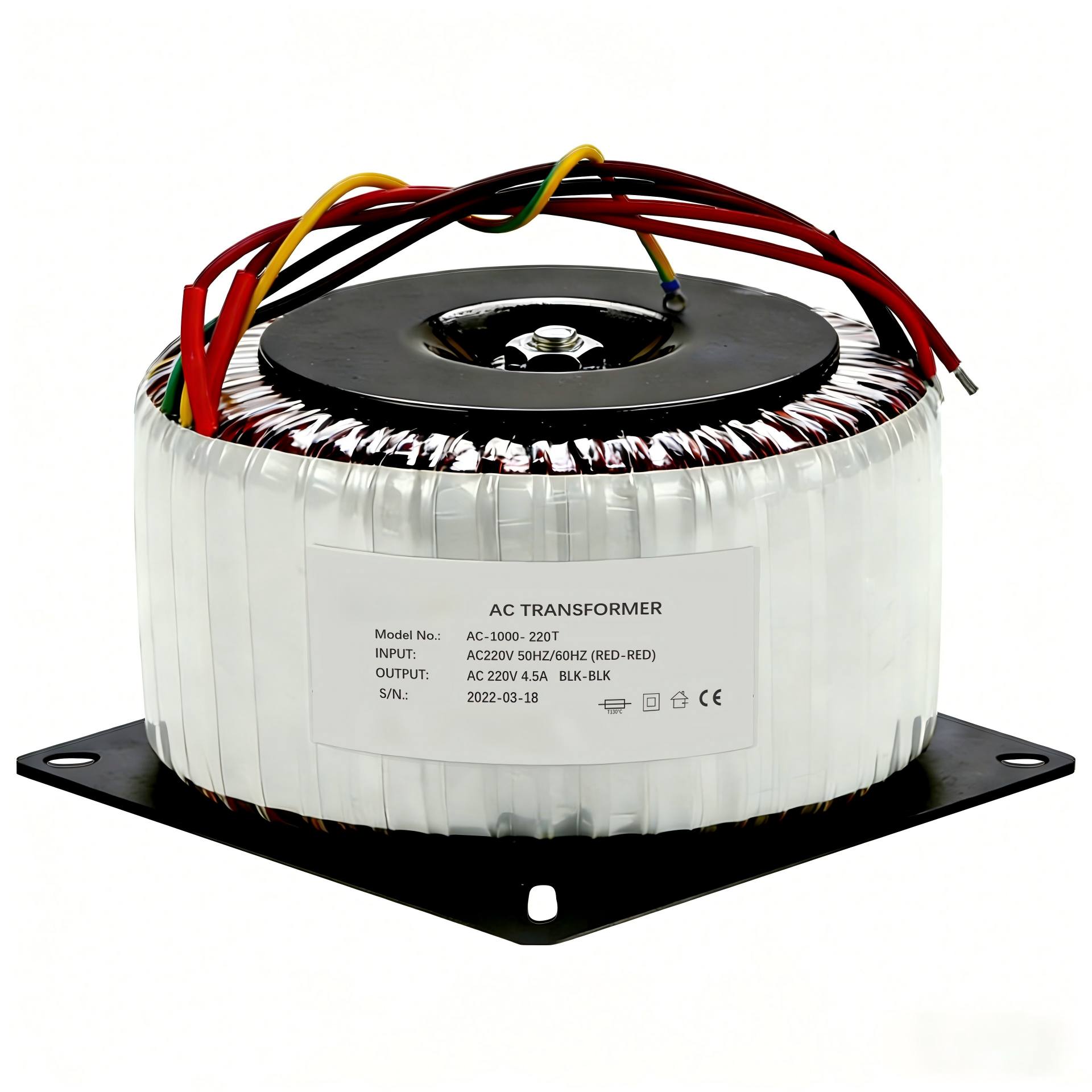
Safe operation matters as much as proper sizing. A correctly sized transformer can still perform poorly if installed badly.
Check Input Voltage Range Before Plugging In
Do not assume every country delivers exactly 220V. Real mains supply may be 220V, 230V, or 240V depending on location and utility tolerance.
Before connecting anything, confirm that the transformer is rated for your local input voltage. Many good units support a broad range, but not all do.
This is especially important in parts of Europe, the Middle East, Asia, and Africa where nominal voltage labels vary even when plug styles look similar.
Never Exceed Rated Wattage
This sounds obvious, but many overloads happen because users trust running watts and ignore startup watts.
Leave headroom. A transformer running constantly at the edge of its capacity will usually run hotter, hum more, and age faster.
As a practical rule, if you expect long daily operation, use less than the maximum advertised rating whenever possible.
Use Grounded Outlets and Proper Cords
High-power appliances and metal-body devices should be used with grounded outlets whenever applicable.
Also avoid thin, cheap extension cords. Undersized cords create voltage drop and heat, which can make the transformer and appliance perform worse.
For heavier loads, use short, appropriately rated cords with secure connections.
Keep the Transformer Ventilated During Long Runs
Transformers produce heat, especially under continuous load. That is normal.
What is not safe is enclosing the transformer in a tight cabinet, covering it with cloth, or placing it against other heat-producing devices.
Give it airflow on all sides. In warm climates or utility rooms, this becomes even more important.
Common Mistakes When Buying a 220V to 110V Step Down Transformer
Most bad outcomes trace back to a few repeat mistakes.
Confusing Plug Adapters with Voltage Conversion
A plug adapter only changes the physical plug shape. It does not change electrical voltage.
This is probably the most frequent misunderstanding among travelers and first-time international movers. A US plug fitting into a foreign socket does not make the appliance safe.
Ignoring 50Hz vs 60Hz Differences
Even with the correct transformer, frequency mismatch can still affect performance.
Clocks may run inaccurately. Some motors may run hotter or at altered speed. Certain audio products may hum. Appliance timing can drift.
For modern electronic power supplies, this is often a non-issue. For older or motor-driven equipment, it can be a deal-breaker.
Choosing Based Only on Lowest Price
Low price often reflects trade-offs in copper content, core quality, insulation, thermal protection, socket quality, and rating honesty.
That does not mean every budget model is bad. But it does mean buyers should look beyond marketing claims and check build details, protection features, and realistic application fit.
For high-load home or commercial use, a well-made transformer usually costs more because it contains more of what actually matters.
FAQ
What is the difference between a step down transformer and a voltage converter?
A step-down transformer usually provides more stable long-term voltage reduction and is generally better for electronics, motors, and continuous use. A voltage converter 220 to 110 for appliances is often lighter and cheaper, but many compact converter models are meant only for simpler or shorter-duration loads. Always check whether the product is suitable for your exact appliance type.
Can I use a 220V to 110V step down transformer for all US appliances?
No. You must consider wattage, startup surge, and frequency compatibility. Some appliances are dual-voltage and need no transformer, while others with motors, compressors, or timing circuits may still have issues on 50Hz power even if voltage is reduced correctly.
Is a 3000W step down transformer enough for a refrigerator?
Often yes, but not always. Many refrigerators draw far more power at startup than during normal running, so a 3000W transformer is commonly treated as a safe minimum for US fridges abroad. You should still check the appliance label and consider 50Hz versus 60Hz compatibility before long-term use.
When do I need a 5000W step down transformer 220V to 110V?
You typically need a 5000W model when running large motor-driven tools, air compressors, pumps, or multiple appliances with significant startup surges. It is also the safer option when your load is unpredictable or when you want cooler operation and more safety margin in workshop or heavy home use.
What is the best step down transformer 220V to 110V for travel?
The best travel option is a compact unit matched to genuinely low-wattage, supported devices. For travel, portability matters, but so do load limits. A travel step down converter 220V to 110V should not be assumed suitable for microwaves, large coffee machines, or motorized appliances unless the manufacturer clearly says so.
Can a step down transformer run continuously?
Many can, but only if they are properly sized, ventilated, and built for continuous duty. Heavy loads over long periods create heat, so headroom and airflow are essential. Continuous use is much safer with a quality transformer operating below its maximum capacity.
Do I need a converter or transformer for electronics like laptops and TVs?
Check the device label first. Many laptop chargers, TV power supplies, and similar electronics already accept 100-240V, 50/60Hz input, meaning they need only a plug adapter. If the device is 120V-only, a transformer is usually the better choice for safe operation.
Are 220V to 110V power transformers safe for long-term home use?
Yes, if they are correctly sized, properly ventilated, grounded where appropriate, and built with solid protection features. Long-term safety depends heavily on transformer quality, realistic wattage margin, and using the unit for the kind of load it was designed to handle.
Final Buying Checklist for the Best Step Down Transformer 220V to 110V
Before you buy, run through this checklist:
Check the appliance label: Is it fixed 110V/120V or already 100-240V?
Identify running watts: Use the nameplate or manual.
Estimate startup surge: Especially for motors, compressors, and tools.
Add safety margin: Choose 20% to 50% extra capacity for normal loads.
Respect frequency: A transformer does not fix 50Hz/60Hz mismatch.
Match duty cycle: Travel use and daily heavy use need different products.
Prefer grounded, protected designs: Especially for high-power or metal-body appliances.
Allow ventilation: Heat is normal, trapped heat is not.
Do not confuse adapter with converter: Plug shape is not voltage conversion.
Choose build quality over headline claims: Especially above 2000W.
If you are powering a refrigerator, tools, or other demanding US devices overseas, the safest buying mindset is simple: size for reality, not for the most optimistic number on the box.
CTA
Ready to choose the right transformer?
Start by listing your appliance wattage, checking whether the load includes startup surge, and deciding whether you need a travel model, a standard transformer, or a heavy-duty unit. Then choose a properly rated 220v to 110v step down transformer that gives your equipment the safety margin it deserves.
Do not risk expensive US devices on an undersized converter. Compare your load carefully, select the correct capacity, and invest in a reliable transformer that delivers safe, stable 110V power from a 220V source.
If your application involves continuous use, workshop equipment, or larger household appliances, now is the time to shop a robust, correctly rated model and protect your equipment from day one.