What Is an Isolation Transformer and How Does It Protect You?
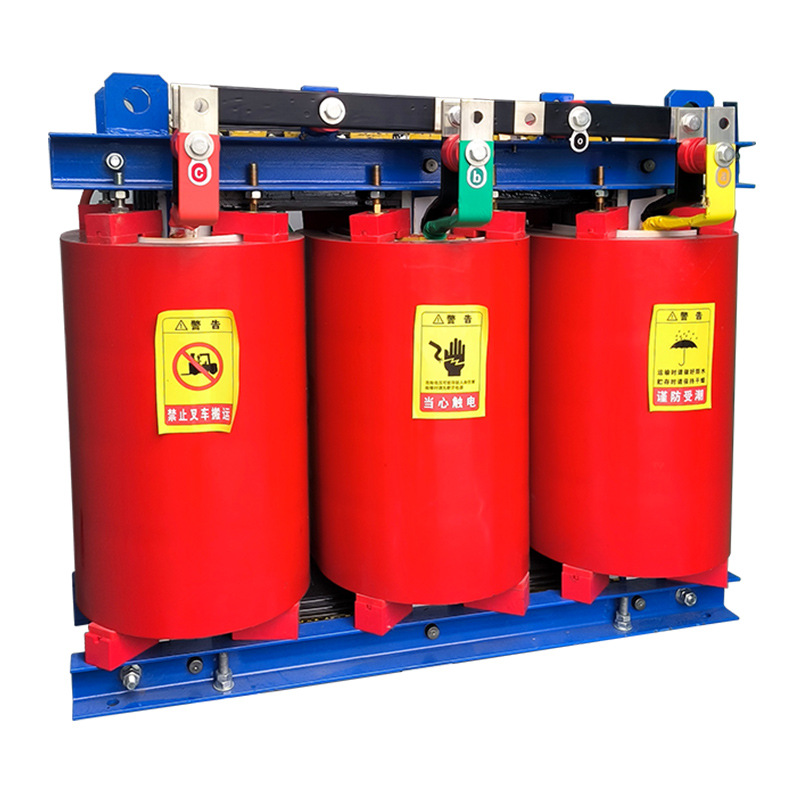
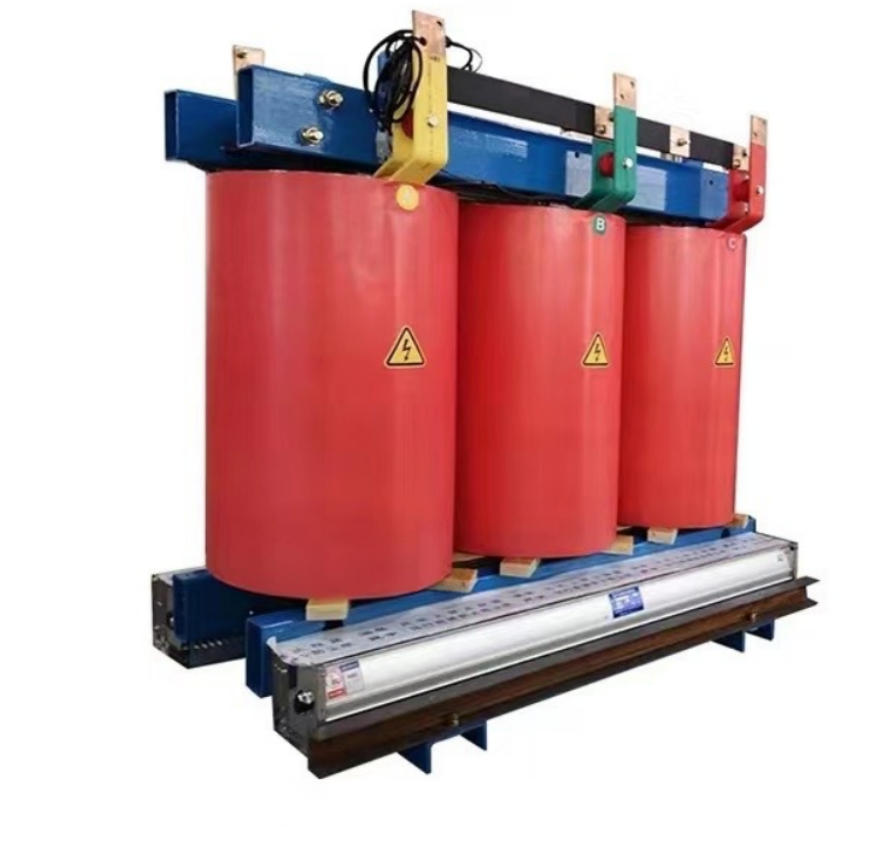
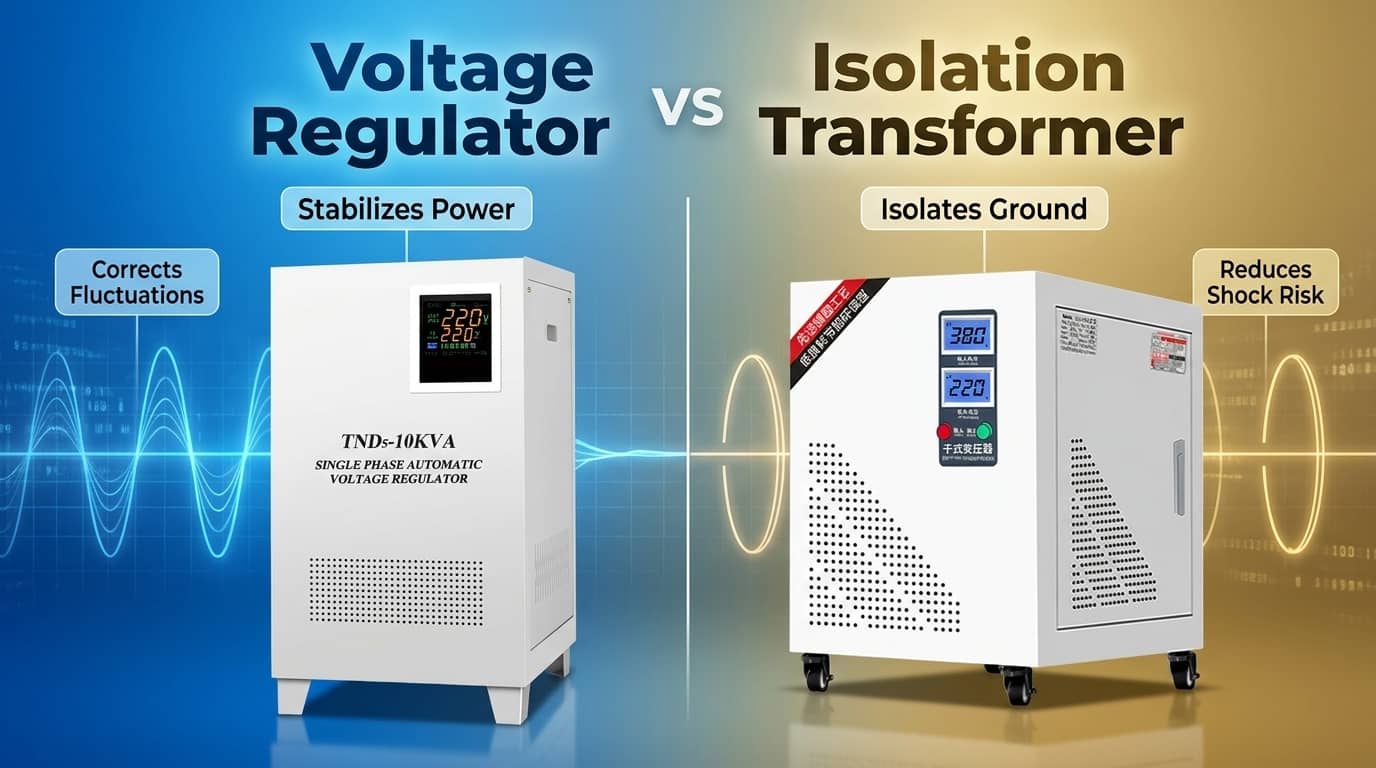
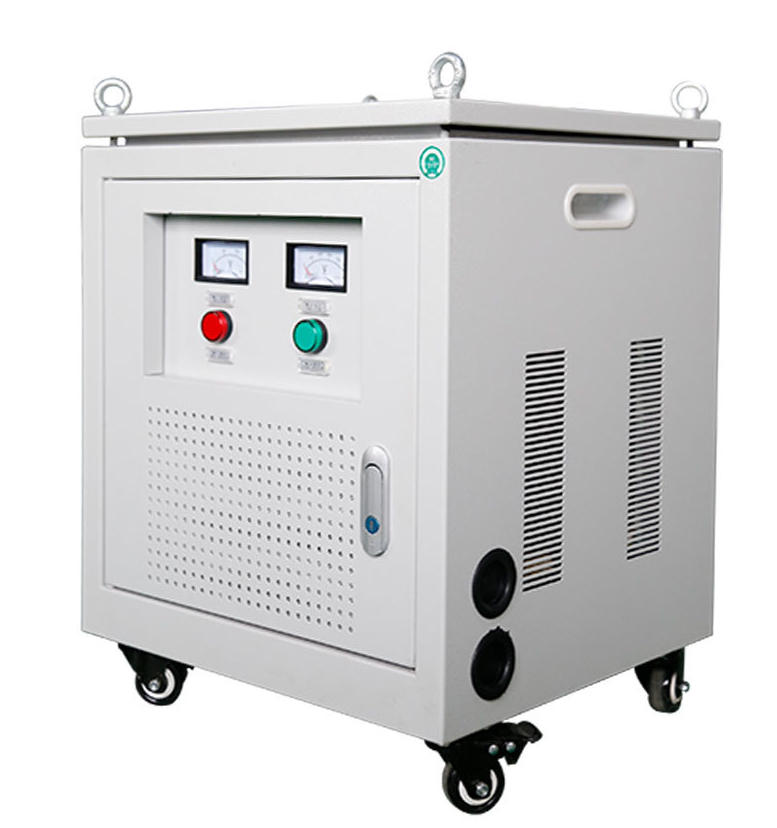
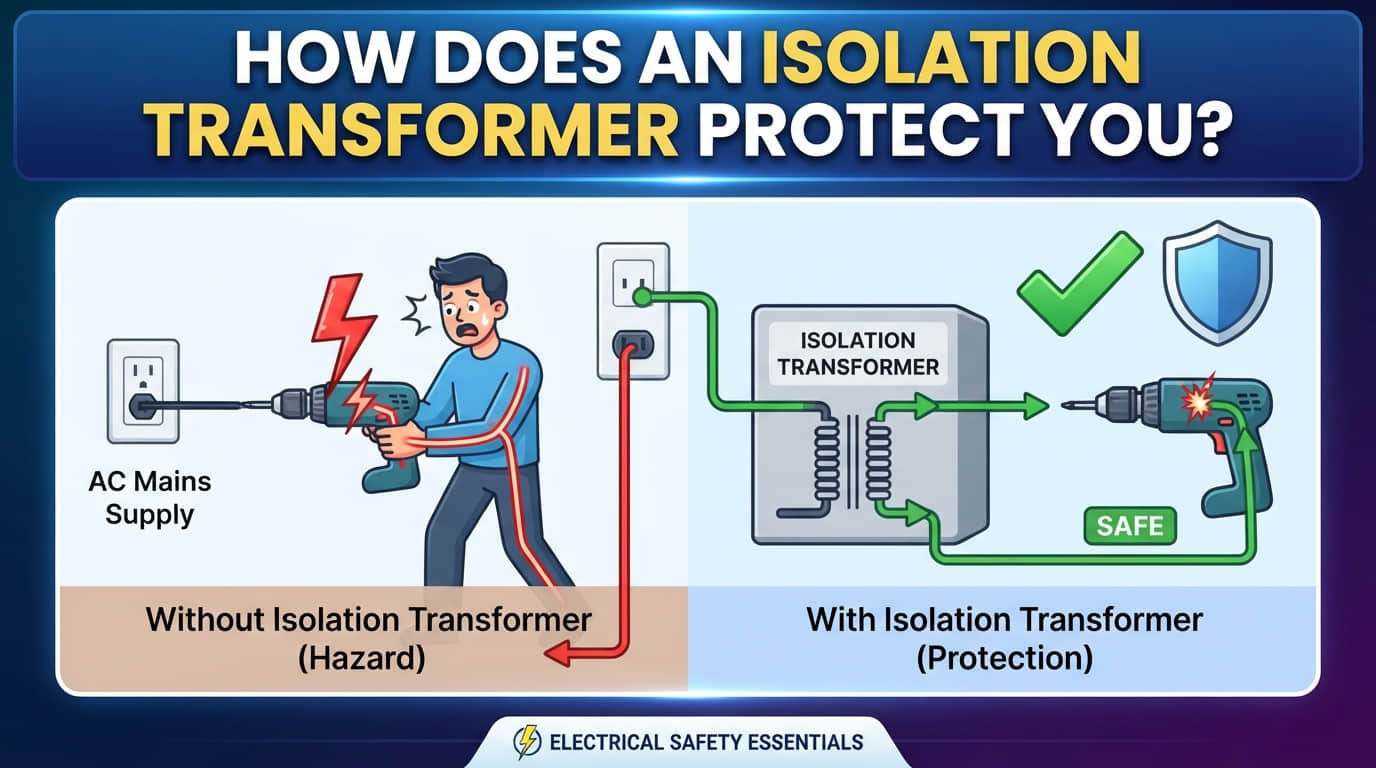
An isolation transformer transfers electrical power from the input winding to the output winding through magnetic coupling, not through a direct conductive connection.
That matters for safety because how an isolation transformer prevents electric shock comes down to one principle: it breaks the normal direct path between the power source and ground-referenced contact points, which can reduce the chance of dangerous current passing through a person in many single-fault situations.
Why Electric Shock Risk Happens in the First Place
Electric shock happens when the human body becomes part of a closed electrical circuit.
In standard mains systems, grounded references, insulation failure, and leakage current can create that circuit faster than many people realize.
Contact With Live Parts
Touching an energized conductor can complete a path from the source, through the body, and back to ground or neutral.
Even relatively small currents can be dangerous, especially across the chest, through wet skin, or in confined conductive spaces.
Ground Faults and Leakage Current
A ground fault occurs when current flows unintentionally from a live conductor to ground through metal parts, building structures, tools, or a person.
Leakage current may be small, but in the wrong environment it can still create injury risk, nuisance tripping, or hidden fault conditions.
Shared Reference to Ground
Most utility power systems are intentionally referenced to ground, which improves system stability and protection coordination.
But that same shared reference can make accidental shock more likely when someone touches a live conductor while also contacting grounded metal, concrete, plumbing, or test equipment.
How an Isolation Transformer Prevents Electric Shock
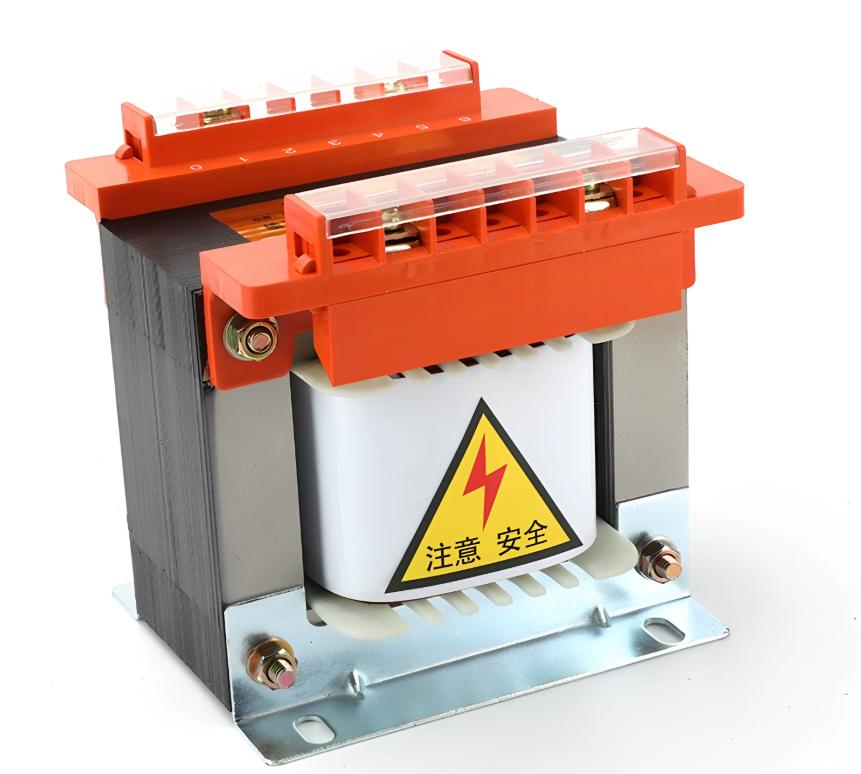
The key isolation transformer safety benefits come from galvanic isolation.
Because the secondary is separated from the primary by insulation and magnetic coupling, the output does not automatically share the same direct conductive relationship to ground as the incoming mains.
No Direct Electrical Connection Between Input and Output
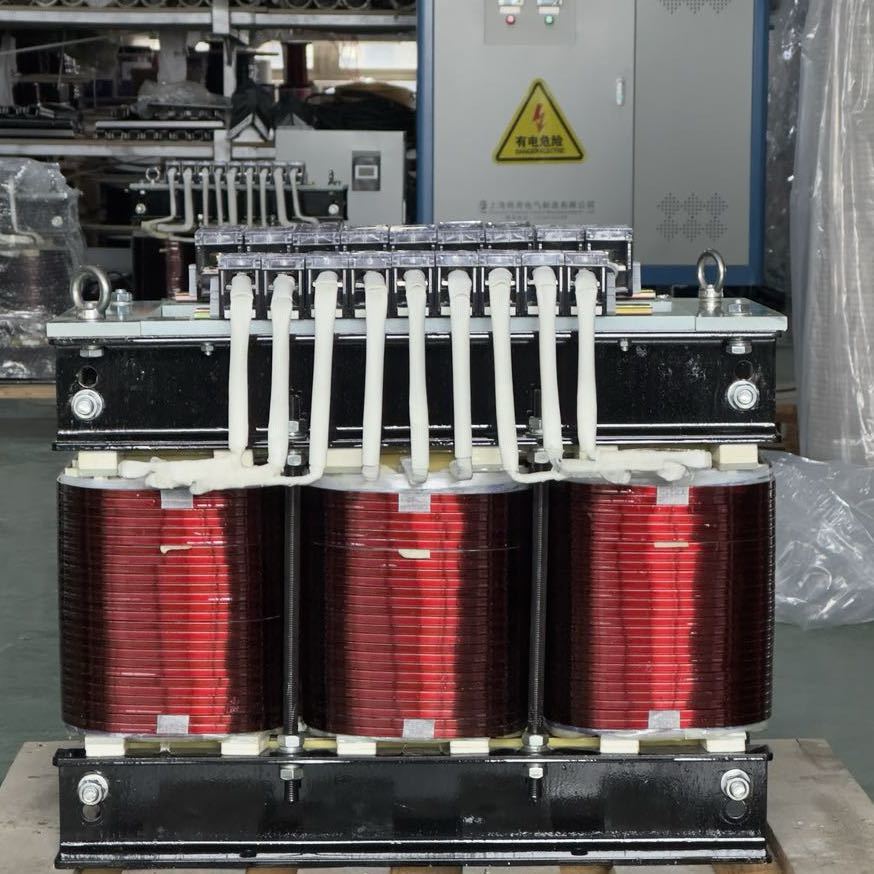
The primary winding receives incoming power, and the secondary winding produces outgoing power.
There is no direct electrical connection between input and output, which is why isolation transformers are used for both safety and noise reduction.
Reduced Path for Current to Ground
Isolation transformer grounding and protection depend on how the secondary is configured.
When the secondary is floating, contact with one conductor often does not create a strong return path to ground, so current through the body is greatly limited unless another fault or grounded reference exists.
Lower Risk From Touching One Conductor
In a typical grounded system, touching one live conductor while grounded can be enough to receive a shock.
With an isolated secondary, touching one conductor is often less dangerous because the circuit may not be complete.
Better Protection Against Equipment Faults
An isolation transformer can reduce fault transfer from the supply side to the load side.
This is one reason technicians use them for troubleshooting, bench testing, and isolated power supply hazard protection in environments where grounded tools and instruments are common.
Isolation Transformer Safety Benefits in Real-World Use
Isolation transformers are not theoretical devices.
They are widely used in hospitals, laboratories, industrial maintenance areas, and electronics service benches because they address real electrical hazards.
Medical Isolation Transformer Electrical Safety
Medical isolation transformer electrical safety is critical in operating rooms and other patient-care environments where conductive equipment, invasive procedures, and continuity of service all matter.
Hospitals often use isolated power systems with line isolation monitors so a first fault can be detected without immediately shutting down critical equipment.
Industrial Maintenance and Bench Testing
Service technicians often work on energized devices because measurements must be taken under live operating conditions.
An isolation transformer helps reduce accidental shock paths through grounded oscilloscopes, soldering stations, metal benches, and building ground.
Sensitive Electronics and Clean Power Applications
Isolation transformers are also used where electrical noise matters.
Shielded designs can reduce common-mode noise transfer, making them useful for instrumentation, control cabinets, audio systems, and precision test setups.
Isolation Transformer Grounding and Protection Explained
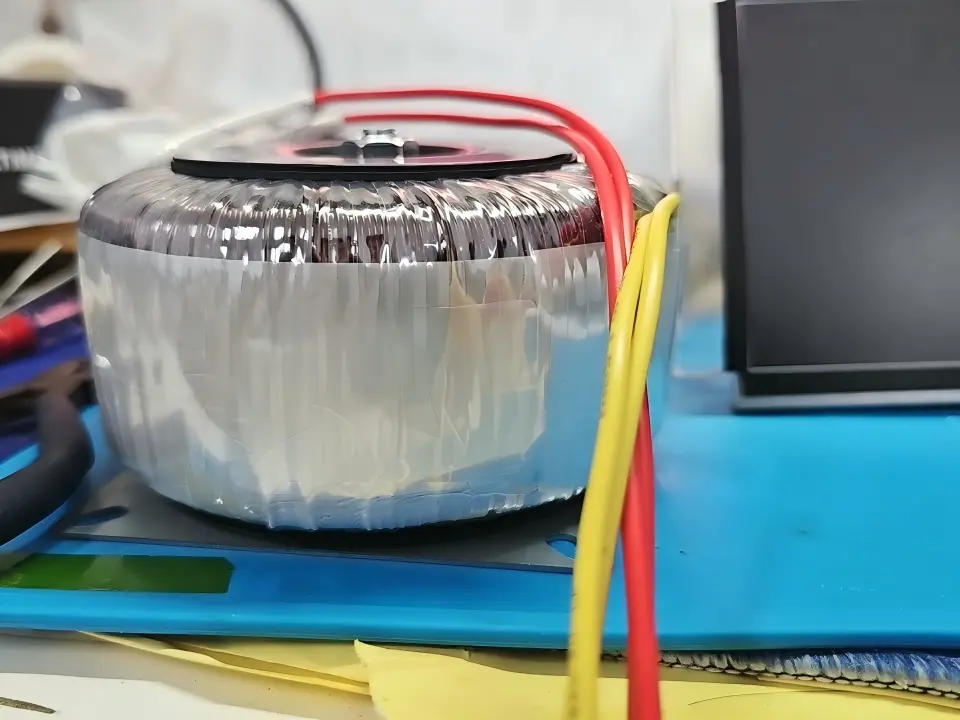
Isolation is not the same thing as “no grounding required.”
Safe performance depends on the transformer design, the application, the enclosure, shielding, overcurrent protection, and electrical code compliance.
Isolated Secondary vs Grounded Secondary
A floating secondary is often used where reduced ground-reference shock risk is desired.
In other installations, one side of the secondary may be intentionally bonded or referenced for operational, code, or protection reasons, which changes the shock behavior.
Shielded Isolation Transformers
Some transformers include an electrostatic shield between the primary and secondary.
This shield can reduce capacitive coupling, lower transferred noise, and improve overall protection against unwanted interference.
Why Isolation Does Not Replace Proper Safety Devices
An isolation transformer does not replace fuses, circuit breakers, insulation systems, GFCIs, grounding conductors, or lockout/tagout procedures.
It is one protective layer in a complete electrical safety strategy.
What an Isolation Transformer Protects Against and What It Does Not
Trustworthy guidance means setting realistic expectations.
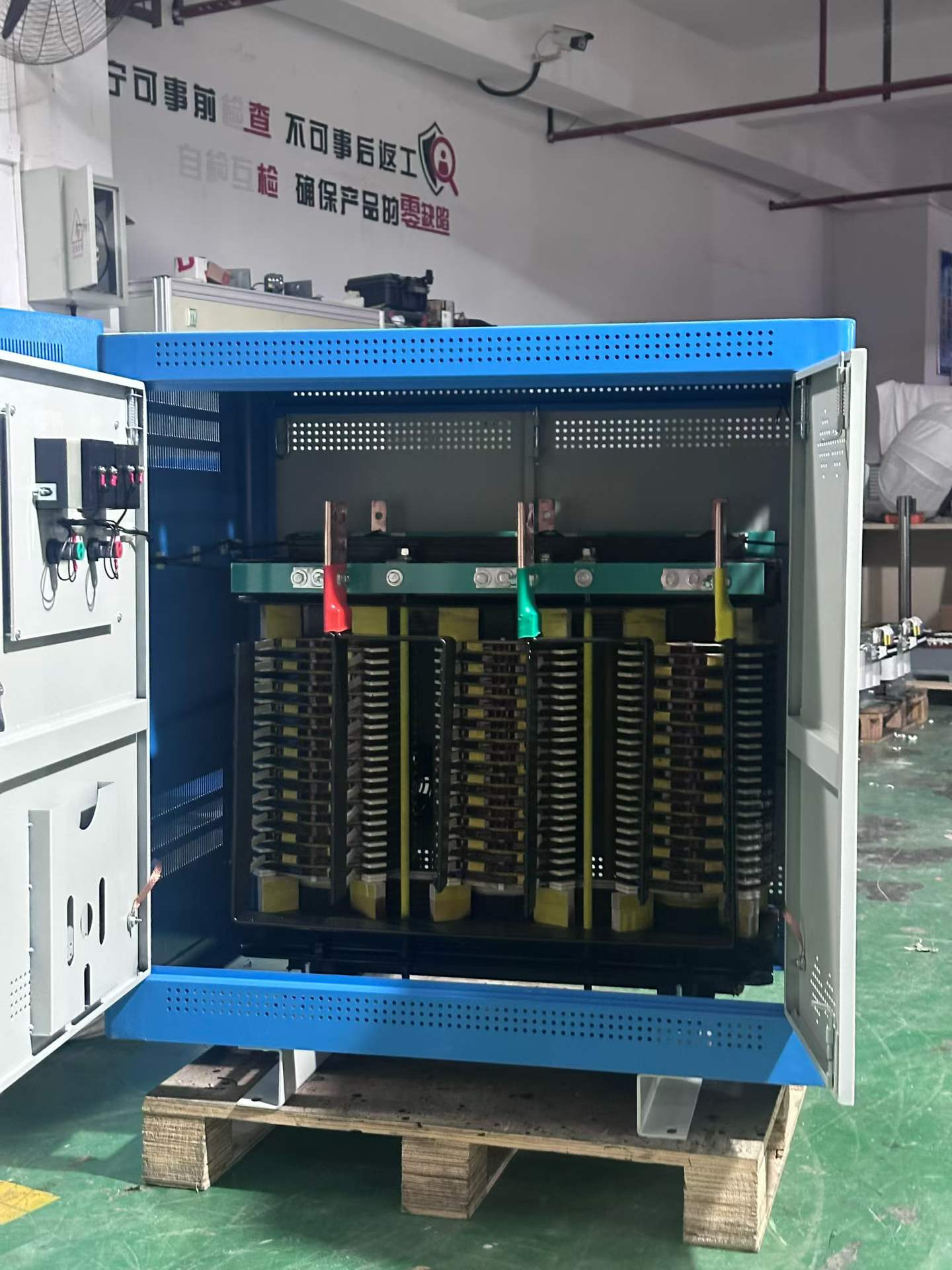
An isolation transformer can reduce specific hazards, but it does not make unsafe work safe by default.
Hazards It Helps Reduce
It can help reduce shock risk from contact between one secondary conductor and ground in floating systems.
It can also reduce fault transfer from supply to load and lower some common-mode electrical noise.
Hazards It Does Not Eliminate
It does not make it safe to touch both output conductors at once.
It also does not prevent overloads, overheating, poor wiring practices, damaged insulation, or misuse of equipment.
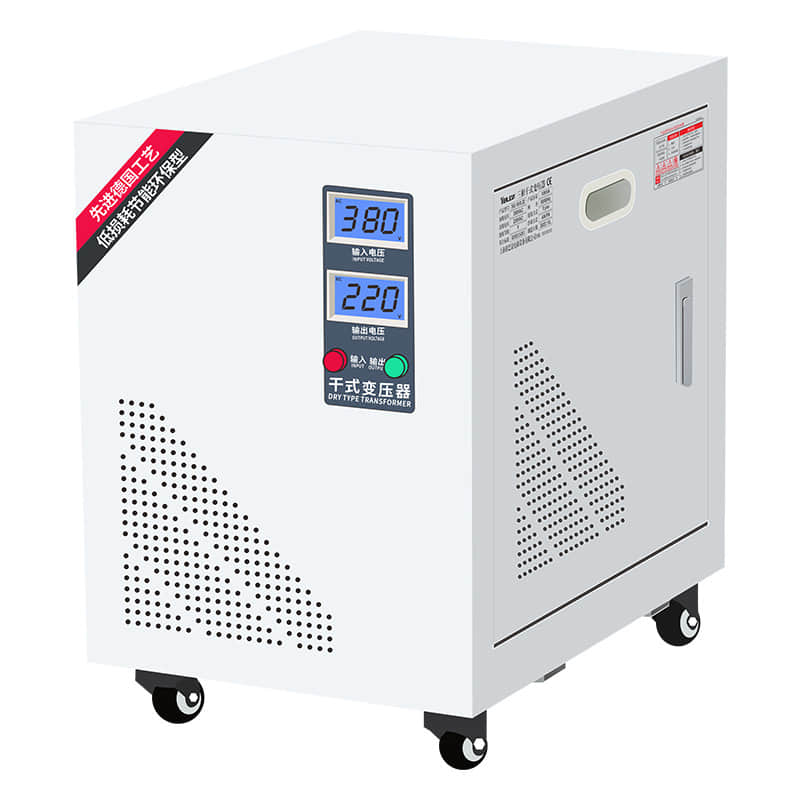
Real-World Data and Examples on Isolation Transformer Protection
Authoritative safety claims should be anchored in standards and real-world practice.
The examples below reflect widely accepted use cases in healthcare, electronics servicing, and industrial diagnostics.
Example: Hospital Isolated Power Systems
In the United States, NFPA 99 recognizes isolated power systems for certain wet procedure locations and critical care uses where continuity of power is important.
These systems typically use a line isolation monitor to detect the first hazardous leakage condition, allowing staff to respond before a second fault creates a more dangerous situation.
Example: Electronics Repair Workbenches
Electronics repair technicians regularly isolate mains-powered devices under test to reduce accidental short circuits and shock paths involving earth-grounded test equipment.
A classic example is servicing older live-chassis televisions, power supplies, and line-powered audio gear where connecting a grounded oscilloscope directly could otherwise create a hazardous fault.
Example: Industrial Troubleshooting
In industrial controls, maintenance teams may use isolation transformers during diagnostics on variable-frequency drives, control panels, and legacy machine electronics.
This form of isolated power supply hazard protection can help reduce unintended current paths through grounded cabinets, tools, and measurement instruments during fault tracing.
Isolation Transformer vs Direct Mains Connection
| FACTOR | DIRECT MAINS CONNECTION | ISOLATION TRANSFORMER OUTPUT |
|---|---|---|
| Electrical relationship to supply | Direct conductive connection | Magnetically coupled, galvanically isolated |
| Reference to ground | Usually grounded or neutral-referenced | May be floating or intentionally referenced depending on design |
| Shock risk from touching one conductor while grounded | Often significant | Often reduced in floating-secondary use |
| Fault transfer from source to load | More direct | Reduced by isolation barrier |
| Use with grounded test gear | Can create dangerous fault paths | Often safer for troubleshooting when properly applied |
| Common applications | General equipment power | Medical areas, service benches, labs, industrial diagnostics |
Common Applications and Protection Benefits
| APPLICATION | TYPICAL ENVIRONMENT | PROTECTION BENEFIT |
|---|---|---|
| Medical isolated power systems | Operating rooms, procedure spaces, critical care | Reduced ground-reference shock risk and improved continuity of service |
| Electronics repair benches | Service centers, laboratories, training shops | Safer connection of grounded oscilloscopes and tools to mains-powered devices |
| Industrial troubleshooting | Control panels, machine diagnostics, maintenance shops | Reduced unintended fault paths during live testing |
| Sensitive instrumentation | Labs, measurement systems, control systems | Lower common-mode noise transfer and cleaner power interface |
| Audio and broadcast systems | Studios, racks, signal chains | Noise reduction and separation from supply-side interference |
What an Isolation Transformer Can and Cannot Do
| CLAIM | REALITY |
|---|---|
| Reduces some electric shock risk | True, especially by limiting direct ground-referenced shock paths in floating-secondary systems |
| Blocks direct conductive connection from mains to load | True, that is the core function of galvanic isolation |
| Stops all electrical shocks | False, touching both secondary conductors can still be dangerous |
| Replaces GFCIs, breakers, and fuses | False, these remain necessary protective devices |
| Acts as surge protection | False, surge protection usually requires dedicated devices |
| Improves noise isolation in many applications | True, especially with shielded designs |
How to Use an Isolation Transformer Safely
Using one correctly is just as important as buying one.
Good installation and realistic expectations determine whether the device improves safety or creates false confidence.
Choose the Correct Voltage and VA Rating
The transformer must match the input voltage, output voltage, frequency, and power demand of the load.
Undersized units can overheat, cause voltage drop, and compromise safe operation.
Follow Grounding and Installation Rules
Follow the manufacturer’s instructions, equipment labeling, enclosure requirements, and local electrical code.
Pay special attention to shield grounding, overcurrent protection, accessible conductive parts, and secondary bonding rules.
Never Treat Isolation as Invincibility
Isolation reduces risk, but it does not eliminate it.
Use proper PPE, insulated tools, safe measurement practices, and lockout/tagout whenever the task allows de-energized work.
Signs You May Need an Isolation Transformer
Not every installation needs one.
But certain work patterns strongly suggest that isolation could be the right safety upgrade.
You Work on Live Equipment for Testing or Repair
If you troubleshoot appliances, switch-mode power supplies, industrial boards, or legacy mains-powered electronics, an isolation transformer may reduce dangerous grounding interactions.
This is especially true when using grounded bench instruments.
You Need Medical or Critical-Care Power Protection
Healthcare environments often require careful design for patient safety and continuity of service.
That is where medical isolation transformer electrical safety becomes a specialized engineering requirement rather than a convenience feature.
You Want Safer Fault Isolation in Sensitive Systems
Labs, control systems, instrumentation setups, and diagnostic stations can benefit from cleaner power and reduced fault coupling.
In these environments, isolation can support both safety and measurement reliability.
FAQ
How does an isolation transformer protect you from electric shock?
It protects by using galvanic isolation to separate the incoming mains from the output circuit. This reduces the normal ground-referenced current path, so in many floating-secondary situations, touching one conductor does not complete a dangerous circuit as easily as direct mains contact would.
Can you still get shocked by an isolation transformer?
Yes. If you touch both secondary conductors at the same time, or if the isolated side has become referenced by a fault or improper grounding, dangerous current can still flow through your body.
Does an isolation transformer need grounding?
Often, yes, at least for the enclosure, shielding, and installation hardware, but the exact grounding method depends on the transformer design, code requirements, and application. A floating secondary and a grounded secondary behave differently, so grounding must follow the manufacturer’s instructions and applicable electrical standards.
Is an isolation transformer safer than a GFCI?
They do different jobs. An isolation transformer separates circuits electrically, while a GFCI detects imbalance and trips quickly during leakage to ground, so they are often complementary rather than interchangeable.
Why are isolation transformers used in hospitals?
Hospitals use them in isolated power systems to reduce shock risk and help maintain power continuity in critical spaces. With a line isolation monitor, staff can detect a first fault condition before it escalates into a more hazardous second fault.
Does an isolation transformer protect electronics too?
It can help reduce transferred faults and some electrical noise, especially common-mode noise, but it is not a substitute for surge protection, voltage regulation, or proper equipment grounding. Electronics protection usually requires multiple coordinated devices.
What is the difference between an isolation transformer and a regular transformer?
Many transformers are used mainly to step voltage up or down. An isolation transformer is specifically designed to electrically separate the input and output circuits for safety, fault isolation, and noise reduction, often with a 1:1 turns ratio but not always.
Conclusion: When an Isolation Transformer Is the Right Safety Upgrade
An isolation transformer protects people by breaking the direct conductive path between the power source and the load.
That simple change can significantly reduce electric shock risk in many real-world situations, especially where grounded contact, bench testing, medical systems, or diagnostic work are involved.
Still, safe results depend on correct sizing, proper isolation transformer grounding and protection, compliant installation, and the continued use of breakers, fuses, GFCIs, and disciplined work practices.
CTA: Check the Right Isolation Transformer for Your Application
Do not choose an isolation transformer based on price alone.
Compare voltage, VA rating, shielding, medical or industrial certification, and the exact protection goal for your environment.
If you are planning a purchase, retrofit, or critical installation, consult a qualified electrical engineer or licensed electrician before you buy or install. The right isolation transformer can materially improve safety, but only when it is matched to the real hazard and used correctly.