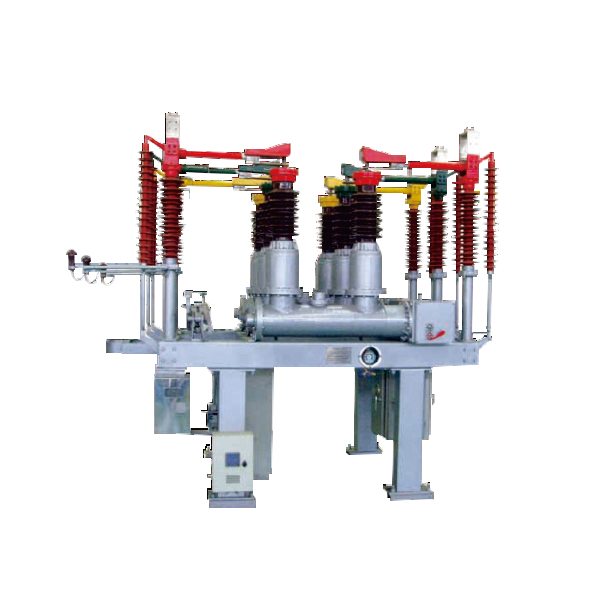
Why SF6 Circuit Breaker Voltage Classes Matter
An SF6 circuit breaker is one of the most widely used switching devices in modern power systems because it combines high dielectric strength, strong arc-extinguishing performance, compact structure, and excellent reliability under outdoor and enclosed substation conditions.
In practical engineering, it is used across distribution networks, transmission substations, outdoor AIS yards, and GIS installations, especially where insulation performance, interruption capacity, and limited installation space matter.
However, in export business and technical bidding, one problem appears again and again: buyers, EPC contractors, and manufacturers often talk about the same voltage level in different ways.
A customer may ask for a 66kV SF6 circuit breaker, while the formal IEC equipment class is 72.5 kV. Another buyer may request a 132 kV SF6 circuit breaker, while the actual IEC class used for the equipment is usually a 145 kV SF6 circuit breaker.
This is not a small wording issue. It directly affects model selection, insulation coordination, bid compliance, type test matching, and final contract risk.
For international suppliers, especially those working across Asia, the Middle East, Africa, Europe, and the Americas, understanding voltage naming is essential for accurate quotation and technical clarification.
This article is written to solve that confusion in a practical way.
We will clearly distinguish system operating voltage from equipment's highest rated voltage, explain the differences between the IEC and ANSI/IEEE systems, and map the most common voltage classes used in real projects.
If you are comparing tender sheets, checking datasheets, or preparing an overseas quotation, this guide will help you avoid the most common mistakes.
It will also show how experienced manufacturers such as Weisho Electric typically interpret project voltage classes when supporting cross-standard export requests.
The Core Problem: System Voltage vs Maximum Rated Voltage
The most important concept to understand is this: the voltage printed in the grid name is not always the same as the voltage class of the breaker itself.
That single distinction explains most of the confusion in international procurement.
Under the IEC system, switchgear and circuit breakers are usually classified by the highest voltage for equipment, often written as Um.
This means the breaker nameplate reflects the maximum system voltage for which the equipment insulation and operation are designed, not simply the nominal network voltage used in everyday conversation.
Under the ANSI/IEEE system, projects are more commonly identified by system operating voltage.
So in the Americas, a user may speak about a 15 kV, 27 kV, 69 kV, 138 kV, or 230 kV SF6 circuit breaker, even though the actual insulation class of the equipment may align with a different highest voltage category.
Here is the practical result.
IEC naming: based mainly on the highest equipment voltage
ANSI naming: based mainly on nominal system voltage
Engineering selection: must consider both naming systems before confirming the model
For example, a 66 kV system in an IEC-based market normally uses a breaker with 72.5 kV highest rated voltage.
Likewise, a 138 kV system in an ANSI project often aligns with equipment having a highest voltage around 145 kV.
This is why blindly matching numbers can create costly errors.
A quotation can look correct in sales language but fail in insulation coordination, type test compliance, or final technical approval.
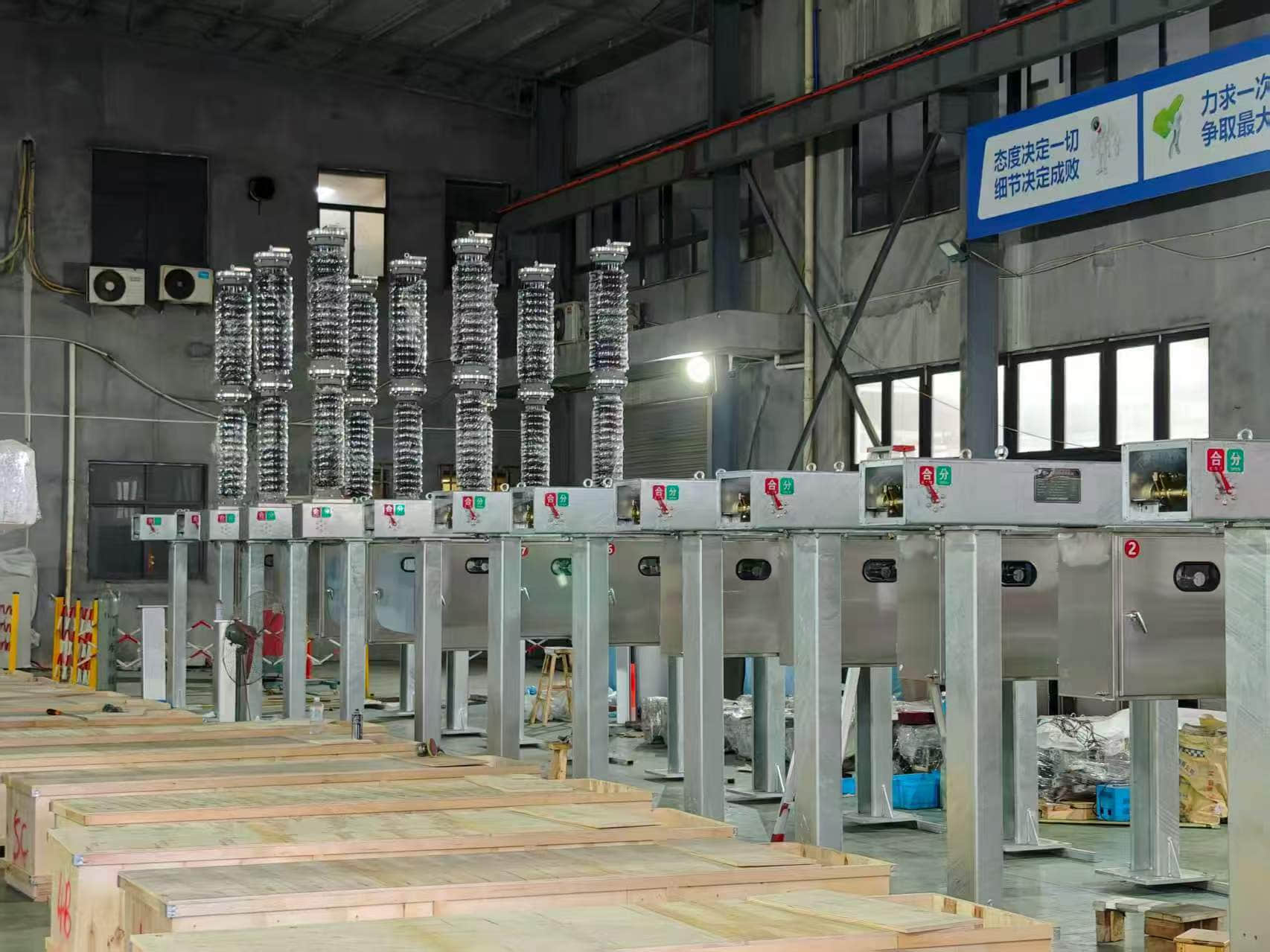
IEC Voltage Classes for SF6 Circuit Breakers
In most domestic and international utility projects outside North America, the IEC framework is the main reference for voltage classification.
That includes a large portion of projects in Asia, Africa, the Middle East, Eastern Europe, and many export-oriented EPC packages.
When people discuss SF6 circuit breaker voltage ratings in IEC-based markets, they usually refer to standard highest voltage classes such as 12 kV, 24 kV, 40.5 kV, 72.5 kV, 126 kV, 145 kV, and 252 kV.
These classes are tied to insulation coordination, test requirements, and product platform design.
Medium Voltage IEC Classes: 3.6 kV to 40.5 kV
Medium-voltage IEC classes cover the core needs of industrial distribution, utility feeders, ring main units, compact substations, and indoor switchgear applications.
They are also central to many medium-voltage SF6 breaker applications where compactness and sealed insulation are required.
3.6 kV: Used in lower-voltage industrial distribution and specialized plant systems.
7.2 kV: Common in selected industrial and local distribution networks where 6.6 kV systems are used.
12 kV: One of the most common IEC MV classes for urban distribution, industrial switchboards, and compact substations.
24 kV: Widely used in utility distribution, commercial infrastructure, renewable integration, and ring network switching.
36 kV: Typical for higher MV utility feeders, wind farm collector systems, and regional distribution substations.
40.5 kV: A standard upper-medium-voltage class used where 33 kV systems require suitable insulation margin under IEC naming.
In real markets, 11 kV and 33 kV are often the nominal system voltages discussed by users, but the actual breaker class selected under IEC may be 12 kV or 40.5 kV.
This is a classic example of why the difference between system voltage and highest equipment voltage matters so much.
High Voltage IEC Classes: 72.5 kV to 252 kV
High-voltage IEC classes are heavily used in transmission substations, utility interconnections, large industrial plants, and outdoor line or transformer bay switching.
These are the voltage levels where misunderstanding between market terminology and equipment class becomes especially common.
72.5 kV: Commonly used for 66 kV systems in IEC-based networks.
126 kV: Typically associated with 110 kV systems in many utility projects.
145 kV: Frequently used for 132 kV systems and sometimes related to 138 kV project discussions depending on standard context.
252 kV: A key transmission class in IEC projects, often discussed by buyers who may also search for 245 kv sf6 circuit breaker depending on market habit.
These classes are core references when discussing high voltage SF6 circuit breaker classes.
In practice, they are selected not just for voltage matching, but also for short-circuit breaking current, TRV performance, creepage distance, and installation type.
Extra-High Voltage IEC Classes: 362 kV to 800 kV
At extra-high-voltage level, SF6 technology has long been applied in large-scale transmission and interconnection projects, especially in GIS tank-type equipment.
These voltage classes are common where land is expensive, pollution is severe, or compact design is required for strategic substations.
362 kV: Used in major transmission nodes and interconnection substations.
550 kV: Used in backbone grids and national transmission corridors.
800 kV: Applied in ultra-high-voltage infrastructure, often in GIS and highly engineered large-grid environments.
These classes are strongly linked with gas insulated switchgear voltage categories.
In many countries, extra-high-voltage SF6 equipment is far more common in GIS form than in conventional open-air layouts because of footprint, reliability, and insulation coordination advantages.
IEC Voltage Class Table for SF6 Circuit Breakers
| IEC HIGHEST RATED VOLTAGE | TYPICAL SYSTEM VOLTAGE | COMMON APPLICATION | PRODUCT EXAMPLE |
|---|---|---|---|
| 3.6 kV | 3.3 kV | Industrial distribution, motor control, plant auxiliaries | Indoor MV SF6 breaker panel |
| 7.2 kV | 6.6 kV | Industrial feeder systems, process plants | Metal-clad switchgear breaker unit |
| 12 kV | 10 kV / 11 kV | Urban distribution, utility feeders, compact substations | 12 kV vacuum/SF6 insulated switchgear breaker |
| 24 kV | 20 kV / 22 kV | Utility distribution, commercial infrastructure, RMU systems | 24 kV outdoor pole or panel breaker |
| 36 kV | 33 kV | Regional distribution, renewables collector substations | 36 kV outdoor SF6 breaker |
| 40.5 kV | 33 kV / 35 kV | Higher MV substations, utility feeder switching | 40.5 kV dead tank or live tank breaker |
| 72.5 kV | 66 kV | Subtransmission substations, transformer bays | LW36-72.5 kV SF6 circuit breaker |
| 126 kV | 110 kV | Transmission substations, line switching | 126 kV live tank breaker |
| 145 kV | 132 kV | High-voltage substations, transmission networks | 145 kV live/dead tank breaker |
| 252 kV | 220 kV / 230 kV class projects under IEC interpretation | Main transmission switching, large grid substations | 252 kV outdoor or GIS breaker bay |
| 362 kV | 330 kV | Major transmission nodes | 362 kV GIS tank breaker |
| 550 kV | 500 kV | Backbone grid switching | 550 kV GIS breaker module |
| 800 kV | 765 kV / UHV grid projects | Ultra-high-voltage transmission | 800 kV GIS breaker platform |
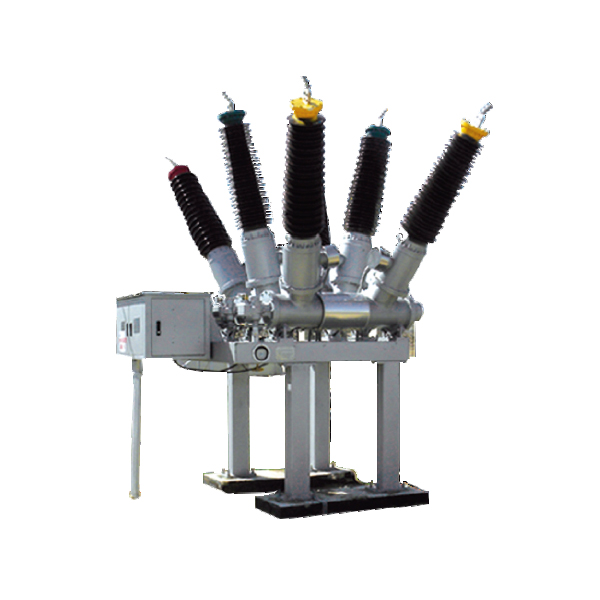
Real-World IEC Example: 66 kV System and 72.5 kV SF6 Circuit Breaker
One of the clearest real-world examples is the pairing of a 66 kV grid with a 72.5 kV SF6 circuit breaker.
This is standard IEC logic, not an exception.
In many utility specifications, the system is described as 66 kV because that is the nominal network operating voltage.
But the breaker itself must be designed to the highest voltage for equipment, which is 72.5 kV.
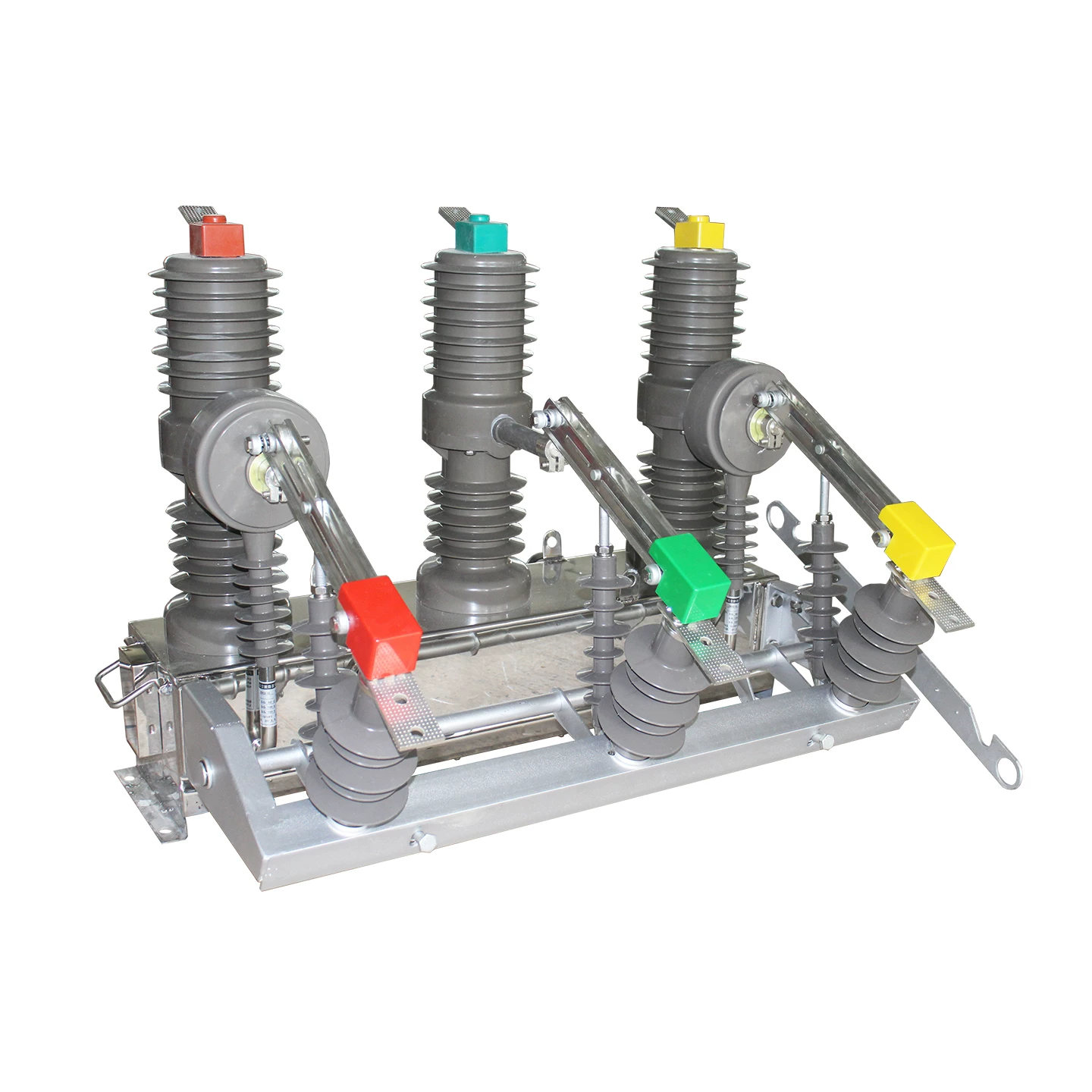
A typical example is the LW36-72.5 kV breaker platform.
This model class is regularly applied in 66 kV substations for transformer bay switching, line switching, and bus sectionalizing duties.
Why not simply call it a 66 kV breaker on the equipment nameplate?
Because under IEC practice, the breaker class must reflect the insulation and performance envelope required at the equipment level, not just the nominal system label used by operators.
In actual tender work, this matters in at least four places:
Nameplate review: the customer may write 66 kV, but the compliance sheet expects 72.5 kV equipment class
Test reports: type test certificates are tied to 72.5 kV class, not a generic 66 kV commercial phrase
Insulation coordination: lightning impulse and power-frequency withstand values are based on the equipment class
Bid comparison: suppliers quoting only by nominal voltage may appear cheaper but fail technical compliance
From practical export experience, this is one of the most frequent issues in subtransmission projects in Asia and Africa.
It is also one reason technically mature suppliers, including Weisho Electric, will usually ask for the project standard, the nominal system voltage, and the required highest equipment voltage before finalizing the breaker model.
ANSI/IEEE Voltage Classes for SF6 Circuit Breakers
In the Americas, especially in the United States and parts of Latin America, the voltage naming logic often follows ANSI/IEEE project practice.
That means buyers commonly describe the breaker by the system operating voltage, not directly by IEC-style highest equipment voltage.
This is why product inquiries may request a 15 kV SF6 circuit breaker, 230 kV SF6 circuit breaker, or 345 kV breaker class, even when cross-standard technical comparison must still be done carefully.
For export manufacturers serving multiple markets, ANSI wording can be misleading if it is translated too literally into IEC equipment classes without confirmation.
The key principle is simple.
ANSI project naming does not automatically equal IEC equipment class naming.
Common ANSI/IEEE Classes: 15 kV to 345 kV
15 kV: Common for industrial distribution, utility feeders, and medium-voltage switching in North American practice.
27 kV: Used in distribution systems and some subtransmission applications.
34.5 kV: Very common in utility distribution substations, wind and solar collector stations, and industrial supply systems.
69 kV: A classic subtransmission class in many utility networks.
115 kV: Used for transmission and regional interconnection substations.
138 kV: A very common transmission class in North America and related export projects.
230 kV: Major transmission class, frequently seen in utility backbone substations.
345 kV: High-capacity bulk transmission class for major grid infrastructure.
Among these, the 138 kV case is particularly important for cross-standard discussion.
In many technical comparisons, a 138 kV system often maps to equipment with a highest voltage around 145 kV.
This does not mean ANSI and IEC are identical.
It means that when export bidding is involved, you must compare the nominal system voltage, equipment insulation level, interrupting duties, and project standard together.
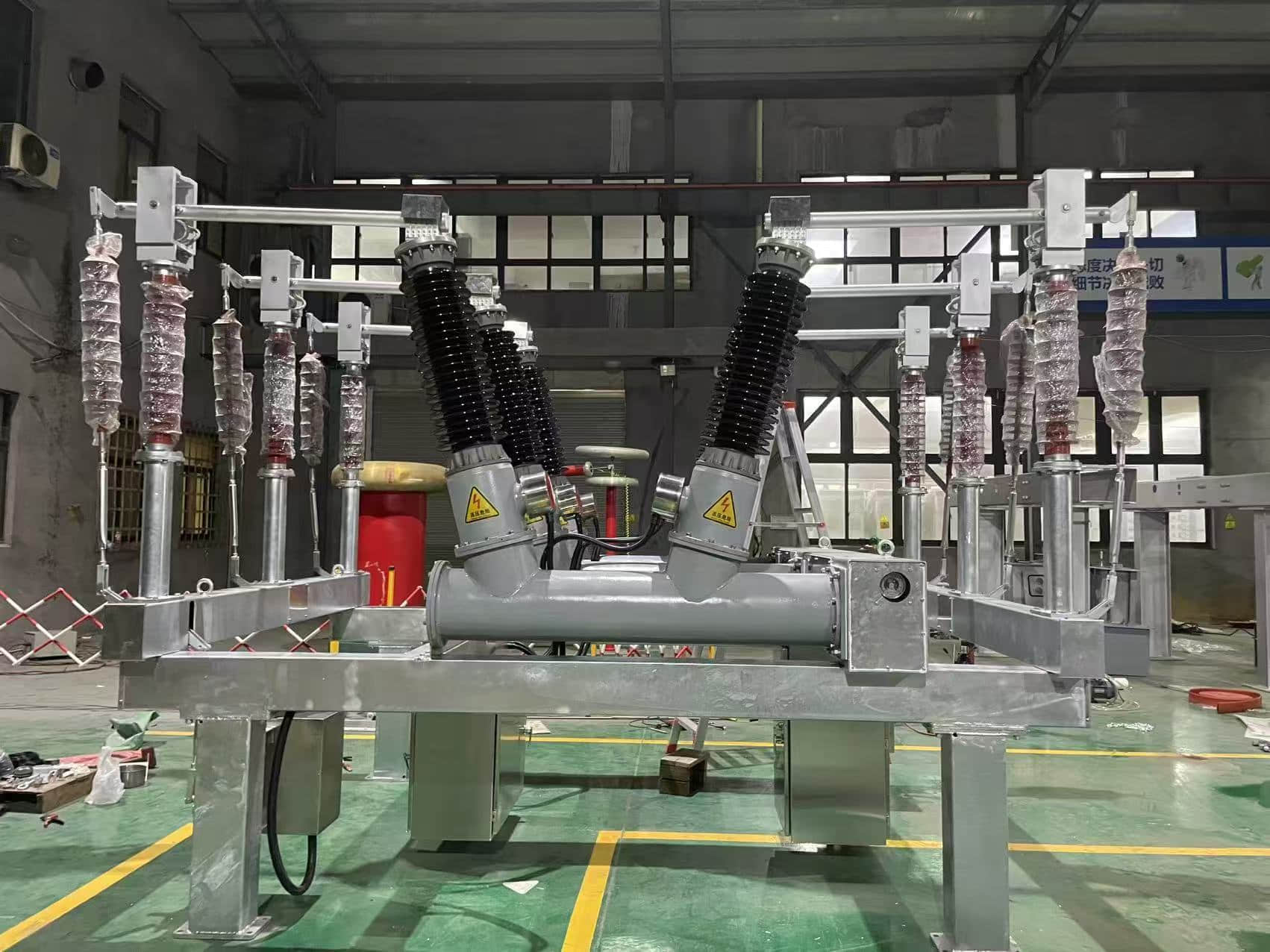
ANSI vs IEC Voltage Rating Conversion Table
| ANSI/IEEE SYSTEM VOLTAGE | TYPICAL IEC-EQUIVALENT HIGHEST EQUIPMENT VOLTAGE | NOTES | TYPICAL PROJECT CONTEXT |
|---|---|---|---|
| 15 kV | 17.5 kV class may be referenced depending on equipment family | Check actual standard and switchgear design basis | Industrial feeders, utility MV switching |
| 27 kV | Approximately 24 kV or 36 kV context depending on specification basis | Needs careful cross-check | Distribution substations |
| 34.5 kV | 40.5 kV | Common cross-reference in export projects | Utility and renewable collection systems |
| 69 kV | 72.5 kV | Close subtransmission mapping | Regional utility substations |
| 115 kV | 126 kV | Often used for IEC comparison | Transmission switching |
| 138 kV | 145 kV | Very important example in bidding work | Transmission substations and line bays |
| 230 kV | 245 kV or 252 kV depending on the specification framework | Must verify exact standard requirement | Bulk transmission projects |
| 345 kV | 362 kV | Common EHV comparison point | Major grid infrastructure |
The 138 kV to 145 kV mapping is one of the most useful examples for engineers and export sales teams.
A project may commercially ask for a 138 kV breaker, but the compliance review may require 145 kV equipment class based on insulation and standard interpretation.
How to Select the Correct SF6 Circuit Breaker Voltage Rating
Selecting the right breaker is not about picking the nearest number.
It is about aligning the project standard, network voltage, equipment insulation class, site conditions, and installation form.
Check the Applicable Standard First
Always confirm whether the project is based on IEC or ANSI/IEEE before looking at the voltage number alone.
This should be the first question in every quotation, tender review, and technical clarification.
If this step is skipped, the rest of the selection process becomes unreliable.
The same project can be described in two ways, and both may sound correct until the compliance matrix is checked.
Match System Voltage to Equipment Highest Voltage
Once the standard is clear, match the nominal system voltage to the correct equipment voltage class.
This is where the most common pairings must be understood.
66 kV system → 72.5 kV IEC breaker
110 kV system → 126 kV IEC breaker
132 kV system → 145 kV IEC breaker
138 kV system → 145 kV equipment class in many cases
230 kV system → cross-check 245 kV or 252 kV depending on the standard basis
This is exactly why the search term 132 kV SF6 circuit breaker often leads to technical discussions around the 145 kV SF6 circuit breaker class.
The commercial phrase and the equipment class are related, but they are not always identical.
Review Insulation Levels and Installation Type
Voltage class alone is never enough.
You must also confirm the required SF6 circuit breaker insulation levels and the installation environment.
At minimum, review these items:
Lightning impulse withstand voltage
Power-frequency withstand voltage
BIL requirement in ANSI-based projects
AIS or GIS configuration
Altitude correction for high-elevation installations
Pollution level and creepage distance
Short-circuit breaking current and making current
Rated current and temperature rise limits
A 145 kV breaker in AIS is not automatically interchangeable with a 145 kV GIS breaker module.
Likewise, a coastal polluted site may require different external insulation arrangements compared with an indoor GIS hall.
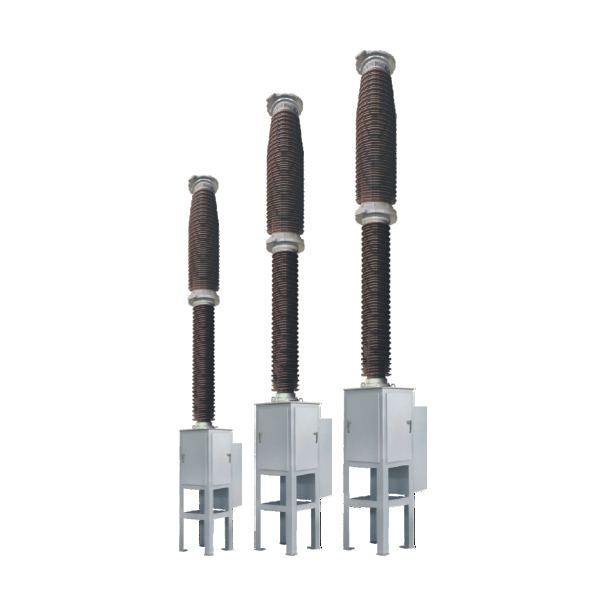
Typical Applications by Voltage Class
Understanding where each class is used makes selection far easier.
Below is a practical application map based on real project patterns.
3.6 kV to 12 kV: industrial plants, mining, commercial facilities, utility distribution feeders
24 kV: urban network expansion, compact substations, medium industrial supply, RMUs
36 kV and 40.5 kV: utility feeder substations, renewable integration, 33 kV systems, collector substations
72.5 kV: 66 kV subtransmission substations, transformer incomers, line bays
126 kV: 110 kV transmission substations, grid interconnection nodes
145 kV: 132 kV line and transformer bays, some cross-standard 138 kV discussions
252 kV: bulk transmission substations, major switching stations
362 kV and above: GIS-heavy strategic substations, EHV and UHV transmission systems
In short, medium voltage SF6 breaker applications are typically distribution-focused, while high voltage SF6 circuit breaker classes serve transmission and subtransmission infrastructure.
At the upper end, gas insulated switchgear voltage categories become increasingly important because GIS dominates many high-value urban and EHV projects.
Common Product Search Terms and Their Voltage Meanings
In digital sourcing and international trade, buyers often search by familiar market language rather than strict standard terminology.
Understanding the intent behind these search terms is critical for good technical sales support.
15 kV SF6 Circuit Breaker
The phrase 15 kv sf6 circuit breaker usually refers to an ANSI medium-voltage class used in industrial distribution, utility feeders, and metal-clad switchgear systems.
It is common in North American projects and should not be translated directly into an IEC 12 kV assumption without checking the specification basis.
66 kV SF6 Circuit Breaker
The search term 66kv sf6 circuit breaker usually points to a system voltage description in IEC-oriented markets.
In formal equipment class terms, the actual breaker is commonly a 72.5 kV unit.
132 kV SF6 Circuit Breaker
The phrase 132kv sf6 circuit breaker is very common in export discussions.
In many IEC projects, this market term usually corresponds to the 145 kV equipment class.
145 kV SF6 Circuit Breaker
The 145 kv sf6 circuit breaker is one of the most important IEC high-voltage classes.
It is widely used for 132 kV projects and also becomes relevant when comparing ANSI 138 kV system requests against IEC equipment ratings.
230 kV SF6 Circuit Breaker
The term 230 kv sf6 circuit breaker usually reflects ANSI transmission naming.
For cross-standard supply, it must be checked carefully against the required equipment highest voltage and insulation level.
245 kV SF6 Circuit Breaker
Some buyers search for 245 kv sf6 circuit breaker because that terminology appears in certain international specifications and commercial habits.
But in IEC-heavy projects, technical standardization may instead center around 252 kV, so the exact requirement must be verified before quotation.
Real-World Data Table: Common Voltage Class Mapping by Market
| SEARCH TERM | TYPICAL PROJECT REGION | LIKELY STANDARD | NOMINAL SYSTEM VOLTAGE | ACTUAL EQUIPMENT VOLTAGE CLASS |
|---|---|---|---|---|
| 15 kV SF6 circuit breaker | USA, Canada, some Latin America | ANSI/IEEE | 15 kV | Check exact ANSI equipment class and insulation basis |
| 66 kV SF6 circuit breaker | Asia, Africa, Middle East | IEC | 66 kV | 72.5 kV |
| 132 kV SF6 circuit breaker | UK-influenced and export markets | IEC | 132 kV | 145 kV |
| 145 kV SF6 circuit breaker | Global IEC projects | IEC | Typically 132 kV system | 145 kV |
| 138 kV breaker inquiry | North America, Latin America | ANSI/IEEE | 138 kV | Often compared with 145 kV equipment level |
| 230 kV SF6 circuit breaker | Americas | ANSI/IEEE | 230 kV | Cross-check with 245 kV or 252 kV framework |
| 245 kV SF6 circuit breaker | Mixed export markets | IEC or mixed specification | 220 kV / 230 kV related projects | 245 kV or 252 kV depending specification |
| 345 kV breaker | USA and major transmission projects | ANSI/IEEE | 345 kV | Often compared with 362 kV IEC class |
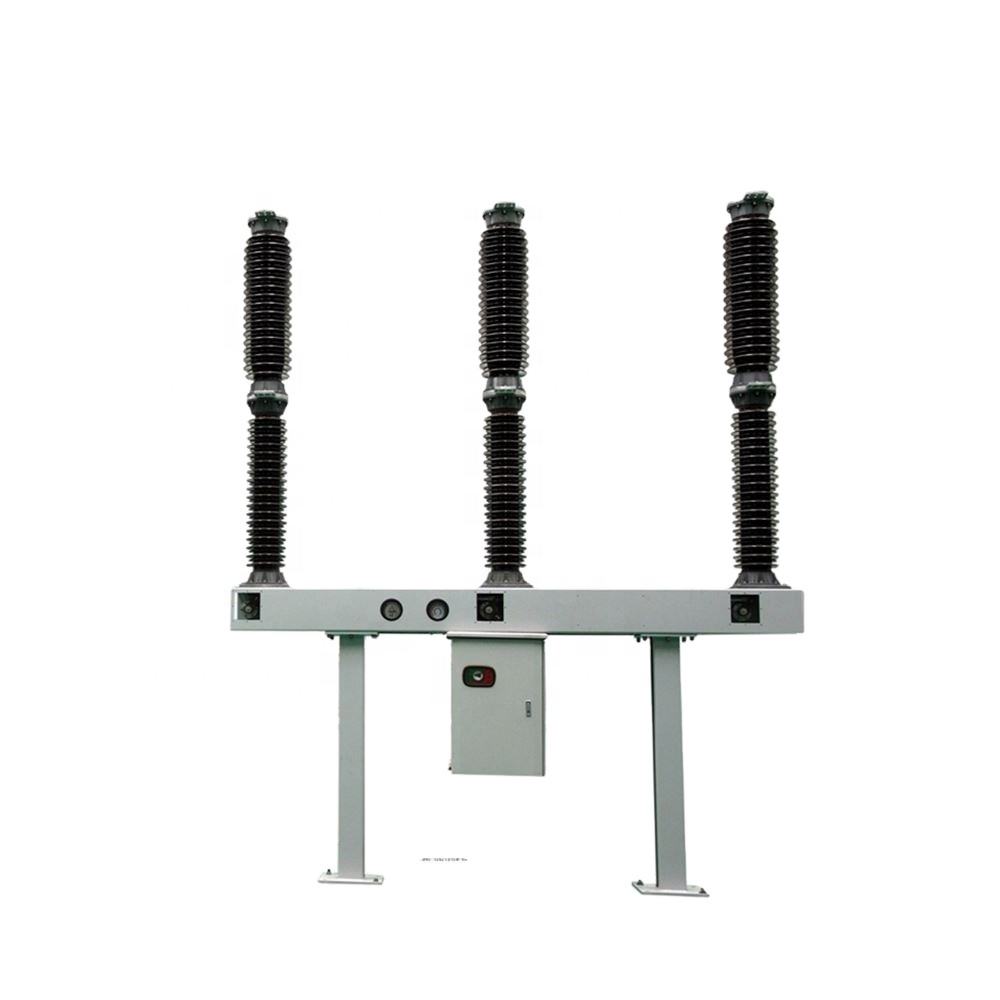
Key Buying and Tender Mistakes to Avoid
Most breaker voltage mistakes in international business are not caused by weak products.
They are caused by weak interpretation of the standard and the tender language.
Here are the most common mistakes seen in real export bidding and parameter verification:
Confusing nominal system voltage with highest equipment voltage
Example: quoting a “66 kV breaker” without confirming the IEC class should be 72.5 kV.Ignoring the project standard
Example: treating ANSI 138 kV wording as if it were already identical to an IEC 145 kV datasheet requirement.Failing to review insulation coordination
Voltage class alone is not enough if BIL or impulse withstand values do not match.Not checking AIS versus GIS configuration
Same voltage level, very different product architecture.Assuming search terms are technical specifications
Online inquiry language is often commercial shorthand, not the final engineering requirement.Overlooking altitude and environmental correction
High-altitude substations may require modified external insulation performance.Using incomplete type test references
Test reports must correspond to the actual equipment class and duty requirements.Failing to align tender sheet, datasheet, and nameplate wording
This creates approval delays even when the product itself is technically acceptable.
One practical habit can prevent most of these problems.
Before issuing a final quote, create a one-page voltage mapping sheet that lists nominal system voltage, applicable standard, highest equipment voltage, insulation levels, and installation type side by side.
That single check often saves days of clarification and can prevent contract disputes later.
FAQ
What voltage classes are available for SF6 circuit breakers?
Common IEC classes include 3.6 kV, 7.2 kV, 12 kV, 24 kV, 36 kV, 40.5 kV, 72.5 kV, 126 kV, 145 kV, 252 kV, 362 kV, 550 kV, and 800 kV. Common ANSI/IEEE system voltage classes include 15 kV, 27 kV, 34.5 kV, 69 kV, 115 kV, 138 kV, 230 kV, and 345 kV.
Is system voltage the same as the rated voltage of an SF6 circuit breaker?
No. Under IEC practice, the breaker is usually classified by the highest rated voltage for equipment, while ANSI/IEEE projects often refer to the system operating voltage. That is why the commercial project voltage and the breaker nameplate voltage are often different.
Why is a 66 kV system matched with a 72.5 kV SF6 circuit breaker?
Because IEC uses the highest voltage for equipment classification. In a 66 kV network, the proper breaker class is typically 72.5 kV so that insulation coordination and equipment design match the required standard. A common example is the LW36-72.5 kV breaker used in 66 kV substations.
Is a 138 kV system the same as a 145 kV SF6 circuit breaker?
Not exactly. A 138 kV value usually describes the nominal system voltage in ANSI-style project language, while 145 kV is a highest equipment voltage class commonly used for technical comparison and IEC alignment in many export cases.
Is 132 kV SF6 circuit breaker the same as 145 kV class?
In many IEC projects, yes in practical selection terms. A 132 kV system is commonly supplied with a 145 kV class breaker because 145 kV is the relevant highest equipment voltage under IEC classification.
What is the difference between 230 kV and 245 kV or 252 kV SF6 circuit breakers?
230 kV is often an ANSI system voltage description, while 245 kV or 252 kV may refer to equipment voltage classes under IEC or mixed international specifications. The numbers should never be treated as automatically interchangeable without checking the governing standard and insulation requirement.
Which SF6 circuit breaker voltage classes are used in GIS?
GIS commonly uses high-voltage and extra-high-voltage classes such as 72.5 kV, 126 kV, 145 kV, 252 kV, 362 kV, 550 kV, and 800 kV, especially in compact urban substations, strategic grid nodes, and major transmission projects.
Conclusion: A Simple Rule for Matching SF6 Circuit Breaker Voltage Ratings
The simplest rule is this: first identify whether the project follows IEC or ANSI/IEEE, then match the nominal system voltage to the correct highest equipment voltage before checking insulation level, installation type, and duty requirements.
If that rule is followed, most confusion around SF6 circuit breaker voltage ratings disappears immediately.
You will know why a 66kv sf6 circuit breaker inquiry often means a 72.5 kV breaker, why a 132kv sf6 circuit breaker usually points to a 145 kv sf6 circuit breaker, and why a 230 kv sf6 circuit breaker request must be checked carefully against IEC-equivalent equipment class expectations.
For utilities, EPC contractors, and overseas buyers, that clarity means faster technical approval, fewer tender deviations, and lower procurement risk.
CTA: Need Help Matching IEC or ANSI SF6 Circuit Breaker Voltage Classes?
If you are preparing a bid, reviewing a substation specification, or comparing a 15 kv sf6 circuit breaker, 66kv sf6 circuit breaker, 132kv sf6 circuit breaker, 145 kv sf6 circuit breaker, 230 kv sf6 circuit breaker, or 245 kv sf6 circuit breaker inquiry, do not rely on the voltage number alone.
Contact us now to request a project-specific voltage class comparison table, tender sheet review, or exact model recommendation for your AIS or GIS application.
Share your system voltage, project standard, insulation requirement, and installation type, and get a clear technical matching answer before you quote or buy.
Get in touch today for a fast IEC vs ANSI voltage-class check and the right SF6 circuit breaker recommendation for your project.