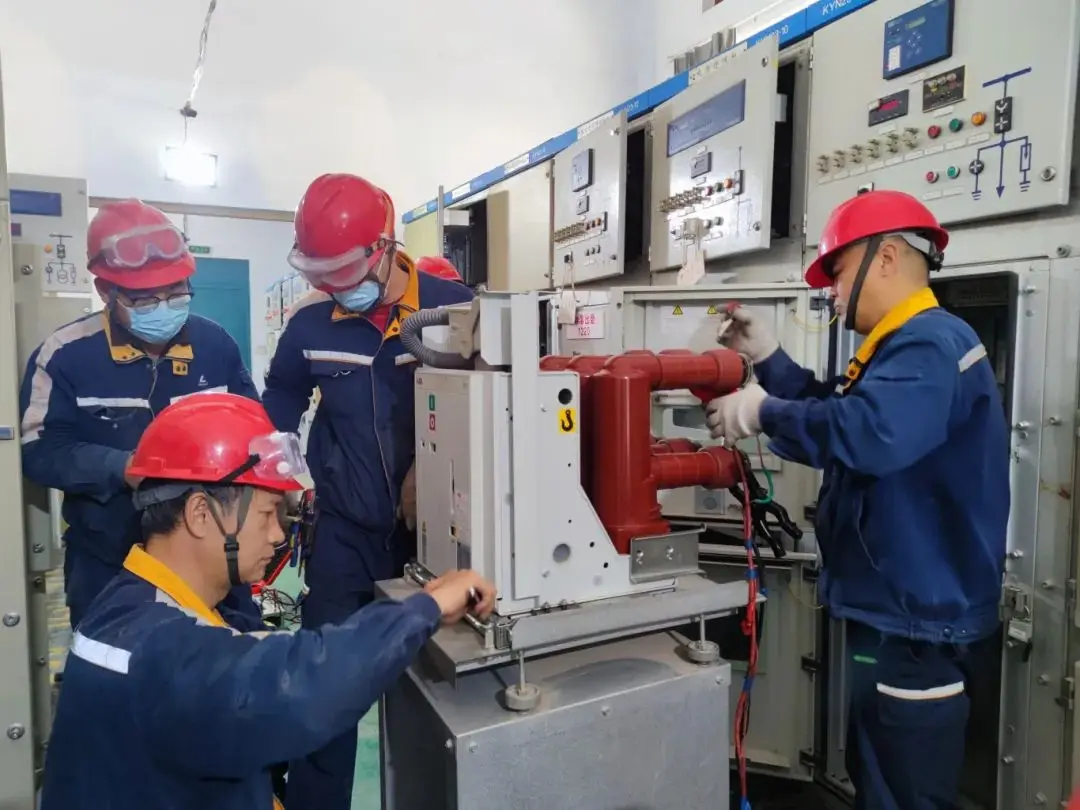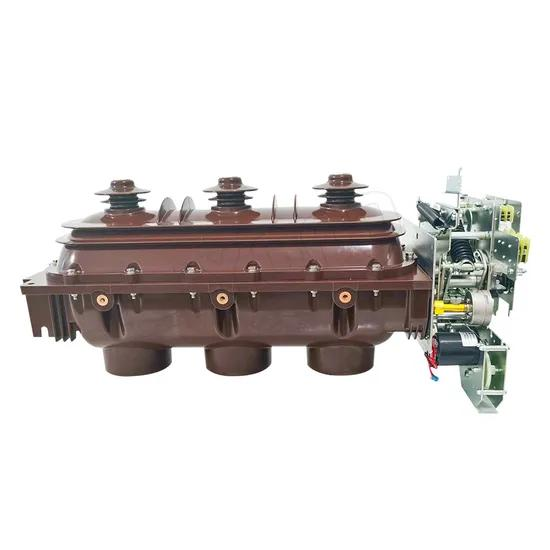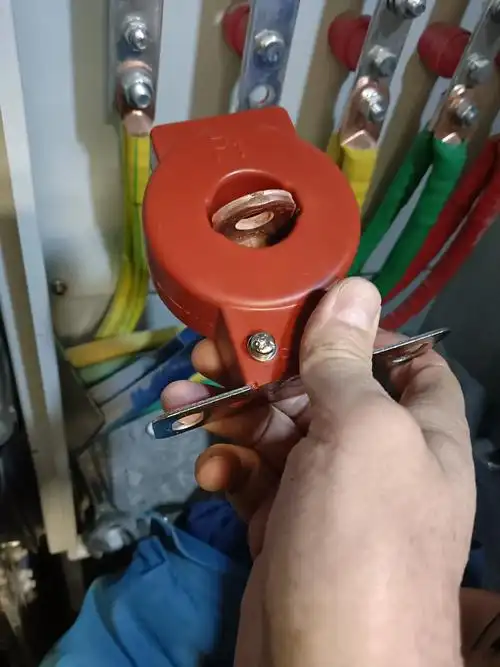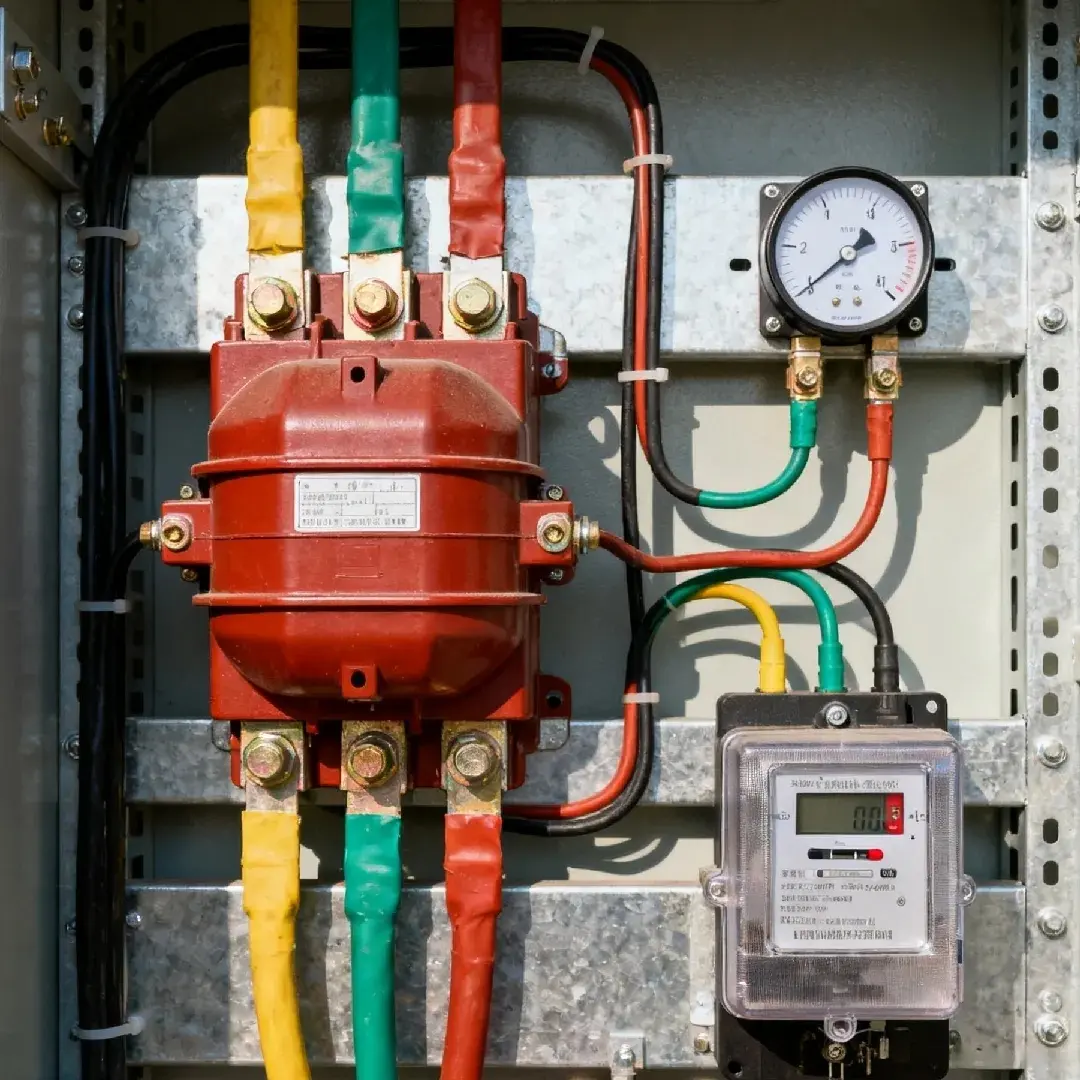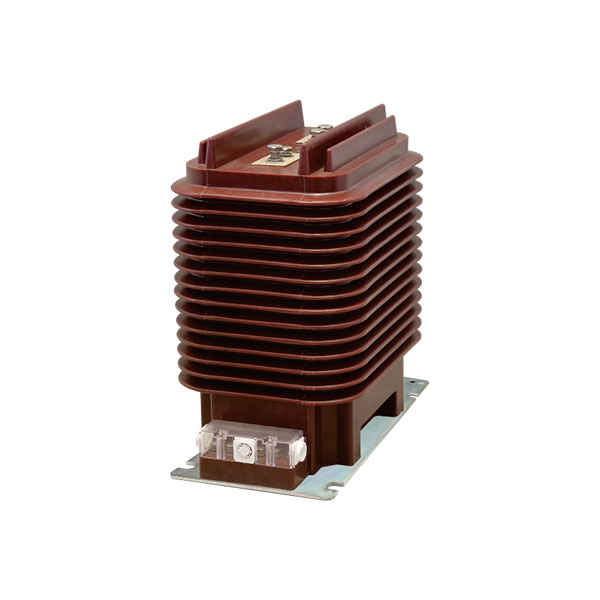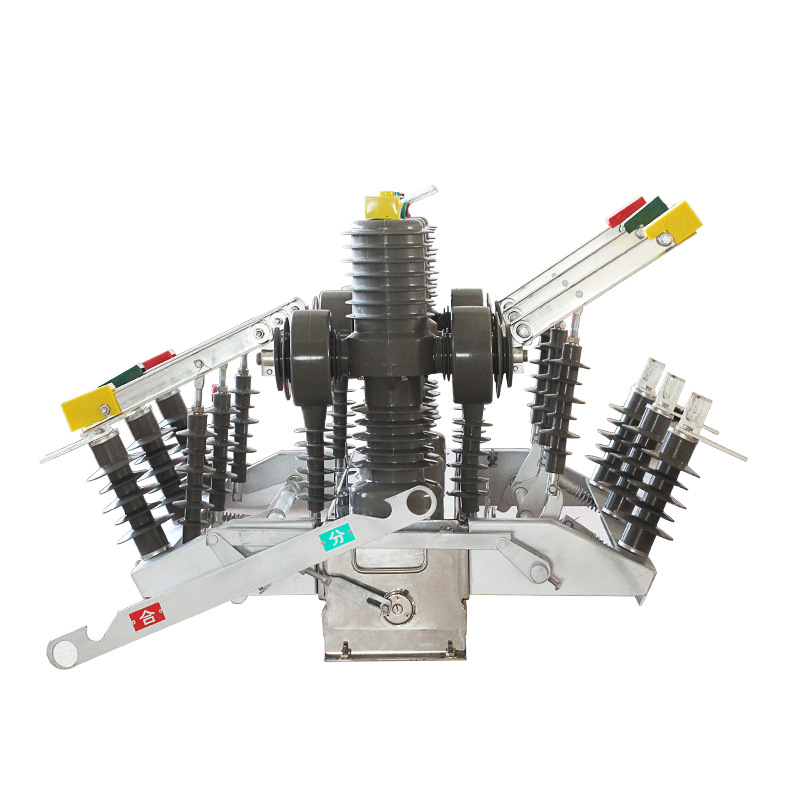
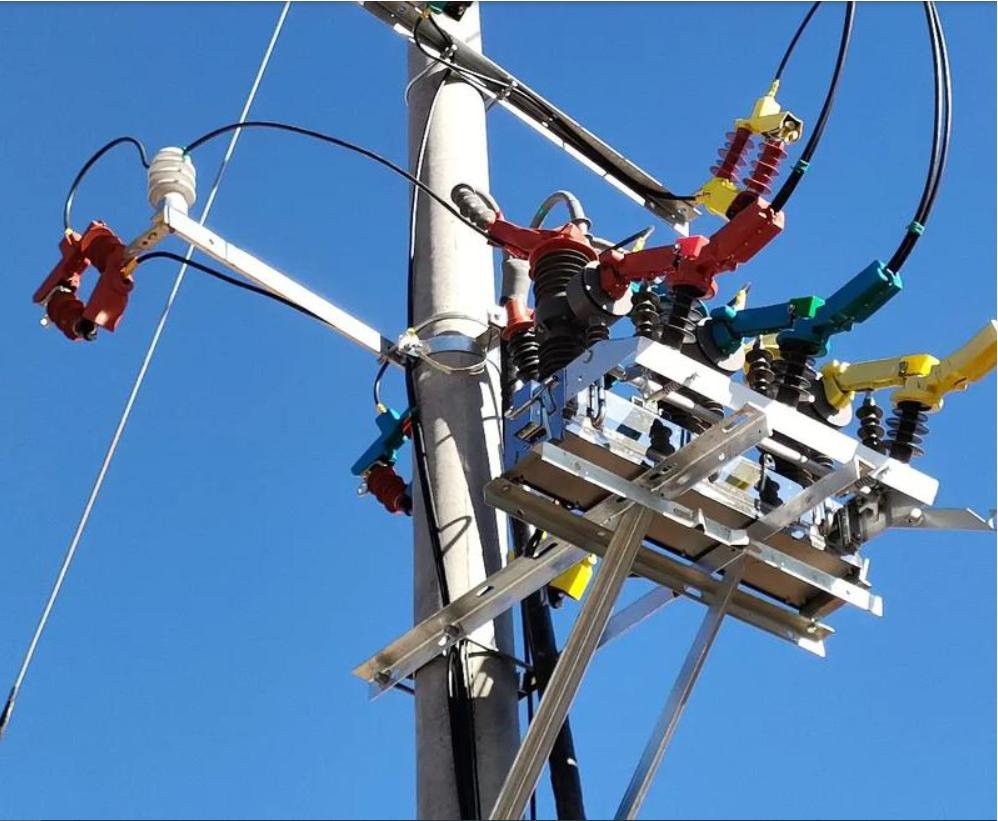
If you need to quickly determine why an outdoor vacuum circuit breaker failed, start by breaking the problem down into five paths: mechanism, control circuit, insulation, vacuum interrupter, or environment. That one move saves hours of blind part replacement. In real fieldwork, most delays do not stem from difficult testing. They come from misreading symptoms, especially after rain, storms, long idle periods, or repeated fault interruption. Read this article, and you will know how to systematically diagnose outdoor vacuum circuit breaker damage, what clues matter most on site, and when to repair, rebuild, or replace with confidence.
Stop Guessing: The Fastest Way to Troubleshoot an Outdoor Vacuum Circuit Breaker
The fastest method is not “test everything.” It is fault isolation by symptom path.
When I handle outdoor switchgear inspections, I first ask five questions. Did it fail mechanically? Did control power disappear? Did the insulation weaken? Did the vacuum interrupter degrade? Or did the outdoor environment trigger the failure?
That is the backbone of effective outdoor vacuum circuit breaker troubleshooting. Once you classify the fault path, the test sequence becomes obvious.
What “Damaged” Really Means in an Outdoor Vacuum Circuit Breaker
In practice, “damaged” does not only mean a shattered component. It usually means the breaker can no longer switch safely, reliably, or repeatedly within design limits.
Common failure modes include:
Failure to close due to spring charging, low control voltage, anti-pumping logic, or interlocks
Failure to trip due to trip coil loss, linkage seizure, or missing auxiliary supply
Insulation weakness caused by moisture, tracking, salt pollution, cracked insulators, or degraded seals
Vacuum interrupter leakage or wear, causing unsafe dielectric performance or abnormal contact resistance
Overheating at terminals, contacts, or poor joints
Corrosion and weather degradation are affecting cabinets, mechanisms, and secondary circuits
Under IEC 62271 and utility maintenance practice, any condition that compromises interrupting duty, dielectric strength, mechanical endurance, or control reliability must be treated as equipment damage.
Safety Lockout and Pre-Inspection Rules Before Any Outdoor Vacuum Circuit Breaker Troubleshooting
Do not touch the breaker until the isolation sequence is complete. This is not optional.
Follow this order:
1. e-energize and apply lockout/tagout
2. Verify the absence of voltage with an approved method
3. Discharge stored mechanical energy
4. Isolate control power and battery/DC source
5. Record nameplate data, trip records, operation count, and fault history
IEEE C37 series practices and IEC switchgear maintenance guidance both support documented isolation and verification before intrusive work.
On outdoor units, I also check whether enclosure heaters are still live before isolation. Failed heaters are often the hidden beginning of the story.
Quick Triage Checklist for Outdoor Vacuum Circuit Breaker Troubleshooting
Before any meter comes out, do a fast first-pass inspection.
Breaker position: open, closed, intermediate, uncertain
Spring status: charged or discharged
Trip/close indicator consistency
Control voltage available or missing
Visible contamination, salt film, mud, insects, nests
Burn smell, ozone smell, hot insulation odor
Recent storm, lightning, fault clearing, or washdown exposure
Noise history: hum, chatter, failed motor charging, repeated trip attempts
This 3-minute triage often tells you more than a random resistance test.
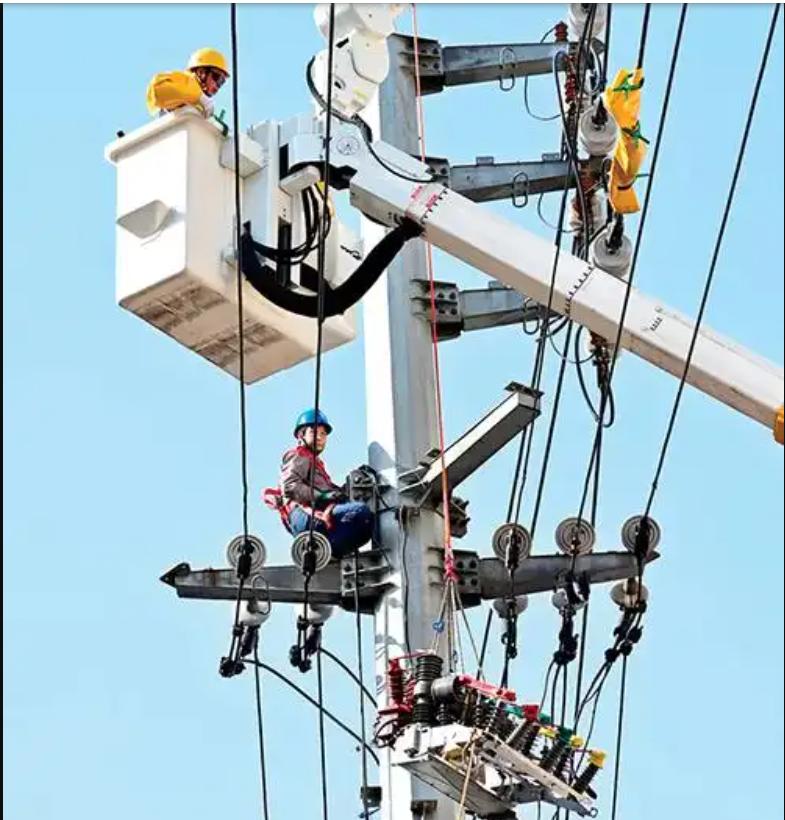
How to Identify the Root Cause of a Damaged Outdoor Vacuum Circuit Breaker
Use symptoms to place the problem into one of five root-cause paths.
1. Mechanism fault
Typical signs are incomplete closing, sluggish motion, failed latch, poor timing, manual operation stiffness, or charging motor strain.
2. Control circuit fault
Typical signs are dead coils, low DC voltage, blown fuses, loose terminals, anti-pumping malfunction, wet marshalling compartments, or relay logic problems.
3. Insulation failure
Typical signs are tracking marks, cracked insulators, low insulation resistance, condensation, flashover evidence, or post-rain nuisance trips. These are classic circuit breaker insulation failure symptoms.
4. Vacuum interrupter damage
Typical signs are abnormal contact resistance, reduced contact travel, bottle damage clues, restrike suspicion after fault interruption, or test results suggesting dielectric weakness. This is the core of damaged vacuum interrupter diagnosis.
5. External environmental damage
Typical signs are salt deposits, UV-aged polymer parts, corroded glands, insect intrusion, heater failure, water entry, and animal contact.
Common Symptoms and What They Usually Mean
Breaker Will Not Close
This usually points to uncharged springs, low control voltage, anti-pumping circuit trouble, close coil failure, or mechanical interlock issues.
In field cases, weak station batteries are more common than technicians expect, especially in remote substations after prolonged charger problems.
Breaker Closes but Trips Immediately
This often means a genuine protection operation, unstable latch behavior, secondary wiring errors, or serious insulation weakness.
If this starts after rain or fog, suspect external insulation contamination before replacing internal parts.
Breaker Will Not Trip
This usually means a failed trip coil, lost control power, jammed linkage, seized latch, or broken mechanical release path.
On older outdoor units, hardened grease after long idle periods is a repeat offender.
Burn Marks, Tracking, or Cracked Insulators
These are strong circuit breaker insulation failure symptoms. Typical causes are contamination, moisture ingress, aging porcelain, UV-damaged polymer housings, or seal breakdown.
Unusual Noise, Heat, or Ozone Smell
These clues often indicate contact wear, high-resistance joints, partial discharge, or vacuum interrupter integrity concerns.
Ozone smell after the operation should never be dismissed as “normal switching smell” on outdoor MV equipment.
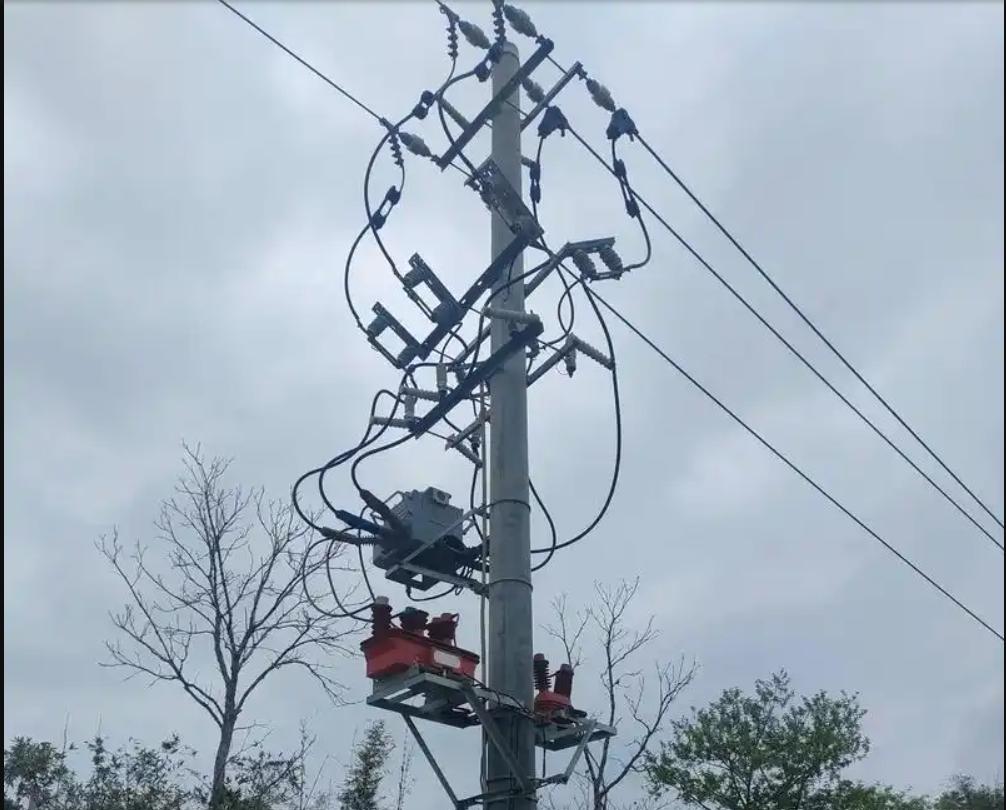
Step-by-Step Outdoor Vacuum Circuit Breaker Troubleshooting Process
Step 1: Review Fault Records, SCADA Alarms, and Recent Switching History
Start with the event timeline. Did the failure happen after a short-circuit, repeated reclose sequence, storm exposure, or long idle storage?
In real service calls, this step often identifies whether you are dealing with stress damage or slow deterioration.
Step 2: Perform External Visual Inspection
Inspect bushings, support insulators, enclosure doors, seals, heaters, cable terminations, drain paths, gland plates, corrosion points, and signs of animal ingress.
One field detail many outsiders miss: water rarely enters from the obvious top seam. It often tracks through cable glands, poorly reinstalled bottom plates, or breathing points near secondary terminal boxes.
Step 3: Inspect the Operating Mechanism
Check springs, cams, latches, linkages, dampers, charging motor, auxiliary switches, grease condition, and alignment marks.
If the breaker sat idle for months, manually cycle the mechanism if safe and permitted. Sticky motion after long idle periods is one of the most common service findings reported by technicians.
Step 4: Verify Control Power and Secondary Wiring
Measure actual control supply under attempted operation, not just no-load voltage.
Check trip and close coil continuity, fuse condition, terminal tightness, relay outputs, battery health, and moisture inside marshalling compartments.
I have seen more than one breaker condemned when the real problem was voltage collapse at the instant of coil energization due to a corroded DC link.
Step 5: Test Insulation Condition
Use insulation resistance testing and related approved tests according to manufacturer procedure and site practice.
Interpret readings against temperature, humidity, surface condition, and equipment history. A low result after coastal fog means something different from a low result after a dry season internal fault.
Step 6: Evaluate Vacuum Interrupter Health
Check contact travel, overtravel, contact resistance, interrupter surface condition, and signs of bottle damage.
For damaged vacuum interrupter diagnosis, pay attention to inconsistency. A single stable reading can mislead. Repeated measurements that drift between operations often reveal hidden contact or interrupter problems.
Step 7: Confirm Mechanical Timing and Operation Count Wear
Measure opening and closing time, simultaneity, bounce behavior, and compare operation count with manufacturer endurance guidance.
This is central to medium voltage breaker maintenance. Timing drift often appears before total failure.
Step 8: Decide Repair, Rebuild, or Replace
Base the decision on safety margin, spare parts, age, outage risk, labor hours, repeat-failure probability, and life-cycle cost.
If the vacuum interrupter integrity is doubtful and the breaker already shows mechanism wear, replacement is usually more economical than partial repair.
Damaged Vacuum Interrupter Diagnosis: The Failure Signs Many Teams Miss
Most teams look only for a cracked bottle or a failed withstand test. That is too late.
Subtle clues include:
Contact resistance that is not just high, but unstable between repeated tests
Unusual bottle surface contamination pattern compared with adjacent phases
Reduced wipe or overtravel due to contact erosion or linkage change
Suspicion of post-fault restrike after a heavy interruption event
Abnormal heat on one pole with no matching terminal defect
In IEEE and IEC-aligned maintenance programs, interrupter condition is judged by the combination of mechanical travel, electrical resistance, dielectric performance, and service history. No single clue should stand alone.
Circuit Breaker Insulation Failure Symptoms in Outdoor Installations
Outdoor breakers fail differently from indoor breakers. The environment writes half the failure report.
Watch for these outdoor-specific triggers:
UV aging that embrittles polymer housings and seals
Salt fog that creates conductive film and tracking risk
Condensation cycling inside control compartments during day-night temperature swings
Insect nests bridging terminals or blocking drains
Heater failure is causing chronic dampness
Gasket shrinkage leading to slow water ingress
Some of the worst flashover cases I have seen were not caused by dramatic storms. They came from months of light moisture plus failed enclosure heating.
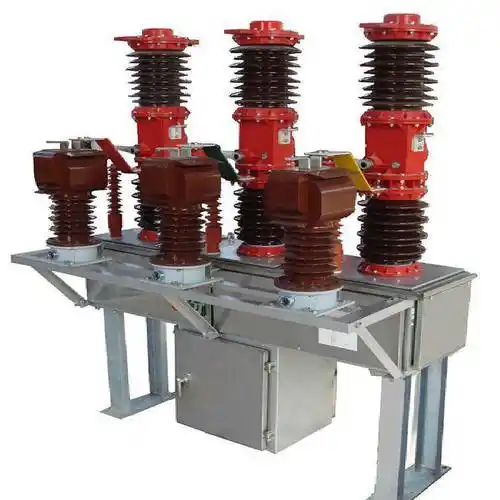
Real-World Failure Data and Field Patterns
The patterns below reflect common service behavior reported across utility maintenance practice, OEM service discussions, and field technician observations in outdoor medium-voltage environments.
Table: Most Frequent Outdoor Vacuum Circuit Breaker Fault Categories
| Fault Category | Typical Symptom | Likely Test Method | Outage Risk | Recommended Action |
|---|---|---|---|---|
| Control circuit fault | Will not close or trip intermittently | Control voltage check, coil continuity, fuse inspection | Medium | Repair wiring, battery, relay, or coil path |
| Mechanism wear/binding | Slow motion, incomplete travel, timing drift | Manual operation check, timing test, mechanism inspection | High | Rebuild or replace worn mechanism parts |
| Insulation contamination | Tracking, nuisance trip, post-rain flashover signs | Visual inspection, insulation resistance testing | High | Clean, dry, reseal, and correct the ingress source |
| Vacuum interrupter degradation | Heat, unstable resistance, and suspicious interruption performance | Contact resistance, travel analysis, and integrity checks | Very High | Replace the interrupter or breaker assembly |
| Terminal/joint overheating | Localized discoloration, hot spot, odor | Thermal scan, torque verification, resistance comparison | High | Repair the joint and inspect the downstream damage |
Table: Environmental Triggers vs. Damage Mechanism
| Environmental Trigger | Common Damage Mechanism | Field Clue | Priority Response |
|---|---|---|---|
| Heavy rain | Water ingress into secondary/control compartments | Intermittent close/trip failure after storm | Dry out and reseal glands, doors, vents |
| Coastal salt | Surface leakage and tracking on insulation | White film, flash marks, poor IR in humid weather | Wash, clean, and apply pollution control maintenance |
| Dust and industrial pollution | Conductive buildup and overheating | Dirty insulators, hot joints, nuisance operation | Clean and inspect joints and air paths |
| High heat/UV | Seal aging, polymer cracking, and grease deterioration | Brittle gaskets, faded housings, stiff mechanisms | Replace seals and relubricate approved points |
| Lightning/storm activity | Insulation stress and control surges | Trip event cluster, damaged auxiliary circuits | Check surge path, relays, and insulation status |
| Animal ingress | Phase-to-ground faults or control wiring damage | Nests, droppings, bite marks, debris | Clean, repair, and block access points |
Repair vs. Replace Decision Matrix
| Condition | Repair Feasibility | Expected Downtime | Cost Impact | Best Decision |
|---|---|---|---|---|
| Minor control wiring fault | High | Low | Low | Repair |
| Mechanism wear with the available spare kit | Medium to High | Medium | Medium | Rebuild if the breaker age is acceptable |
| Severe insulation degradation from water ingress | Medium | Medium to High | Medium to High | Repair only if the root ingress cause is eliminated |
| Doubtful vacuum interrupter integrity | Low to Medium | High | High | Replace the interrupter or breaker |
| Multiple repeated failures on the aged unit | Low | High | Very High over the life cycle | Replace |
What Real Technicians Report in the Field
Across field discussions and service communities, several patterns come up again and again.
“The breaker was blamed, but the real issue was water creeping through the cable gland into the terminal block.”
“After long idle time, the mechanism looked fine visually, but the latch was sticky and timing was out.”
“Post-storm nuisance trips turned out to be contamination on insulators plus failed panel heaters.”
These are believable because they match what many of us actually see on outdoor installations. The hidden issue is often not the main interrupter assembly first. It is the environment attacking the support systems around it.
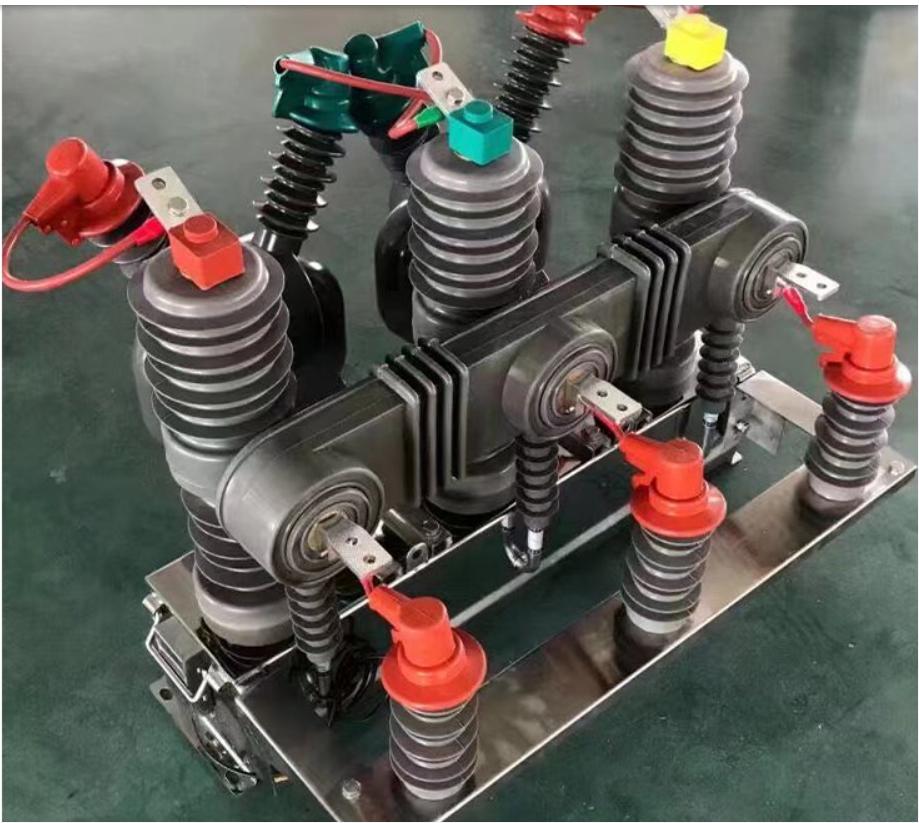
Outdoor Switchgear Repair Guide: Practical Fixes That Actually Work
A good outdoor switchgear repair guide should focus on fixes that remove root cause, not just restore operation for one day.
Clean, Dry, and Re-Seal Contaminated Insulation Surfaces
Use this when tracking, condensation, pollution buildup, or salt contamination is the main issue.
Clean with approved methods, fully dry the surfaces, verify heater operation, restore drainage, and replace failed gaskets or cable seals. If you only wipe the insulator and leave the water path in place, the failure returns.
Repair or Replace Worn Operating Mechanism Components
Do this when timing drift, incomplete travel, latch instability, or hard manual operation appears.
Replace worn pins, springs, dampers, bearings, and degraded lubrication per OEM instructions. Never guess on lubricant type. Wrong grease creates a slow failure that looks like a coil problem.
Restore Reliable Control Circuit Integrity
Fix loose terminals, oxidized connectors, weak DC supply, aged relays, failed coils, and moisture-damaged secondary wiring.
Always test the voltage during operation demand. Static readings alone are not enough.
Replace the Vacuum Interrupter When Integrity Is Doubtful
If test evidence, contact resistance instability, mechanical wear pattern, or fault history suggests interrupter degradation, replacement is the safe option.
This is especially true after severe fault interruption events or if the bottle condition is visually suspect.
Preventive Maintenance Checklist for Medium Voltage Breaker Maintenance
Effective medium voltage breaker maintenance for outdoor units should be based on environment, duty cycle, and event-triggered inspections.
Visual inspection at every routine maintenance interval
Clean insulation surfaces in polluted or coastal sites more frequently
Check heater operation and condensation signs
Inspect seals, glands, drains, and enclosure hardware
Verify control voltage health and battery condition
Perform timing tests at scheduled intervals
Check contact resistance and terminal temperature trends
Lubricate only the approved mechanism points
Review the operation count against endurance limits
Inspect after storms, faults, lightning events, or repeated reclose duty
The best maintenance programs combine calendar-based checks with condition-based triggers.
Mistakes That Make Outdoor Vacuum Circuit Breaker Troubleshooting Slower and More Expensive
Replace the trip or close coils before checking the actual control voltage under load
Ignoring recent weather history
Skipping mechanism timing checks because the breaker “still moves.”
Assuming a low insulation reading always means internal insulation collapse
Cleaning contamination without fixing the heater or sealing problems
Judging interrupter health from one resistance reading only
Overlooking the operation count and prior fault interruption duty
These mistakes waste outage time and often create repeat failures.
FAQ
How do I know if an outdoor vacuum circuit breaker is damaged or just dirty?
If the issue is only contamination, you usually see surface deposits, moisture film, or tracking on accessible insulation, and the breaker may recover after proper cleaning and drying. If the breaker still shows abnormal timing, unstable contact resistance, failed trip/close function, or repeat flashover signs, the problem is more than dirt and should be treated as real equipment damage.
What is the first test to perform during outdoor vacuum circuit breaker troubleshooting?
After full isolation and safety verification, the highest-value first step is external visual inspection combined with control power verification. This quickly separates obvious environmental and wiring faults from deeper mechanisms or interrupter problems.
What are the clearest signs of vacuum interrupter failure?
The clearest signs are unstable or abnormal contact resistance, suspicious bottle condition, abnormal heat on one pole, travel or wipe loss, and interruption behavior that suggests restrike or dielectric weakness. A heavy recent fault event strengthens the case for vacuum interrupter replacement.
Can moisture cause circuit breaker insulation failure symptoms in outdoor equipment?
Yes. Moisture is one of the most common causes of circuit breaker insulation failure symptoms in outdoor equipment. Condensation, failed heaters, poor seals, and water ingress through glands or doors can create tracking, low insulation resistance, and flashover risk.
When should I repair an outdoor vacuum circuit breaker instead of replacing it?
Repair is usually justified when the fault is limited to control circuits, sealing, contamination, or serviceable mechanism components and spare parts are available. Replacement is often the better choice when the breaker is old, failures are repeated, vacuum interrupter integrity is doubtful, or outage risk is too high for another partial fix.
How often should medium voltage breaker maintenance be scheduled for outdoor installations?
It depends on duty cycle, pollution severity, and utility practice. As a rule, outdoor units in coastal, dusty, humid, or high-storm areas need more frequent inspection than sheltered installations, and any breaker should be checked after fault interruption, storm exposure, or repeated operations.
Conclusion and Next Action
The quickest way to troubleshoot a damaged outdoor vacuum circuit breaker is to stop guessing and classify the problem correctly: mechanism, control circuit, insulation, vacuum interrupter, or environment.
Use the checklist above. Compare your symptoms against the fault tables. Then confirm with disciplined testing aligned with IEEE and IEC-based maintenance practice.
If you want help selecting a replacement unit, reviewing test results, or planning testing, repair, or replacement for your outdoor vacuum circuit breakers, send us an inquiry today or contact us directly on WhatsApp. We can help you move from fault symptoms to the right product and service decision faster.