Understanding Substation Transformers
What is an Electrical Substation Transformer?
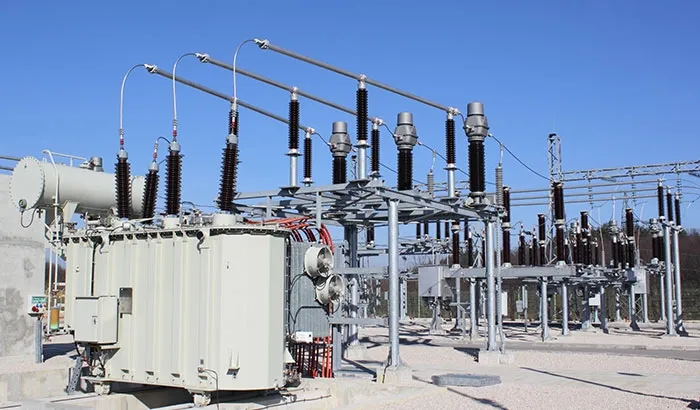
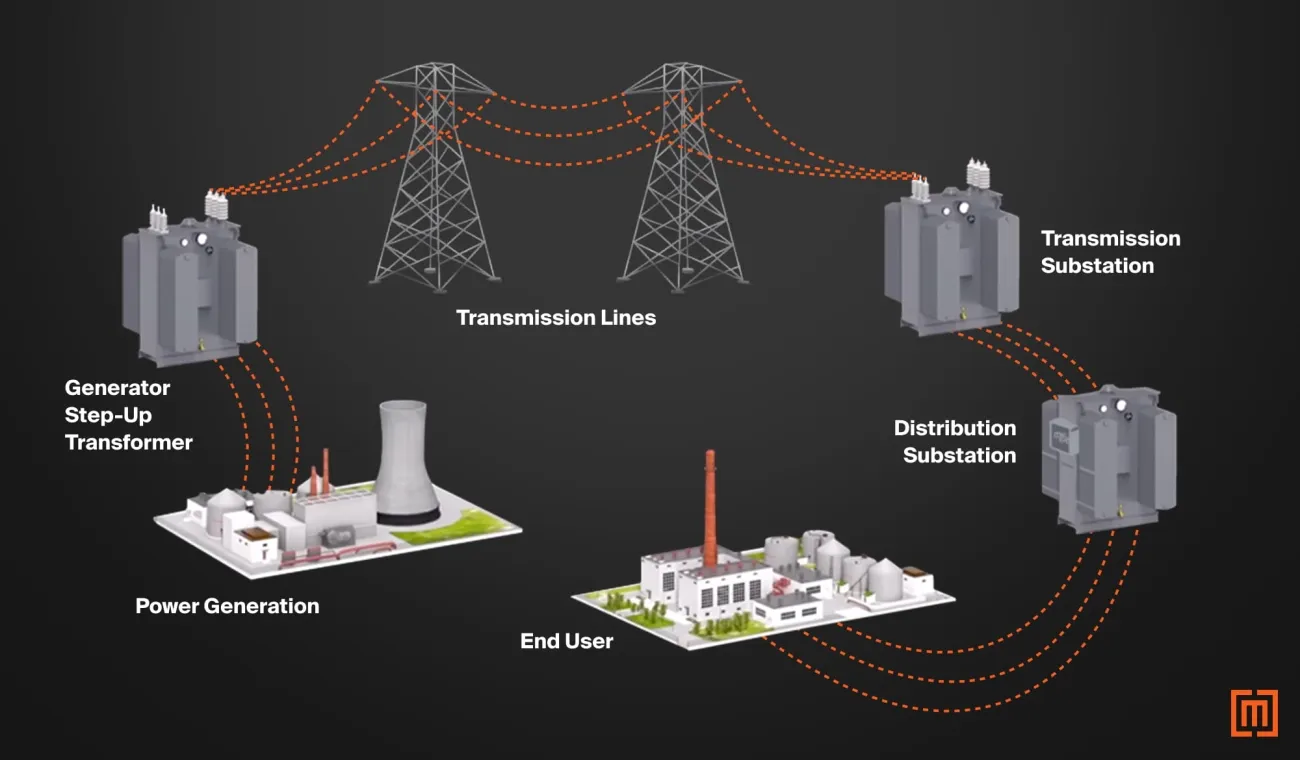
An electrical substation transformer is the heavy-duty backbone of the modern electrical grid. It is a highly engineered static device designed to transfer electrical energy between two or more circuits through electromagnetic induction. We deploy these critical assets to fundamentally alter voltage levels—either stepping up the voltage for efficient, long-distance electric power transmission or stepping it down for safe local power distribution to homes and businesses.
How Do Substation Transformers Work?
The operation of these units relies on a highly efficient process of electrical energy conversion driven by magnetic fields. The core mechanism is straightforward but powerful:
Input Phase: Alternating current (AC) flows into the primary voltage winding, generating a continuously fluctuating magnetic field within the metallic core.
Magnetic Induction: This expanding and collapsing magnetic field intersects the secondary voltage winding.
Output Phase: The field induces a new voltage in the secondary coil. By altering the ratio of wire turns between the primary and secondary coils, the unit dictates the exact output voltage to match specific power classes required by the network.
The Core Role of Transformers in the Power Grid
Without transformers, modern electric power transmission would be economically and physically impossible. Their primary function is to optimize efficiency and maintain grid stability across vast electrical grid applications.
Their critical responsibilities include:
Efficiency Maximization: By drastically increasing voltage for transmission, current drops. This directly minimizes energy lost as heat over hundreds of miles of power lines.
Voltage Reduction: Stepping down ultra-high transmission voltages at the destination to safe, manageable levels for end-users.
Capacity Management: Providing the necessary power carrying capability, defined by the unit’s MVA rating, to handle massive electrical loads without failure or overheating.
System Isolation: Electrically isolating different sections of the grid to protect equipment and prevent widespread outages during localized faults.
What Types of Transformers Do Substations Use?
At Weisho Electric, we know that a substation is only as good as its core components. The specific electrical substation transformer selected depends entirely on where it sits in the grid and the specific task it needs to perform. Generally, we categorize these units into four main groups based on their function, insulation type, and power carrying capability.
Substation Power Transformers
These are the heavyweights of the grid. **Substation power transformers** are typically deployed at the transmission level to handle massive amounts of energy. Their primary job is **voltage reduction**—taking the ultra-high voltage from transmission lines and stepping it down to a sub-transmission level. These units often feature complex cooling systems and high **MVA ratings** to manage the heat generated during **electrical energy conversion**. Because they handle such critical loads, reliability and efficient heat dissipation are non-negotiable features in their design.
Distribution Transformers
Once the power moves closer to the end-user, **distribution transformers** take over. These are the units you typically find in our compact substations or mounted on utility poles. They step down voltage to levels suitable for **local power distribution** (commercial or residential). We manufacture two primary types to suit different environments:
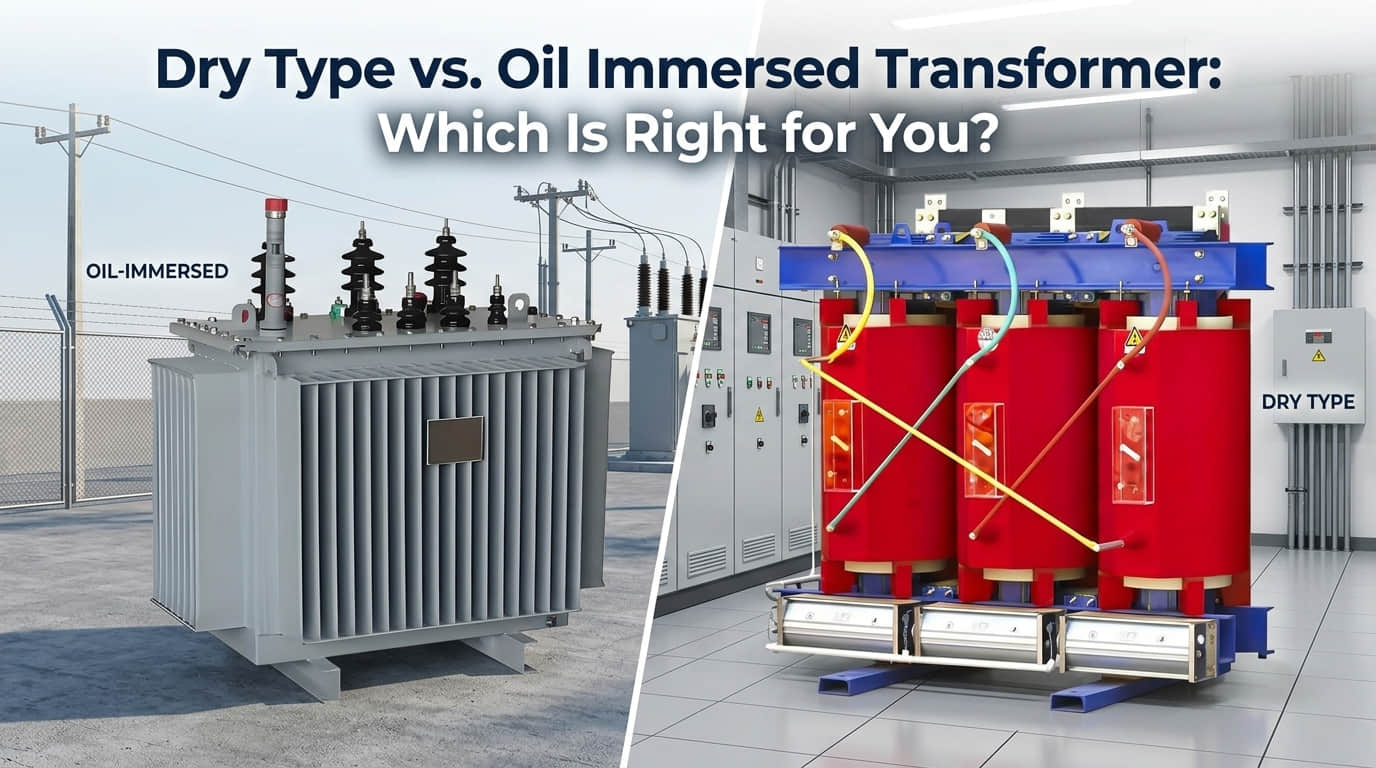
Oil Filled Transformers: These use oil for cooling and insulation. They are highly efficient, durable, and ideal for outdoor setups where heat management is critical.
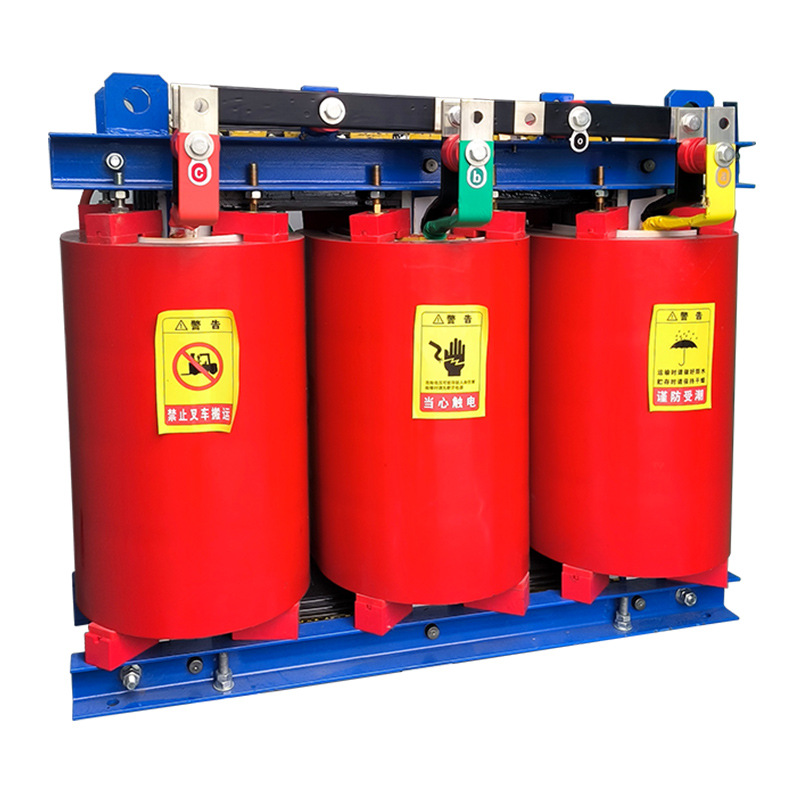
Dry Type Transformers: These use air or resin for cooling. They are significantly safer for indoor use or areas requiring strict fire safety, such as inside a prefabricated substation cabin.
To ensure the longevity of these distribution networks, operators often pair them with protection devices like automatic reclosers to handle temporary faults without causing prolonged outages.
Instrument Transformers
You cannot manage what you cannot measure. **Instrument transformers** are designed specifically to isolate protection and metering circuits from high voltages. They do not transmit power for consumption; instead, they scale down voltage and current to safe levels for monitoring equipment.
Current Transformers (CT): Step down high currents for measurement.
Potential Transformers (PT): Step down high voltages.
Combined Instrument Transformers: A Weisho specialty that integrates both functions for space-saving efficiency.
Proper monitoring via these devices is a critical step in any 11kV substation risk checklist to prevent catastrophic failures and ensure personnel safety.
Specialty Transformers (Rectifier, Auto, and Phase-Shifting)
Sometimes, standard voltage conversion is not enough. **Specialty transformers** handle niche industrial tasks. **Auto transformers** utilize a **single winding transformer** design to efficiently step voltage up or down by small amounts, sharing a common winding for both primary and secondary circuits. Rectifier transformers help convert AC to DC for industrial processes, while **phase-shifting transformers** control the flow of active power on transmission lines. While less common than standard distribution units, they are vital for maintaining specific grid stability parameters.
Key Components and Design Features
To truly understand what transformers do substations use, we have to look inside the box. Whether dealing with massive high-voltage power transformers or standard distribution transformers, their ability to handle various power classes comes down to three main structural elements.
Transformer Tanks and Windings
The tank acts as the protective outer shell. In oil filled transformers, this heavy-duty steel tank holds insulating mineral oil that protects the core and absorbs heat. Alternatively, dry type transformers rely on air or epoxy resins for insulation, making them ideal for specific indoor electrical grid applications.
Inside the tank sit the windings. These are tightly coiled copper or aluminum conductors.
Disc Windings: Often used in high-voltage units for better mechanical strength and voltage distribution.
Voltage Management: The primary winding receives the primary voltage from the grid, while the secondary winding delivers the stepped-down secondary voltage for local power distribution.
Auxiliary Cooling Systems
Electrical energy conversion generates massive amounts of heat. To maintain peak power carrying capability and protect the equipment, auxiliary cooling systems are critical. If a transformer exceeds its thermal limits, its MVA rating drops significantly.
| Cooling Method | How It Works | Best Application |
|---|---|---|
| Natural Cooling | Relies on natural air and oil circulation. | Smaller capacity distribution transformers. |
| Forced Air | Uses external fans to blow air across radiators. | Mid-sized electrical substation transformers. |
| Forced Oil/Water | Pumps actively circulate oil or water through heat exchangers. | Heavy-duty, high-voltage power transformers. |
Bushings and Terminals
Bushings are the critical insulating sleeves that allow live cables to pass safely through the grounded metal transformer tank without causing a short circuit. They are engineered to handle immense electrical stress.
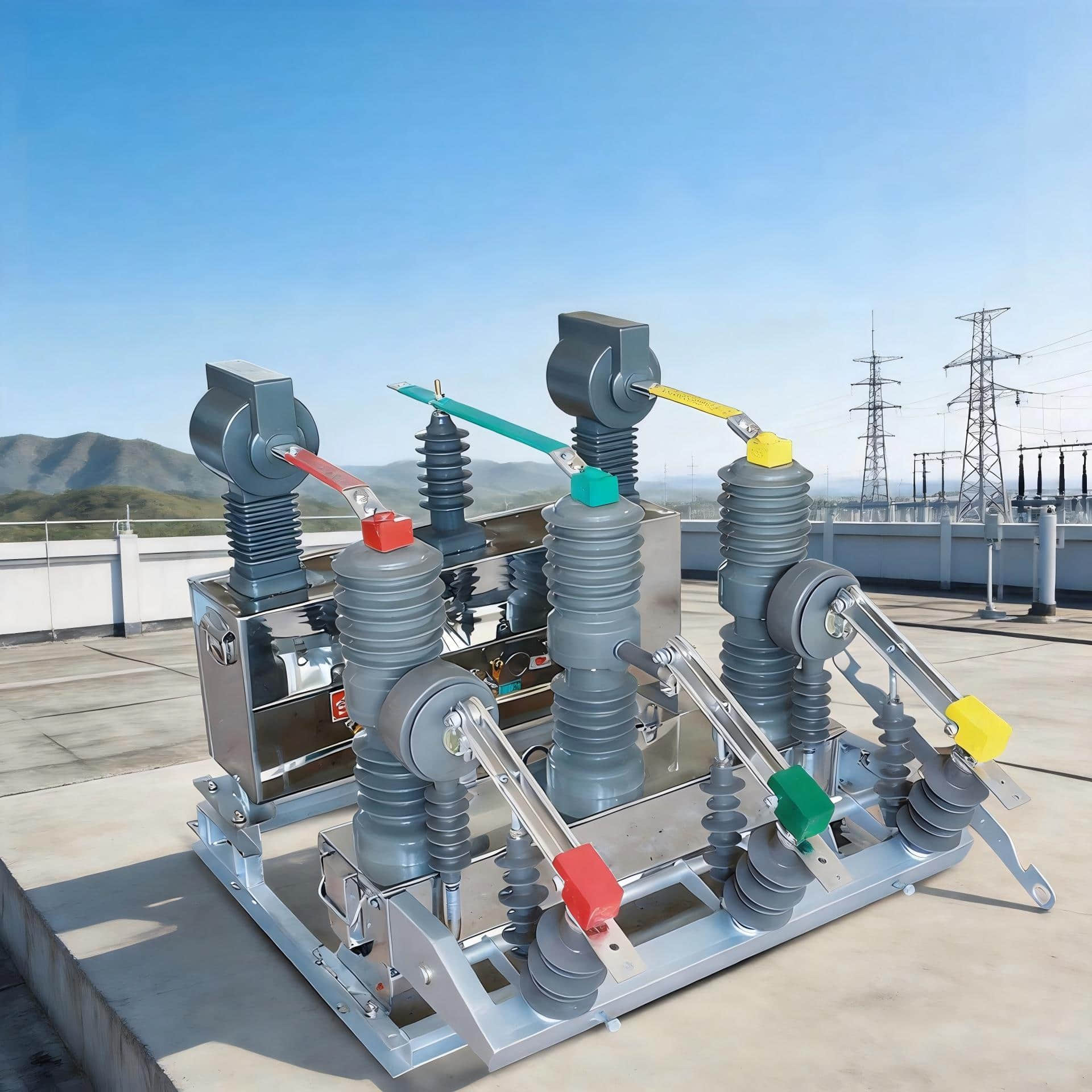
The terminals serve as the physical connection points between the transformer and the broader power grid. To ensure safety during operation and maintenance, these terminals integrate directly with substation switchgear. For example, safely isolating a transformer’s circuit during routine checks requires a highly reliable indoor isolator switch to cut the power flow. Additionally, these connection points are usually backed by a comprehensive vacuum circuit breaker setup to instantly interrupt fault currents and protect the transformer from grid surges.
Substation Transformer Protection and Maintenance
When considering what transformers do substations use, we must also prioritize how to protect these massive investments. Whether operating heavy-duty oil filled transformers or specialized dry type transformers, keeping them running safely is non-negotiable for stable electric power transmission.
Transformer Protection Systems and Monitoring
We rely on comprehensive protection schemes to defend high-voltage power transformers from sudden electrical grid failures. Modern grid applications demand real-time oversight to maintain steady electrical energy conversion.
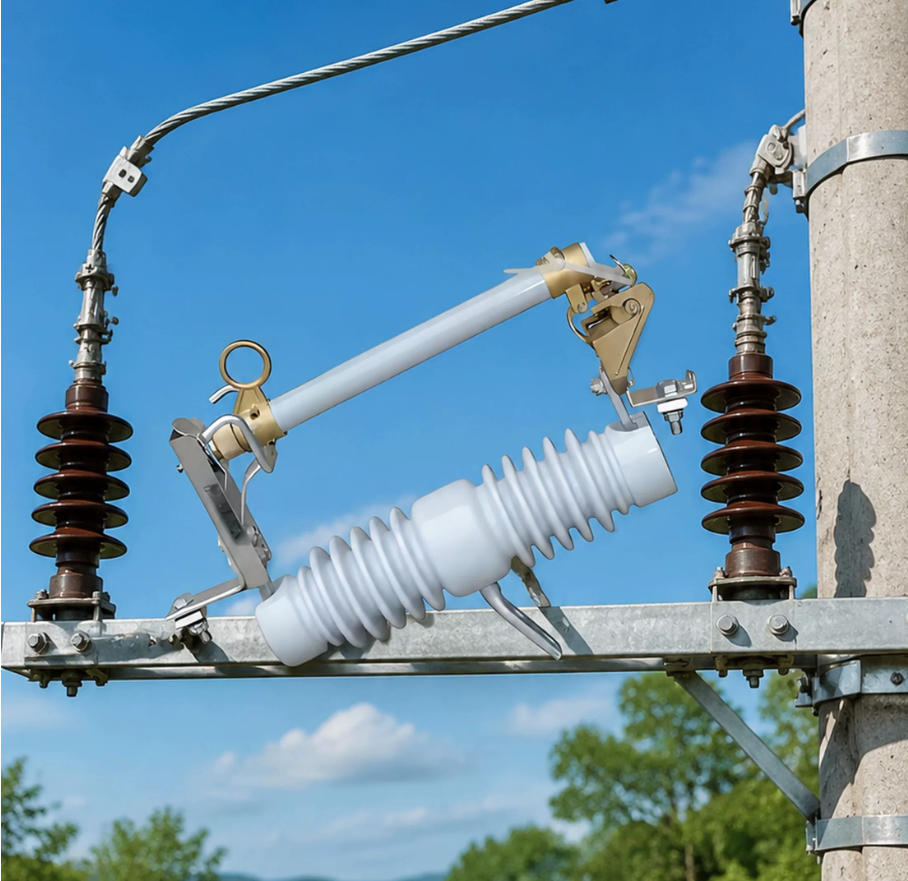
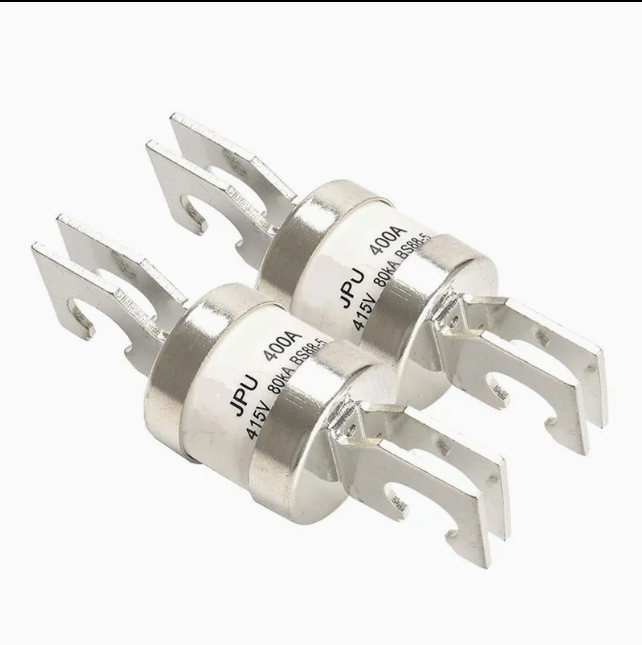
Fault Isolation: Relays and circuit breakers instantly disconnect the transformer during an overload. Understanding what a fuse breaker is and how protective relays operate is vital for stopping dangerous current surges before they melt internal wiring.
Surge Protection: Lightning strikes and switching surges threaten equipment daily. Surge arresters divert this excess energy safely to the ground.
Condition Monitoring: Smart sensors continuously track oil temperature, gas accumulation, and load capacity to prevent catastrophic breakdowns.
Routine Maintenance and Testing Procedures
Consistent upkeep sustains the power carrying capability of your electrical substation transformer. We stick to strict, proactive maintenance schedules rather than waiting for equipment to fail.
Visual Inspections: We regularly check for oil leaks, test cooling fans, and inspect the physical integrity of the transformer tank.
Dissolved Gas Analysis (DGA): Testing the insulating oil is our most reliable method for catching hidden internal faults early.
Electrical Testing: We frequently measure insulation resistance and winding ratios. This confirms the equipment is accurately stepping down the primary voltage to the correct secondary voltage for safe local power distribution.
Common Fault Diagnosis
Even with rigorous maintenance across all transformer power classes, faults can still happen. Quick, accurate diagnosis limits downtime and prevents total equipment loss.
Insulation Degradation: Usually caused by excessive heat, age, or moisture ingress. Evaluating external defenses, like comparing your lightning arrester vs insulator setup, ensures external voltage spikes aren’t degrading internal barriers.
Bushing Failures: Dirty, cracked, or leaking bushings frequently lead to dangerous electrical flashovers.
Core and Winding Issues: Internal short circuits can severely damage delicate disc windings, completely compromising the unit’s MVA rating and requiring immediate replacement.
How to Choose the Right Substation Transformer
Selecting the correct electrical substation transformer is critical for efficient electrical energy conversion. The wrong choice leads to grid instability and heavy financial losses. Here is how I evaluate project needs to ensure the grid runs flawlessly.
Key Factors Affecting Transformer Selection
When sizing up power transformers, I focus on a few non-negotiable specifications:
MVA Rating: This dictates the total power-carrying capability of the unit.
Voltage Levels: You must accurately match the primary voltage and secondary voltage to your specific electrical grid applications.
Insulation & Cooling Type: Depending on the environment, you will choose between dry type transformers for indoor safety or oil filled transformers for higher load capacities.
Internal Build: For environments with high mechanical stress during faults, specific designs utilizing robust disc windings are necessary.
Transmission vs. Distribution Substation Needs
Your substation’s location in the grid completely dictates the equipment. Electric power transmission requires heavy-duty infrastructure, while local power distribution demands precision in voltage reduction.
| Feature | Transmission Substations | Distribution Substations |
|---|---|---|
| Core Function | Moving bulk power across massive distances. | Managing local power distribution to end-users. |
| Typical Equipment | High-voltage power transformers, phase-shifting transformers. | Distribution transformers, instrument transformers. |
| Design Focus | Handling extreme MVA ratings. | Efficient voltage reduction and neighborhood integration. |
When finalizing the local end of the grid, deciding between localized setups like pad vs pole-mounted transformers becomes a primary factor in your distribution substation planning.
Industry Standards and Certifications
You cannot cut corners on compliance. Whether you are installing a basic single winding transformer or a massive multi-phase unit, it must meet strict international standards (like IEEE or IEC). These certifications ensure the equipment falls into the correct transformer power classes and can safely handle peak loads. Additionally, for safe maintenance and operation within these substations, integrating a certified 11kV load break switch is a standard industry practice to isolate equipment securely during routine checks.
The Future of Substation Transformers
As we modernize our global power networks, the answer to what transformers do substations use is shifting from purely mechanical units to highly intelligent, efficient systems. The growing demand for stable electrical energy conversion is pushing our industry to innovate faster than ever.
Smart Grid Integration and Upgrades
Modern electrical grid applications require real-time data and automated control. We are actively upgrading traditional infrastructure to seamlessly integrate with smart grids. This means our power transformers must communicate continuously with central control systems to ensure grid stability.
Real-Time Monitoring: Advanced digital sensors now track oil temperature, load changes, and the system’s overall power-carrying capability around the clock.
Automated Diagnostics: Smart grids rely heavily on precise data collection to predict and isolate faults. Understanding the difference between VT and CT (voltage and current transformers) is crucial when implementing these automated protection and monitoring upgrades.
Dynamic Load Management: Smart substations can adapt instantly to fluctuating power demands, optimizing local power distribution without overloading the primary equipment.
Innovations in Transformer Efficiency
We are heavily focused on maximizing output while drastically minimizing energy loss. The next generation of high-voltage power transformers features significant material and design breakthroughs that redefine industry standards.
Eco-Friendly Insulations: While traditional oil-filled transformers remain the standard for heavy loads, we are seeing a rapid shift toward advanced dry type transformers and the use of biodegradable ester fluids for better environmental safety.
Advanced Core Materials: Utilizing amorphous metal cores drastically reduces idling energy loss during voltage reduction, ensuring higher efficiency across all transformer power classes.
Compact High-Capacity Designs: Innovative manufacturing techniques, including improved disc windings, allow us to build units with a much higher MVA rating within a smaller physical footprint.
By prioritizing these technological leaps, we guarantee that our electric power transmission networks remain resilient, cost-effective, and fully prepared for future energy demands.